Laser Protection Glass Exporter & Exporters serving Hamburg
Precision laser-protection window components, AR/AG/AF coated display covers, silk-screen printed tempered panels and custom cover glass for Hamburg machine builders, photonics teams, medical device manufacturers, port automation specialists and northern German OEMs.
Laser Protection Glass Sourcing for Hamburg: More Than a Catalogue Window
Buyers searching for a laser protection glass exporter serving Hamburg usually need more than a supplier who can ship a dark sheet of glass. They need a manufacturer who can interpret an optical requirement, translate it into a feasible substrate and coating stack, control print and edge quality, and deliver export-ready packaging to a German production line without creating new risk. Qingdao Maupe Glass Co., Ltd. has operated since 2012 as an ISO 9001 glass deep-processing manufacturer, exporting 91–100% of output to more than 80 countries. Our work combines cutting, CNC shaping, edge polishing, drilling, engraving, silk screen printing, physical tempering, chemical strengthening and AR/AG/AF coating under one roof.
For Hamburg projects, that means one technical contact can review your drawing, challenge a tolerance that may add unnecessary cost, propose a glass thickness and strengthening route, and prepare a sample for fit, colour or optical check before mass production. The critical specifications are not only length and width. They are laser wavelength, optical density, substrate transmission, coating reflection, edge quality, aperture alignment, mounting method and the workplace risk assessment. This is the level of discussion a responsible exporter should be able to have before quoting.
Laser protection is a system property, not a colour. A window that looks appropriate in a photograph may fail a risk assessment if the optical density is not verified at the actual wavelength. Conversely, an over-specified filter can reduce visibility and raise operator error. We therefore start with the application: laser class, beam path, viewing distance, cleaning method, sealing arrangement and the machine builder’s CE file. Whether the order is ten pieces or several thousand, that engineering discipline is what protects your schedule.
Factory floor area 3,000–5,000 m². Certificate details are shown in the quality section below so Hamburg procurement teams can verify the documents directly.
Eight Production-Ready Glass Components for Hamburg Projects
The product families below are practical starting points for laser-protection window assemblies, industrial displays, appliance panels, instruments, card readers, solar equipment and touch interfaces. Product URLs are preserved from the original catalogue so your engineering team can move from this overview to the exact specification page.
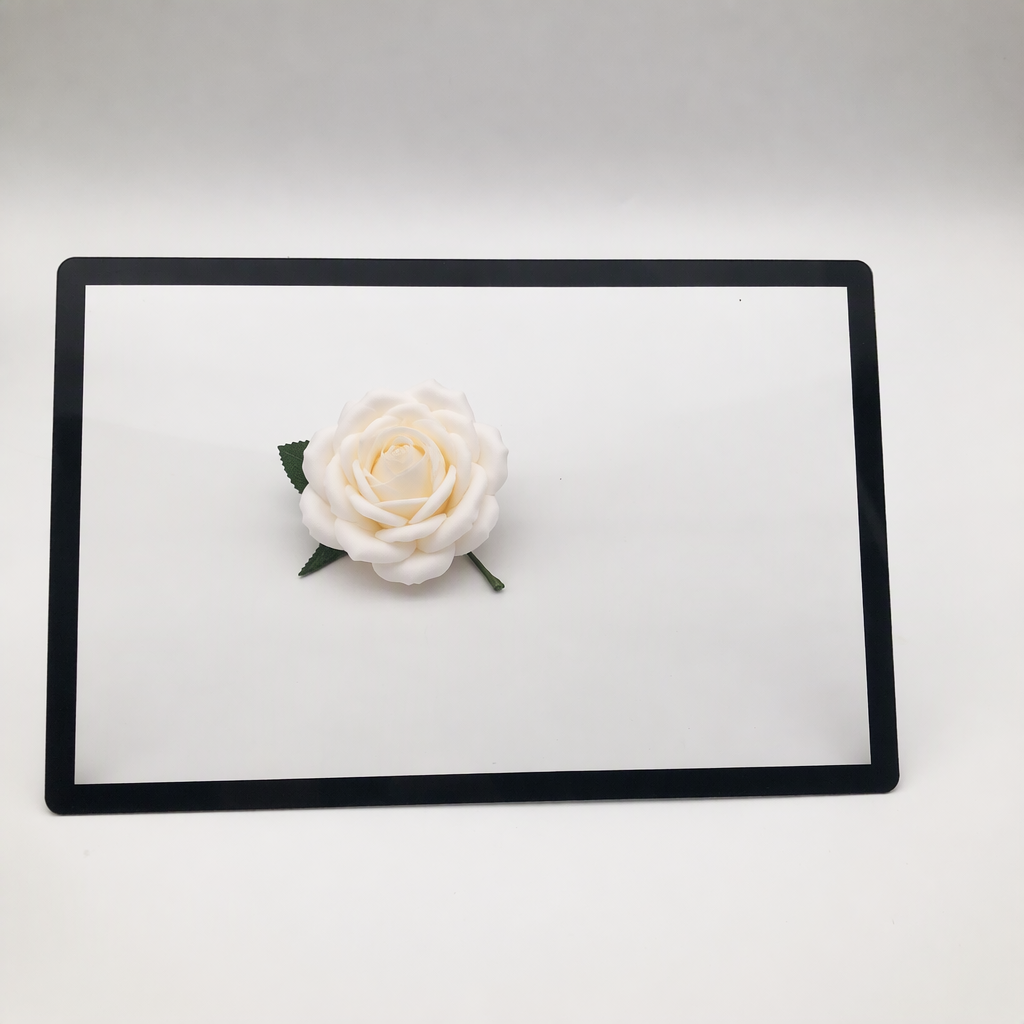
Ultra-Thin Silk Screen Printed Tempered Glass for Display Panels
Thin cover glass with printed borders and precise apertures for compact displays, laser controllers, laboratory instruments and embedded HMI. A good choice where space is limited but optical clarity still matters.
View product data →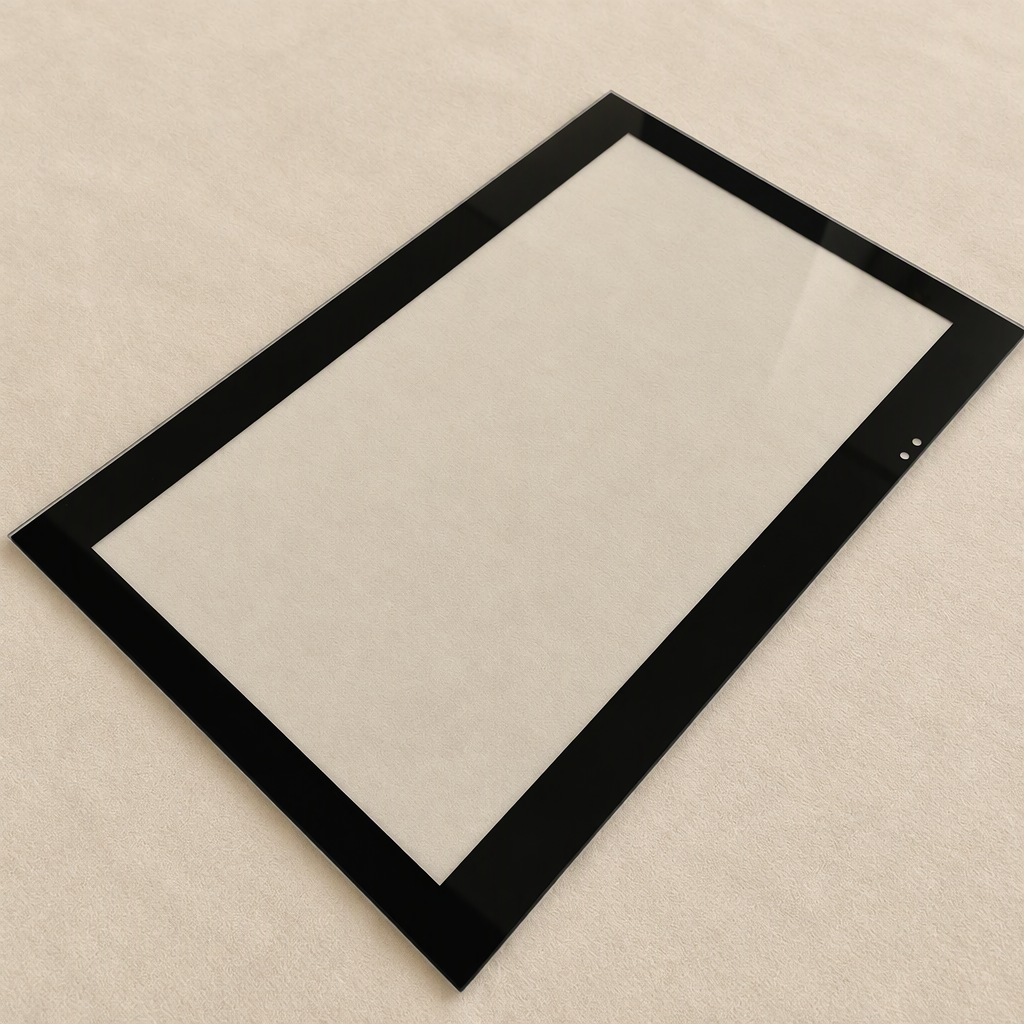
Silk Screen Printed Flat Display Screen Protector Glass for LCD TV & Industrial Decoration
Flat, printed protection for TV screens, machine monitors and decorative industrial panels. Suitable for Hamburg equipment builders that need consistent colour, flatness and repeatable print registration.
View product data →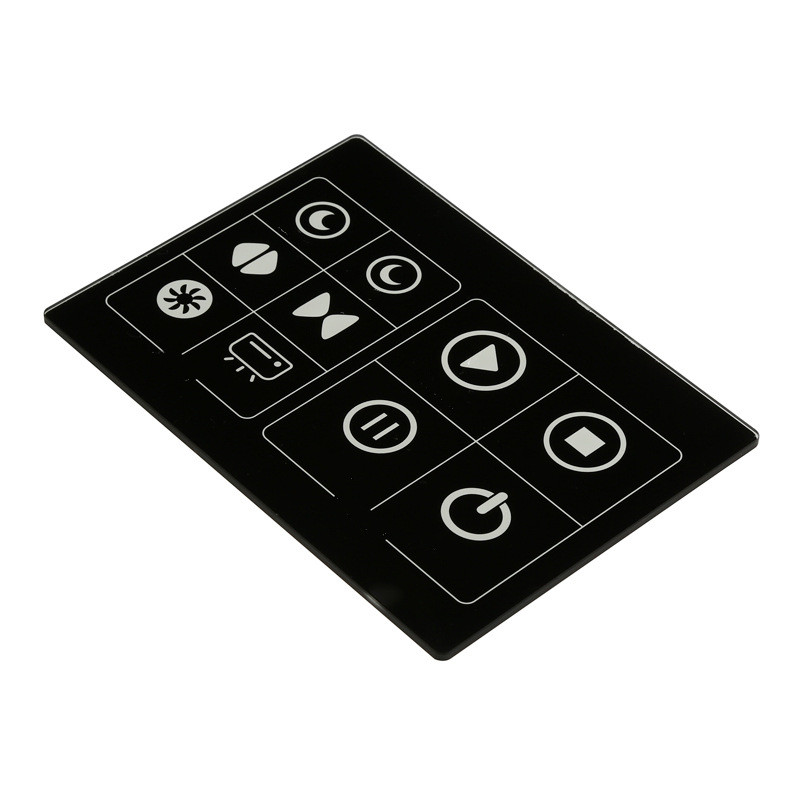
High Temperature Resistant Black Printed Tempered Glass for Cooktop & Microwave Oven Doors
Black-printed tempered glass for heat-exposed appliance fronts, cooktops, microwave doors and food-service equipment. High-temperature inks, controlled warpage and a safety break pattern support long-term use.
View product data →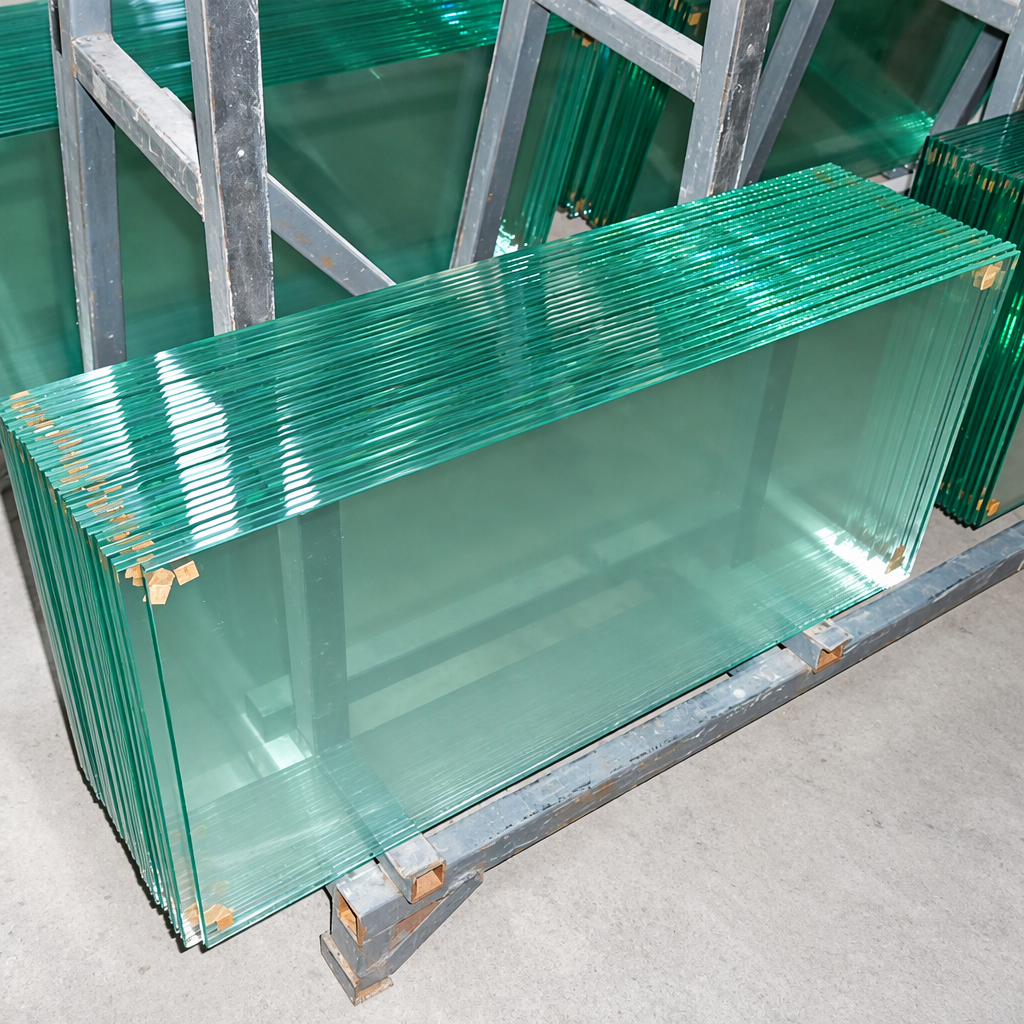
Construction & Real Estate Float Glass — Tempered Glass for Hamburg Projects
Tempered float glass for architectural using, interior partitions, machine guards and industrial viewing panels. Edge work, hole positions and packaging can be planned around project schedules.
View product data →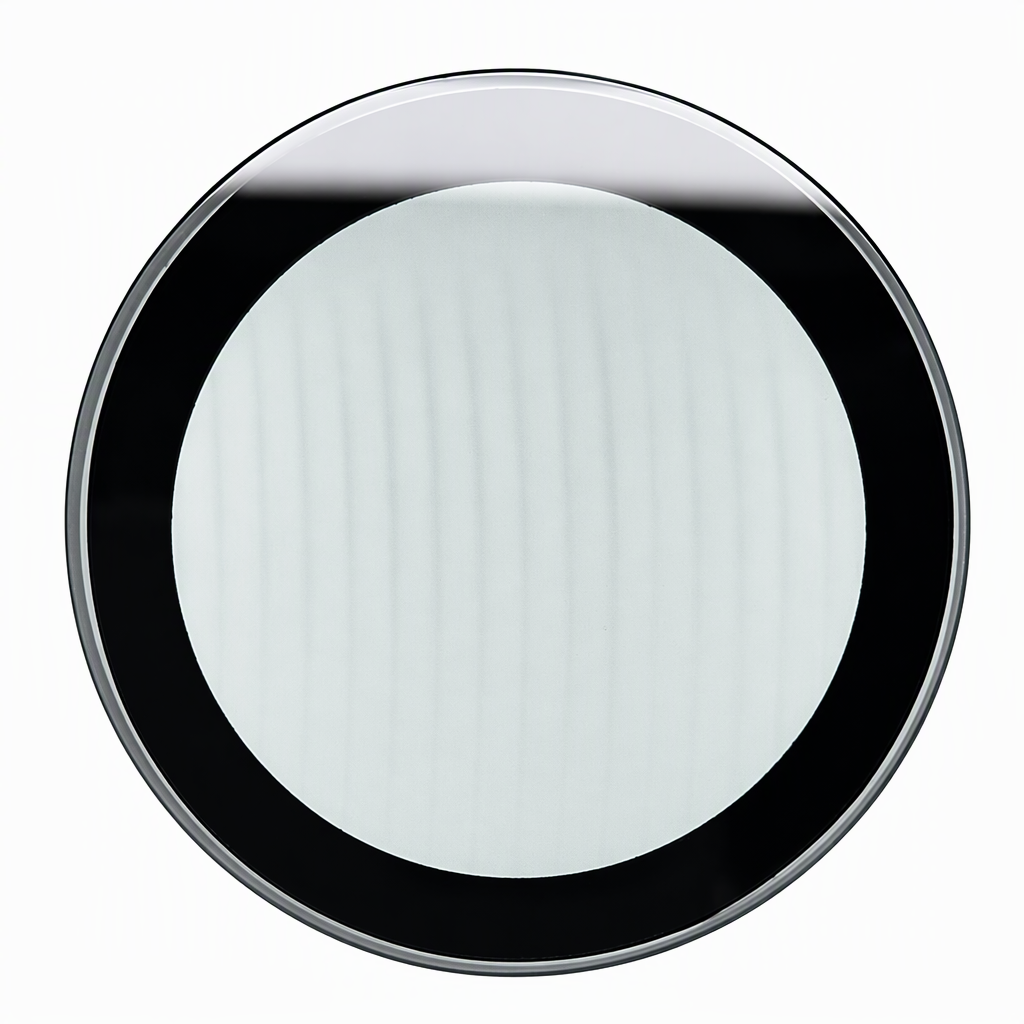
Custom 3–19 mm Round Printed Tempered Glass for Instruments
Round and special-shaped instrument glass from 3–19 mm. Often used for laser test benches, optical equipment, gauge windows, control dials and robust sensor covers with printed masking.
View product data →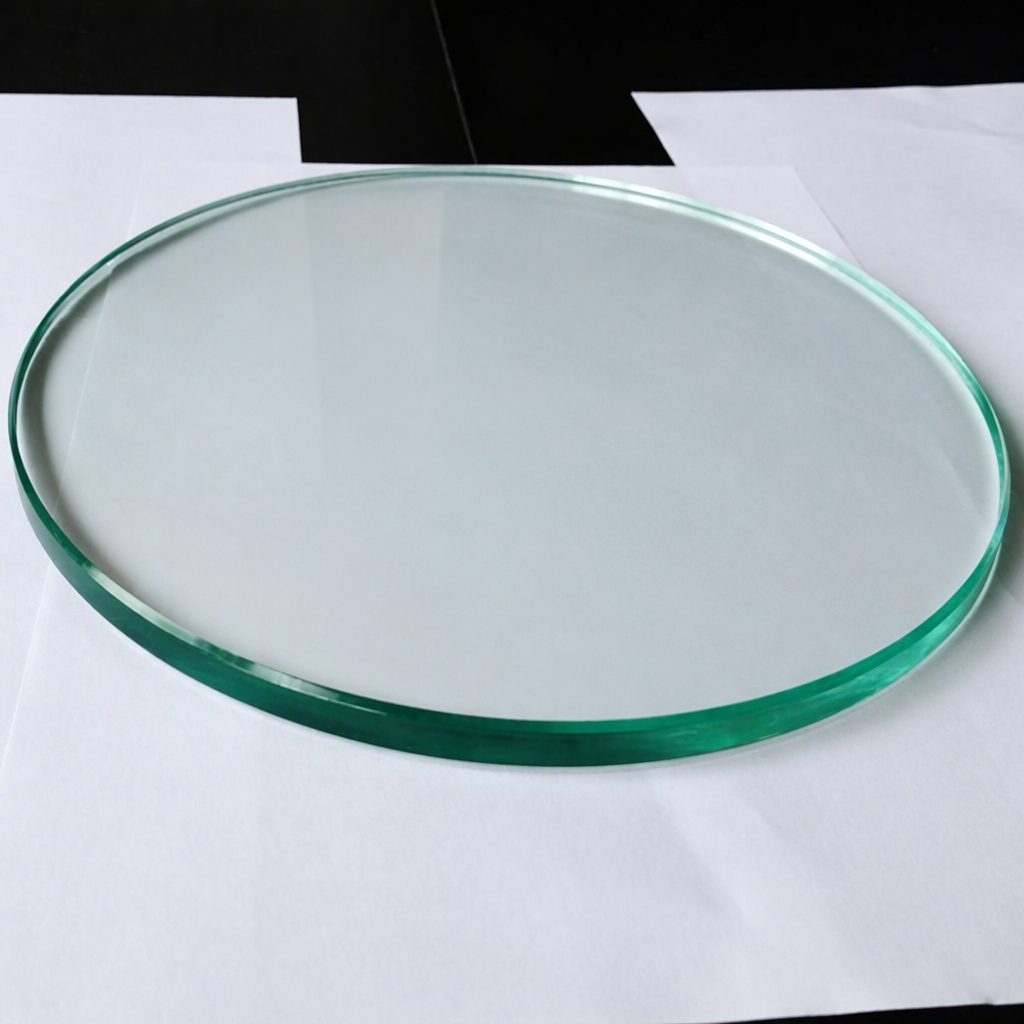
12 mm Tempered Glass Round Tempered Glass Beveled Round Glass Pieces
Heavy 12 mm beveled round glass with polished edges. Designed for robust inspection windows, lighting covers, high-impact machine covers and premium architectural or furniture applications.
View product data →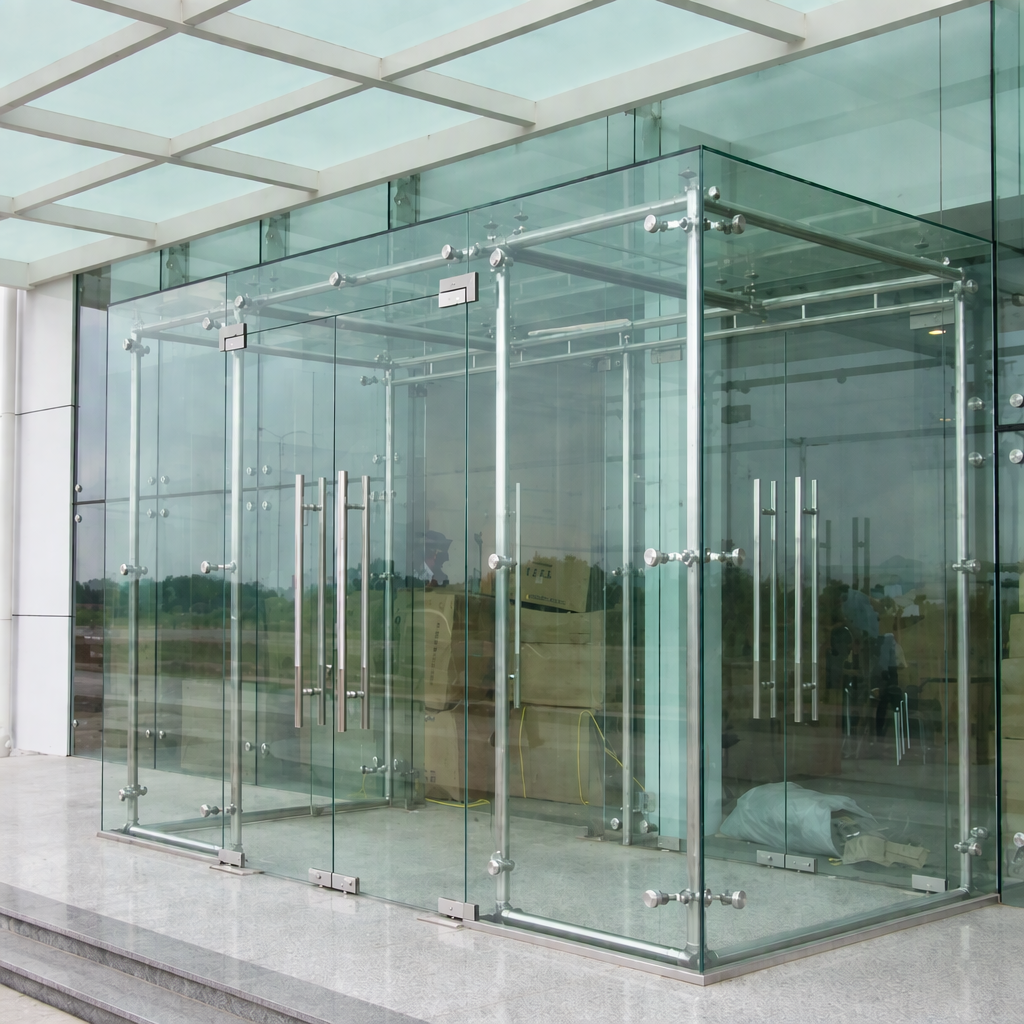
High Transmittance Clear Flat Solar Tempered Glass
Clear flat solar tempered glass selected for high transmittance and outdoor durability. Suitable for solar module windows, sensor covers, renewable-energy equipment and transparent protective panels.
View product data →
Customized 9H Industrial Touch Screen Glass Protector
Hard-coated industrial touch cover with printed graphics and optional AR, AG or AF treatment. Built for HMI terminals, access control, machine interfaces and outdoor touch applications in logistics and industry.
View product data →Specifying a Laser Protection Window: Four Decisions That Determine Success
Hamburg’s machine builders and laser integrators rarely buy “a glass size”. They buy a controlled optical component that must fit a risk assessment, a mechanical design and a production schedule. These four decisions should be closed before a purchase order is issued.
Wavelength and Optical Density
A laser safety window cannot be quoted from dimensions alone. Confirm laser type, wavelength such as 450 nm, 532 nm, 808 nm, 1064 nm or 10,600 nm, power, pulse duration, beam path and required optical density. The machine’s EN 60825-1 / IEC 60825-1 classification and employer risk assessment remain the governing documents.
Substrate and Optical Stack
Clear, ultra-clear or high-alumina glass may be appropriate depending on transmission and thermal load. AR coating reduces reflection; AG treatment diffuses glare; AF coating improves cleanability. Ask for wavelength-specific transmission data and evaluate a sample under your normal lighting, not only on a white background.
Strength, Edge Quality and Sealing
Physical tempering typically suits glass around 2 mm and thicker, while chemical strengthening is often better for thin 0.5–2 mm covers. All cutting, drilling, edge polishing and printing must be completed before strengthening. For harsh environments, specify edge quality, gasket compression, adhesive compatibility and salt-mist exposure requirements.
Print Alignment and Traceability
Laser apertures, camera windows, icons and backlight zones need print registration tolerances that match the assembly method. A 0.2 mm shift may be invisible on a sample but create scrap on a sealed enclosure. Batch traceability, certificate packs and sample approval records help Hamburg quality teams audit incoming goods efficiently.
Engineering note: If your laser protection requirement exceeds the practical limits of tempered or chemically strengthened glass, we will say so during review. Where the risk assessment calls for a specialised filter material, our role is to supply consistent glass components and agreed test data, not to replace the machine builder’s safety certification process.
Where Laser Protection Glass and Precision Glass Components Are Used Around Hamburg
Hamburg combines a major port, advanced manufacturing, life science, photonics, renewable energy and a dense maritime supply chain. These use cases shape the specifications we review most often for northern German buyers.
Port Logistics and Machine Vision
Container gates, crane cameras, AGV sensors and OCR portals need windows that resist dust, salt air, vibration and cleaning chemicals. AR-coated inspection glass improves vision, while AF treatment helps maintain readability when operators touch or wipe the surface.
Laser Integrators and Photonics Labs
Viewing windows, interlock panels and protective covers around laser cabins must be matched to wavelength and power. We support small engineering batches for test benches and scale to production quantities once the optical stack and mounting are validated.
Medical, Laboratory and Life Science Equipment
Hamburg’s medical and analytical device sector rewards displays that are easy to clean, readable under bright light and resistant to repeated disinfectant exposure. AR/AF coated cover glass and printed touch panels reduce glare while protecting the display below.
Marine, Offshore and Corrosion-Exposed Equipment
Nordic marine environments punish weak edges and poor packaging. Tempered glass components for control panels, viewing ports and bridge equipment should be specified with edge quality, sealing gaskets and corrosion-conscious mounting hardware in mind.
Renewable Energy and Hydrogen Technology
Solar and hydrogen projects use inspection windows, sensor covers and high-transmittance glass. Clear flat solar tempered glass can be combined with protective printing or coatings where the application requires optical clarity and outdoor durability.
Smart Buildings, Appliances and Access Control
Switch panels, card-reader covers, smart-lock glass and appliance fronts need consistent printing, scratch resistance and stable colour. Hamburg’s building automation and appliance OEMs often require custom shapes, pre-applied adhesive options and export-ready packing.
Hamburg Buying Trends for 2025–2026
Procurement expectations in northern Germany have shifted from “can you make this drawing?” to “can you prove the process, document the optical result and deliver without surprises?” The following trends are visible in the questions buyers bring to our engineering team.
- Laser safety documentation is entering the RFQ. Buyers increasingly provide laser class, wavelength, optical density target and risk-assessment notes at the first contact, not after sampling.
- AR, AG and AF requests are becoming combinations. A display may need low reflection for readability, anti-glare treatment for overhead lighting and fingerprint resistance for touch use.
- Small custom batches are normal. Nozzle prototypes, machine variants, spare-part programmes and lab equipment often start below 100 pieces. MOQ flexibility from 10–100 pieces is valuable when the design is not yet frozen.
- Packaging and traceability matter as much as glass quality. Long multimodal routes to Hamburg reward edge protection, moisture control, labelled cartons and documentation that helps incoming inspection.
- One supplier across print, coating and strengthening reduces risk. Keeping processes inside one ISO 9001 system shortens corrective loops and makes colour, flatness and optical claims easier to trace.
What Hamburg engineering reviews tend to prioritise
Bars indicate typical project emphasis rather than market research statistics. They are a practical checklist for aligning a supplier’s quotation with Hamburg’s technical and logistics expectations.
Why Hamburg Buyers Shortlist Qingdao Maupe Glass Co., Ltd.
Our factory is in Qingdao, Shandong, not Hamburg. The advantage to a Hamburg buyer is a controlled source with clear export documentation, responsive sample iterations and a process chain that keeps printing, tempering and coating inside one quality system.
One-Roof Process Control
Cutting, CNC shaping, edge polishing, drilling, engraving, silk-screen printing, physical tempering, chemical strengthening and AR/AG/AF coating are coordinated internally. Eight production lines support both prototype batches and repeat OEM orders.
Certified Quality Management
ISO 9001 certificate 24025Q20015R1S covers float glass and technical glass products. RoHS certificate 25TYT12395 and CE certificate 23TYT082593S are available for compliance review. Full renewal dates are shown below.
SGS Onsite Assessment
The company has been onsite-assessed by SGS Group as a third-party inspection company. A verified Fortune 500 supplier procurement contract is also part of our reference profile.
OEM / ODM Experience Since 2012
More than a decade of OEM work has built practical knowledge in printed glass, touch covers, appliance panels and industrial display glass. Custom logos, packaging, private-label documentation and design-for-manufacture feedback are supported.
Export-Ready Logistics
With 91–100% of output exported to 80+ countries, our team is used to international packing, labelling and shipping documents. The factory is close to Qingdao seaport and airport, simplifying sea, rail and air arrangements.
Engineering Communication
Send a 2D drawing, artwork and application notes. We review dimensions, thickness, edge finish, hole positions, tolerance, coating needs and annual volume before recommending a route. On-site audits are welcome by appointment.
Factory Evidence for Visiting and Remote Audits
Hamburg procurement teams can request a live video review, a documented sample report or an on-site audit in Qingdao. Our factory occupies 3,000–5,000 m² and is equipped for glass cutting, edge processing, printing, tempering and coating. For laser-protection window projects, the relevant production records, material declarations and approved sample parameters can be aligned with your supplier quality agreement.
When shipping to Germany, we commonly discuss FOB, CIF, EXW, FAS, FCA, CPT, DDP, DDU and express delivery. Payment terms include T/T, L/C, PayPal, Western Union and cash in USD, EUR or CNY. Packaging can be specified for multimodal sea–rail–truck routes, with interleaved paper, foam, edge protection, moisture barrier and labelled cartons when required.




ISO 9001 Quality Management
Certificate No. 24025Q20015R1S · Scope: float glass and technical glass products · Valid to 02/2028.

RoHS Compliance
Certificate No. 25TYT12395 · Restricts hazardous substances for EU electrical and electronic equipment · Valid to 12/2030.

CE Marking
Certificate No. 23TYT082593S · Tempered glass · Supports market access across the European Economic Area · Valid to 08/2028.
From a Hamburg RFQ to an Export-Ready Shipment
A controlled five-step route keeps engineering, purchasing and quality teams aligned.
Drawing and Application Review
We check manufacturability, tolerance, strengthening method, wavelength or coating target and annual volume.
Sample and Verification
Screens and samples are produced for fit, colour, print alignment or optical evaluation before mass production.
Production on Eight Lines
Cutting, edging, printing, tempering or chemical strengthening and coating are scheduled through the approved route.
Inspection and Packing
Incoming materials and finished panels are inspected, then packed with edge protection and export labelling as agreed.
Export to Hamburg
Sea, rail, air or express shipment is arranged through Qingdao’s port and airport, with FOB, CIF, FCA, DDP and other terms available.
Questions Local Buyers Ask Before Ordering
These are the practical questions we receive from German, northern European and Hamburg-based buyers during the first technical review.
Can you supply laser protection glass for 532 nm or 1064 nm laser systems?+
We can review a laser-protection window project using tempered or chemically strengthened glass substrates with agreed coatings and printing. Please provide wavelength, laser power, pulse duration, required optical density, aperture size, mounting method and the intended laser class. We will confirm whether the requirement fits our process. Final laser safety certification remains with the machine builder or employer. Where agreed, we support sample evaluation and material/transmission data.
What is the minimum order quantity for custom printed tempered glass?+
Most custom silk-screen printed panels start from 10 to 100 pieces depending on size, thickness and number of print colours. Large-size display cover glass can start from 10 pieces. Small engineering batches are also discussed for prototypes and machine variants. Samples are available for fit, print and optical verification before mass production.
Do you provide samples to Hamburg before we place a production order?+
Yes. The usual route is a drawing review, then a sample or screen for fit and appearance verification. For optical parts, agree the test method in advance: wavelength-specific transmission, haze or gloss, print registration, edge inspection or a visual limit sample under defined lighting. Courier shipment to Hamburg is normally quoted separately or included according to the agreed trade term.
Which drawings and files are needed to start a custom glass project?+
Send a 2D drawing in DWG, DXF or PDF with dimensions, thickness, edge finish, hole positions and tolerances. Add print artwork in AI or PDF with colour references and layer order. State coating requirements such as AR, AG or AF and the intended application. For laser protection glass, include wavelength, laser class, required optical density and any risk-assessment notes available from your safety engineer.
What certifications can our Hamburg compliance team review?+
The company operates an ISO 9001 quality management system, holds RoHS and CE certificates for its glass products, and has been onsite-assessed by SGS Group. Certificate numbers include ISO 9001 24025Q20015R1S, RoHS 25TYT12395 and CE 23TYT082593S. Buyers can verify the documents with the issuing bodies. Additional material declarations can be discussed during supplier onboarding.
Which delivery and payment terms are accepted for Germany?+
Accepted delivery terms include FOB, CIF, EXW, FAS, FCA, CPT, DDP, DDU and express delivery. Accepted payments include T/T, L/C, PayPal, Western Union and cash, in USD, EUR or CNY. For Hamburg and northern Germany, we can plan sea freight via a suitable European port, rail–sea solutions or air freight depending on batch size and urgency. The factory is close to Qingdao seaport and airport.
Should we choose physical tempered glass or chemically strengthened glass?+
Physical thermal tempering typically suits glass around 2 mm and thicker, including appliance doors, switch panels and display windows, and breaks into small blunt fragments. Chemical strengthening suits thin glass from about 0.5 mm to 2 mm, touch covers and parts needing excellent flatness and optical quality. Cutting, drilling and edge work must be done before strengthening. Our engineers recommend the route after reviewing thickness, strength and assembly loads.
How is glass packed for the long route to Hamburg?+
Export packing is defined around the risk profile of the part. Typical measures include interleaved paper, foam or EVA separators, edge protection, moisture-barrier wrapping, reinforced cartons and pallets. Labels can include part number, batch, quantity and handling marks. If your Hamburg warehouse requires specific pallet dimensions, barcode labels or incoming-inspection documentation, include those in the RFQ so they are costed from the start.
Can you support private-label packaging and scheduled releases?+
OEM and ODM support includes custom logos, printed documentation, private-label cartons and agreed packaging marks where quantities justify it. Scheduled releases and call-off orders can be discussed once the design is validated and forecast volumes are stable. For Hamburg buyers with limited warehouse space, we can review shipment cadence and minimum batch sizes to reduce stock pressure without creating production inefficiency.
What happens if a panel arrives damaged or out of specification?+
Photograph the outer carton, inner packaging, label and the affected panels before unpacking further. Keep the packaging for carrier inspection. Send the batch number, purchase order and photos to our team. We will compare the condition with the approved sample, packing specification and inspection record, then agree whether replacement, credit or corrective action is appropriate. Clear acceptance criteria at sample approval are the best prevention.
Have a Drawing or Laser Window Specification Ready?
Send your drawing, wavelength target, artwork and delivery requirements. Our engineers will review manufacturability, recommend a glass route and prepare the next step for a Hamburg or northern Germany project.
Email: info@maupeglass.com · ISO 9001 · RoHS · CE · SGS Onsite Assessed