8 Low-Reflection and Custom Tempered Glass Products for El Paso Buyers
These product links are preserved from the original catalog. Each platform can be customized by drawing for thickness, edge finish, print artwork, coating and packaging. If a configuration is not listed, send an inquiry with your drawing and target application.
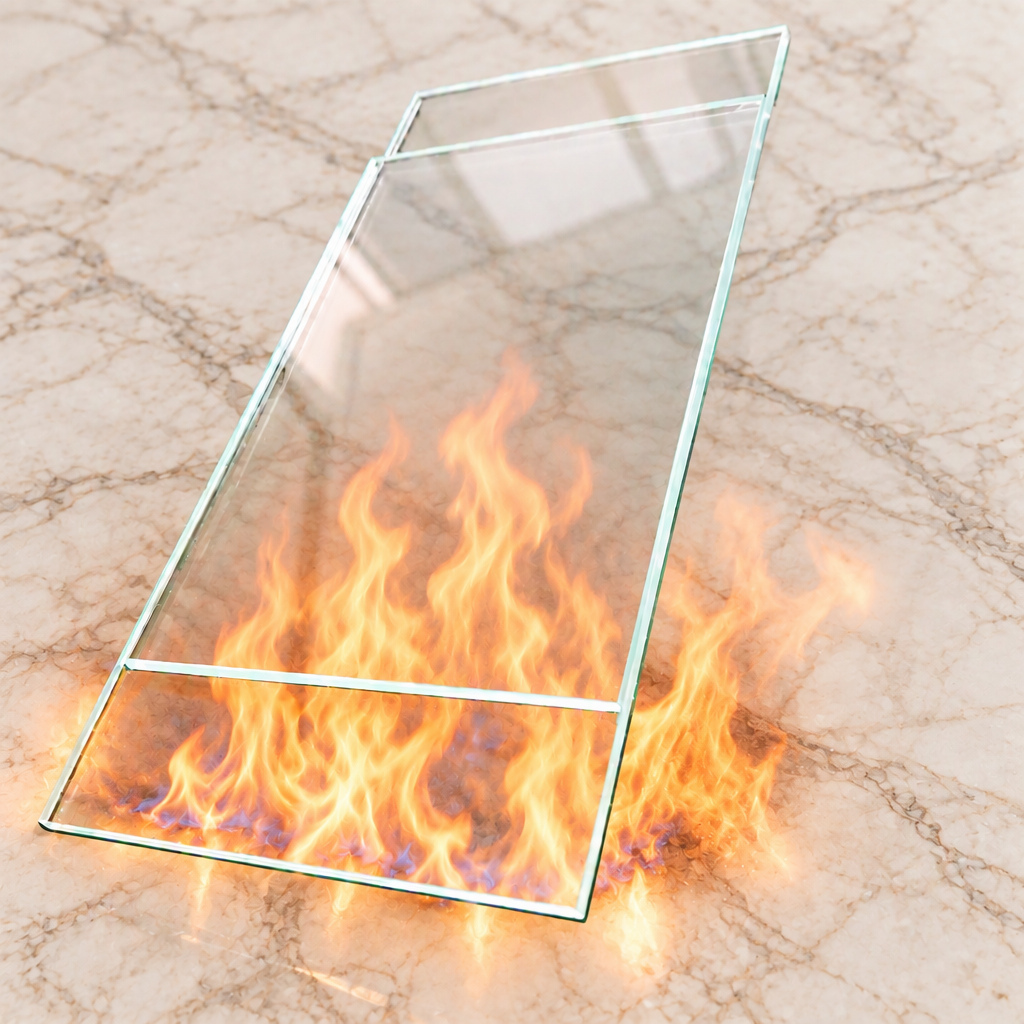
Tempered Glass Flat Solid Glass Panels Heat-resistant Tempered Glass for Various Application
For appliance doors, industrial windows and control panels that need safety glass with heat resistance and clean flatness.
View product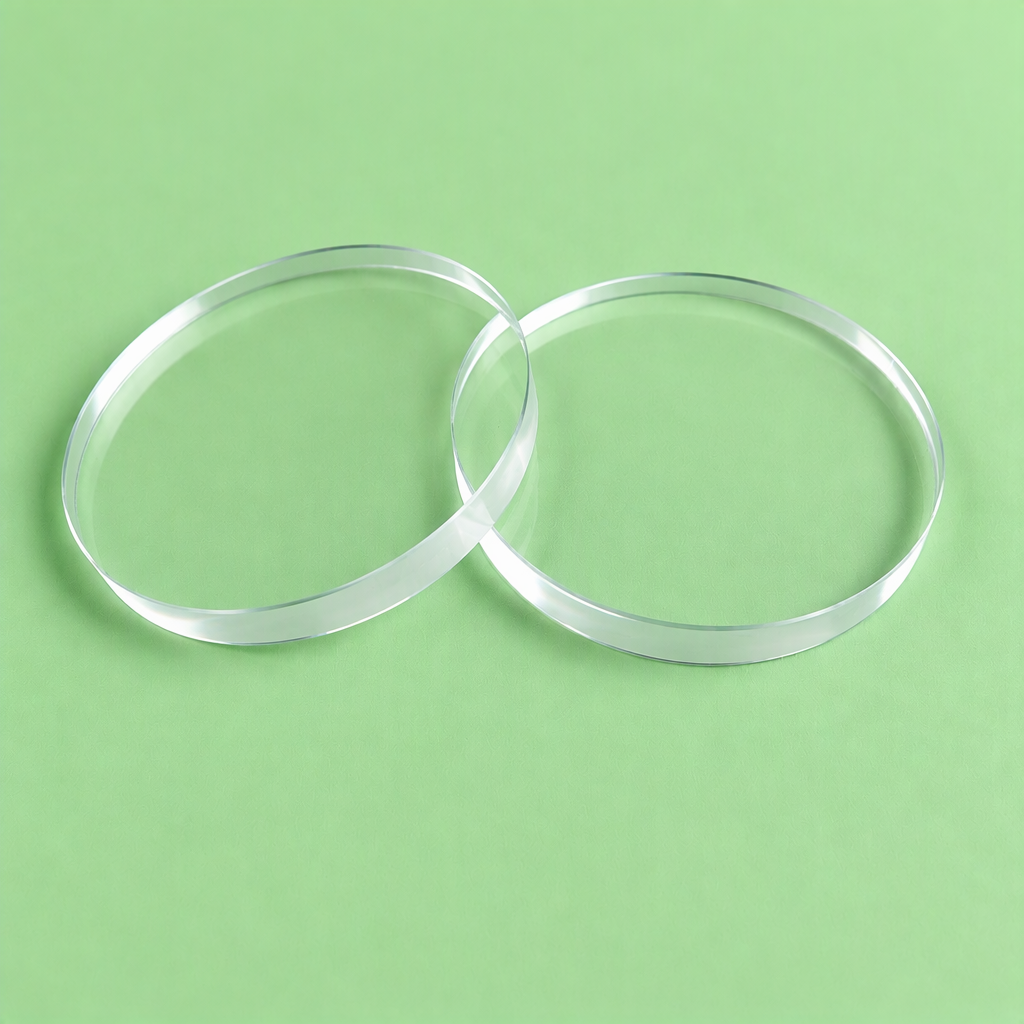
High Strengthen Glass Tempered Glass Custom Size Tempered Clear Glass Panel for Industrial
Custom-cut clear tempered glass for machine guards, HMI enclosures and equipment windows requiring repeatable dimensions.
View product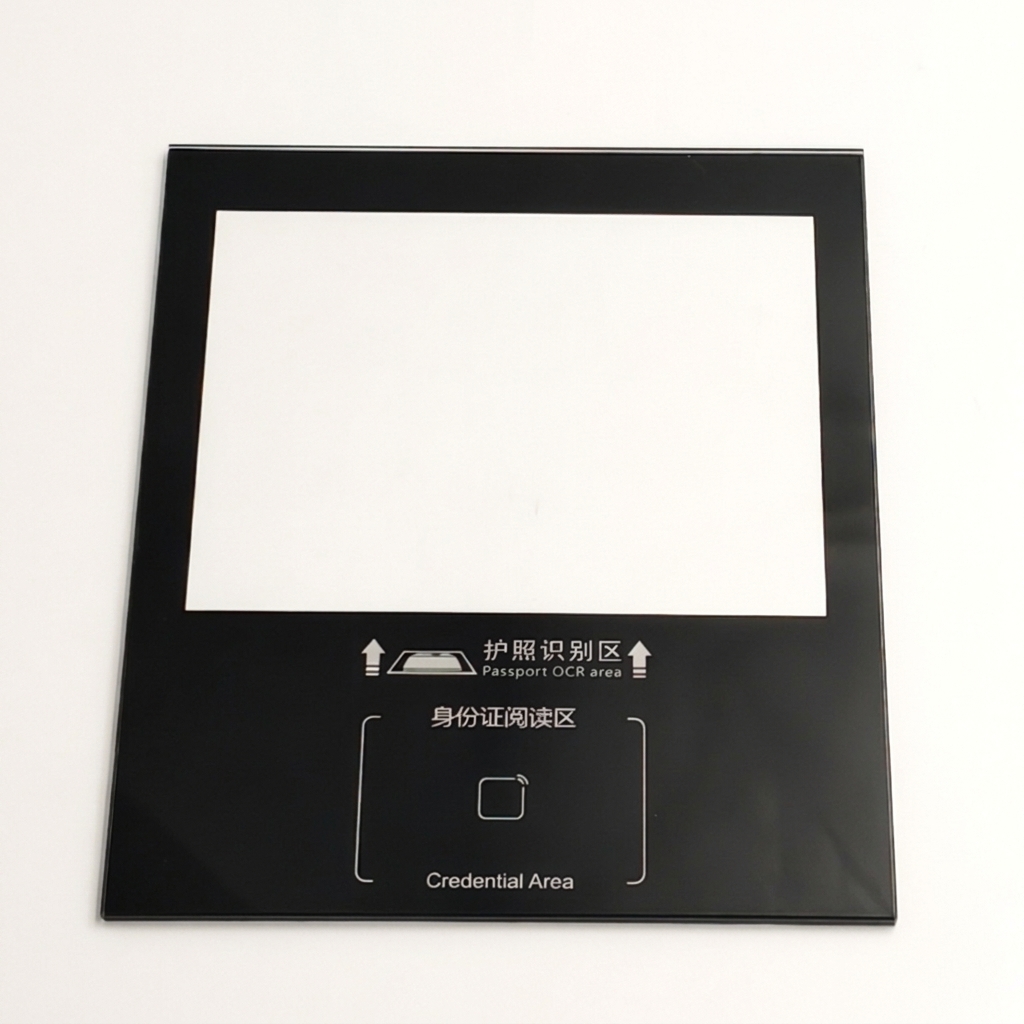
Custom Tempered Glass Protective Glass Panel Transparent Polished Display Cover Glass for Small Electronic Devices Cover
Polished protective cover glass for small electronics, touch interfaces and display windows with optional AR/AG/AF finishing.
View product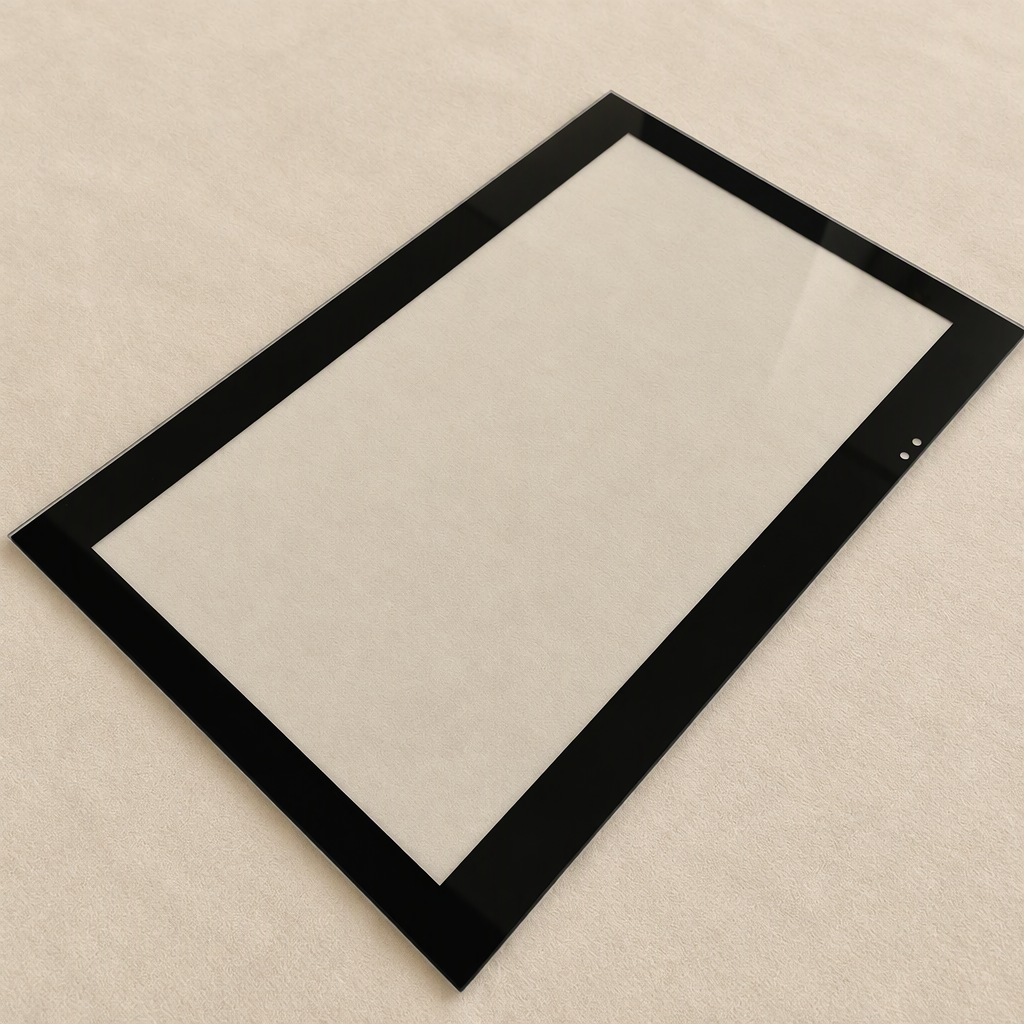
Tempered Glass Panel Silk Screen Printed Flat Display Screen Protector Glass for LCD TV Industrial Decoration
Printed borders and viewing windows for LCD TVs, kiosks and industrial decoration where visual clarity and brand color matter.
View product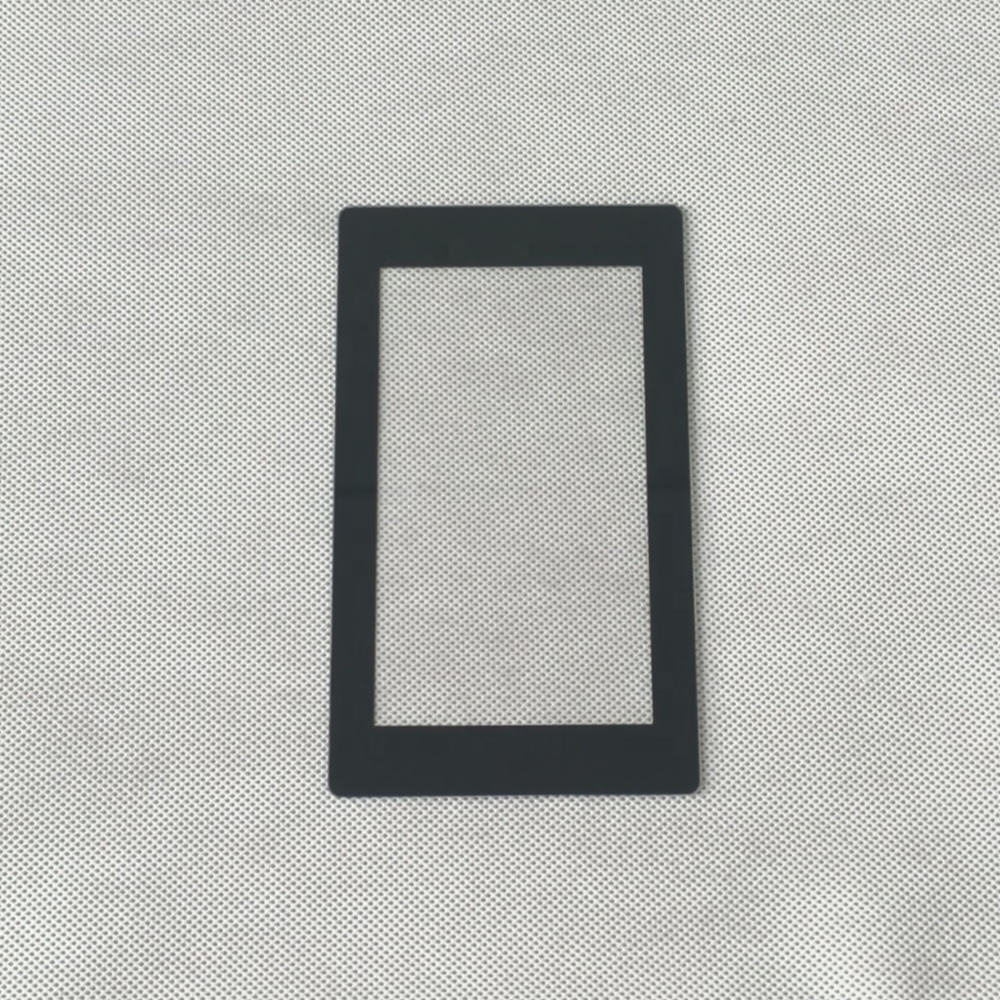
Silk Screen Printed Tempered Glass Panel Self Adhesive Display Cover Glass Flat Electronic Product Glass Screen Protector
Self-adhesive flat glass covers for electronic displays and touch products requiring assembly-friendly handling.
View product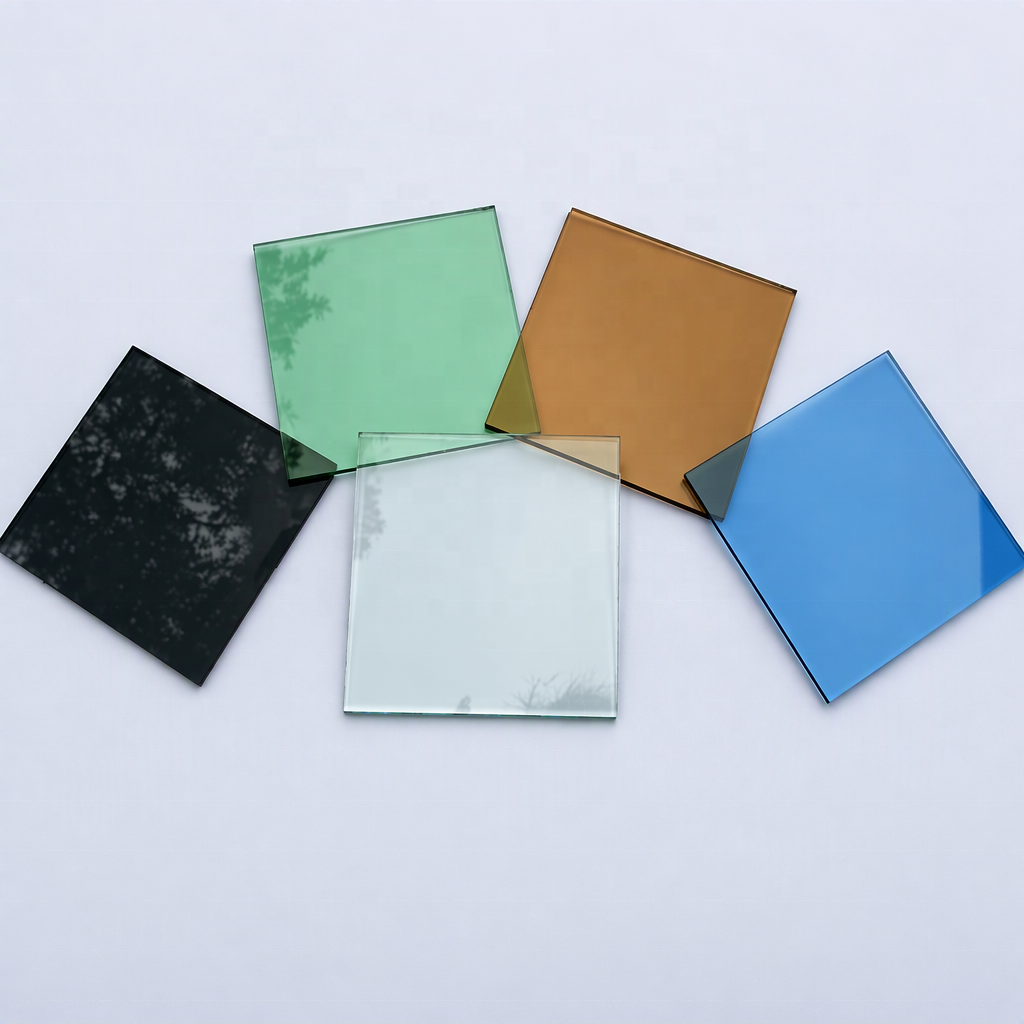
Customized Tinted Tempered Glass Flat Sheet 3mm to 10mm Reflective Colored Glass Toughened Glass
Tinted and reflective toughened glass for privacy, decorative panels and controlled-light display windows.
View product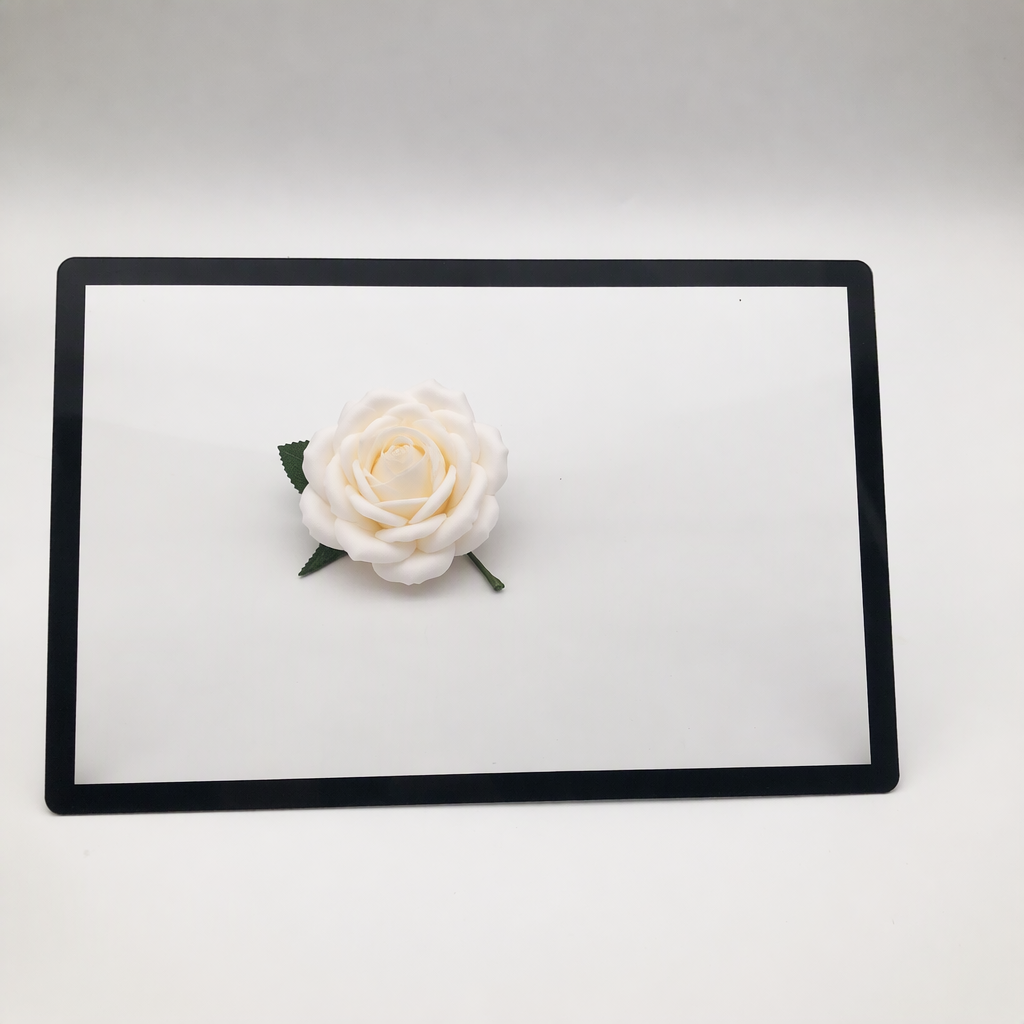
Ultra-Thin Silk Screen Printed Tempered Glass for Display Panels
Thin printed cover glass for compact displays, touch modules and devices where low reflection and low weight are critical.
View product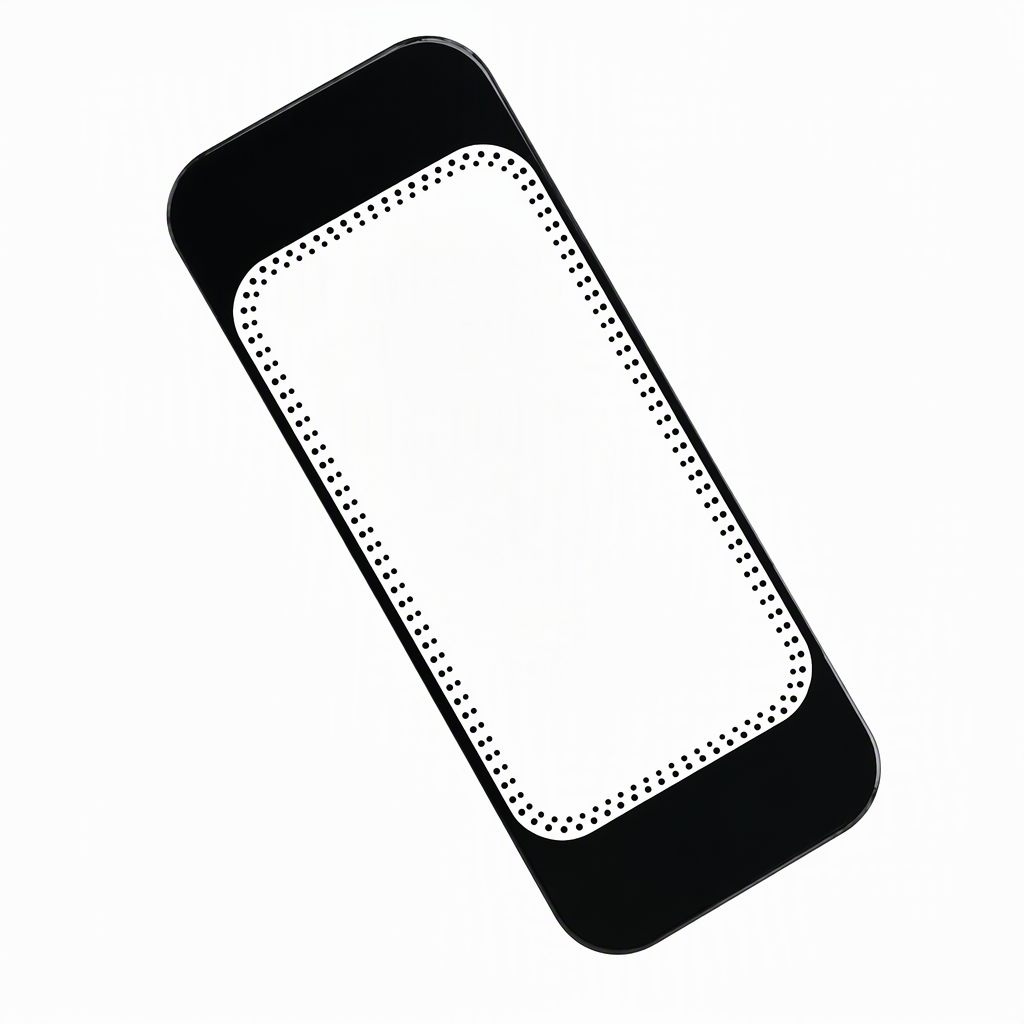
Custom Logo Silk Screen Printing Tempered Glass Panel Tempered Display Glass Screen Protector
Branded printed tempered glass for OEM faceplates, display protectors and control panels requiring exact logo reproduction.
View productWhy Low Reflection Glass Is a Specification Issue in El Paso, Not a Cosmetic Upgrade
El Paso sits in a high-brightness desert environment where sunlight, reflective paving, glass lobbies and polished industrial floors can wash out a display long before the electronics reach their performance limit. For OEMs, display integrators and cross-border manufacturers, glass that looks clear in a showroom may become a usability problem when it is installed in an outdoor kiosk, a factory HMI, a hospital monitor or a smart lock beside reflective glazing. Low reflection glass is therefore a specification decision, not a cosmetic upgrade. It changes contrast, readability, touch feel, coating durability and the total cost of a display assembly.
Low reflection glass usually means an anti-reflective (AR) coating, an anti-glare (AG) etched or coated surface, an anti-fingerprint (AF) treatment, or a combination of these finishes. AR coating increases transmission and reduces ghost reflections that wash out dark screens. AG glass scatters reflected light to produce a softer matte image and is often preferred for large industrial panels or outdoor signage where diffuse reflection is more comfortable than a mirror-like finish. AF treatment keeps oils and dust from building up, which matters in public kiosks, medical rooms and factory floors. The right choice depends on the light source, viewing distance, cleaning method, touch interface and whether the panel must be physically tempered or chemically strengthened.
El Paso buyers also need to consider cross-border supply chains. A specification that works in Juárez may need to be packed for LTL trucking, labeled bilingually, inspected before consolidation and documented for U.S. and Mexican import teams. That is why a low reflection glass manufacturer for the El Paso market should offer more than a coating: it should offer drawing review, sample verification, RoHS and CE documentation, SGS onsite assessment and export terms such as FOB, CIF, EXW or DDP.
| Optical need | Recommended surface | Best-fit glass | Typical El Paso use | Why it matters |
|---|---|---|---|---|
| Maximum screen transmission | AR coating | Chemically strengthened 0.5–2 mm or tempered 2–4 mm | Outdoor kiosks, medical monitors, bright HMI | Reduces reflected glare and improves perceived contrast |
| Soft matte look | AG etching or coating | Tempered or chemically strengthened | Industrial panels, large signage, factory HMIs | Scatters light to avoid mirror-like reflections |
| Public touch cleanliness | AF treatment | Chemically strengthened for thin covers | Card readers, smart locks, self-service kiosks | Limits fingerprints, oils and dust build-up |
| Impact and heat resistance | None or AR optional | Physically tempered 2 mm and thicker | Appliance doors, industrial windows, display windows | Breaks into small blunt fragments for safety |
| Thin flat touch covers | AR + AF or AG + AF | Chemically strengthened thin glass | Small electronics, touch modules, instrument faces | Maintains flatness and optical quality in thin formats |
Low Reflection Glass Applications Across El Paso and the Borderplex
The same coated glass can behave very differently in a shaded lobby, a sunlit parking structure, a cleanroom or a maquila production line. These application notes help procurement and engineering teams align the specification with the real environment.
Outdoor kiosks and digital wayfinding
El Paso sunlight and reflective paving make outdoor screens hard to read. Specify AR glass for transmission, AG for diffuse glare control and AF for public touch. Chemically strengthened 0.5–2 mm glass is common for thin covers; tempered glass is preferred where impact and vandalism risk are higher.
Factory automation and HMI panels
In manufacturing plants on both sides of the border, machine operators read HMIs under overhead lights and through safety windows. Printed tempered glass with selective clear windows, anti-glare finish and scratch-resistant ink helps maintain contrast while protecting sensors, labels and touch zones.
Medical and diagnostic display covers
Clinics and medical device service providers in El Paso need cleanable, low-haze glass that reduces reflections from ceiling lights. AR and AF coatings on chemically strengthened glass support accurate image review and repeated cleaning when the coating system is matched to the disinfectants in use.
Access control and card reader glass
Commercial buildings and logistics parks use card readers, QR scanners and smart locks where printed glass hides electronics and shows only the reading window. Silk-screen printed tempered glass with tight print registration supports clean lobby aesthetics and reliable sensor performance.
Smart home and appliance controls
Distributors serving El Paso, Las Cruces and Juárez need switch panel and appliance glass that matches brand colors and resists fingerprints. Printed tempered glass with backlight-ready icons and AF surface treatment improves appearance in rental properties, hospitality projects and multifamily developments.
EV charging and energy displays
EV chargers, energy monitors and outdoor equipment need display windows that remain legible in low sun. Low-reflection coated glass can be combined with tinted or high-strength substrates, CNC edges and sealed display frames. Final selection should be tested against actual display brightness and enclosure design.
El Paso Market Trends Shaping Low-Reflection Glass Specifications
Buyer expectations in the El Paso–Juárez manufacturing corridor are changing. These four trends appear repeatedly in RFQs, sample requests and supplier qualification forms.
01Nearshoring and USMCA supply-chain planning
Nearshoring continues to move electronics, appliance, automotive and medical-device assembly closer to North America. El Paso procurement teams increasingly ask suppliers for documentation that supports both U.S. and Mexican operations: material declarations, RoHS evidence, packing lists, bilingual labels and delivery terms that can be quoted as FOB Qingdao, CIF, EXW or DDP. A low-reflection glass exporter that understands these requirements reduces friction between engineering, purchasing and customs teams.
02Optical performance under desert light and dust
Sunlight, dust and temperature swings make coating choice more important than ever. Buyers want AR for contrast, AG for diffuse glare, and AF for public touch, but they also need to know how the surface will be cleaned and how the coating will survive field use. Projects for outdoor kiosks and industrial HMIs are moving toward combined AR + AG + AF specifications where the display enclosure and cleaning procedure support the coating system.
03Thinner strengthened glass for touch integration
As touch interfaces move into smaller devices and flush control panels, chemically strengthened glass from 0.5 mm to 2 mm is requested more often for thin covers that must stay flat and optically clear. Physically tempered glass remains the standard for appliance doors, switch panels, industrial windows and larger covers where safety breakage and impact resistance are the priority.
04Traceability, bilingual files and cross-border QA
El Paso buyers rarely purchase glass in isolation. They coordinate with engineering teams, contract manufacturers, freight forwarders, customs brokers and assembly plants in Juárez. They want certificate numbers that can be checked, inspection photos before shipment, carton labels that are easy to read in English and Spanish, and clear communication about which process step controls print color, coating haze or tempering quality.
How to Match Low Reflection Glass to El Paso Project Types
Use this recommendation matrix during early specification. The final coating stack, thickness and strengthening method should be confirmed against your drawing, enclosure design, cleaning process and volume.
For sunlit outdoor kiosks and digital wayfinding, start with chemically strengthened thin glass or tempered glass if impact risk is high, then evaluate AR + AG + AF on the display window. For industrial HMI enclosures, a silk-screen printed tempered panel with a selectively clear touch window often provides a better overall balance than coating every surface. For medical monitors, choose low-haze AR and an AF treatment that is compatible with the hospital cleaning routine. For access control and smart-lock glass, prioritize print registration, clear sensor windows and scratch resistance before adding a premium anti-reflective stack.
Appliance and kitchen projects usually need heat-resistant tempered glass and high-temperature print rather than the lowest reflection value. Tinted reflective glass can be useful for privacy, decorative panels and controlled-light windows, but it should not be selected solely to solve display glare. The most reliable route is to send a 2D drawing, artwork file, application photo and target environment, then ask the factory to recommend the simplest coating and strengthening combination that meets the requirement.
| El Paso project | Recommended glass | Coating or print | Key buying question |
|---|---|---|---|
| Outdoor kiosk / wayfinding display | Chemically strengthened 1.1–2 mm or tempered 2–4 mm | AR + AG or AR + AF | What is the actual display brightness and enclosure angle? |
| Industrial HMI / machine control | Printed tempered glass, 2–5 mm | Selective clear window, AG optional | Which sensor, label or touch zone must remain visible? |
| Medical monitor / diagnostic screen | Chemically strengthened thin glass | Low-haze AR + cleanable AF | Which disinfectant and wipe process will be used? |
| Card reader / smart lock / access control | Tempered glass with printed borders | Clear reading window, AF optional | Does print tolerance affect RFID, QR or fingerprint performance? |
| Smart switch / appliance control | Tempered glass with high-temperature ink | Backlight-ready icons, AF optional | Is the panel exposed to steam, heat or strong cleaning agents? |
| Tinted privacy / decorative panel | Tinted reflective tempered glass, 3–10 mm | Custom color and print | Is the goal privacy, decoration or glare control? |
Why Qingdao Maupe Glass Is a Practical Partner for El Paso Buyers
Qingdao Maupe Glass Co., Ltd. has focused on custom glass deep processing since 2012. For El Paso buyers, the practical advantage is not a catalog photo but the ability to keep cutting, CNC shaping, edge polishing, drilling, engraving, silk-screen printing, physical tempering, chemical strengthening and AR/AG/AF coating under one quality system. That reduces handoff risk between suppliers and makes it easier to trace a coating, print or tempering issue back to a specific process step.
Operating an ISO 9001 quality management system is the baseline. The company holds RoHS Certificate No. 25TYT12395 and CE Certificate No. 23TYT082593S, and has been onsite-assessed by SGS Group. Its ISO 9001 certificate, No. 24025Q20015R1S, supports a documented approach to incoming material inspection, finished product inspection and supplier assessment. Buyers who need a Fortune 500-level procurement trail can also review the verified transaction level and trade history.

From Drawing Review to Cross-Border Delivery
Documented process control is especially important when glass is produced in China and installed in El Paso or assembled in Juárez. Each order follows a controlled sequence so engineering, purchasing and quality teams can review the same information.
Drawing review
Engineers check manufacturability, tolerance, print layers and strengthening method before quotation.
Sampling
Screens and samples are produced for fit, color, touch and coating verification before mass production.
Production
Cutting, edging, drilling, printing, tempering and chemical strengthening are controlled under one system.
Inspection
Incoming material and finished product inspection help confirm print, dimensions, coating and safety glass condition.
Export packing
Protective export packing supports sea, air and express delivery, with documents for cross-border clearance.

ISO 9001 Quality Management
Certificate No. 24025Q20015R1S. Scope covers float glass and technical glass products; quality system supports incoming material and finished product inspection.

RoHS Compliance
Certificate No. 25TYT12395. Supports restricted-substance documentation for EU electrical and electronic equipment and global OEM procurement.

CE Marking
Certificate No. 23TYT082593S for tempered glass. Helps support market access and compliance review for European and international projects.
Low Reflection Glass FAQ for El Paso and Borderplex Procurement Teams
These are the questions local buyers, engineers and cross-border project managers ask most often during sample review and supplier qualification.
Can you ship low reflection glass to El Paso or Juárez?
Yes. Qingdao Maupe Glass exports to North America and 80+ countries, and can support delivery terms including FOB, CIF, EXW, FAS, FCA, CPT, DDP, DDU and express delivery. For El Paso and Juárez projects, the packing list, label format, inspection photos and shipping documents can be prepared for cross-border coordination with your freight forwarder or customs broker.
What is the difference between AR, AG and AF glass for El Paso sunlight?
AR coating reduces reflection and increases display transmission, which improves contrast in bright light. AG creates a matte surface that scatters reflected light, making large panels more comfortable to view. AF reduces fingerprints and oil marks on touch surfaces. For outdoor kiosks and sunlit displays, a combination may be appropriate, but the final stack should be matched to the display brightness, viewing angle, cleaning method and enclosure design.
What is the minimum order quantity for custom printed low reflection glass?
Most custom silk-screen printed panels start from 10 to 100 pieces depending on size, thickness and number of print colors. Large-size display cover glass can start from 10 pieces. Samples are available for fit, print and coating verification before mass production. If your El Paso project involves a new enclosure or a new touch sensor, approve a physical sample rather than relying only on a drawing.
Can you provide ISO, RoHS, CE and SGS documents for supplier qualification?
Yes. The company operates an ISO 9001 quality management system, holds RoHS Certificate No. 25TYT12395 and CE Certificate No. 23TYT082593S, and has been onsite-assessed by SGS Group. Certificate numbers are listed so your compliance team can verify them with the issuing bodies. Additional product-specific inspection records can be discussed during the RFQ process.
How do we control quality when production is overseas and assembly is in the Borderplex?
Start with a drawing review, then approve a sample that represents the final print, coating, edge finish and thickness. During mass production, request inspection photos, dimensional reports and packing confirmation before shipment. For projects with strict traceability, define the inspection criteria in the PO and ask for finished product inspection records. The factory’s ISO 9001 system, incoming material inspection and finished product inspection procedures provide the framework for this process.
What files and trade terms are needed to quote a low reflection glass project?
Send a 2D drawing in DWG, DXF or PDF with dimensions, thickness, edge finish, hole positions and tolerance; print artwork in AI or PDF with color references; coating requirements such as AR, AG or AF; the application environment; annual volume; and your preferred delivery term. Accepted payment methods include T/T, L/C, PayPal, Western Union and cash, in USD, EUR or CNY. The factory is close to Qingdao seaport and airport for export logistics.
Have a Drawing for an El Paso Low Reflection Glass Project?
Send your glass size, thickness, print artwork, coating requirement and target delivery terms. Our team can review manufacturability and recommend whether AR, AG, AF, tempered glass or chemically strengthened glass is the better fit for your application.
For faster review, include your 2D drawing, artwork file, application photo, target quantity and whether the final assembly is in El Paso, Juárez or another Borderplex location.