OEM/ODM Anti Reflective Coating Factory & Wholesalers for Houston
Factory-direct AR, AG and AF coated glass for Houston display integrators, architects, appliance brands, medical teams and industrial buyers—custom cut, printed, tempered and export-packed.
8 Glass Products for Anti-Reflective and High-Clarity Projects
Each item below preserves its original product link. For a mixed Houston order, our engineers can combine AR coating, anti-glare etching, silk-screen printing, tempering and 3M adhesive into one production plan and one export shipment.
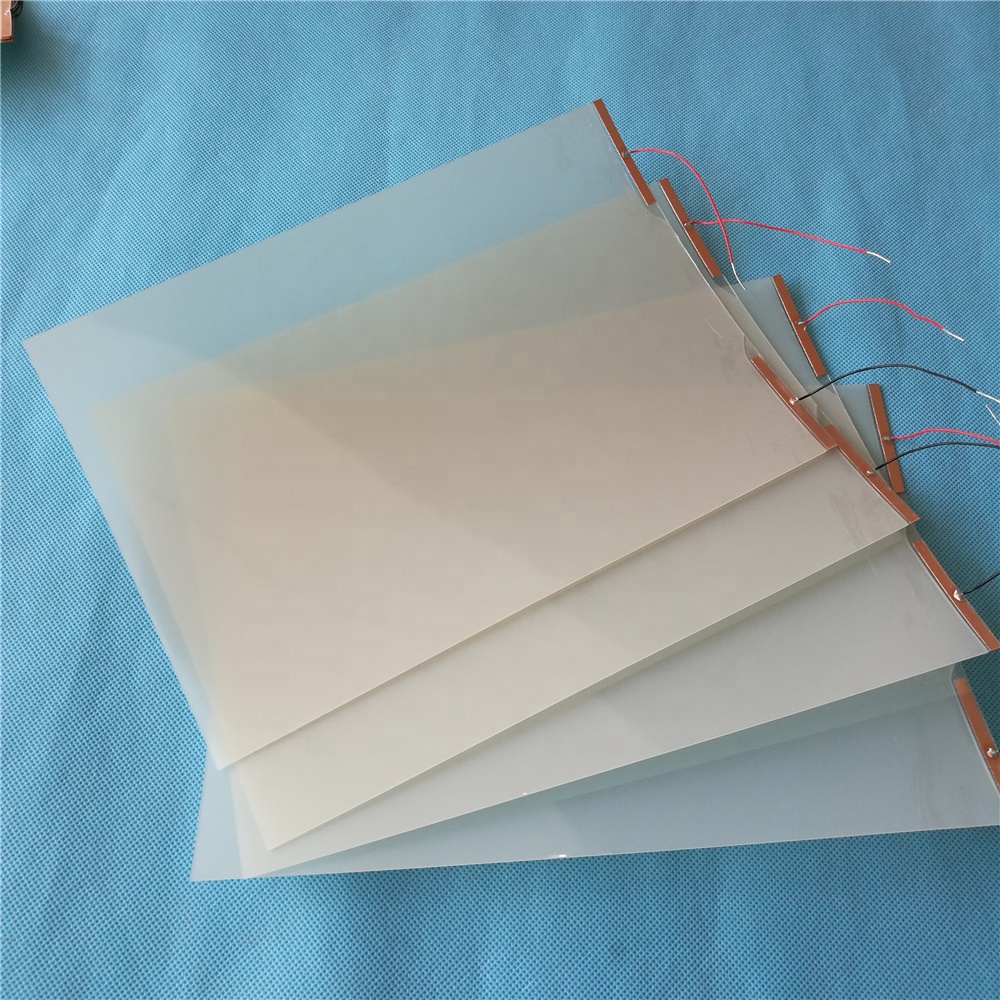
Factory Price Electrochromic Anti-UV PDLC Film Smart Switchable Privacy Glass Office Partition and Curtain Walls
Smart privacy glass for Houston offices, clinics and conference rooms where daylight, UV control and glare management need to work together.

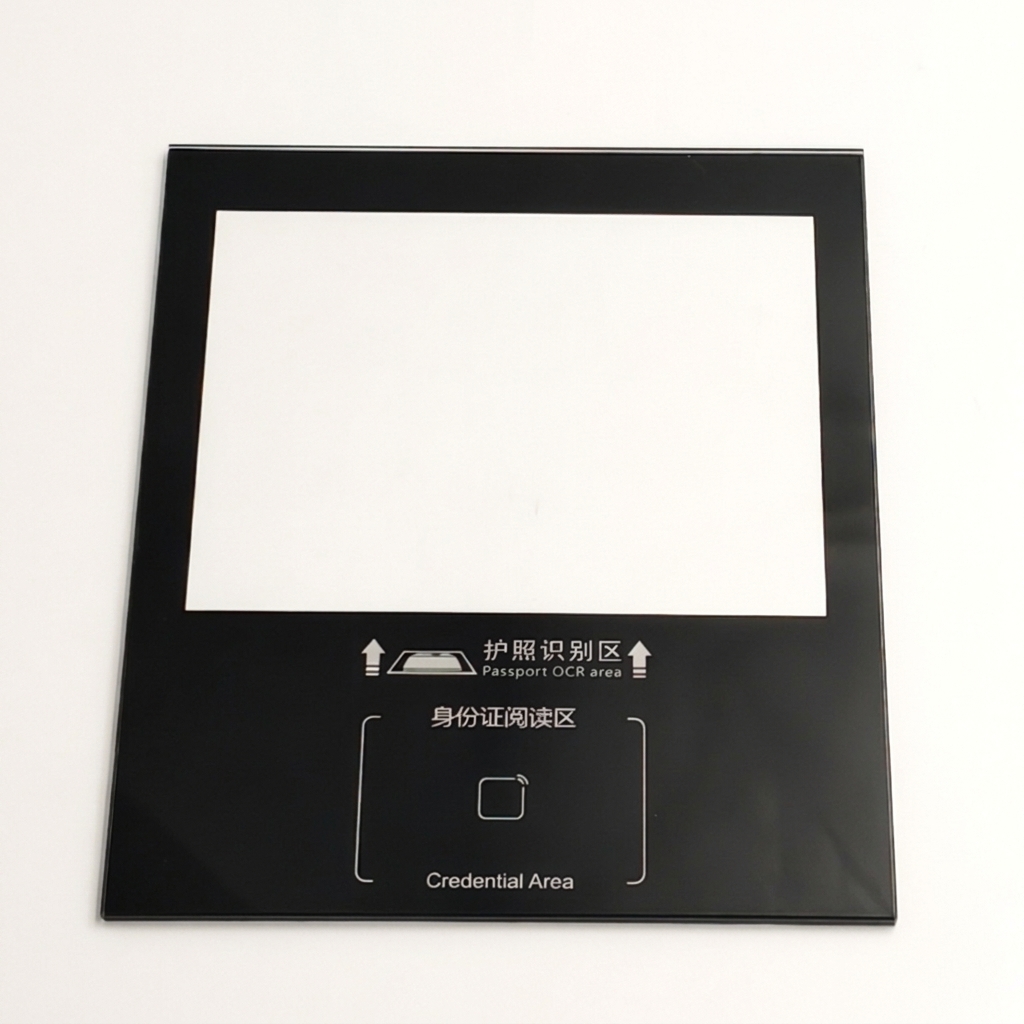
Tempered Glass Panel With 3M Adhesive Tape Silk Screen Printing for Electrical Appliance Decoration Front Cover Glass
Printed tempered front panels with 3M adhesive for appliances, control boxes and electronics; AR or AF coating can be added for display windows.
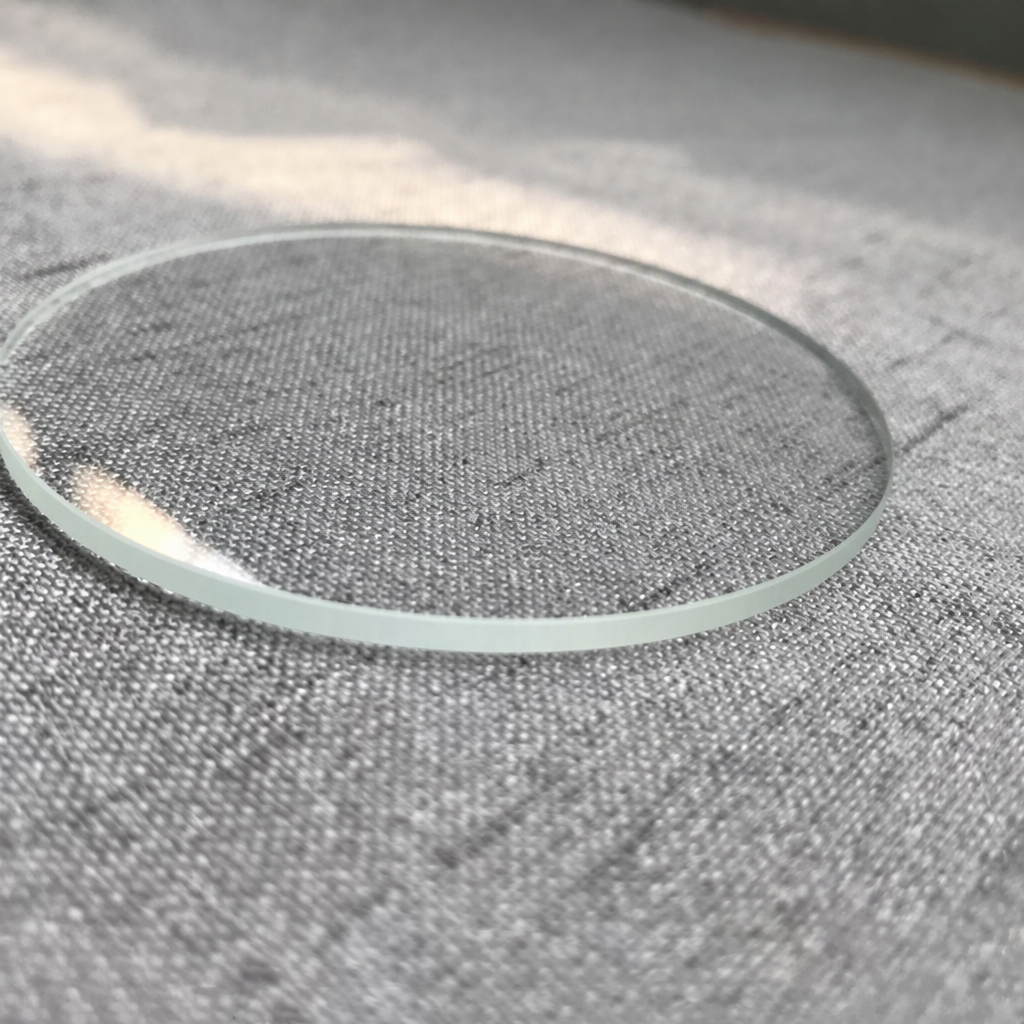
Custom Tempered Glass Protective Glass Panel Transparent Polished Display Cover Glass for Small Electronic Devices Cover
Polished transparent cover glass for small devices, wearables and HMI covers; choose thin chemical strengthening or thicker thermal tempering.
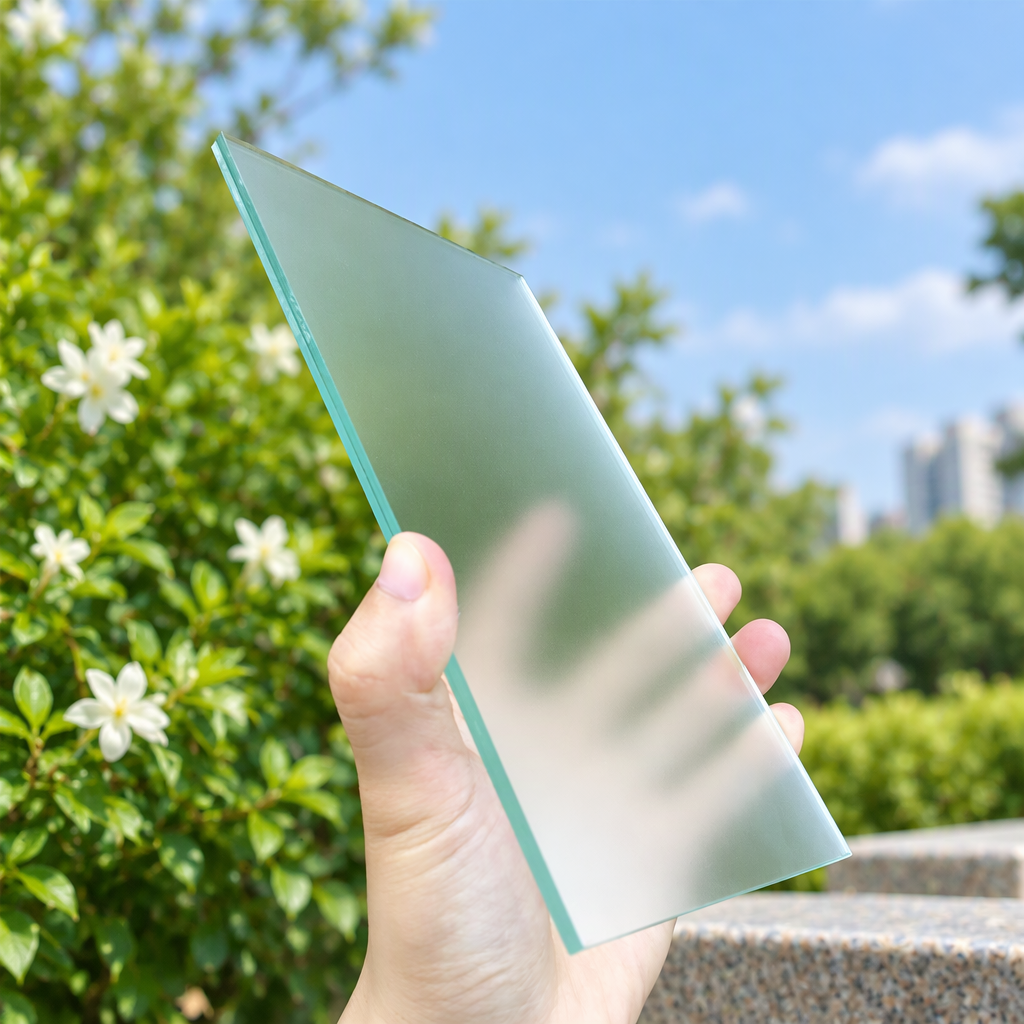
High Quality Industrial Solid Anti-glare Glass Screen Protector Matte Surface Monitor Screen Cover Glass
Matte anti-glare glass for bright control rooms, laboratories and factory floors; it diffuses reflections without blurring the underlying display.
Pressure-resistant Glass Tempered Viewing Mirror Custom Size Clear Glass Panel for Industrial Workshop
Pressure-resistant viewing panels for industrial workshops, equipment enclosures and observation windows with custom size and edge treatment.
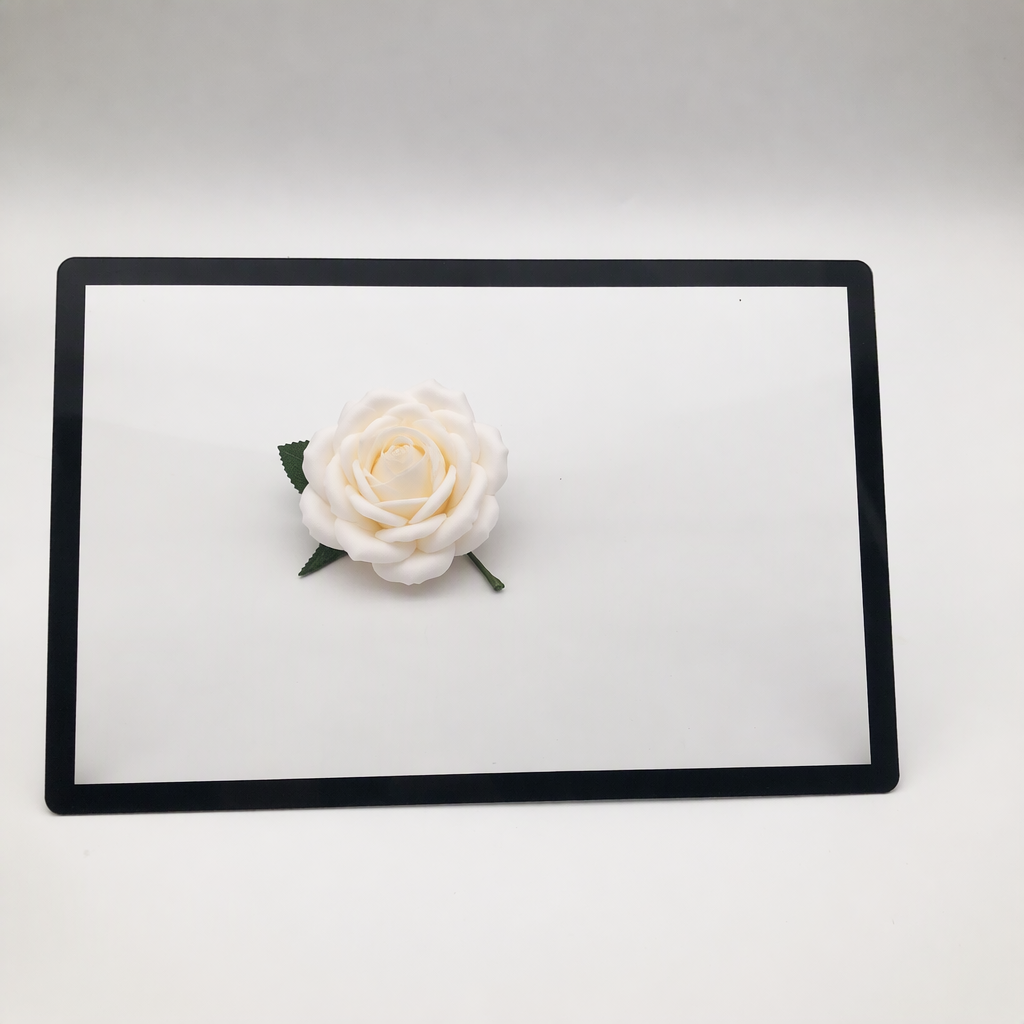
Ultra-Thin Silk Screen Printed Tempered Glass for Display Panels
Ultra-thin printed glass for display panels, touch interfaces and compact electronics; suitable for AR coating and easy-clean AF treatment.

Tempered Glass Lazy Susan 50cm 60cm 70cm 90cm Lazy Susan Turntable Strengthened Glass
Strengthened glass turntables for showrooms, restaurants and retail displays; a complementary glass line for Houston hospitality and interior projects.

High Quality Industrial Screen Front Cover Glass Frosted Anti-glare Glass for Screen Protector
Frosted anti-glare front cover for industrial monitors and outdoor-readable HMI; can be combined with AR coating or AF easy-clean layers.
For a mixed specification—AR-coated display glass, anti-glare HMI covers, printed control panels and privacy glass—send your drawing, artwork, coating target and estimated annual volume through the inquiry button.
Why Anti-Reflective Coating Glass Matters in Houston
Houston’s combination of strong sunlight, long cooling seasons, high humidity and dense activity across energy, healthcare, aerospace, logistics and architecture creates specific optical and durability requirements.
Houston’s intense sun and high humidity make ordinary clear glass a poor fit for many high-value displays, control panels and architectural details. A standard uncoated glass surface may reflect roughly 4–8% of visible light. Under bright daylight or ceiling grids, that reflection competes with the image, artwork or information the screen is meant to show. Anti-reflective—AR—coating is designed to suppress that surface reflection and improve readability.
For OEM and ODM buyers, the decision is not simply “AR or no AR.” The right specification depends on whether the project priority is optical clarity, glare diffusion, fingerprint control, print hiding, touch sensitivity, weather exposure or the visual depth of a black border when the screen is switched off. A medical display, an Energy Corridor control room monitor, a downtown lobby video wall and a smart-home switch panel may all need coated glass, but they rarely need the same stack.
The most reliable approach is to define the use environment before locking the coating. Ask three questions: what light source creates the reflection, who touches the surface, and what cleaning or outdoor exposure will the glass see? Once those answers are clear, our engineering team can review your drawing for thickness, edge finish, print layering, tempering method and coating compatibility. This reduces sample iterations and avoids costly re-tooling later.
Houston buyers also value supply flexibility. A wholesaler or OEM factory needs to support mixed sizes, mixed coating types and mixed print designs without creating orphaned inventory. For repeat programs, we recommend locking the drawing revision, ink color references, coating side, packaging method and inspection standard before mass production. This is especially important when one building project includes several display formats or when an appliance brand uses the same glass specification across multiple product models.
The content below is written as a practical buying guide, not a generic catalogue page. It compares AR, AG and AF treatments, maps them to Houston applications, explains common project trends and answers sourcing questions that local procurement teams typically ask before requesting quotations.
Typical design goals for Houston projects
Illustrative buying priorities only. Final coating performance must be confirmed against your drawing, substrate, test method and approval sample.
AR vs AG vs AF: Choose the Coating by Search Intent and Application
Anti-reflective coating is often used as a broad search term, but the correct technical choice may be AR, AG, AF or a combined stack. The table below helps Houston buyers compare the practical difference before requesting samples.
| Coating type | What it solves | Best-fit products | Houston application note | Specification tip |
|---|---|---|---|---|
| AR — Anti-Reflective | Reduces surface reflection and ghosting to improve contrast and optical clarity. | Display cover glass, touch panels, instrument windows, artwork glazing, medical screens, appliance display windows. | Useful in bright lobbies, Energy Corridor control rooms, Texas Medical Center display areas and gallery environments where reflective hotspots distract users. | Define substrate, coating side, target reflection, color neutrality, cleaning method and any abrasion test standard. |
| AG — Anti-Glare | Diffuses specular glare with a matte surface so the display remains readable under strong light. | Industrial monitors, factory HMIs, outdoor kiosks, POS terminals, equipment screens, transportation information panels. | Suited to Houston plant floors, loading docks, workshops and glazed areas where overhead lights or daylight create direct glare. | Specify haze, gloss and clarity. Too much haze can soften fine text, so request a sample under your actual lighting. |
| AF — Anti-Fingerprint | Creates a hydrophobic and oleophobic surface to reduce fingerprints, smudges and cleaning effort. | Touch kiosks, switch panels, smart lock covers, medical panels, interactive retail displays, public terminals. | Important in high-touch Houston environments and humid conditions where frequent cleaning and fingerprint visibility affect perceived quality. | Define touch frequency, cleaner exposure and abrasion or contact-angle requirements if your customer uses a formal test. |
| AR + AG + AF | Combines reflection reduction, glare diffusion and easy-clean performance for demanding environments. | Outdoor-readable HMI, premium appliance glass, public information terminals, mixed-use development displays, medical and industrial control interfaces. | Well suited to Houston projects where sun, interior lighting and public touch coexist; especially where a single approved glass surface must satisfy several departments. | Lock the coating sequence, print layer order, tempering method and inspection criteria before sampling. |
Thickness options can range from thin chemically strengthened cover glass to thicker thermally tempered panels. For touch applications, confirm whether the sensor, 3M adhesive, print and coating are compatible with the final assembly process.
Where Houston Buyers Use AR-Coated and Anti-Glare Glass
Houston is not a single market. The same coated glass may be specified by a hospital, an energy company, a museum, a restaurant group, a smart-home brand and an industrial equipment builder. These are the most common application clusters.
Texas Medical Center & Clinical Displays
AR + AF coated cover glass can improve readability for diagnostic monitors, waiting-area kiosks and laboratory equipment while making frequent cleaning easier. Confirm cleaner compatibility and sensor integration before sampling.
Energy Corridor Control Rooms
Anti-glare HMI covers and AR display windows help operators read data under bright ceiling grids, window light and 24-hour shift conditions. Pressure-resistant viewing panels are available for equipment enclosures.
Museum District & Architectural Glazing
AR glass supports artwork, vitrines, lobby signage and storefront displays by reducing distracting reflections. PDLC switchable privacy glass can support conference areas, consultation rooms and flexible office fit-outs.
Retail, Hospitality & Smart Home
Printed switch panels, appliance front glass, touch control covers and strengthened Lazy Susan turntables fit Houston showrooms, restaurants, hotels and smart-home integrators where appearance and touch feel matter.
Houston Trends Shaping Anti-Reflective Coating Demand
Demand for coated glass is being pushed by practical project needs, not only by aesthetics. Buyers want clearer information, easier maintenance and fewer installation surprises.
Daylight-Readable Displays
As digital signage, kiosks and control interfaces move into bright lobbies, garages, clinics and industrial sites, AR and AG glass become functional components rather than decorative extras.
Hybrid AR + AG + AF Specifications
Houston buyers increasingly ask for one surface that reduces reflection, controls glare and resists fingerprints. This is common in public terminals, medical equipment and premium appliance interfaces.
Smart Privacy in Flexible Offices
Office renovations and mixed-use developments are encouraging PDLC switchable privacy glass for conference rooms, consultation areas and glass partitions where openness and privacy must be adjustable.
Factory-Direct Wholesale Support
Procurement teams want clear sampling, mixed-SKU consolidation, DDP or CIF options and export packing that survives long-distance shipping to Houston and surrounding Texas markets.
Why Choose an OEM/ODM Anti-Reflective Coating Factory for Houston Supply
Working with a deep-processing factory reduces the number of suppliers you need to coordinate when a project combines coated glass, printed glass, tempered glass, adhesives and export packaging.
One Factory, Full Process Chain
Cutting, CNC shaping, edge polishing, drilling, engraving, silk-screen printing, physical tempering, chemical strengthening and AR/AG/AF coating can be coordinated under one quality system.
OEM / ODM Engineering Review
Send a 2D drawing in DWG, DXF or PDF plus print artwork in AI or PDF. We review thickness, tolerance, edge finish, coating side, ink layering and assembly requirements before sampling.
Verified Quality and Compliance
ISO 9001 quality management, RoHS and CE product compliance, plus SGS onsite assessment as a third-party verified supplier. Certificate numbers are available for your compliance team.
Export Experience Since 2012
Qingdao Maupe Glass Co., Ltd. has served buyers in more than 80 countries. Export share of output is 91–100%, reflecting a production model built around international project requirements.
Houston Shipping and Packing
The factory is close to Qingdao seaport and airport. We support FOB, CIF, EXW, FAS, FCA, CPT, DDP, DDU and express delivery, with protective export packing for fragile coated panels.
Flexible MOQ and Product Breadth
Custom printed tempered glass projects often start from 10–100 pieces depending on size, thickness and print colors. Large display cover glass can start from 10 pieces, with samples available before mass production.
Factory Evidence, Not Just Claims
Qingdao Maupe Glass Co., Ltd. was founded in 2012 and operates as a glass deep-processing manufacturer under ISO 9001. The company has been onsite-assessed by SGS Group and has a procurement contract verified as a Fortune 500 supplier.
The factory operates on a 3,000–5,000 m² floor area with eight production lines. Its core work is turning flat glass into finished functional parts for electronics, appliances, instrumentation, household goods, furniture and architectural details. Silk-screen printed glass uses RoHS-compliant eco-friendly inks with high- and low-temperature printing processes for scratch- and wear-resistant graphics.
For coated glass orders, this integrated capability is important. Cutting, drilling and edging generally occur before strengthening. Printing, coating and tempering must be sequenced according to the final glass type and application. Keeping these steps under one roof makes it easier to trace color consistency, flatness, edge quality and packaging from raw sheet to finished carton.
The company is located close to Qingdao seaport and airport, which supports export logistics and makes onsite supplier audits practical for visiting buyers. Accepted trade terms include FOB, CIF, EXW, FAS, FCA, CPT, DDP, DDU and express delivery. Payments can be handled in USD, EUR or CNY through common trade methods.
If your Houston project team needs a coated glass supplier that can discuss a drawing, check print artwork and review a packaging plan before quotation, use the inquiry button on this page. You will receive feedback based on the actual glass specification rather than a generic catalogue answer.




ISO 9001 Quality Management
Certificate No. 24025Q20015R1S. Scope covers float glass and technical glass products. Valid to 02/2028.

RoHS Compliance
Certificate No. 25TYT12395. Restricts hazardous substances for EU electrical and electronic equipment. Valid to 12/2030.

CE Marking
Certificate No. 23TYT082593S. Tempered glass compliance supporting European Economic Area market access. Valid to 08/2028.
From Houston Drawing to Export Delivery in Four Controlled Steps
A clear process helps purchasing, engineering and quality teams know what is needed at each stage and where approvals should be recorded.
Drawing and Coating Review
Send a 2D drawing, 3D model if available, print artwork, coating requirement, thickness, edge finish, adhesive preference and target annual volume. We check manufacturability and flag missing specifications.
Sample and Specification Lock
Samples are made for fit, color, gloss level, haze, touch feel, print alignment and adhesive verification. For Houston projects, we recommend approving samples under lighting that resembles the final installation.
Production and Inspection
Cutting, edging, printing, tempering and coating proceed according to the approved route. Incoming material and finished product inspection are performed before packing, with attention to scratches, print defects and edge condition.
Export Packing and Delivery
Protective export packing is prepared for long-distance shipment. We support FOB, CIF, DDP and related terms, with coordination through Qingdao seaport or airport for Houston delivery.
Common Questions About Anti-Reflective Coating and Wholesale Supply
These answers reflect the sourcing questions most often raised by OEM buyers, display integrators, industrial engineers and project procurement teams.
Can you supply anti-reflective coated glass to Houston, Texas?
What is the minimum order quantity for custom AR coated glass?
Should I choose AR, AG or AF coating for a Houston display?
Can you support both OEM and ODM glass projects?
Which certifications are available for compliance review?
How is coated glass packed for export to Houston?
Send Your Anti-Reflective Coating Specification for Houston Review
Share your drawing, print artwork, coating target, thickness, estimated quantity and delivery destination. Our engineering team will review the glass route and respond with practical manufacturability feedback.
Helpful files: DWG/DXF/PDF drawing, AI/PDF artwork, coating requirement, edge finish, hole positions, tolerance and application environment.