Eight Float Glass Products for Ottawa Buyers
From clear tempered float glass panels to printed touch-screen covers, heat-resistant appliance glass and anti-glare industrial screens, these eight product families cover the most common OEM/ODM sourcing requests from Ottawa contractors, integrators and wholesalers.

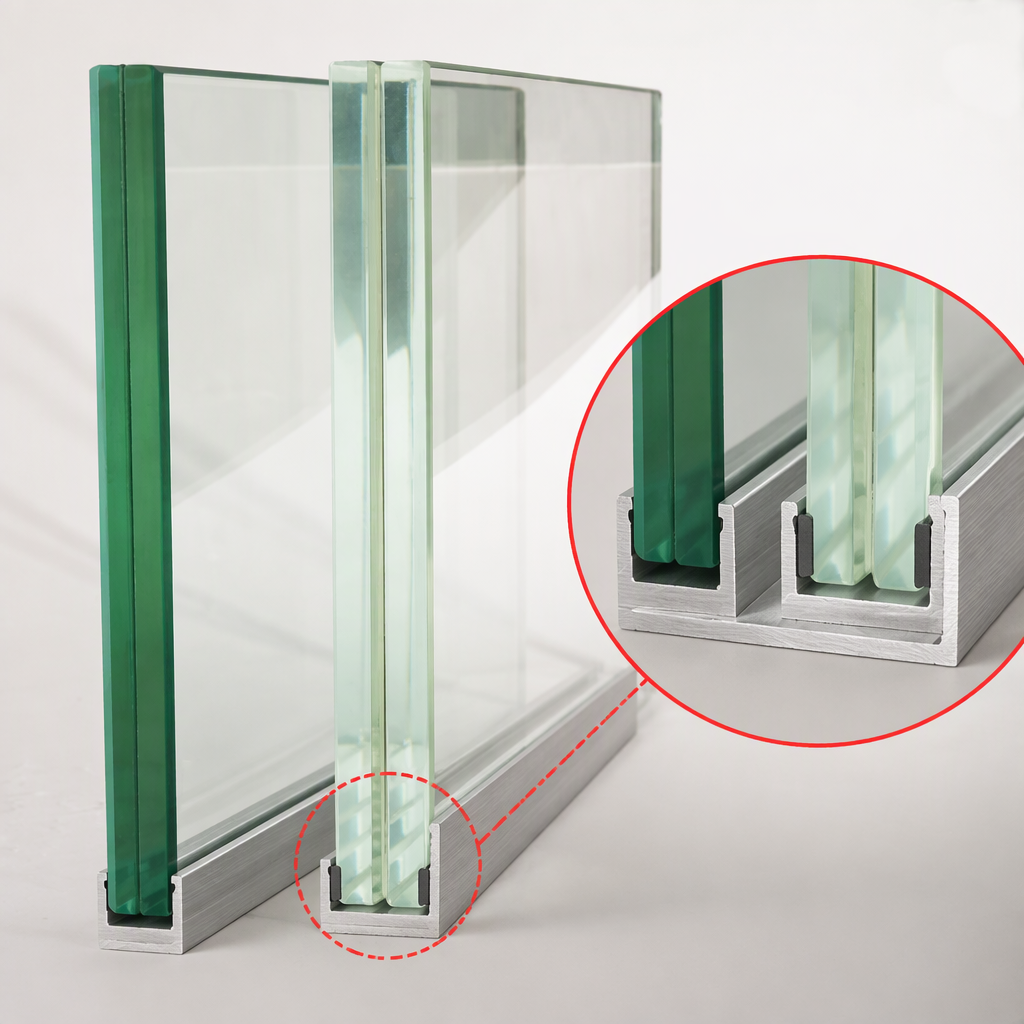
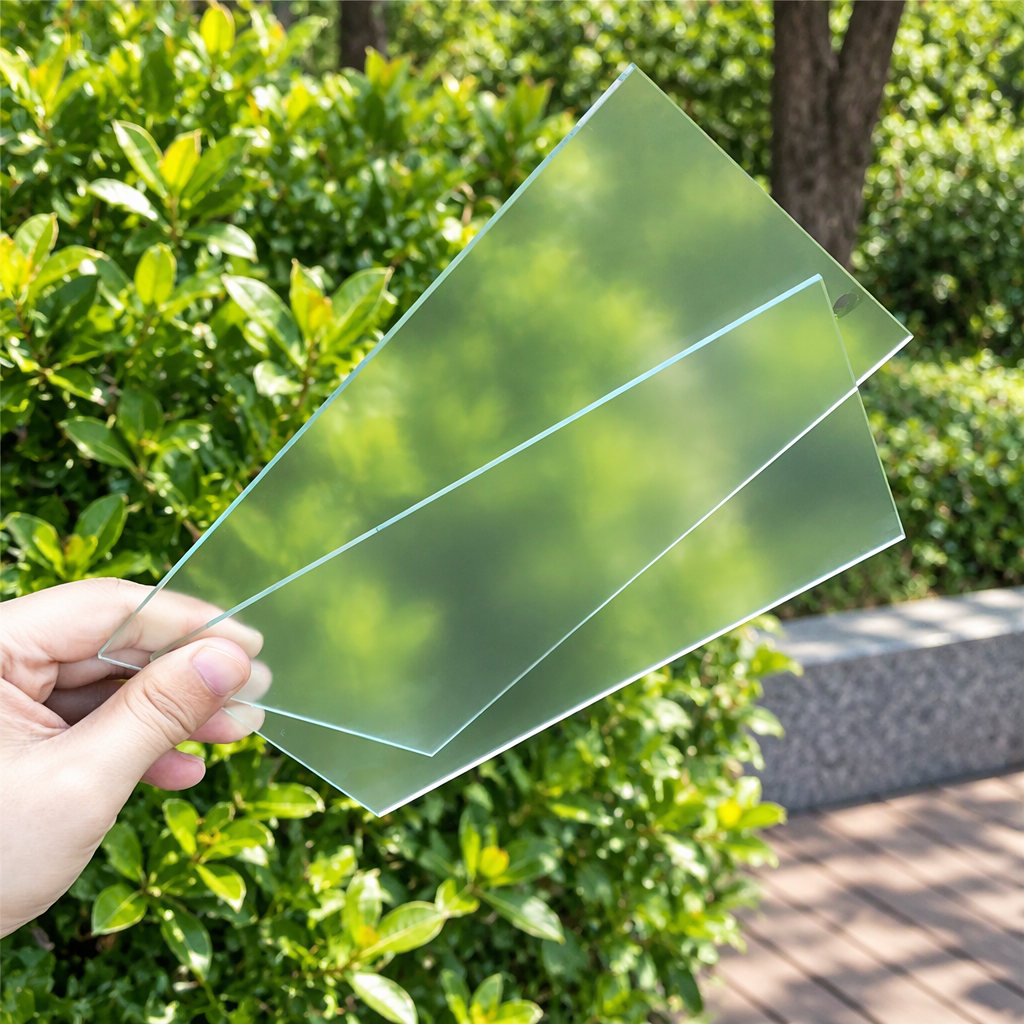
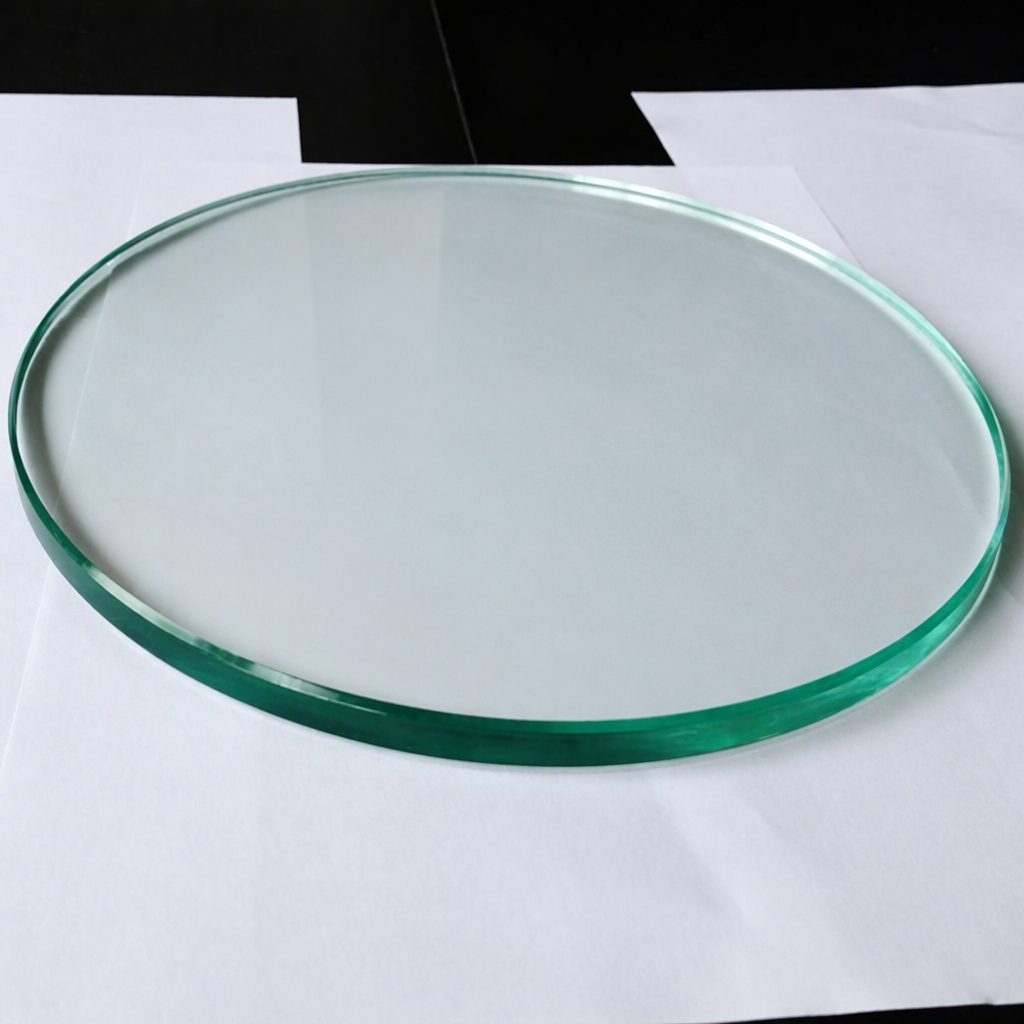
Why Float Glass Specification in Ottawa Requires More Than a Size and a Thickness
Ottawa buying teams often compare quotations using only dimensions, but the performance of a finished glass component depends on the base float glass, edge condition, strengthening method, printing, coating, packing and installation environment.
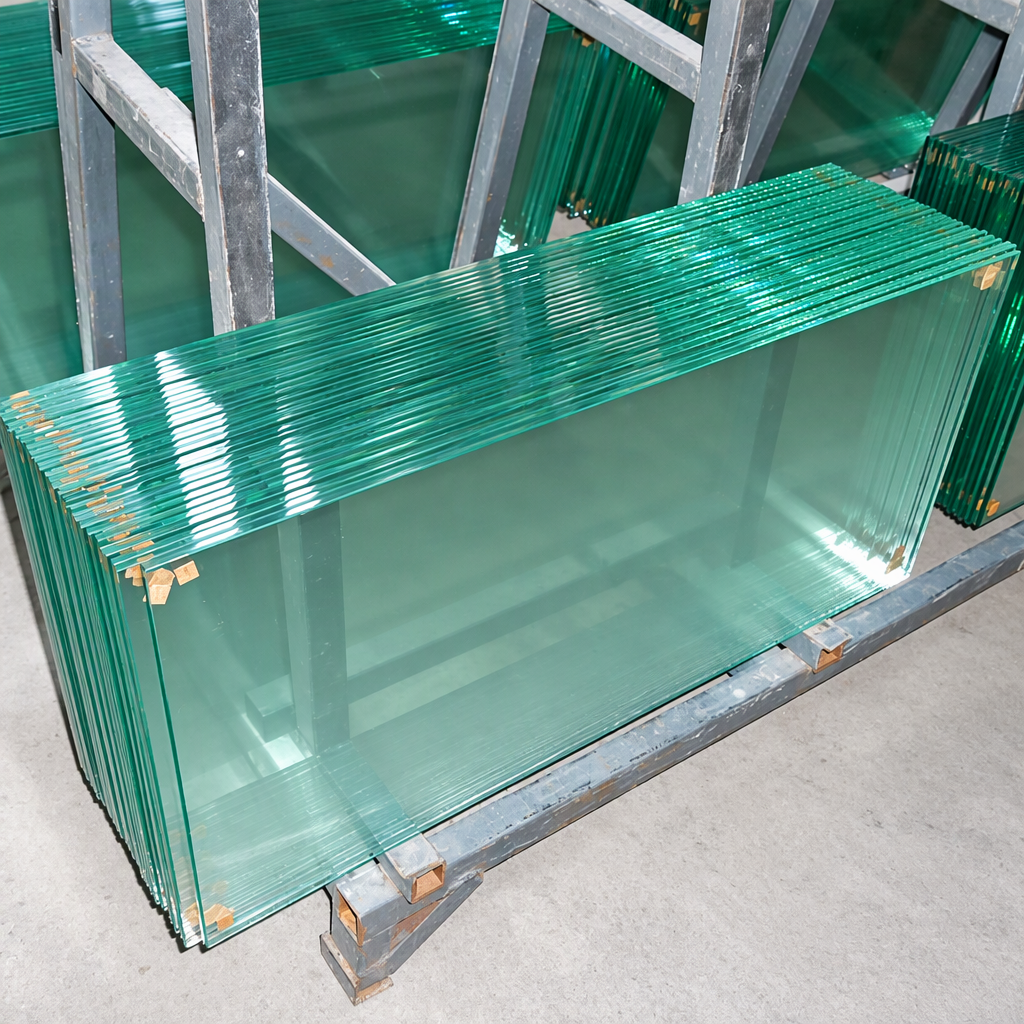
For Ottawa, the sourcing conversation should start with the application rather than the catalogue. A clear tempered float glass panel used in a commercial interior partition has a different risk profile from a printed touch-screen cover on a transit kiosk, a black ceramic-printed cooktop panel in a rental apartment, or an anti-glare display cover in a brightly lit government office. The base float glass may be the same family of material, but the finished part is engineered through cutting, CNC shaping, edge polishing, drilling, silk screen printing, thermal tempering, chemical strengthening and surface coating. This is the value of an OEM/ODM manufacturer: the supplier must control the process chain, not just the purchase of raw sheets.
Ottawa’s seasonal conditions add practical questions. Freeze–thaw cycles, road salt tracked into lobbies, dry winter indoor air, condensation near entrances and high summer daylight all influence how glass components are cleaned, handled and installed. For interior safety glazing, tempered glass is often selected for strength and breakage behavior. For exterior assemblies or insulated units, however, the final design should be reviewed by the project architect, engineer, local glazier and authority having jurisdiction. The factory can supply documented materials and processing data; site code compliance and installation details remain a project responsibility. This distinction protects Ottawa buyers from over-specifying one lite while under-specifying the frame, sealant, gasket, edge clearance or local installation method.
For wholesalers and OEM procurement teams, the strongest sourcing advantage is repeatability. A panel that fits the first sample but creates edge-chip rejects in mass production is not a cost saving. A printed cover that looks correct under office light but shows haze under an Ottawa winter sunrise is not a finished design. The manufacturer should therefore be evaluated on drawing review, first-article approval, process traceability, packaging and export documentation. That is where an ISO 9001 factory with in-house printing, tempering and coating capability reduces coordination risk between multiple suppliers.

Where Float Glass Components Are Used in Ottawa Projects
These six Ottawa application clusters reflect common purchasing intent: safety, readability, cleanliness, thermal performance and design consistency.
Federal and Commercial Office Interiors
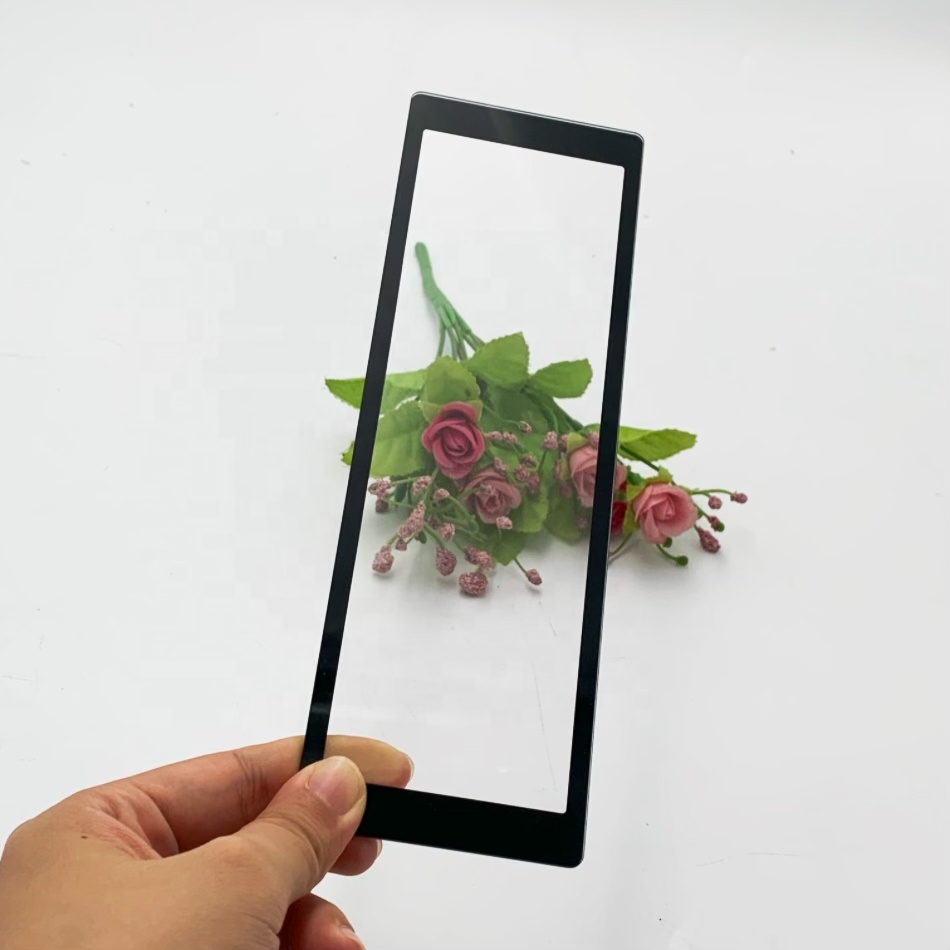
Clear tempered float panels, printed privacy bands and anti-glare screen covers support glass partitions, meeting rooms, reception screens and directional signage. For Ottawa’s public-sector and professional-services interiors, specifiers often value consistent color, clean edges and low-reflection display covers.
Multi-Unit Residential and Condo Upgrades
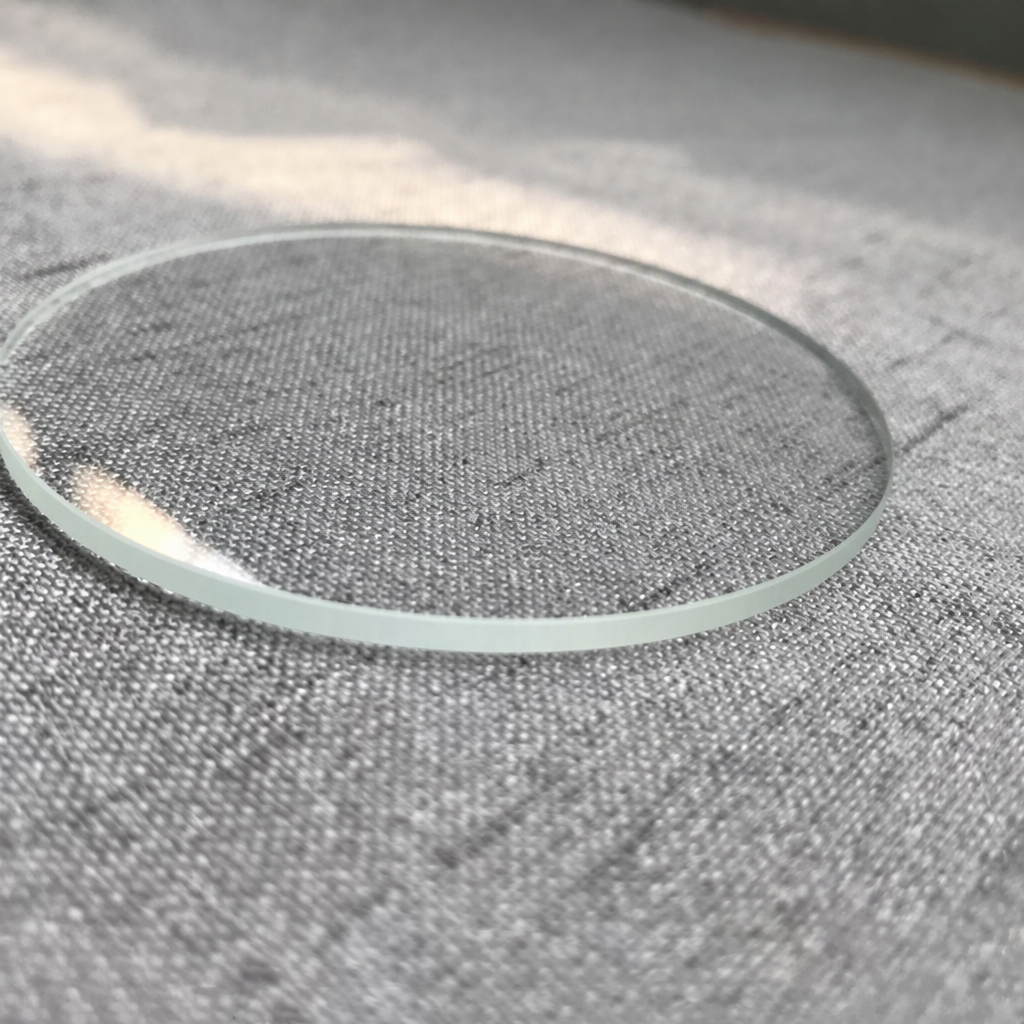
Kitchen backsplashes, cabinet inserts, shower screens, furniture tops and appliance panels require durable surfaces that can be cleaned repeatedly. In condos and rentals, beveled round glass, black printed appliance glass and custom-sized clear panels are practical replacement options.
Transit, Kiosks and Wayfinding Screens
Public terminals, ticket kiosks, elevator displays and information screens need readable cover glass that resists impact and glare. Matte anti-glare glass and silk-screen printed borders can improve legibility while protecting the display module.
Healthcare, Labs and Institutional Spaces
Clinics, labs and institutional facilities need screen covers, viewing windows and control panels that are easy to wipe down and visually consistent. AR/AG/AF coating options, frosted surfaces and print-to-glass graphics help balance readability with privacy.
Kitchen, Cooktop and Appliance Panels
Heat-resistant black printed tempered glass is relevant for cooktops, microwave doors, ovens and appliance service parts. High-temperature inks and tempered float glass help maintain appearance after exposure to heat, cleaners and daily handling.
OEM Electronics and Smart Building Controls
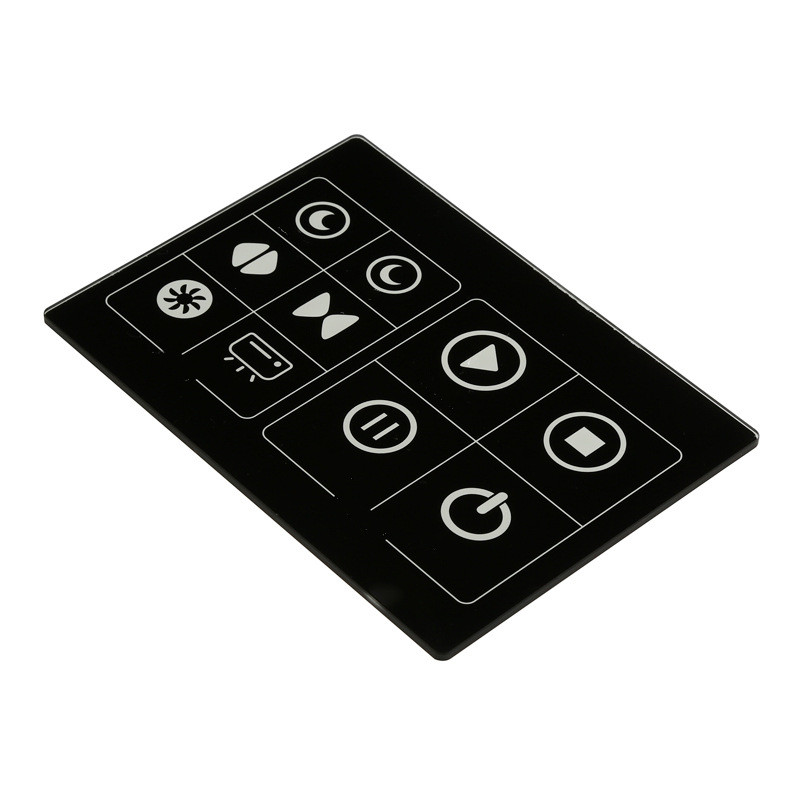
Touch panels, switch glass, card-reader windows and control covers are increasingly part of smart-building packages. Printed icons, precise holes, flat surfaces and scratch-resistant finishes help electronics brands and integrators reduce assembly steps.
Ottawa Sourcing Trends Shaping OEM/ODM Float Glass Demand
Procurement teams are not only buying glass; they are buying schedule certainty, technical documentation and a component that supports local installation, maintenance and brand consistency.
Documentation-Led Procurement
Ottawa buyers increasingly ask for ISO 9001 status, RoHS and CE documentation where electronics or export markets are involved, material declarations, packing lists and first-article reports. Suppliers that can provide traceable documents move faster through internal procurement reviews.
Climate-Resilient Interior Specifications
Freeze–thaw exposure, salt residue and seasonal humidity make edge quality and cleaning instructions more important. Specifiers are paying closer attention to polished edges, safe corners, print adhesion and packaging that protects panels during winter delivery.
Readability in Bright, Active Spaces
Glass-walled offices, shopping areas and public service counters can create reflections that reduce screen readability. AG, AR and AF coating choices are increasingly evaluated with actual lighting conditions rather than only by price.
Touch-First Buildings and Service Counters
Touch panels and printed glass interfaces are appearing in elevators, meeting-room booking systems, access-control readers and retail kiosks. OEM/ODM consistency between print, hole position and flatness helps brands avoid installation mismatch.
Bilingual and Accessibility-Ready Graphics
Ottawa’s English–French environment encourages clean, legible symbols and labels. Silk-screen printed glass can support bilingual graphics, high-contrast icons and consistent branding when artwork is supplied with clear color and tolerance references.
Smaller Custom Runs and Replacement Parts
Renovation, repair and pilot-build programs often need smaller initial quantities than new construction. Flexible OEM/ODM support helps Ottawa wholesalers, glaziers and integrators balance inventory risk with fast response to building owners.
How to Choose the Right Float Glass Process for a Component
Use this decision framework to brief the factory and your installation partner. The goal is not to maximize specifications, but to match the process to the risk, handling, environment and appearance expectations of the finished part.
- Physical tempering: best suited to thicker safety glass where impact resistance and small blunt fragments matter, such as partitions, appliance doors and industrial viewing panels.
- Chemical strengthening: useful for thin cover glass where flatness, optical quality and touch sensitivity are critical, including display covers from 0.5 mm to 2 mm.
- Silk-screen printing: controlled before tempering when required, with artwork checked for layer order, color density, touch-zone alignment and edge-to-print registration.
- Coatings: AR reduces reflections, AG diffuses glare and AF helps manage fingerprints; the final choice should reflect the light source and cleaning method.
Specification Weighting for Typical Ottawa Projects
Why Ottawa Wholesalers and OEM Buyers Work With This Float Glass Manufacturer
Qingdao Maupe Glass Co., Ltd. combines an export-oriented glass deep-processing factory with documentation, sampling and customization support for international buyers.
ISO 9001 Quality Management
The factory operates under an ISO 9001 quality management system with certificate No. 24025Q20015R1S, covering float glass and technical glass products. This supports repeatable inspection, traceability and export documentation.
RoHS and CE Documentation
RoHS certificate No. 25TYT12395 and CE certificate No. 23TYT082593S support compliance reviews for suitable glass products and electronics-related applications. Certificate numbers allow Ottawa buyers to verify details with issuing bodies.
SGS Onsite Assessed Supplier
The company has been onsite-assessed by SGS Group as a third-party inspection company. For new OEM projects, this gives procurement teams an additional reference point when evaluating factory capability and export readiness.
One Factory, Complete Process Chain
Cutting, CNC shaping, edge polishing, drilling, engraving, silk-screen printing, physical tempering, chemical strengthening and AR/AG/AF coating are coordinated under one roof, reducing handoff risk between suppliers.
Export Experience Since 2012
Serving buyers in more than 80 countries, with 91–100% export share of output, eight production lines and a 3,000–5,000 m² factory. The factory is close to Qingdao seaport and airport for sample and bulk shipment planning.
OEM/ODM Documentation Support
Buyers can discuss drawing review, samples, print artwork, tolerance, packing and trade terms including FOB, CIF, EXW, FCA, CPT, DDP and DDU. Accepted payment methods include T/T, L/C, PayPal and Western Union, subject to project agreement.
Verifiable Certificates for Ottawa Procurement Reviews
Certificate images and numbers help internal compliance teams assess the supplier before requesting samples. Project-specific Canadian code compliance remains the responsibility of the architect, engineer, local fabricator and authority having jurisdiction.

ISO 9001 Quality Management
Certificate No. 24025Q20015R1S. Scope covers float glass and technical glass products. A useful reference for buyers who need documented quality system controls.

RoHS Compliance
Certificate No. 25TYT12395. Relevant to electrical and electronic equipment supply chains where restricted hazardous substance documentation is requested.

CE Marking Documentation
Certificate No. 23TYT082593S for tempered glass. Supports market-access discussions where CE documentation is part of the buyer’s technical file.
From Drawing Review to Ottawa Delivery
A practical four-stage workflow keeps engineering, purchasing and quality teams aligned before mass production begins.
1. Drawing and Artwork Review
Share a 2D drawing in DWG, DXF or PDF, plus AI or PDF print artwork. State thickness, glass type, edge finish, hole positions, coating, application and annual volume. Engineers review manufacturability before sampling.
2. Sampling and First Article
Samples help verify fit, color, print registration and touch response. Buyers should approve the sample under realistic lighting and handling conditions, especially for anti-glare screens, printed appliance panels and brand-colored touch covers.
3. Production and Inspection
Cutting, edging, printing, tempering and coating follow approved specifications. Incoming material and finished product inspections are performed before packing, with certificate and packing documents prepared for export.
4. Export Packing and Shipping
Protective export packaging is planned for the route to Ottawa. Depending on urgency, buyers can discuss sea freight via Montreal or Toronto connecting to Ottawa by rail or truck, or air freight for samples and replacement parts.
Common Questions from Ottawa Contractors, OEMs and Wholesalers
These answers address typical sourcing intent for custom float glass components, samples, compliance documents and delivery to the Ottawa area.
Can you supply custom OEM/ODM float glass to Ottawa buyers?
+
What should we specify for Ottawa winter conditions?
+
Do you provide Canadian certification or code approval?
+
What is the minimum order quantity and can we receive samples?
+
Can you print bilingual English–French graphics or brand icons on glass?
+
How are goods shipped to Ottawa and which trade terms are accepted?
+
Send Your Drawing, Artwork or Replacement-Part Details
Share dimensions, thickness, glass type, edge finish, print artwork, coating requirement, annual volume and destination. The engineering team can review manufacturability and recommend a practical OEM/ODM route for the Ottawa market.