OEM/ODM Laser Protection Glass Factories & Exporter for Baltimore
ISO 9001 custom glass for laser machine viewing windows, AR/AG/AF display covers and printed touch HMIs — engineered by Qingdao Maupe Glass Co., Ltd. for Baltimore clinics, research labs, fabricators and OEM equipment builders.
8 Custom Glass Products for Laser Equipment, Clinics and Baltimore Manufacturing
These product families are commonly specified as base windows, display covers, printed front panels and protective glass for laser equipment, medical laser consoles, laboratory instruments and smart-factory HMIs. Dimensions, thickness, printing, holes, edge finish, coatings and packaging are customized to your drawing.

Glass Factory Customized High Quality Transparent Display Touch Screen Glass Silk Screen 9H Hardness Industrial Screen Protector
A hard transparent cover for laser control terminals, inspection screens and touch HMIs; supports printed apertures, icon windows and protective borders.
View product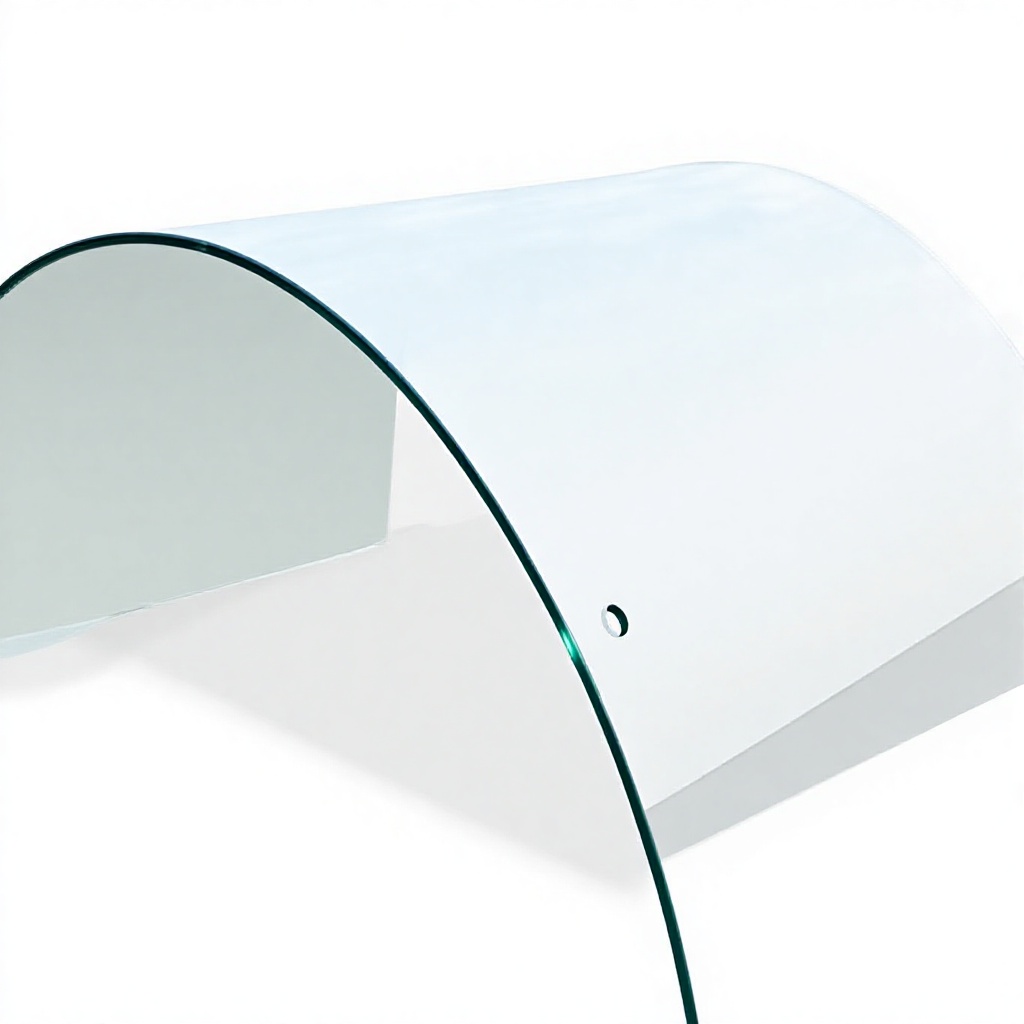
Custom Curtain Wall Glass Balcony Glass Tempered Glass Curved
Large-format tempered and curved glass for laser cell enclosures, architectural viewing partitions and impact-resistant machine guarding.
View product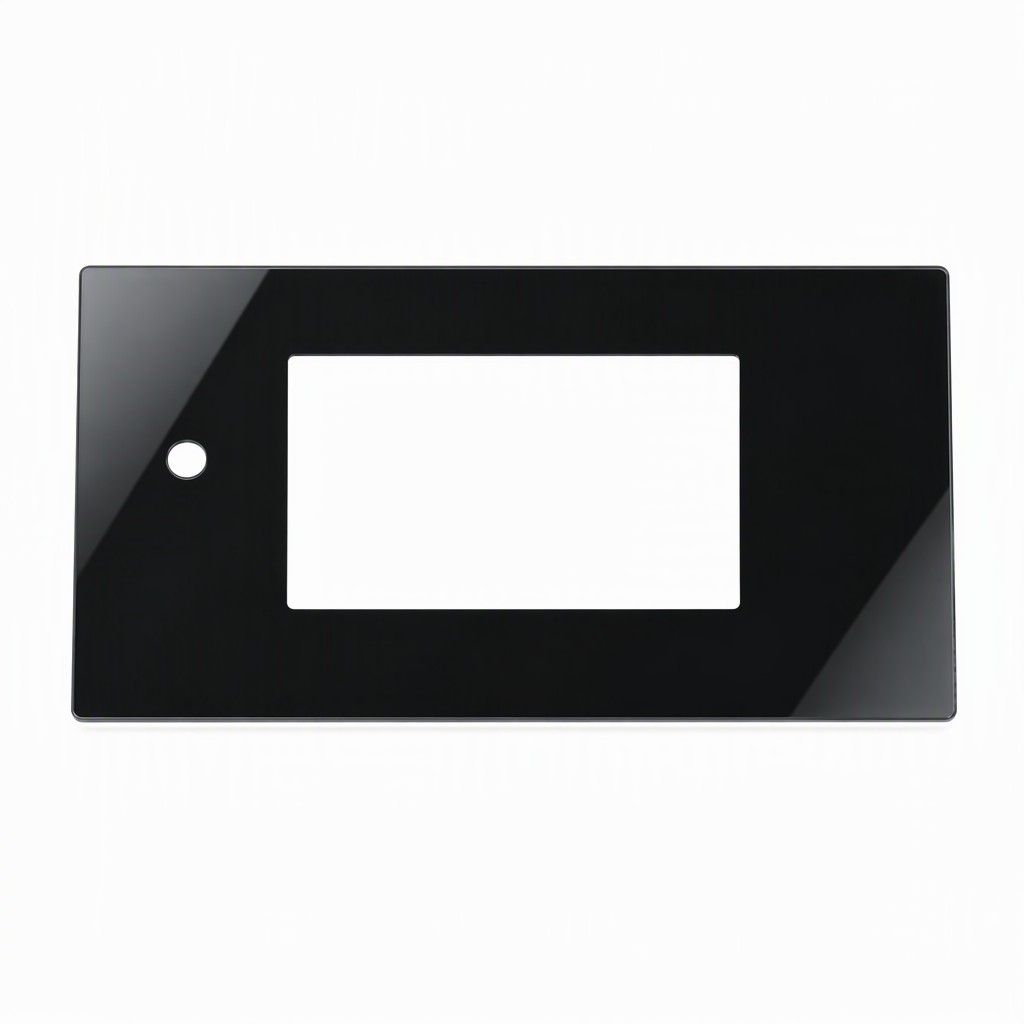
Gorilla Glass Display Protection Cover AR AF Coated LCD Touch Panel Digitizer Front Cover Glass for Industrial Medical Screens
AR/AF coated display cover for clinical laser consoles, diagnostic monitors and industrial touch screens; reduces reflection and fingerprint visibility.
View product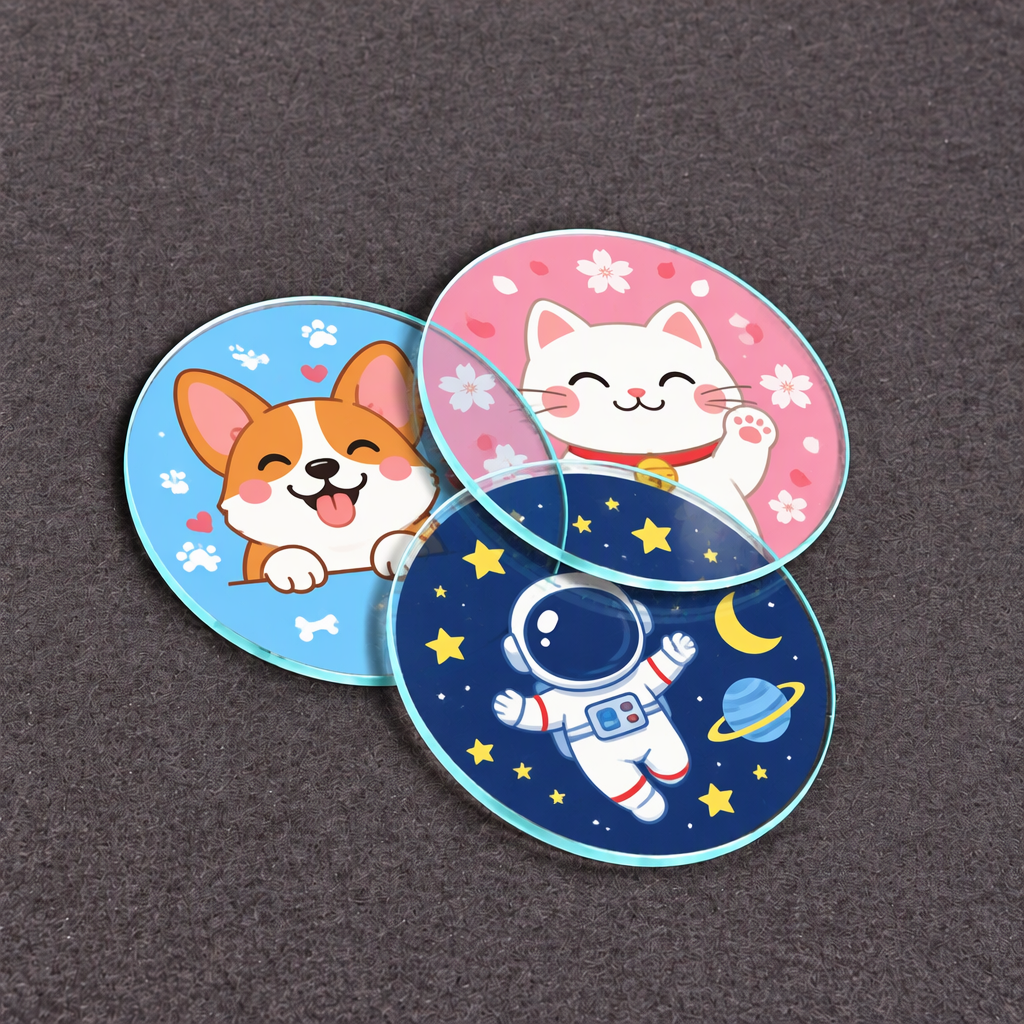
Eco-Friendly Custom Printed Glass Coasters Custom Design Tempered Glass Coaster
Printed tempered glass for branded showroom surfaces, clinic reception counters and equipment identification; demonstrates color matching and print registration.
View product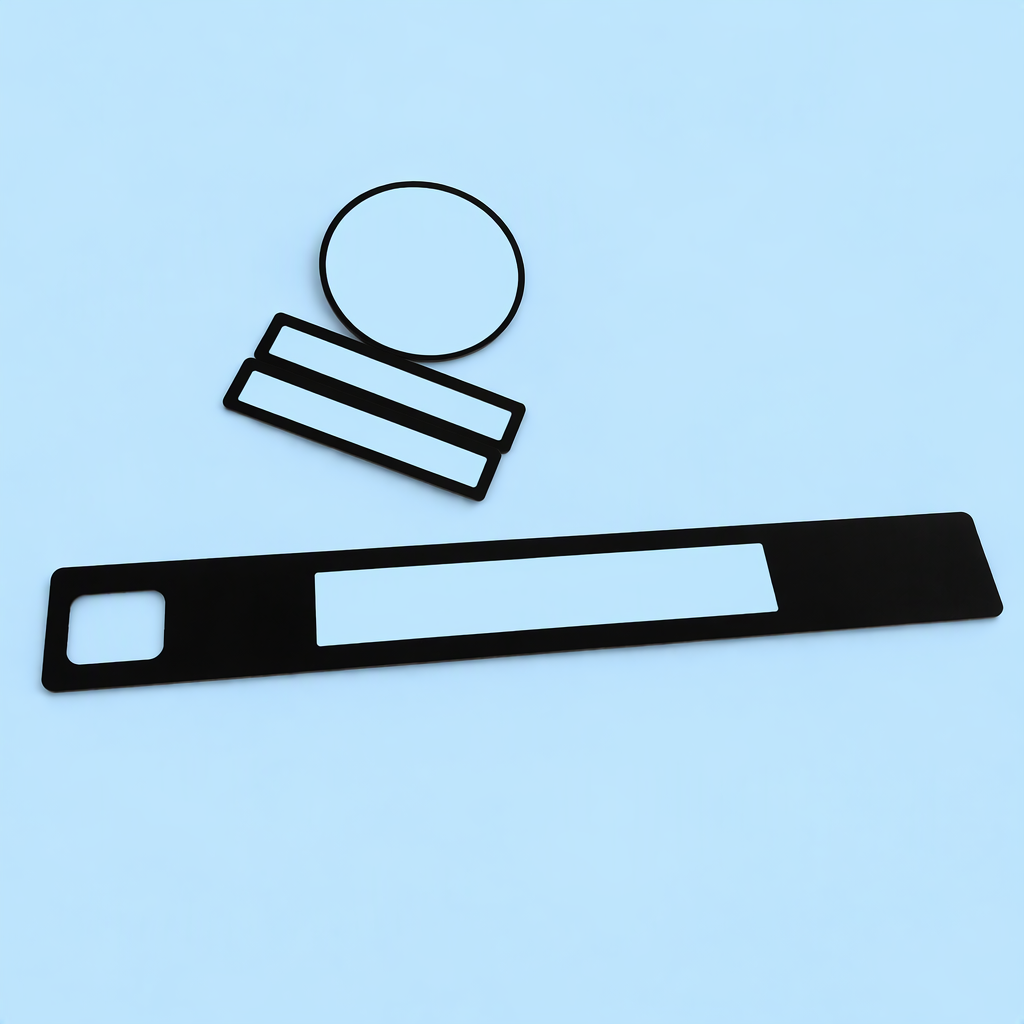
Tempered Glass Panel With 3M Adhesive Tape Silk Screen Printing for Electrical Appliance Decoration Front Cover Glass
Adhesive-backed printed glass for laser equipment covers, sensor windows and control housings; ready for cleaner assembly and faster fitment.
View product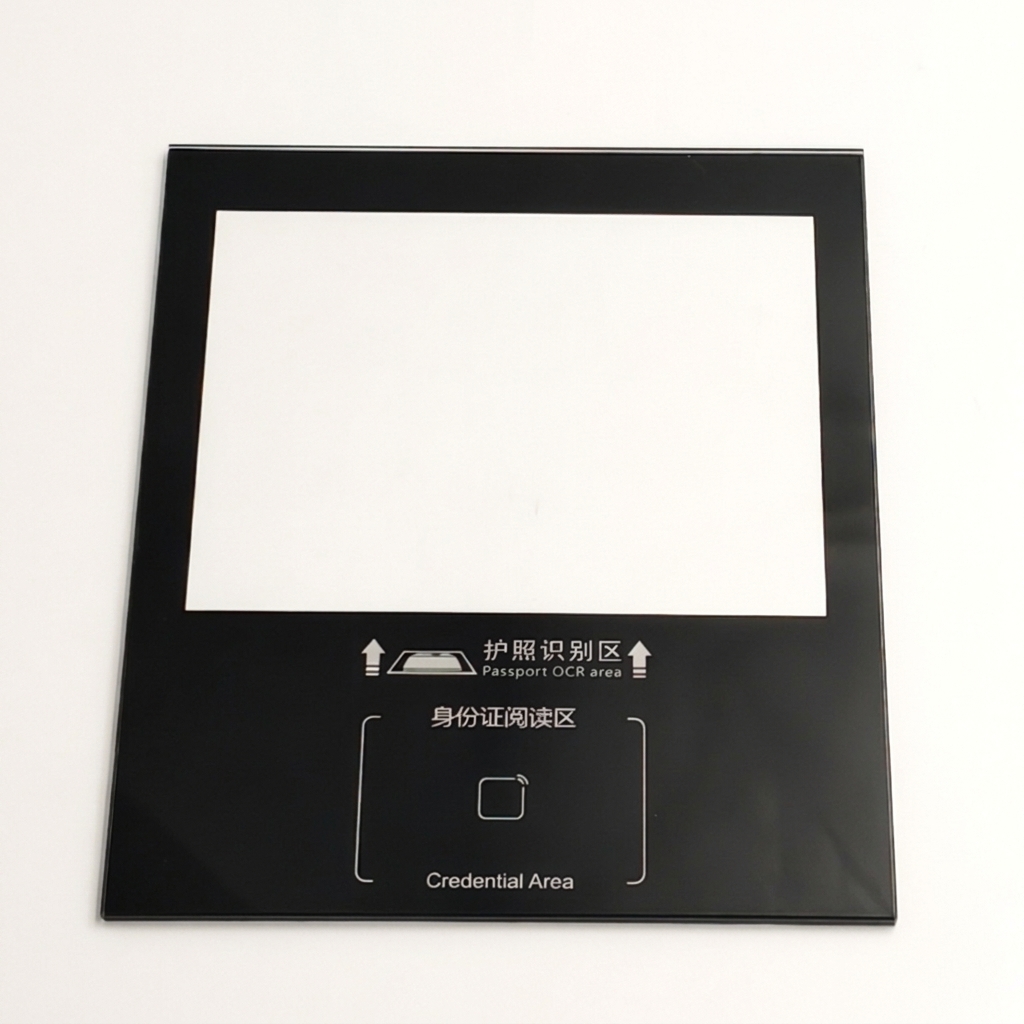
Custom Tempered Glass Protective Glass Panel Transparent Polished Display Cover Glass for Small Electronic Devices Cover
Small polished protective cover for handheld laser devices, scanners and compact medical instruments; edge finish and print artwork are made to order.
View product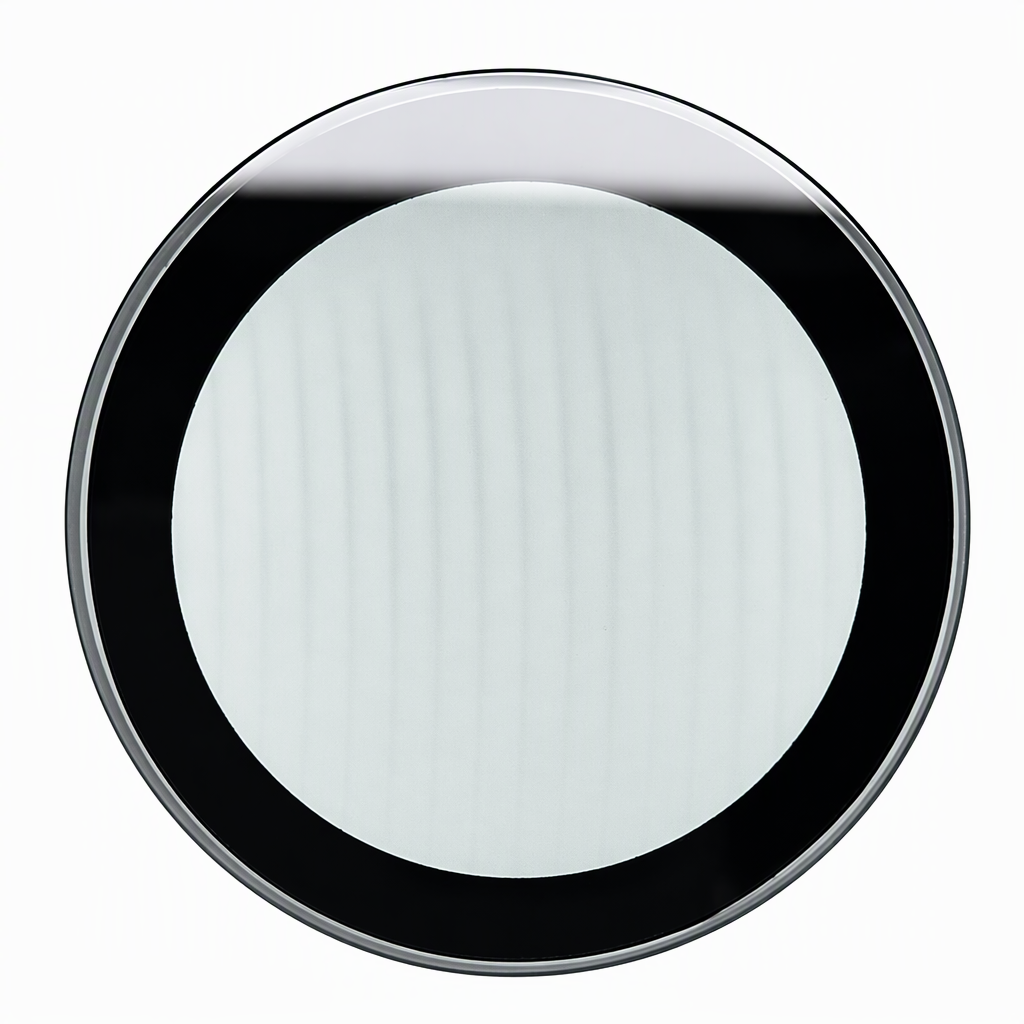
Custom 3-19mm Thickness Flat Tempered Glass Panel for Instrument Use Factory Price Round Shape Printed Tempered Glass
Instrument-grade flat and round panels for laser controls, gauge windows, optical inspection fixtures and heavier enclosure apertures.
View product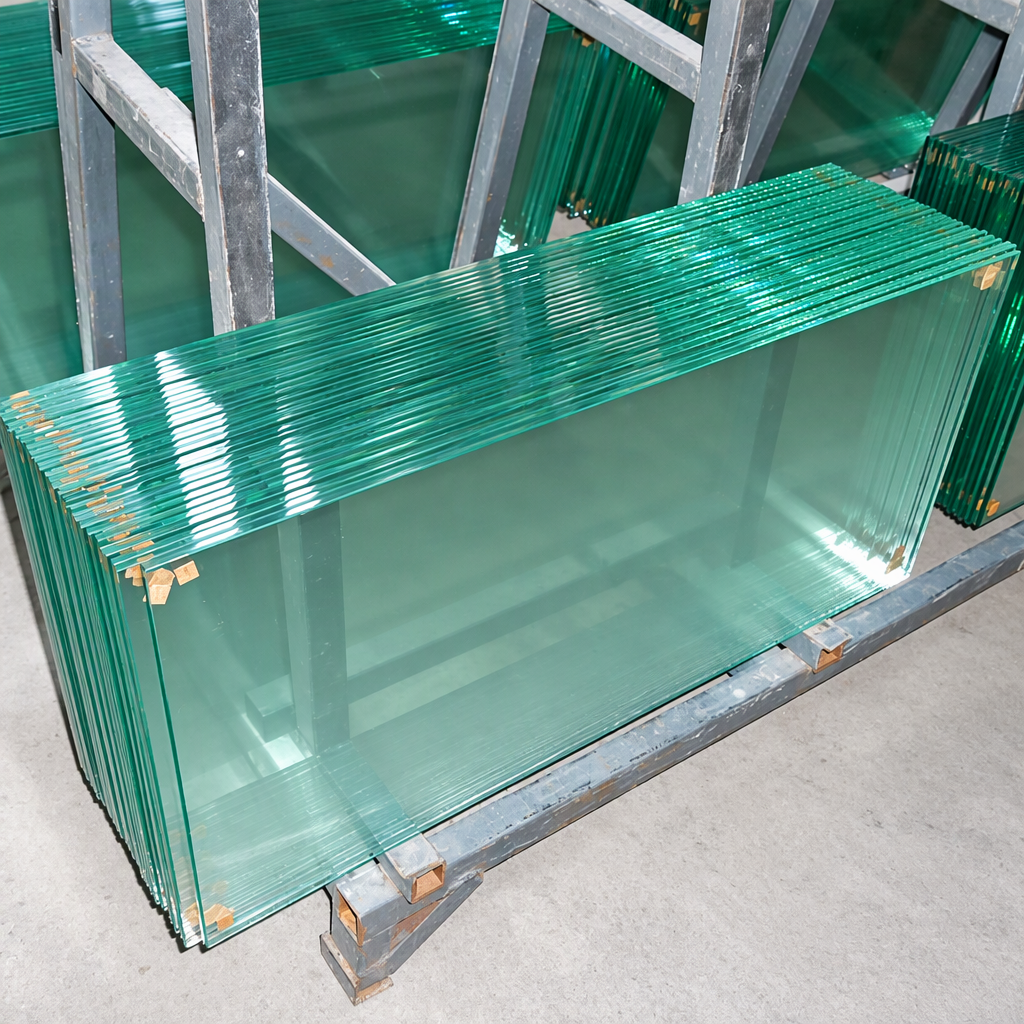
Customized Thickness and Size Clear Tempered Float Glass Panels
Clear float glass base panels for machine viewing windows, laboratory partitions and protective guards; cut, edge-polished and tempered to specification.
View productWhat Baltimore Buyers Really Mean by “Laser Protection Glass”
Semantic search around this keyword is unusually fragmented. A purchasing manager at a Baltimore medical laser clinic may search “laser safety viewing window Baltimore” and mean a small, printed, AR-coated glass cover for a console. An engineer at a Baltimore laser cutting shop may mean a thick tempered window for a Class 1 enclosure. A research group near Johns Hopkins or the University of Maryland BioPark may need a thin chemically strengthened glass window with custom apertures for an optical microscope. Google’s helpful-content systems reward pages that resolve these different intents, not pages that repeat “laser protection glass” without specifying substrate, coating, safety responsibility and delivery terms.
For Baltimore buyers, the strongest search intent usually combines four requirements: laser safety awareness, a clear glass or coating recommendation, proof of factory process control, and a realistic shipping route to Maryland. That is why this page connects local applications with our actual manufacturing capabilities: precision cutting, CNC shaping, edge polishing, drilling, engraving, silk screen printing, physical tempering, chemical strengthening and AR/AG/AF coating.
Our information gain comes from separating the glass component from the laser safety system. We can manufacture the tempered or chemically strengthened substrate, printed blocker zones, touch cover, AR/AG/AF optical coating and protective window assembly. For laser attenuation, wavelength blocking or certified safety filtering, the final performance must be confirmed against your Laser Safety Officer’s requirements and the applicable ANSI Z136 or site-specific safety specification before mass production.
Local buying signals we see in Baltimore
- Clinic and laboratory fit-outs: small batches, precise printing and pre-production samples.
- Machine builders: drawings with holes, tolerances, edge finish and repeatable color.
- Port and logistics teams: export packing, DDP/CIF options and delivery to the Port of Baltimore or BWI.
- Research procurement: RoHS, traceability, ISO 9001 records and clear certificate numbers.
- OEM brands: private-label printing, packaging, color matching and long-term repeat supply.
Where Laser Protection Glass and Coated Window Glass Are Specified in Baltimore
Baltimore’s economy combines world-class medical research, a working port, advanced manufacturing and a growing medtech corridor. Each environment creates a different specification for glass windows, protective covers and printed touch panels.
Medical & Aesthetic Laser Suites
Clinics need cleanable display windows, console covers and touch panels. AR coating improves screen readability, AF coating reduces fingerprints, and printed borders can hide sensors or wiring while keeping the treatment window clear.
Research & Biotech Laboratories
Around Johns Hopkins, the University of Maryland and Baltimore’s biotech corridors, laser microscopes, optical instruments and lab enclosures often require thin chemically strengthened glass with excellent flatness and precise printed apertures.
Laser Cutting & Welding Cells
Fabricators and machine builders around Baltimore need impact-resistant viewing windows, protective glass guards, printed danger zones and replacement covers that fit existing enclosure frames without rework.
Dental, Ophthalmology & Dermatology
Small-format laser equipment needs crisp icons, durable printed graphics and easy-clean glass surfaces. RoHS-compliant inks and controlled edge quality help clinics maintain a professional, hygienic appearance.
Port, Logistics & Inspection
At the Port of Baltimore and nearby distribution centers, scanner windows, RFID and card-reader glass, face-recognition terminals and inspection displays require printed optical windows with reliable reading zones.
Defense, Aerospace & Robotics
Instrument windows, HMI covers and high-alumina silk-screened glass can support harsh industrial environments where scratch resistance, optical clarity and stable print registration matter.
How to Specify an OEM/ODM Laser Protection Glass Assembly
Avoid the most common RFQ mistake: sending only a size. A manufacturable laser window or display cover needs substrate, coating, print, safety responsibility, adhesion and packaging defined together.
01Substrate Choice
Use chemically strengthened glass from 0.5–2 mm for thin touch covers and optical display windows. Use physical tempered glass, typically 2 mm and above, for machine guards, appliance doors, viewing windows and larger protective panels.
02AR / AG / AF Coating
Choose AR for low reflection in clinical and inspection displays, AG for glare diffusion in bright industrial areas, and AF for fingerprint and soil resistance. The best coating depends on the light source, viewing distance and cleaning routine.
03Printed Apertures & Blockers
Silk screen printing can define sensor windows, camera apertures, touch icons, brand marks and opaque borders. Specify artwork in AI or PDF, color references, ink opacity and layer order for accurate registration.
04Safety & Compliance
State wavelength, power, exposure duration, enclosure class and LSO requirements. We manufacture the glass substrate and coating; final laser attenuation or filter certification must be verified against the complete safety system.
05Touch & Assembly
For touch HMIs, confirm glass thickness, flatness, print clearance, sensor stack and adhesive requirements. 3M adhesive tape options can simplify assembly, but the tape grade must match your housing material and service temperature.
06Packaging & Delivery
Export packing should protect edges, printed surfaces and optical coatings. We support FOB, CIF, EXW, DDP and express discussions for Baltimore, Maryland, using Qingdao seaport and airport connections.
Laser Protection Glass Trends Affecting Baltimore OEM Procurement in 2025–2026
Procurement teams are no longer buying “just glass.” They are buying documentation, repeatable optical performance, faster engineering feedback and a supply chain that can support both prototype and production volumes.
Compliance-First Buying
Baltimore labs, clinics and fabricators increasingly ask for ISO 9001, RoHS and CE evidence before sampling. LSO sign-off and clear responsibility for laser attenuation are becoming part of the RFQ, not an afterthought.
Medtech & Biotech Expansion
Growth in medical laser systems, diagnostic equipment and research instruments is driving demand for thin, flat, AR/AF-coated cover glass with printed apertures and easy-clean surfaces.
Supply-Chain Resilience
OEM buyers want fewer handoffs. Keeping cutting, printing, tempering and coating under one factory roof reduces lead-time risk, color inconsistency and unclear quality responsibility.
Smart Factory Touch HMIs
Laser equipment is becoming more connected. Touch control panels need glass covers with anti-fingerprint treatment, crisp icon printing and compatibility with capacitive sensors.
Why Qingdao Maupe Glass Co., Ltd. Fits OEM/ODM Laser Protection Glass Programs
Founded in 2012 in Qingdao, Shandong, Qingdao Maupe Glass Co., Ltd. is an ISO 9001 glass deep-processing manufacturer and international supplier. The factory turns flat glass into finished functional parts through cutting, edge polishing, drilling, engraving, coating, silk screen printing, physical tempering and chemical strengthening. We serve OEM buyers in more than 80 countries.
One-Roof Process Chain
Cutting, CNC shaping, edge polishing, drilling, engraving, silk screen printing, tempering, chemical strengthening and AR/AG/AF coating are coordinated inside one factory system.
Print Quality for Device Glass
Eco-friendly high- and low-temperature inks support logos, icons, touch zones and opaque borders. Prints are designed for scratch and wear resistance on display and control equipment.
AR / AG / AF Know-How
Coating choices are matched to the application: medical displays, industrial HMIs, bright factory floors, touch surfaces and inspection windows that must remain readable.
Engineering Review
Send DWG, DXF or PDF drawings and AI/PDF artwork. Our team reviews manufacturability, tolerance, edge finish, hole positions, coating and intended working environment.
Verified Quality System
ISO 9001 certificate 24025Q20015R1S, RoHS 25TYT12395 and CE 23TYT082593S provide verifiable documentation. The company has also been onsite assessed by SGS as a third-party inspection company.
Export Experience to Baltimore
The factory is close to Qingdao seaport and airport. We support FOB, CIF, EXW, DDP, express discussions and protective export packaging for U.S. buyers in Maryland and the Mid-Atlantic.

Factory overview · Qingdao, Shandong

Silk screen printing line

Tempering furnace
Quality Documentation, Traceability and Certification
Experienced buyers in Baltimore do not only compare price per piece. They compare the cost of re-engineering, broken shipments, inconsistent print color and unclear safety responsibility. Our quality approach is built around documented process control: incoming material inspection, in-process checks and finished product inspection before packing.
The company operates an ISO 9001 quality management system, holds RoHS and CE certificates and has been onsite assessed by SGS Group as a third-party inspection company. Certificate numbers can be supplied for your compliance file.
For laser-related projects, we separate manufacturing capability from laser safety certification. If your window must meet a specific attenuation rating, wavelength block or standard, please state it at RFQ stage. The final safety performance should be validated against your LSO’s written requirements and the complete machine or enclosure design.
Five controlled steps from drawing to Baltimore delivery
Drawing & Safety Brief
Review dimensions, substrate, coatings, print artwork, laser wavelength, LSO requirements and delivery terms.
Sampling & Verification
Produce screens and samples for fit, print color, touch zone, optical coating and edge finish approval.
Production
Cut, CNC, edge, print, temper or chemically strengthen and coat on controlled production lines.
Inspection
Check dimensional tolerance, surface quality, print registration, coating appearance and packing protection.
Export Packing
Protect edges, printed faces and optical surfaces for shipment to Baltimore via sea, air or express.
FAQ: OEM/ODM Laser Protection Glass for Baltimore Sourcing Teams
These answers address the most common local questions we receive from clinics, laboratories, machine builders and procurement teams in Maryland.
What does “laser protection glass” include in your factory?
It can include tempered or chemically strengthened glass windows, printed front covers, AR/AG/AF coated display glass, protective machine guards, touch panel cover glass and instrument windows for laser equipment. If your project requires a certified laser safety filter or a specific optical density rating, that requirement must be engineered and verified with your LSO and the complete safety system; we will clarify the right manufacturing route before quoting.
Can you ship custom glass to Baltimore and across Maryland?
Yes. We regularly discuss FOB, CIF, EXW, DDP and express delivery options. Export packing can be designed for your carton, pallet or project delivery requirements, with shipment coordinated through Qingdao seaport or airport. For Baltimore buyers, final routing depends on volume, fragility, delivery address and whether a U.S. receiving appointment is required.
What is the minimum order quantity for custom printed or coated glass?
Most custom silk screen printed panels start from 10 to 100 pieces depending on size, thickness, number of print colors and coating process. Large-size display cover glass can start from 10 pieces. Samples are available for fit and print verification before mass production, which is especially useful for Baltimore clinics and labs installing new laser equipment.
Do you provide laser attenuation certificates?
We manufacture glass substrates, coatings, printed windows and protective covers. Laser attenuation or filter certification is separate from ordinary tempered glass or AR/AG/AF coating. Please provide the wavelength, power, exposure time and standard required by your Laser Safety Officer. We will confirm whether the requirement can be supported by the proposed glass construction and what additional testing or third-party verification is needed.
Should I choose physical tempered glass or chemically strengthened glass?
Physical thermal tempering is typically used for glass around 2 mm and thicker, including appliance doors, switch panels, machine viewing windows and display windows. Chemical strengthening is better for thin glass from 0.5 mm to 2 mm where flatness, optical clarity and touch sensitivity are critical. The breakage pattern and post-processing limits are different, so the choice should be made before cutting and printing.
Which coating should I use for a laser console or laboratory display?
AR coating is best for reducing reflections in clinical, diagnostic and inspection screens. AG coating helps diffuse glare in bright industrial environments. AF coating helps keep touch surfaces clean and readable. Some projects combine coatings, but the final stack must be matched to the display, cleaning chemicals and expected light conditions.
What files are needed to start a custom glass project?
Send a 2D drawing in DWG, DXF or PDF with dimensions, thickness, edge finish, hole positions and tolerance. Add print artwork in AI or PDF with color references, and state coating requirements such as AR, AG or AF. For laser-related parts, also include wavelength, power, enclosure environment and LSO notes so our engineers can review the manufacturing requirements correctly.
Which certifications and quality records are available?
Qingdao Maupe Glass Co., Ltd. operates an ISO 9001 quality management system and holds RoHS and CE certificates for relevant glass products. The company has been onsite assessed by SGS Group as a third-party inspection company. Certificate numbers, inspection records and material declarations can be discussed during the RFQ process for your Baltimore project.
How do you reduce breakage risk during international shipping?
Glass edges, printed surfaces and optical coatings need protection. We pack according to part geometry, size and coating, using interleaving, edge protection and export-grade cartons or pallets. For high-value laser windows, we recommend agreeing on a sample shipment and packaging confirmation before mass production.
Send Your Laser Window Drawing or Artwork to Our Glass Engineers
Share dimensions, thickness, edge finish, coating, print artwork, target wavelength and LSO requirements. Our team will reply with manufacturability notes, sample route, MOQ and a shipping option to Baltimore — FOB, CIF, DDP or express.