Eight OEM/ODM Low Reflection Glass Products for Frankfurt Buyers
These product families cover the most common low-reflection cover glass requirements: heat-resistant flat panels, printed electronic cover glass, clear cover plates, switchable privacy glass, architectural float glass, tinted reflective glass, frosted anti-glare industrial screens and customized clear float glass. Each item can be engineered with AR, AG or AF surface treatment where the application requires reduced glare, higher transmission or easier cleaning.

Tempered Glass Flat Solid Glass Panels Heat-resistant Tempered Glass for Various Application
Heat-resistant flat glass panels for appliance, industrial and display use. AR or AG treatment can be added when glare control is part of the Frankfurt project specification.
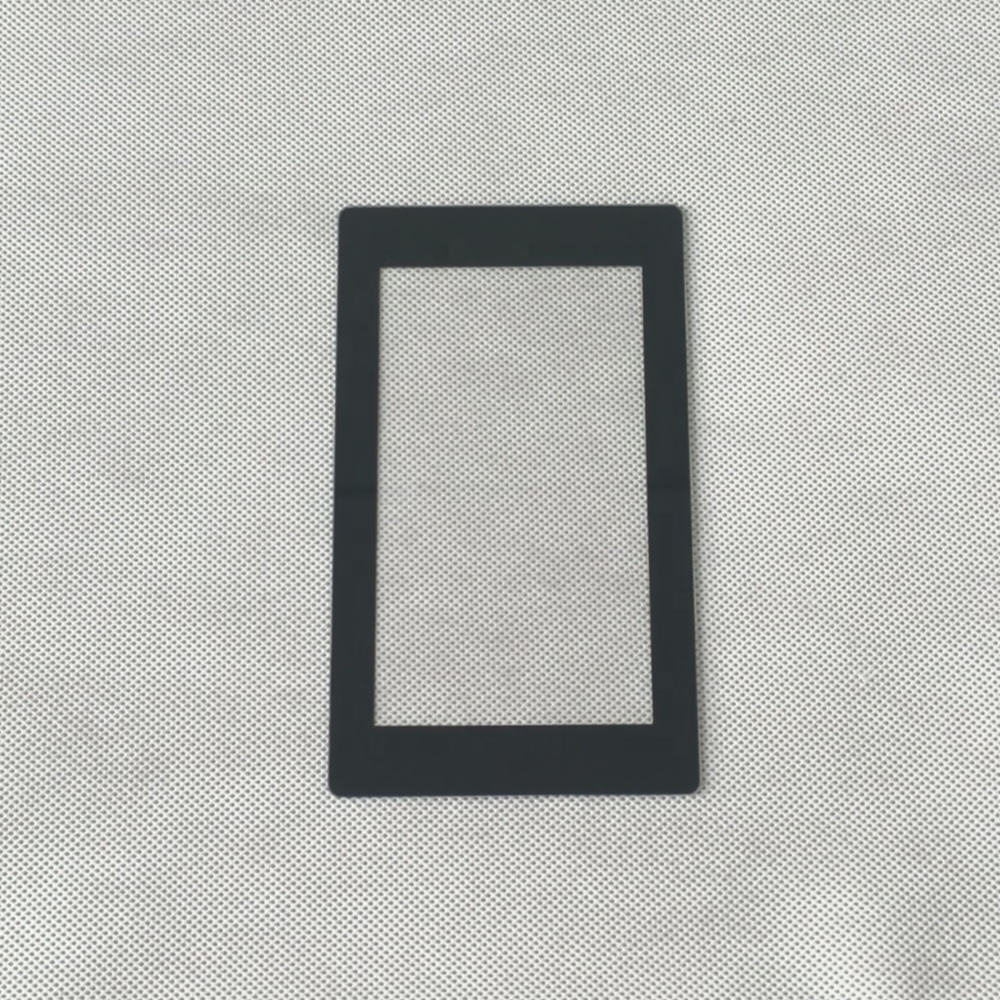
Silk Screen Printed Tempered Glass Panel Self Adhesive Display Cover Glass Flat Electronic Product Glass Screen Protector
Printed cover glass with self-adhesive options for HMI, kiosks, medical devices and showroom displays. Low-reflection coatings help maintain legibility under Frankfurt trade-fair and retail lighting.
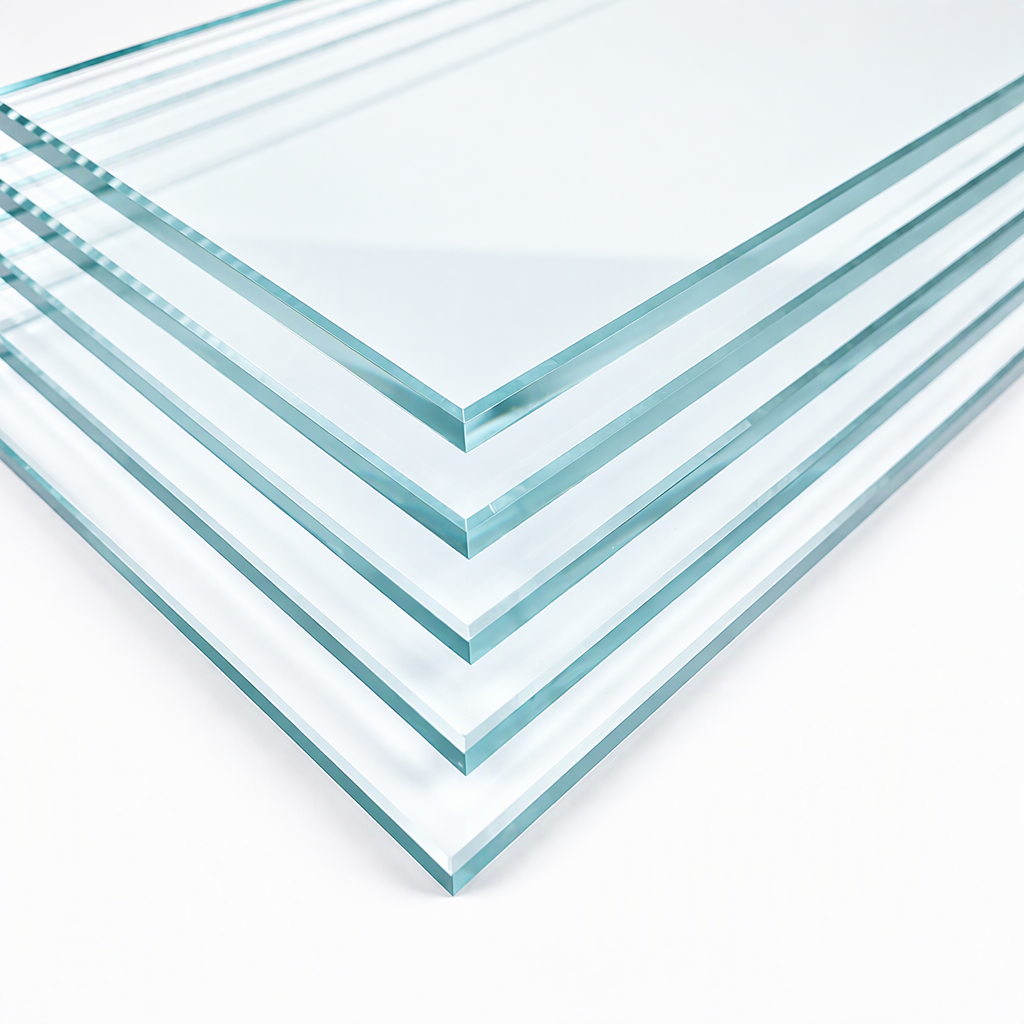
Clear Tempered Glass Transparent Tempered Glass Panel Cover Plate
Clear cover plates with high light transmission, precision edges, holes and optional AR coating. Suitable for control-room displays, medical monitors and premium electronic enclosures.
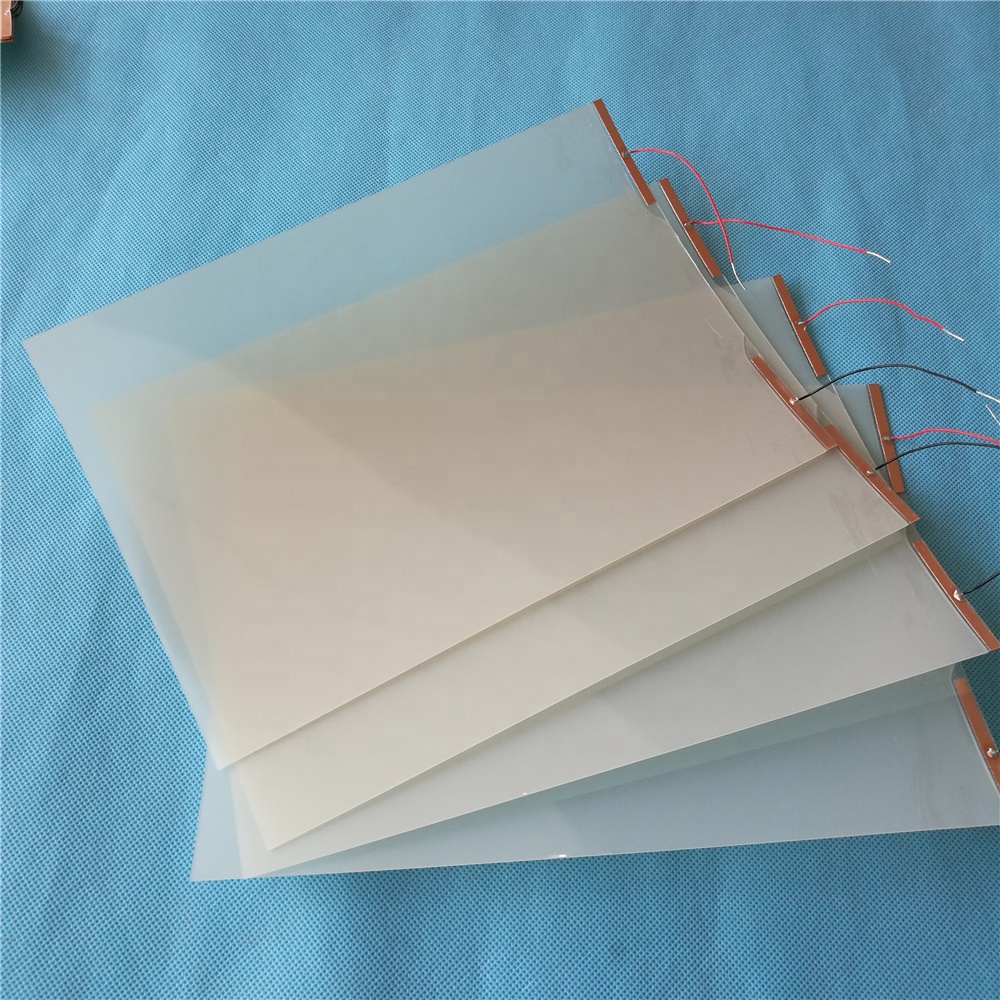
Factory Price Electrochromic Anti-UV PDLC Film Smart Switchable Privacy Glass Office Partition and Curtain Walls
Switchable privacy glass for Frankfurt offices, meeting rooms and curtain-wall upgrades. Can be combined with low-reflection laminated build-ups to reduce glare while preserving privacy on demand.
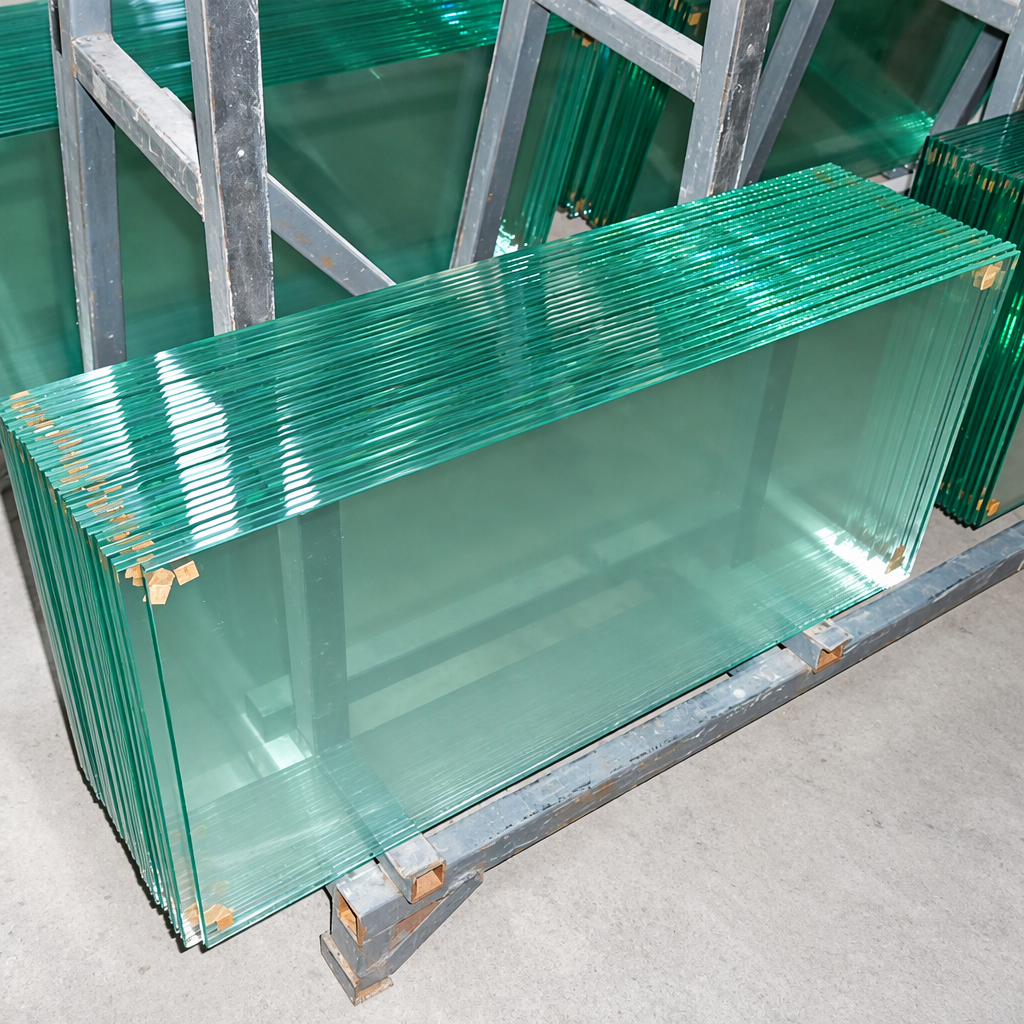
Construction & Real Estate Float Glass Factories in China Tempered Glass
Float glass and tempered glass for architectural and real-estate projects. For Frankfurt specifications, low-reflection laminated or coated options can be reviewed against daylight, glare and privacy requirements.
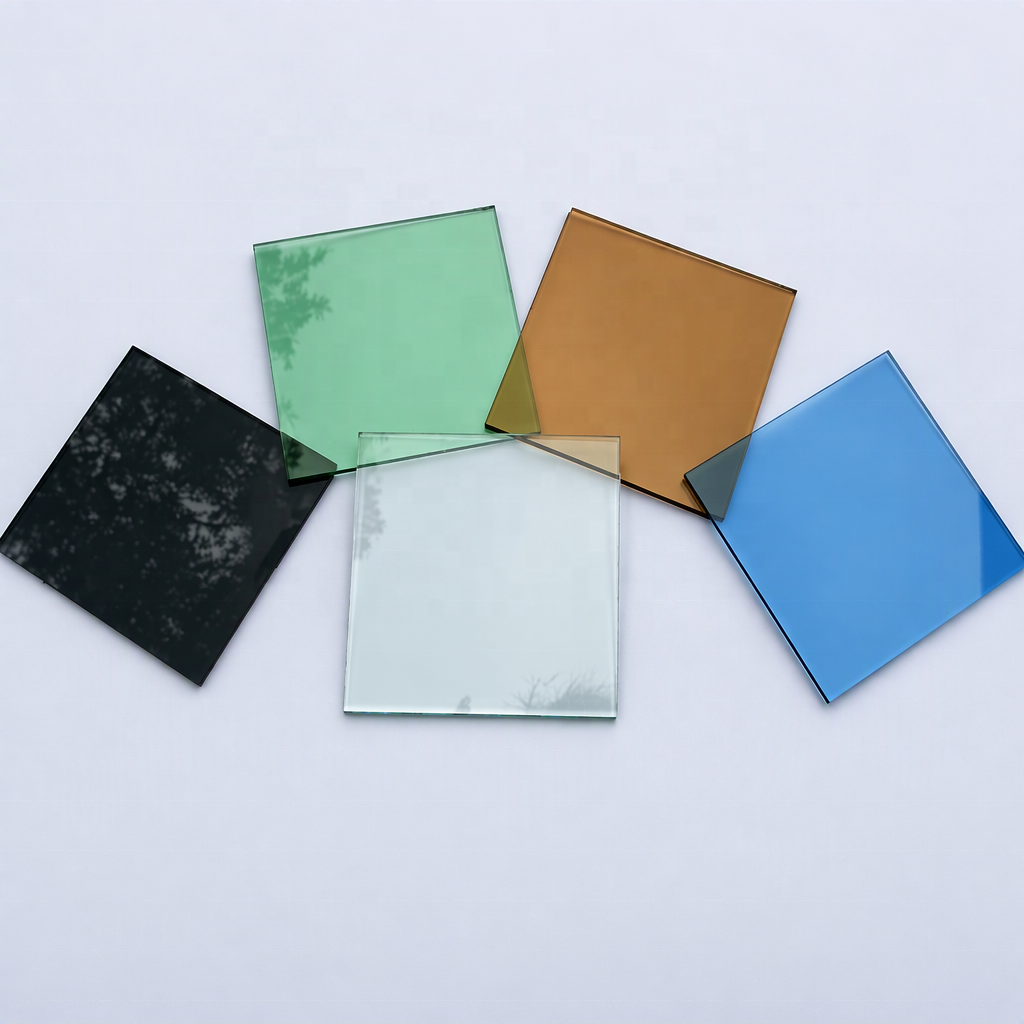
Customized Tinted Tempered Glass Flat Sheet 3mm to 10mm Reflective Colored Glass Toughened Glass
Tinted and reflective colored glass for design, appliance and display applications. When reflection is undesirable, AR or AG treatment can provide a more controlled optical result than tinting alone.

High Quality Industrial Screen Front Cover Glass Frosted Anti-glare Glass for Screen Protector
Frosted AG glass for industrial HMI and outdoor-readable screens. It diffuses reflected light while maintaining touch response, making it a practical choice for factory floors and control stations.
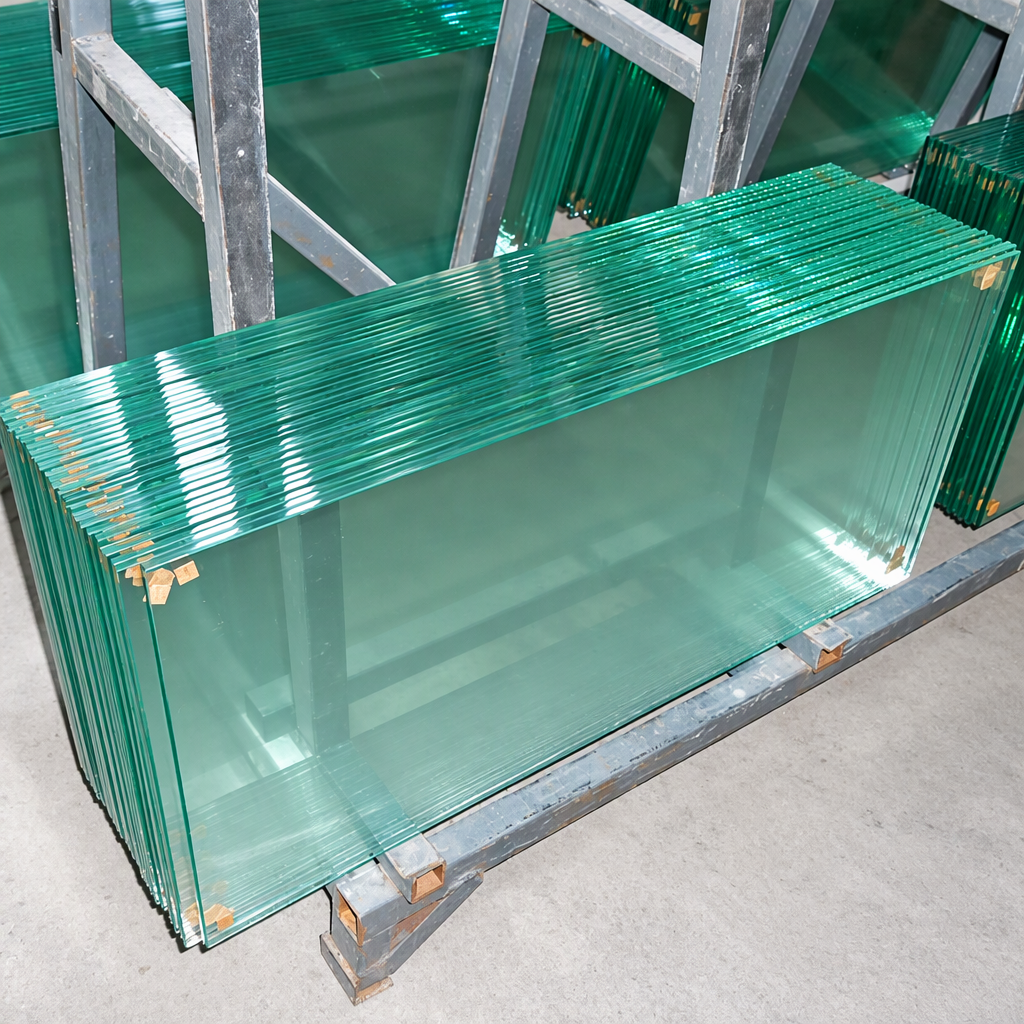
Customized Thickness and Size Clear Tempered Float Glass Panels
Clear tempered float glass in customized thickness and size for digital signage, control-room displays and equipment windows. Optional AR coating supports sharper images and lower reflected glare.
Why Low Reflection Glass Is Becoming a Specification Issue in Frankfurt
Frankfurt is not a generic export destination. It combines a dense financial district, major trade-fair venues, premium retail, museums, medical technology, automotive engineering and a fast-moving smart-building ecosystem. In these environments, reflected light affects readability, visual comfort, brand perception and even safety.
For a display in a Frankfurt trading floor, a glass vitrine in a museum, a touch panel in a smart office or an HMI on a production line, low reflection is not simply a cosmetic upgrade. It is a functional requirement that can determine whether a screen remains legible under ceiling grids, daylight from large windows, camera flashes, emergency lighting or mixed indoor/outdoor conditions. The same panel that looks acceptable in a laboratory can become distracting when installed at an angle under high ambient light.
“Low reflection” also describes several different optical strategies. Anti-reflective (AR) coating reduces surface reflection through thin-film interference and is often chosen when the priority is high transmission, color neutrality and a “disappearing glass” effect. Anti-glare (AG) etching or coating scatters reflected light to reduce harsh glare while accepting a slight haze. Anti-fingerprint (AF) treatment makes cleaning easier and helps maintain appearance on touch surfaces. The best choice depends on the viewing environment, the display behind the glass, the cleaning chemicals used and the durability expectations of the buyer.
AR: clarity without distracting reflections
Ideal for control-room monitors, museum vitrines, medical displays and high-end retail screens where reflection should be suppressed without darkening or tinting the image.
AG: comfortable viewing under strong light
Suited to industrial HMIs, outdoor-readable displays and brightly lit public areas where a matte surface reduces harsh glare and improves practical legibility.
AF: touch surfaces that stay cleaner
Helpful for switch panels, kiosks, medical touch screens and public terminals where fingerprints, cleaning agents and frequent contact affect perceived quality.
For Frankfurt buyers, the most useful specification is therefore not a single “low reflection” label. It is a combination of measurable requirements: target reflection, transmission, haze, color shift, coating durability, abrasion resistance and compatibility with the chosen cleaning regime. That is where an OEM/ODM factory with integrated cutting, printing, tempering and coating control provides more value than a trader selling generic panels.
AR, AG and AF: Specifying the Right Low Reflection Surface
The table below is a starting point for Frankfurt engineering and procurement teams. Final selection should be confirmed against the display stack, viewing angle, ambient light, cleaning chemicals and required service life.
One information-gain point that often gets missed during early sourcing is the relationship between low-reflection treatment and the mechanical processing sequence. Holes, notches, edge polishing, silk-screen printing and strengthening must be planned around the coating and tempering route. For example, cutting or drilling after tempering is not acceptable for thermally tempered glass; for thin chemically strengthened cover glass, edge quality and flatness are especially important. A supplier that controls the whole process can reduce the risk of mismatched batches, color drift and assembly rejects.
Low Reflection Glass Application Scenarios in Frankfurt and the Rhine-Main Region
Frankfurt’s building stock, trade-fair activity and industry mix create a wide range of visual environments. The same low-reflection panel may be specified for very different reasons depending on the application.
Financial trading floors and control rooms
Multiple monitors, overhead lighting and 24-hour operation make reflected glare a comfort and performance issue. AR cover glass can improve readability while maintaining neutral colors across data dashboards and video walls.
Museums, exhibitions and vitrines
Frankfurt’s cultural institutions and trade-fair showrooms require glass that lets visitors see objects and displays without distracting reflections. AR glass is often used where color fidelity and transparency are essential.
Medical technology and clinical displays
Medical screens need cleanability, legibility and consistent optical performance. AR plus AF coatings can reduce reflections and fingerprint marks while supporting frequent cleaning procedures in hospitals and laboratories.
Smart buildings and office automation
Touch switch panels, room controllers, digital signage and switchable privacy partitions are increasingly common in Frankfurt offices. Low-reflection glass improves perceived premium quality and keeps interfaces readable in daylight.
Automotive and EV human-machine interfaces
Printed cover glass for dashboards, chargers and control consoles must resist glare and fingerprints. Thin chemically strengthened glass can support curved or compact designs while maintaining optical clarity.
Retail, showrooms and flagship displays
Premium retail environments use high-transmission glass to protect screens and products without dulling the visual experience. Custom printing can integrate logos, icons, sensor windows and decorative borders.
Frankfurt Market Trends Affecting Low Reflection Glass Procurement
These trends are practical, not abstract. They influence drawings, documentation, sample approvals and the total cost of ownership for OEM and ODM projects.
1. Compliance-led purchasing
European buyers increasingly ask for RoHS, CE and quality-system evidence before sampling. Clear certificate numbers and traceable inspection records shorten supplier approval.
2. Daylight-driven architecture
More glass means more reflected light. Designers are looking for glare control without heavy tinting, which increases interest in AR and AG surfaces for displays and interior glass elements.
3. Touch-first smart buildings
Switch panels, access control, meeting-room booking screens and digital signage all benefit from low reflection plus anti-fingerprint treatment for a cleaner, more professional appearance.
4. Supply-chain resilience
Frankfurt buyers value factories that can support samples, small batches and repeat production with stable documentation. A direct OEM/ODM channel helps reduce communication loss between design and production.
One Factory, the Complete Process Chain for Low Reflection Cover Glass
Keeping cutting, CNC shaping, printing, tempering, chemical strengthening and coating under one roof helps control tolerance, color consistency and delivery timing. It also makes it easier to resolve optical issues before mass production.
Precision cutting and CNC shaping
Straight, round and special-shaped parts from clear, ultra-clear, tinted and high-alumina sheet, with CNC profiling for consistent outlines and cut-outs.
Edge polishing, drilling and engraving
Flat, pencil and beveled edges, safety corners, countersunk holes, notches and engraved details for clean assembly and a premium finished appearance.
Silk screen printing
Eco-friendly high- and low-temperature inks, multi-color layouts, logos, icons, hidden borders and touch zones with scratch-resistant finishes.
Physical thermal tempering
Heat-strengthened safety glass for appliance doors, switch panels, display windows and industrial covers that must resist impact and thermal exposure.
Chemical strengthening
Ion-exchange strengthening for thin 0.5–2 mm cover glass where flatness, optical clarity and strength are all critical for touch displays.
AR, AG and AF surface treatment
Anti-reflective, anti-glare and anti-fingerprint treatments for readable screens in bright, industrial, medical and public environments.
From Frankfurt RFQ to Production Release: A Controlled Workflow
For custom low reflection glass, the fastest route to a reliable order is a structured engineering review before sampling. The process below is designed to surface optical, mechanical and compliance questions early.
Drawing and requirement review
Engineers review the 2D drawing, glass thickness, edge finish, hole positions, print artwork, coating requirement and intended Frankfurt installation environment.
Sampling and optical verification
Printed and coated samples are produced for fit, color, reflection, haze and touch verification. Where required, packaging and assembly checks can be agreed.
Production and in-process control
Cutting, edging, printing, strengthening and coating are controlled across 8 production lines, with incoming material and finished-product inspection before packing.
Export packing and Frankfurt delivery
Protective export packaging is prepared for air, rail or sea freight. Delivery terms can include EXW, FOB, CIF, DDP and express delivery, subject to project requirements.
Quality documentation and compliance support
Qingdao Maupe Glass Co., Ltd. operates an ISO 9001 quality management system (Certificate No. 24025Q20015R1S), holds RoHS compliance (Certificate No. 25TYT12395) and CE certification for tempered glass (Certificate No. 23TYT082593S), and has been onsite-assessed by SGS Group as a third-party inspection company. For Frankfurt projects, we can support buyer documentation requests with inspection records, packing details and certificate references. Project-specific standards or testing requirements should be confirmed during the RFQ stage.
- Incoming material and finished-product inspection before packing.
- Supplier assessment and on-site material inspection procedures.
- Protective packaging designed for long-distance export and handling.
- Factory close to Qingdao seaport and airport for flexible export logistics.
Why Frankfurt Buyers Work With Qingdao Maupe Glass Co., Ltd.
Founded in 2012 in Qingdao, Shandong, Qingdao Maupe Glass Co., Ltd. is a glass deep-processing manufacturer and international supplier operating under an ISO 9001 quality management system. The core work is turning flat glass into finished functional parts: cutting, edge polishing, drilling, engraving, coating, silk screen printing, physical tempering and chemical strengthening.
The factory occupies approximately 3,000–5,000 m², runs 8 production lines and exports to more than 80 countries. Export represents about 91–100% of output, which means international drawings, packaging expectations and shipping documents are part of daily production rather than an occasional project. The company has also been recognized as a Fortune 500 supplier with procurement-contract verification and offers OEM/ODM service with more than a decade of export experience.
For low reflection glass projects, this integrated position matters. Coating performance, print quality, glass strength and edge finish all influence the final optical result. A direct factory review helps reduce the risk of receiving a panel that passes dimensional inspection but performs poorly after installation under real lighting. The factory’s location near Qingdao seaport and airport also supports practical export logistics to Frankfurt and other European destinations.
- ISO 9001 quality management system and SGS onsite assessment.
- RoHS and CE certificates for relevant glass products.
- OEM/ODM engineering support for printed, coated and strengthened cover glass.
- Export experience across Europe, North America, the Middle East, Oceania, Asia, Africa and South America.
- Direct communication with production for faster issue resolution.

Factory overview: integrated cutting, printing, tempering, strengthening and coating support for OEM/ODM glass projects.
ISO 9001 quality system
Documented processes support repeatability from sample approval through mass production and final inspection.
Integrated process chain
Cutting, CNC, printing, tempering, chemical strengthening and coating are coordinated under one production system.
OEM/ODM engineering support
Drawings are reviewed for manufacturability, tolerances, coating compatibility and assembly requirements.
RoHS, CE and SGS assessment
Certificate references and third-party assessment help shorten supplier qualification for European buyers.
Export-oriented production
More than 80 export countries and 91–100% export share mean packaging and documentation are routine.
Flexible low-reflection options
AR, AG and AF treatments can be reviewed alongside printing, edge quality and strengthening method.
What to Confirm Before Ordering Low Reflection Glass for Frankfurt
A clear RFQ reduces sample iterations and protects the production schedule. These four checks are especially useful for purchasing, engineering and quality teams.
Define the optical target
State ambient light, viewing angle, display brightness, acceptable haze and whether AR, AG or AF is preferred. If possible, share a reference sample or a measurable reflection target.
Confirm the environment
Will the glass be cleaned with alcohol, alkaline agents or disinfectants? Will it face UV, heat, outdoor light or public contact? These answers affect coating choice and durability expectations.
Lock dimensions and assembly
Provide the 2D drawing with tolerances, edge finish, hole positions, adhesive type, print layers and the side to be coated. Small assembly details can change the manufacturing route.
Agree commercial terms
Confirm MOQ, sample lead time, mass-production lead time, packaging, Incoterms and delivery to Frankfurt. For DDP inquiries, ask for a complete quotation with shipping assumptions.
Local Procurement FAQ: Buying Low Reflection Glass for Frankfurt Projects
These are the questions most often raised by European OEM buyers, system integrators, architects and distributors when evaluating a low reflection glass factory.
Can you supply low reflection glass to Frankfurt with DDP terms?
What is the minimum order quantity for custom AR, AG or AF cover glass?
Which low reflection option is best for a Frankfurt installation?
Which certificates and documents are available?
What files are needed to start an OEM/ODM inquiry?
How long do samples and mass production take?
Can you support ODM development and custom packaging?
Request an OEM/ODM Low Reflection Glass Review
Send your drawing, target application and delivery requirement for Frankfurt. Our team can review the glass thickness, strengthening method, printing, AR/AG/AF coating and packaging route, then respond with a practical manufacturing proposal.
Contact UsISO 9001 · RoHS · CE · SGS onsite assessed · OEM/ODM glass deep-processing since 2012