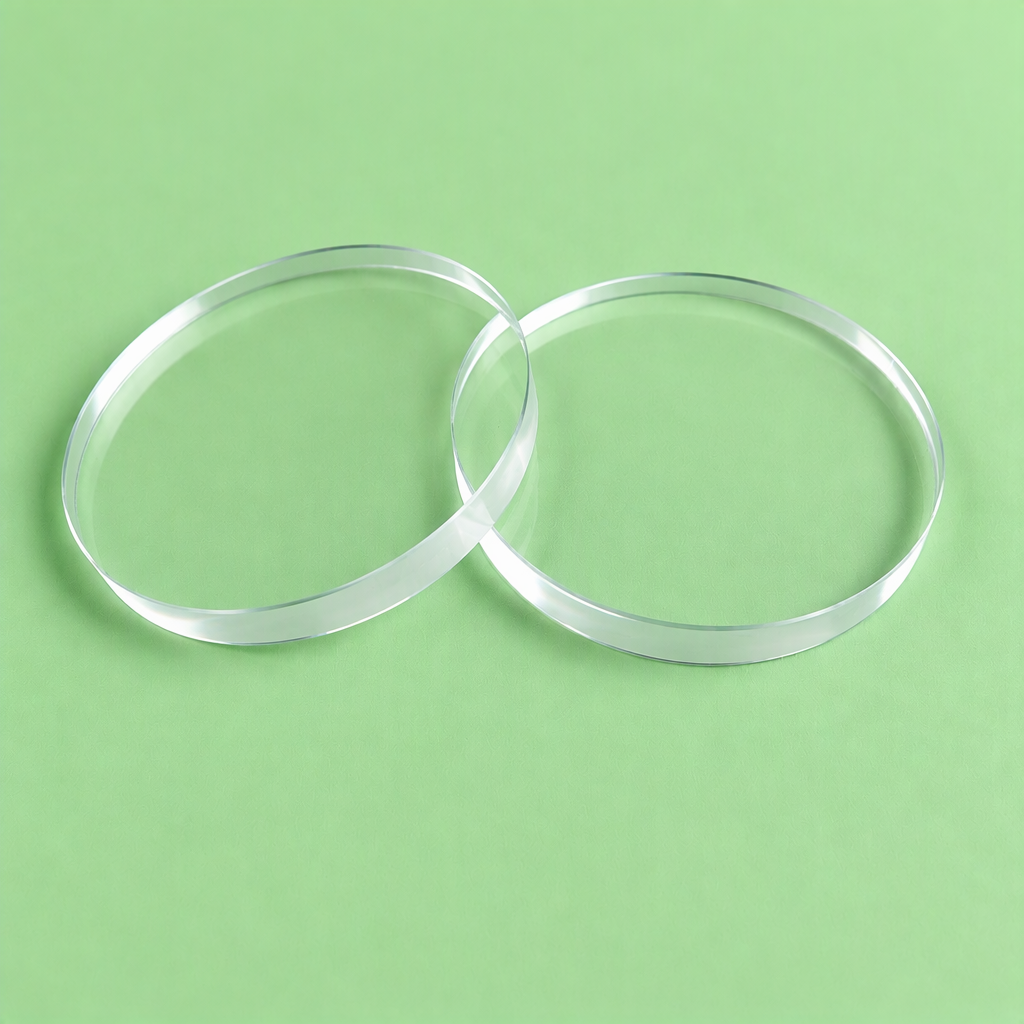
High Strength Tempered Glass Custom Size Clear Panel
Industrial-grade clear tempered glass cut, drilled and edge-finished to drawing for Manila equipment builders and fabricators.
View product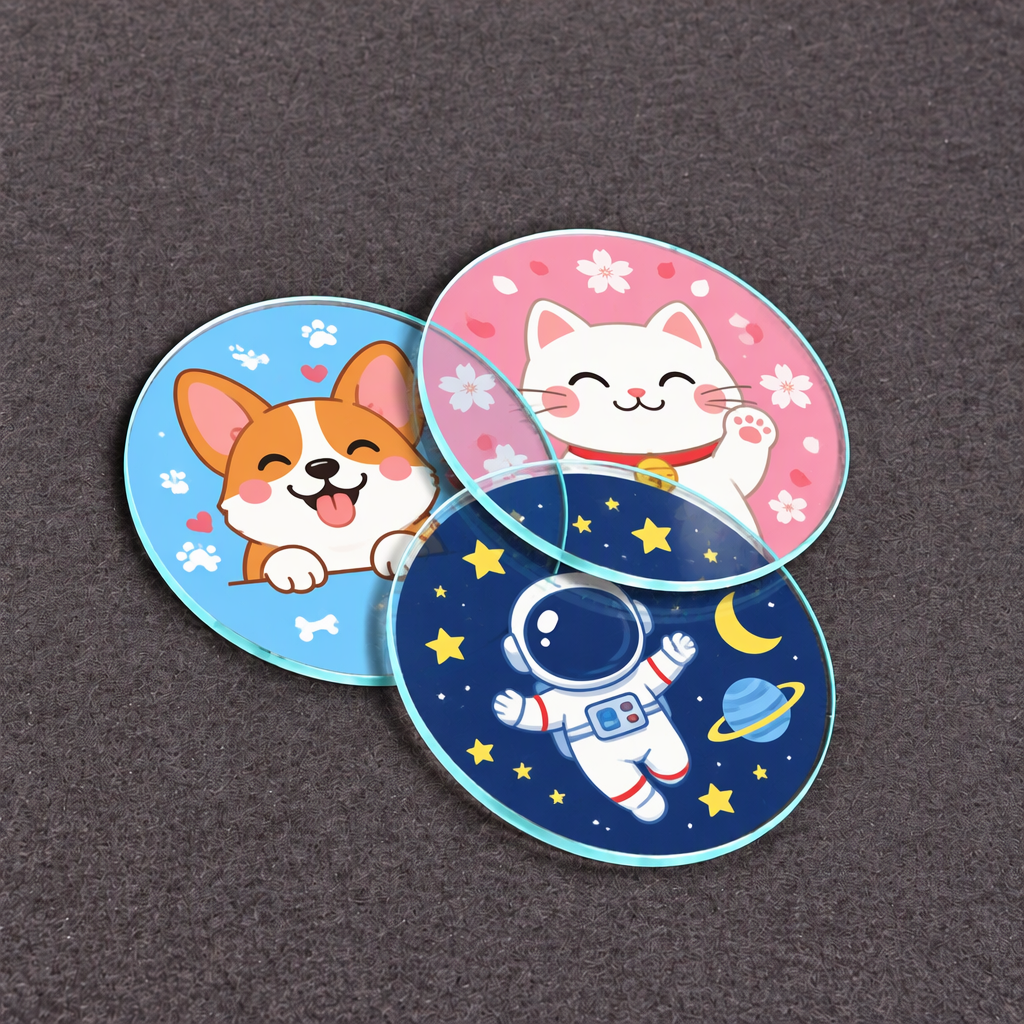
Eco-Friendly Custom Printed Tempered Glass Coasters
Retail-ready printed glass accessories with scratch-resistant ink, suitable for Manila hotel groups, cafés and promotional programs.
View product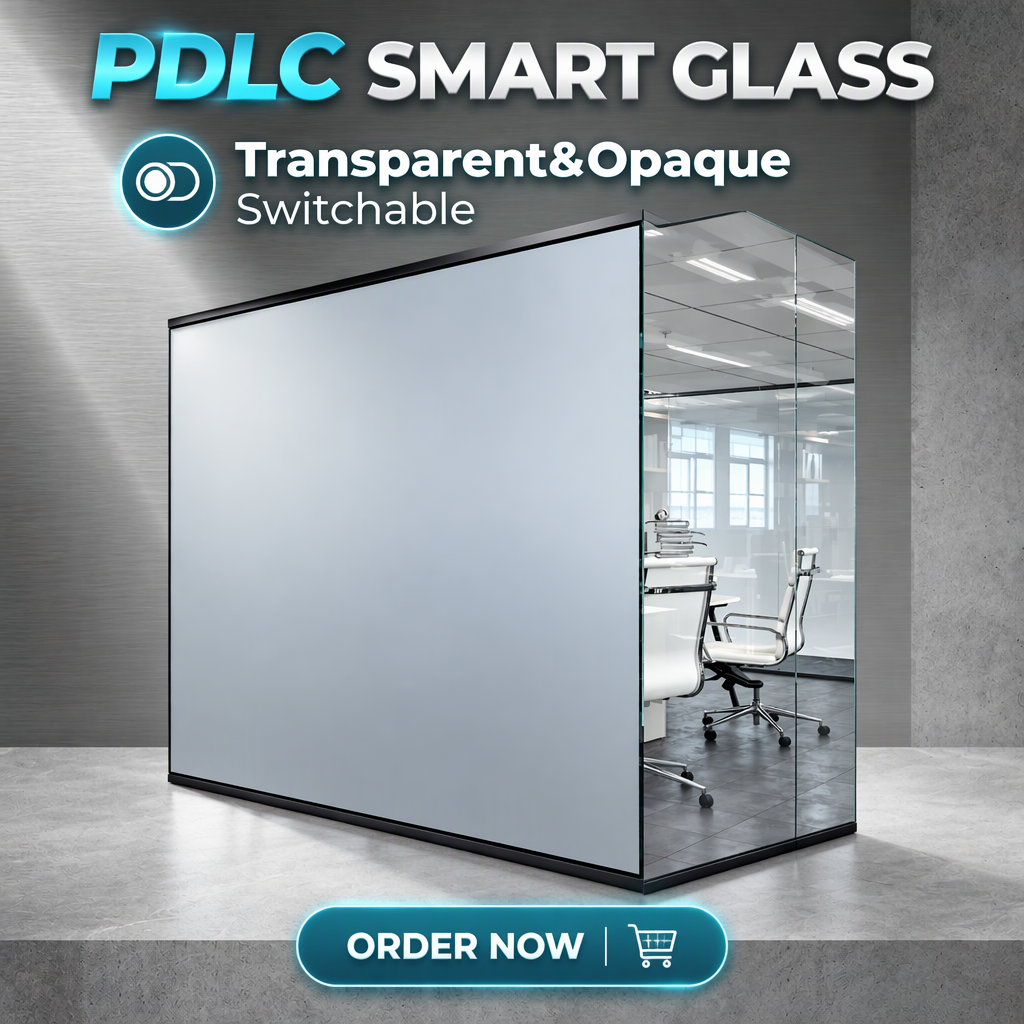
PDLC Smart Film Electrically Dimmable Privacy Glass
Switchable privacy glass for conference rooms, clinics and premium office fit-outs where light control and privacy must coexist.
View product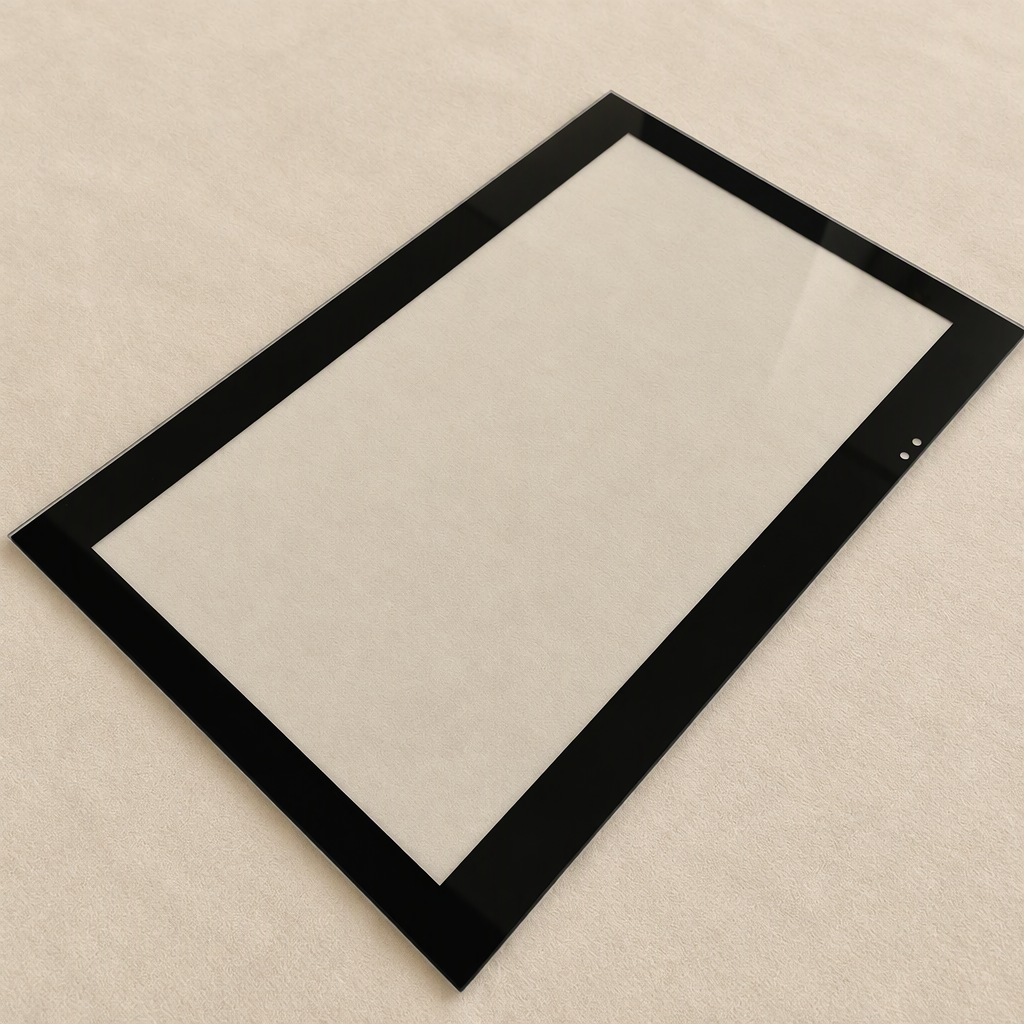
Silk Screen Printed Tempered Glass Display Protector
Flat printed glass for LCD TVs, control panels and industrial displays, with custom borders, windows and touch-zone graphics.
View product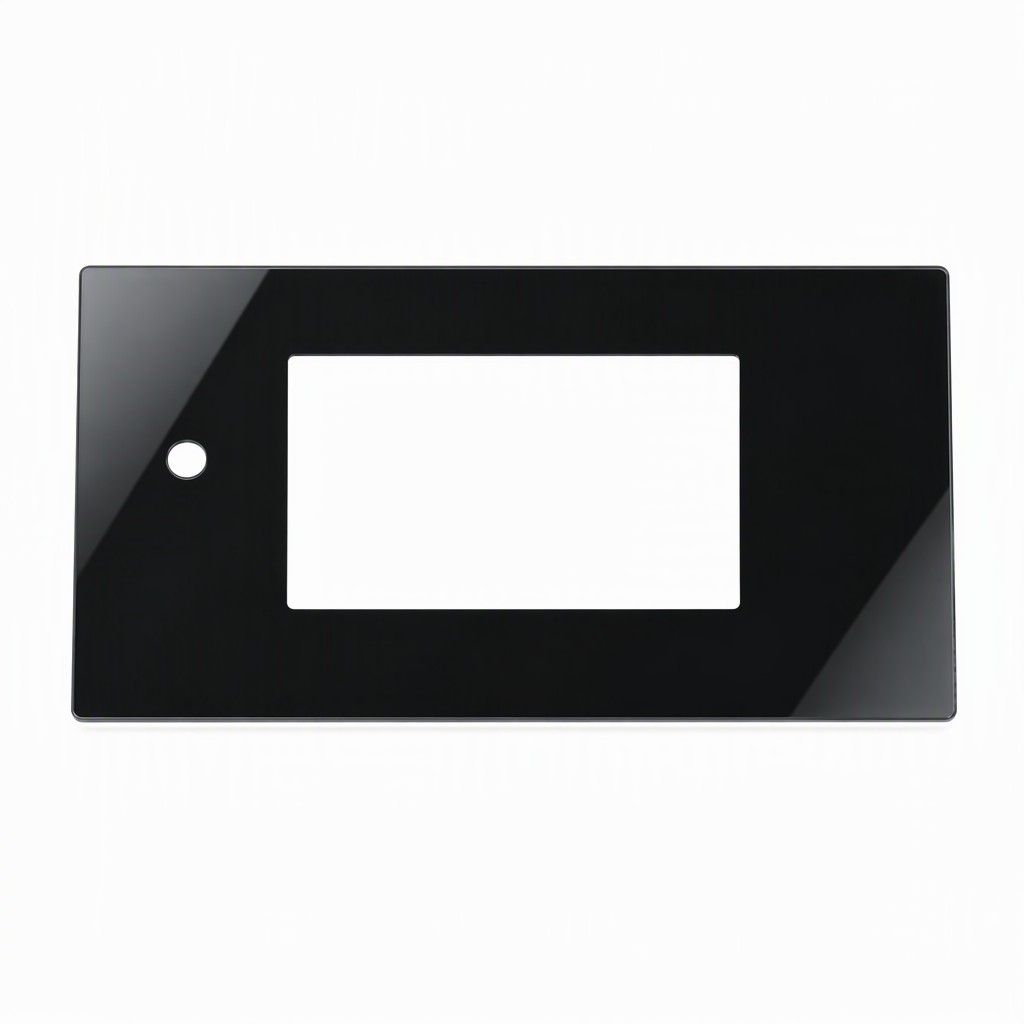
Gorilla Glass AR AF Coated LCD Touch Panel Cover
Optical-grade cover glass for medical screens, kiosks and industrial HMIs requiring low reflection and easy-clean surfaces.
View product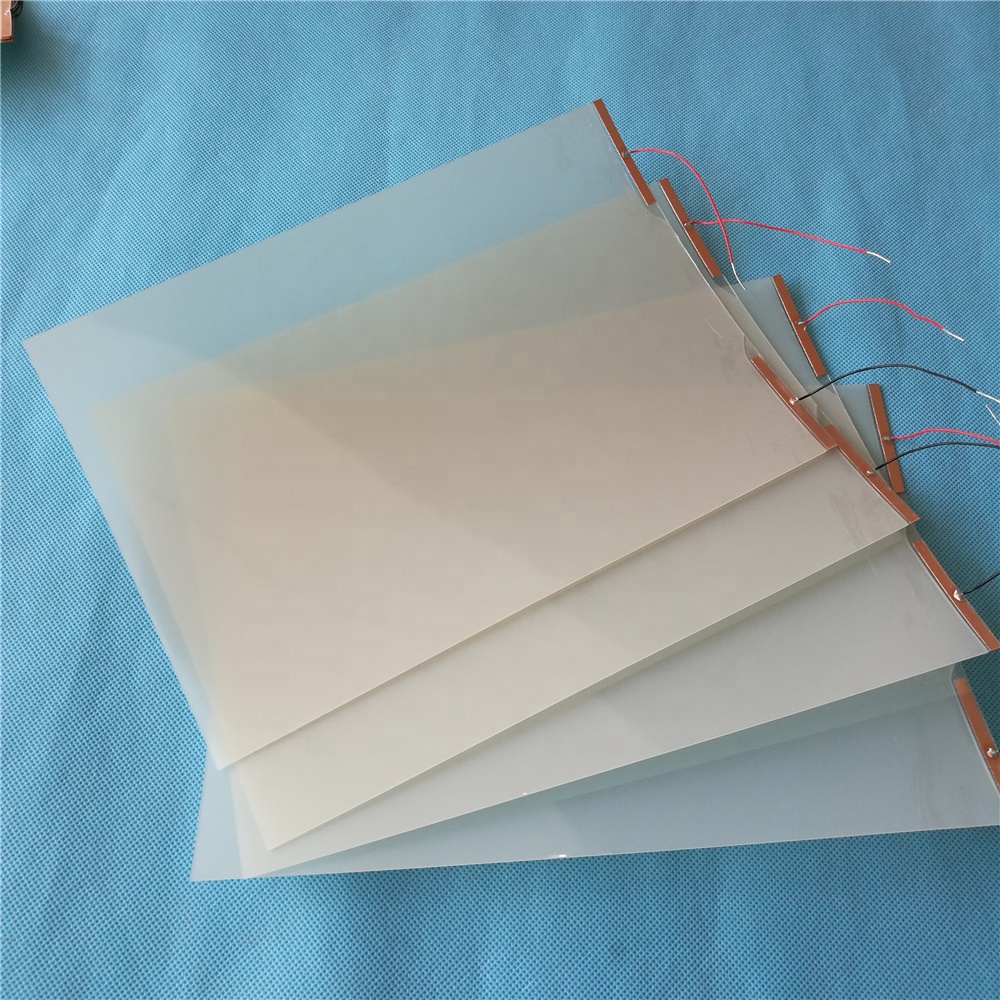
Electrochromic Anti-UV PDLC Smart Switchable Privacy Glass
Factory-priced smart film for office partitions and curtain walls, supporting glare control and UV reduction in tropical interiors.
View product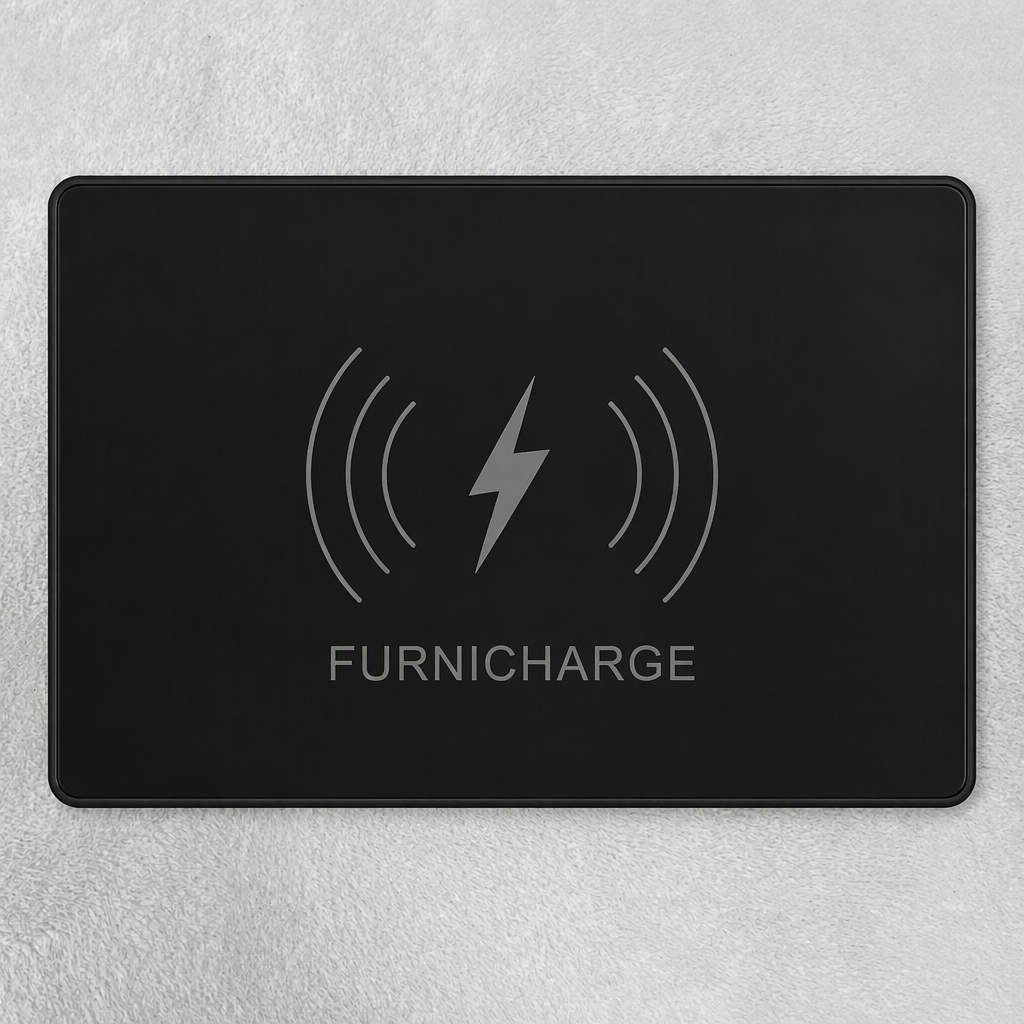
Smart Tempered Glass Bedside Table Wireless Charging Panel
Integrated glass touch panel for hotel furniture, condominium units and smart tables with wireless charging and switch functions.
View product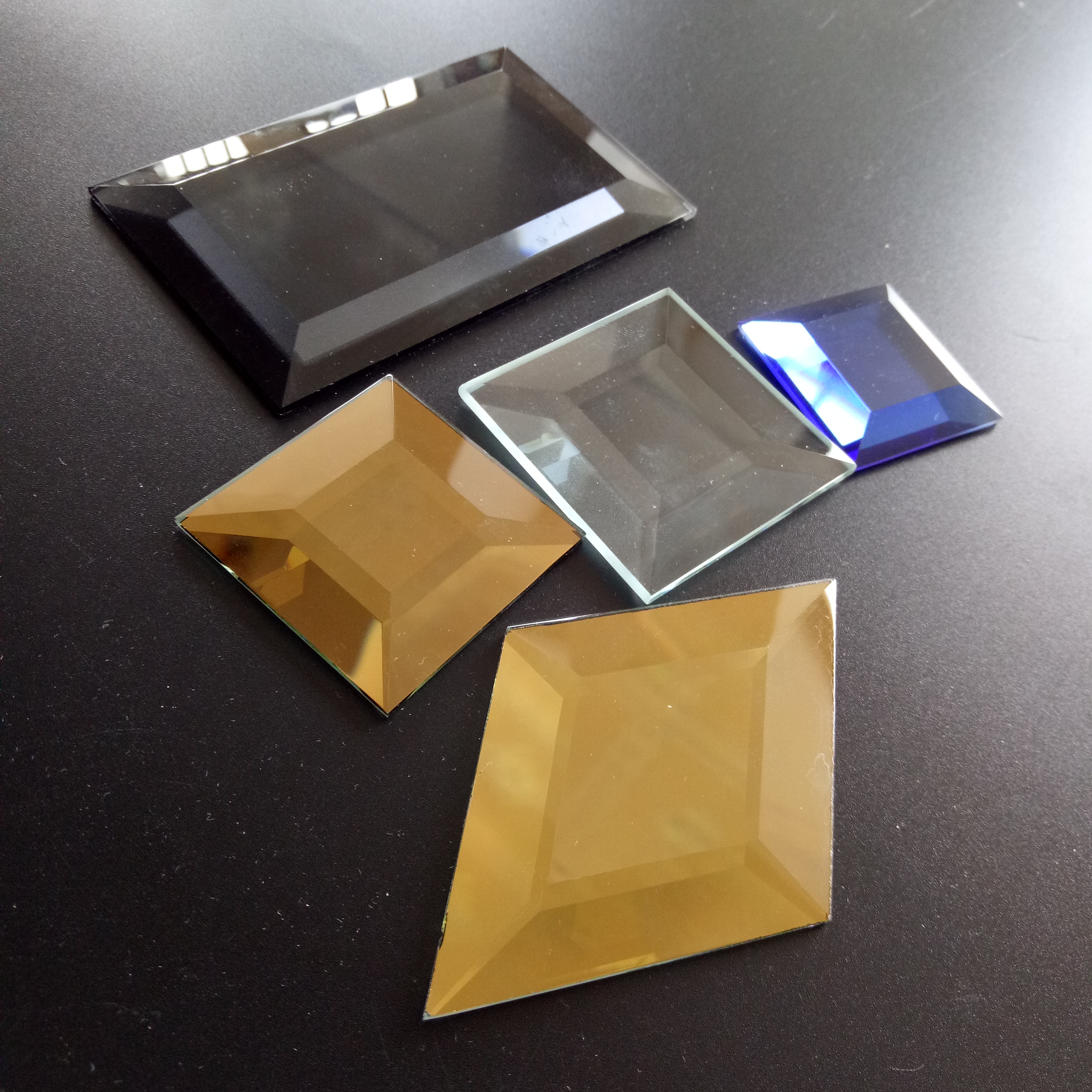
Blue Gold Faceted Beveled Glass Wall Decoration
Decorative beveled glass for lobbies, retail interiors and hospitality walls where surface depth and light reflection create value.
View productWhy Manila’s “Optical Lens” Search Often Leads to Precision Cover Glass
In Metro Manila procurement language, an optical lens requirement is frequently a front glass, sensor window, touch cover or display lens that must combine clarity, coating performance and mechanical durability.
Manila is not a single buying market. A purchasing team in Makati may be fitting out a BPO floor; a brand owner in Quezon City may be launching smart switches; a PEZA locator in Cavite or Laguna may need repeat production of touch-panel glass; and a distributor in Binondo may be consolidating mixed SKUs for resale. Each buyer asks a different question, but the winning supplier must solve the same underlying problem: turn a drawing into a repeatable, optically clean, export-safe component.
Qingdao Maupe Glass Co., Ltd. has operated since 2012 as a glass deep-processing manufacturer and international supplier under an ISO 9001 quality management system. The company’s work is not limited to selling sheets of glass. It cuts, edge-polishes, drills, engraves, silk-screen prints, tempers, chemically strengthens and coats glass for device, appliance, display and architectural applications. For Manila buyers sourcing OEM/ODM optical lens and cover glass, that process-chain control matters because the visible “lens” is only as good as the printing, edge finishing, coating and strengthening behind it.
The factory operates 8 production lines, covers 3,000–5,000 m², exports to more than 80 countries, and reports a 91–100% export share of output. That export orientation is relevant to Manila wholesalers and project suppliers: documentation, carton labeling, mixed-model packing and shipping terms are part of normal production discipline rather than an afterthought.
What Manila buyers usually mean by “optical lens”
- AR-coated display cover glass for kiosks, HMIs and medical screens
- Printed touch-panel covers for appliances, switches and card readers
- Clear windows for sensors, cameras, QR scanners and access control
- PDLC smart film for privacy glass in offices and clinic partitions
- Decorative or functional tempered glass for interior and furniture systems
Information gain: the strongest RFQs in Manila specify the application, cleaning method, humidity exposure and installation adhesive—not only the glass dimensions.
Manila Application Scenarios Where Glass Quality Shows Immediately
These are the installation and product contexts where Manila buyers most often see the difference between a low-cost panel and a properly specified OEM glass component.
BPO and corporate fit-outs in BGC, Makati and Ortigas
Glass touch switches, PDLC privacy partitions and anti-glare display covers help reduce reflections from floor-to-ceiling windows. Buyers need consistent print colors across floors and replacement batches, because a single mismatched switch panel becomes visible in premium office interiors.
Access control, smart locks and card readers
Printed tempered glass covers for RFID, IC, ID and QR readers need clean reading windows, hidden sensor borders and scratch resistance. In Manila’s high-traffic condominiums and office towers, the glass face is touched and cleaned daily, so ink adhesion and edge quality are as important as design.
Hospitality, condominium and furniture projects
Bedside table glass panels with wireless charging, touch light switches and printed icons are increasingly specified for hotels, serviced apartments and show units. Buyers in Pasay, Parañaque and Makati often require mixed cartons by room type, which makes labeling and repeatability part of the commercial offer.
Appliance and control-panel supply chains
Kitchen appliance glass, printed control panels and display windows require heat-resistant ink, accurate touch-key alignment and stable color. For Manila importers supporting appliance brands and after-sales channels, a supplier that controls cutting, printing and tempering in one factory can shorten corrective cycles.
Medical, industrial and kiosk displays
AR, AG and AF coated cover glass improves screen readability in brightly lit clinics, laboratories, factories and self-service kiosks. Manila buyers should specify whether the surface must be chemically strengthened for thin glass, or thermally tempered for thicker installed panels.
Retail displays, wall décor and branded interiors
Beveled, faceted and printed glass surfaces create depth for hotel lobbies, retail stores and restaurant interiors. For project suppliers, the risk is not only breakage in transit; it is batch-to-batch color variation and chipped bevels that appear after installation.
What Is Changing in Metro Manila’s Glass Component Demand
Buyer behavior in Manila is moving toward specified performance, not just lowest price per piece. These trends directly affect OEM/ODM optical lens and precision glass sourcing.
Humidity-aware specifications
Manila’s heat and humidity make edge sealing, protective film and moisture-resistant packaging important for printed and smart glass. Buyers are increasingly asking for packaging that survives consolidation and warehouse storage, not only ocean transit.
PDLC and privacy glass in offices
Switchable privacy glass is being specified for meeting rooms, clinic partitions and executive offices where blinds are undesirable. The purchasing conversation has shifted from “Can you supply film?” to “Can you support clean lamination, edge finishing and replacement units?”
Anti-glare and anti-fingerprint demand
BPO floors, medical rooms, showrooms and kiosks all deal with reflection and touch marks. AG and AF coatings are no longer “nice to have” in premium projects; they are part of the user experience and cleaning routine.
Mixed-SKU wholesale replenishment
Distributors want fewer suppliers and more coordinated shipments: switch glass, display covers, card reader panels and decorative glass in one order. This rewards factories that can manage different prints, thicknesses and packing methods under one quality system.
Recommended OEM/ODM Glass Products for Manila Buyers
A practical mapping from Manila application scenarios to product families, specification focus and commercial value.
| Manila use case | Recommended product family | Specification focus | Why it matters commercially |
|---|---|---|---|
| Office fit-out and smart switches | 86-type switch panel glass, printed touch panels, PDLC smart film | Print color, backlight windows, edge polish, adhesive compatibility | Reduces mismatch claims across multi-floor fit-outs and replacement batches |
| Access control and condominium security | Card reader glass, smart lock cover glass, sensor windows | Reading-window clarity, scratch resistance, precise icon printing | Improves durability in daily-touch environments and reduces after-sales returns |
| Appliance and control-panel importers | Kitchen appliance glass, display windows, printed control covers | Heat-resistant ink, thickness, tempering method, tolerance stack-up | Supports repeat production and easier coordination between design and purchasing |
| Medical and industrial displays | AR/AF/Gorilla-style cover glass, AG display protectors | Coating type, low reflection, cleaning resistance, flatness | Improves readability and perceived equipment quality in bright environments |
| Hotel and furniture programs | Wireless charging bedside glass, touch light switch glass, decorative beveled glass | Touch sensitivity, print alignment, bevel quality, packing by room type | Supports premium project handover and reduces site replacement delays |
| Wholesale and distribution | Mixed tempered glass panels, printed coasters, custom display covers | MOQ flexibility, carton labeling, mixed-model packing, export documentation | Helps Manila distributors serve multiple customers without carrying excessive stock risk |
Tempered or Chemically Strengthened? Specify by Failure Mode, Not Habit
The most expensive mistake in cover glass sourcing is choosing a strengthening method before defining the installation, cleaning and impact conditions.
These indicators reflect the specification priorities frequently raised by project-based and wholesale buyers when comparing glass component suppliers for Philippine distribution and fit-out supply.
Verifiable Quality Controls Behind Every OEM/ODM Glass Shipment
For Manila buyers, certification is a starting point. The real question is whether the factory can trace material, print, coating and packing decisions through production.

ISO 9001
Certificate No. 24025Q20015R1S · Quality management system scope covering float glass and technical glass products.

RoHS
Certificate No. 25TYT12395 · Supports EU electrical and electronic equipment compliance discussions.

CE
Certificate No. 23TYT082593S · Tempered glass certification supporting European market access requirements.
The company profile also indicates experience as a supplier to major global buyers and a Fortune 500 procurement relationship. For Manila OEMs and distributors, these credentials are most valuable when paired with project-specific inspection criteria and approved samples.
Why Qingdao Maupe Glass Fits Manila OEM and Wholesale Programs
A supplier should be judged by how it controls the complete glass process—not only by its product catalog.
One factory, full process chain
Cutting, CNC shaping, edge polishing, drilling, engraving, silk-screen printing, tempering, chemical strengthening and AR/AG/AF coating can be coordinated under one quality system.
Export-grade quality documentation
ISO 9001, RoHS and CE documentation, plus SGS onsite assessment, support Manila buyers who need supplier files for compliance, tenders and brand-owner approvals.
Print-first manufacturing experience
Eco-friendly high- and low-temperature inks, multi-color layouts, logos, icons and touch zones are developed for scratch-resistant functional glass panels.
Global export mindset
With clients in 80+ countries and a 91–100% export share, the factory understands mixed-model packing, export labels and shipping terms required by Manila distributors.
OEM/ODM customization
Drawings, artwork, thickness, hole positions, edge finishes, coatings and adhesives can be customized for brand owners and private-label programs.
Qingdao logistics advantage
Located close to Qingdao seaport and airport, the factory can support FOB, CIF, EXW, FAS, FCA, CPT, DDP, DDU and express shipments for Philippine buyers.
Manila Procurement, Packaging and Shipping Considerations
Glass components do not fail only in the factory. They can fail during consolidation, warehouse storage, site handling or first cleaning—especially in tropical conditions.
Send a complete RFQ
Include a 2D drawing in DWG, DXF or PDF; thickness; glass type; edge finish; hole positions; tolerances; print artwork in AI or PDF; color references; coating requirements; application environment; and estimated annual volume. A complete RFQ shortens engineering review and sampling.
Approve the sample as a production document
Do not treat samples as gifts. Sign off the sample with dimensions, print color, edge appearance, coating visibility, touch-zone alignment and packaging. For Manila teams, keep a reference sample at the local office so incoming containers can be checked against the approved standard.
Plan around project cycles
Metro Manila fit-out and retail programs often compress late-stage procurement. Release orders before Q4 project peaks and before Chinese New Year production slowdowns. For repeat wholesale programs, confirm monthly capacity and packing format in advance rather than assuming stock availability.
Accepted trade terms include FOB, CIF, EXW, FAS, FCA, CPT, DDP, DDU and express delivery. Accepted payments include T/T, L/C, PayPal, Western Union and cash, in USD, EUR or CNY. The factory is close to Qingdao seaport and airport, which helps consolidate export shipments for Manila.
Common Questions from Manila Importers, Contractors and OEM Brands
Practical answers for Philippine buyers comparing OEM/ODM optical lens, cover glass and tempered glass suppliers.
What is the minimum order quantity for custom printed tempered glass?
Most custom silk-screen printed panels start from 10 to 100 pieces depending on size, thickness and number of print colors. Large-size display cover glass can start from 10 pieces. Samples are available for fit and print verification before mass production.
Should Manila buyers choose physical tempered glass or chemically strengthened glass?
Physical tempering is typically used for glass around 2 mm and thicker, such as appliance doors, switch panels and display windows, and it breaks into small blunt fragments. Chemical strengthening is used for thin glass from 0.5 mm to 2 mm, touch covers and parts that require excellent flatness and optical quality.
Which certifications can be provided for Philippine compliance review?
The supplier operates an ISO 9001 quality management system, holds RoHS and CE certificates for its glass products, and has been onsite-assessed by SGS Group as a third-party inspection company. Certificate numbers can be reviewed by Manila buyers and their compliance teams.
What files are needed to start a custom glass project?
Send a 2D drawing in DWG, DXF or PDF with dimensions, thickness, edge finish, hole positions and tolerance. Add print artwork in AI or PDF with color references. State coating requirements such as AR, AG or AF and describe the intended application, cleaning method and installation environment.
Which trade and payment terms are accepted for Manila shipments?
Accepted delivery terms include FOB, CIF, EXW, FAS, FCA, CPT, DDP, DDU and express delivery. Accepted payments include T/T, L/C, PayPal, Western Union and cash, in USD, EUR or CNY. The factory is close to Qingdao seaport and airport.
Can you support mixed-SKU wholesale orders for Manila distributors?
Yes, mixed-product programs can be discussed around switch panel glass, card reader glass, display covers, decorative glass and smart film. Buyers should provide SKU-level quantities, carton labeling requirements and preferred pallet configuration so production and packing can be planned together.
How should buyers specify AR, AG or AF coatings?
Describe the problem the coating must solve: reflection under bright office lighting, fingerprint visibility on touch surfaces, glare from windows, or cleaning durability in a clinic or factory. Coatings should be matched to the display, cleaning chemical and touch method, not selected only by acronym.
How can Manila buyers reduce breakage risk during shipping and storage?
Approve packaging together with the sample. Specify protective film, interleaving, edge protection, export carton strength and labeling by model. For high-humidity storage, confirm moisture-control measures and avoid unpacking cartons near construction dust or water before installation.
Send Your Drawing for OEM/ODM Optical-Grade Glass Review
Share your drawing, target annual volume and application details. The engineering team can advise on glass type, strengthening method, print layout, coating and export packing.