What “Patterned Glass” Really Means in a Ho Chi Minh City Procurement Brief
In the Ho Chi Minh City market, “patterned glass” is not one product. It can mean silk-screen printed tempered glass, beveled and faceted decorative glass, anti-glare display glass, curved balcony glass, or a clear pressure-resistant viewing panel. The commercial risk begins when decoration, safety, optical performance and installation requirements are mixed into one price request.
Qingdao Maupe Glass Co., Ltd. approaches HCMC as an OEM/ODM glass manufacturer and export partner, not a catalogue-only trader. Founded in 2012, the company operates an ISO 9001 quality management system, holds RoHS and CE certificates, and processes glass on 8 production lines in a 3,000–5,000 m² facility. Export share is 91–100% of output, the company ships to 80+ countries, and its profile includes SGS onsite assessment plus a verified Fortune 500 buyer procurement contract. For Vietnamese importers, fit-out contractors and brand owners, those facts matter because they point to repeatable documentation, export packing know-how and a process chain that can be audited.
The semantic difference is practical. A District 1 hotel lobby may need decorative beveled glass with premium edge quality. A Thu Duc high-rise apartment may need smart switch panel glass and safety glass for balconies. A Tan Binh industrial workshop may need a pressure-resistant viewing window. A retail showroom may need anti-glare cover glass that keeps product displays readable under intense lighting. Each brief should be quoted against its real function: visual pattern, safety class, coating, tolerance, packing and installation method.
8 OEM/ODM Glass Products Recommended for Ho Chi Minh City Projects
These eight product types cover decorative, functional and industrial demand. Dimensions, thickness, edge finish, print artwork, surface coating and packaging can be customised for Vietnam-bound orders. Product URLs are preserved for direct technical review.
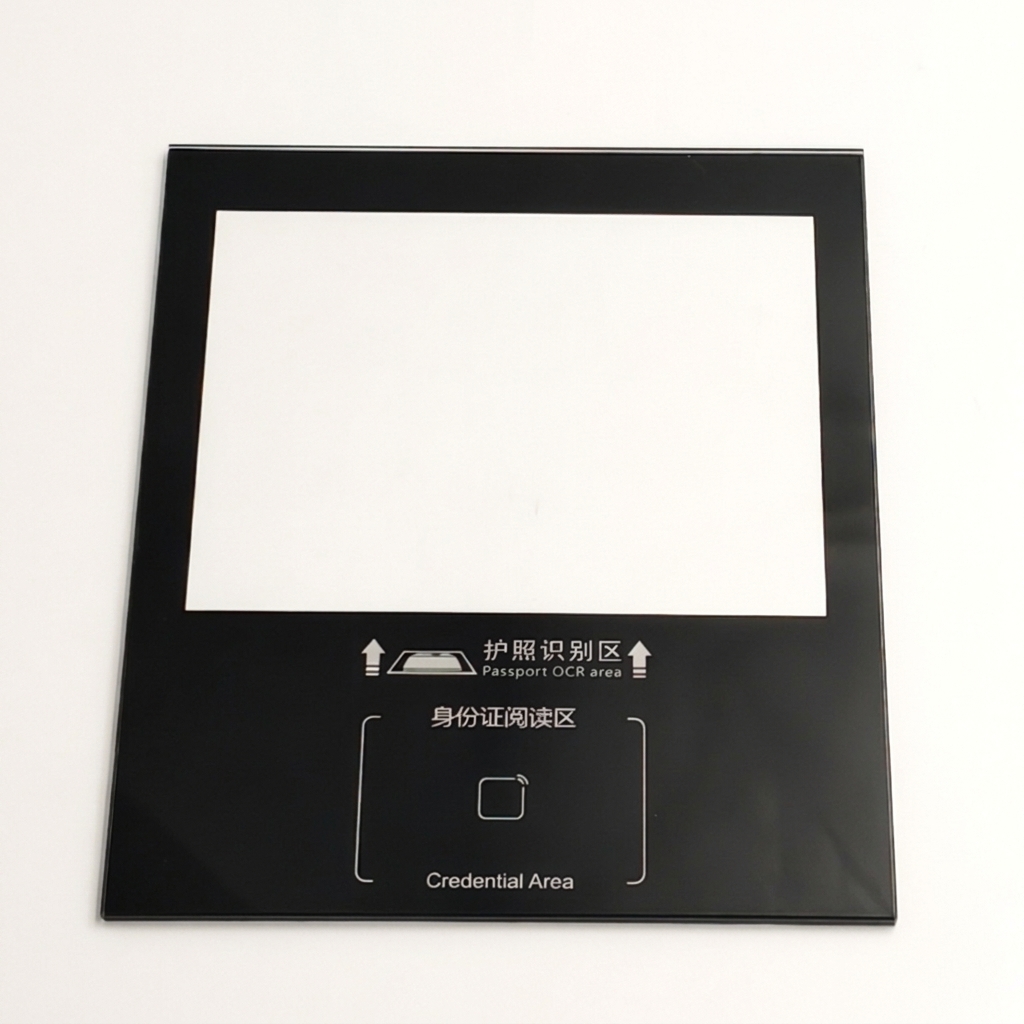
Custom Tempered Glass Protective Panel for Small Electronic Devices
Transparent polished display cover glass for smart devices, control housings and compact electronic products. For HCMC assembly partners, specify chemical strengthening for thin gauges or physical tempering for thicker covers.
View specification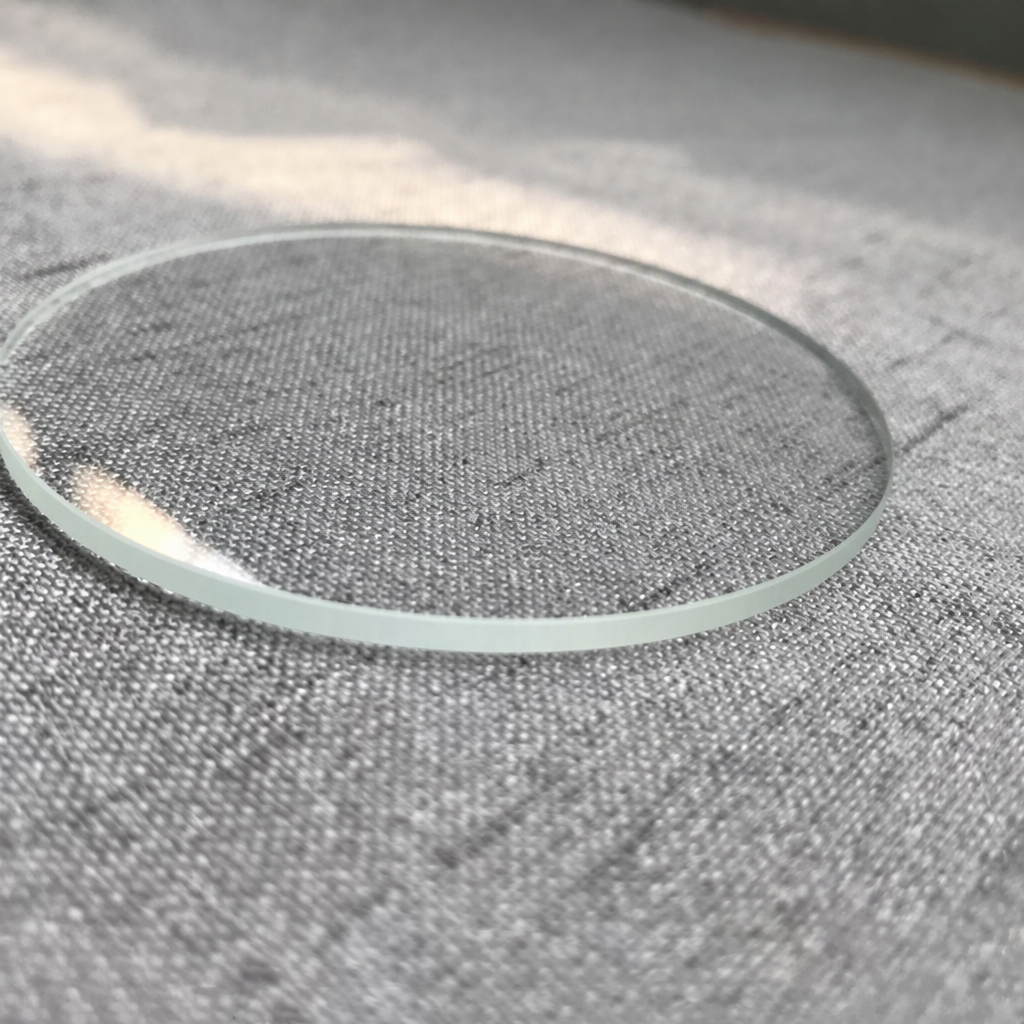
Pressure-resistant Tempered Glass Viewing Panel for Industrial Workshops
Clear custom-size viewing glass for machine guards, workshop windows and industrial inspection points. The key buying question is not only thickness, but hole tolerance, mounting method and behaviour in humid, dust-heavy environments.
View specification
Tempered Glass Lazy Susan Turntable 50cm to 90cm
Strengthened glass turntables for hotel breakfast rooms, restaurants, banquet tables and showrooms. HCMC F&B buyers should confirm diameter, load expectation, edge safety and hygiene requirements before ordering 50–90 cm formats.
View specification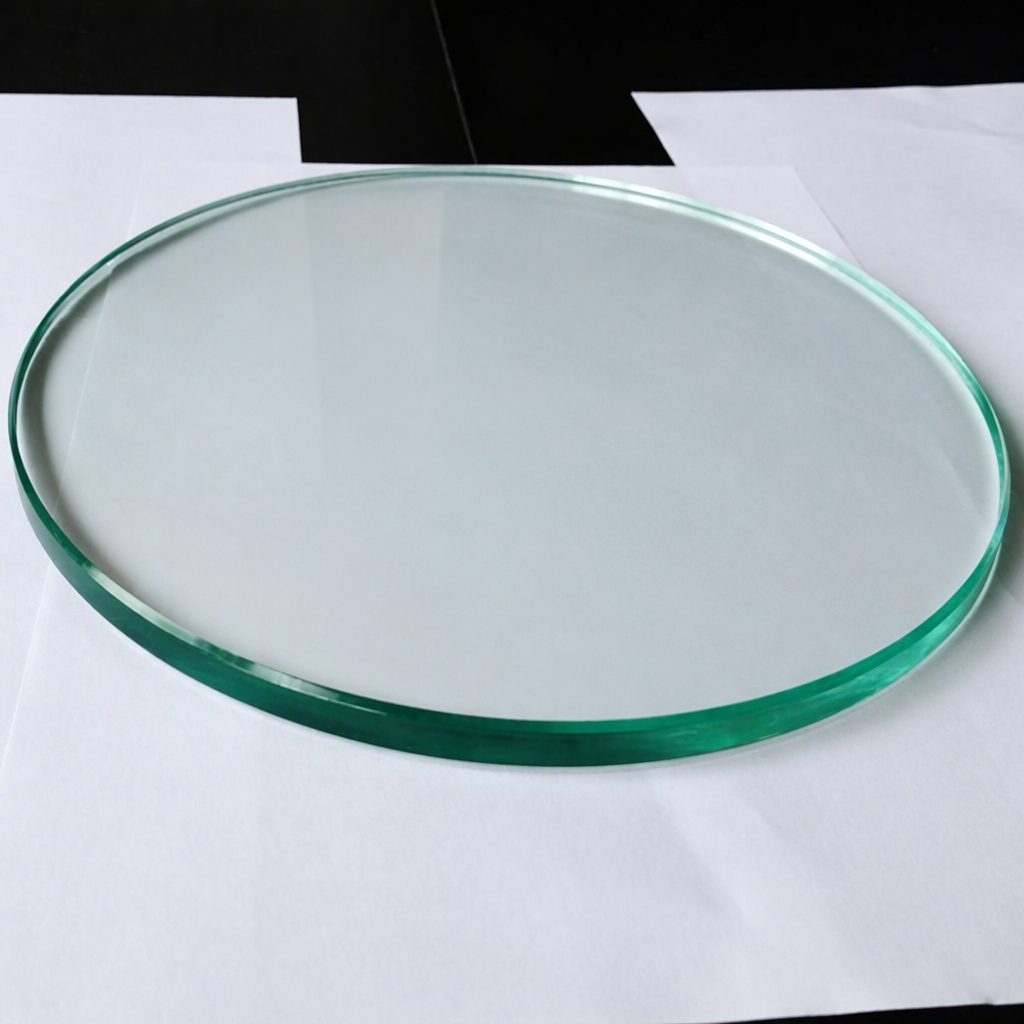
12mm Beveled Round Tempered Glass Pieces
Round tempered glass with beveled edges for café tables, display plinths, furniture and premium interior details. Beveled edges improve perceived quality and reduce chipping risk, but all edging must be finished before tempering.
View specification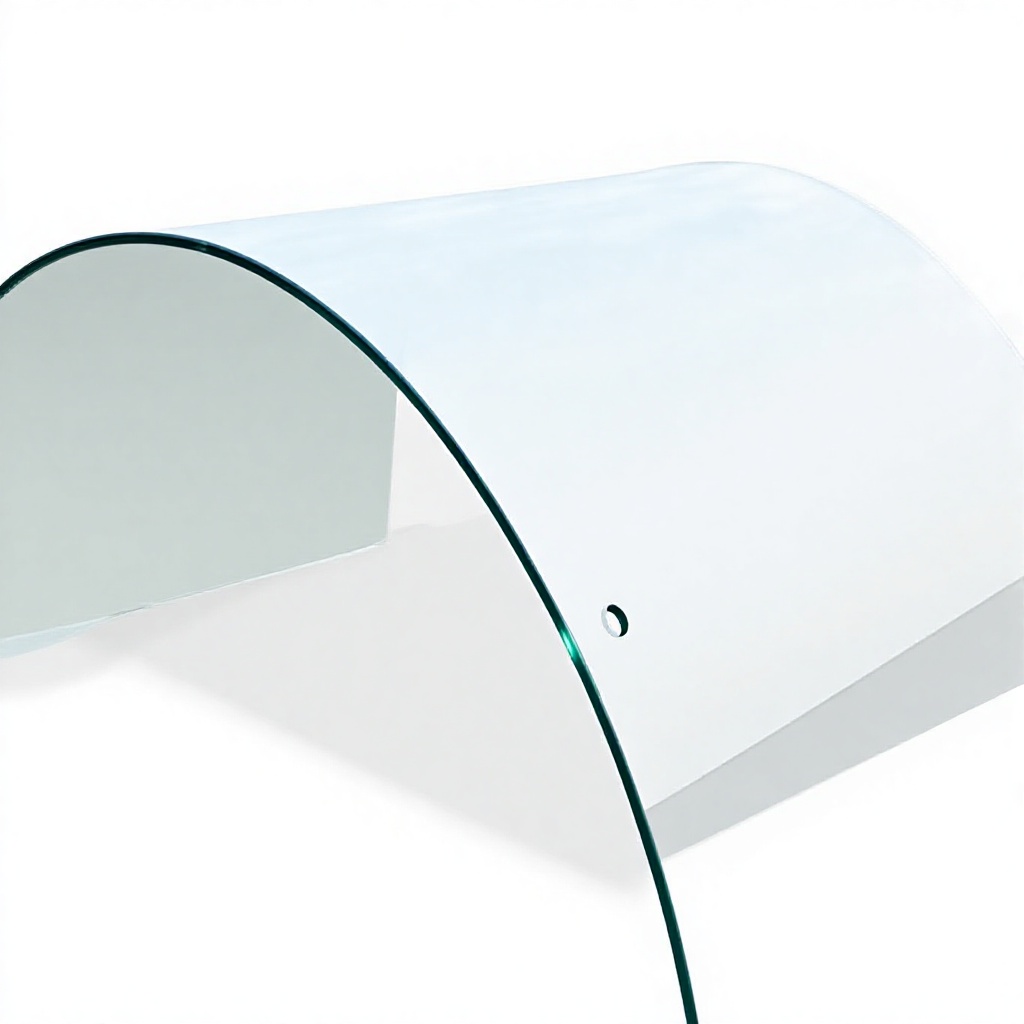
Custom Curved Tempered Glass for Balcony and Curtain Wall
Curved tempered glass for balcony and curtain-wall visual applications. Because structural performance and local building-code approval are project-specific, buyers should share engineering drawings and have the final design verified by a Vietnam-licensed engineer.
View specification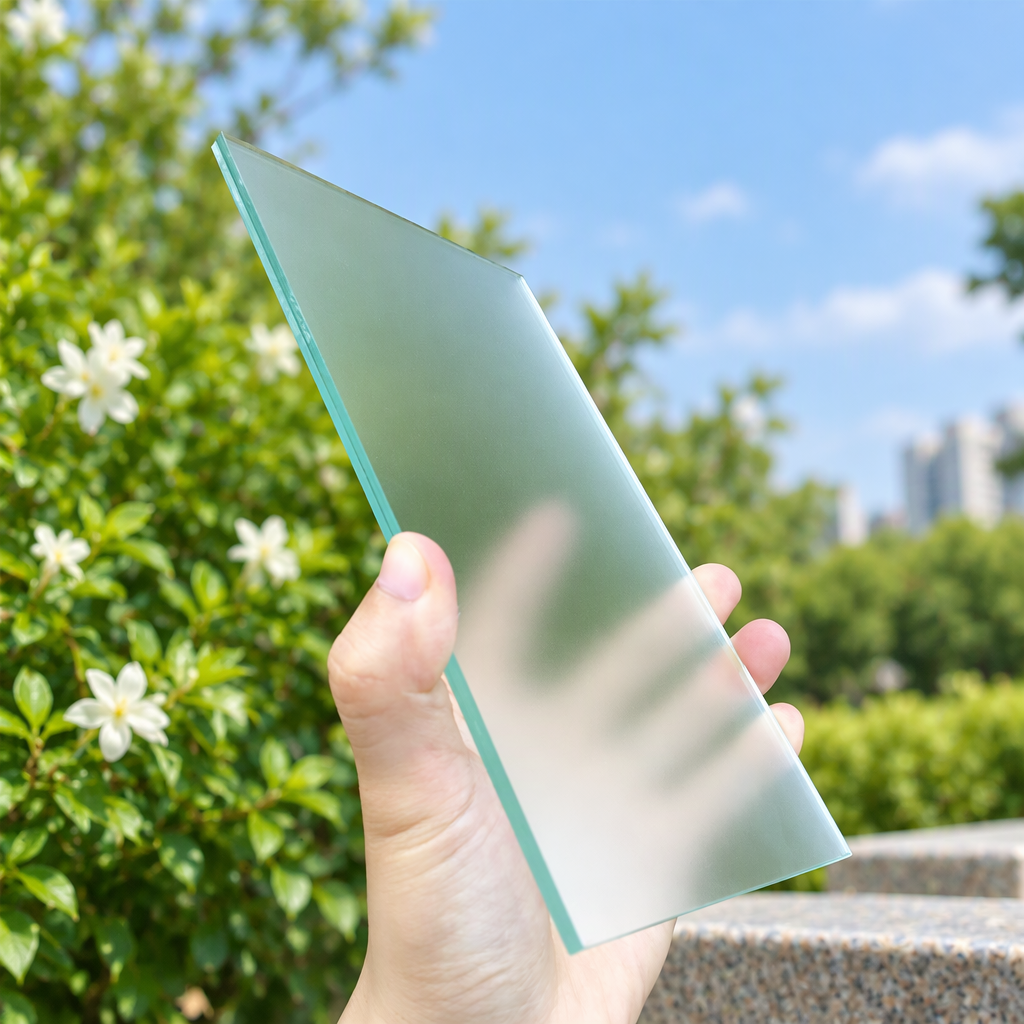
Industrial Anti-glare Matte Glass Screen Protector
Matte AG glass for monitors, HMI screens, clinic displays and industrial control terminals. In bright factories, showrooms and hospitals, anti-glare treatment improves readability while reducing distracting reflections.
View specification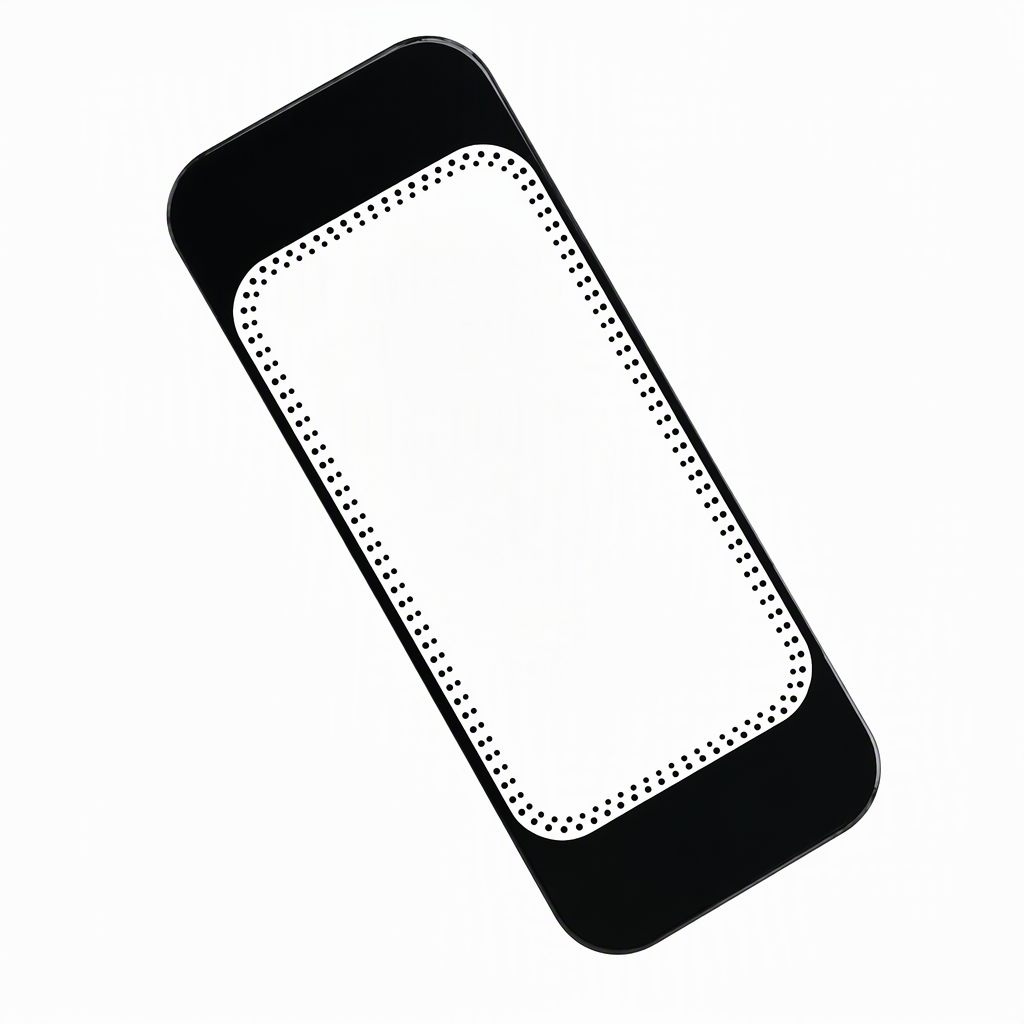
Custom Logo Silk Screen Printed Tempered Glass Panel
Printed tempered glass with custom logos, functional windows and touch-zone graphics. This is a strong fit for appliance panels, switch plates and branded display covers where colour consistency and scratch resistance matter.
View specification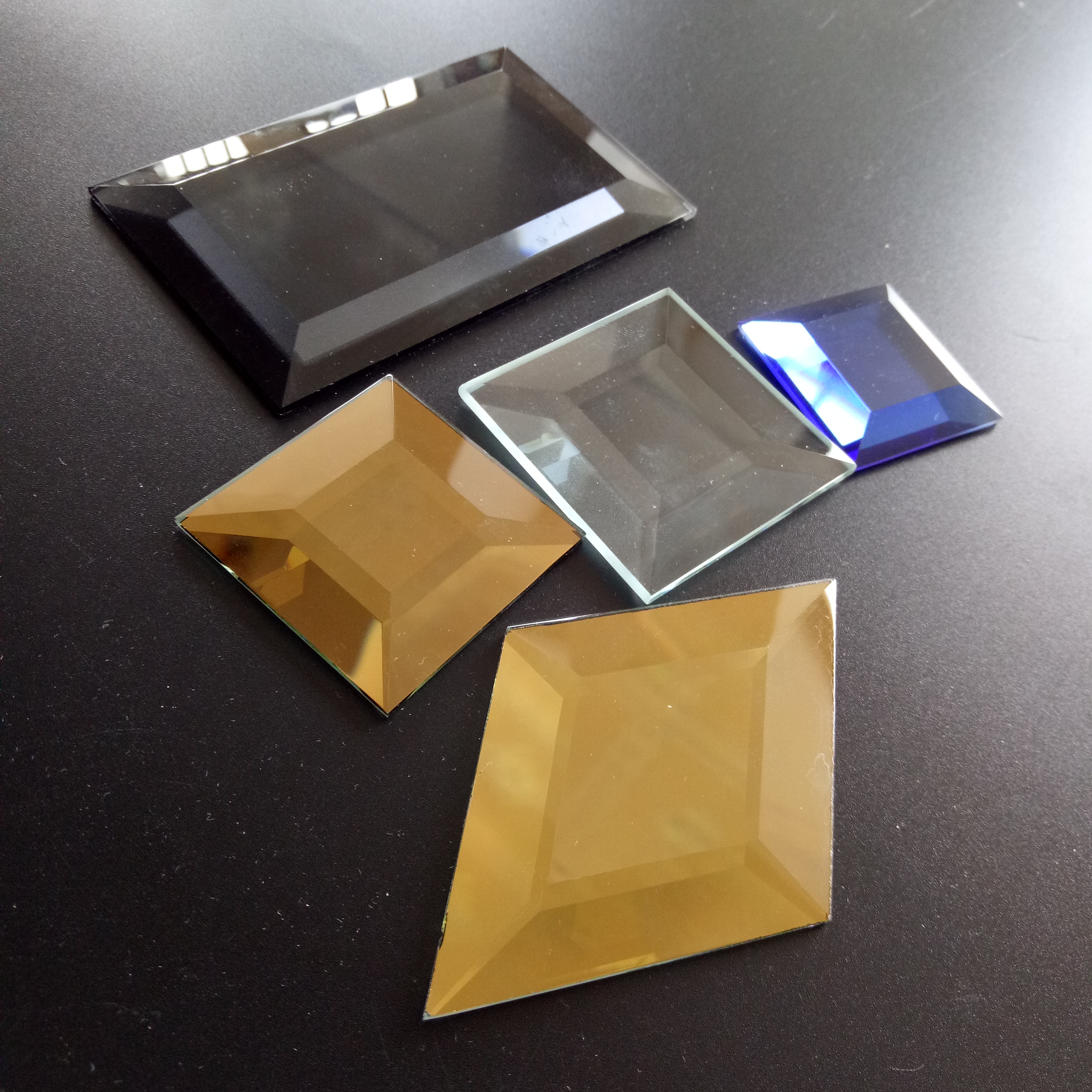
Blue Gold Faceted Beveled Glass for Wall Decoration
Decorative beveled glass pieces for feature walls, hotel interiors, restaurants and premium retail. Treat decorative glass with the same export discipline as functional glass: edge inspection, moisture protection and breakage-resistant packing.
View specificationFour Decisions That Control Cost and Risk in HCMC Glass Projects
A low unit price can disappear after arrival if the panel fails a fit, colour, touch or safety check. These four decisions should be fixed before a purchase order is issued.
Strengthening Route
Physical tempering typically suits glass 2 mm and thicker, including appliance doors, switch panels and display windows. Chemical strengthening suits 0.5–2 mm thin glass where flatness, optical clarity and strength are all requested. The choice must be confirmed before cutting and printing.
Pattern and Colour Control
Silk-screen printing should be specified with ink type, colour reference, layer order and first-article approval. High-temperature and low-temperature inks are not interchangeable. For repeat HCMC orders, request batch traceability and a visual check under agreed lighting.
Edge, Hole and Tolerance
Flat, pencil and beveled edges create different safety and aesthetic results. Countersunk holes, notches, safety corners and engraving should be completed before strengthening. For high-rise residential and hospitality fit-outs, tolerance should be agreed on the drawing, not assumed from a photo.
Coating and Humid Freight Packing
AR, AG and AF coatings solve different problems: reflection, glare and fingerprints. Coating notes must include cleaning instructions. For Ho Chi Minh City’s humid climate and sea freight, specify moisture-barrier packing, desiccant, edge protection and a clear loading plan to reduce condensation and handling damage.
Patterned Glass Application Scenarios in Ho Chi Minh City
HCMC project teams rarely buy glass only for appearance. They buy a finish that must survive heat, humidity, cleaning routines, public handling and installation pressure.
Hotels and Serviced Apartments
Custom beveled wall decoration, lazy Susan turntables and branded printed glass for lobbies, restaurants and guest facilities. Buyers should align decorative samples with lighting conditions and request edge protection for long-haul delivery.
Coffee Shops and F&B
Tempered table tops, round beveled glass and lazy Susan turntables support the city’s café, restaurant and banquet demand. Hygiene, edge safety and cleanability matter as much as visual finish.
Retail and Showrooms
Printed glass, faceted wall glass and anti-glare display covers help retailers protect brand presentation. For multi-store rollouts, colour consistency and repeat-order documentation are more important than a single sample’s appearance.
Residential High-Rise and Smart Home
Smart switch panels, lock covers, balcony glass and touch-control covers are relevant to HCMC apartment projects in districts such as Thu Duc, Binh Thanh and District 7. Condensation, cleaning agents and finger contact should be included in the specification brief.
Offices, Clinics and Control Rooms
AR/AF-coated display glass, anti-glare monitor covers and printed control panels improve readability in offices, clinics and building-management rooms. Request a coating sample when glare and fingerprint visibility affect daily use.
Industrial Workshops and Logistics
Pressure-resistant viewing panels, matte AG screen protectors and clear inspection windows are common in industrial zones around HCMC. Tolerance, mounting orientation, cleaning access and spare-part planning should be discussed before production.
Ho Chi Minh City Market Trends Shaping OEM/ODM Glass Demand
These indicators are based on typical custom-glass procurement priorities for the HCMC market. The meters show relative buyer priority, not a market-size forecast.
Hospitality-Led Fit-Outs
Hotels, restaurants and serviced apartments continue to use decorative beveled glass, branded printed panels and strengthened tableware to create differentiated interiors.
Smart-Home and Touch Control
Apartment and villa projects increasingly specify glass switch panels, smart lock covers and printed touch-control interfaces that combine branding with durable surfaces.
Heat, Humidity and Glare Management
HCMC’s climate and strong daylight make anti-glare, anti-reflective and easy-clean surfaces valuable for retail, clinics, offices and industrial displays.
Compliance and Supply-Chain Localisation
Vietnamese buyers increasingly ask for ISO 9001, RoHS and CE evidence, packing drawings and clear Incoterms before approving a repeat glass programme.
A Practical Supplier Audit for Ho Chi Minh City Buyers
In HCMC, landed cost is not the unit price alone. It is unit price plus rework, installation delay, replacement and documentation risk. Use this audit before approving a new patterned glass supplier.
Request These Documents and Samples
- 2D drawing with tolerance, edge profile, hole positions and corner details
- Print artwork with colour references, layer order and touch-zone notes
- Material and thickness choice: clear, ultra-clear, tinted or high-alumina
- Strengthening method and fragmentation or surface-compression evidence
- Coating sample for AR, AG or AF, plus recommended cleaning instructions
- Export packing drawing, desiccant plan and container-loading proposal
- ISO 9001, RoHS, CE certificate copies and batch traceability records
| Audit Point | Evidence to Request | Why It Matters in HCMC |
|---|---|---|
| Engineering Review | Marked-up DWG/DXF/PDF with tolerance confirmation | Reduces costly re-cutting after panels arrive at a Vietnamese fit-out site. |
| Tempering | Furnace records and fragmentation test sample | Safety glass is important for hotels, doors, balustrades and public interiors. |
| Printing | Ink type, colour sample and adhesion test | Colour drift is highly visible in hospitality, retail and branded appliance panels. |
| Coating | AG/AR/AF sample, haze and gloss data where applicable | Glare and fingerprints affect clinics, showrooms, offices and control rooms. |
| Quality Control | Incoming material and final inspection records | Catches edge chips, print defects and dimensional issues before shipment. |
| Export Packing | Packing drawing with desiccant and edge protection | Humid sea freight to Cat Lai or Cai Mep requires disciplined moisture control. |
Information gain for project teams: treat pattern approval and functional approval as separate milestones. A decorative sample that looks correct may still fail a touch, glare, adhesion or installation-fit test. Approve both before mass production.
Evidence Behind the HCMC Supply Proposal
Qingdao Maupe Glass Co., Ltd. supports OEM and ODM buyers with an export-oriented process chain, verifiable certificates and documentation suitable for technical review.
Founded in 2012
More than a decade of OEM/ODM glass experience. The company profile lists sample, design and full customisation support for international buyers.
8 Production Lines
Cutting, CNC shaping, edge polishing, drilling, engraving, silk-screen printing, tempering, chemical strengthening and coating can be coordinated within a 3,000–5,000 m² facility.
ISO 9001 Quality System
Certificate No. 24025Q20015R1S supports a documented quality-management approach for float glass and technical glass products.
RoHS and CE Documentation
RoHS Certificate No. 25TYT12395 and CE Certificate No. 23TYT082593S give compliance teams traceable documents to review for Vietnam-bound orders.
SGS Onsite Assessed
The company profile includes SGS onsite assessment as a third-party verified supplier, plus a verified Fortune 500 buyer procurement contract for credibility review.
Export Logistics Support
Export share is 91–100% of output, with customers in 80+ countries. Accepted terms include FOB, CIF, EXW, FAS, FCA, CPT, DDP, DDU and express delivery; payment options include T/T, L/C, PayPal, Western Union and cash in USD, EUR or CNY.

Factory overview: export-oriented glass processing base.

Cutting and processing workshop for custom sizes.

Silk-screen printing line for logos, icons and patterns.

Tempering capability for safety glass applications.
From Drawing to Ho Chi Minh City Delivery in Five Controlled Steps
A transparent workflow helps purchasing, engineering and installation teams know what happens before containers leave Qingdao.
Drawing Review
Engineers check manufacturability, tolerance, edge finish and strengthening method against the application.
Sampling
Print screens and physical samples are prepared for fit, colour and touch-zone verification before mass production.
Production
Cutting, edging, drilling, printing, tempering and coating are coordinated across 8 production lines.
Inspection
Incoming material and finished panels are checked for dimensional accuracy, visual defects and packing readiness.
Export Shipping
Export packing is prepared for humid sea freight to Cat Lai or Cai Mep, with FOB, CIF, CPT, DDP and other terms available.
Common Procurement Questions from Ho Chi Minh City Buyers
Clear answers for importers, fabricators, brand owners and fit-out contractors evaluating an OEM/ODM patterned glass programme.
Can Qingdao Maupe Glass supply OEM/ODM patterned glass to buyers in Ho Chi Minh City?
What is the minimum order quantity for custom printed or beveled glass?
Which certifications and documents can be reviewed for Vietnam import clearance?
How do you keep pattern colours consistent across repeat orders?
Should I choose physical tempered glass or chemically strengthened glass for HCMC?
How is glass packed for humid sea freight to Ho Chi Minh City?
Can the glass meet Vietnam project safety requirements?
What files and trade terms do you need to quote a HCMC project?
Send Drawings, Print Artwork and Target Volume for a Ho Chi Minh City Project Review
Share the application, dimensions, thickness, edge finish, colour references, coating requirement and annual quantity. The team can return manufacturability notes and a quotation path for your OEM/ODM glass programme.