OEM/ODM Quartz Glass Plate Suppliers & Exporter in the Phoenix Market
Fused-silica and technical glass plate supply for Phoenix semiconductor, solar, medical, aerospace, data-center and smart-building programs — backed by ISO 9001, RoHS, CE, SGS onsite assessment and export experience in 80+ countries.
Eight Recommended Glass Products for Phoenix OEM/ODM Buyers
Quartz and fused-silica plate projects are often part of a broader glass BOM. Phoenix product teams commonly pair a high-temperature window or optical plate with printed cover glass, anti-glare screens, appliance panels and display protection. The eight product families below preserve the original product links and show the adjacent deep-processing range available for sampling.
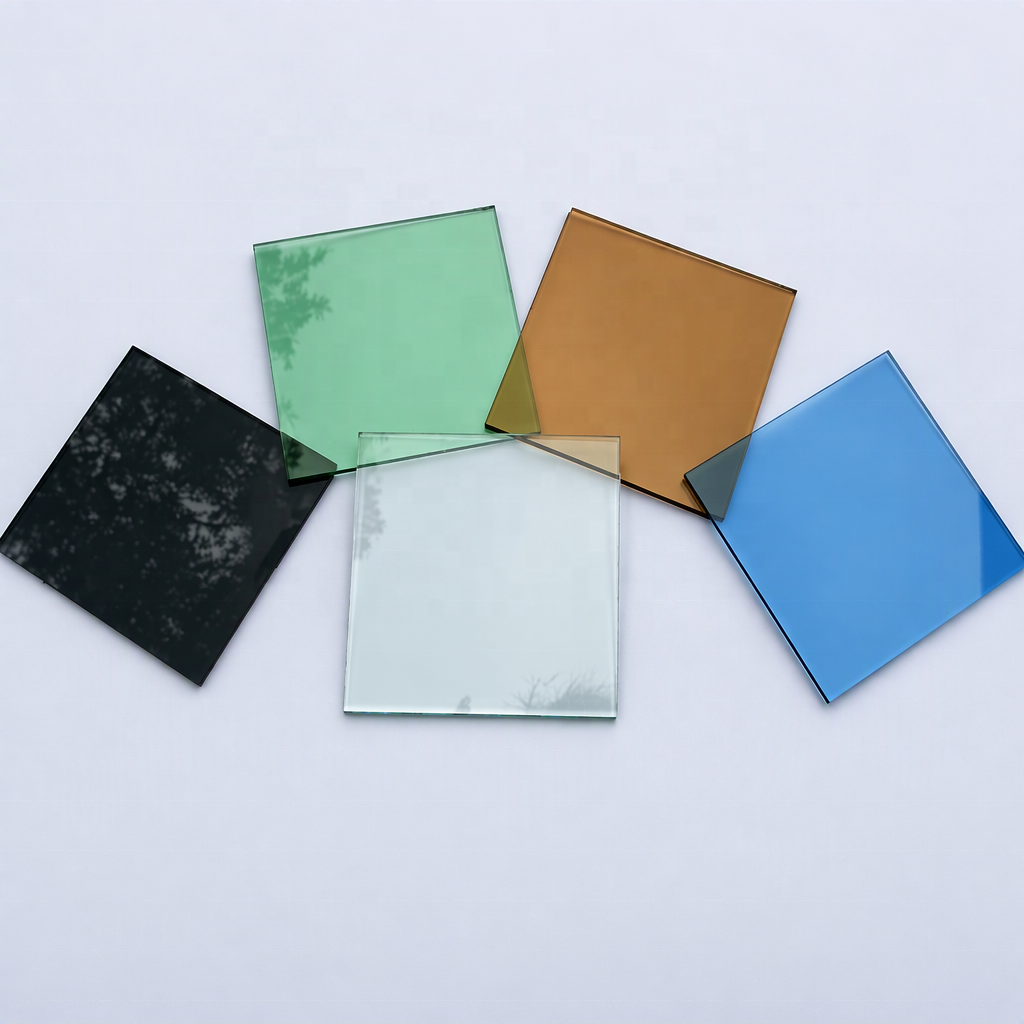
Customized Tinted Tempered Glass Flat Sheet 3mm to 10mm Reflective Colored Glass Toughened Glass
Tinted and reflective tempered flat glass for decorative, appliance and display-panel programs.

Tempered Glass Lazy Susan 50cm 60cm 70cm 90cm Lazy Susan Turntable Strengthened Glass
Strengthened round glass turntables for tabletop, kitchen, showroom and display applications.
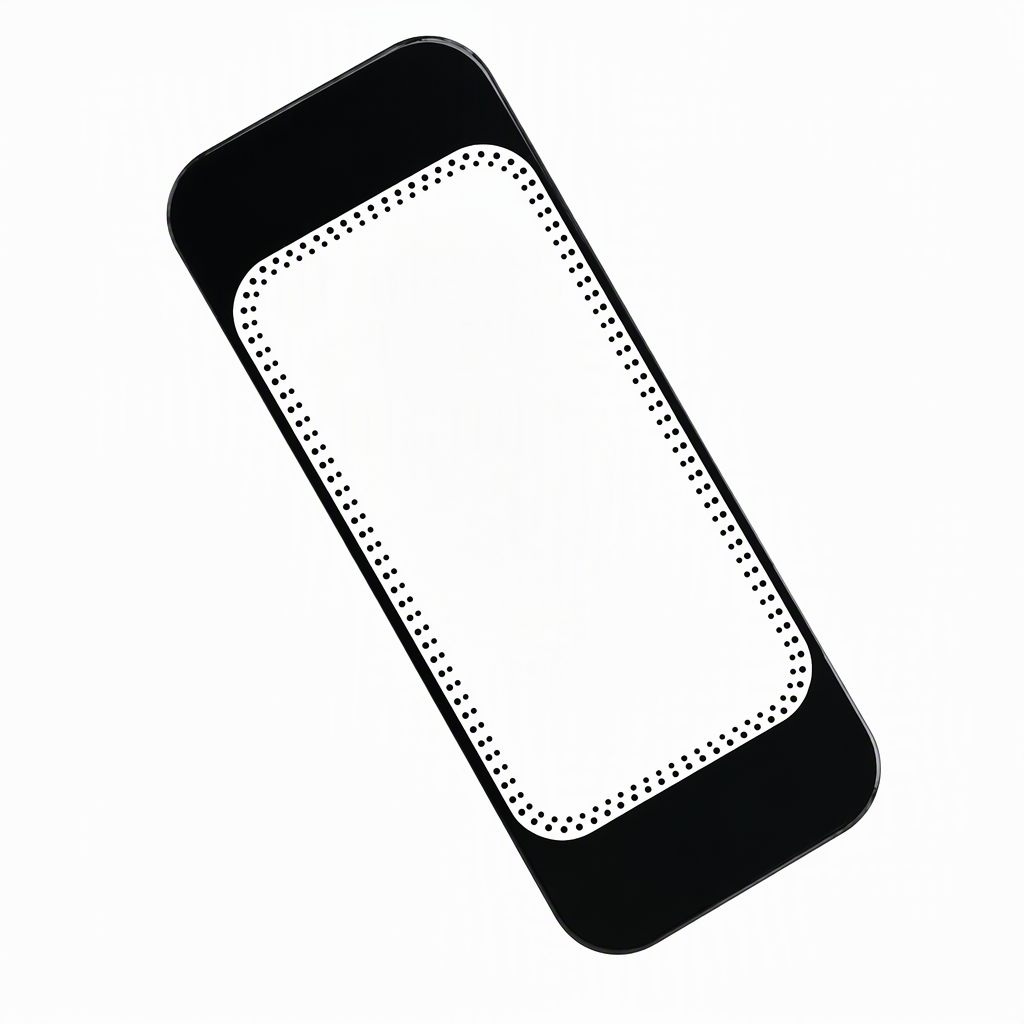
Custom Logo Silk Screen Printing Tempered Glass Panel Tempered Display Glass Screen Protector
Printed tempered display glass with custom logo, icon and protective cover options.
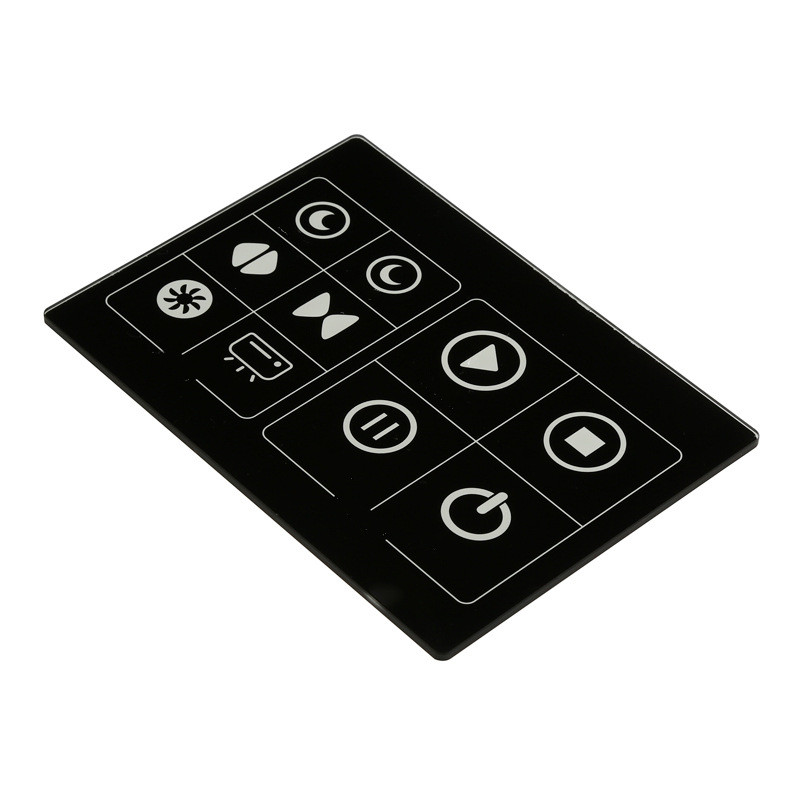
High Temperature Resistant Customized Black Printing Tempered Glass Cooktop Microwave Oven Door Glass for Kitchen
Black-printed glass for cooktops, microwave doors and high-temperature kitchen equipment.

High Quality Industrial Screen Front Cover Glass Frosted Anti-glare Glass for Screen Protector
Matte anti-glare front glass for industrial screens, monitors and HMI protection.
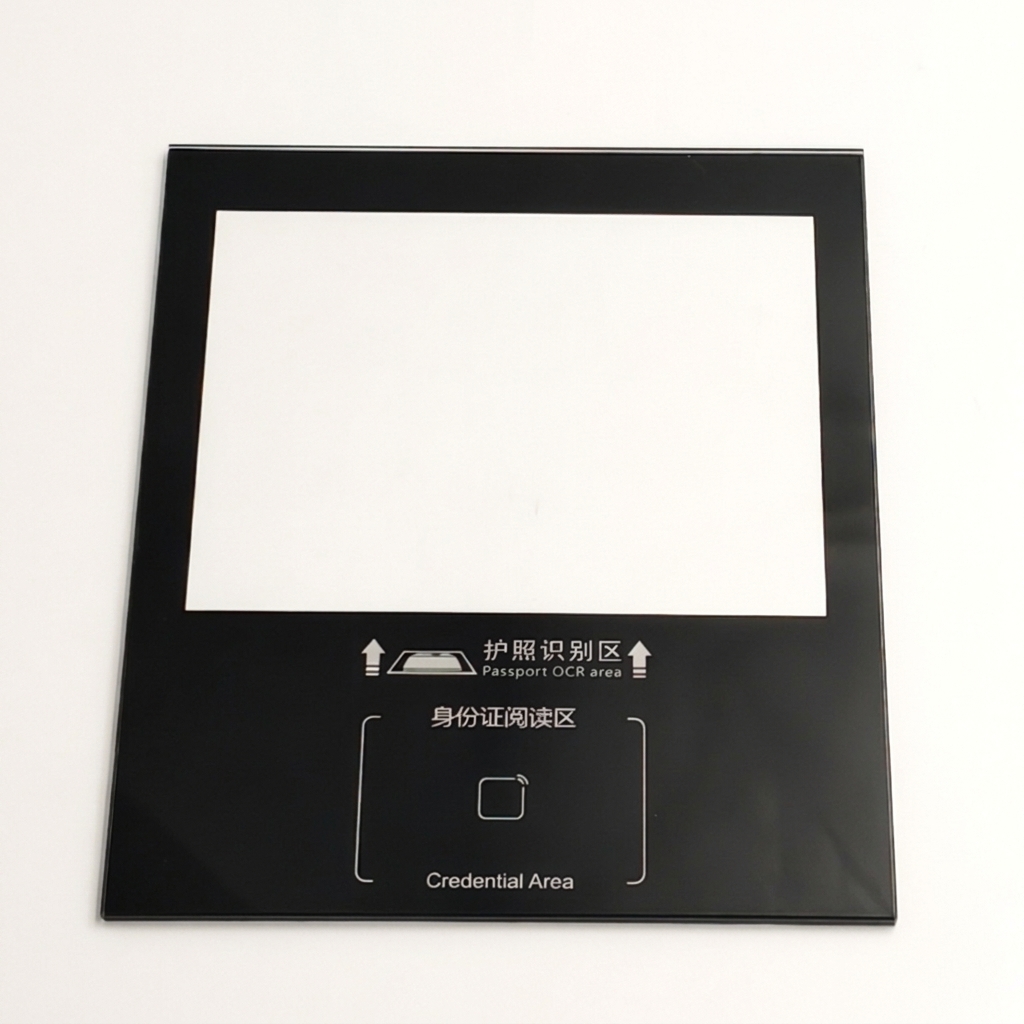
Custom Tempered Glass Protective Glass Panel Transparent Polished Display Cover Glass for Small Electronic Devices Cover
Transparent polished protective panel glass for small electronic devices and display covers.
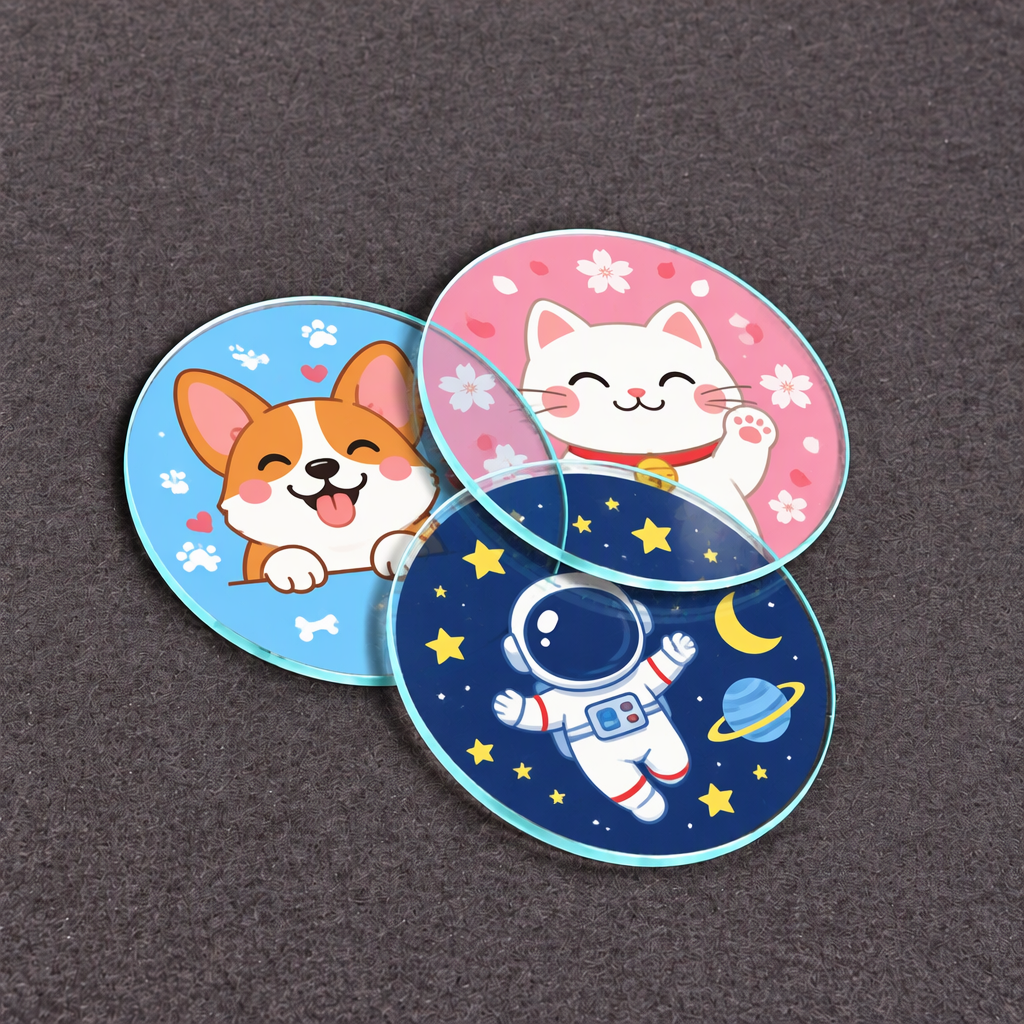
Eco-Friendly Custom Printed Glass Coasters Custom Design Tempered Glass Coaster
Custom-printed tempered glass coasters for branded hospitality, retail and promotional programs.
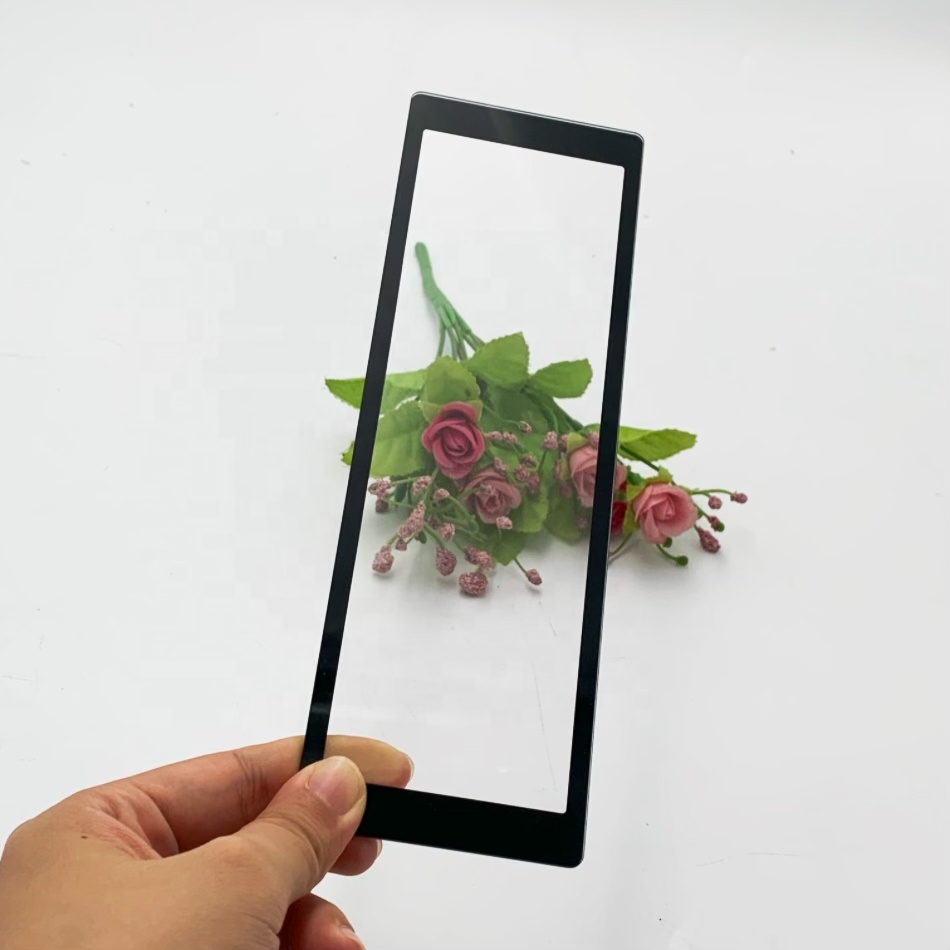
Custom Silk Screen Printed Tempered Glass Panel Touch Screen Display Cover Glass
Printed touch-screen cover glass for capacitive displays, control panels and smart devices.
Quartz Glass Plate Supply in Phoenix: A High-Heat, High-UV, High-Reliability Purchasing Decision
Phoenix-area OEMs do not buy quartz glass plates as a commodity. The market combines semiconductor and metrology tools, aerospace and defense sensor work, solar and battery test equipment, medical devices, data-center infrastructure and smart-building products. In that mix, a quartz plate is usually a critical optical or thermal component, not a decorative panel. Buyers need stable SiO₂ purity, low thermal expansion, high UV transmission, controlled flatness, clean edges and a certificate pack that survives incoming inspection.
Local conditions raise the bar. Greater Phoenix pairs intense UV with high summer temperatures, dust, long dry cycles and sudden monsoon cooling. A supplier that only quotes thickness and price can create costly rework. The meaningful questions are whether the grade is fused quartz or fused silica, what thermal-shock load the part will see, whether AR/AG/AF coating or silk-screen printing is applied, how edges and holes are finished, and how the plate will be packed for DDP delivery to Arizona.
For OEM/ODM programs, Qingdao Maupe Glass Co., Ltd. combines a deep-processing workflow — cutting, CNC shaping, edge polishing, drilling, engraving, coating, silk-screen printing, physical tempering and chemical strengthening — with an ISO 9001 quality system. Since 2012 the company has exported to 80+ countries, with 91–100% of output exported, and has been onsite-assessed by SGS. The factory operates eight production lines and works with buyers that need drawings reviewed, samples verified and repeat orders kept consistent.
Phoenix specification pressure points
- Grade: fused quartz, fused silica, borosilicate or tempered soda-lime.
- Thermal load: continuous temperature, heater proximity, thermal cycling.
- Optical needs: transmission curve, AR/AG/AF coating, haze and flatness.
- Environment: UV exposure, dust, cleaning chemicals, indoor or outdoor use.
- Assembly: holes, countersinks, edge-chip limits and thickness tolerance.
- Compliance: ISO 9001, RoHS, CE and material or inspection records.
- Logistics: export crating, sample-to-mass color control and DDP/DDU options.
Where Quartz and Technical Glass Plates Matter Across Greater Phoenix
Phoenix’s industrial mix rewards suppliers who understand both material science and local installation conditions. These are the application conversations that most often lead to an OEM/ODM quartz or technical glass plate inquiry.
Semiconductor & Metrology Windows
Fused quartz plates for inspection windows, wafer-handling shields and optical mounts where low particle generation and stable transmission matter.
Solar & Renewable Test Benches
UV-stable cover plates for outdoor test rigs, solar simulators, battery test chambers and concentrated solar research.
Aerospace & Defense Sensor Covers
High-temperature, low-CTE windows for sensor housings, UAV payloads and environmental chambers used across the Valley.
Medical & Laboratory Equipment
Quartz plates for diagnostic windows, sterilization enclosures, laser apertures and laboratory instrument protection.
Data Center & HMI Displays
Anti-glare and anti-reflective cover glass for monitors, control rooms and service terminals in hot, dusty facilities.
Smart Building & Architectural Glass
Printed, coated or tinted glass plates for switch panels, luminous wall controls, lobby displays and partition details.
EV, Battery & Thermal Test
Heat-resistant viewing plates and insulation sheets for battery ovens, thermal-runaway test cells and inspection stations.
Kitchen & Foodservice Equipment
High-temperature printed glass for cooktops, oven doors, warming displays and commercial kitchen equipment.
Four Shifts Shaping Phoenix Glass Plate Sourcing
Heat and UV resilience
Specifications increasingly include UV exposure and thermal-cycling data rather than room-temperature transmission alone.
Resilient dual sourcing
Semiconductor, aerospace and EV programs are adding second-source suppliers while keeping certificate packs and inspection records audit-ready.
Coating and print integration
AR, AG, AF and silk-screen printing are being combined with quartz or technical glass to reduce assembly steps and supplier count.
Traceability and packaging
Large plates demand serialized QC records, clean bagging and export packaging that survives rail and truck legs to Arizona.
Quartz Glass Plate vs. Tempered Glass vs. Borosilicate
Use this table as a first-pass screen, then request grade-specific data. Quartz glass is usually selected for high temperature, UV and low-CTE work; borosilicate can be cost-effective for moderate thermal-shock labware; tempered soda-lime is often the practical choice for safety glazing and printed appliance panels.
| Criteria | Quartz / Fused Silica | Borosilicate | Tempered Soda-Lime |
|---|---|---|---|
| Silica content | Typically above 99.9% SiO₂ | Around 80% silica | Standard float or appliance glass |
| Continuous service | Up to roughly 1,000°C depending on grade | Approximately 450–500°C | Approximately 250°C |
| Thermal shock | Excellent | Good | Moderate |
| CTE reference | About 0.5–0.6 × 10⁻⁶/K | About 3.3 × 10⁻⁶/K | About 8–9 × 10⁻⁶/K |
| Optical profile | Deep UV to IR; high transmission grades | Visible and some UV | Visible; green edge on clear float |
| Break pattern | Brittle; engineering controls required | Brittle | Safety fragments when properly tempered |
| Phoenix fit | High-temp, UV, semiconductor, laser and metrology | Moderate heat with cost sensitivity | Safety glazing, printed panels and appliance doors |
Relative project-fit indicators
Note: not every quartz plate is thermally tempered. Thin quartz or technical glass may use chemical strengthening, coating or edge treatment instead. Final choice must follow the drawing, operating temperature and handling risk.
Why Phoenix Buyers Work With Qingdao Maupe Glass Co., Ltd.
The supplier behind a quartz glass plate program must be able to control material, print, coating, edge quality and export packing. Maupe Glass has built its export business around that full chain — not a single processing step.
ISO 9001 and SGS
ISO 9001 certificate No. 24025Q20015R1S supports the quality management system. SGS has onsite-assessed the supplier.
Established in 2012
More than a decade of OEM/ODM glass experience, including Fortune 500 supplier procurement verification.
8 Production Lines
A 3,000–5,000 m² factory floor supports cutting, printing, tempering, coating and inspection under one roof.
Full-Process Glass Finishing
CNC shaping, edge polishing, drilling, engraving, silk-screen printing, physical tempering, chemical strengthening and AR/AG/AF coating.
Export at Scale
Customers in 80+ countries, with 91–100% of output exported and logistics support from Qingdao seaport and airport.
Inspection and Certificate Pack
Incoming material inspection, finished-product inspection, RoHS certificate No. 25TYT12395 and CE certificate No. 23TYT082593S.
Quartz and technical glass buyers often need more than a sheet supplier. They need a partner who can read a drawing, recommend the right strengthening or coating method, validate print color and pack finished plates for a long export route. The original Maupe product range — silk-screen printed tempered glass, touch-panel cover glass, switch-panel glass, card-reader glass, appliance panels, display windows and AR/AG/AF-coated glass — gives Phoenix buyers a practical way to consolidate adjacent glass components.
The factory is close to Qingdao seaport and airport, which keeps export logistics practical for North American buyers. Accepted delivery terms include FOB, CIF, EXW, FAS, FCA, CPT, DDP and DDU, with T/T, L/C, PayPal, Western Union and cash payments in USD, EUR or CNY. For first orders, the team can review drawings, propose the strengthening method and produce samples for fit, color and touch verification before mass production.



Certifications Buyers Can Check Directly
For procurement and compliance teams, certificate numbers are included so they can be verified with the issuing bodies.
ISO 9001 Quality Management
Certificate No. 24025Q20015R1S · Float glass and technical glass products · Valid to 02/2028.
RoHS Compliance
Certificate No. 25TYT12395 · Restricts hazardous substances for EU electrical and electronic equipment · Valid to 12/2030.
CE Marking
Certificate No. 23TYT082593S · Tempered glass · Supports market access across the European Economic Area · Valid to 08/2028.
From Drawing to Phoenix Delivery in Six Controlled Steps
Drawing and Optical Review
Engineers check outline, thickness, tolerance, edge finish, holes, coating, printing and intended operating temperature.
Material and Grade Confirmation
Quartz, fused silica, borosilicate or tempered glass is matched to the application, budget and service conditions.
Sampling and Validation
Samples are produced for fit, color, transmission, touch response and print or coating verification.
Production and Strengthening
Cutting, CNC, edge polishing, printing, coating and strengthening run through controlled production lines.
Inspection and Documents
Incoming material and finished-product inspection are recorded; RoHS, CE and ISO documents can be supplied.
Export Packing and Delivery
Protective export packaging is prepared for Qingdao port or airport shipment, with DDP and DDU options available.
Questions Local Buyers Ask Before Ordering Quartz Glass Plates
Can you supply OEM/ODM quartz glass plates to Phoenix, Arizona?
What is the minimum order quantity for custom printed or quartz glass plates?
Which thickness and glass grade should Phoenix buyers choose for heat and UV exposure?
Can you add AR/AG/AF coating or silk-screen printing to quartz or technical glass?
How can we verify quality before shipment?
What files are needed to start a quartz glass plate quote?
Which trade and payment terms are accepted?
How are glass plates packed for long-distance delivery to Arizona?
Need a Quartz Glass Plate Supplier for a Phoenix-Based Program?
Send your drawing, glass grade, thickness, coating, print artwork, target quantity and Phoenix delivery destination. Our engineering and export team will review manufacturability and return a quote with the right material and processing route.