Eight Glass Products Selected for Portland OLED, Touch, and Smart-Device Programs
Portland buyers often need a comparable part before committing to tooling. The eight products below are current OEM formats from our factory catalog; every dimension, print color, coating, adhesive, thickness, and packing detail can be adapted to your drawing. Product links retain the original destination URLs.
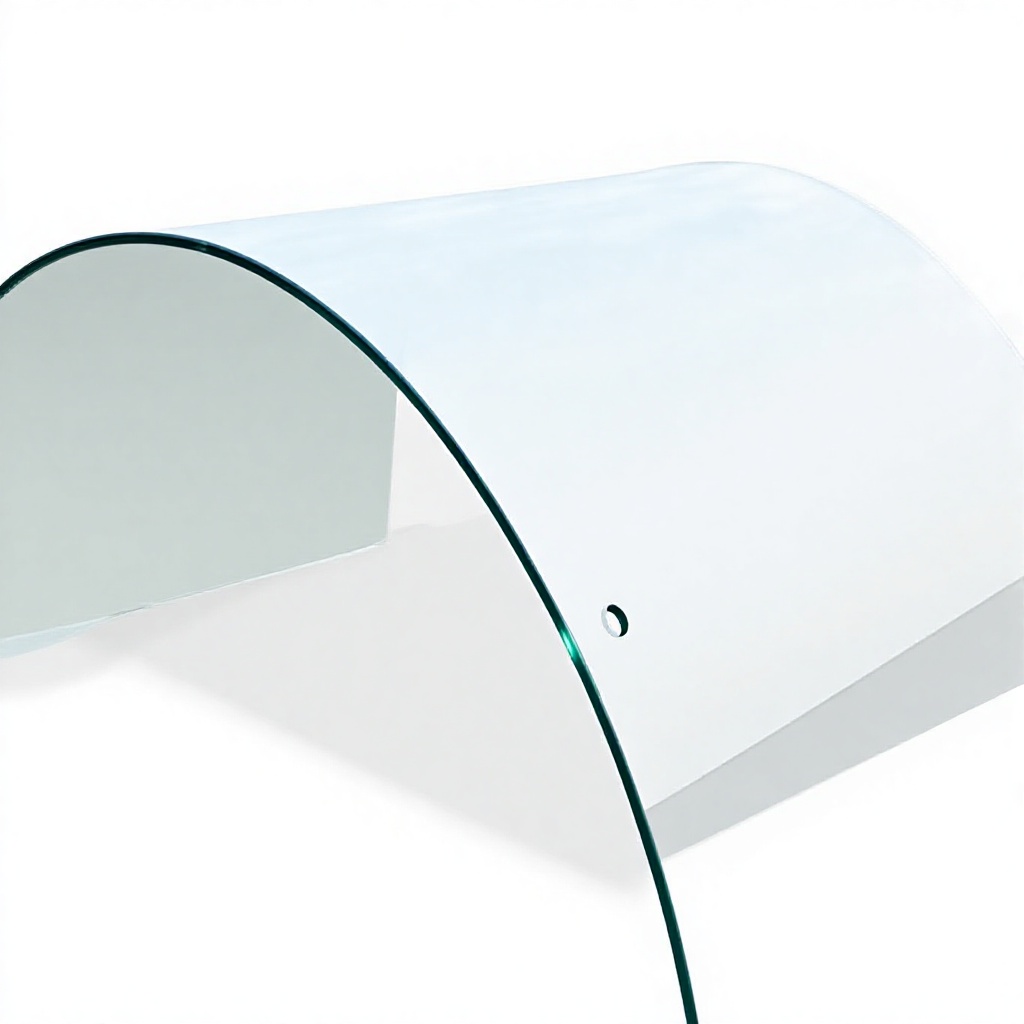
Custom Curtain Wall Glass Balcony Glass Tempered Glass Curved
Curved and flat tempered glass for architectural display walls, balcony glazing, and design-led partitions where safety, flatness, and edge finish matter.
View product →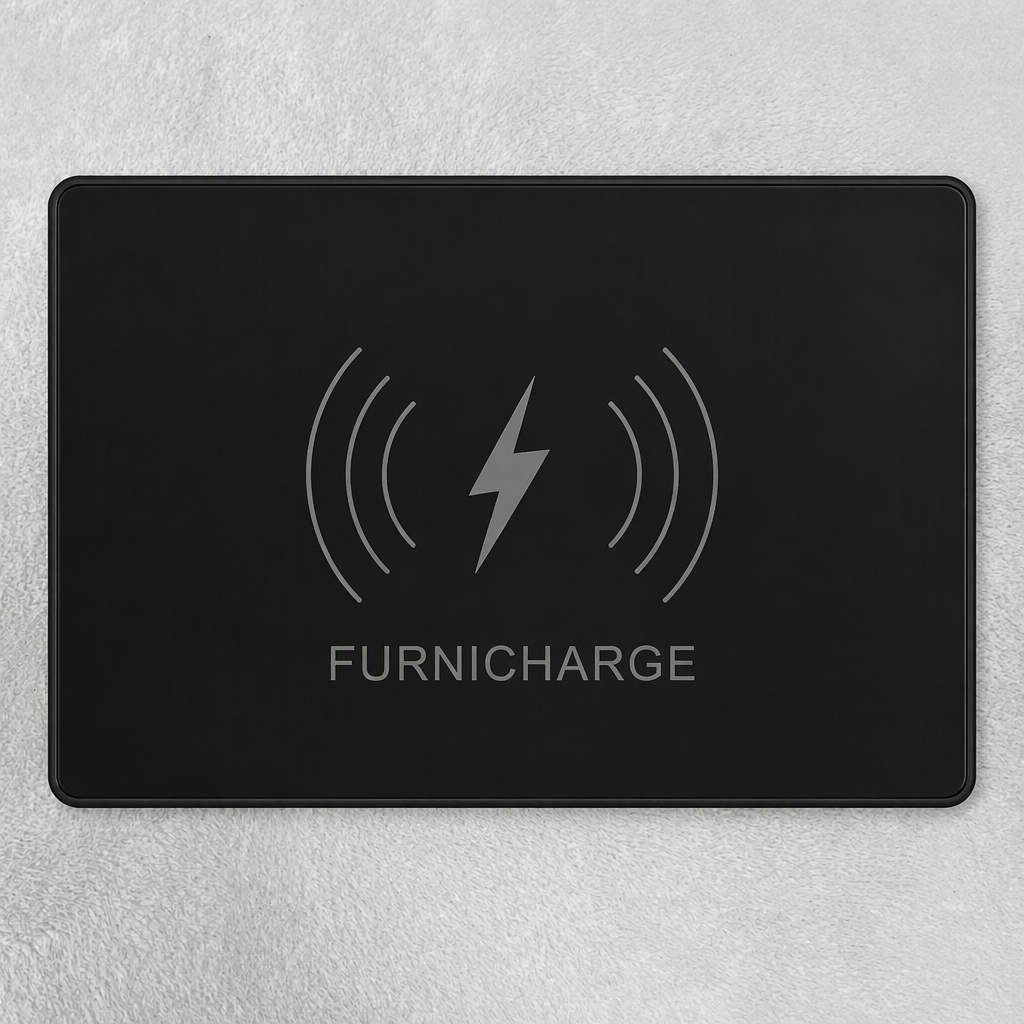
Smart Tempered Glass Bedside Table Panel for Tea Table Wireless Charging Front Cover Glass Touch Light Switch Glass
Printed glass covers for connected furniture, wireless charging surfaces, and touch-light controls with clean icon registration and easy-clean surfaces.
View product →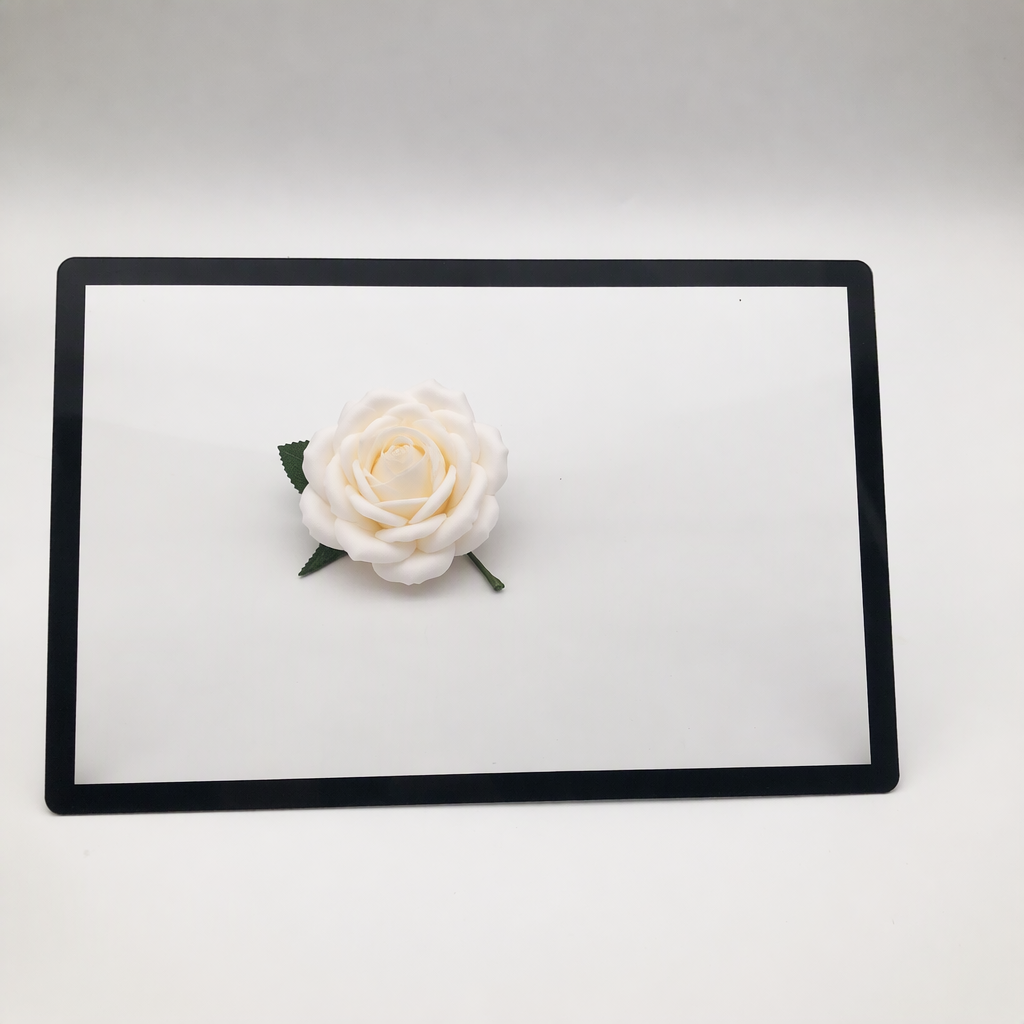
Ultra-Thin Silk Screen Printed Tempered Glass for Display Panels
Thin chemically strengthened or tempered cover glass for OLED and LCD display windows, printed borders, and optical clarity in compact devices.
View product →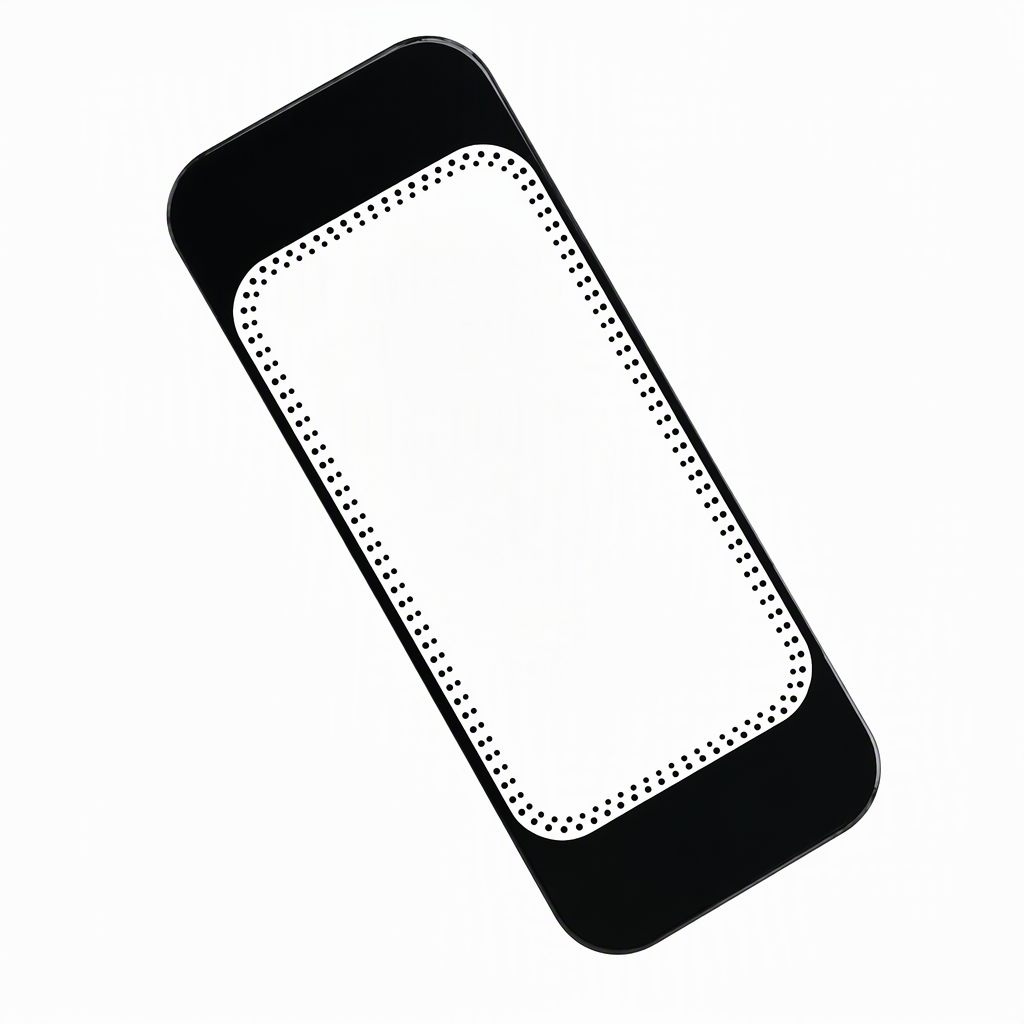
Custom Logo Silk Screen Printing Tempered Glass Panel Tempered Display Glass Screen Protector
Brand-matched printed cover glass for display protection, equipment fronts, and premium product housings with scratch-resistant decoration.
View product →
Tempered Glass Panel With 3M Adhesive Tape Silk Screen Printing for Electrical Appliance Decoration Front Cover Glass
Appliance front covers and control panels supplied with 3M adhesive tape options for faster assembly and consistent bonding in production.
View product →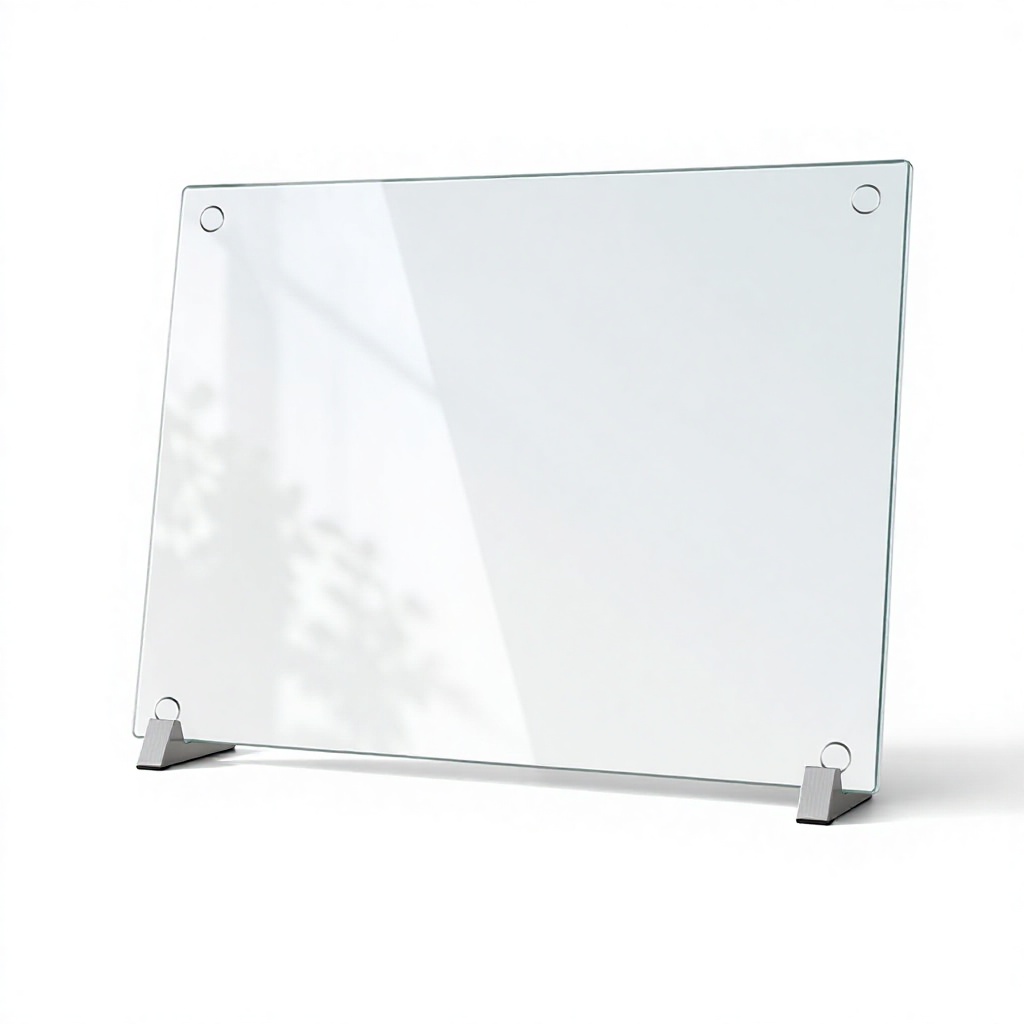
Custom Size Clear Tempered Glass Curtain Wall Panel Multi Function Print Glass Whiteboard Glass
Large-format clear tempered panels for whiteboards, interior walls, meeting spaces, and printed architectural glass with custom edge details.
View product →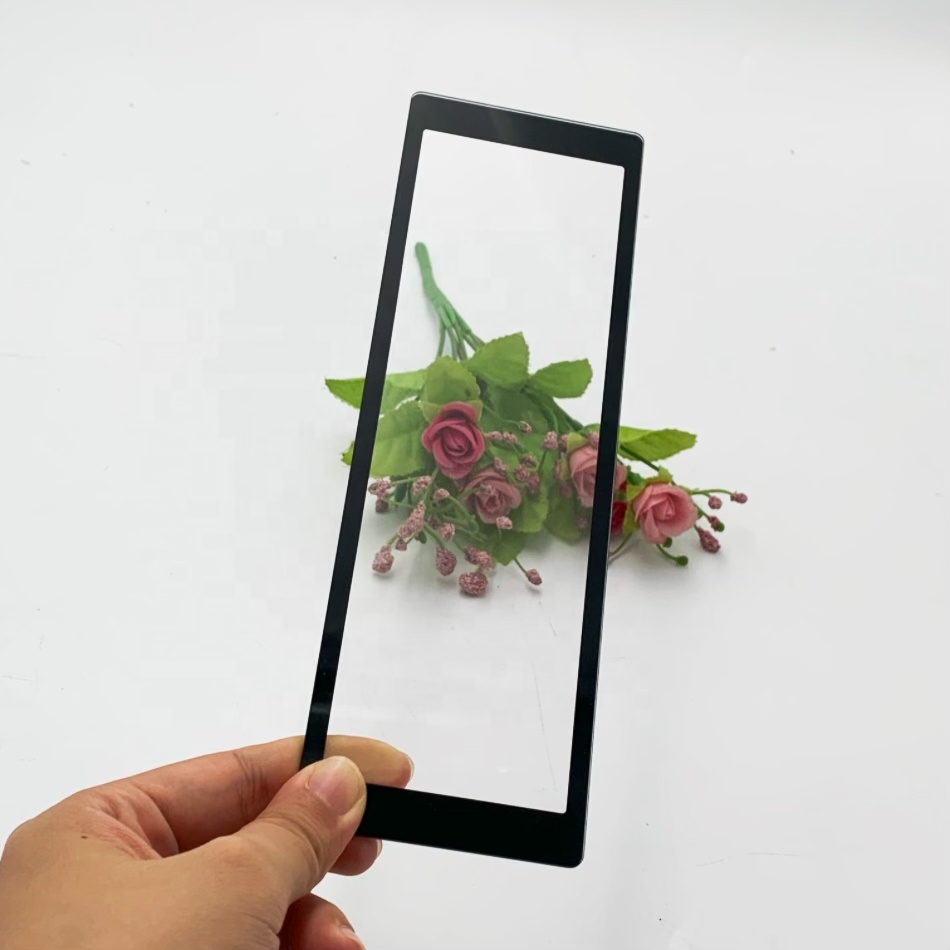
Custom Silk Screen Printed Tempered Glass Panel Touch Screen Display Cover Glass
Printed touch-screen cover glass for OLED modules, HMI displays, kiosks, and smart devices where print alignment and touch sensitivity must align.
View product →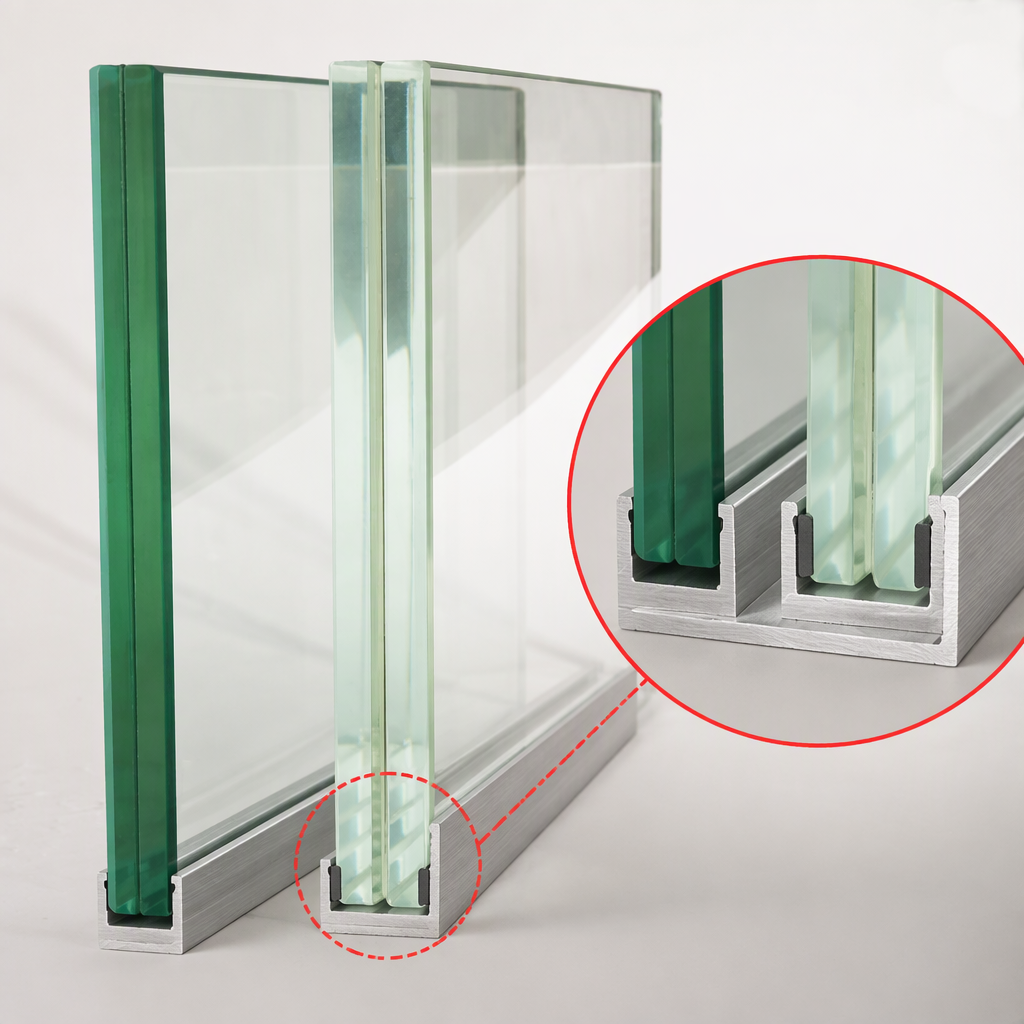
Tempered Glass Flat Solid Tempered Glass Panel Customized Thickness and Size
General-purpose flat tempered glass for equipment windows, control panels, and protective covers with customized thickness and edge finishing.
View product →Why Portland Product Teams Use a Drawing-First OLED Glass Factory
Portland combines consumer electronics, smart-home hardware, outdoor product engineering, specialty food-and-beverage equipment, and architecture. That mix rewards a supplier who can move from a 0.5 mm thin OLED cover glass to a 6 mm printed appliance panel without sending the project through several unrelated workshops.
Drawing-First DFM Before Tooling
Our engineers review outline, thickness, hole positions, tolerances, edge finish, print layers, and strengthening method before samples are made. This reduces late-stage rework for Portland teams working with tight enclosure tolerances or thin OLED modules.
One Roof, One Tolerance Chain
Cutting, CNC shaping, edge polishing, drilling, engraving, silk-screen printing, tempering, chemical strengthening, and coating stay inside one process chain. That makes color consistency, flatness, and lead-time control easier to trace.
Compliance Documentation for Oregon Buyers
The factory operates an ISO 9001 quality management system and holds RoHS and CE certification. Certificate numbers can be shared for procurement review, helping Portland buyers prepare supplier qualification files.
Right Strengthening for Each Part
Physical tempering suits thicker appliance doors, switch panels, and display windows. Chemical strengthening suits 0.5–2 mm thin glass where flatness and optical quality are critical. We help select the method before production.
AR, AG, and AF Coating Options
Anti-reflective, anti-glare, and anti-fingerprint treatments improve display readability in showrooms, industrial HMIs, medical equipment, and bright indoor environments. Coating choice should match the light source and touch frequency.
Export Packing and Portland-Bound Logistics
Factory-direct export packing, carton labeling, and pallet planning support FOB, CIF, DDP, DDU, and express shipments. The factory is close to Qingdao seaport and airport for flexible routing to Pacific Northwest gateways.
Where OLED Glass and Printed Tempered Panels Fit in the Portland Market
Portland’s design culture rewards suppliers who can discuss the application, not just the glass size. The same factory capability can support a product-design prototype, a smart-home control panel, a brewery touchscreen, or an interior partition.
Consumer Electronics & Design Studios
OLED display cover glass, printed bezels, and touch covers for prototypes and small production runs by Portland product-design and hardware teams.
Smart Home & Connected Furniture
Wireless-charging table panels, touch-light switches, and smart-lock covers with printed icons, 3M tape options, and easy-clean surfaces.
Food, Beverage & Kitchen Equipment
Heat-resistant printed glass for ovens, cooktops, coffee equipment, brewery controls, and restaurant touch interfaces that need durable decoration.
Architecture & Interior Products
Curtain wall, balcony, whiteboard, and partition glass for Portland interiors where clear tempered glass and custom print add function and identity.
Portland Market Trends Shaping Glass Specifications
These are the procurement shifts we see when Portland buyers compare samples, review drawings, and prepare landed-cost models for Pacific Northwest distribution.
Touch-First OLED Interfaces Are Moving Down-Market
Touch controls are no longer limited to premium devices. Portland smart-home, furniture, and equipment brands are specifying printed touch zones, AR coatings, and thin strengthened glass in lower-volume product lines.
Coatings Are Becoming a Specification, Not an Upgrade
AR, AG, and AF treatments are now written into drawings when display readability, glare control, and fingerprint management affect the user experience. Buyers want coating performance discussed with the light environment.
High-Mix, Low-Volume Production Is Normal
Portland design-led brands rarely order one universal part. They need several thicknesses, print layouts, and packaging configurations, so suppliers must control changeovers without sacrificing print repeatability.
Compliance Evidence Is Part of Procurement
ISO 9001, RoHS, and CE documents are reviewed earlier in the buying cycle. Certificate numbers, inspection records, and material declarations help purchasing teams reduce supplier-risk review time.
Landed-Cost Clarity Matters More Than a Low Unit Price
Portland buyers compare FOB, CIF, DDP, and express options alongside packaging, damage rate, and replenishment time. A factory that quotes logistics assumptions clearly is easier to forecast than one that only quotes per-piece glass.
Durability and Repairability Influence Design
Products are designed for longer service life and easier field replacement. Glass edges, adhesive choices, coating durability, and protective packing all affect whether a Portland brand can support local assembly and after-sales service.
Physical Tempered vs. Chemically Strengthened OLED Cover Glass
One of the most common specification mistakes is asking for “tempered glass” when the drawing actually needs chemically strengthened thin glass. The choice affects breakage pattern, flatness, minimum thickness, edge design, and post-processing sequence.
For Portland OLED and touch-display projects, the decision should start with the application rather than the word “tempered.” Physical tempering is usually the right route for glass around 2 mm and thicker, especially appliance doors, switch panels, display windows, and industrial covers that must break into small blunt fragments. Chemical strengthening is usually better for 0.5–2 mm cover glass where optical flatness, touch sensitivity, and a narrow bezel are more important than the safety-glass break pattern.
Both routes require all cutting, drilling, CNC shaping, and edge finishing to be completed before strengthening. Print artwork should also be reviewed against the coating sequence, because an AR, AG, or AF layer can change appearance, adhesion, and cleaning requirements. Our engineers compare the drawing with the intended enclosure, light environment, and annual volume before recommending a route.
Send the application, not only the dimensions. A 1.1 mm chemically strengthened cover for a handheld OLED module is a different risk profile from a 4 mm physically tempered panel beside a heat source.
| Criteria | Physical Tempered Glass | Chemically Strengthened Glass |
|---|---|---|
| Typical thickness | About 2 mm and thicker | 0.5–2 mm thin cover glass |
| Break behavior | Small blunt fragments; suitable for safety-glass applications | Larger pieces; better suited to protected electronics assemblies |
| Flatness and optics | Very good; slight roller wave may occur | Excellent flatness with no heat distortion |
| Best-fit Portland uses | Appliance doors, printed switch panels, display windows, industrial covers | OLED touch covers, small electronics, smart-home panels, precise optical windows |
| Process sequence | Cutting, drilling, CNC shaping, and edging must be completed before strengthening; print and coating sequence must be confirmed with engineering. | |
From Drawing to Portland Delivery in Six Controlled Steps
A transparent process helps purchasing, engineering, and quality teams know what happens before mass production—and where approvals are required.
Drawing and DFM Review
Send a 2D drawing with dimensions, thickness, holes, edge finish, tolerance, and intended application. Engineers flag manufacturability risks before sampling.
Artwork and Color Proofing
Print artwork, color references, layer order, and coating requirements are reviewed together. This is where brand colors and light-transmission goals are aligned.
Sampling and Fit Check
Samples verify outline, thickness, edge quality, print position, adhesive tape, coating appearance, and touch-zone alignment before production.
Mass Production
Cutting, CNC shaping, printing, tempering or chemical strengthening, coating, and inspection run through the in-house process chain on 8 production lines.
Quality Inspection
Incoming material checks and finished-product inspection cover dimensions, appearance, print defects, edge condition, coating, and packing before shipment.
Export and Portland Delivery
Protective export packing supports FOB, CIF, DDP, DDU, and express delivery. Routing can be planned around Qingdao seaport, Qingdao airport, and Pacific Northwest gateways.
Qingdao Maupe Glass Co., Ltd. — Evidence for Portland Buyers to Audit
E-E-A-T in glass sourcing is not a slogan. It is the ability to trace the factory, the certificate, the process, the inspection point, and the shipping assumption behind a quotation.
Founded in 2012 in Qingdao, Shandong, Qingdao Maupe Glass Co., Ltd. is a glass deep-processing manufacturer and international supplier operating under an ISO 9001 quality management system. The factory works from flat glass to finished functional parts: cutting, edge polishing, drilling, engraving, coating, silk-screen printing, physical tempering, and chemical strengthening. Its production footprint is stated as 3,000–5,000 m² with 8 production lines, and export represents 91–100% of output.
The quality file includes ISO 9001 certificate No. 24025Q20015R1S, RoHS certificate No. 25TYT12395, and CE certificate No. 23TYT082593S. The company has also been onsite-assessed by SGS Group as a third-party inspection company. These details matter to Portland procurement teams because they can be checked by compliance staff rather than accepted as marketing claims.
Because the factory is close to Qingdao seaport and airport, export logistics can be planned around buyer preference: FOB for buyers with their own forwarder, CIF for a delivered-port quote, DDP or DDU for a more complete landed-cost discussion, and express delivery for samples or urgent replacement parts. For repeat OEM programs, we can review packaging, labeling, pallet configuration, and documentation before the first mass-production shipment.




Common Procurement Questions from Portland, Oregon Buyers
These answers reflect the questions we receive most often when Pacific Northwest buyers compare OLED glass factories, request samples, and model delivered cost.
What is the minimum order quantity for custom OLED display glass?
+
Can you deliver DDP to Portland, Oregon?
+
Do you have a Portland warehouse or installation team?
+
How can Portland buyers verify print color and optical quality?
+
Should I choose physical tempered or chemically strengthened glass for a thin OLED cover?
+
What files and details should I send for a fast quote?
+
Send a drawing, artwork, or target landed cost—get a manufacturability review.
Share your OLED cover glass, printed tempered panel, touch display, or architectural glass requirement. Our team will review thickness, strengthening route, print layers, coating, packing, and shipping options for the Portland market.
Get a QuoteHelpful details: 2D drawing, print artwork, annual volume, sample quantity, and destination ZIP code.