Eight custom glass products for Detroit optical, display, and architectural programs
These product families cover the most common buying requests from Detroit-area engineering teams: printed display glass, touch control windows, tinted flat glass, transparent cover plates, switchable PDLC privacy glass, and custom curved glazing.
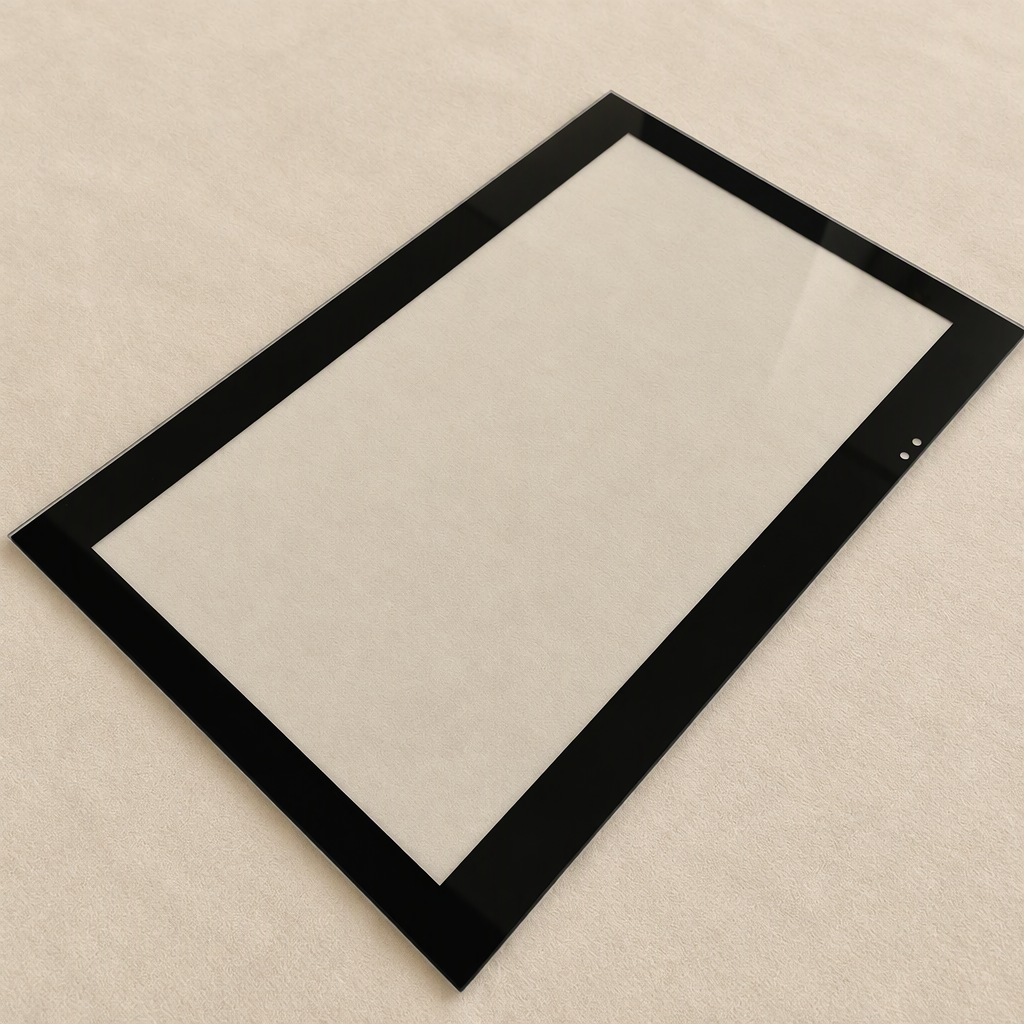
Tempered Glass Panel Silk Screen Printed Flat Display Screen Protector Glass for LCD TV Industrial Decoration

Tempered Glass Lazy Susan 50cm 60cm 70cm 90cm Lazy Susan Turntable Strengthened Glass
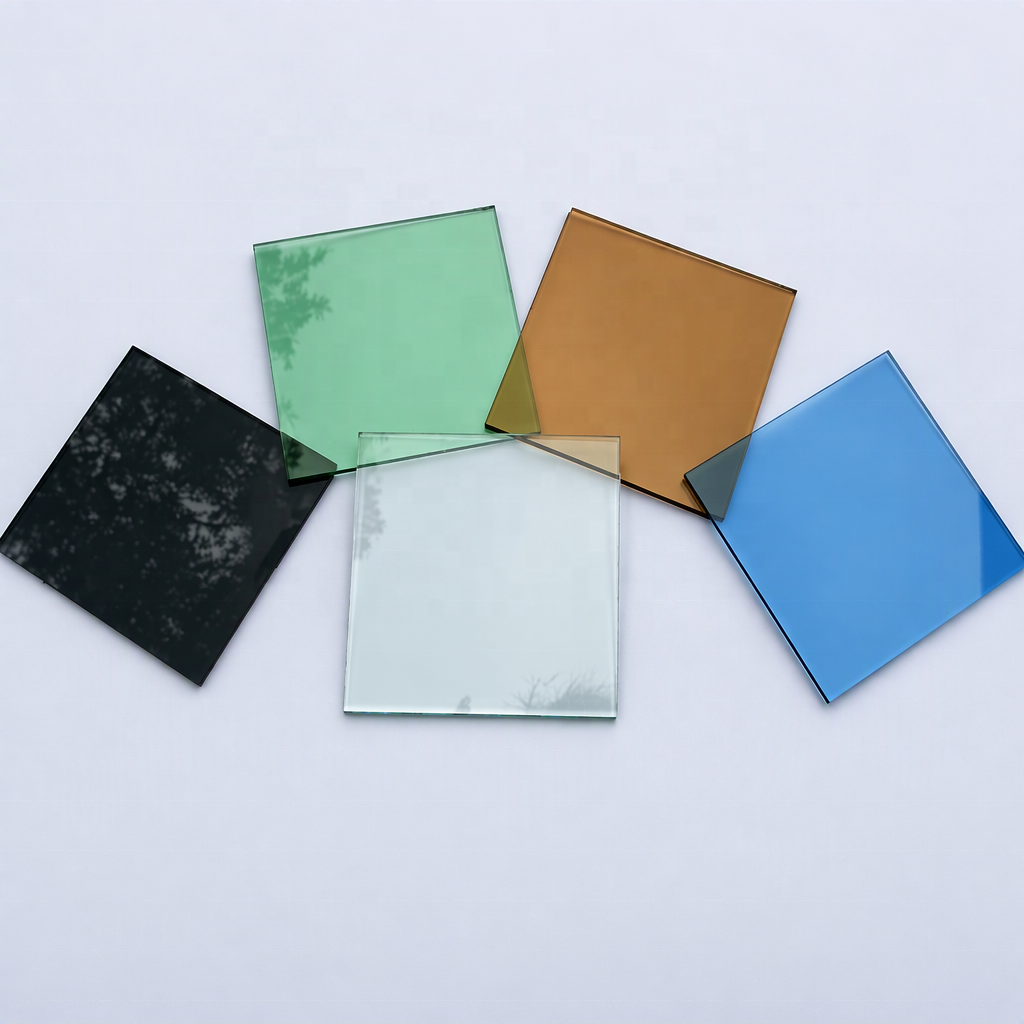
Customized Tinted Tempered Glass Flat Sheet 3mm to 10mm Reflective Colored Glass Toughened Glass
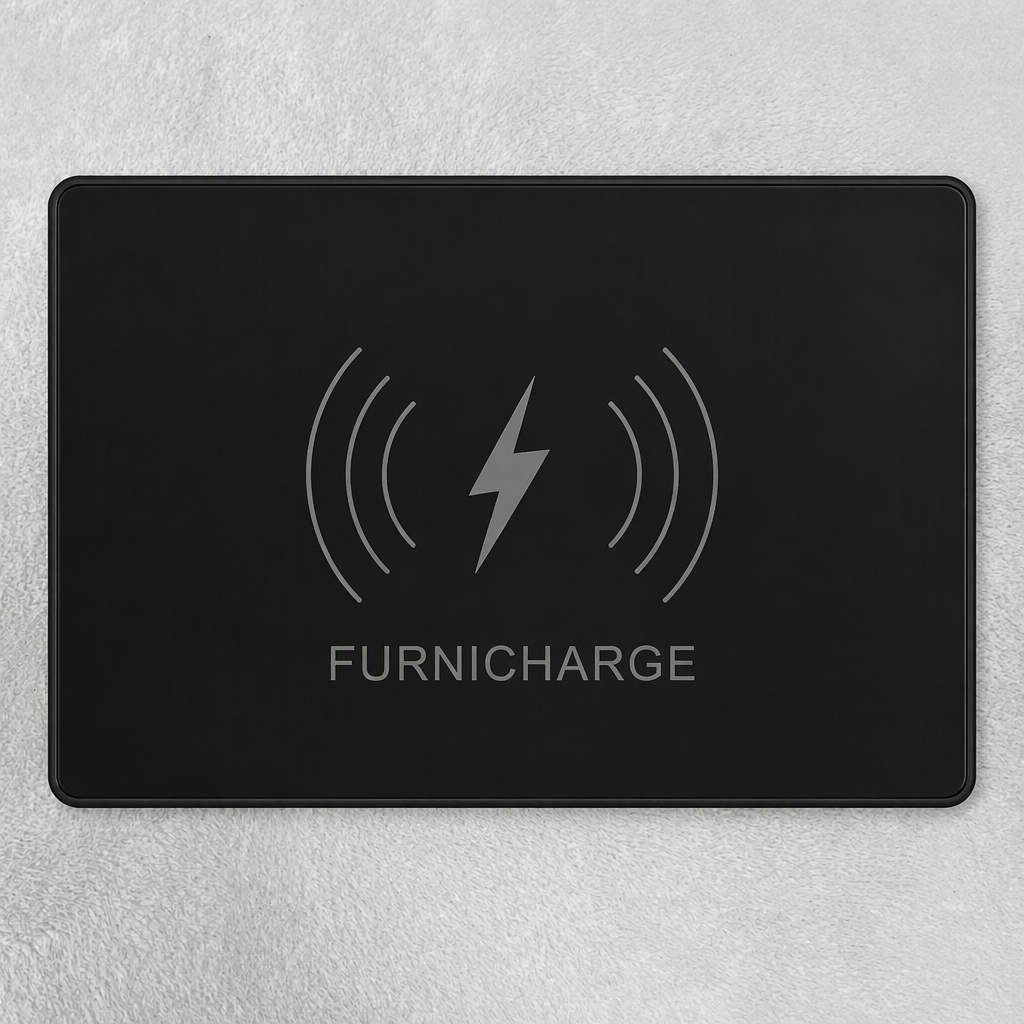
Smart Tempered Glass Bedside Table Panel for Tea Table Wireless Charging Front Cover Glass Touch Light Switch Glass
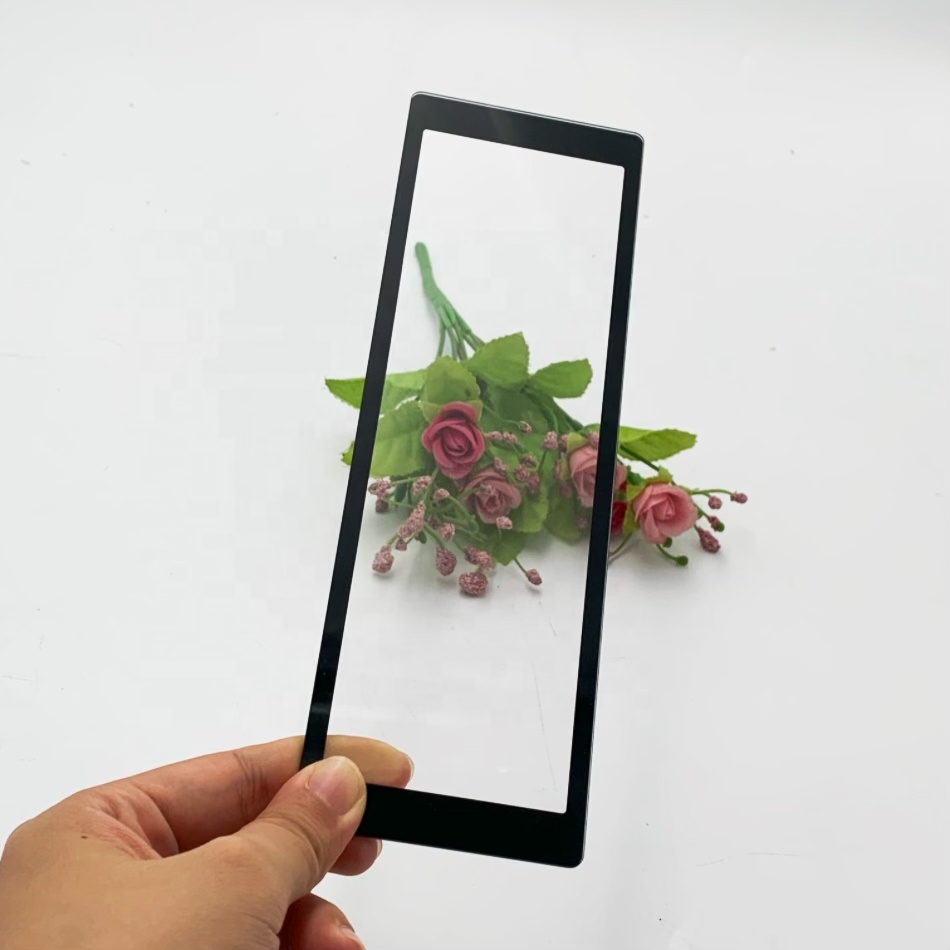
Custom Silk Screen Printed Tempered Glass Panel Touch Screen Display Cover Glass
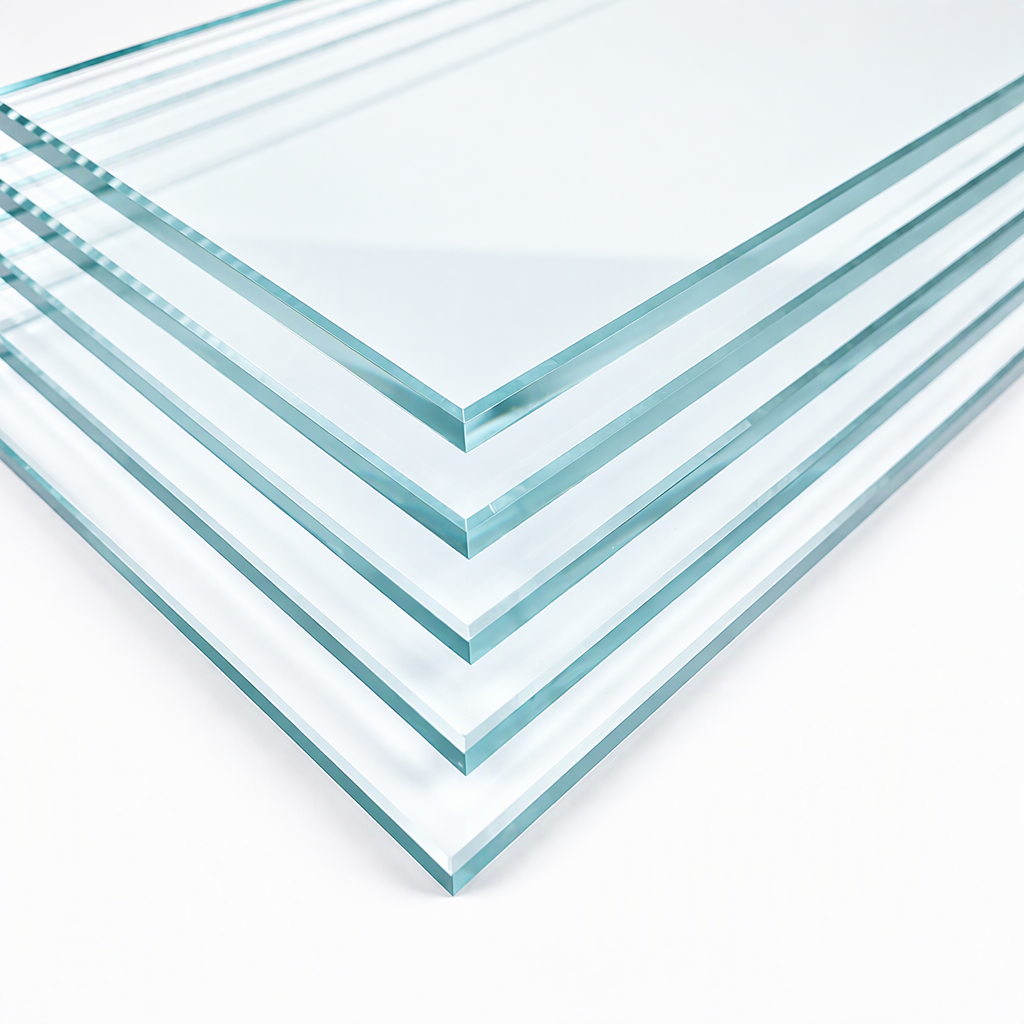
Clear Tempered Glass Transparent Tempered Glass Panel Cover Plate
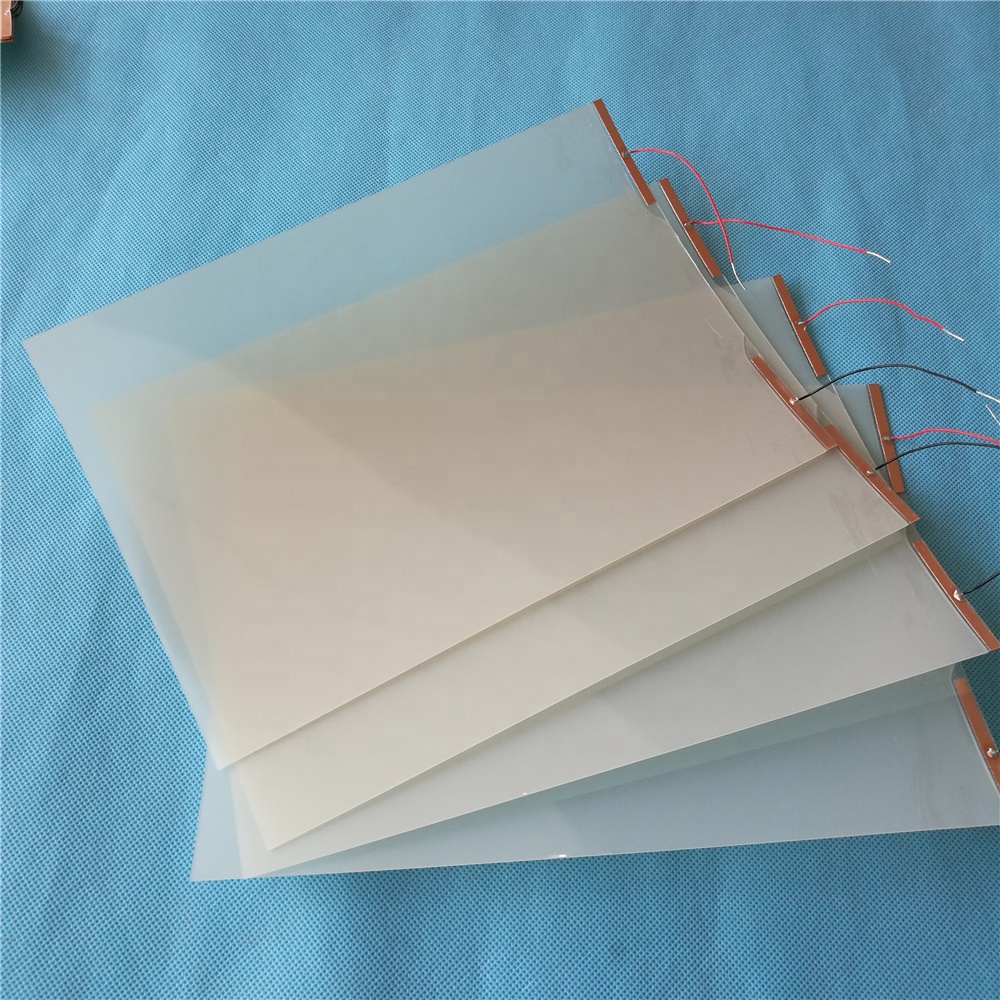
Factory Price Electrochromic Anti-UV PDLC Film Smart Switchable Privacy Glass Office Partition and Curtain Walls
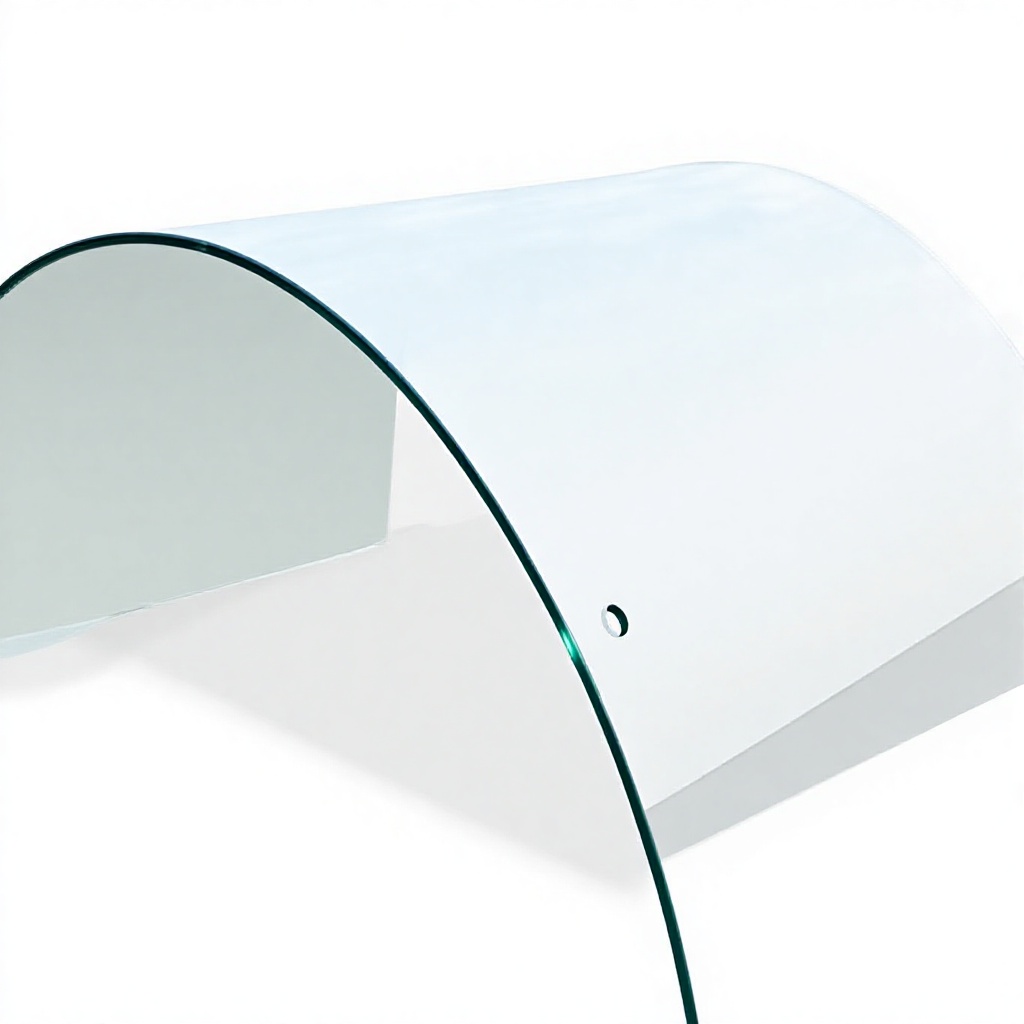
Custom Curtain Wall Glass Balcony Glass Tempered Glass Curved
Why optical glass windows are a strategic purchase for Detroit
Detroit is often described as an automotive town, but that shorthand hides the breadth of its buying ecosystem. Metro Detroit includes OEM engineering centers, Tier 1 and Tier 2 suppliers, EV and battery supply-chain projects, industrial automation integrators, medical device companies, aerospace and defense contractors, commercial architects, and smart-building developers. For these buyers, an optical glass window is rarely a commodity sheet. It is a functional interface between a sensor and the environment, a protective surface for a display, a printed control panel, or a safety component that must survive cleaning agents, heat, impact, and daily use.
The Detroit market therefore rewards suppliers that can do more than cut glass. Buyers need specification support, stable print registration, controllable surface coatings, documented quality, and export packaging that protects finished parts from the factory door to a Michigan receiving dock. A supplier that understands the application can reduce rework, shorten validation cycles, and protect the customer's brand at the point of use.
This white paper is written for Detroit-area procurement teams, design engineers, quality managers, and project owners who are comparing optical glass window factories and suppliers. It connects product selection to local application scenarios, identifies market trends that should influence specifications, explains how to evaluate a supplier beyond piece price, and summarizes the manufacturing advantages of Qingdao Maupe Glass Co., Ltd.
Information gain for Detroit buyers: compare suppliers using a Total Installed Optical Cost model, not piece price alone. Include substrate, printing, coating, strengthening, edge finishing, packaging, freight, customs, incoming inspection, line-side rejects, replacement risk, and schedule risk.
A low quoted price can be expensive if print color drifts, coating haze varies, or a single pallet arrives with edge chips. The correct supplier makes the specification reproducible.
Where optical glass windows create value in the Detroit market
Detroit buyers use glass as a performance layer across vehicle interiors, factory automation, commercial real estate, and medical or electronic equipment. Each application carries different expectations for optics, strength, printing, and cleanability.
Automotive HMI and EV display windows
Printed cover glass, touch panel glass, and AR/AG/AF coated display windows support center stacks, instrument clusters, charging interfaces, and smart console surfaces. Buyers in Dearborn, Warren, Troy, and Livonia often require stable color, low haze, and scratch resistance across long production runs.
Best-fit products: silk-screen printed tempered glass, touch panel cover glass, clear cover plate glass.Industrial vision, LiDAR, and inspection windows
Machine vision systems, robotic cells, laser inspection stations, and sensor enclosures use optical windows to protect cameras while preserving clarity. Anti-reflective and anti-glare treatments can improve image contrast in bright factory environments and reduce false readings.
Best-fit products: clear tempered glass panels, AR/AG coated windows, custom cut cover plates.Commercial architecture and smart buildings
Downtown Detroit office conversions, suburban corporate campuses, hospitality projects, and retail environments are specifying switchable privacy glass, tinted tempered glass, and decorative printed glass. PDLC partitions allow open-plan spaces to become private meeting zones without curtains or blinds.
Best-fit products: PDLC privacy glass, tinted reflective glass, curved curtain wall and balcony glass.Medical, electronics, and clean equipment
Clinical screens, diagnostic equipment, laboratory instruments, and electronic control panels need glass that is easy to clean, optically consistent, and compatible with RoHS requirements. Anti-fingerprint and anti-reflective coatings improve readability while protecting sensitive interfaces.
Best-fit products: clear cover plate glass, silk-screen printed touch panels, AR/AF coated window glass.In the Detroit area, the same buyer may serve multiple end markets. An automotive Tier 1 supplier may also build industrial test stands; a commercial glazing contractor may also support healthcare renovations; a medical device manufacturer may source display glass and protective optical windows from the same supplier. This overlap makes supplier flexibility important. Optical glass window factories that can handle different thicknesses, print layouts, coatings, and edge finishes reduce the number of vendors that a Detroit procurement team must manage.
Local application fit should be reviewed at the drawing stage. For example, a touch cover for an automotive console may need chemically strengthened thin glass for flatness and optical quality, while an industrial inspection window may need physically tempered glass for impact safety. A smart-building partition may need PDLC film, laminated safety glass, and edge treatment that supports clean installation. The supplier should ask about the working environment before recommending a material stack.
Detroit market trends shaping optical glass specifications through 2030
Detroit's industrial base is changing. Vehicle architectures are becoming more software-defined, factories are more automated, and buildings are expected to be more flexible and energy-aware. These shifts change what buyers should ask from a glass supplier.
More displays and touch surfaces per vehicle
EV, hybrid, and software-defined vehicle programs are increasing the number of displays, touch zones, and illuminated interfaces. Buyers need cover glass with stable print registration, low optical distortion, and coatings that resist fingerprints and glare.
Supply-chain resilience and documentation
Detroit purchasing teams are reducing single-source risk and asking for clearer traceability. ISO 9001 systems, inspection records, material compliance, packaging standards, and responsive engineering communication are becoming part of the total value proposition.
Smart glass in offices and mixed-use space
Adaptive reuse and modern office design in Detroit are creating demand for PDLC switchable privacy glass, decorative printed partitions, and tinted glazing. Project owners want privacy on demand without losing daylight or visual openness.
Coatings as a performance requirement
AR, AG, and AF coatings are moving from premium options to expected features in demanding display and sensor applications. Detroit buyers should define reflectance, haze, gloss, abrasion resistance, and cleaning compatibility before tooling begins.
Another trend is the demand for earlier supplier involvement. Instead of sending a finished drawing to multiple factories and selecting the lowest price, leading Detroit buyers involve glass engineers during concept development. This allows the team to confirm glass thickness, strengthening method, print layer sequence, coating durability, and packing method before committing to tooling. Early involvement usually lowers total cost because it reduces late engineering changes and line-side surprises.
A practical scorecard for Detroit procurement teams
Use this model to compare optical glass window factories in a consistent way. The percentages are illustrative; each Detroit buyer should adjust them to reflect program risk, volume, and end-use requirements.
Detroit buyers should also test communication quality. A supplier that asks detailed questions about the application, cleaning method, installation process, annual volume, and quality acceptance criteria is more likely to deliver a stable production part. A supplier that quotes immediately without reviewing the drawing may be underestimating print complexity, coating risk, or packaging requirements.
Qingdao Maupe Glass Co., Ltd. for Detroit optical glass programs
Maupe Glass is a glass deep-processing manufacturer founded in 2012 in Qingdao, Shandong, China. The factory reports 8 production lines, a 3,000–5,000 m² floor area, exports to more than 80 countries, and an export share of 91–100% of output.
ISO 9001 quality management
Certificate No. 24025Q20015R1S covers float glass and technical glass products. The system supports incoming material inspection, finished product inspection, and supplier assessment procedures.
RoHS and CE documentation
RoHS Certificate No. 25TYT12395 and CE Certificate No. 23TYT082593S support compliance review for electrical, electronic, architectural, and industrial projects.
Physical and chemical strengthening
Thermal tempering for 2 mm and thicker safety glass, plus ion-exchange chemical strengthening for thin 0.5–2 mm cover glass where flatness and optical clarity matter.
In-house cutting and CNC shaping
Straight, round, and special-shaped parts can be cut, CNC-profiled, drilled, notched, polished, and engraved to reduce multi-vendor coordination.
Silk screen printing capability
Multi-color printing with eco-friendly high-temperature and low-temperature inks supports logos, icons, touch zones, hidden borders, and decorative glass surfaces.
AR, AG, AF, and PDLC options
Anti-reflective, anti-glare, anti-fingerprint, and switchable PDLC privacy technologies can be matched to display, sensor, architectural, and smart-building applications.
OEM and ODM project support
Since 2012, the factory has provided sample, design, and full customization support for buyers worldwide, with onsite SGS assessment and Fortune 500 supplier experience reported by the company.
Export-ready logistics
The factory is close to Qingdao seaport and airport. Accepted trade terms include FOB, CIF, EXW, FAS, FCA, CPT, DDP, and DDU, supporting Detroit buyers who need flexible delivery and customs arrangements.



From Detroit drawing to export delivery in four controlled stages
A clear workflow helps engineering, purchasing, and quality teams understand what happens before, during, and after production.
Drawing and DFM review
Review dimensions, glass type, thickness, edge finish, holes, print artwork, coating, and strengthening method before quoting.
Sampling and verification
Produce screens or samples for fit, color, touch response, optical appearance, and assembly checks before mass production.
Production and inspection
Cutting, edging, printing, tempering, coating, and final visual inspection are coordinated under the ISO 9001 quality system.
Export packing and shipping
Protective packaging, export documentation, and flexible trade terms support delivery from Qingdao to the Detroit market.
Questions Detroit buyers ask before ordering optical glass windows
Q1Can you supply optical glass windows to Detroit without a local warehouse?
Yes. The factory supplies international buyers directly from Qingdao and can quote FOB, CIF, EXW, DDP, and DDU terms. Detroit buyers can use their own customs broker or request a delivered arrangement after freight and import requirements are confirmed.
Q2What is the minimum order quantity for custom printed tempered glass?
Most custom silk-screen printed panels start from 10 to 100 pieces, depending on size, thickness, print colors, and processing complexity. Large display cover glass can start from 10 pieces, and samples are available before mass production.
Q3Should a Detroit automotive or industrial program choose physical or chemical strengthening?
Physical thermal tempering is usually selected for 2 mm and thicker glass such as appliance doors, switch panels, display windows, and industrial covers. Chemical strengthening is commonly used for 0.5–2 mm thin cover glass where flatness, optical clarity, and touch performance are critical.
Q4How should we specify AR, AG, or AF coatings?
Define the application, lighting conditions, target reflectance, haze level, gloss, abrasion resistance, and cleaning method. For touch surfaces, specify anti-fingerprint performance. For sensor windows, clarify wavelength range and image-quality requirements before sampling.
Q5Which certifications can Detroit compliance teams review?
Qingdao Maupe Glass Co., Ltd. operates an ISO 9001 quality management system with Certificate No. 24025Q20015R1S, holds RoHS Certificate No. 25TYT12395, and holds CE Certificate No. 23TYT082593S. The company has also been onsite-assessed by SGS Group.
Q6What files are needed to start a custom glass project?
Send a 2D drawing in DWG, DXF, or PDF with dimensions, thickness, edge finish, hole positions, and tolerance. Add print artwork in AI or PDF with color references, plus coating requirements, working environment, and estimated annual volume.
Q7Can you support Detroit architectural projects using PDLC or curved glass?
Yes. The product range includes PDLC switchable privacy glass for office partitions and curtain walls, tinted reflective tempered glass, and custom curved tempered glass for balcony and curtain wall applications. Project-specific engineering review is required before quoting.
Q8What payment terms and packaging should international buyers expect?
Accepted payments include T/T, L/C, PayPal, Western Union, and cash in USD, EUR, or CNY. Export packaging is designed to protect finished glass parts during ocean, air, or express shipment. Final packaging and delivery terms are confirmed with the quotation.
Send a Detroit project drawing for engineering review
Share your dimensions, glass thickness, print artwork, coating requirements, and estimated volume. The team can review manufacturability and recommend the right strengthening, printing, and export packaging approach.
info@maupeglass.com