Precision Glass Products for Optical Mirror & Display Assemblies
Optical mirror projects rarely stop at the reflective surface. Mexican buyers also need anti-glare cover glass, printed display windows, structural tempered panels, heat-resistant windows, touch-screen protectors and export-safe packing. The eight products below are factory-ready building blocks for mirror-based equipment, machine vision, medical displays and industrial HMIs.

High Quality Industrial Screen Front Cover Glass Frosted Anti-glare Glass for Screen Protector
Frosted anti-glare front glass reduces specular reflections around camera, sensor and mirror calibration windows.
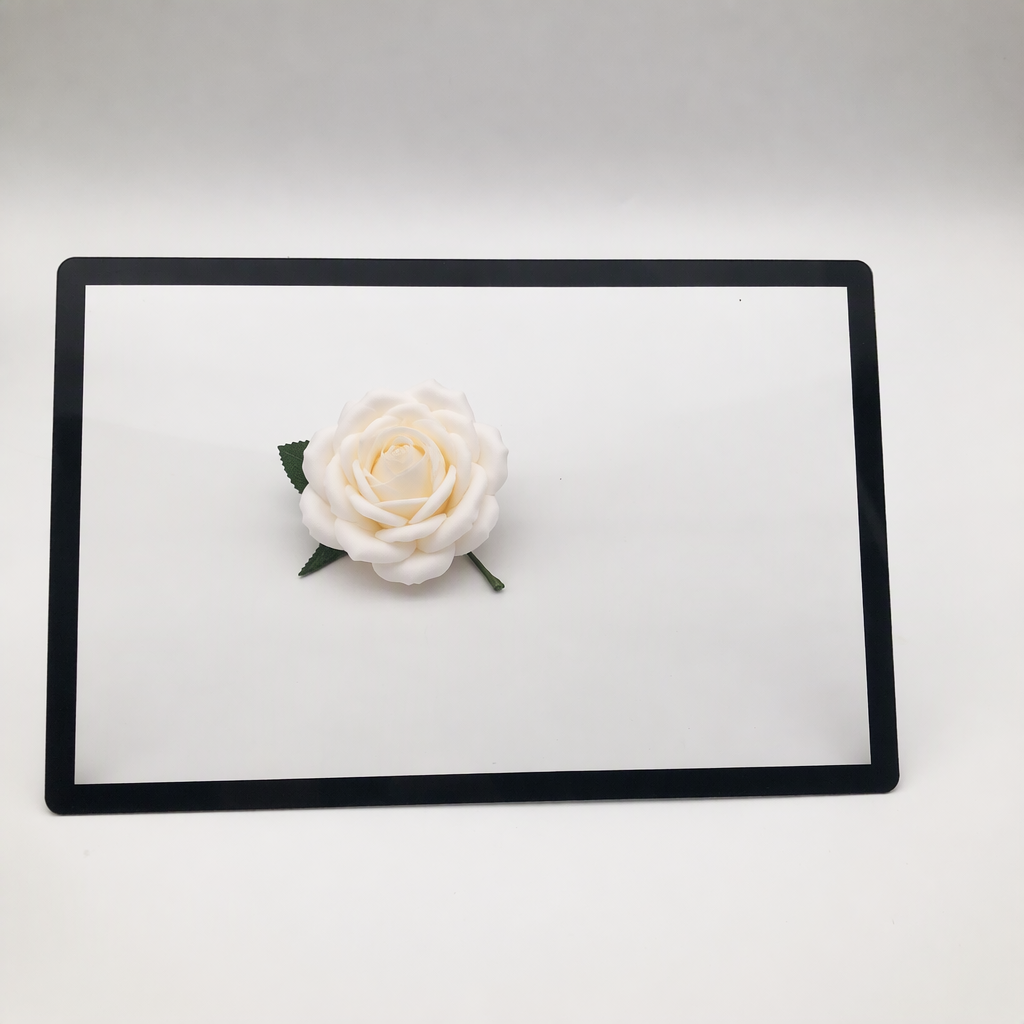
Ultra-Thin Silk Screen Printed Tempered Glass for Display Panels
Thin printed glass for display panels, reticles, illuminated interfaces and compact optical housings.
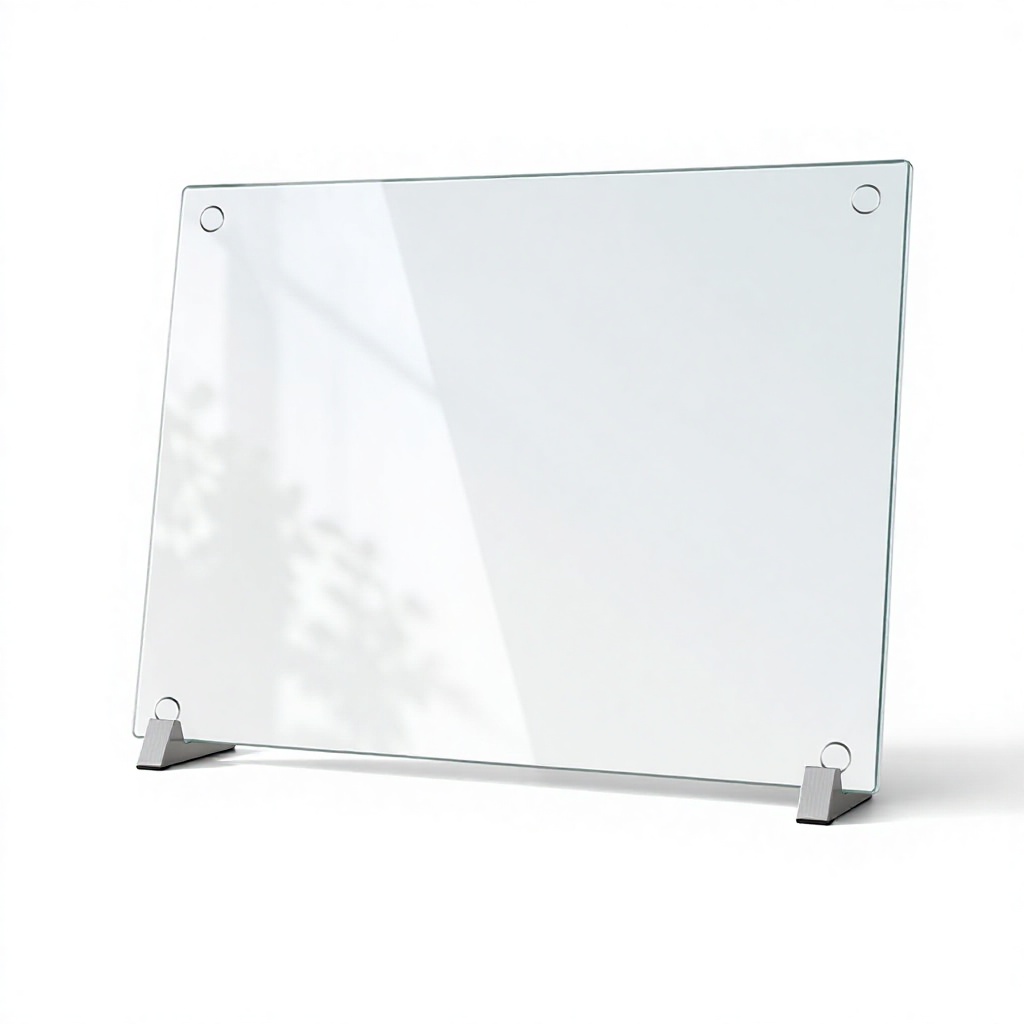
Custom Size Clear Tempered Glass Curtain Wall Panel Multi Function Print Glass Whiteboard Glass
Custom clear tempered panels for whiteboards, curtain walls, protective partitions and architectural surfaces.
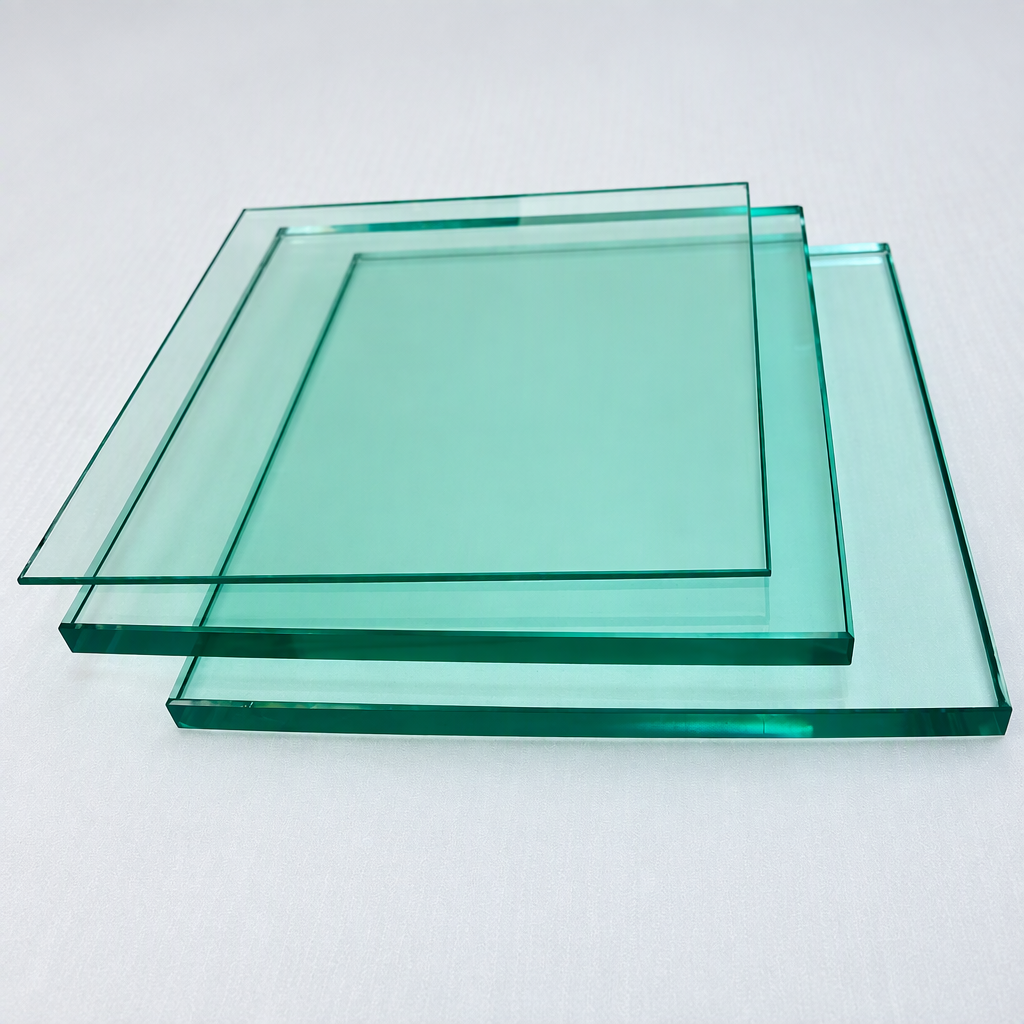
Tempered Glass Panel Safety Glass Flat Structural Tempered Glass
Structural safety glass for machine guards, industrial enclosures and flat protective assemblies.

Tempered Glass Flat Solid Glass Panels Heat-resistant Tempered Glass for Various Application
Heat-resistant panels for appliances, lighting, process equipment and functional display windows.
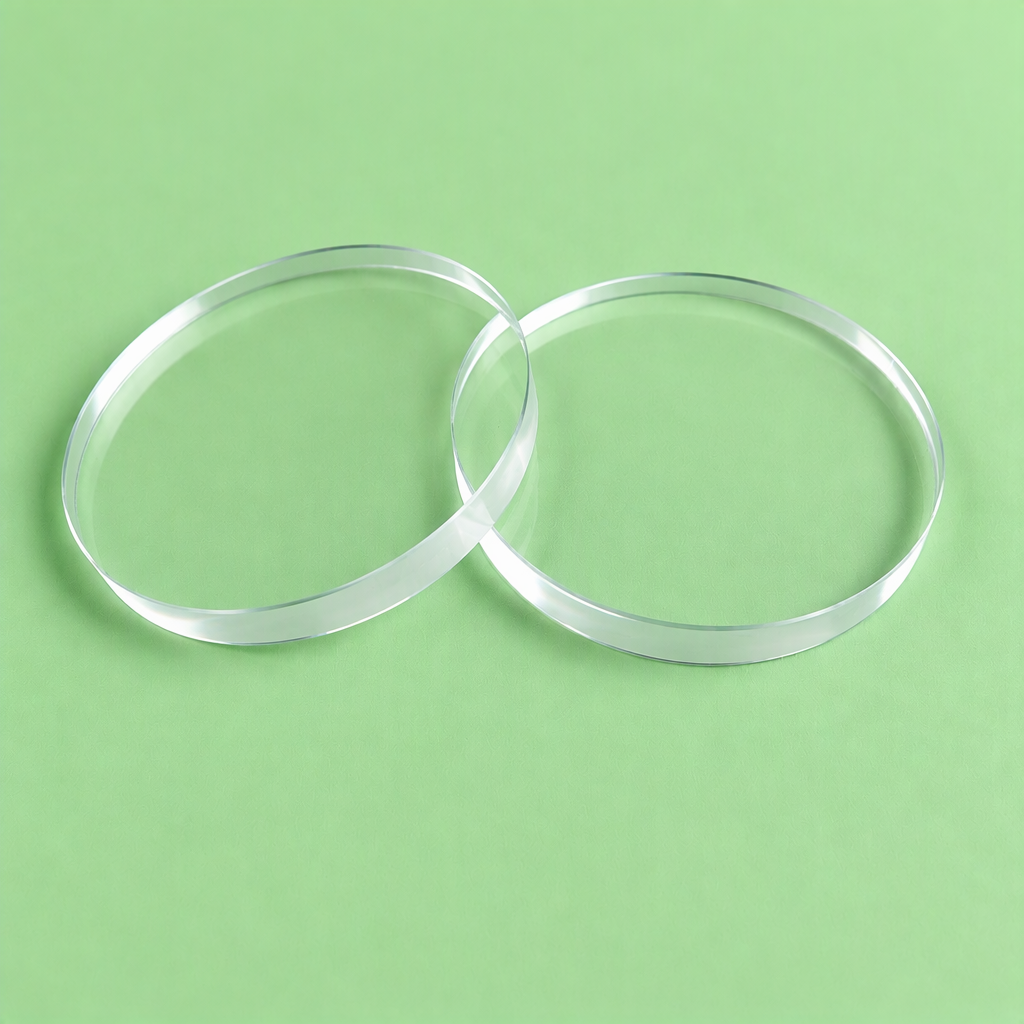
High Strengthen Glass Tempered Glass Custom Size Tempered Clear Glass Panel for Industrial
Custom clear tempered glass cut, drilled and edged to drawing for industrial equipment.
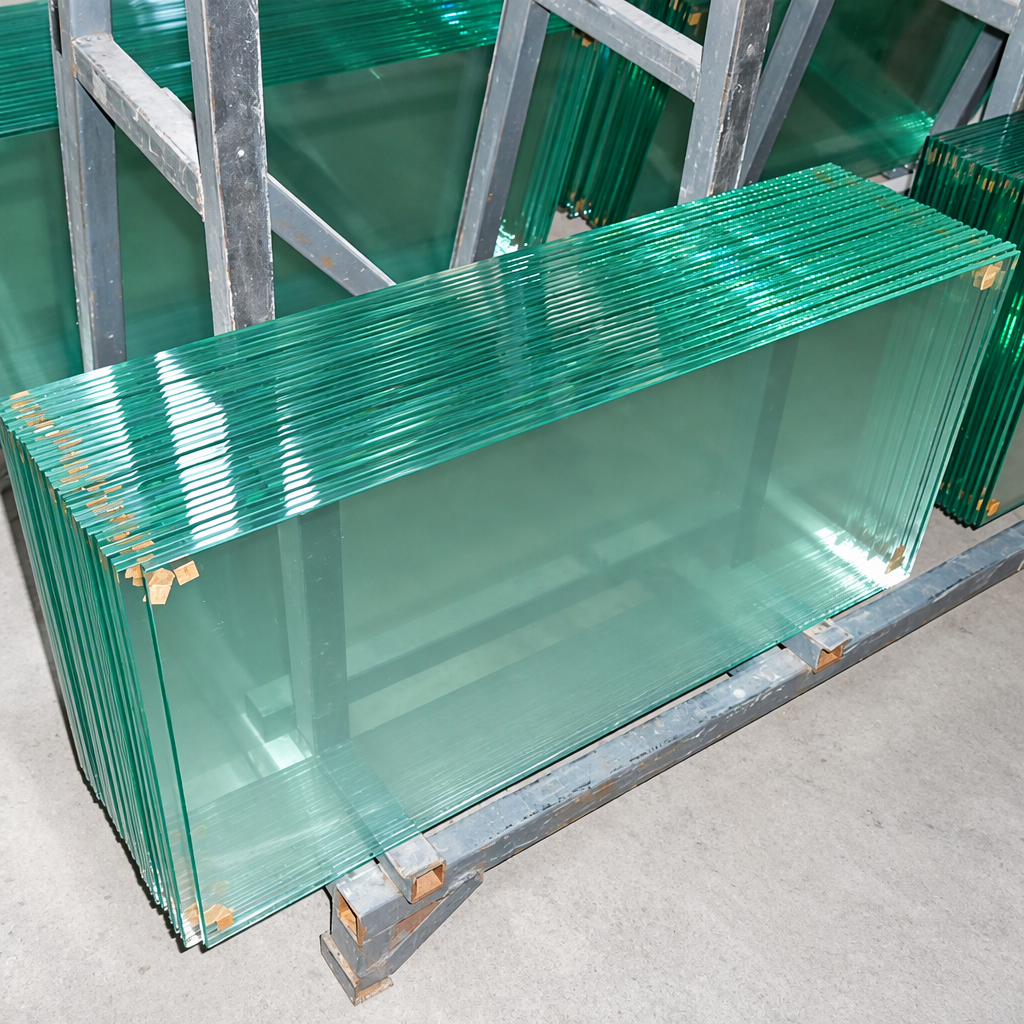
Construction & Real Estate Float Glass Factories in China Tempered Glass
Float and tempered glass options for construction, real estate and architectural glazing programs.

Glass Factory Customized High Quality Transparent Display Touch Screen Glass Silk Screen 9H Hardness Industrial Screen Protector
Hard-coated touch display cover for industrial HMIs, inspection monitors and interactive control panels.
Optical Mirror Sourcing in Mexico: A White-Paper View for OEM and Engineering Teams
Mexico’s optical mirror supply chain is not a single market. It includes decorative architectural mirrors, precision mirror blanks for machine vision, laser-beam delivery, automotive calibration, medical imaging, security cameras and research optics. Buyers searching for optical mirror manufacturers and suppliers in Mexico are usually solving one of three problems: replacing an imported mirror with a shorter lead time, finding a coater that can document surface quality and reflectivity, or qualifying a supplier who can combine mirror substrates with protective glass, printed apertures and assembly-ready packaging.
This guide is written for Mexican procurement teams, design engineers and quality managers who need more than a directory listing. It explains the specifications that drive cost, the applications growing in Mexico, the local sourcing trends that affect landed cost, and the questions to ask before approving a supplier. It also clarifies where a precision glass factory such as Qingdao Maupe Glass Co., Ltd. fits into a mirror-based program: Maupe is a glass deep-processing manufacturer for tempered glass, printed cover glass, AR/AG/AF coated display glass, switch panels and industrial windows. For mirror coating itself, especially high-power laser or interferometer-grade optics, buyers should qualify a dedicated optical coater and require metrology data.
That distinction matters. A decorative mirror and an optical mirror are not interchangeable. A supplier that can silver a bathroom mirror may not be able to hold surface figure, scratch-dig, parallelism or coating durability tolerances. Conversely, a precision glass fabricator may be the right partner for the protective window, printed reticle, display cover or structural glass around the mirror—even when the reflective coating is sourced elsewhere.
What Mexican buyers should verify first
Confirm the optical function before comparing quotations: wavelength, reflectivity, surface figure, clear aperture, coating type, edge finish, environmental exposure and annual volume. A drawing with these values usually removes more cost than a second round of price negotiation.
Optical Mirror Specifications That Actually Drive Cost and Yield
The cheapest quotation often becomes the most expensive project when flatness, coating durability or edge quality are left vague. Use the four specification pillars below to build a comparable RFQ for Mexican or international suppliers.
Substrate & flatness
Soda-lime glass suits general reflective panels; borosilicate and fused silica are chosen for thermal stability, UV or laser work. Specify surface figure only when needed: λ/10 demands interferometry and a different cost structure than a display mirror.
Coating & reflectivity
Protected aluminum, enhanced silver and dielectric coatings behave differently by wavelength and angle. Ask for average reflectivity, incidence angle, polarization assumptions and adhesion or humidity test results.
Surface quality & edge
Scratch-dig, edge chips, bevel width and corner radius affect both safety and optical scatter. A print or protective glass cover can hide minor edge defects, but it cannot correct a scratched reflective surface.
Environment & packing
Coastal humidity, high-altitude UV and industrial cleaning chemicals can degrade unprotected coatings. Specify salt-fog, humidity, abrasion and cleaning tests, plus interleaved cleanroom packaging and edge protection.
Where Optical Mirrors and Precision Glass Are Used in Mexico
Mexico’s industrial geography shapes demand. Automotive and aerospace clusters in the Bajío, Monterrey, Querétaro, Puebla and Tijuana; medical-device manufacturing in Baja California and Guadalajara; electronics and machine vision in Mexico City, Jalisco and Nuevo León; and architectural projects across the country all create different mirror and glass requirements.
Automotive & mobility
ADAS calibration targets, LiDAR test benches, inspection cameras and alignment stations use mirrors and protective glass where stability and repeatability matter. Buyers in the Bajío and Monterrey often prefer dual sourcing to protect production uptime.
Medical devices & diagnostics
Imaging instruments, laser delivery modules, laboratory analyzers and diagnostic displays require low-scatter optics, clean packaging and documented change control. Baja California and Guadalajara supply chains often demand English–Spanish documentation support.
Electronics & machine vision
Reflective surfaces, camera windows, anti-glare covers and printed display glass support automated optical inspection (AOI) and electronics assembly. Consistent surface finish reduces false rejects in high-speed inspection lines.
Security & access control
Camera mirrors, IR windows, card-reader front glass and printed apertures are used in access control and surveillance equipment. Coatings must survive outdoor heat, humidity and cleaning without hazing or delamination.
Architecture & lighting
Architectural mirror panels, daylighting reflectors, display walls and decorative glass combine aesthetics with safety. For public spaces, tempered or laminated constructions and documented edge quality are often more important than ultra-high reflectivity.
Research & education
Telescopes, interferometers, optical benches and university laboratories require clear optical drawings and traceable measurement. When λ/10 figure or low scatter is specified, use a specialized coater and an independent metrology report.
Mexico-Specific Sourcing Trends for Optical Mirror and Glass Buyers
Procurement behavior in Mexico is changing faster than many catalog websites reflect. These four trends should be part of your supplier scorecard.
Nearshoring and dual sourcing
Mexican manufacturers are reducing single-country risk by keeping a local distributor for urgent repair parts while using export factories for custom production. The best RFQ asks for both sample speed and mass-production repeatability.
Digital RFQ and bilingual documentation
Drawings, first-article reports, packing lists and inspection records are increasingly exchanged digitally. Mexican buyers should confirm English–Spanish communication, drawing revision control and who owns approval of coating witness samples.
Humidity, UV and cleaning durability
Coastal sites, high-altitude UV and aggressive industrial cleaning can shorten coating life. Buyers are adding salt-fog, humidity and abrasion tests to specifications, especially for outdoor security and architectural mirror projects.
Traceability and clean packaging
Mirror and display components are sensitive to edge contact, moisture and particles. Mexican quality teams increasingly ask for lot traceability, cleanroom bags, interleaving and crate-level inspection before shipment.
How Mexican Buyers Can Qualify an Optical Mirror Supplier Faster
A structured qualification path reduces engineering churn and avoids importing a sample that cannot be mass-produced.
Define the optical function
State whether the part is decorative, imaging, laser, inspection or protective. This single decision determines substrate, coating, flatness and inspection method.
Send a complete drawing package
Include 2D drawings, thickness, edge finish, holes, print artwork, coating requirement, clear aperture and annual volume. Missing tolerances invite invisible cost.
Request FAI and witness samples
Ask for first-article inspection, coating adhesion or reflectivity data, and a sample that can be cleaned the same way your Mexican line will clean it.
Review export and import documents
Confirm HS code, commercial invoice, packing list, certificate of origin and any product-specific NOM or customer compliance requirement with your customs broker.
Run a pilot shipment
Test packaging, unpacking damage, label clarity and incoming inspection effort. A perfect sample means little if the crate arrives with edge chips or moisture exposure.
Compare total landed cost
Freight, duties, customs brokerage, rework, scrap and production downtime often exceed the quoted unit price difference. Source for total cost, not the lowest FOB number.
Why Qingdao Maupe Glass Co., Ltd. Fits Precision Glass Supply Chains
Founded in 2012 in Qingdao, Shandong, Qingdao Maupe Glass Co., Ltd. is an ISO 9001 glass deep-processing manufacturer and international supplier. Its core work is turning flat glass into finished functional parts: cutting, CNC shaping, edge polishing, drilling, engraving, physical tempering, chemical strengthening, silk-screen printing and AR/AG/AF coating.
The company operates eight production lines in a 3,000–5,000 m² factory, exports to more than 80 countries and reports an export share of 91–100% of output. Its proximity to Qingdao seaport and airport supports export logistics for Mexican buyers using FOB, CIF, DDP and express shipments. The company also has an OEM/ODM background, a Fortune 500 supplier reference in its profile, and has been onsite assessed by SGS Group.
For mirror-based programs, this capability is most relevant when the purchase includes protective cover glass, printed apertures, display windows, anti-glare surfaces, tempered structural panels or touch-screen covers. Maupe’s certificate set includes ISO 9001, RoHS and CE, and the company can supply certificate numbers and product inspection records for compliance review.
Deep-Processing Capabilities Behind Mirror-Adjacent Glass Components
One factory controlling cutting, printing, tempering and coating reduces the finger-pointing that occurs when four vendors are responsible for one optical assembly.
Precision cutting & CNC
Straight, round and special shapes processed from clear, ultra-clear, tinted and high-alumina sheet.
Edging, drilling, engraving
Flat, pencil and beveled edges, safety corners, countersunk holes, notches and engraved alignment marks.
Silk-screen printing
High- and low-temperature inks, multi-color layouts, logos, icons, touch zones and scratch-resistant finishes.
Physical tempering
Heat-strengthened safety glass for appliance doors, switch panels, display windows and industrial covers.
Chemical strengthening
Ion-exchange strengthening for 0.5–2 mm cover glass where flatness and optical clarity are critical.
AR / AG / AF coating
Anti-reflective, anti-glare and anti-fingerprint treatments for readable screens in bright or industrial environments.
Evidence You Can Audit: Factory, Printing, Tempering and Certifications
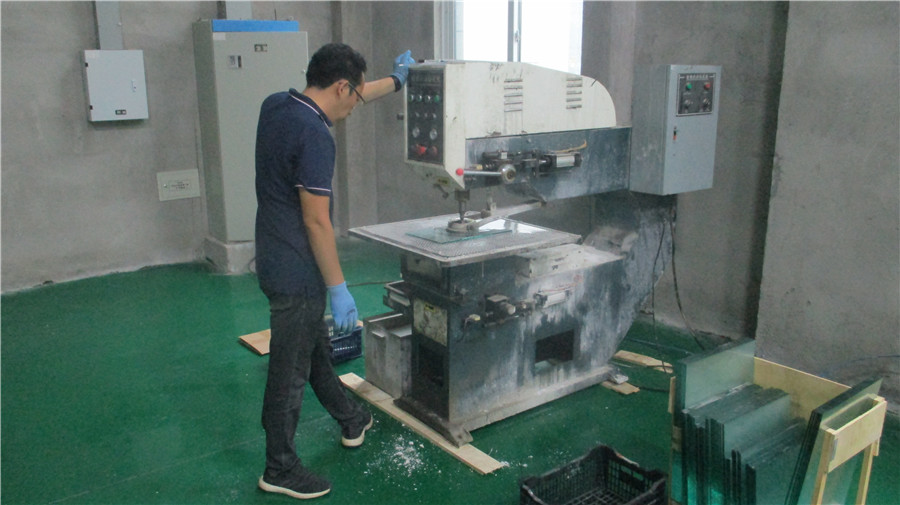
For Mexican buyers, a supplier video is useful, but a factory process chain and certificate set are better. The images below are drawn from the manufacturer’s actual production and quality reference materials.




ISO 9001 Quality Management
Certificate No. 24025Q20015R1S · Float glass and technical glass products · Valid to 02/2028.

RoHS Compliance
Certificate No. 25TYT12395 · Restricts hazardous substances for electrical and electronic equipment · Valid to 12/2030.

CE Marking
Certificate No. 23TYT082593S · Tempered glass · Supports European market access · Valid to 08/2028.
Optical Mirror and Precision Glass Purchasing FAQs in Mexico
These are the questions Mexican procurement teams tend to ask before requesting a sample or releasing a purchase order.
01What is the difference between an optical mirror and a standard mirror?
A standard mirror is usually judged by appearance and simple reflectivity. An optical mirror is specified by wavelength, average reflectivity, surface figure, scratch-dig, clear aperture, coating type, angle of incidence and environmental durability. For imaging or laser systems, require measured data rather than a visual photograph only.
02What should a Mexican buyer include in an optical mirror RFQ?
Include a 2D drawing in DWG, DXF or PDF; substrate and thickness; flatness or surface-figure requirement; scratch-dig; coating type and wavelength; edge finish; hole positions; print artwork if any; annual volume; and the intended application. For mirror-adjacent glass, state whether tempering, chemical strengthening, AR, AG or AF coating is required.
03Can suppliers customize sizes, holes, edge finishes and printed glass around the mirror?
Yes. Custom glass factories commonly process non-standard outlines, holes, notches, countersinks, flat or beveled edges, and multi-color silk-screen printing. The key is to complete all cutting, drilling and edge work before tempering or chemical strengthening, because post-strengthening machining can destroy the treated surface.
04What MOQ and lead time should I expect?
For custom printed tempered glass and precision cover glass, many projects start from 10 to 100 pieces depending on size, thickness and print colors. Large display cover glass may start from 10 pieces. Lead time depends on drawing approval, tooling, sample approval and coating schedules; confirm it in writing after the drawing review.
05How do I verify quality before shipment?
Request a first-article inspection report, dimensional report, appearance inspection under specified lighting, coating or reflectivity data where relevant, and packaging photos. For higher-risk projects, arrange a third-party pre-shipment inspection. The supplier’s ISO 9001 system, RoHS and CE certificates are useful, but they do not replace part-specific inspection data.
06Which shipping terms and Mexican ports are common?
Common delivery terms include FOB, CIF, EXW, FCA, CPT, DDP and express. Mexican buyers frequently route ocean freight through Manzanillo, Lázaro Cárdenas, Veracruz or Ensenada depending on the final destination and customs broker. For urgent samples, air freight to Mexico City, Guadalajara or Monterrey is common. Always confirm HS classification and import requirements with your customs broker.
07Are ISO 9001, RoHS and CE certificates enough for Mexican imports?
They support supplier qualification and customer compliance, but Mexican import clearance may also require a commercial invoice, packing list, certificate of origin, HS code, and product-specific NOM or labeling review. Certificate validity and scope should be checked against the exact product being purchased.
08Can I start with a sample before mass production?
Yes. Samples are normally available for fit, print, color and coating verification. For optical parts, define the acceptance criteria before sampling: what will be measured, under which lighting or wavelength, and who approves the first article. This prevents a sample from being “visually approved” but failing incoming inspection later.
Request an Optical Mirror and Precision Glass Catalog
Send your drawing, target application and volume to receive manufacturability feedback for tempered glass, chemically strengthened cover glass, printed display windows, AR/AG/AF coatings and export-ready precision glass components for the Mexican market.
Get Catalog