Patterned Glass Manufacturer & Exporter in Hanoi
Custom tempered, silk-screen printed, beveled, coated and switchable patterned glass for Hanoi architecture, smart homes, appliances, retail displays and electronic devices — engineered by Qingdao Maupe Glass Co., Ltd. and exported worldwide since 2012.
8 Recommended Patterned & Functional Glass Products for Hanoi Projects
These eight product families are frequently requested by Hanoi architects, fit-out contractors, appliance brands and electronics OEMs. Each item can be customized by size, thickness, edge finish, print artwork, surface coating and export packing. Product links are retained below for direct technical review; for drawings or samples, use the live-chat contact button.
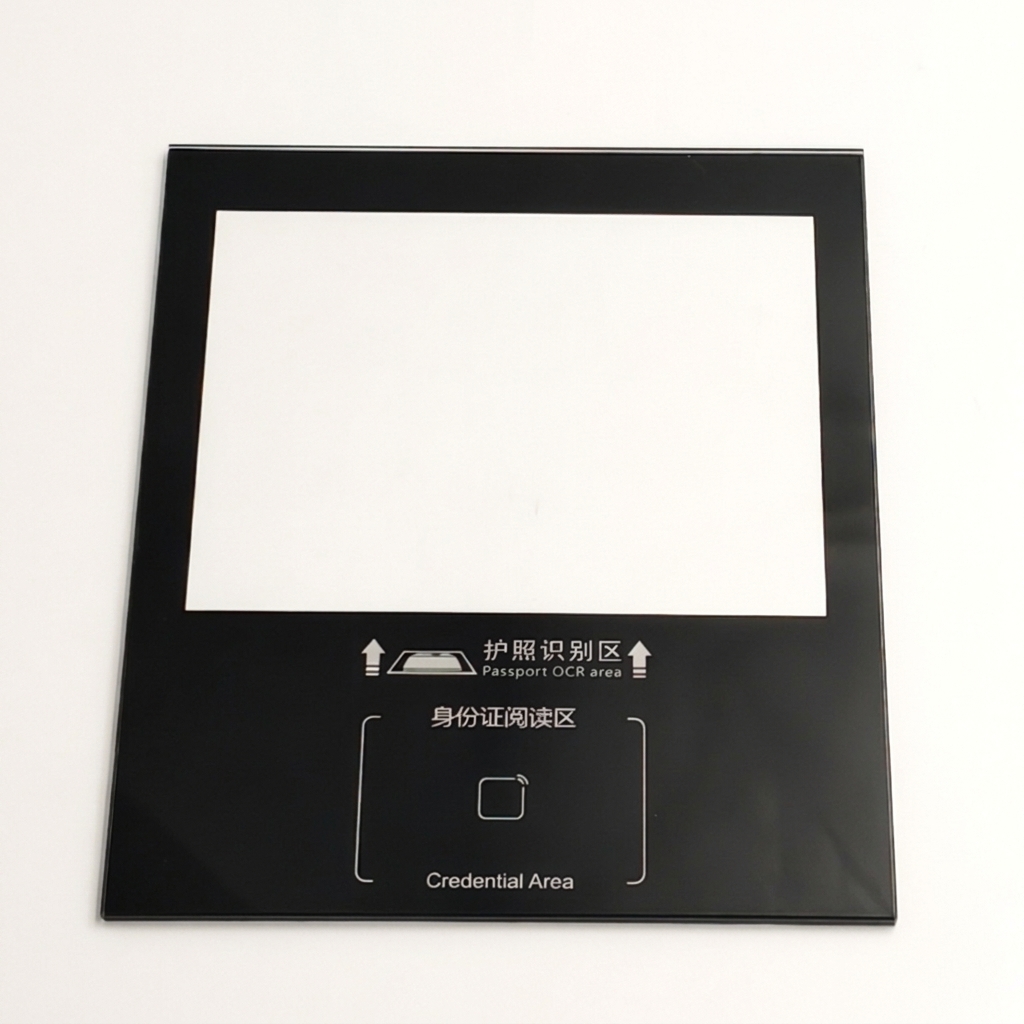
Custom Tempered Glass Protective Glass Panel Transparent Polished Display Cover Glass for Small Electronic Devices Cover
A transparent polished cover panel for compact electronics, meters and display windows. Suited to Hanoi buyers who need flatness, scratch resistance and a clean optical finish.
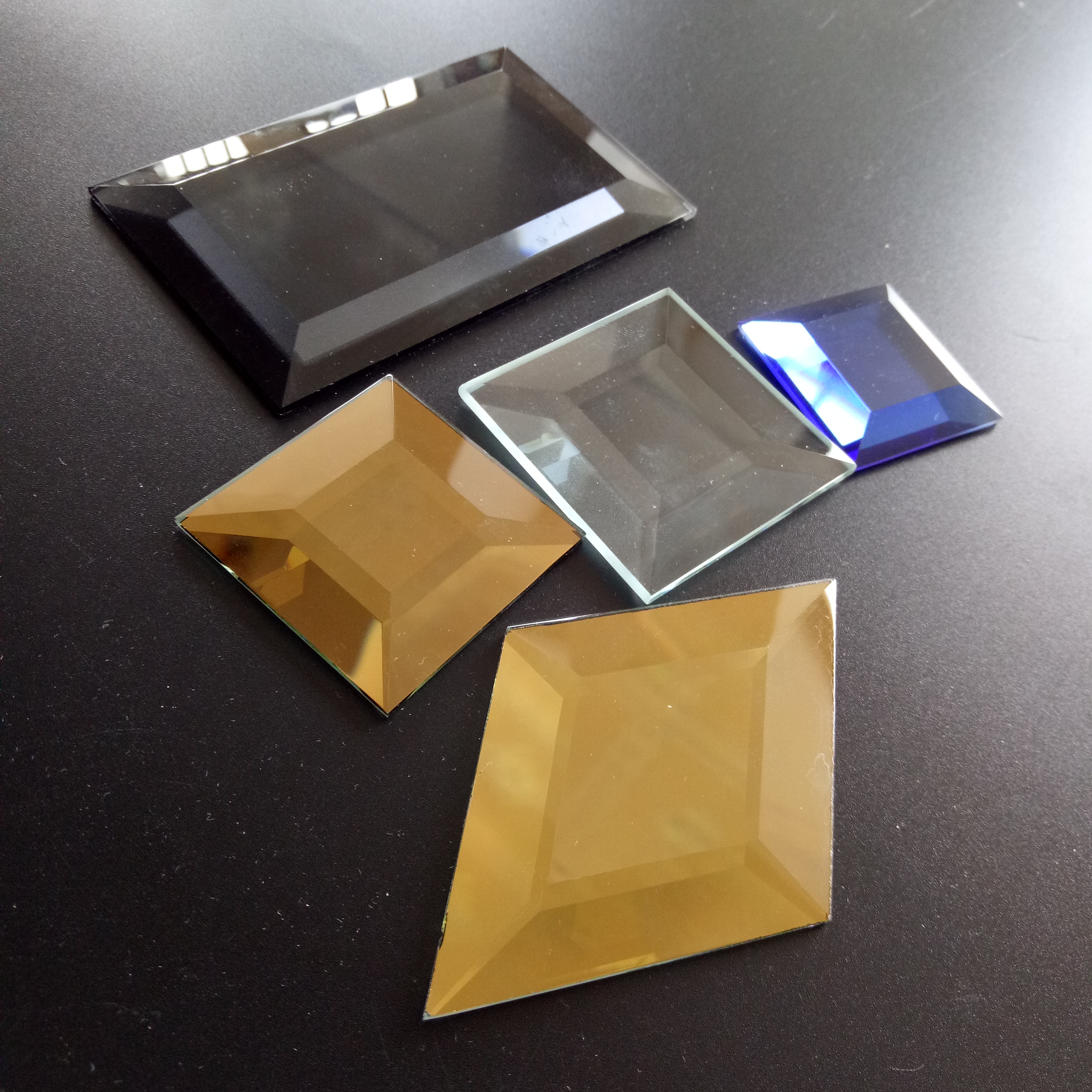
Blue Gold Faceted Beveled Glass for Wall Decoration – Clear Beveled Glass Pieces
Beveled decorative glass for feature walls, hotel lobbies and high-end retail. The faceted surface catches light and adds a jewelry-like edge to Hanoi interiors.
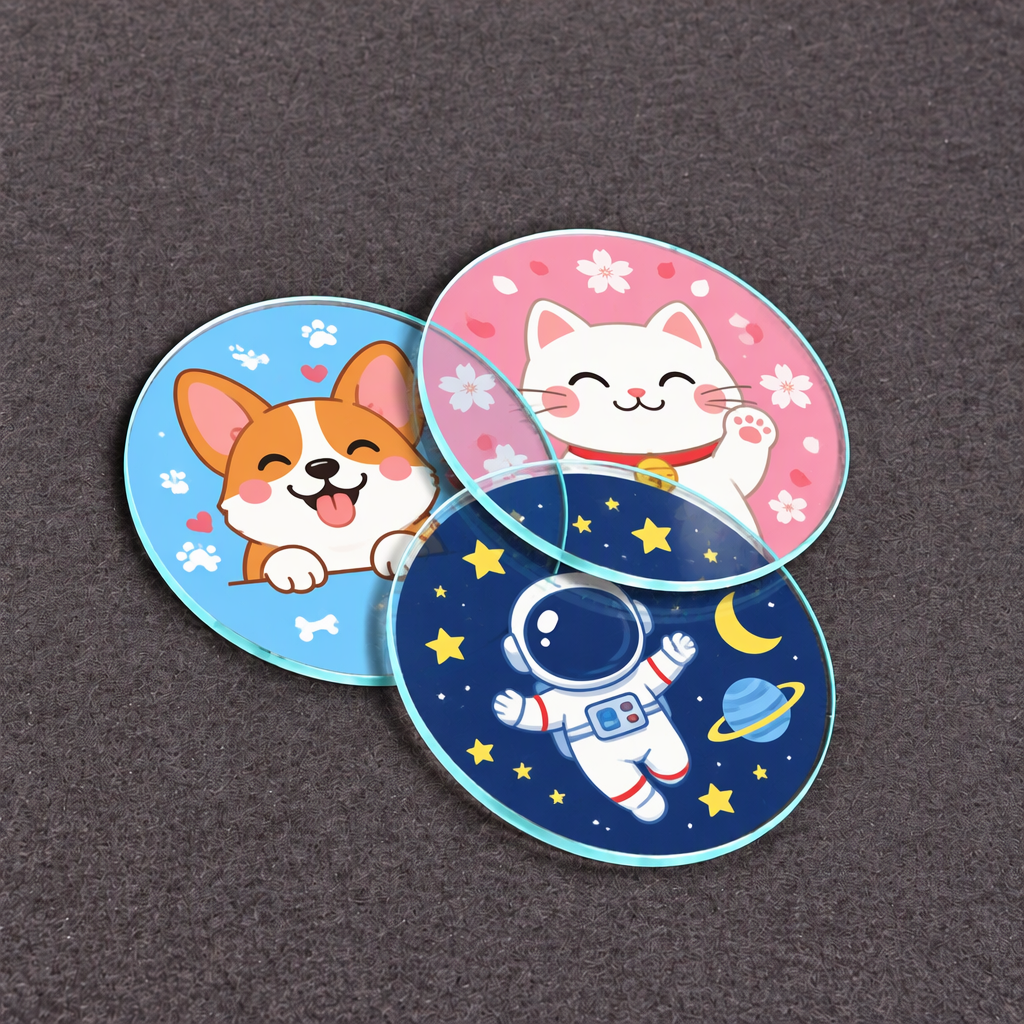
Eco-Friendly Custom Printed Glass Coasters – Custom Design Tempered Glass Coaster
Printed tempered coasters for cafes, merchandising and branded hospitality gifts. Custom artwork is fired into the glass for repeatable color and daily-use durability.
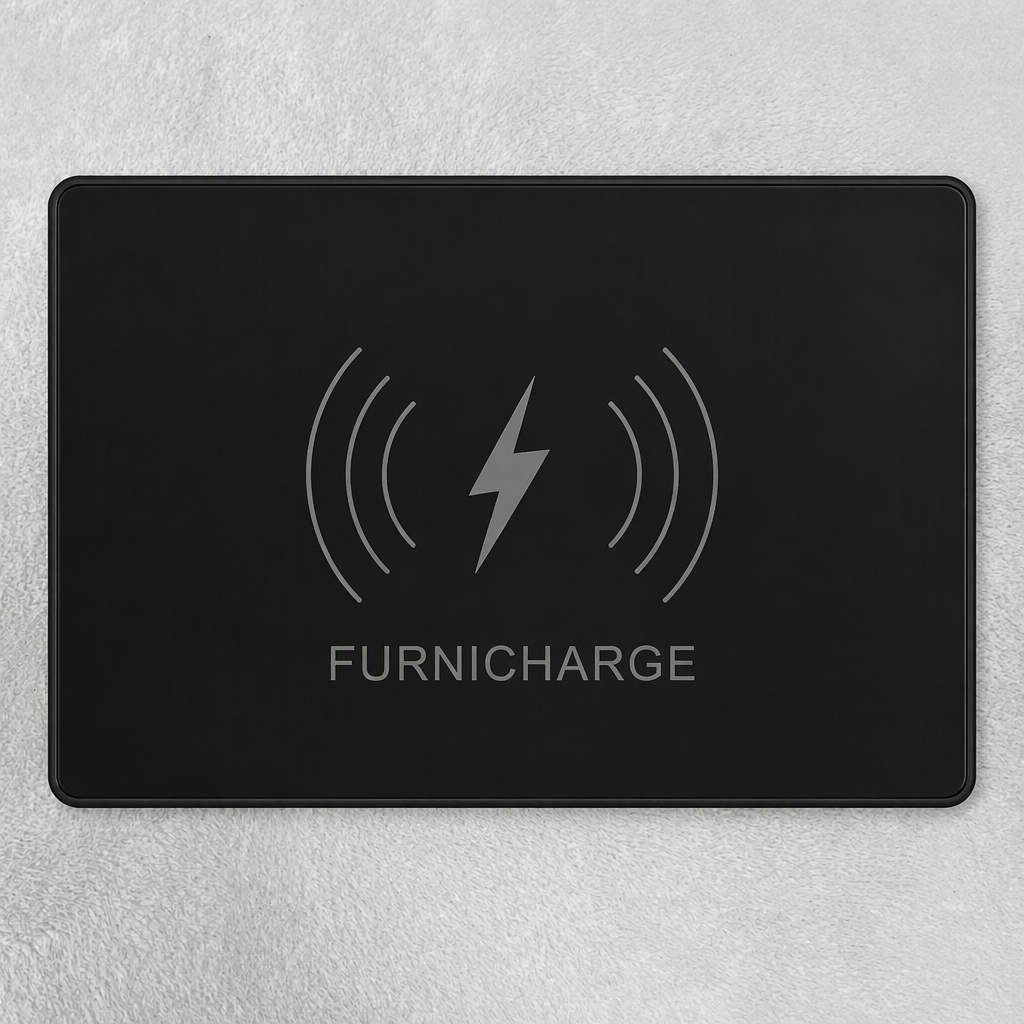
Smart Tempered Glass Bedside Table Panel for Tea Table Wireless Charging Front Cover Glass Touch Light Switch Glass
A smart bedside or tea-table glass panel with wireless-charging and touch-control zones, suited to Hanoi apartments, serviced residences and boutique guest rooms.
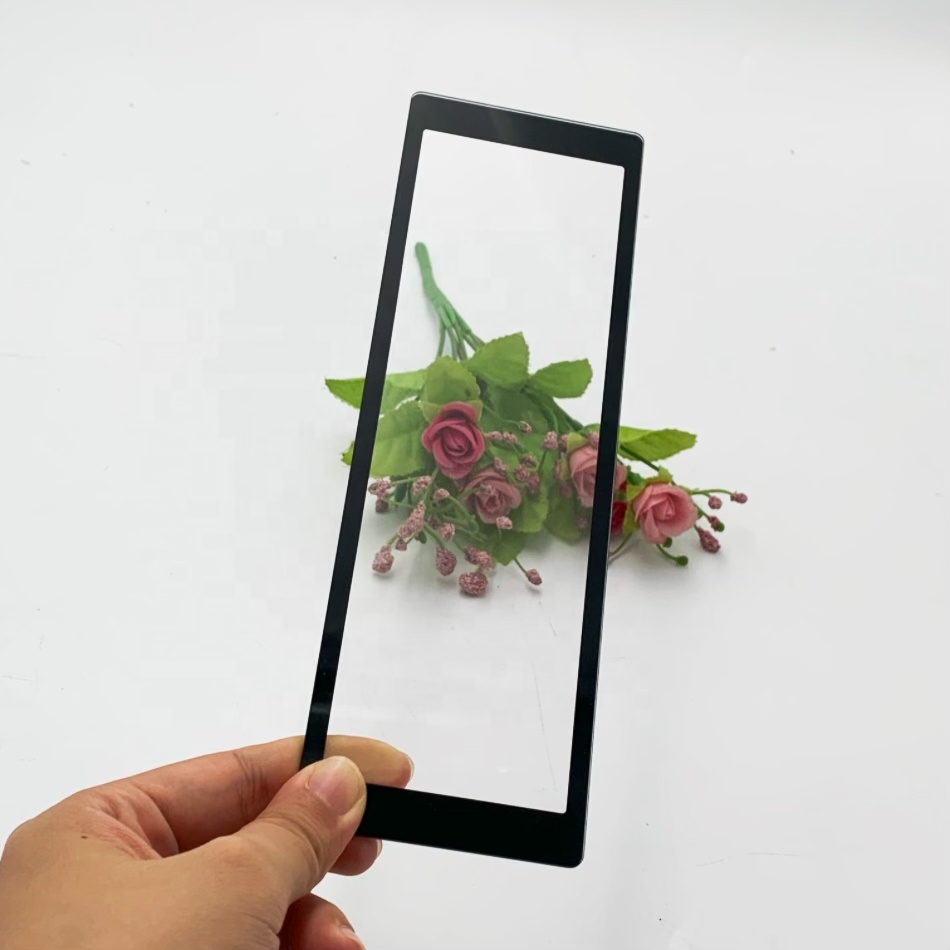
Custom Silk Screen Printed Tempered Glass Panel Touch Screen Display Cover Glass
Silk-screen printed tempered touch glass for displays, control panels and interactive equipment. Multi-color graphics remain crisp behind the protective surface.
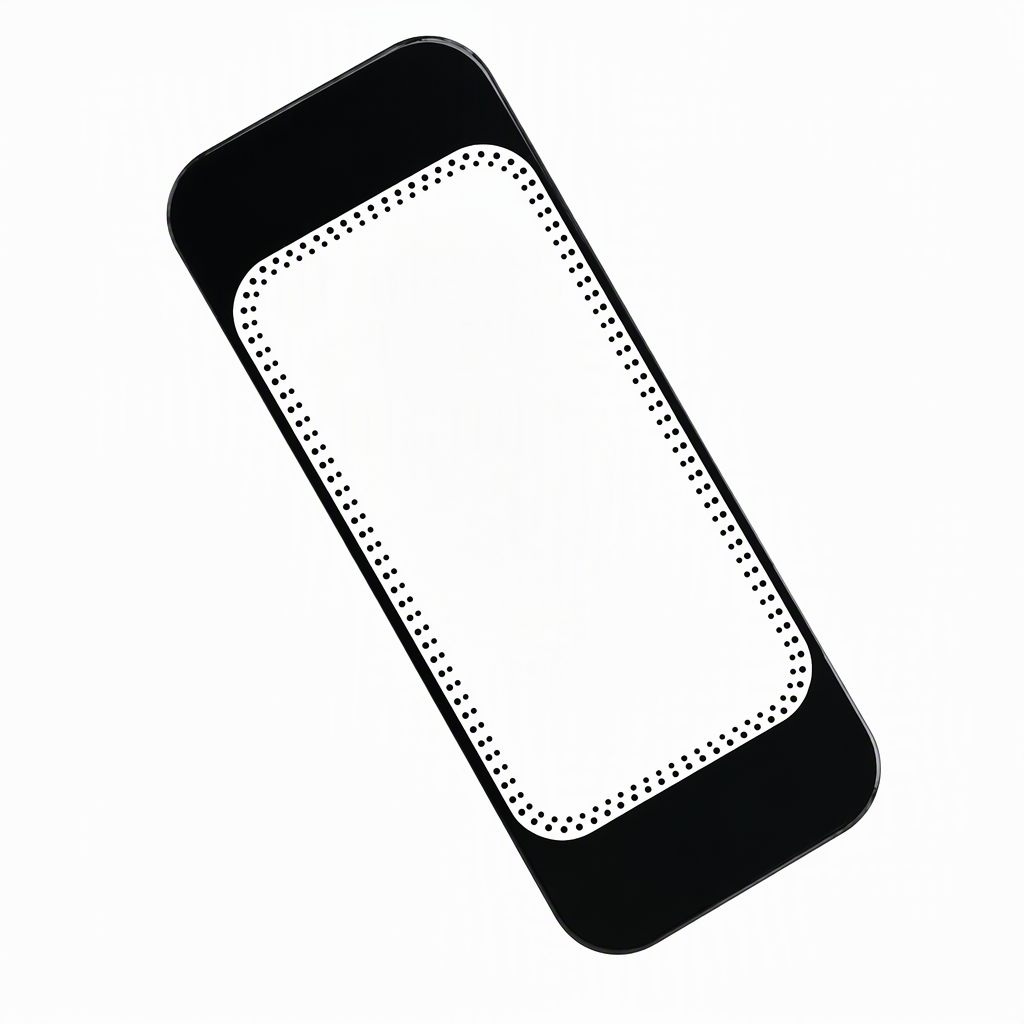
Custom Logo Silk Screen Printing Tempered Glass Panel – Tempered Display Glass Screen Protector
Custom logo and icon printing on tempered display cover glass for OEM branding, appliance interfaces, kiosks and access-control terminals used across Hanoi.
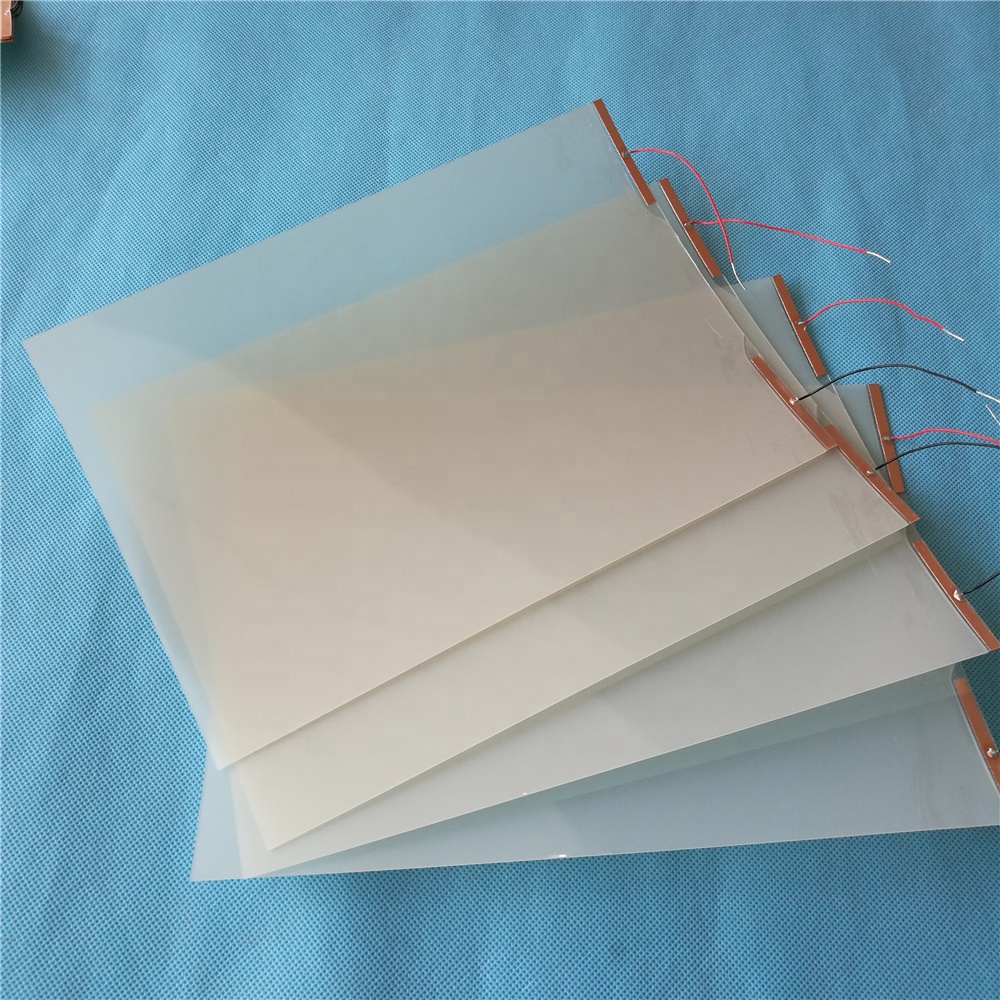
Factory Price Electrochromic Anti-UV PDLC Film Smart Switchable Privacy Glass for Office Partition and Curtain Walls
Smart switchable privacy glass for office partitions, clinics and meeting suites. It allows open daylight or instant visual privacy without changing the architectural glass line.
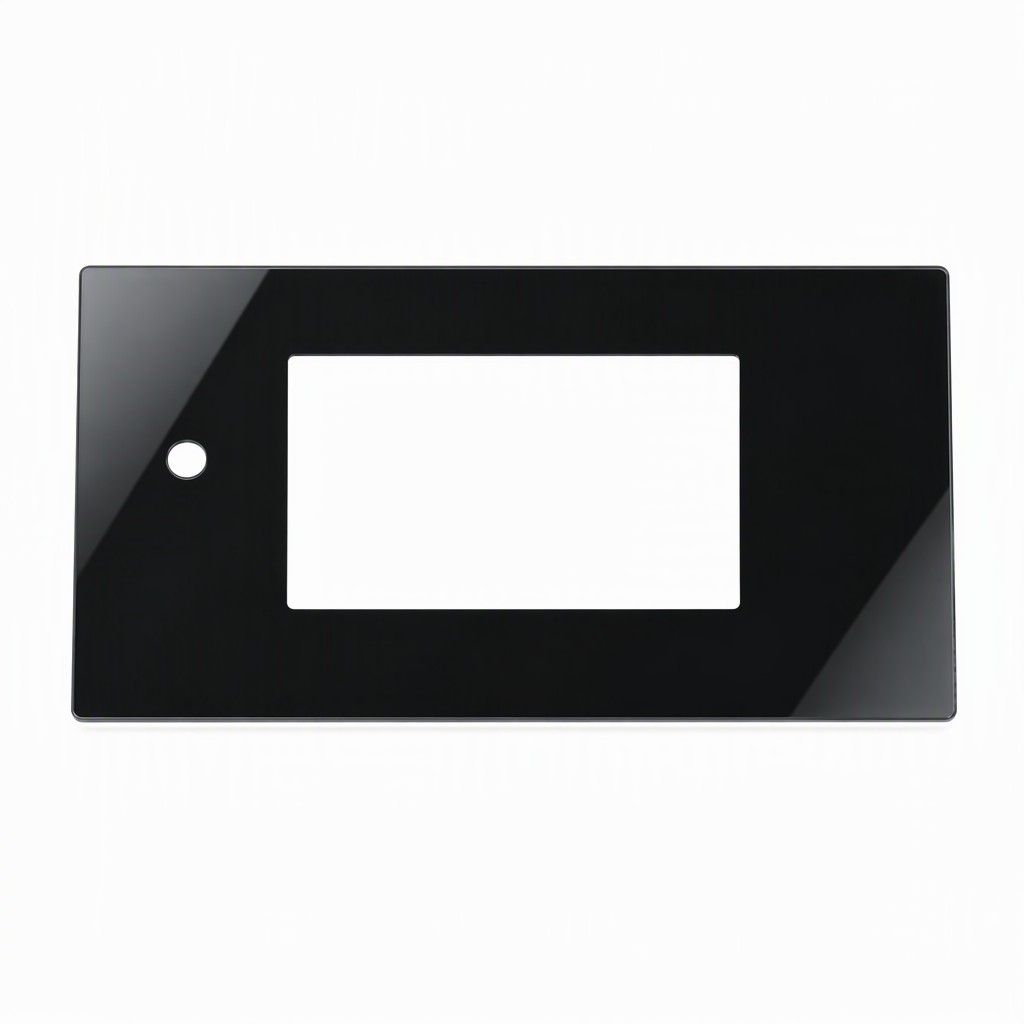
Gorilla Glass Display Protection Cover AR AF Coated LCD Touch Panel Digitizer Front Cover Glass for Industrial Medical Screens
AR/AF-coated LCD cover glass for industrial, medical and outdoor screens that must resist glare, fingerprints and repeated cleaning in demanding Hanoi facilities.
Why Patterned Glass Decisions in Hanoi Need More Than a Pattern Sample
Patterned glass in Hanoi is rarely a purely decorative purchase. A specification may begin in a Tay Ho villa, a Hoan Kiem boutique hotel or a Cau Giay office tower, but it ends with questions about humidity, cleaning chemicals, lead time, packing and after-sales responsibility. The strongest supplier is the one that connects design intent to process control.
Humidity, monsoon and cleaning reality
Hanoi’s humid months test edge sealing, ink adhesion and packaging more than a showroom sample reveals. For bathrooms, kitchens, hotel corridors and shopfronts, specify moisture-resistant packing, cleanable coatings and edge treatments that will not trap residue.
Design language and local fit-out
Hanoi projects often mix French-colonial detail, compact urban plots, tropical greenery and contemporary minimalism. Patterned glass can unify these layers through fluted or beveled effects, printed graphics, reeded textures, frosted privacy zones and warm metallic reflections.
Procurement proof for tender files
Local developers, hotel owners and MEP contractors increasingly ask for certificates and traceable inspection records before approval. Our ISO 9001, RoHS and CE documents are supported by SGS onsite assessment, which helps Hanoi buyers build a cleaner compliance file.
Where Patterned and Functional Glass Performs Best in Hanoi
From street-level retail in Hoan Kiem to new residential towers in Nam Tu Liem, the same product can have very different requirements. These application modules show where patterned glass adds value and what buyers usually specify.
Boutique hotels and hospitality lobbies
Beveled, faceted, frosted and printed glass feature walls create a distinctive arrival experience without blocking light. In Hanoi’s smaller boutique hotels, glass can also protect reception counters, lift lobbies and signage while staying easy to clean.
Office partitions and meeting rooms
PDLC switchable privacy glass, reeded patterned glass and anti-glare display covers support flexible workplaces. For offices in Cau Giay and Ba Dinh, buyers often combine privacy-on-demand partitions with printed logos and acoustic framing systems.
Smart homes and serviced apartments
Touch switch glass, wireless-charging table panels and printed control covers fit the compact, device-rich interiors common in Hanoi apartments. Custom icons, backlight windows and fingerprint-resistant coatings help keep surfaces clean in daily family use.
Retail showrooms and brand displays
Backlit logo glass, colored silk-screen borders and tempered display windows give showrooms a premium finish. Hanoi retail projects often require small trial batches first, followed by repeat production with consistent color, hole positions and touch-zone alignment.
Kitchen, appliance and cabinetry glass
Cooktop panels, oven doors, range-hood glass and refrigerator control covers must tolerate heat, steam and frequent wiping. High-temperature inks and physically tempered glass are common choices for Hanoi kitchens, with printed borders hiding seals and fasteners.
Elevator, access control and security
Elevator button panels, card readers, QR scanners, smart locks and face-recognition terminals need precise print windows. Smudge-resistant surfaces, accurate icon registration and stable ink curing are essential when these interfaces are used all day.
Hanoi Market Signals Shaping Patterned Glass Demand
The indicators below are planning signals, not a formal market forecast. They reflect the questions our team receives from Hanoi buyers across hospitality, workplace, residential and electronics projects.
Switchable privacy partitions
Office and clinic fit-outs are moving toward PDLC glass that can shift from clear to private in one switch. Designers like the clean look; buyers ask about film uniformity, power supply details and maintenance.
Branded printed glass interiors
Cafes, hotels and showrooms want logos, patterns and wayfinding integrated into glass rather than applied as stickers. Silk-screen printing delivers durable graphics that survive cleaning and daily contact.
Thin cover glass for smart devices
Hanoi’s electronics, appliance and smart-home ecosystem is asking for thinner, flatter cover glass with precise print registration. Chemical strengthening is increasingly discussed for 0.5–2 mm parts.
Compliance and traceability
Hotel owners, developers and export manufacturers are asking for certificate numbers, inspection photos and packing records earlier in the buying process. Documentation quality now influences shortlisting.
How to Specify Patterned Glass for a Hanoi Project Without Re-Tooling Risk
Most project delays are not caused by the pattern itself. They come from unclear substrate, strengthening method, print layer order, coating durability or packing assumptions. Use the following engineering frame before issuing a purchase order.
Start with the service environment, then choose the glass build-up
A decorative wall panel, a cooktop cover and a medical display cover may all look like “patterned glass” in a mood board, but they require different base glass, strengthening, ink and coating systems. For Hanoi projects, the specification should identify where the glass is installed, how it is cleaned, whether it receives sunlight, and who handles installation.
For interior feature walls, beveled or printed tempered glass can deliver the visual effect while maintaining safety. For office partitions, PDLC switchable glass may be preferred when privacy is variable. For appliance and electronic interfaces, chemically strengthened thin glass often protects optical clarity and touch sensitivity. For high-humidity bathrooms or kitchens, edge quality and moisture-resistant packing matter as much as the surface pattern.
A reliable RFQ is not only a drawing. It is a short engineering brief. Include the application, annual volume, target sample date, installation method, cleaning chemicals, certification requirements and the person responsible for approving color and gloss. This is the information gain that allows a factory to quote accurately instead of guessing.
| Decision | What Hanoi buyers should confirm |
|---|---|
| Pattern effect | Beveled, faceted, frosted, reeded, printed, backlit or switchable; confirm whether pattern must align with adjacent panels. |
| Base glass | Clear, ultra-clear, tinted or high-alumina; confirm color shift under warm lighting and daylight. |
| Strengthening | Physical tempering for thicker appliance and architectural panels; chemical strengthening for thin touch covers. |
| Edge and holes | Flat, pencil or beveled edge; safety corners; countersunk holes; all machining before strengthening. |
| Printing | High- or low-temperature ink, number of colors, opacity, gloss level and scratch resistance. |
| Coating | AR for readability, AG for glare control, AF for fingerprint resistance, or a combination. |
| Export packing | Moisture barrier, corner protection, foam interleaving, pallet strength and labeling for Hanoi site delivery. |
Factory Advantages That Reduce Risk for Hanoi Buyers
Qingdao Maupe Glass Co., Ltd. is an ISO 9001 certified glass deep-processing manufacturer established in 2012. The factory is located in Qingdao, Shandong, close to Qingdao seaport and airport, and serves OEM buyers in more than 80 countries. For Hanoi projects, that export experience matters: packaging, documentation, sample approval and shipping communication are part of the product.



The company combines cutting, CNC shaping, edge polishing, drilling, engraving, silk-screen printing, physical tempering, chemical strengthening and AR/AG/AF coating under one roof. This vertical control helps keep tolerance and color consistency traceable from raw sheet to packed carton. Our team supports OEM/ODM projects with drawing review, sample approval, production inspection and export packing recommendations. We have also been onsite assessed by SGS Group as a third-party verified supplier and have experience serving Fortune 500 procurement systems.
For Hanoi buyers, the practical value is simple: a single production partner can discuss the pattern, the safety glass requirement, the printed artwork, the coating and the shipping protection in one technical thread. That reduces the risk of a beautiful sample that cannot be packed safely, or a panel that meets a drawing but fails after installation in a humid environment.
Certifications and Inspection Records for Hanoi Tender Files
Certificate numbers are shown so project teams can verify scope and validity with issuing bodies. Final product requirements should still be confirmed against the drawing, application and destination market.

ISO 9001 Quality Management
Certificate No. 24025Q20015R1S. Scope covers float glass and technical glass products. Valid to 02/2028. Supports documented process control for repeat OEM orders.

RoHS Compliance
Certificate No. 25TYT12395. Restricts hazardous substances for EU electrical and electronic equipment. Valid to 12/2030. Relevant to printed control glass and electronic covers.

CE Marking
Certificate No. 23TYT082593S. Tempered glass scope. Valid to 08/2028. Helps support market access and technical documentation for European-linked projects.
Common Procurement Questions from Hanoi Buyers
These answers reflect real questions from architects, importers, facility teams and product companies sourcing patterned glass for Vietnam.
How do Hanoi buyers request a custom patterned glass quotation?
What is the MOQ for custom printed or patterned glass?
How is patterned glass protected during export shipping to Hanoi?
Which glass is better for Hanoi humidity: tempered, laminated or chemically strengthened?
Can you supply samples before a Hanoi project order?
What lead time and trade terms should Hanoi importers expect?
Send Your Hanoi Project Drawing for Engineering Review
Share 2D drawings, print artwork, target thickness, coating requirements, order volume and delivery address in Hanoi. Our team will respond with manufacturability notes, sample options, certification documents and export packing recommendations.
info@maupeglass.com