Eight Product Routes
PV glass and custom tempered glass options for San Francisco buyers
These eight product routes are displayed first because procurement teams often need both solar-specific glass and adjacent tempered glass components. Product links are preserved exactly; specifications, thickness, edge finish, print artwork, coating and packing are confirmed against your drawing and project exposure.
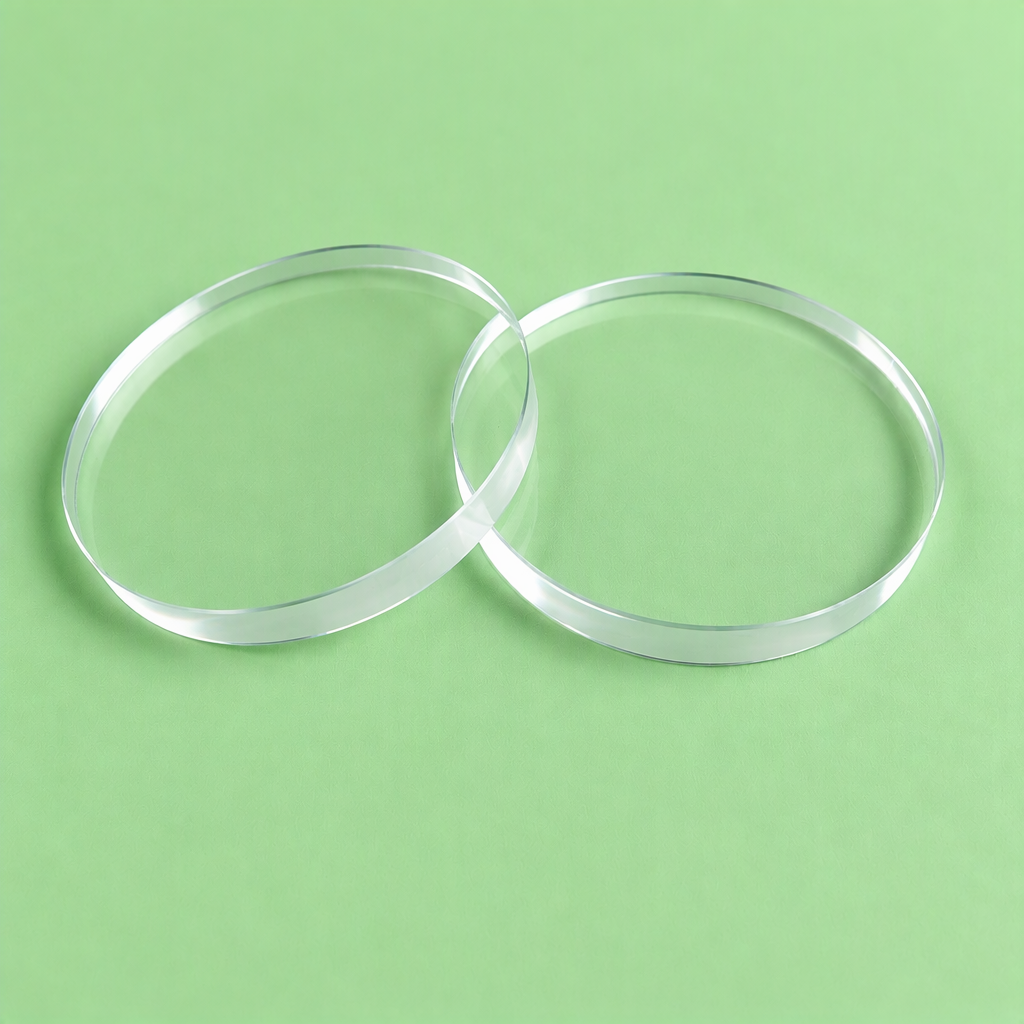
High Strengthen Glass Tempered Glass Custom Size Tempered Clear Glass Panel for Industrial
A clear tempered glass route for industrial frames, inverter enclosures, control windows and solar-support equipment. Drill, cut and edge before tempering.
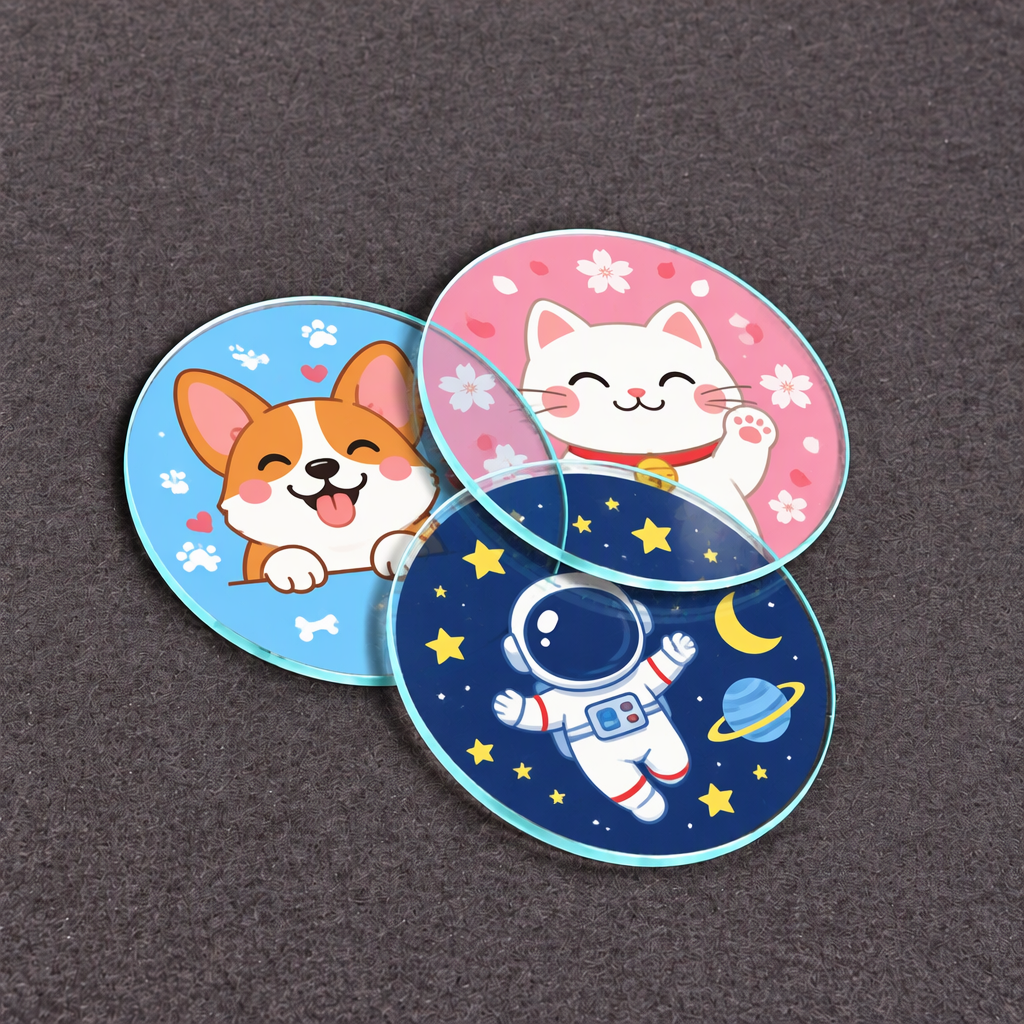
Eco-Friendly Custom Printed Glass Coasters Custom Design Tempered Glass Coaster
A custom-printed tempered glass route that demonstrates color control, graphic registration and brand-ready printing for solar showrooms and visitor centers.
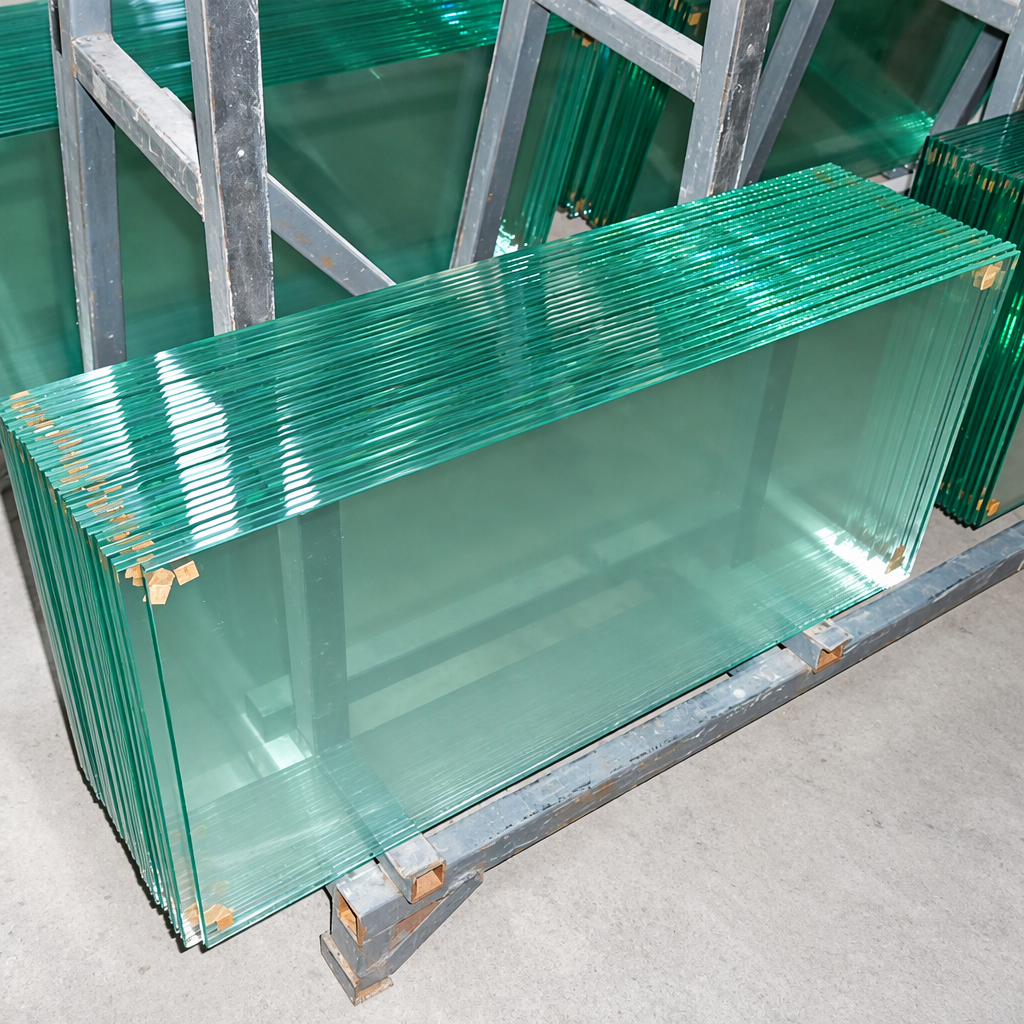
Construction & Real Estate Float Glass Factories in China Tempered Glass
Float-based tempered glass for solar canopies, atrium infill, rooftop screens and BIPV support glazing where flatness and visible quality matter.
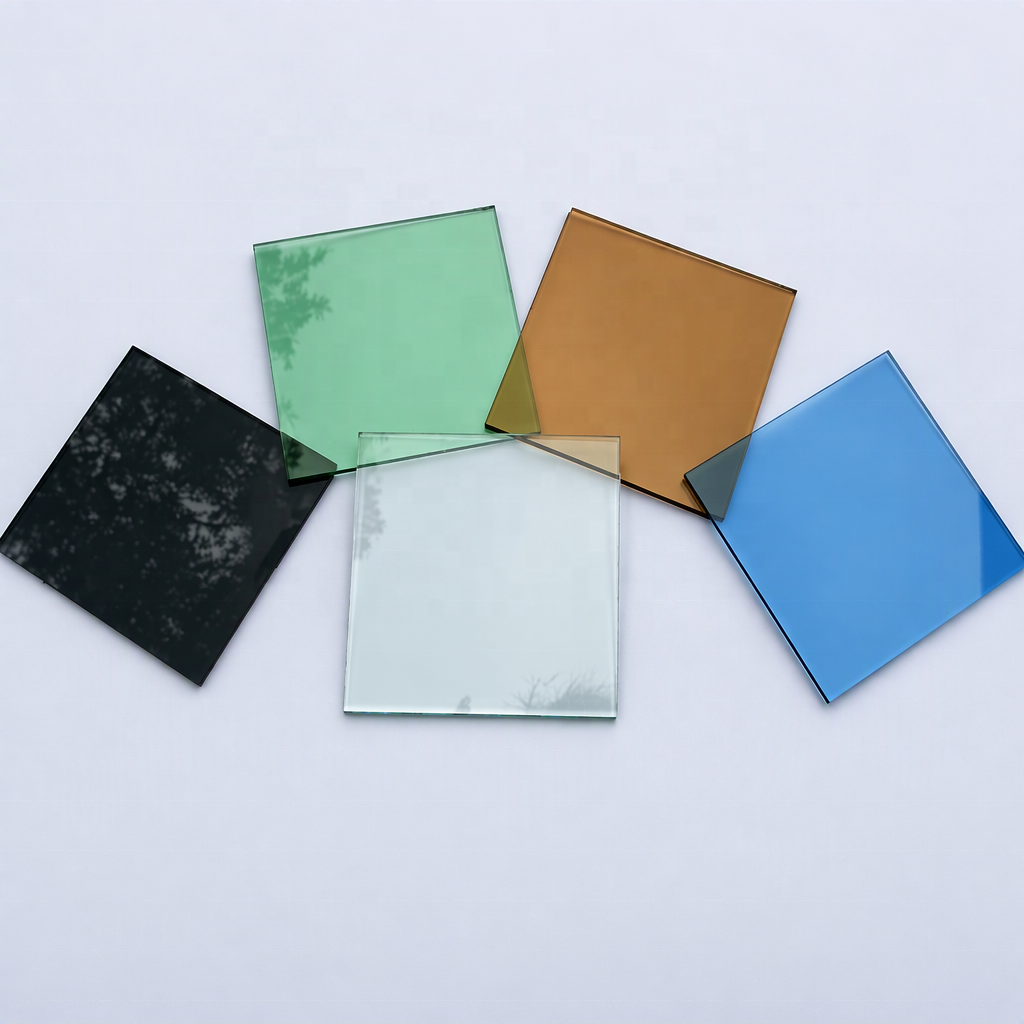
Customized Tinted Tempered Glass Flat Sheet 3mm to 10mm Reflective Colored Glass Toughened Glass
Tinted, reflective or colored tempered glass for glare management, facade rhythm and solar-adjacent architectural features in foggy or bright Bay Area conditions.
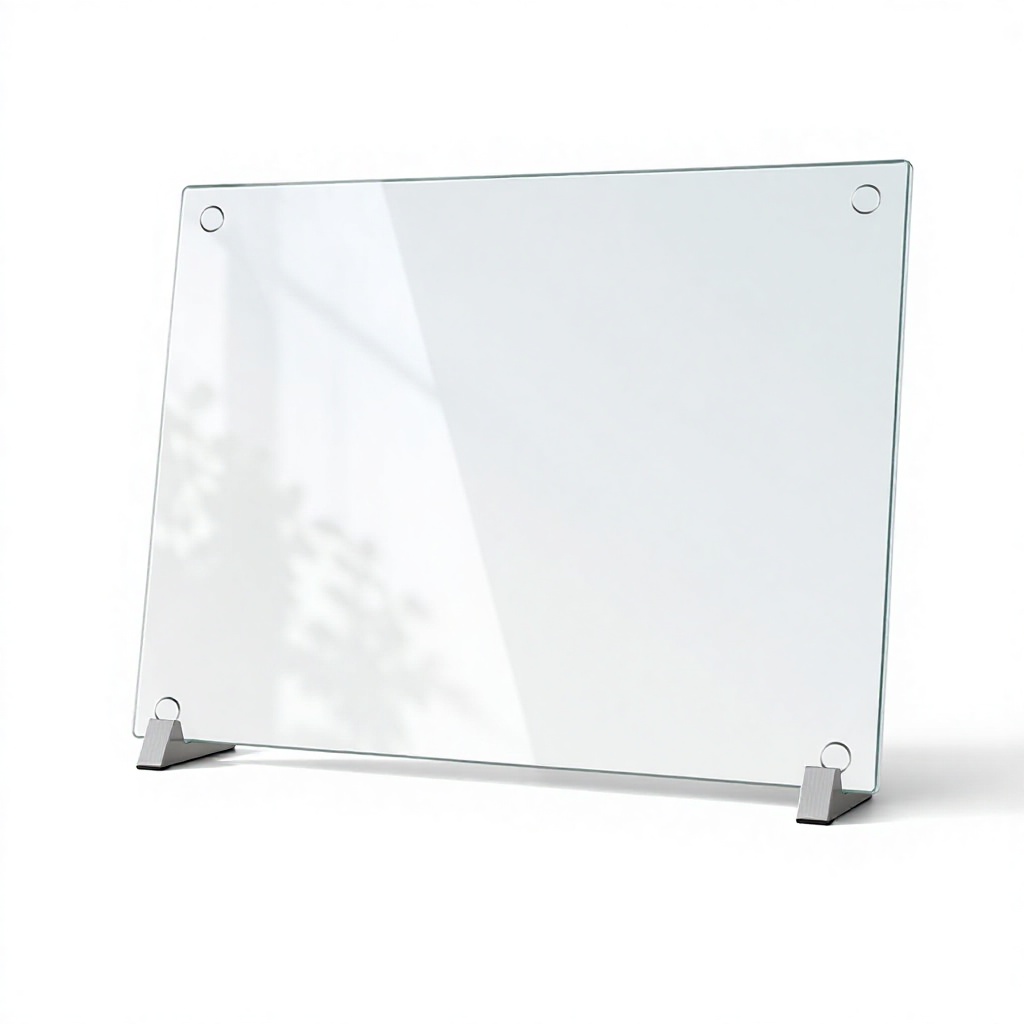
Custom Size Clear Tempered Glass Curtain Wall Panel Multi Function Print Glass Whiteboard Glass
A clear tempered curtain wall and printed wall panel format that can be adapted for BIPV mock-ups, solar education walls and clean display surfaces.

Tempered Glass Panel With 3M Adhesive Tape Silk Screen Printing for Electrical Appliance Decoration Front Cover Glass
A silk-printed front cover with 3M adhesive for electronics, monitoring controls and equipment associated with PV arrays and energy storage systems.
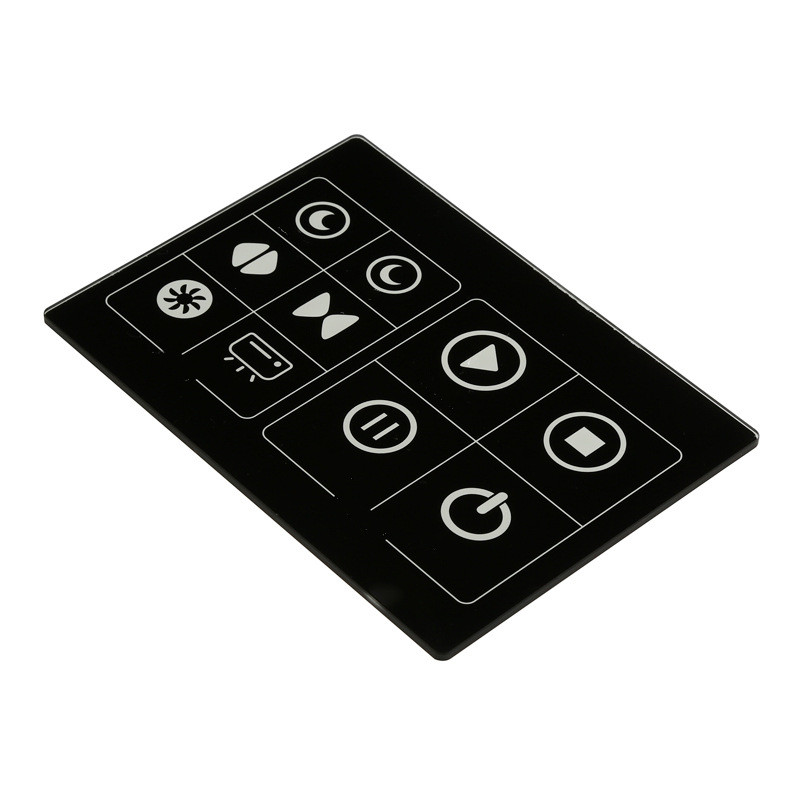
High Temperature Resistant Customized Black Printing Tempered Glass Cooktop Microwave Oven Door Glass for Kitchen
A heat-resistant black-printed tempered glass route. High-temperature ink discipline is also relevant to inverter windows, junction-box covers and equipment exposed to heat.
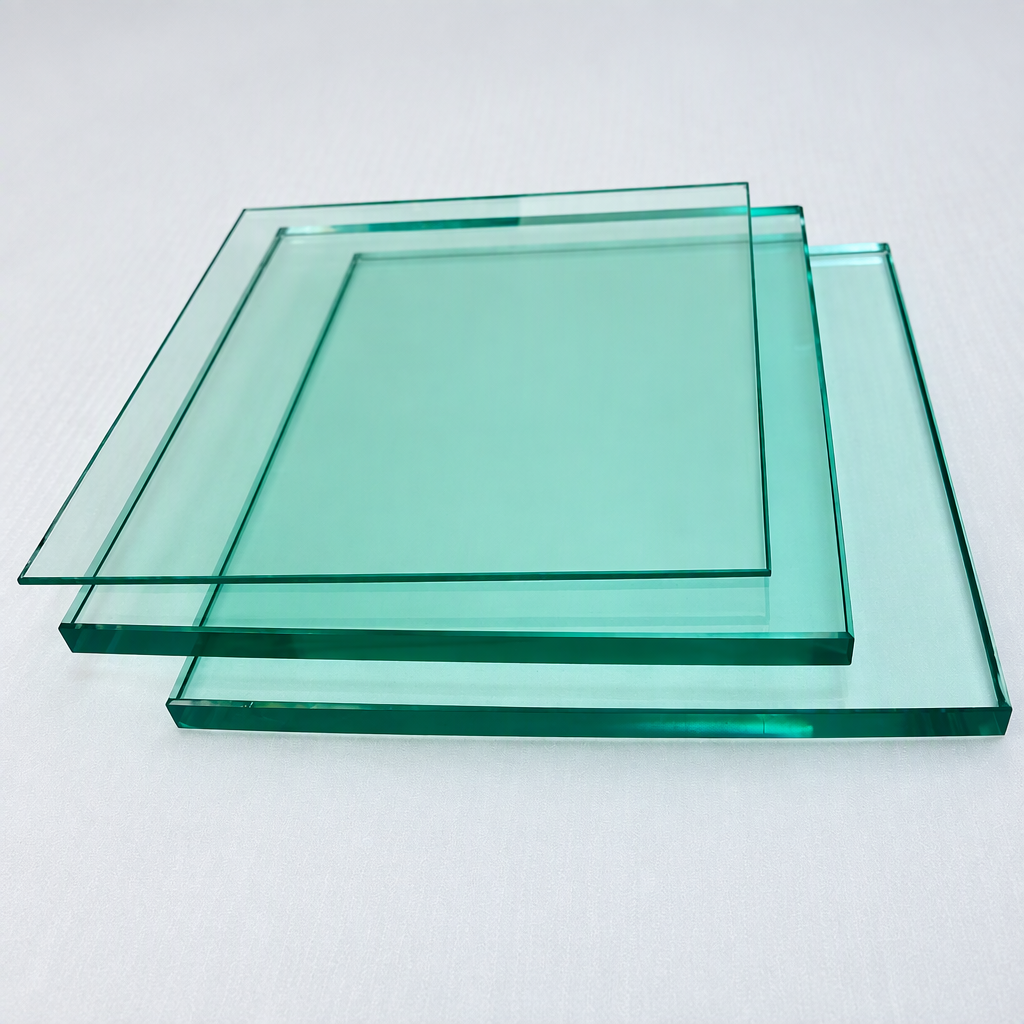
Tempered Glass Panel Safety Glass Flat Structural Tempered Glass
Flat structural safety glass for canopies, guardrails, equipment glazing and solar-adjacent architectural details that require tempered safety glass.
Factory Advantages
Why San Francisco PV glass buyers work with Qingdao Maupe Glass
San Francisco buyers need more than a low unit price. They need repeatable glass quality, clear tolerances, export packing, compliance documents and a supplier who understands how glass performs in coastal fog, salt air, seismic movement and public-review environments.
A manufacturing exporter, not a local installer
Qingdao Maupe Glass Co., Ltd. is a glass deep-processing manufacturer and international supplier operating under an ISO 9001 quality management system. We cut, edge, drill, engrave, coat, silk screen print, physically temper and chemically strengthen glass for OEM buyers. For PV and BIPV projects, our role is to manufacture the glass component to the agreed drawing, provide inspection records and prepare export packing; installation, structural fixing and final code sign-off remain with licensed San Francisco and California professionals.
Our factory was founded in Qingdao in 2012 and sits close to Qingdao seaport and airport, which simplifies export logistics for Bay Area buyers using Oakland or consolidated California delivery. We serve clients in more than 80 countries across North and South America, Europe, Oceania, the Middle East, Africa and Asia. 91–100% of output is exported, so documentation, carton strength and container loading are routine parts of the process, not exceptions.
We hold ISO 9001 certificate No. 24025Q20015R1S, RoHS certificate No. 25TYT12395 and CE certificate No. 23TYT082593S. The company has also been onsite-assessed by SGS Group as a third-party inspection company, and our verified advantage includes Fortune 500 supplier experience and OEM / ODM service. Certificate numbers are listed so your compliance team can check current validity directly with the issuing bodies.
Factory capability signals
Use this as a procurement starting point, then request current certificates, material reports and project-specific inspection documents.
Recommended Configurations
PV glass recommendations by design intent
Do not choose PV glass by thickness alone. The total specification should reflect transmission, color, coating, edge quality, tempering method, fixing method, cleaning access and the permit path for the building.
High-transmission front glass
For solar modules and PV skylights, specify low-iron tempered glass when higher light transmission is required. Verify transmission targets, iron content, thickness tolerance and IEC 61215 / 61730-related reports with your module partner.
Printed BIPV glass
Use silk-screen printed tempered glass for facade spandrels, canopies and shading elements where patterns or branding matter. Keep print registration and color consistency in the same approval loop as the structural drawing.
Coastal salt-air glass
Near the Embarcadero, Marina or Bayfront, edge chips and poor sealing can become starting points for coastal staining and coating degradation. Specify edge inspection, sealed packing and a cleaning plan that avoids abrasive pads.
Safety and equipment glass
For overhead or public-adjacent applications, coordinate with a California structural engineer. Tempered glass should break into blunt fragments, but overhead assemblies often require laminated or other engineered systems beyond single-pane supply.
San Francisco Applications
Where PV glass is being specified in and around San Francisco
San Francisco’s built environment is unusual: compact lots, historic facades, marine moisture, seismic engineering and strong public design review. The right PV glass strategy is therefore site-specific.
Victorian and Edwardian rooftop retrofits
Rooftop PV glass, skylight covers and small BIPV canopies must respect structural loads, fire-access setbacks and visible roof geometry. Provide exact dimensions and consider lighter glass where the engineer permits it.
Downtown commercial and BIPV facades
In SoMa, the Financial District and Mission Bay, facade glazing may need tinted or printed PV glass for glare control, aesthetic rhythm and daylight balance. Mock-ups matter before full production.
Embarcadero and marina canopies
Salt fog and wind-driven rain make edge quality, packing and coating durability important. Specify inspection criteria for chips, scratches and print defects before shipment to the Port of Oakland or local warehouse.
Schools, libraries and community centers
Public projects often require documented submittals and durable surfaces. Anti-glare or printed glass can reduce distraction while supporting solar education displays and resilient energy goals.
Parking canopies and transit shelters
Solar canopies need glass that tolerates wind uplift, vibration and public contact. Coordinate glass tolerances with the mounting supplier and keep spare panels from the same production run.
Hillside homes and wildfire-resilience upgrades
In hillside neighborhoods, tempered safety glass and noncombustible detailing may support resilience goals. Pair PV glass planning with defensible-space review and licensed electrical design.
Local Market Trends
What San Francisco procurement teams should watch
These trends affect specification, budget and schedule. They are not legal advice or a permit guarantee; confirm current requirements with the applicable City and County of San Francisco department and your California design professional.
All-electric buildings and Title 24
As electrification and energy-code requirements continue to shape projects, BIPV and solar-ready design appear earlier in concept design. Glass sourcing should be aligned with the energy model, not left to construction documents.
NEM 3.0 and self-consumption
With greater emphasis on self-consumption and storage, clients scrutinize every percentage of PV yield. Low-iron glass, cleaner optical paths and verified coatings can matter more than a small unit-cost difference.
Historic review and visual fit
San Francisco projects often face design review. Printed, tinted or framed PV glass can help integrate solar elements, but mock-ups and color samples should be approved before tempering and mass production.
Fog, salt and maintenance access
Fog does not mean low maintenance; it can reveal haze, water spotting and print defects. Design safe cleaning access and specify a cleaning method compatible with AR, AG or AF coatings.
Oakland port logistics and DDP planning
For wholesale buyers, the landed cost depends on packing, container fill, customs documents and local delivery. We can quote FOB, CIF, DDP, DDU and express options; coordinate unloading and hoisting locally.
Seismic safety and public scrutiny
Downtown and public-sector work brings structural review and public-safety expectations. Keep glass drawings, tempering records, tolerances and installation details in one submittal package.
Engineering & Procurement Guide
How to specify PV glass for San Francisco conditions
The most useful information gain is not a longer product list; it is a clearer decision path. Use the guide below during design development, then ask your glass supplier and local engineer to align the glass datasheet with the mounting system, wind load, seismic movement, cleaning access and permit documents.
| Design intent | Recommended glass route | San Francisco note | Buyer verification |
|---|---|---|---|
| High module output | Low-iron tempered PV front glass, typically around 2.0–3.2 mm depending on the module design | Fog and marine haze make optical clarity and coating consistency visible; approve samples in project lighting | Transmission target, iron content, thickness tolerance, tempering records and IEC-related reports from the module supplier |
| BIPV facade or canopy | Printed, tinted or clear tempered glass with specified edge finish and coating | Design review may require visual mock-ups; use the same production line for approved samples and mass production | Print artwork, color references, layer order, holes, cutouts and fixing tolerances |
| Glare and daylight control | Tinted, reflective, AG or patterned glass | Avoid solving glare on paper only; check adjacent facades, solar access and street-level views | Reflectance, visible light transmission, color shift and maintenance impact |
| Salt-air exposure | Tempered glass with controlled edge quality and sealed export packing | Embarcadero, Marina and Bayfront projects should define edge-chip acceptance and cleaning chemicals | ASTM B117 testing where relevant, edge inspection criteria, coating warranty and packing method |
| Public safety glazing | Tempered safety glass as part of an engineered system | Overhead glazing may require laminated assemblies; coordinate with the California structural engineer | Breakage pattern, fragmentation, wind uplift, interlayer requirements and installation details |
| Equipment and control windows | Silk-screen printed tempered glass with 3M adhesive or stand-alone mounting | Good for inverter, monitoring and energy-storage enclosures in compact urban sites | Print durability, adhesive grade, cutout accuracy, touch-sensor compatibility and RoHS compliance |
| Large-format architectural glass | Clear or printed tempered flat sheet with structural review | Handle through narrow streets and hoisting restrictions; plan carton size and site access early | Bow, flatness, roller wave, size tolerance, spare-panel quantity and delivery sequence |
Procurement insight: request two separate approvals—one for the drawing and one for the visual sample. A project can pass dimensional inspection yet fail approval because print color, reflectivity or edge appearance does not match the approved mock-up. Keep spare units from the same production run, especially for BIPV facades and replacement-sensitive canopies.
Manufacturing Evidence
Inside the factory, quality system and export process
PV glass buyers need to see process control before they see a sales promise. These factory images are from the original company content and represent the cutting, printing, tempering, inspection and export-packing environment behind our OEM / ODM supply.
Our core work is turning flat glass into finished functional parts: cutting, edge polishing, drilling, engraving, coating, silk screen printing, physical tempering and chemical strengthening. Our silk-screen printed glass uses RoHS-compliant eco-friendly inks with high- and low-temperature processes, producing scratch- and wear-resistant prints for displays, control equipment, instrument covers, household and kitchen appliances, furniture and decorative partitions.
For San Francisco PV and BIPV buyers, the practical advantage is traceability from raw sheet to packed carton. Engineering reviews manufacturability, tolerance and strengthening method; samples verify fit, color and touch; production runs on eight lines; incoming materials and finished products are inspected before packing; then export shipping is arranged close to Qingdao port with FOB, CIF, DDP and related terms.
E-E-A-T note: we publish certificate numbers and factory facts because your compliance team should verify them. We are not the San Francisco permit holder, electrical contractor or structural engineer of record. Our role is to manufacture and wholesale the glass to your approved specification and support your project team with drawings, sample approval, inspection records and export documentation.



San Francisco Buyer FAQ
Common questions before ordering PV glass or custom tempered glass
These answers are written for wholesale buyers, glazing contractors and project teams who need a realistic starting point before a formal quotation.
What is the minimum order quantity for custom PV glass or printed tempered glass?
Most custom silk-screen printed panels start from 10 to 100 pieces depending on size, thickness and number of print colors. Large-format display or architectural cover glass can start from 10 pieces, while small electronic panels typically start at 100 pieces or more. Samples are available for fit and print verification before mass production.
Can you ship to San Francisco and handle delivery terms?
Yes. We routinely export from Qingdao to North America. Accepted delivery terms include FOB, CIF, EXW, FAS, FCA, CPT, DDP, DDU and express delivery. For San Francisco buyers, the Port of Oakland is often the practical gateway; local unloading, hoisting, customs brokerage arrangements and jobsite delivery should be confirmed before shipment.
Which glass is better for Bay Area salt-air exposure?
Start with well-tempered glass, controlled edge quality and a coating system that matches the cleaning method. Salt fog can attack weak edges, chips and incompatible coatings. For coastal projects, define edge-chip acceptance, request ASTM B117 test data where relevant, avoid abrasive cleaning and keep spare panels from the same production batch.
Should I choose physical tempered glass or chemically strengthened glass?
Physical thermal tempering suits glass typically 2 mm and thicker, such as appliance doors, switch panels, display windows and many architectural parts, and breaks into small blunt fragments. Chemical strengthening suits thin glass from 0.5 mm to 2 mm, touch covers and parts needing excellent flatness and optical quality. The final choice depends on thickness, fixing method, safety requirement and coating.
Can you produce printed BIPV glass with custom colors and patterns?
Yes, custom print artwork can be evaluated for silk-screen printing, including logos, icon layouts, borders and decorative patterns. Send AI or PDF artwork with color references and state whether the printed side must be protected by an interlayer, coating or specific layer order. Approve a physical sample before mass production.
What files are needed to start a custom glass project?
Send a 2D drawing in DWG, DXF or PDF with dimensions, thickness, edge finish, hole positions and tolerance. Add print artwork in AI or PDF with color references. State coating requirements such as AR, AG or AF, the intended application, working environment and estimated annual volume. For PV-related projects, identify whether the glass is front cover, back cover, spandrel, canopy or equipment window.
Do you handle San Francisco permits, Title 24 or structural sign-off?
No. We manufacture and wholesale the glass component. Permit applications, Title 24 compliance, structural calculations and installation sign-off must be handled by the licensed San Francisco or California project team. We can support that team with product data, certificate numbers, sample records and inspection documents.
What lead times and payment terms should we expect?
Sampling usually takes roughly 7–15 days depending on tooling and print complexity; mass production commonly takes about 20–35 days after sample approval, subject to glass type, coating, quantity and factory scheduling. Accepted payments include T/T, L/C, PayPal, Western Union and cash, in USD, EUR or CNY. Confirm Incoterms and inspection requirements in the quotation.
Send your drawing and exposure notes for a San Francisco PV glass quotation
Share thickness, size, print artwork, coating, annual volume, delivery term and whether the component is for a PV module, BIPV facade, canopy, equipment enclosure or specialty architectural application. Our engineering team will review manufacturability before pricing.