Eight Precision Glass Products Recommended for Boston Buyers
These eight products match common Boston sourcing requests: lab and medical display windows, smart-office privacy glass, industrial touch covers, appliance panels, architectural decorative glass, solar glazing, and sustainable promotional glassware. Product URLs are preserved from the original catalog; images are shown with full aspect ratio using contain display.
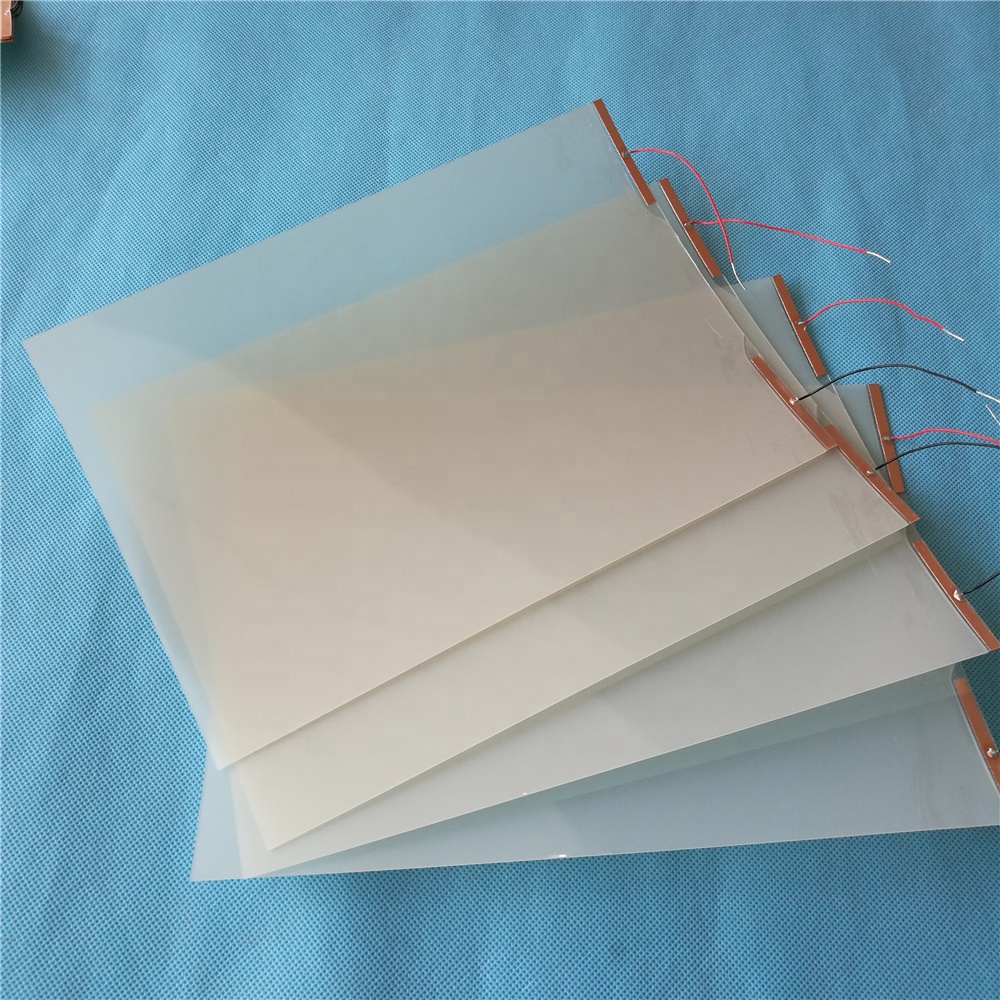
Factory Price Electrochromic Anti-UV PDLC Film Smart Switchable Privacy Glass for Office Partition and Curtain Walls
Recommended for Seaport office fit-outs, Cambridge lab partitions, and Back Bay conference rooms where privacy must switch instantly without blinds. Specify visible transmission, panel size, electrical control, edge finish, and project location before quotation.
View specification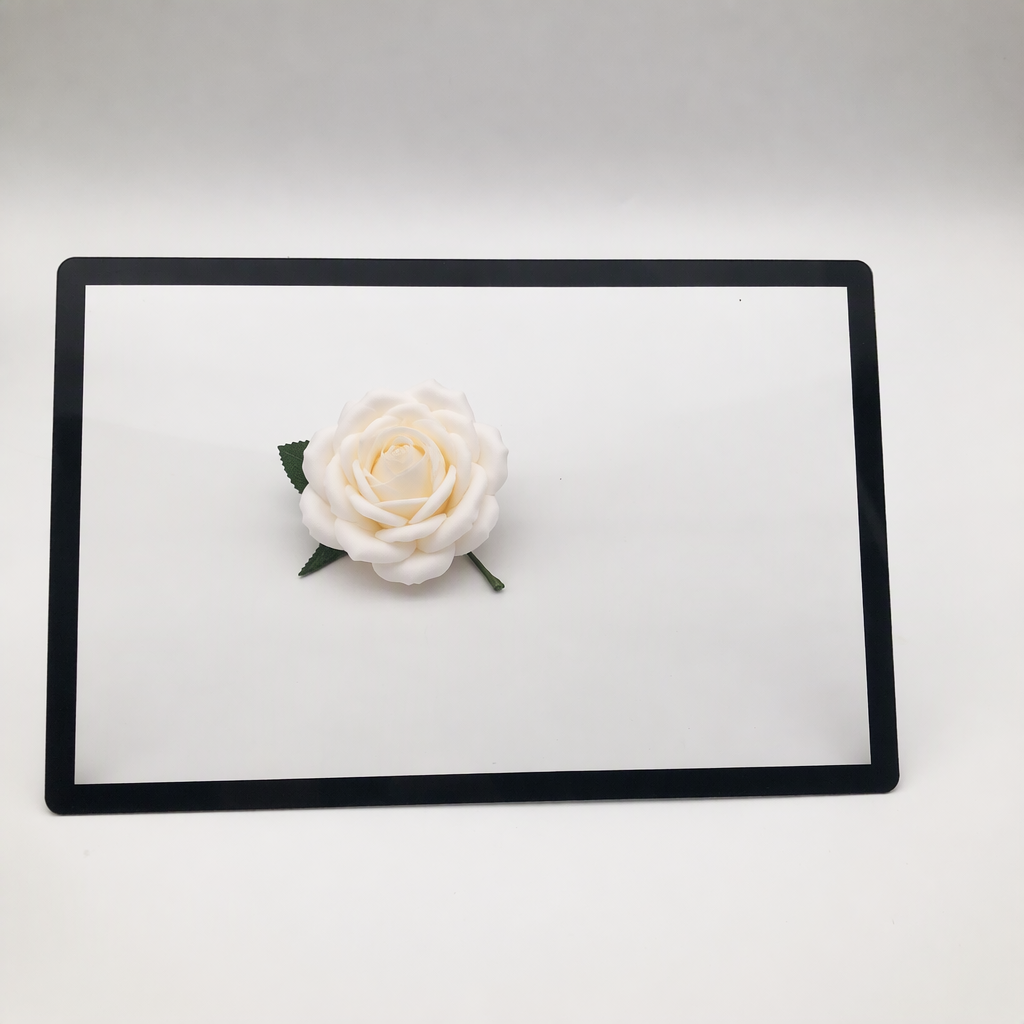
Ultra-Thin Silk Screen Printed Tempered Glass for Display Panels
A strong fit for Kendall Square instrumentation, medical HMIs, and compact control terminals where weight and optical clarity matter. Printed masks, icons, touch zones, and optional AR, AG, or AF coatings can be reviewed against the drawing.
View specification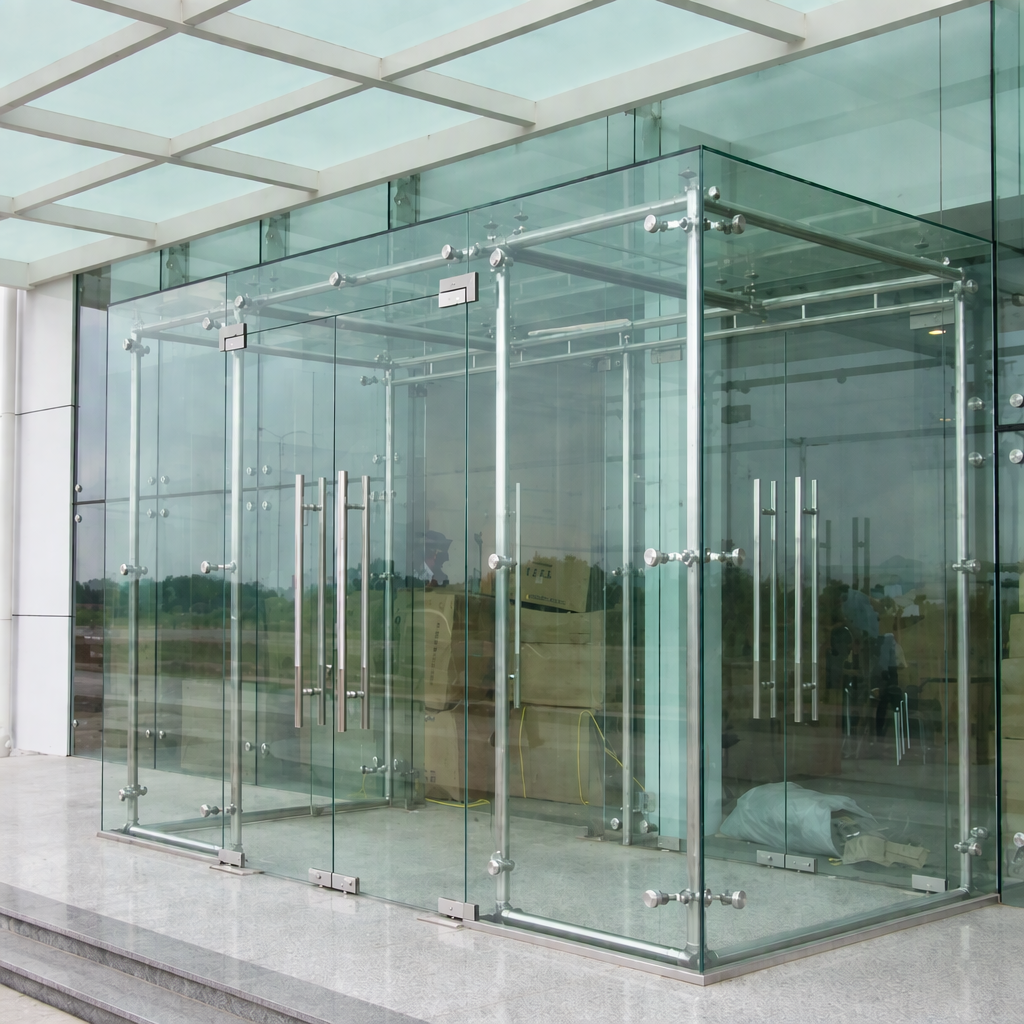
Tempered Glass Solar Window Glass High Transmittance Clear Flat Tempered Glass
Used in daylighting studies, solar shading mock-ups, equipment enclosures, and energy demonstration projects. High clarity and flatness support predictable transmittance; buyers should confirm size, thickness, edge treatment, and performance documentation for each Boston project.
View specification
Glass Factory Customized High Quality Transparent Display Touch Screen Glass Silk Screen 9H Hardness Industrial Screen Protector
Designed for robotics HMIs, automation control panels, point-of-care devices, and kiosk interfaces around Route 128. Chemically strengthened thin glass, silk-screen borders, and hard-coated surfaces help resist repeated touch, cleaning agents, and factory-floor wear.
View specification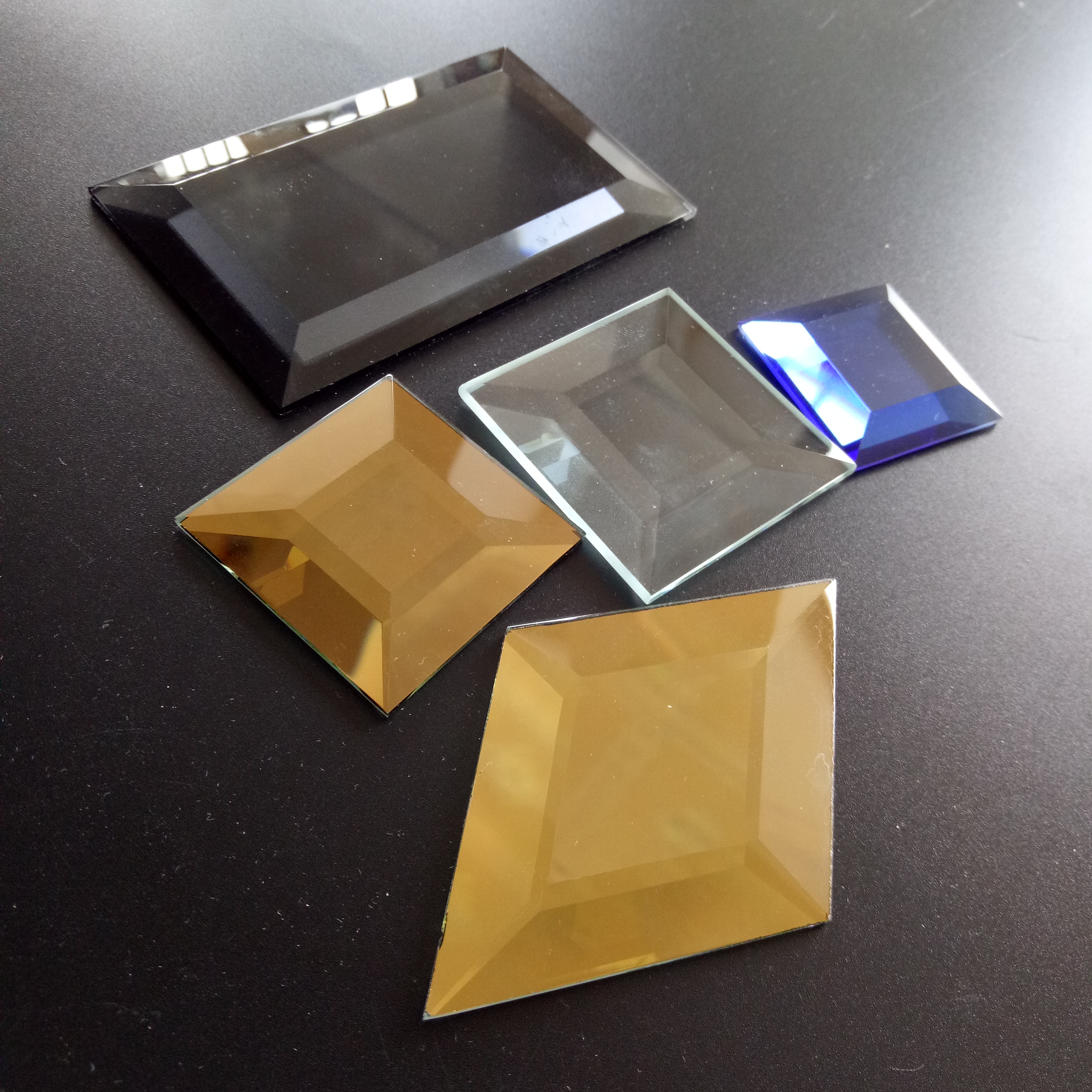
Blue Gold Faceted Beveled Glass for Wall Decoration, Clear Beveled Glass Pieces
Suitable for Boston hotel lobbies, retail displays, restaurant interiors, and high-end residential feature walls. Faceted bevels create controllable light reflection; buyers should confirm pattern layout, piece size, backing system, and safe crating for LTL or parcel delivery.
View specification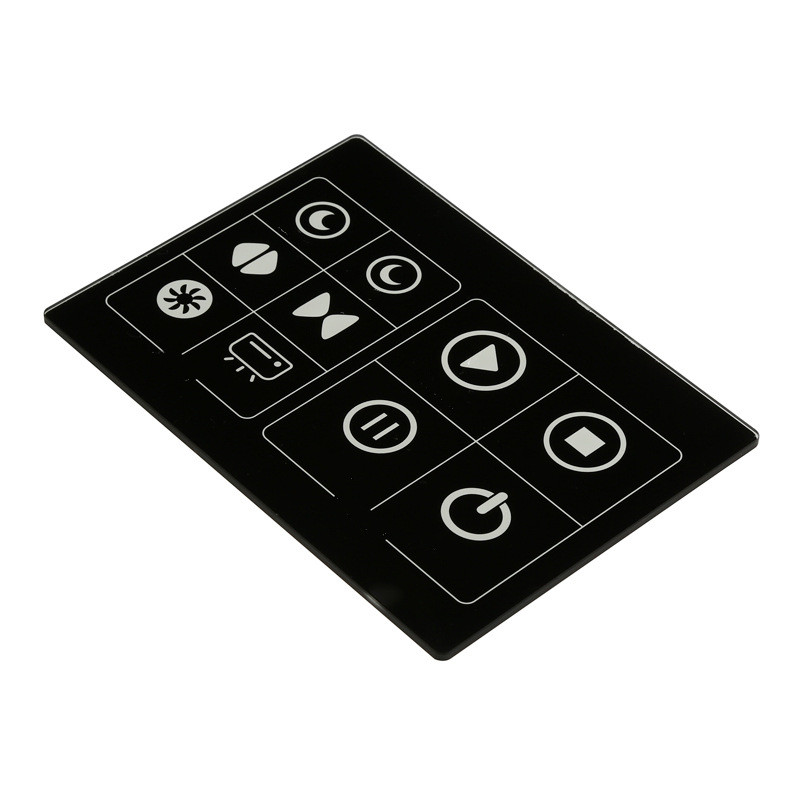
High Temperature Resistant Customized Black Printing Tempered Glass Cooktop Microwave Oven Door Glass for Kitchen
Recommended for appliance OEMs, repair networks, lab ovens, and kitchen equipment projects. High-temperature black ink and thermal tempering support heat exposure; specify viewing-window size, print opacity, thermal cycling, and mounting tolerances before sampling.
View specification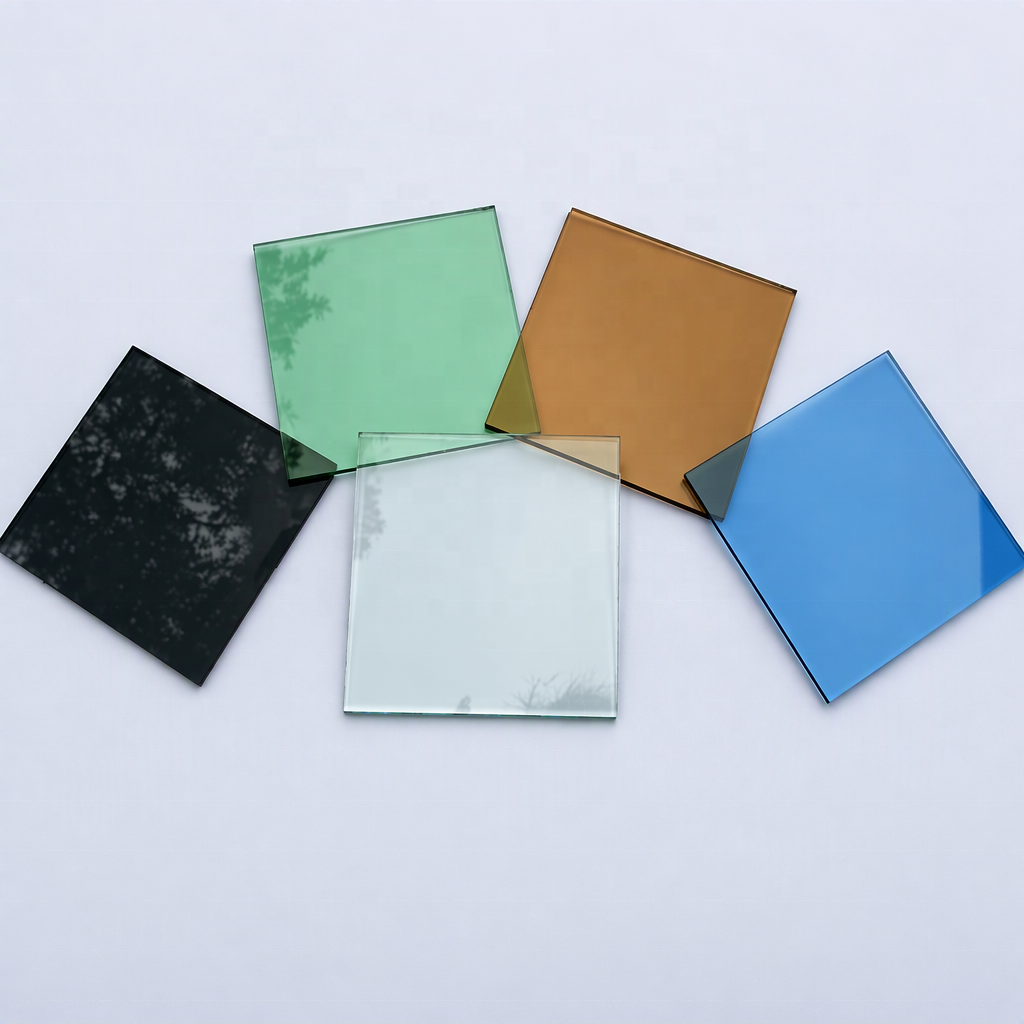
Customized Tinted Tempered Glass Flat Sheet 3mm to 10mm Reflective Colored Glass Toughened Glass
Used for sunrooms, furniture, display cases, architectural mock-ups, and privacy panels where solar heat and glare need attention. Tint color, reflective level, thickness, visible light transmission, and edge quality should be fixed in the specification before production.
View specification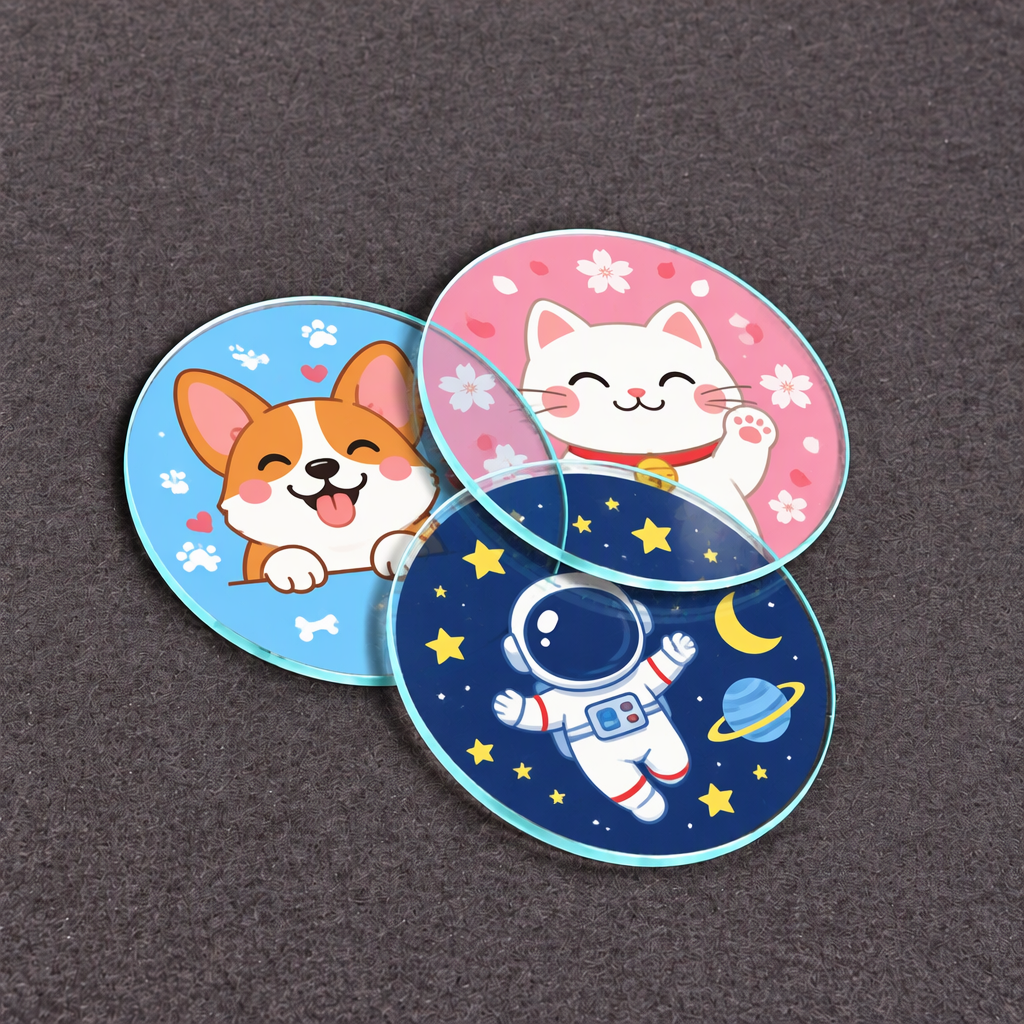
Eco-Friendly Custom Printed Glass Coasters Custom Design Tempered Glass Coaster
A practical promotional and retail item for Boston universities, breweries, museums, and corporate gifting programs. RoHS-compliant inks, durable print, and tempered glass construction allow brand graphics to survive daily use; custom shapes and packaging can be quoted.
View specificationWhat Boston Procurement Teams Can Verify Before Ordering
Search intent for “quartz glass factories” is usually commercial investigation, not casual reading. Boston buyers want an exporter that can prove process control, material compliance, packaging discipline, and delivery experience. The figures below come from the original company profile and certificate records.
Why “Quartz Glass” Needs a Clear Specification
Boston buyers often use “quartz glass” as a broad search phrase for high-purity fused silica windows, quartz plates, lab display glass, and precision technical glass components. For a reliable quotation, separate the material requirement from the application requirement. True fused quartz may be specified for high thermal shock, UV transparency, low thermal expansion, or chemical purity. Many Boston lab, electronics, appliance, display, and architectural projects can also be served by tempered glass, chemically strengthened glass, PDLC smart glass, solar glass, or tinted reflective glass at a lower total cost.
Our engineering review starts with the intended function: optical transmission, touch sensitivity, heat exposure, cleaning chemicals, mounting method, breakage safety, and annual volume. If a project genuinely requires fused quartz or high-purity silica, the team will confirm what must be quoted; if a technical glass alternative is more practical, that recommendation is documented before sampling. This is the information gain that separates a factory-direct exporter from a generic catalog page.
Boston Sourcing Priority Map
Based on typical requests from New England OEMs and project buyers, these are the evaluation factors that most often decide supplier selection.
Where Precision Glass Creates Value in Greater Boston
Boston is not a single market. Kendall Square, the Longwood Medical Area, the Seaport, Route 128, and the region’s universities and design studios each create different demand for glass performance, documentation, and delivery speed.
Life Sciences & Lab Automation
Instrument display windows, touch covers, inspection windows, and protective glass for lab automation in Cambridge and Boston. Buyers often need small lots, clean packaging, flatness records, and material traceability for internal qualification.
Medical Devices & Diagnostics
AR, AG, and AF coated cover glass for readable clinical screens, diagnostic equipment, and point-of-care terminals. Chemical strengthening supports thin, light covers; edge quality and coating durability matter for repeated cleaning.
Robotics & Industrial Automation
HMI covers, 9H touch protectors, switch-panel glass, and high-alumina control windows for robotics and factory automation along Route 128. Silk-screen graphics, countersunk holes, and precise edge finishing reduce assembly friction.
Smart Buildings & Workplace Privacy
PDLC switchable privacy glass and printed partition glass for Seaport offices, Back Bay conference centers, and lab collaboration spaces. Privacy-on-demand supports flexible floor plans while keeping daylight and clean aesthetics.
Higher Education & Research
Display covers, equipment windows, solar glass samples, and custom promotional glass for universities, museums, and research groups. Prototype quantities and clear documentation help grant-funded teams move from design to installation.
Hospitality, Retail & Architecture
Faceted beveled glass, tinted reflective glass, and printed decorative panels for hotels, restaurants, showrooms, and residential interiors. Boston designers benefit from custom shapes, color matching, packing plans, and installation-ready edges.
Boston Market Trends Shaping 2025–2026 Glass Specifications
Procurement decisions in the Boston market are being shaped by lab expansion, energy codes, supply-chain resilience, and sustainability documentation. A factory exporter must answer those requirements with evidence, not slogans.
Lab Automation & Miniaturization
Life-science instruments are becoming smaller, cleaner, and more automated. This drives demand for thinner chemically strengthened cover glass, high-flatness display windows, printed sensor masks, and packaging that protects optical surfaces during inbound handling.
Supply-Chain Resilience
Boston OEMs increasingly ask for dual sourcing, buffer inventory, and DDP delivery options. Exporters that can provide consistent batch records, predictable sampling, and clear inspection reports reduce the risk of line stoppages after a long ocean transit.
Energy Codes & Daylighting
New England energy goals and Massachusetts building codes encourage daylighting, solar control, and efficient enclosure design. High-transmittance solar glass, tinted reflective glass, and PDLC partitions help designers balance light, glare, privacy, and comfort.
Sustainability Documentation
Universities, hospitals, and large employers now ask for RoHS evidence, low-impact inks, recyclable packaging, and third-party factory assessment. ISO 9001, RoHS, CE, and SGS onsite assessment help procurement teams compare suppliers on verifiable criteria.
Matching Quartz and Technical Glass to Boston Conditions
Boston’s cold winters, coastal humidity, and demanding institutional buyers make material selection more important than a simple thickness choice. Use the comparison below as a starting point, then confirm against the drawing and application environment.
What Designers Should Clarify Early
Physical tempering is generally used for glass around 2 mm and thicker, such as appliance doors, switch panels, display windows, and industrial covers. It breaks into small blunt fragments, which supports safety expectations. Chemical strengthening is often selected for thin glass from 0.5 mm to 2 mm, including touch covers and optical windows that need excellent flatness.
For Boston projects exposed to salt air, condensation, or frequent cleaning, edge quality and coating durability should be discussed before price. AR coating improves transmission, AG coating scatters reflections for matte readability, and AF coating resists fingerprints and smudges. Printed glass needs high-temperature or low-temperature ink selected according to the downstream process and cleaning regime.
Typical Project Window
Lead times vary by size, thickness, print colors, coating, and inspection level. The bars below are planning ranges, not guarantees; confirm them with the engineering team for your Boston delivery ZIP code and required documentation.
| Requirement | Possible glass route | Boston application note |
|---|---|---|
| High thermal shock or UV transparency | Fused quartz / high-purity silica — subject to project review | Clarify optical grade, purity, dimensions, and whether the requirement is true quartz or a technical glass alternative. |
| Safety breakage for appliance or architectural panels | Physical tempered glass, usually 2 mm and thicker | Cut, drill, and edge before tempering; plan for roller-wave tolerance and blunt-fragment breakage behavior. |
| Thin touch cover with high flatness | Chemically strengthened glass, 0.5–2 mm | Common for medical HMIs, lab instruments, and industrial touch terminals; specify surface hardness and coating. |
| Privacy-on-demand office partitions | PDLC smart switchable glass | Define power supply, visible transmission, panel layout, and control method for Seaport or Cambridge fit-outs. |
| Solar control and glare reduction | Tinted or reflective tempered flat glass | Confirm visible light transmission, tint shade, thickness, and compatibility with frames or mounting hardware. |
| Brand graphics, icons, or hidden sensors | Silk-screen printed tempered or chemically strengthened glass | Use RoHS-compliant inks; verify print opacity, color reference, touch-zone alignment, and cleaning resistance. |
Why Qingdao Maupe Glass Is a Credible Export Partner for Boston
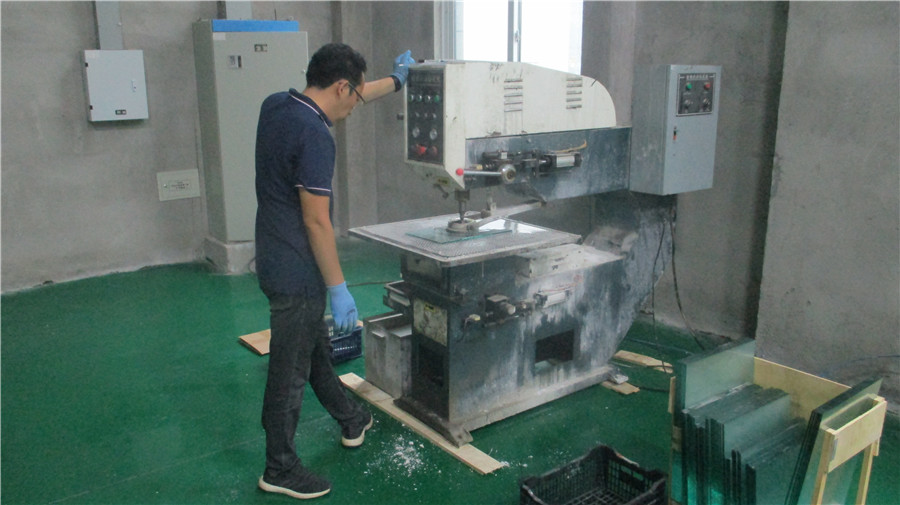
Qingdao Maupe Glass Co., Ltd. has operated since 2012 as a glass deep-processing manufacturer and international supplier under an ISO 9001 quality management system. The factory turns flat glass into finished functional parts: cutting, CNC shaping, edge polishing, drilling, engraving, coating, silk-screen printing, physical tempering, and chemical strengthening.
ISO 9001 Quality System
Certificate No. 24025Q20015R1S covers float glass and technical glass products. A documented QMS helps Boston buyers compare inspection discipline, traceability, and corrective-action procedures.
One Factory, Complete Process Chain
Cutting, CNC, edging, drilling, engraving, printing, tempering, chemical strengthening, and AR/AG/AF coating are kept close together, shortening lead times and making color and tolerance consistency easier to control.
Export Experience in 80+ Countries
Export represents 91–100% of output. The company is SGS onsite assessed, has served Fortune 500 procurement contracts, and understands documentation, packing, and delivery expectations for North American buyers.
Drawing Review Before Quotation
Engineers check manufacturability, tolerance, strengthening method, print layout, and coating compatibility. This DFM feedback reduces rework risk before a Boston team commits to tooling or a production batch.
Incoming and Finished Inspection
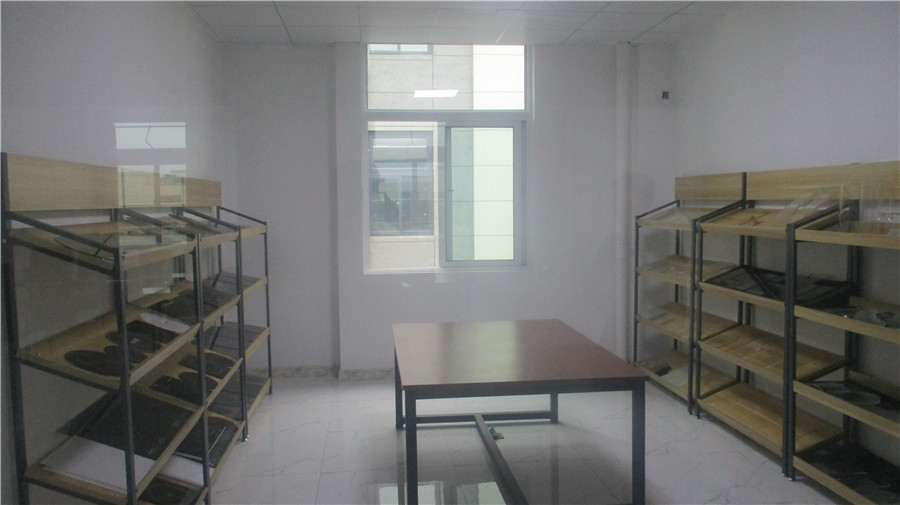
Raw material checks and finished-product inspection are performed before packing. Buyers can request inspection reports, certificate references, and packaging photos for internal supplier qualification.
Export Packing and Boston Logistics
The factory is close to Qingdao seaport and airport. Accepted terms include FOB, CIF, EXW, FAS, FCA, CPT, DDP, DDU, and express delivery, with payment options such as T/T, L/C, PayPal, and Western Union.




From Drawing to Boston Delivery in Six Controlled Steps
A transparent workflow helps purchasing, engineering, and quality teams know what happens at every stage, especially when a project mixes quartz review, printed glass, coated glass, and custom packing.
Drawing Review
Engineers check outline, holes, tolerance, edge finish, thickness, strengthening method, and whether the requirement is true quartz or a technical glass alternative.
Material & DFM Feedback
The team recommends glass type, ink system, coating route, and packaging plan, then flags risks that could increase cost or delay a Boston installation.
Sampling
Screens and samples are produced for fit, color, touch-zone alignment, and coating verification. Buyers approve the sample before mass production.
Mass Production
Cutting, edging, printing, coating, tempering, and strengthening are scheduled across 8 production lines with batch control.
Inspection & Documentation
Incoming material checks and finished-product inspection are completed before packing. Certificates and inspection records can be prepared for supplier qualification.
Export Packing & Delivery
Protective export packing is arranged for sea or air freight to Boston, with FOB, CIF, DDP, DDU, and express options quoted as needed.
Quartz Glass Factories & Exporter Questions from Boston Buyers
These are the questions most frequently raised during Boston-area sourcing discussions. For a project-specific answer, send the drawing, artwork, target quantity, and delivery location through the inquiry button.
What does “quartz glass” mean in a Boston sourcing project?
Can you ship samples to Boston before full production?
What is the minimum order quantity for custom glass panels?
How do you support Massachusetts and New England compliance reviews?
Which shipping terms and routes are used for Boston?
Can you produce low-volume or prototype orders for Boston startups?
How do you reduce breakage risk during winter shipping to New England?
What should I send to get a fast quote?
Request a Boston-Specific Quote or DFM Review
Share your drawing, print artwork, target quantity, coating requirement, and Boston delivery location. Our export engineering team will review the specification, identify the right glass route, and reply with sampling, lead time, and shipping options for the Boston market.
Inquire NowFactory-direct quartz and technical glass review · ISO 9001 · RoHS · CE · SGS onsite assessed · Export experience across 80+ countries