Eight Glass Panels for Stove, Oven and Appliance Projects
These product routes cover the glass formats German buyers most often request: printed display covers, heat-resistant appliance panels, anti-glare windows, tinted glass, instrument glass and switchable privacy glass. Each specification must still be confirmed against the final appliance standard and the direct-flame or non-flame position in the assembly.
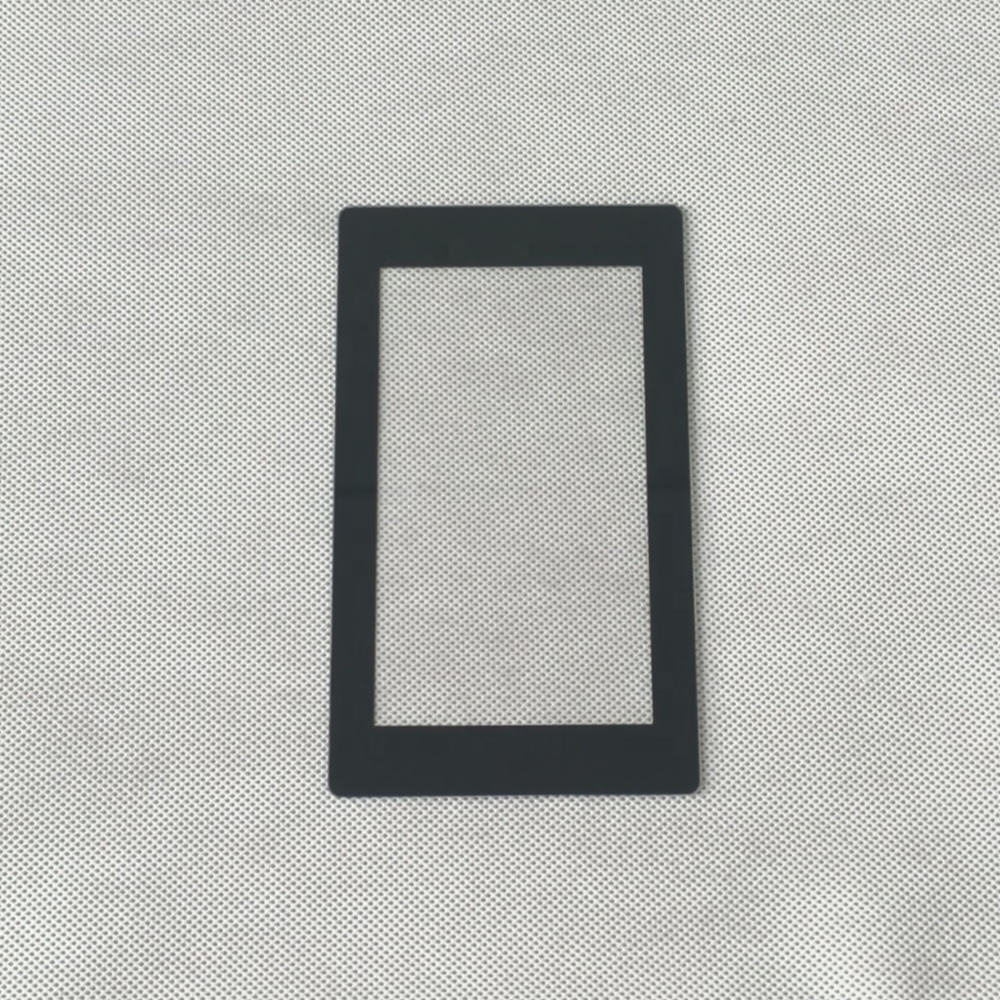
Silk Screen Printed Tempered Glass Panel
Self-adhesive printed cover glass for display fronts, HMI windows and electronic control surfaces. Specify ink opacity, clear touch zones and adhesive performance for German assembly lines.
View product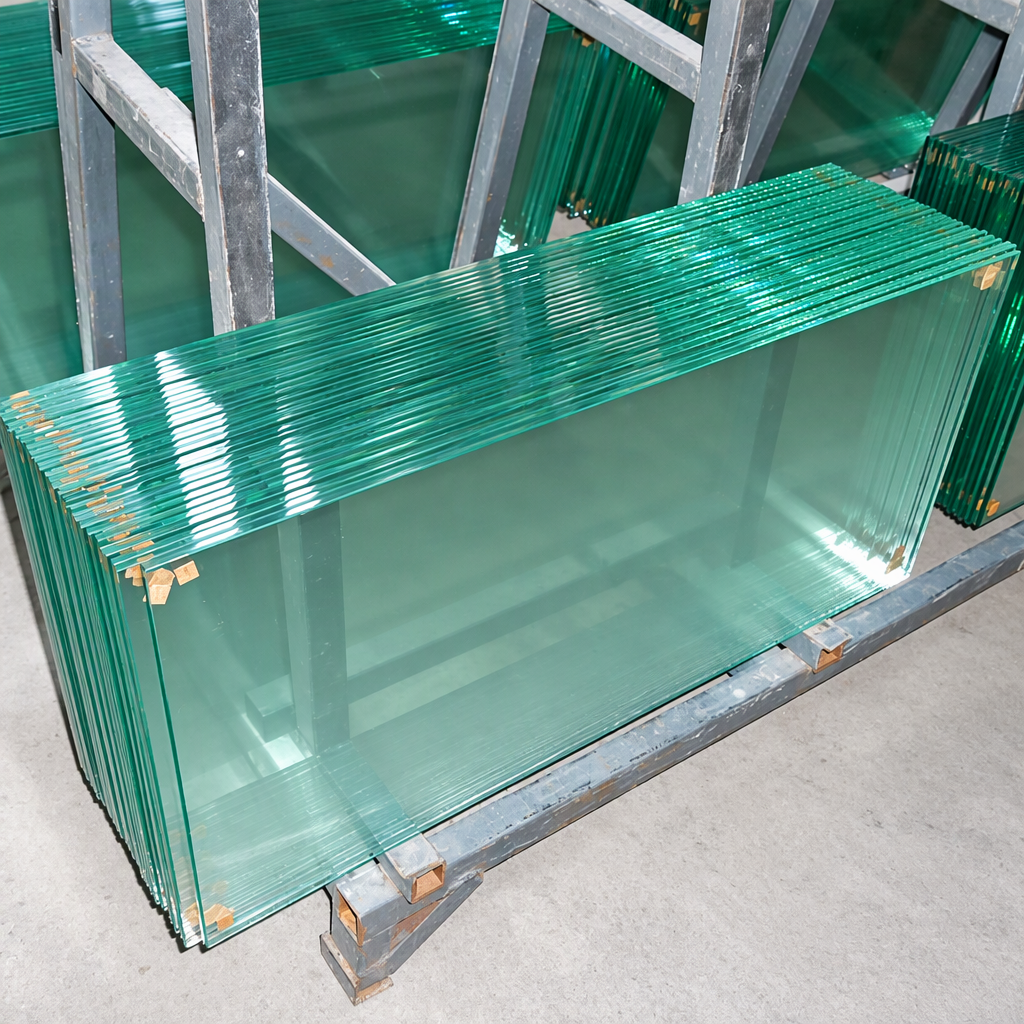
Custom Clear Tempered Float Glass Panels
Clear float glass cut, edge-polished and thermally tempered to drawing. Suitable for protective panels and appliance glazing where ordinary tempered soda-lime glass is technically appropriate.
View product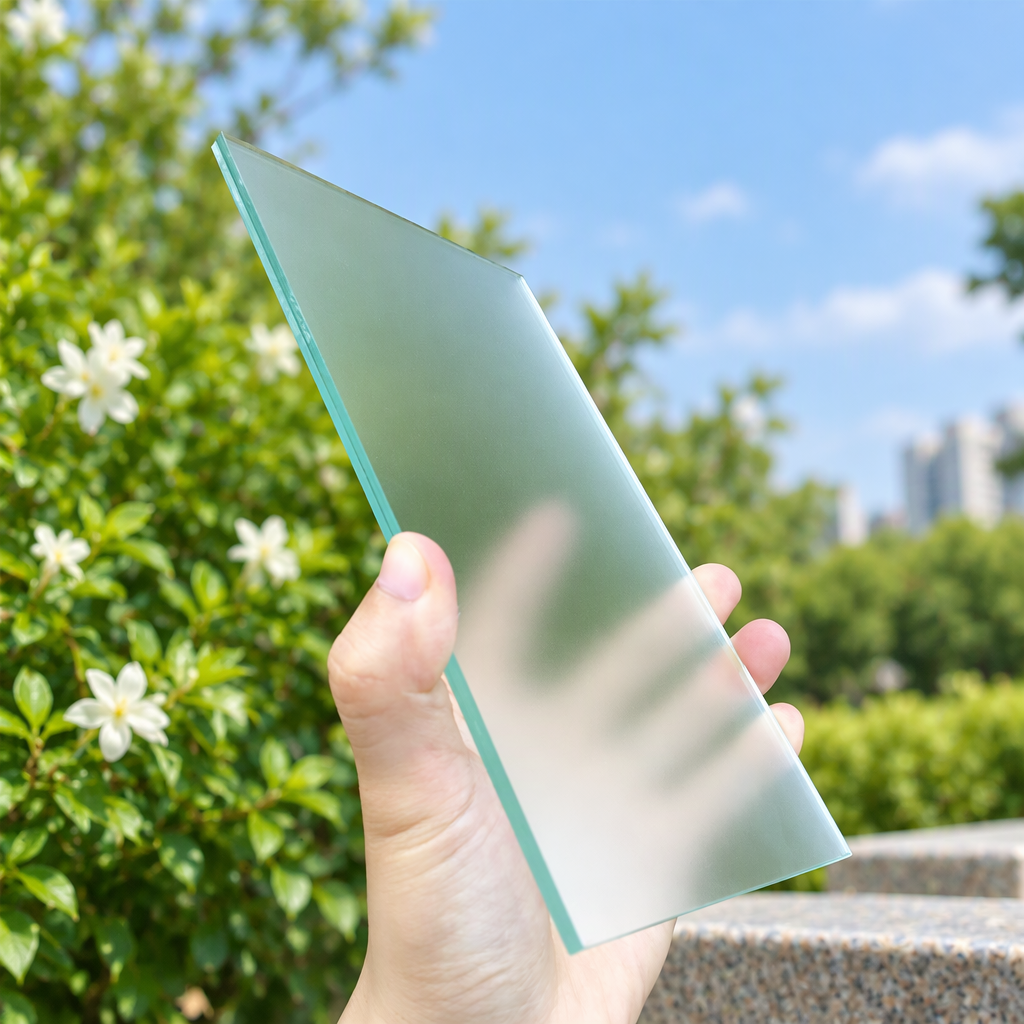
Industrial Anti-Glare Glass Screen Protector
Matte AG surface treatment reduces reflection on workshop HMIs, boiler controls and appliance displays. Combine with AR or AF treatment when optical clarity is critical.
View product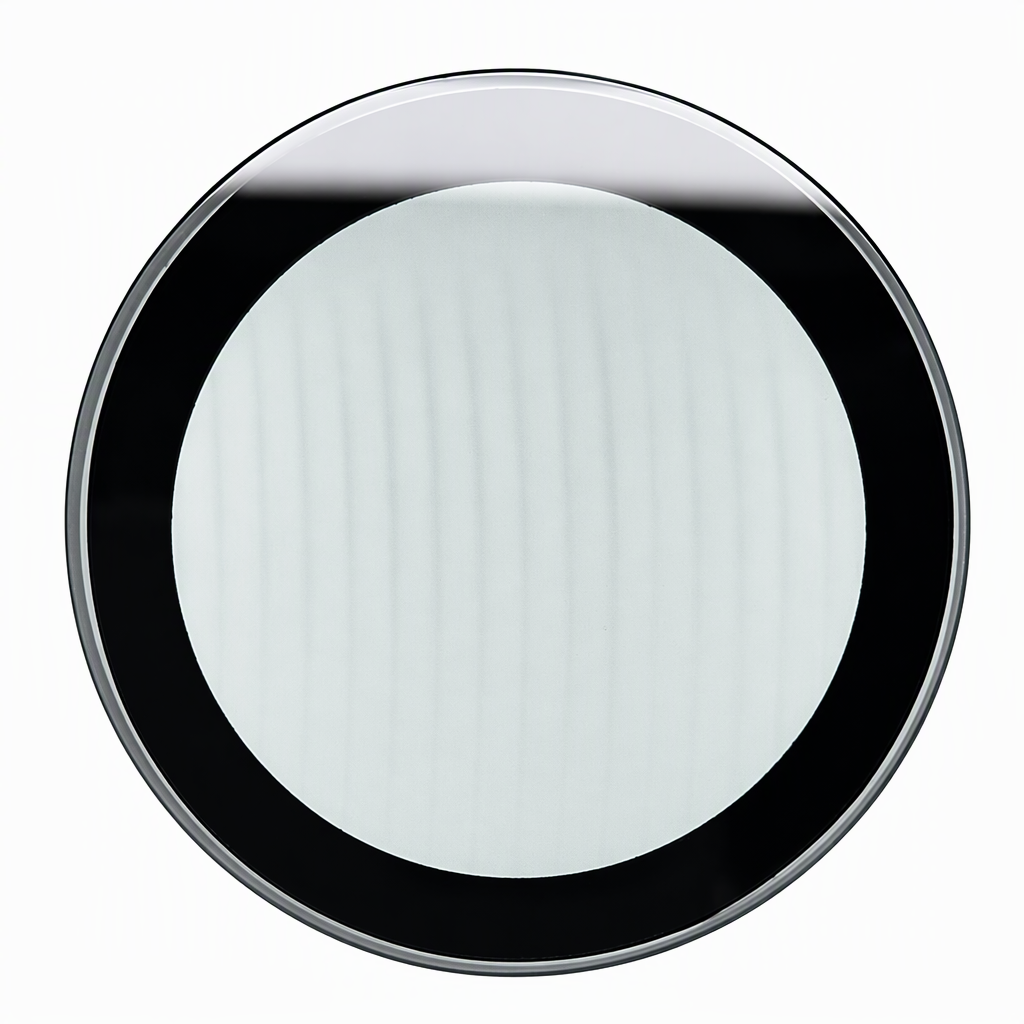
Custom Round Printed Tempered Glass
Round instrument glass with printed graphics and 3–19 mm thickness options. A practical route for gauges, heating controls and non-direct-flame viewing windows.
View product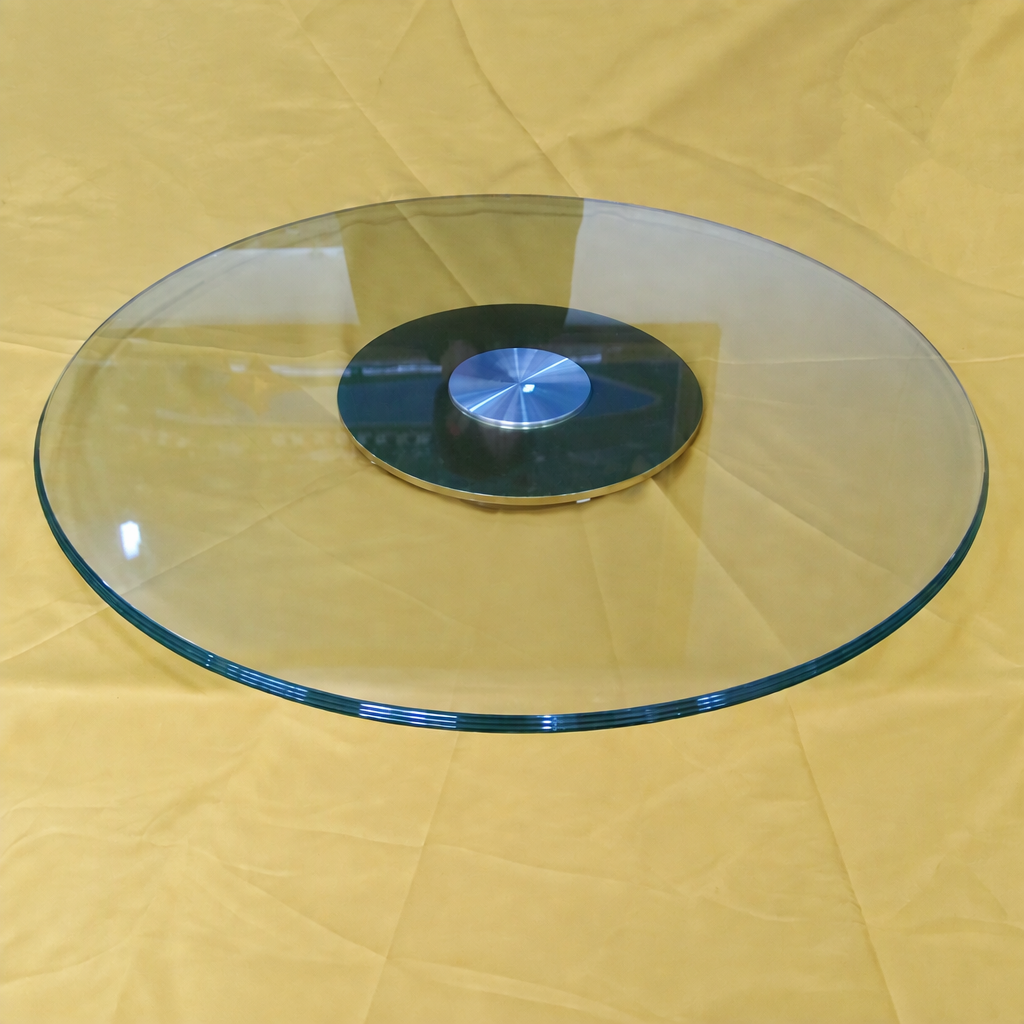
Tempered Glass Lazy Susan Turntable
Strengthened glass turntables for furniture, hospitality and retail display. Edge quality, diameter consistency and packaging protection are key for German distribution.
View product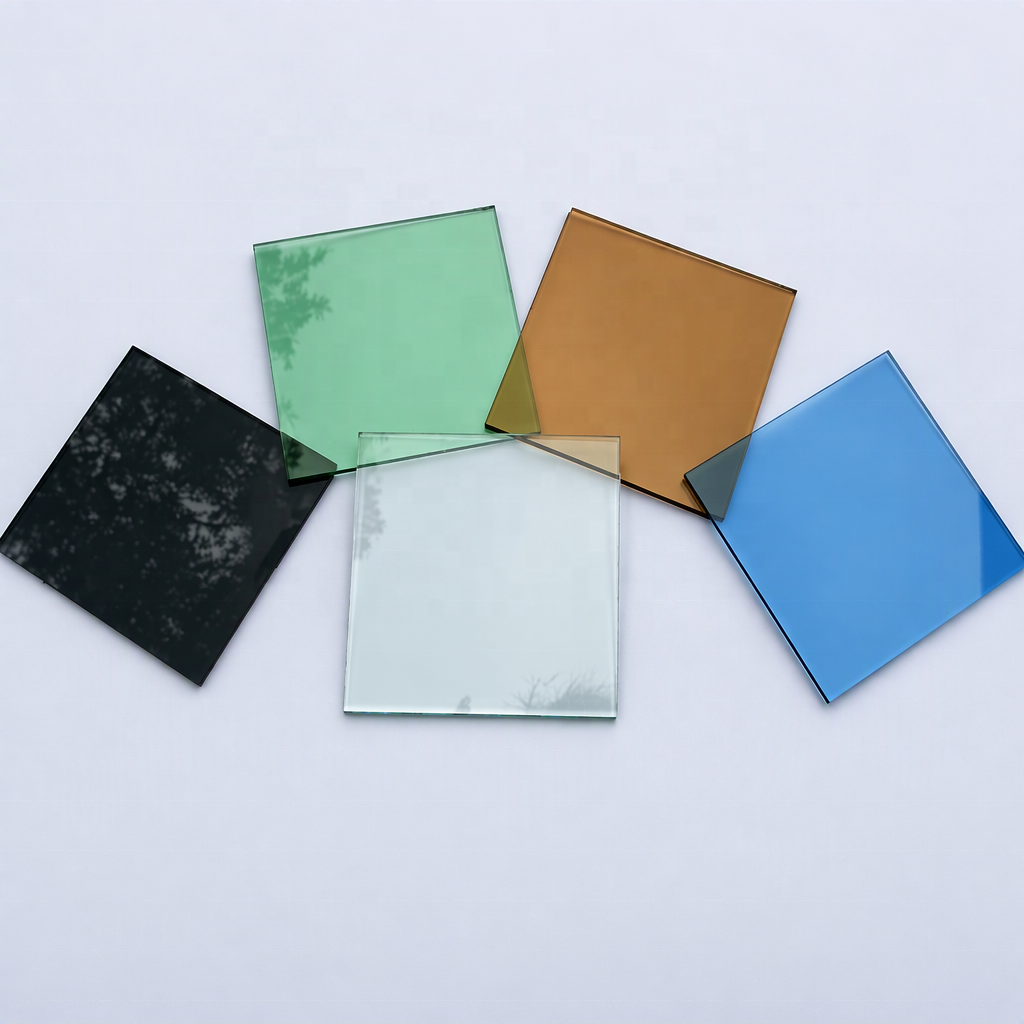
Customized Tinted Reflective Tempered Glass
Tinted or reflective flat glass for appliance fascia, decorative surrounds and control windows. Confirm cleaning-agent resistance and print compatibility before mass production.
View product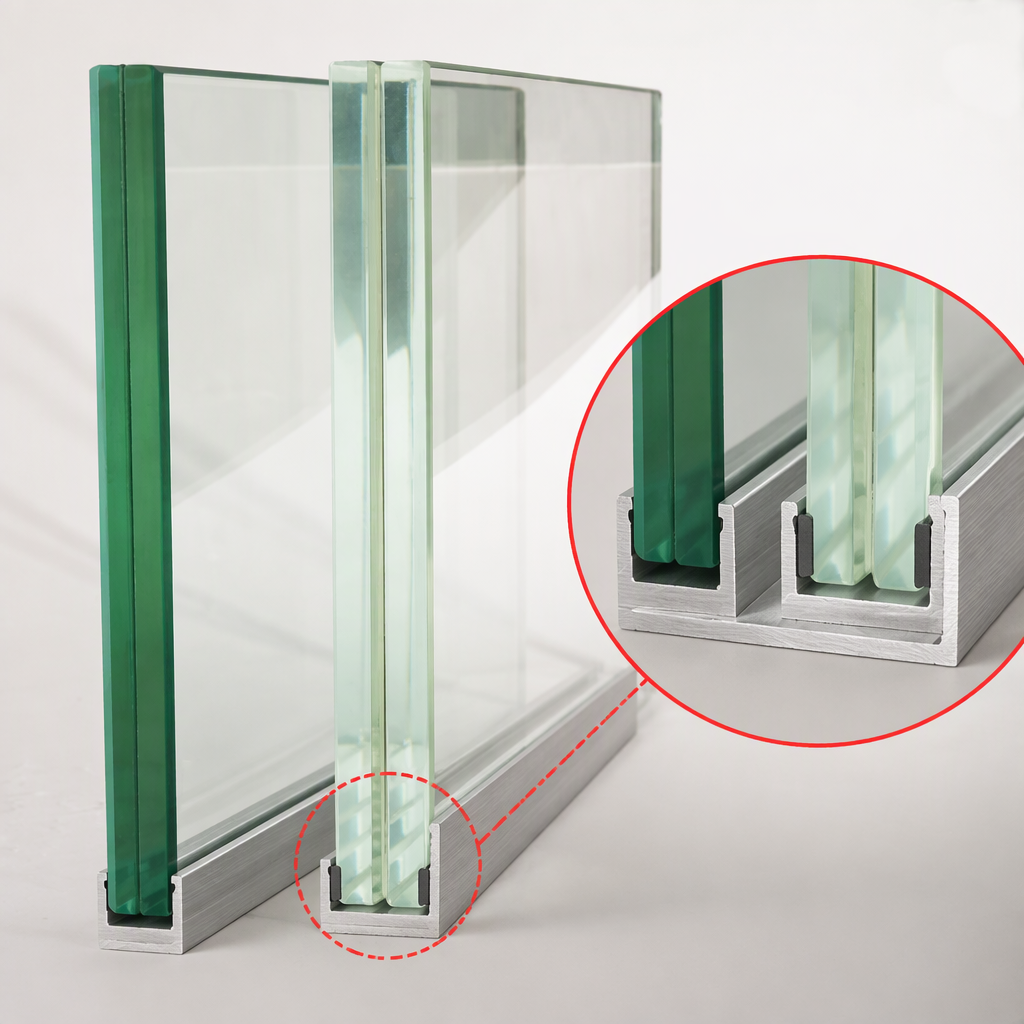
Custom Flat Solid Tempered Glass Panel
General custom panel for oven-door vision areas and appliance covers only after engineering validation. It is not a substitute for high-temperature ceramic glass in direct flame contact.
View product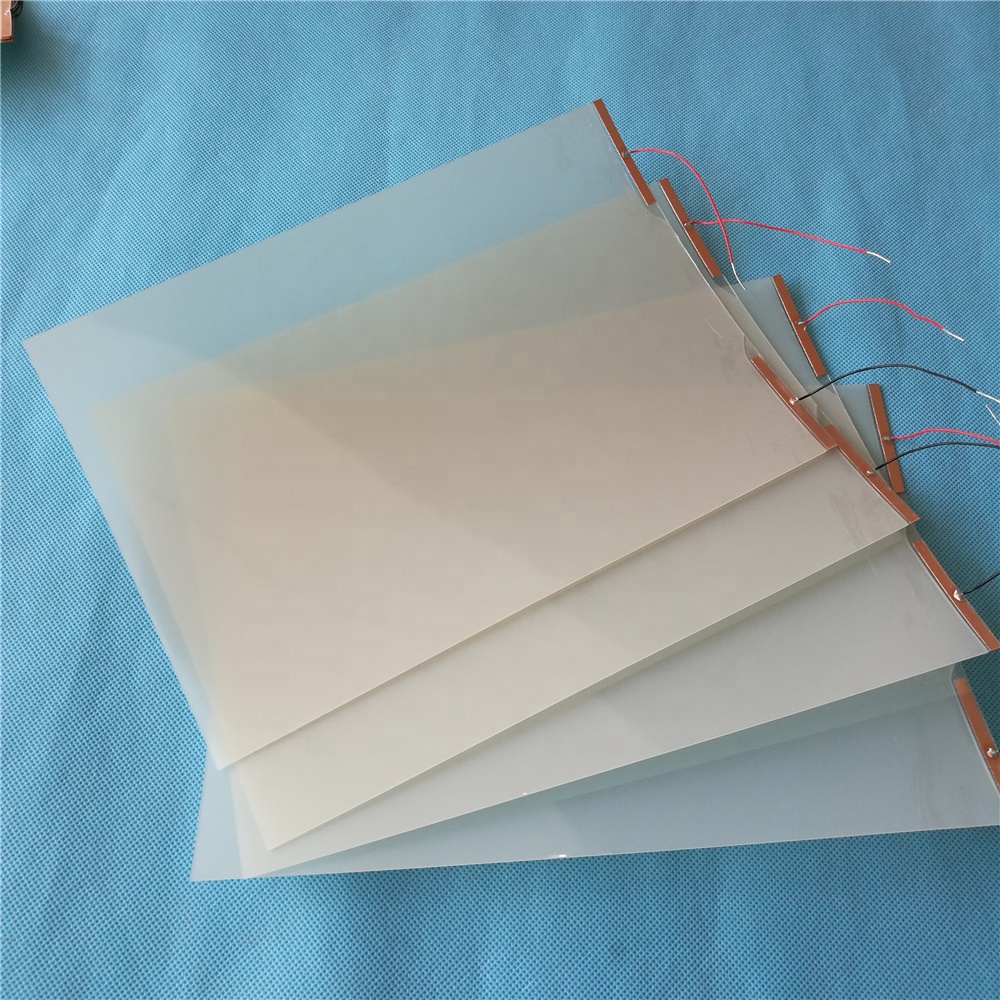
Electrochromic PDLC Smart Privacy Glass
Switchable privacy glass for office partitions, showrooms and modern heating-control spaces. Pair with laminated safety glass where required by the project.
View productNeed thickness, print, coating and edge options in one PDF for your German project?
Get CatalogWhy Germany Rewards Evidence, Not Just a Low Glass Price
Germany is one of Europe’s most exacting markets for stove glass, oven door glass and printed appliance panels. The buyer is rarely purchasing a simple sheet of glass. They are buying a component that must fit a German appliance frame, survive thermal cycling, meet documentation expectations, match a brand’s visual language and arrive without damage after a long logistics chain. That is why serious stove glass factories are evaluated on process control, not only on unit price.
For German stove brands, heating OEMs and appliance importers, the sourcing decision usually starts with a technical question: is the glass exposed to direct flame, radiant heat, steam, cleaning chemicals or touch pressure? A direct-fire stove window normally requires a validated high-temperature ceramic glass grade. Ordinary tempered soda-lime glass is not an interchangeable substitute. For control panels, printed display covers, oven-door vision zones and non-direct-flame decorative parts, tempered or chemically strengthened glass may be appropriate when the drawing and appliance standard support it.
The most useful supplier is therefore one that can separate those cases clearly, document the material route and keep cutting, printing, strengthening, coating and inspection traceable. Qingdao Maupe Glass Co., Ltd. works in this evidence-led way: the company operates an ISO 9001 quality management system, holds RoHS and CE certificates, has been onsite-assessed by SGS and exports to more than 80 countries. For German buyers, that gives a practical starting point for technical review, sample approval and repeat production.
Stove Glass and Appliance Glass Scenarios in Germany
Germany’s heating, kitchen and smart-home channels use glass in very different ways. Matching the material to the exact application is the first step in avoiding field failures and unnecessary re-engineering.
Wood-Burning Stoves & Fireplace Inserts
Viewing windows in direct flame contact should use a validated high-temperature glass grade and align with the appliance maker’s EN 13240 technical file. Tempered printed glass is better reserved for non-flame surrounds, control covers and branding elements.
Pellet Stoves & Tiled Stoves
Pellet heating appliances experience repeated thermal cycles and demand stable viewing clarity. German buyers should confirm the glass grade against EN 14785 appliance requirements and request batch traceability for replacement parts.
Oven Doors & Cooker Hobs
Oven doors, cooker hobs and control fascias are governed by the appliance’s safety file and DIN EN 60335-2-6 context. Printed tempered glass can serve selected non-flame zones, while high-temperature inks and edge quality must be validated.
Commercial Kitchen & Food Service
German commercial kitchens require glass that tolerates grease, frequent cleaning and thermal shock within the appliance design. Specify cleaning-agent resistance, edge polish and tolerance stack-up before tooling.
Smart Heating Controls & Wall Switches
German smart-home channels favor clean printed icons, backlight windows, anti-fingerprint surfaces and consistent color. Tempered switch-panel glass can be produced with custom touch zones and private-label graphics.
Stove Replacement Glass & Dealer Programs
German stove dealers and service partners need repeatable shapes, clear model mapping and protective packaging. A factory that keeps drawings, print screens and inspection records can support replacement programs without re-learning each part.
Four Developments Reshaping Stove Glass Procurement
German buyers are balancing energy performance, design quality, compliance evidence and supply resilience. These trends affect how glass factories quote, sample and document each project.
Efficiency & Thermal Reliability
Modern stoves and ovens run tighter combustion and thermal profiles. Buyers ask for material validation, thermal-cycle confidence and consistent flatness, not merely a thickness figure on a quotation.
Low-Reflection & Matte Design
Matte black fascia, anti-glare HMI windows and low-reflection display glass are increasingly common in premium German appliance design. AR, AG and AF coatings must be matched to the cleaning and touch environment.
Documentation as a Buying Criterion
CE declarations, RoHS and REACH information, batch records and packaging compliance are now part of sourcing review. A supplier that can organize these records reduces friction for German importers and OEM quality teams.
Smaller Batches, Faster Iteration
German brands increasingly test new stove lines and smart-control panels in focused batches. Flexible sampling, print-screen control and MOQ from 10–100 pieces help buyers validate fit and branding before scaling.
German Market Verification Matrix for Stove Glass Buyers
Use this matrix during supplier qualification. It separates product claims from verifiable evidence and helps engineering, purchasing and compliance teams ask the same questions.
What to verify before approving a stove glass factory
The most common mistake is to treat “tempered glass” as a universal answer. In Germany, the correct glass specification depends on the appliance type, the position of the glass, the expected thermal load and the OEM technical file. A printed control panel and a direct-fire stove window are not the same risk category.
Ask for a drawing review note that states the proposed material, strengthening route, edge finish, print ink system, coating, tolerance and inspection method. Then compare that note with the appliance standard and the final assembly test plan. This is the kind of information gain that prevents a low-price sample from becoming an expensive field issue.
- Confirm whether the glass is in direct flame, radiant heat or non-flame contact.
- Request EN 12150 or EN 14179 evidence where thermally toughened soda-lime glass is used.
- Check RoHS and REACH declarations for inks, adhesives and coatings.
- Review packaging EPR and German LUCID registration expectations before shipment.
Useful document pack
A German-ready RFQ is easier to quote when it includes the 2D drawing, print artwork, thickness, tolerance, edge finish, coating requirement, annual volume and target certification route.
Review company profile| Checkpoint | Why it matters in Germany | Evidence to request |
|---|---|---|
| Direct-flame suitability | A wood-burning stove window is not automatically a tempered soda-lime application. The appliance maker and high-temperature glass supplier must validate the material. | Material grade statement, appliance context, maximum temperature and OEM approval. |
| EN 12150 / EN 14179 | Thermally toughened soda-lime safety glass and heat-soaked variants are commonly specified where fragmentation and risk reduction matter. | Test report, batch traceability and heat-soak records when applicable. |
| EN 13240 / EN 14785 context | Solid-fuel roomheaters and pellet appliances require the glass component to be considered inside the appliance’s technical file. | Compatibility note aligned with the OEM’s declaration and installation manual. |
| DIN EN 60335-2-6 context | Household cooking appliances require safety evaluation at appliance level; the glass drawing must support that evaluation, not replace it. | Inspection plan, edge quality criteria and thermal test reference. |
| RoHS & REACH | Printed inks, adhesives and coatings must not introduce restricted substances into the German/EU supply chain. | RoHS certificate, REACH declaration and material safety information. |
| Packaging & EPR | German packaging responsibility and LUCID registration can affect shipment readiness and importer compliance. | Packaging material data, pallet protection plan and EPR responsibility note. |
| Traceability | German quality teams expect repeatable production, especially for replacement glass and multi-year appliance programs. | Batch code, incoming material inspection, finished-product inspection and retained samples. |
Why Qingdao Maupe Glass Co., Ltd. Fits German OEM Programs
The company is a glass deep-processing manufacturer with one factory covering cutting, CNC shaping, edge polishing, drilling, engraving, silk screen printing, physical tempering, chemical strengthening and AR/AG/AF coating. That process chain is useful for German buyers who need a single accountable partner from drawing to packed carton.
One-Stop Deep Processing
Cutting, CNC, edging, drilling, printing, tempering, chemical strengthening and coating stay under one roof. This shortens iteration and makes quality responsibility clearer.
ISO 9001, RoHS & CE
The factory operates an ISO 9001 quality management system and holds RoHS and CE certificates. Certificate numbers can be checked by German compliance teams.
SGS Onsite Assessed
Third-party onsite assessment and inspection records support supplier qualification. Incoming material inspection and finished-product inspection are part of the working routine.
Print & Coating Capability
Eco-friendly high- and low-temperature inks, multi-color print layouts, touch zones and scratch-resistant finishes are available for appliance and stove control panels.
OEM / ODM Experience
Founded in 2012, the company has more than ten years of OEM experience and supports sample, design and full customization for buyers in 80+ countries.
Qingdao Export Logistics
The factory is close to Qingdao seaport and airport. FOB, CIF, EXW, FCA, CPT, DDP, DDU and express options can be discussed for German destinations.
Send your drawing and target standard for a manufacturability review.
Get CatalogA Controlled Four-Step Process for German Projects
Clear stage gates help German purchasing and engineering teams compare quotations on the same technical basis.
Drawing Review
Engineers check outline, holes, tolerance, edge finish, print artwork, coating and the proposed strengthening route.
Sampling
Samples are produced for fit, color, touch-zone clarity and surface appearance before mass production.
Production & Inspection
Cutting, printing, tempering, coating and final inspection follow the approved drawing and inspection plan.
Packaging & Export
Protective export packing, carton marking and shipping documents are prepared for the agreed Incoterm.
Certificates German Buyers Can Verify
The factory’s quality credentials include an ISO 9001 management system, RoHS and CE certificates, plus SGS onsite assessment. Always verify the certificate scope against the exact product and process you are buying.

ISO 9001 Quality Management
Certificate No. 24025Q20015R1S. Scope covers float glass and technical glass products; validity to 02/2028.

RoHS Compliance
Certificate No. 25TYT12395. Supports restricted-substance control for EU electrical and electronic equipment; validity to 12/2030.

CE Marking
Certificate No. 23TYT082593S for tempered glass. Supports market access discussions across the European Economic Area; validity to 08/2028.
Production, Printing, Tempering and Inspection
German buyers often ask for evidence of the physical process behind the quotation. These factory views show the working environment around glass cutting, printing, tempering and quality inspection.




Questions German Buyers Commonly Ask
These answers reflect the commercial and technical questions that arise most often during the early RFQ stage for stove glass and appliance glass projects.
Can ordinary tempered glass be used as a direct-fire stove window in Germany?
No, it should not be assumed. A direct-flame stove window normally requires a validated high-temperature ceramic glass grade, and the appliance manufacturer must consider it inside the relevant technical file. Tempered soda-lime glass can be proposed only where the application and standards support it.
Which documents do German buyers usually request?
Typical requests include ISO 9001 evidence, RoHS and CE certificates, material and coating declarations, batch traceability, inspection records, packaging data and a clear note on REACH and German packaging EPR/LUCID responsibility.
What is the MOQ for custom printed glass?
Most custom silk screen printed panels start from 10 to 100 pieces depending on size, thickness, print colors and coating. Large display cover glass can start from 10 pieces. Samples are available for fit and print verification before mass production.
How do you control print durability and edge quality?
The drawing should define ink type, color reference, clear windows, edge finish and tolerance. High- and low-temperature inks, CNC edge processing and finished-product inspection help reduce scratches, chipping and assembly problems in German production lines.
Which Incoterms and payment terms are accepted?
Delivery terms can include FOB, CIF, EXW, FAS, FCA, CPT, DDP, DDU and express delivery. Payments can be discussed through T/T, L/C, PayPal, Western Union and cash, in USD, EUR or CNY. The factory is close to Qingdao seaport and airport.
How do you support packaging and damage-free delivery to Germany?
Export packaging is planned around glass size, edge exposure, print surface protection, pallet strength and handling. For German importers, the packaging material data and EPR responsibility should be clarified before the first shipment, together with the agreed Incoterm.
Share your drawing, target appliance standard and annual volume for a technical review.
Get CatalogSend Your Stove Glass or Appliance Glass Drawing
Include the 2D drawing, thickness, tolerance, edge finish, print artwork, coating requirement, expected operating temperature and target certificate route. Our team can then confirm the practical material path before sampling.
info@maupeglass.com