8 Glass & Smart-Film Lines for Philadelphia Smart-Home Wholesalers
These production-ready lines support exporters, distributors, OEM brands and private-label smart-home programs. Product links are preserved so buyers can review specifications, then request drawings, samples and compliance files through the catalog button.
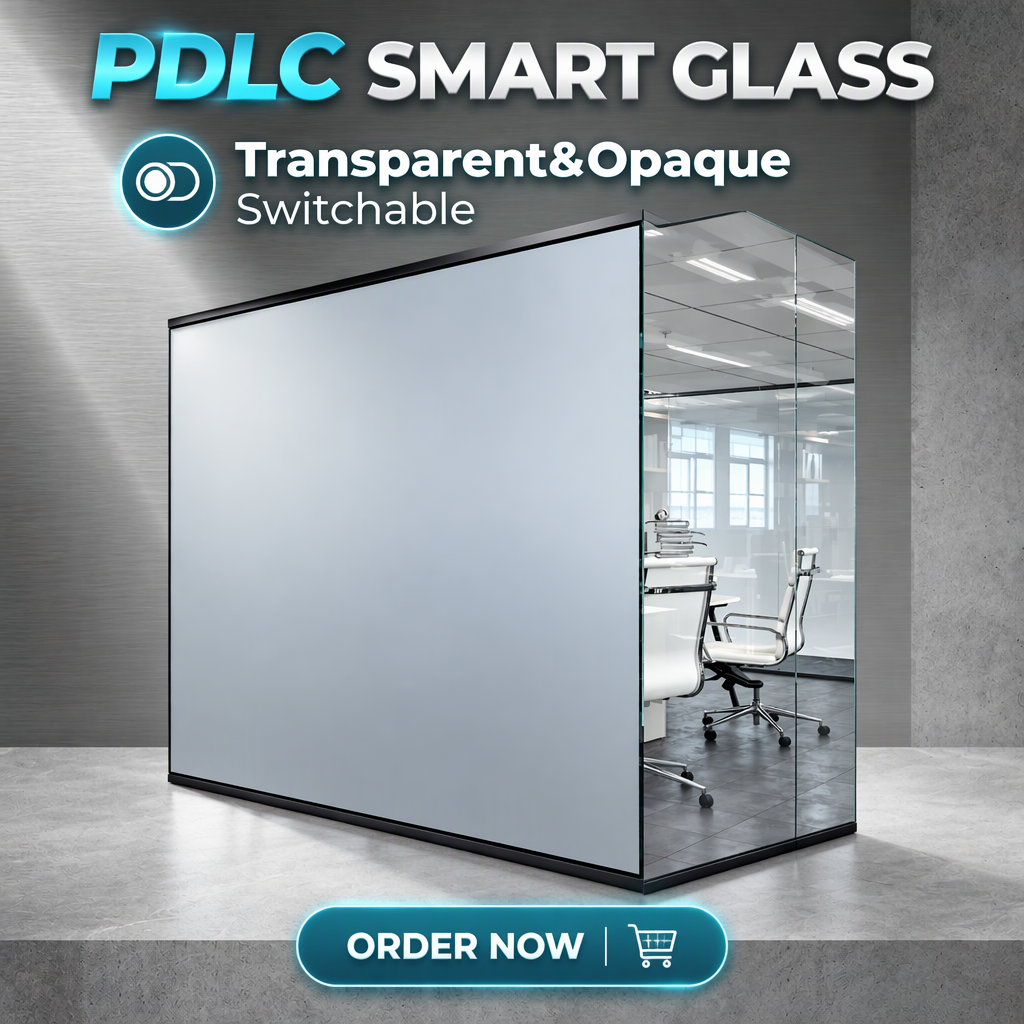
PDLC Smart Film Smart Glass Privacy Film Electrically Transparent Dimmable Glass
Electrically switchable privacy film for office partitions, residential feature glass and multifamily amenity spaces where light control and privacy must change on demand.
View product →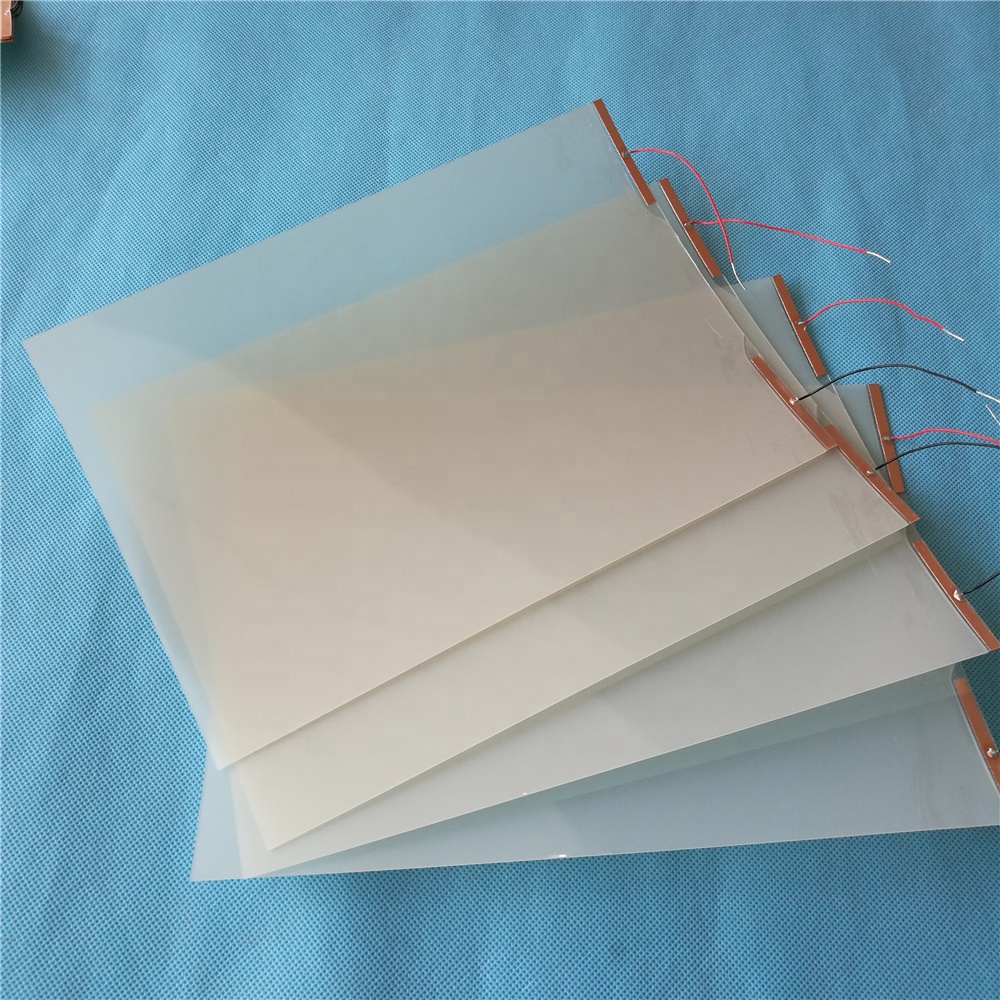
Factory Price Electrochromic Anti-UV PDLC Film Smart Switchable Privacy Glass Office Partition and Curtain Walls
Anti-UV switchable glass film for commercial interiors and curtain-wall retrofits, suitable for Center City design-build teams balancing daylight, privacy and energy performance.
View product →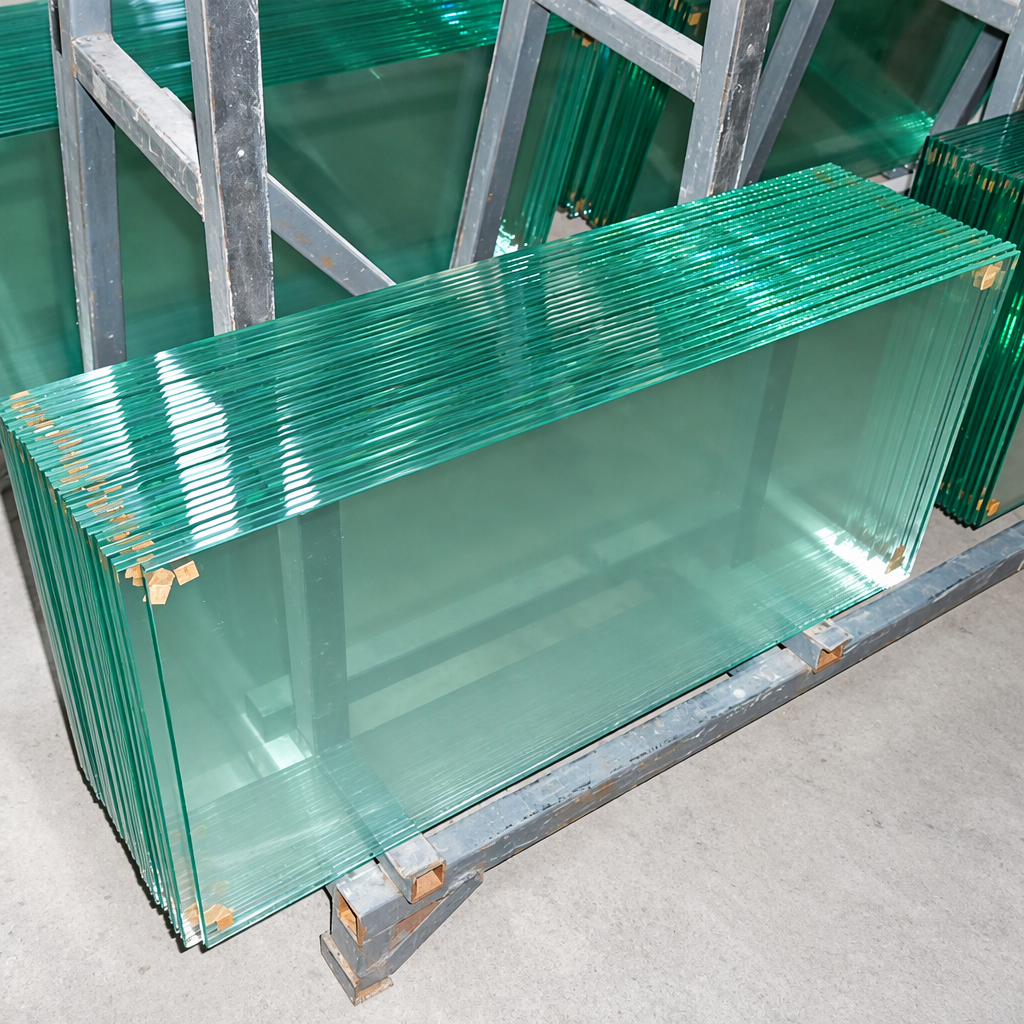
Construction & Real Estate Float Glass Factories in China Tempered Glass
Tempered and float glass for construction, real estate, partitions and architectural applications, with project-based processing and export packing options.
View product →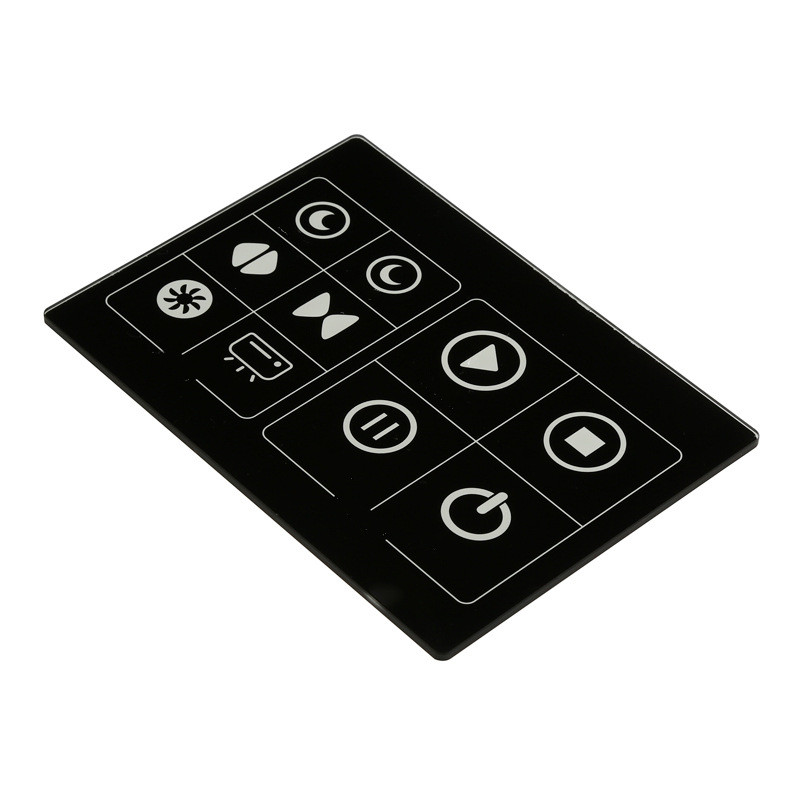
High Temperature Resistant Customized Black Printing Tempered Glass Cooktop Microwave Oven Door Glass for Kitchen
Heat-resistant black-printed tempered glass for cooktops, microwave doors and kitchen appliances, using durable ink systems for heat exposure and daily cleaning.
View product →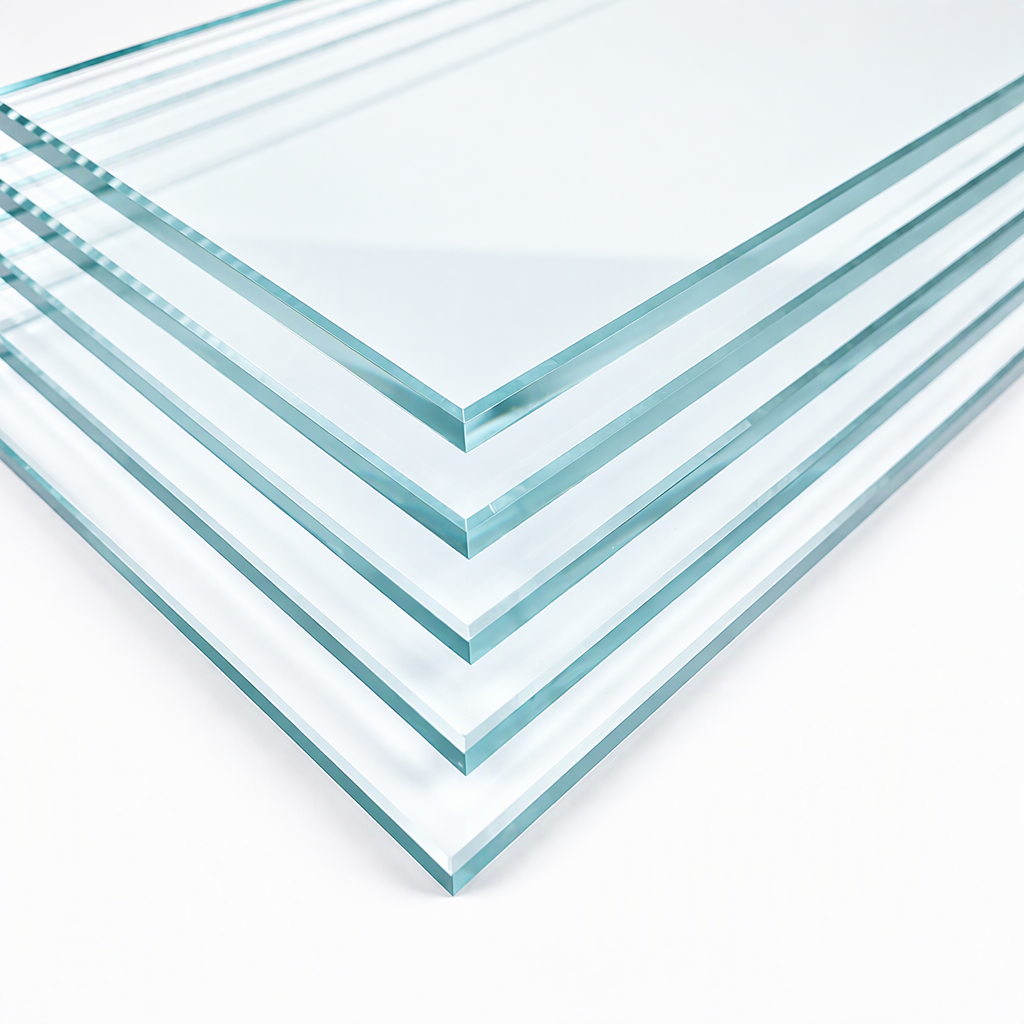
Clear Tempered Glass Transparent Tempered Glass Panel Cover Plate
Clear tempered cover plate for control panels, display windows and protective switch surfaces; a practical base material for custom printing and surface treatment.
View product →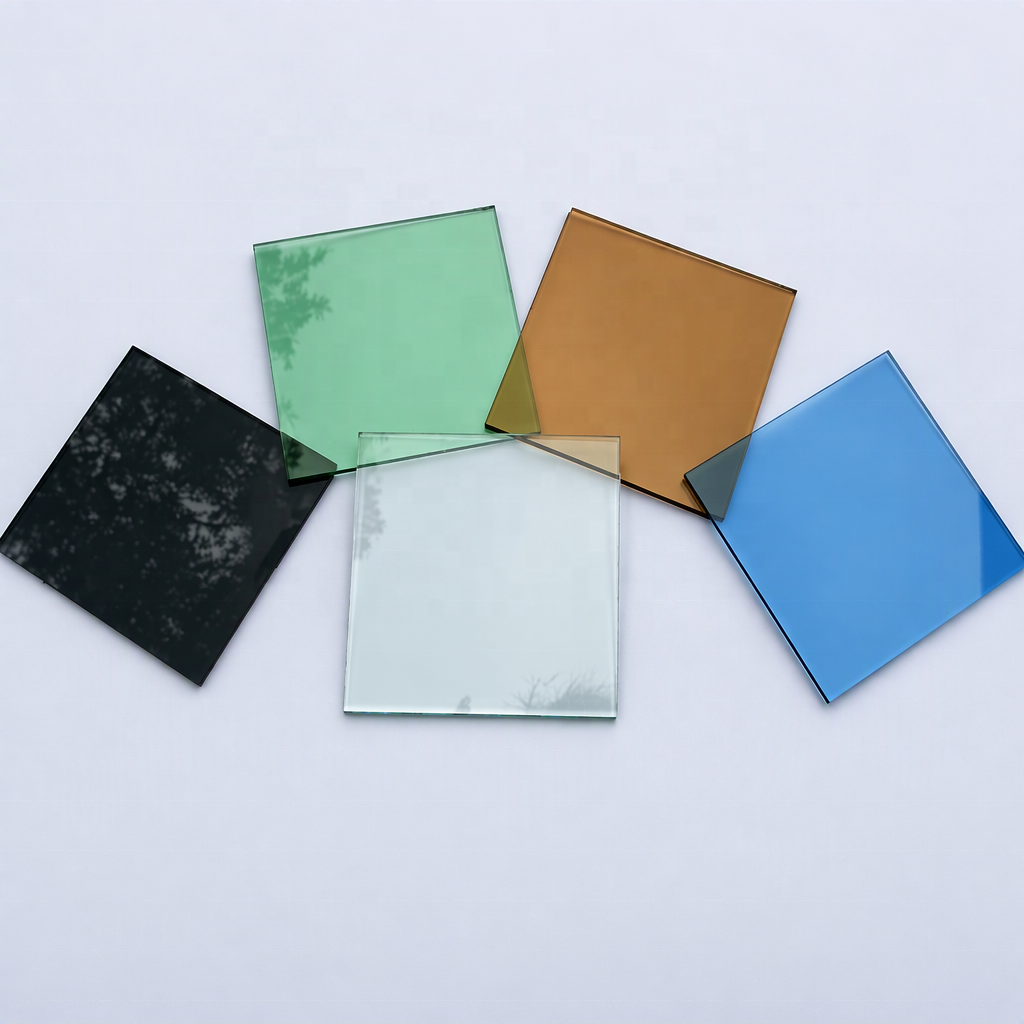
Customized Tinted Tempered Glass Flat Sheet 3mm to 10mm Reflective Colored Glass Toughened Glass
Tinted and reflective tempered sheet for smoked switch faces, decorative appliance panels and design-led smart-home products requiring color consistency.
View product →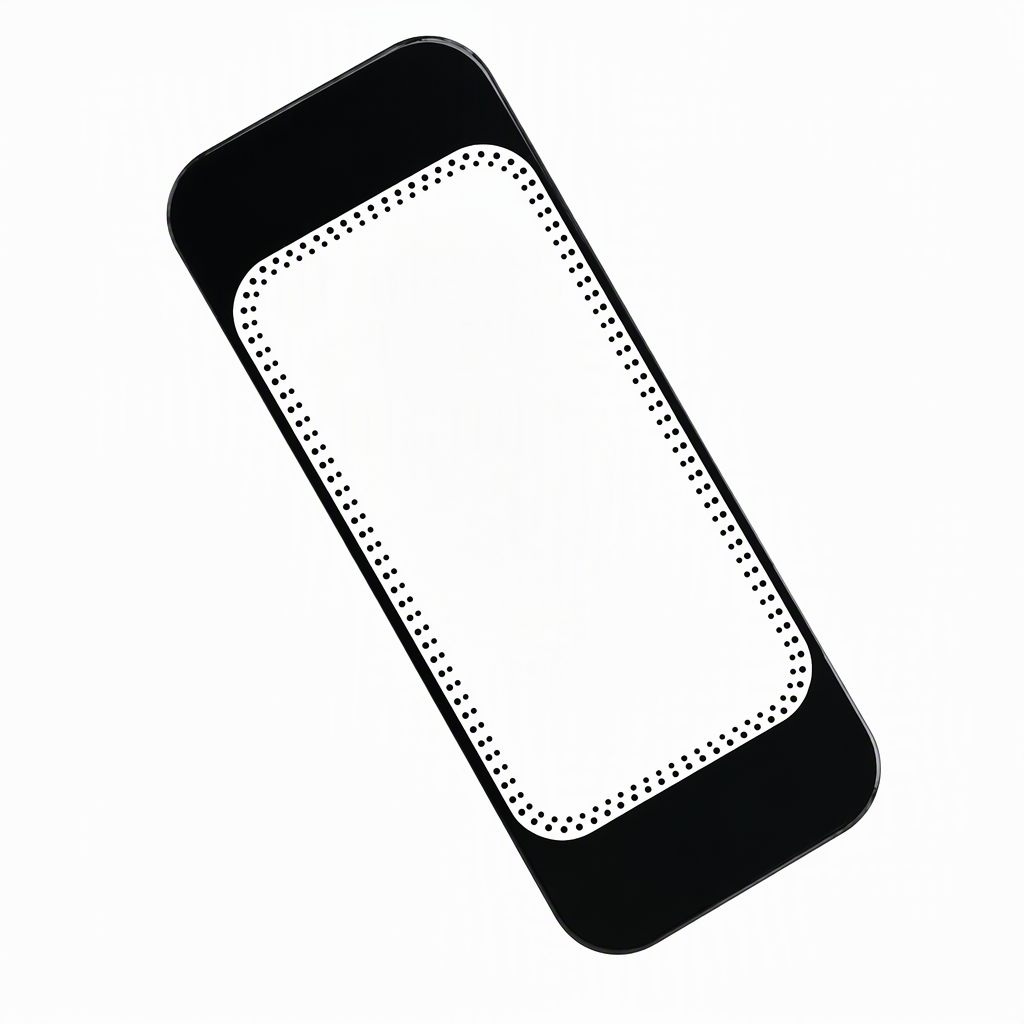
Custom Logo Silk Screen Printing Tempered Glass Panel Tempered Display Glass Screen Protector
Multi-color silk-screen printed tempered glass for branded switch faces, touch icons, display windows and control panels with scratch-resistant graphics.
View product →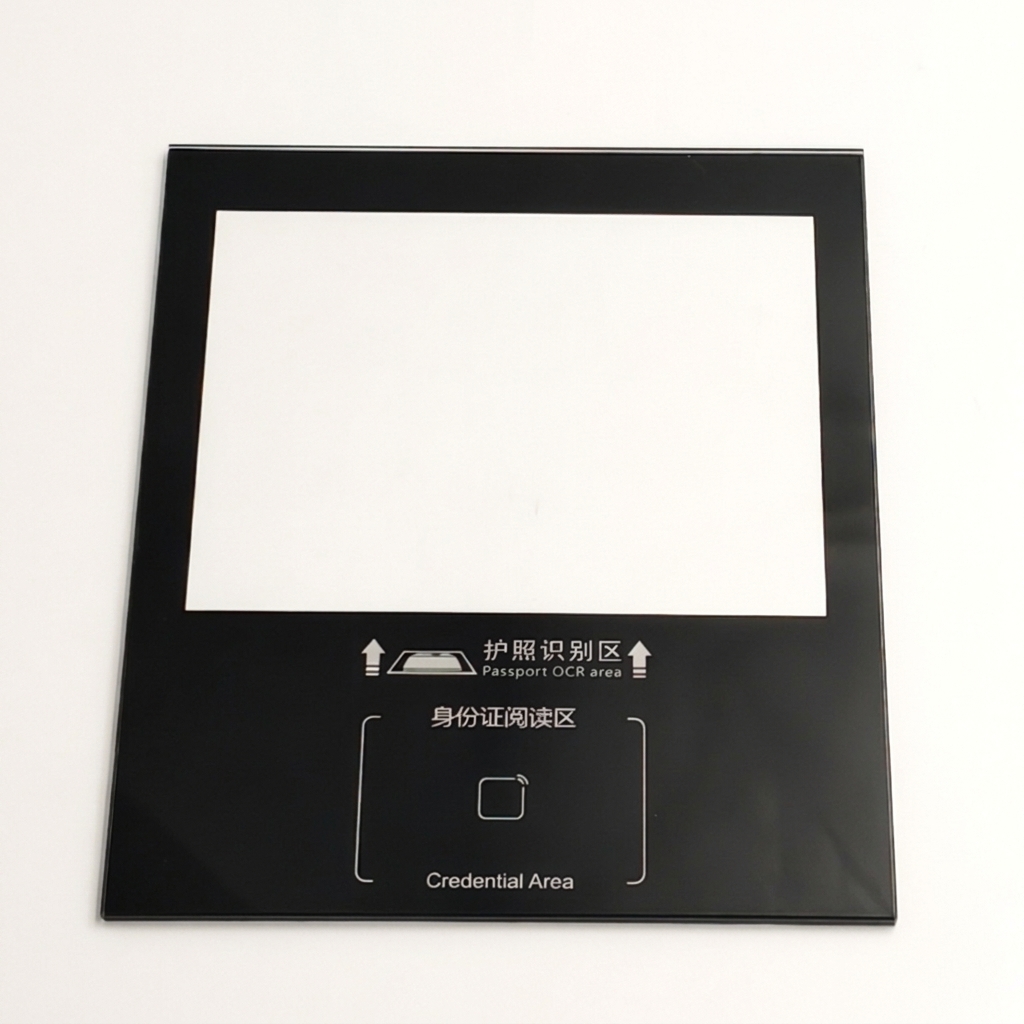
Custom Tempered Glass Protective Glass Panel Transparent Polished Display Cover Glass for Small Electronic Devices Cover
Polished protective glass for small electronic devices, sensor windows and compact smart-home controls; supports precision cutting, edging and printing.
View product →Why Switch Panel Glass Is a Localized Decision, Not a Generic Component
Philadelphia is not a single market. A wholesaler selling smart-home switch panels in Center City faces high-rise property-management requirements, while an installer working in a 1920s rowhouse in South Philadelphia may need a retrofit-friendly glass face that aligns with an existing wall box.
Search intent behind the Philadelphia query
The search phrase “switch panel tempered glass for smart home devices exporters & wholesaler in Philadelphia” usually comes from three buyer groups: distributors that need repeatable stock for electrical and smart-home channels, EMS or OEM brands sourcing custom touch glass for a private-label device, and commercial integrators specifying glass control surfaces for multifamily, hospitality or light-commercial projects. Each group evaluates different proof points. Distributors care about MOQ, packing, lead-time predictability and RoHS paperwork. OEM brands care about drawing review, print color, flatness, coating and touch performance. Integrators care about size compatibility, edge quality, sample approval and the finished device’s certification path.
This is why a useful Philadelphia-focused page cannot simply repeat “tempered glass” or “smart switch glass.” It must answer the real procurement question: which glass construction, print layout and surface finish will survive installation in a specific building type while satisfying the compliance file held by the device brand or distributor? Buyers in Philadelphia are close to New Jersey, Delaware, Maryland and New York distribution corridors, so a supplier’s export packing, carton marking and East Coast replenishment plan often matter as much as the glass itself.
For smart-home switch panels, the glass is an interface layer above a capacitive sensor, LED backlight or display window. It is also the product face that consumers see and touch every day. Fingerprints, color shift, icon alignment, light leakage, edge chipping and adhesive bubbles are not cosmetic trivia; they influence returns, installer callbacks and brand perception. A glass partner that understands this builds quality checks around print registration, flatness, coating adhesion and sensor bonding — not only around breakage.
Philadelphia buying signals at a glance
Where Switch Panel Tempered Glass Creates Value in Greater Philadelphia
From retrofit rowhouses to University City labs and Main Line estate homes, the glass panel is where industrial design, building installation and daily user experience meet.
Center City high-rise touch controls
Property managers and integrators need consistent glass faces for lighting, shades, HVAC and amenity controls. Printed black borders hide sensor windows, while anti-fingerprint finishes improve appearance in lobbies, shared kitchens and rooftop lounges.
Historic rowhouse retrofit projects
In South Philadelphia, Fishtown and Old City, installers rarely get a perfect new-construction opening. Glass overlays must align with single-gang, multi-gang or proprietary brackets, so drawings should show the actual wall-box opening, adhesive allowance and side clearance.
Smart locks, card readers and access panels
Office conversions and multifamily buildings use card readers, keypads and smart-lock covers. Printed glass can create a clear RFID or camera window while concealing internal components, provided the artwork leaves enough tolerance for reader performance.
Kitchen and appliance control glass
Appliance brands, kitchen dealers and multi-family developers specify black-printed glass for cooktops, ovens, range hoods and microwave doors. High-temperature-resistant ink systems help maintain appearance where heat, steam and daily cleaning are routine.
University City, healthcare and lab spaces
Institutional projects often prioritize readability, cleanability and repeatable color. AR-coated glass reduces reflections in bright corridors, while anti-glare or anti-fingerprint treatments improve displays used by staff, students and patients.
South Jersey and Delaware Valley distribution
Wholesalers serving Philadelphia, South Jersey and Delaware need carton-level consistency and replacement-part availability. Standardized print files, stable glass thickness and clear inspection criteria help reduce mixed-SKU errors across multiple installers and job sites.
Physical Tempered or Chemically Strengthened Glass for Smart Switch Panels?
Choosing the wrong strengthening method is one of the most common causes of re-tooling in cover-glass projects. The right answer depends on thickness, touch-sensor bonding, edge quality, optical requirements and how the finished device will be installed.
01 Physical Tempered Glass
- Typical thickness around 2 mm and above, including 3 mm to 10 mm project glass.
- Thermal tempering gives safety-glass breakage into small blunt fragments.
- Well suited to appliance doors, display windows, wall switch plates and industrial covers.
- Cutting, drilling and edge work must be completed before tempering.
- Best when impact resistance, heat resistance and safety breakage are major requirements.
02 Chemically Strengthened Glass
- Typical range from 0.5 mm to 2 mm thin glass for compact electronics.
- Ion-exchange strengthening supports excellent flatness and optical clarity.
- Suited to capacitive touch covers, sensor windows and small smart-home controls.
- The breakage pattern is different from safety-tempered glass and should be reviewed for the end use.
- Best when thinness, precise touch response and minimal optical distortion matter most.
What to send for an accurate wholesale quote
- 2D drawing in DWG, DXF or PDF with outline, holes, notches and tolerances.
- Glass thickness, glass type and preferred strengthening method.
- Print artwork in AI or PDF with Pantone or color references.
- Touch icon layout, LED windows, light-diffusion areas and sensor clearance.
- Edge finish, corner radius, adhesive allowance and mounting method.
- Surface treatment requirement: AR, AG, AF, anti-glare or no coating.
- Annual volume, batch size, target market and packaging expectations.
- Compliance documents needed for Philadelphia, U.S. or EU distribution.
What Philadelphia Smart-Home Buyers Are Asking For Now
Demand is shifting from plain white switch plates to design-led, touch-friendly glass interfaces that can be sourced with predictable quality and East Coast delivery.
Retrofit-ready smart upgrades
Renters and owners in older Philadelphia neighborhoods want smart lighting without rebuilding walls. Glass faces with adjustable print borders, multiple mounting options and clean edge finishing support retrofit programs.
Fingerprint-resistant finishes
Matte AG, anti-fingerprint coatings and smoked glass are increasingly requested for high-touch panels in lobbies, kitchens and hospitality spaces. These finishes improve perceived quality but require careful adhesion testing.
Multifamily standardization
Property managers prefer one approved glass finish and one replacement SKU across dozens of units. Wholesalers that document print color, thickness, edge finish and packing standards reduce maintenance confusion.
East Coast logistics planning
Philadelphia importers increasingly ask for export-grade cartons, barcode labels and reorder quantities that fit East Coast warehouse flow. Route planning through PhilaPort, NY/NJ or PHL can improve replenishment confidence.
Why Qingdao Maupe Glass Co., Ltd. Fits Philadelphia B2B Programs
Verified manufacturing credentials, full deep-processing capability and export experience matter when the glass panel becomes part of a branded smart-home device.
ISO 9001, RoHS and CE documentation
The company operates an ISO 9001 quality management system, with certificate No. 24025Q20015R1S, RoHS certificate No. 25TYT12395 and CE certificate No. 23TYT082593S. These records help distributors and OEM buyers organize compliance files.
Factory scale since 2012
Founded in 2012, the factory operates 8 production lines in a 3,000–5,000 m² facility. Export share is 91–100% of output, so production planning is built around international OEM orders rather than domestic retail only.
Complete deep-processing chain
Cutting, CNC shaping, edge polishing, drilling, engraving, silk-screen printing, physical tempering, chemical strengthening and surface coating can be coordinated under one factory process.
Print and coating expertise
Eco-friendly high- and low-temperature inks, multi-color layouts, logos, touch zones and AR/AG/AF coatings support smart switch panels, card readers, appliance control glass and display covers.
SGS onsite assessment and global service
The company has been onsite-assessed by SGS Group as a third-party inspection company and has served OEM buyers in 80+ countries across North America, Europe, South America, the Middle East, Africa, Oceania and Asia.
Export packaging and trade terms
Supported delivery terms include FOB, CIF, EXW, FAS, FCA, CPT, DDP, DDU and express delivery. Payments include T/T, L/C, PayPal, Western Union and cash in USD, EUR or CNY. The factory is close to Qingdao seaport and airport.
From Drawing Review to Philadelphia Delivery in Five Controlled Steps
A transparent workflow gives purchasing, engineering and quality teams a common checklist before mass production begins.
Drawing review
Engineers check glass thickness, print layout, edge finish, tolerances and strengthening method.
Sample approval
Samples are produced for fit, color, touch-icon readability and surface appearance.
Mass production
Cutting, printing, coating and strengthening move through controlled production steps.
Quality inspection
Incoming material and finished product checks cover print, edges, flatness and packing.
Export delivery
Protective cartons are routed through Qingdao port or airport to U.S. East Coast gateways.
Questions Buyers Ask Before Ordering Switch Panel Glass
These answers reflect the most common concerns from distributors, OEM brands, installers and property-management suppliers serving Philadelphia and the wider Delaware Valley.
What is the minimum order quantity for custom switch panel glass shipped to Philadelphia?
Most custom silk-screen printed panels start from 10 to 100 pieces depending on size, thickness, number of print colors and glass type. Large display cover glass can start from 10 pieces in some formats. Samples are available before mass production so buyers can verify fit, color and icon alignment.
Can you match U.S.-style switch openings and multi-gang dimensions?
Yes, custom panels are produced to customer drawings. For Philadelphia projects, provide the actual mounting opening, screw or bracket location, sensor flex position and adhesive allowance. This is especially important for retrofit work in older rowhouses where nominal dimensions may not reflect the installed wall condition.
Which glass should I specify for a smart switch panel: physical tempered or chemically strengthened?
Use chemically strengthened glass for thin 0.5–2 mm touch covers where flatness and optical quality matter. Use physical tempered glass for thicker panels around 2 mm and above when safety breakage, impact resistance and heat resistance are important. The final choice should be confirmed against the sensor, housing and installation method.
How should we specify touch icons, LED windows and black print?
Send vector artwork in AI or PDF with color references and clearly mark layers for black masking, icon graphics, LED diffusion windows and clear reading areas. If the panel uses backlighting, indicate the LED color and desired light transmission so the ink density can be reviewed during sampling.
What certificates are available, and does the glass itself carry UL or ETL?
Qingdao Maupe Glass Co., Ltd. operates under ISO 9001 and holds RoHS and CE certificates for its glass products. Glass is normally a passive component; UL, ETL, FCC and local electrical-code compliance generally apply to the finished smart-home device. The supplier can provide material and RoHS documentation to support the device brand’s compliance file.
How is glass packed for Philadelphia and East Coast delivery?
Panels are protected with interleaving materials, edge protection and export-grade cartons designed to reduce transit damage. For Philadelphia buyers, common routing options include ocean freight to PhilaPort or the Port of New York and New Jersey, truck delivery via I-95 and the NJ Turnpike, or air freight to PHL for samples and urgent replenishment.
Which trade and payment terms are accepted for wholesale orders?
Accepted delivery terms include FOB, CIF, EXW, FAS, FCA, CPT, DDP, DDU and express delivery. Accepted payments include T/T, L/C, PayPal, Western Union and cash, with currencies including USD, EUR and CNY. The factory’s location near Qingdao seaport and airport supports export consolidation.
How can a Philadelphia buyer verify color, touch reliability and print quality before mass production?
Approve a pre-production sample that matches the intended glass thickness, ink system, coating and edge finish. Review it under the same lighting conditions used in the final installation, test touch response with the actual sensor or bracket if possible, and confirm packaging requirements before releasing mass production.
Build a More Reliable Switch Panel Glass Program for Philadelphia
Share your glass thickness, print artwork, sensor layout and target volume. The team can review manufacturability, recommend physical tempered or chemically strengthened glass, and prepare a wholesale quotation for U.S. distribution.