Tempered Solar Glass Manufacturers & Exporter Serving the Puebla Market
Custom low-iron, printed and safety tempered glass for solar thermal, photovoltaic, façade, appliance and industrial control projects—backed by ISO 9001 production, RoHS/CE documentation and export experience in 80+ countries.
Eight Tempered Glass Products for Puebla Solar and Industrial Projects
Use this shortlist as a starting point for solar thermal, photovoltaic balance-of-system, access control, smart building, appliance and industrial control applications. Dimensions, edge work, printing, coatings and adhesive options are customized to drawing, and every product URL below is preserved for direct specification review.
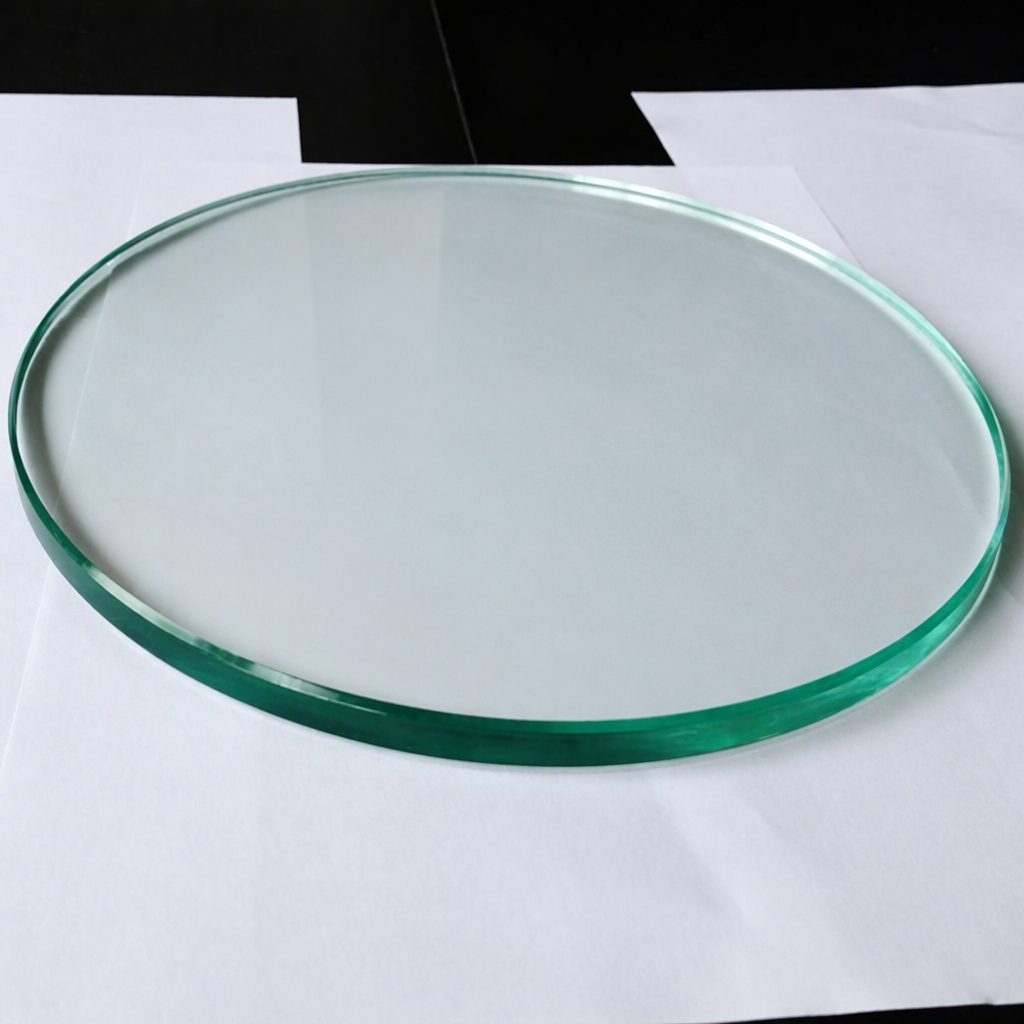
12mm Tempered Glass Round Tempered Glass Beveled Round Glass Pieces
A practical specification for high-strength sight windows, equipment guards and architectural safety glazing. The beveled circular edge improves handling and appearance where Puebla's high-altitude UV and thermal cycling require a robust edge finish.
View product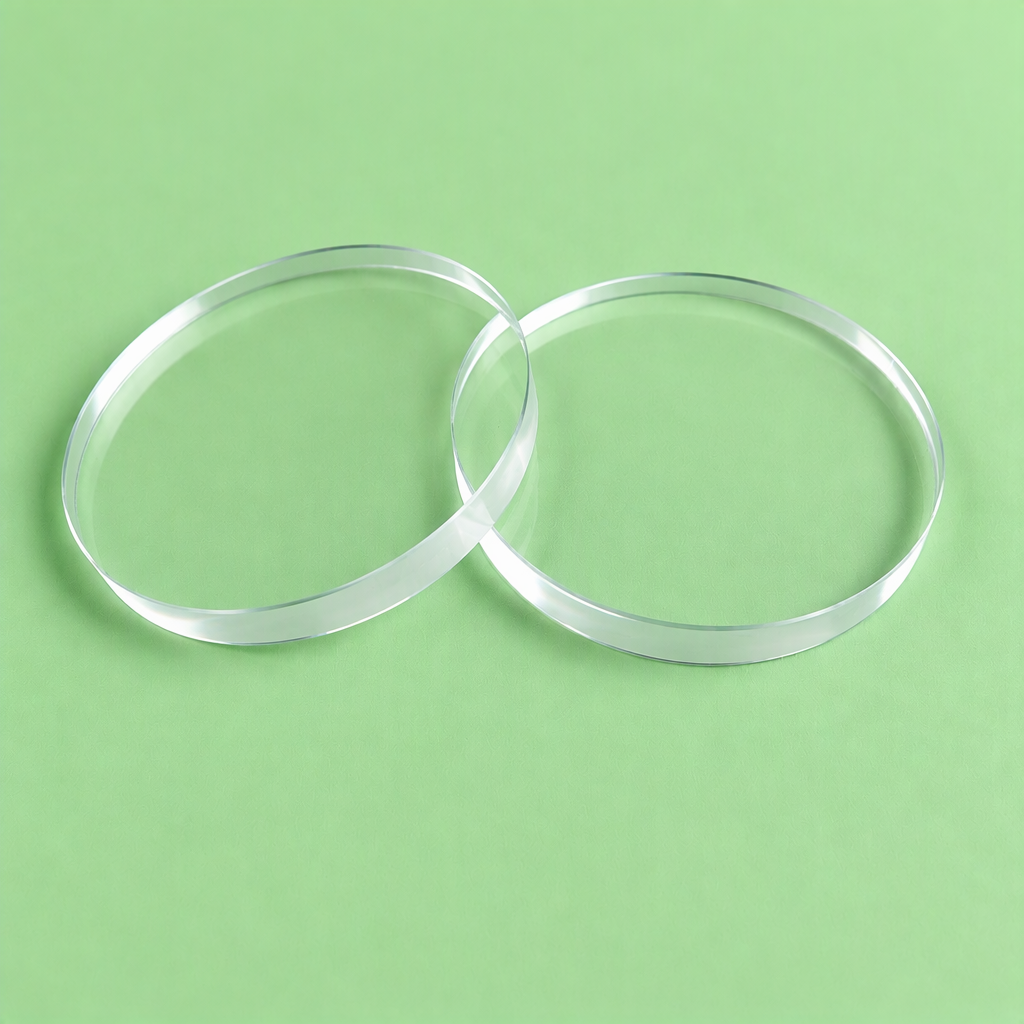
High Strengthen Glass Tempered Glass Custom Size Tempered Clear Glass Panel for Industrial
Recommended for outdoor control cabinets, inverter protection windows, solar thermal frames and machine guards. Cutting, drilling and edge polishing are completed before tempering, so the approved drawing becomes the manufacturing and inspection basis.
View product
Glass Factory Customized High Quality Transparent Display Touch Screen Glass Silk Screen 9H Hardness Industrial Screen Protector
A strong fit for Puebla automation, kiosk, access-control and solar monitoring interfaces. Silk-screened windows can hide sensors and connectors while keeping the touch area clear, with 9H hardness supporting daily industrial use.
View product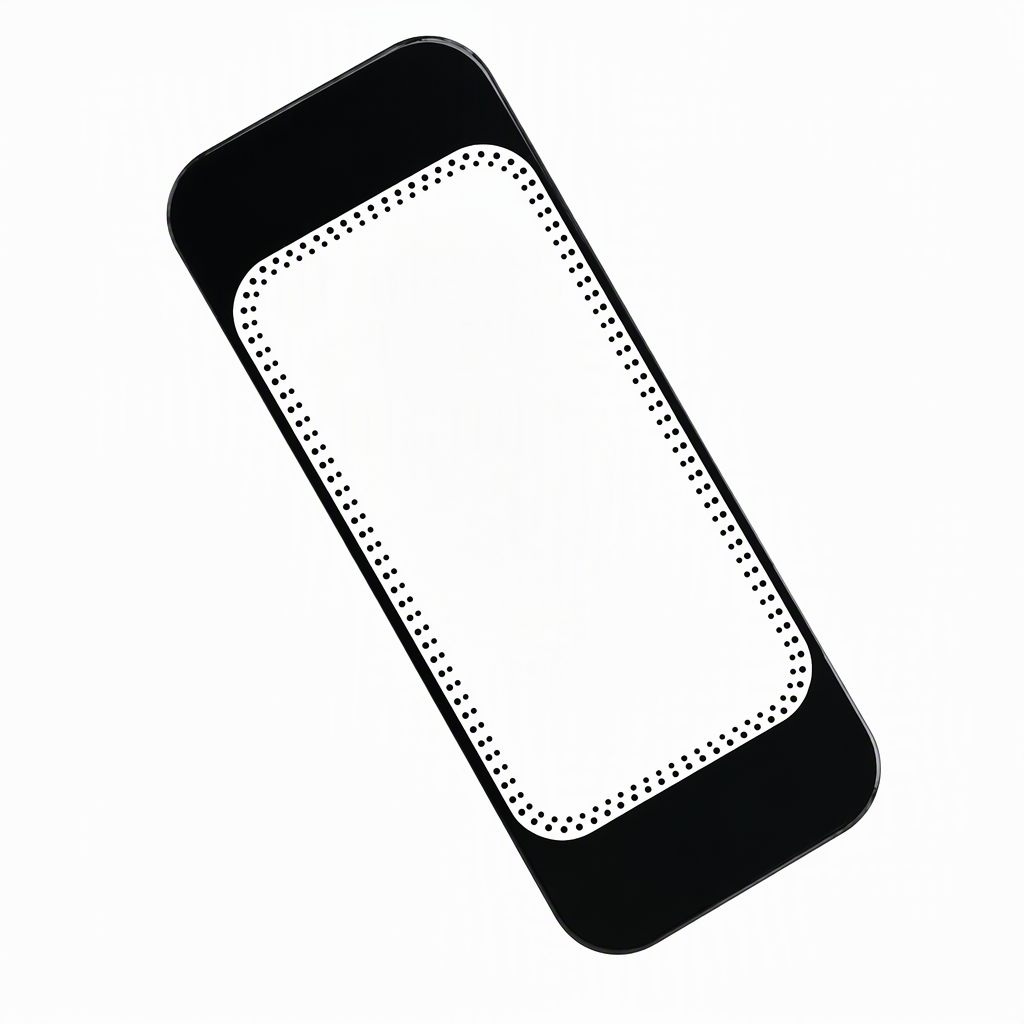
Custom Logo Silk Screen Printing Tempered Glass Panel Tempered Display Glass Screen Protector
Use this product for appliance fascia, branded control panels and equipment covers. RoHS-compliant high- and low-temperature inks, multi-color registration and scratch-resistant finishing help maintain visual consistency across repeat orders.
View product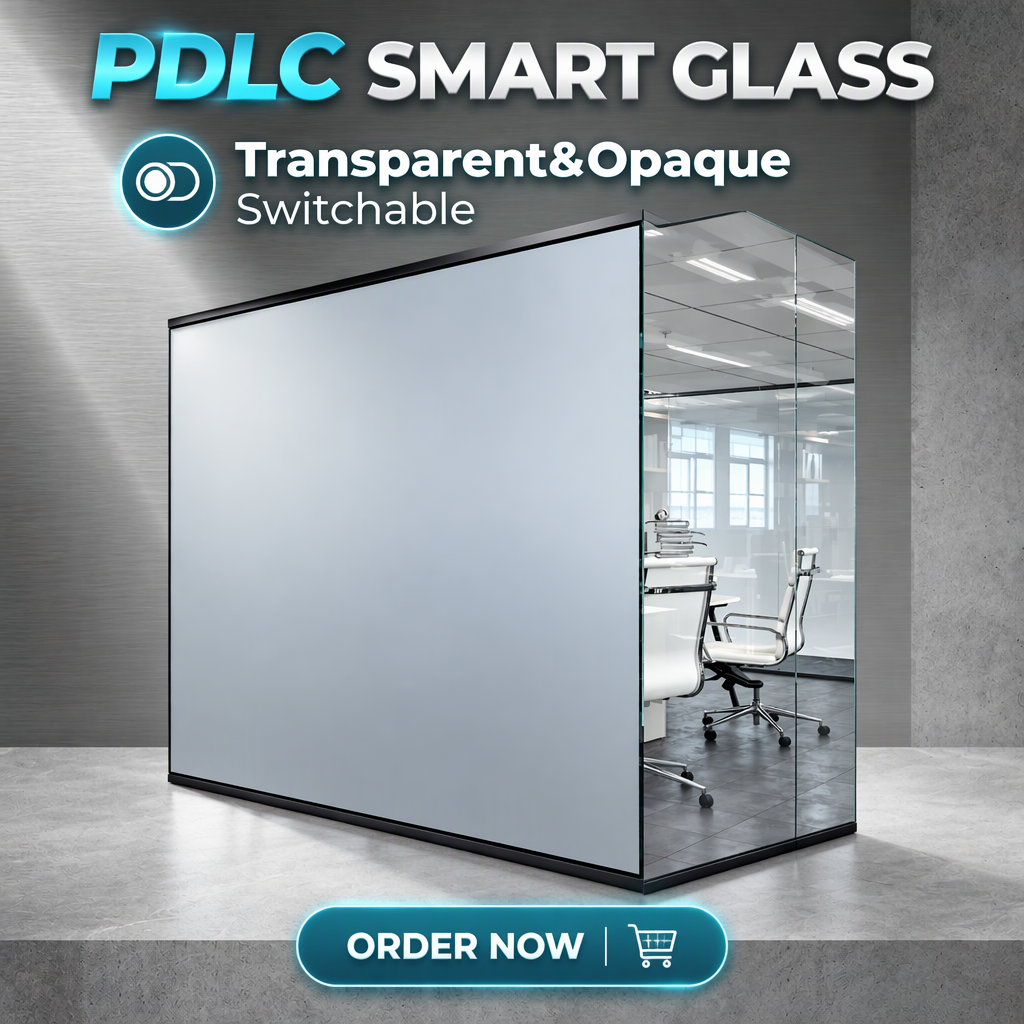
PDLC Smart Film Smart Glass Privacy Film Electrically Transparent Dimmable Glass
A relevant option for Puebla's commercial, hospitality and clinical renovations where daylight, privacy and perceived energy performance must be balanced. The film can be integrated into glass partition and façade concepts with project-specific controls.
View product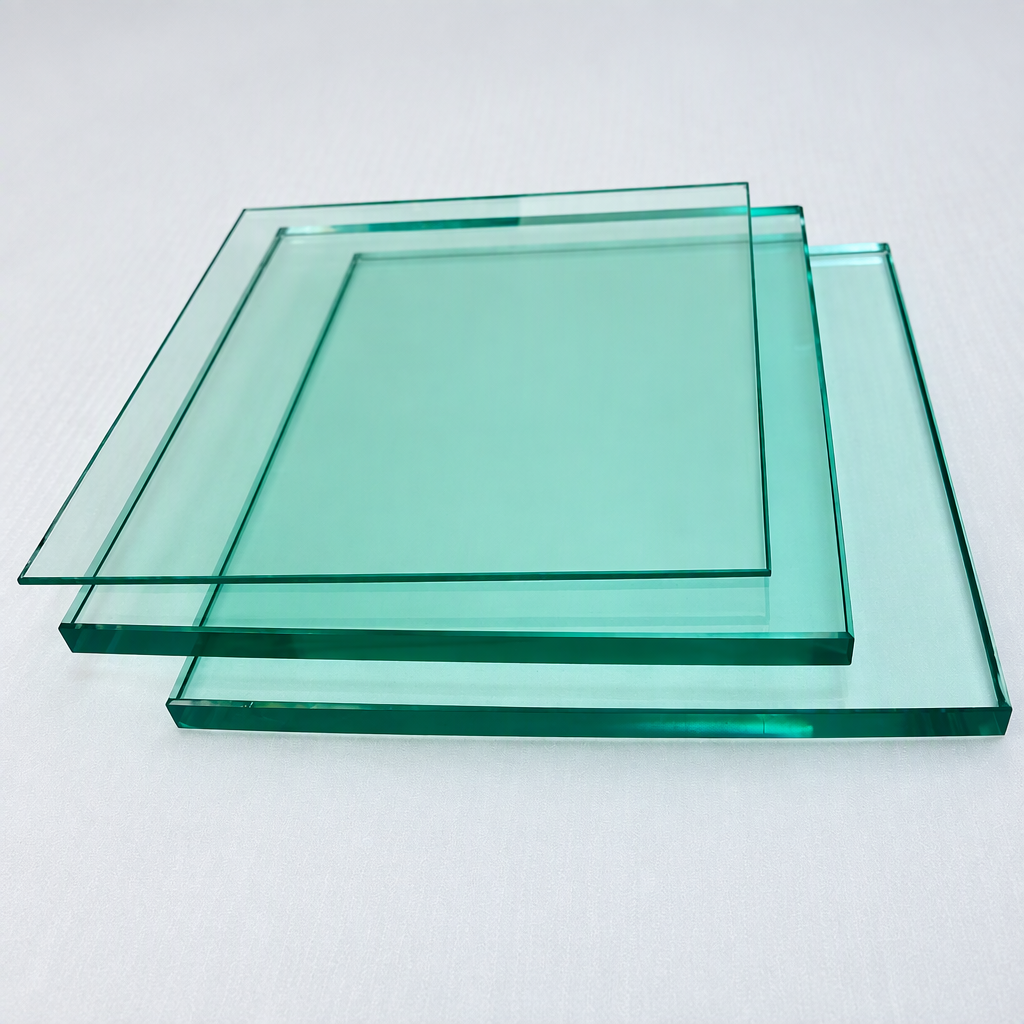
Tempered Glass Panel Safety Glass Flat Structural Tempered Glass
Recommended for canopies, balustrade infill and façade elements when local structural calculations are available. Tempering improves impact resistance and produces safety fragmentation; edge quality, hole positions and wind or seismic loads should be coordinated with the project engineer.
View product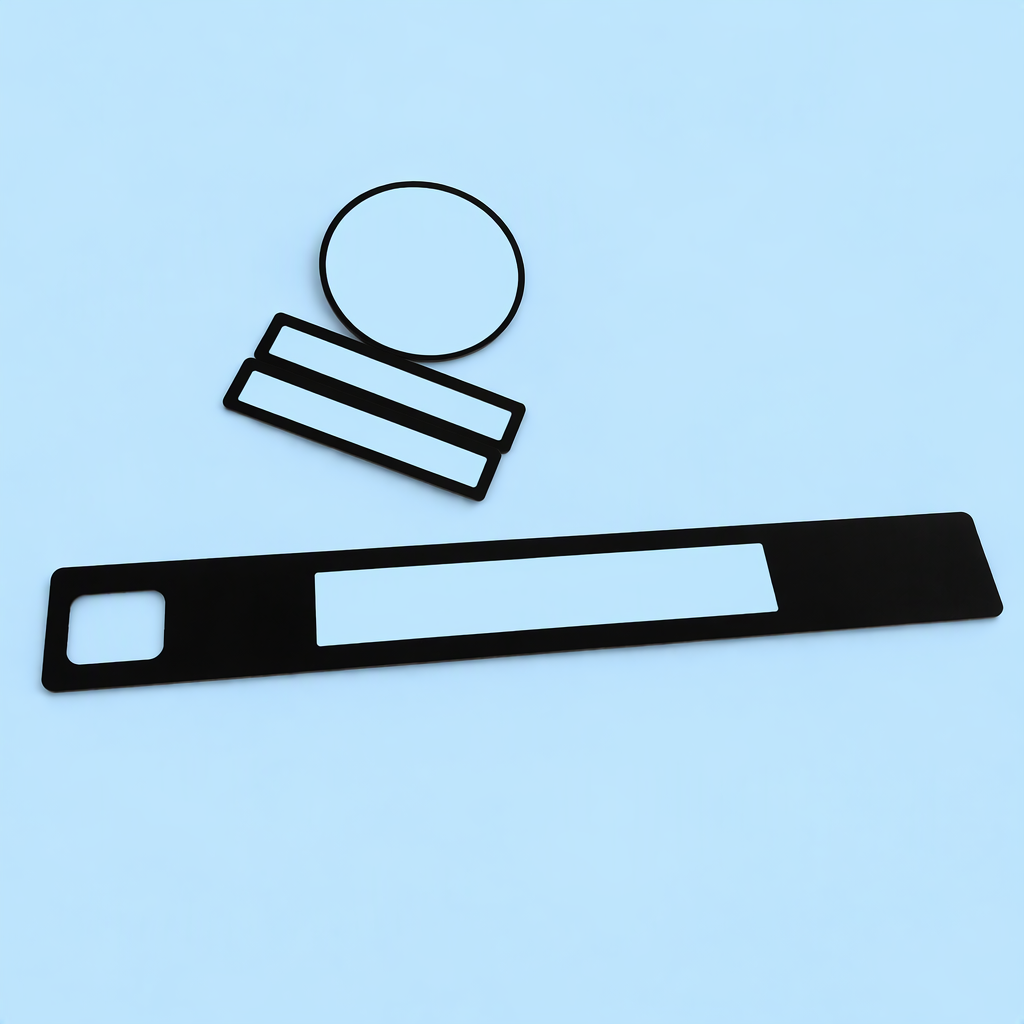
Tempered Glass Panel With 3M Adhesive Tape Silk Screen Printing for Electrical Appliance Decoration Front Cover Glass
A production-ready cover glass for appliance and electronics assembly. Pressure-sensitive 3M adhesive can reduce secondary framing, while printed graphics, icons and light windows support clean front-panel integration and faster line assembly.
View product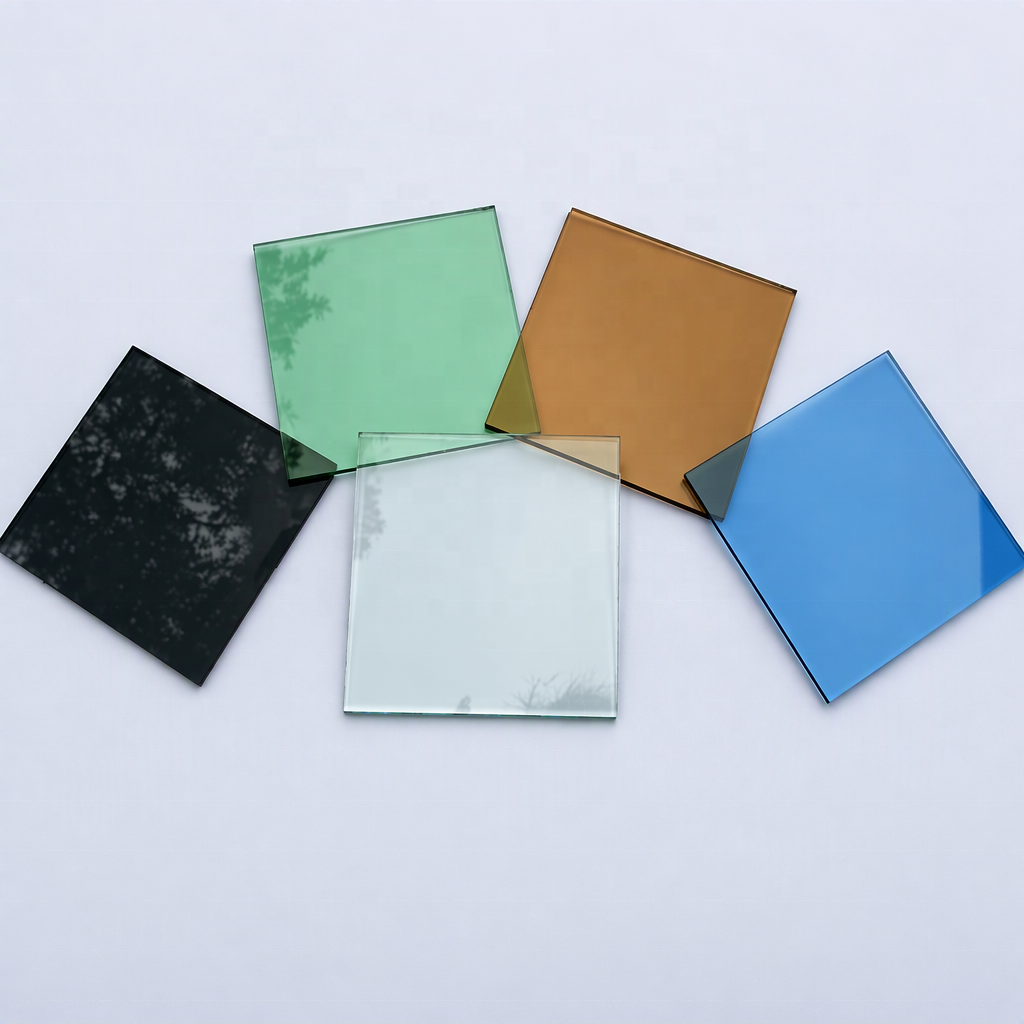
Customized Tinted Tempered Glass Flat Sheet 3mm to 10mm Reflective Colored Glass Toughened Glass
Useful for glare reduction, heat-load management and colored architectural or equipment applications. Because Puebla's daylight can be intense, visible-light transmission and reflected color should be confirmed through an approved sample before mass production.
View productA Puebla-facing Glass Supply Chain Backed by Measurable Capability
The strongest supplier evaluation is not a brochure claim. It is a set of numbers, certificates, process steps and inspection points that your engineering and compliance teams can verify before placing a Puebla-bound order.
Why Tempered Solar Glass Specification Changes in Puebla
Puebla is not a generic export destination. Its high-altitude plateau, strong UV exposure, seasonal hail risk and day-to-night temperature swings affect solar, façade and industrial glass selection. At the same time, Puebla's automotive, auto-parts, food and beverage, textile, logistics and electronics base creates demand for control-panel glass, safety guards, smart switch covers and energy-efficient building surfaces.
Solar thermal process heat
Hotels, food processors and industrial laundries in Puebla can use low-iron tempered collector glazing to maximize solar transmission while retaining impact strength. Ask for measured transmittance, edge finish and heat-exposure data rather than accepting a generic “solar glass” label.
Rooftop PV and carport canopies
Industrial parks and logistics warehouses are evaluating rooftop PV, carports and hybrid solar systems. For module front glass, specify low-iron composition, controlled thickness, AR coating if required and a hail-impact test plan that matches the project's risk review.
Access control and industrial HMI
Card readers, face-recognition terminals, smart locks and machine control panels need printed glass with clear sensor windows. In Puebla's factories and commercial buildings, consistent print registration and reliable touch performance matter more than decorative appearance alone.
Smart building and PDLC privacy
Office, clinic and showroom renovations increasingly combine daylight with on-demand privacy. PDLC smart film and tinted reflective glass can support those concepts, but the project team should confirm switching behavior, power supply, warranty scope and glass build-up before tender approval.
Architectural safety glazing
Canopies, balustrades and façade infill should be engineered with local wind and seismic requirements. Flat structural tempered glass offers safety fragmentation, but the final thickness and fixing detail must be confirmed by the responsible structural engineer.
Appliance and electronics covers
Puebla's manufacturing ecosystem supports appliance, electronics and equipment assembly. Printed tempered glass with 3M adhesive can simplify front-cover assembly, reduce fasteners and protect touch interfaces in humid, dusty or high-use environments.
Three Procurement Signals Shaping Puebla Demand
These trends are useful for specifiers, importers and OEM buyers building a tempered solar glass strategy for Mexico in general and Puebla in particular.
Nearshoring raises documentation standards
As North American supply chains shift, Puebla buyers are asking for more than a price. They want drawing revision control, inspection records, material declarations, packaging photos and predictable export documentation. A supplier with ISO 9001, RoHS and CE files can reduce the qualification burden.
Solar adoption moves from pilot to portfolio
Mexican industrial and commercial users are moving from single-site solar pilots to multi-site programs. That increases demand for repeatable glass specifications, color consistency and batch traceability, especially for solar thermal collectors and PV mounting systems exposed to UV and hail.
Smart surfaces enter mainstream renovation
Touch switch panels, PDLC privacy glass, printed appliance covers and self-service kiosks are becoming normal in Puebla's commercial and industrial fit-outs. The winning specification will combine optical clarity, scratch resistance, stable print color and an assembly method that fits the customer's production line.
Specification Matrix for Puebla Solar, Façade and Equipment Glass
This matrix is intentionally practical. Use it to align the application, glass construction and evidence package before requesting a quotation. Final thickness, coating and fixing details must be confirmed by the project's engineer and the glass supplier's technical review.
| Project scenario | Recommended construction | Key performance checks | Puebla procurement note |
|---|---|---|---|
| Solar thermal collector glazing | 3.2–4 mm low-iron tempered glass, AR coating optional | Measured solar transmittance, iron content declaration, edge quality, thermal stability | Confirm mounting clamp zone, hail exposure and cleaning method before approving glass thickness. |
| PV module front glass | 3.2 mm low-iron tempered glass with AR coating if specified | Transmission, impact strength, surface flatness, coating durability | Match the module maker's bill of materials; request batch-level declaration and packaging review. |
| Industrial control panel | 2–6 mm clear or printed tempered glass, optional 3M adhesive | Print registration, sensor-window clarity, RoHS ink, hole and edge tolerance | Provide final artwork and drawing together; confirm whether the panel is front-mounted or bonded. |
| Smart switch and touch cover | 0.5–2 mm chemically strengthened glass or 2–4 mm tempered glass | Flatness, 9H hardness target, touch sensitivity, color consistency | Use chemical strengthening when ultra-thin glass and optical flatness matter more than thick safety glazing. |
| Façade and canopy safety glazing | 6–12 mm flat tempered glass with polished or bevelled edges | Structural load, fragmentation pattern, edge work, hole positions | Wind and seismic design remain the responsibility of the local structural engineer; share loads early. |
| Tinted or reflective solar control | 3–10 mm tinted reflective tempered glass | Visible-light transmission, reflected color, coating uniformity, heat exposure | Approve a physical sample under Puebla daylight; screen colors on monitors are not reliable. |
One Factory, the Complete Glass Process Chain
Keeping cutting, printing, tempering and coating under one roof shortens communication loops and makes tolerance, color and traceability easier to control from raw sheet to packed export carton.
Precision cutting and CNC shaping
Straight, round and special-shaped parts are cut and CNC-profiled from clear, ultra-clear, tinted and high-alumina sheet. This is critical for custom solar frames, HMI windows and equipment guards.
Edge polishing, drilling and engraving
Flat, pencil and beveled edges, safety corners, countersunk holes, notches and engraved details support clean assembly and reduce handling risk during installation.
Silk screen printing
Eco-friendly high- and low-temperature inks, multi-color layouts, logos, icons and touch zones are printed with scratch- and wear-resistant finishing for displays and control equipment.
Physical thermal tempering
Heat-strengthened safety glass is produced for appliance doors, switch panels, display windows, solar-related guards and industrial covers that must resist impact and heat.
Chemical strengthening
Ion-exchange strengthening is available for thin 0.5–2 mm cover glass where flatness, optical clarity and touch performance are more important than thick safety glazing.
AR / AG / AF surface coating
Anti-reflective, anti-glare and anti-fingerprint treatments support readable screens in bright, industrial, medical and outdoor environments. Coating durability should be specified and sample-tested.
About Qingdao Maupe Glass Co., Ltd.
Founded in 2012 in Qingdao, Shandong, Qingdao Maupe Glass Co., Ltd. is a glass deep-processing manufacturer and international supplier operating under an ISO 9001 quality management system. The core work is turning flat glass into finished functional parts: cutting, edge polishing, drilling, engraving, coating, silk screen printing, physical tempering and chemical strengthening.
The company operates 8 production lines in a 3,000–5,000 m² facility, serves clients in more than 80 countries and reports an export share of 91–100%. Its silk screen printed glass uses RoHS-compliant, eco-friendly inks with high- and low-temperature processes for scratch- and wear-resistant prints on displays, electronic control equipment, instrument covers, household and kitchen appliances, furniture and decorative partitions.
For Puebla buyers, the practical advantage is single-source accountability: one factory can control the tolerance chain from raw sheet to packed export carton instead of splitting printing, tempering and coating across several vendors. The factory is close to Qingdao seaport and airport, supporting FOB, CIF, DDP and express shipments, and the team can prepare material declarations and inspection documents for your customs broker and technical file.
Qingdao Maupe Glass has been onsite-assessed by SGS Group as a third-party inspection company and has supplied Fortune 500 procurement contracts. Its OEM/ODM experience, including roughly 10 years of OEM service, is relevant to Puebla's industrial buyers because it supports drawing review, sampling, production follow-up and repeat-order consistency.


Certified Quality You Can Verify
Certificate numbers and scope matter in a Puebla import file. These are the core documents to review before production, together with drawing approval, incoming material inspection and finished-product inspection records.

ISO 9001 Quality Management
Certificate No. 24025Q20015R1S · Scope: float glass and technical glass products · Valid to 02/2028.

RoHS Compliance
Certificate No. 25TYT12395 · Restricts hazardous substances for EU electrical and electronic equipment · Valid to 12/2030.

CE Marking
Certificate No. 23TYT082593S · Tempered glass · Supports market access across the European Economic Area · Valid to 08/2028.
From Drawing to Puebla Delivery in Four Controlled Steps
A transparent path for purchasing, engineering and quality teams—so expectations are aligned before cutting or tempering begins.
Drawing review
Engineers check manufacturability, tolerance, edge work, printing layers and whether physical tempering or chemical strengthening is appropriate.
Sampling and approval
Samples or screens are produced for fit, color, touch-window and coating verification. Written sample approval protects both buyer and factory.
Mass production
Cutting, edging, printing, coating and tempering proceed on 8 production lines with incoming-material and finished-product inspection.
Export packing
Protective packaging, edge protection, moisture barrier and export documentation are prepared for Qingdao shipment and Puebla-bound delivery.
Questions Buyers Ask Before Ordering Tempered Solar Glass for Puebla
These answers reflect common OEM and project-buyer questions for Mexico-bound glass. For project-specific compliance, confirm with your customs broker, structural engineer or certification body.
Can you manufacture tempered solar glass to a Puebla project drawing?
Yes. Send a 2D drawing in DWG, DXF or PDF with dimensions, thickness, edge finish, hole positions and tolerance, plus print artwork in AI or PDF with color references. State the application, coating needs and annual volume so the factory can recommend physical tempered or chemically strengthened glass.
What is the MOQ for custom tempered glass shipped to Mexico?
Most custom silk screen printed panels start from 10 to 100 pieces depending on size, thickness and number of print colors. Large-size display cover glass can start from 10 pieces. Samples are available for fit and print verification before mass production.
Should I choose physical tempered or chemically strengthened glass?
Physical thermal tempering suits glass typically 2 mm and thicker, such as appliance doors, switch panels, display windows and industrial covers, and breaks into small blunt fragments. Chemical strengthening suits thin glass from 0.5 mm to 2 mm, touch covers and parts that need excellent flatness and optical quality.
Which documents support a Puebla import file?
Typical documents include commercial invoice, packing list, certificate of origin where applicable, material declarations, ISO 9001, RoHS and CE certificates. If your finished product falls under a Mexican NOM scheme or other conformity assessment, confirm the scope with your certification body; the factory can supply technical data for your file.
How is glass packed for shipment to Puebla?
Export packing uses foam interleaves, edge protection, moisture barrier and fumigation-free plywood crates. Goods usually move from Qingdao to Manzanillo or Veracruz and then by truck to Puebla. Final routing, insurance and delivery terms should be confirmed with your broker and the agreed Incoterm.
Can you print logos, borders, icons and sensor windows?
Yes. The factory provides multi-color silk screen printing, custom logos, touch-zone icons, hidden sensor windows and decorative borders. RoHS-compliant high- and low-temperature inks are available, and print registration is checked against the approved artwork before tempering.
What about high-altitude, UV and hail performance?
For Puebla's high-altitude and hail-prone sites, specify glass thickness, edge quality, impact-test criteria and coating durability. Physical tempering provides blunt fragmentation, but site loads and hail risk should be reviewed by the project engineer. Approve a physical sample and agree on inspection criteria before mass production.
Which delivery and payment terms are available?
Accepted delivery terms include FOB, CIF, EXW, FAS, FCA, CPT, DDP, DDU and express delivery. Accepted payments are T/T, L/C, PayPal, Western Union and cash in USD, EUR or CNY. The factory is close to Qingdao seaport and airport, which supports efficient export logistics.
Send Your Drawing for a Puebla-Specific Manufacturability Review
Share your application, target thickness, glass size, print artwork, coating requirement and delivery expectations. The engineering team will review the drawing, identify risks before tooling or tempering, and recommend a practical tempered solar glass specification for your Puebla project.
Send an Inquiry