Eight Custom Glass Products for Osaka Importers
These product families cover the most frequent requests from Osaka procurement teams: touch display cover glass, tinted tempered flat sheets, heat-resistant panels, ultra-thin printed glass, solar glass, printed coasters, architectural tempered float glass and custom-logo display glass. Every product link below is preserved from the supplied catalogue.
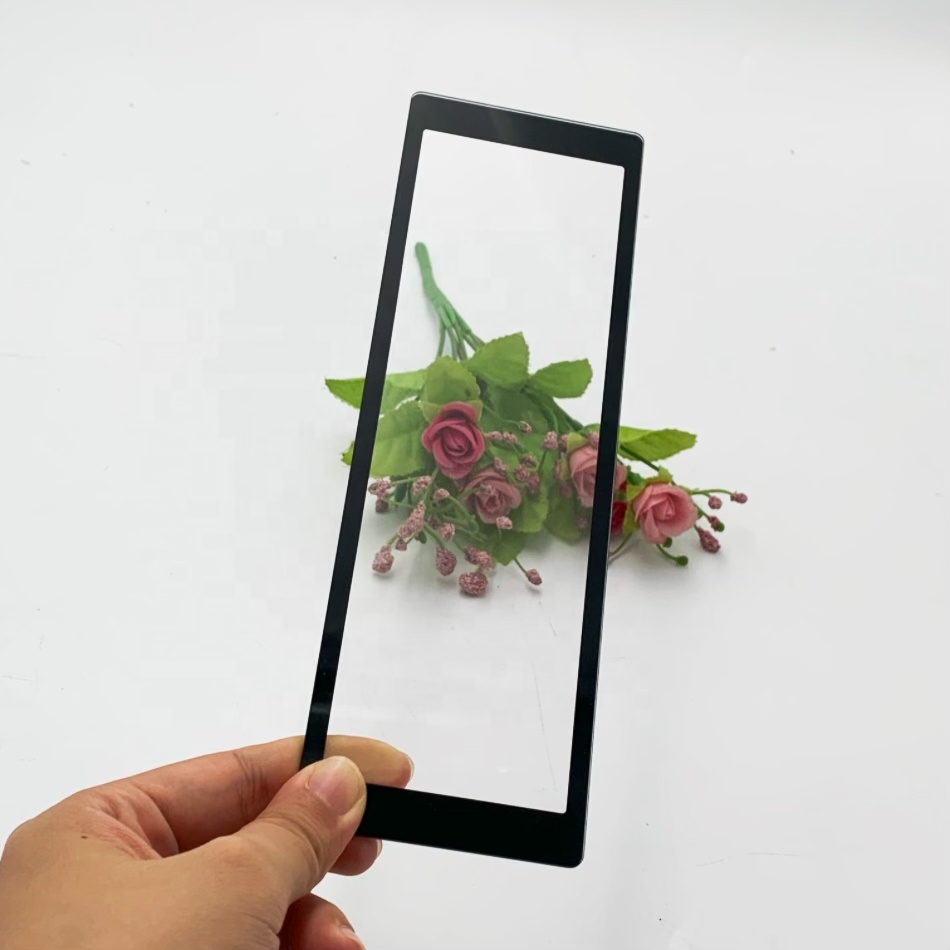
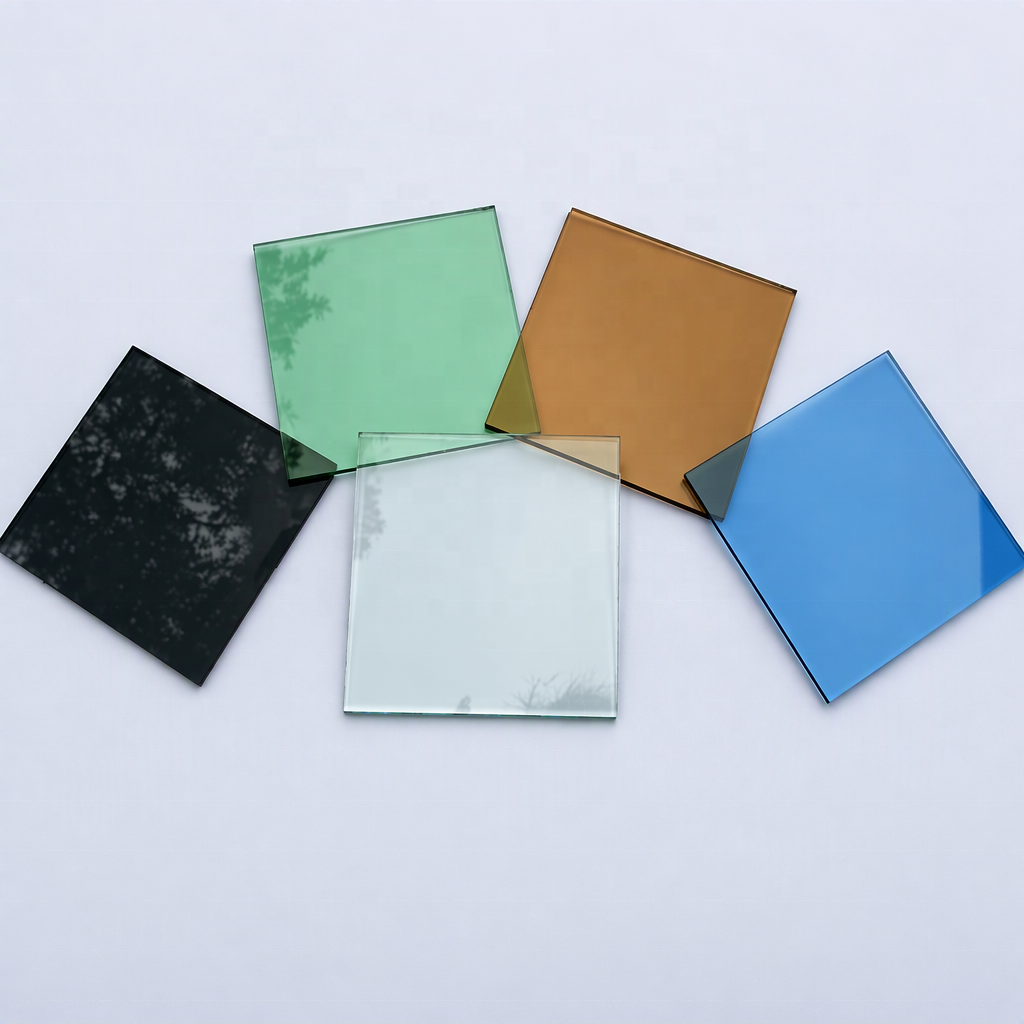

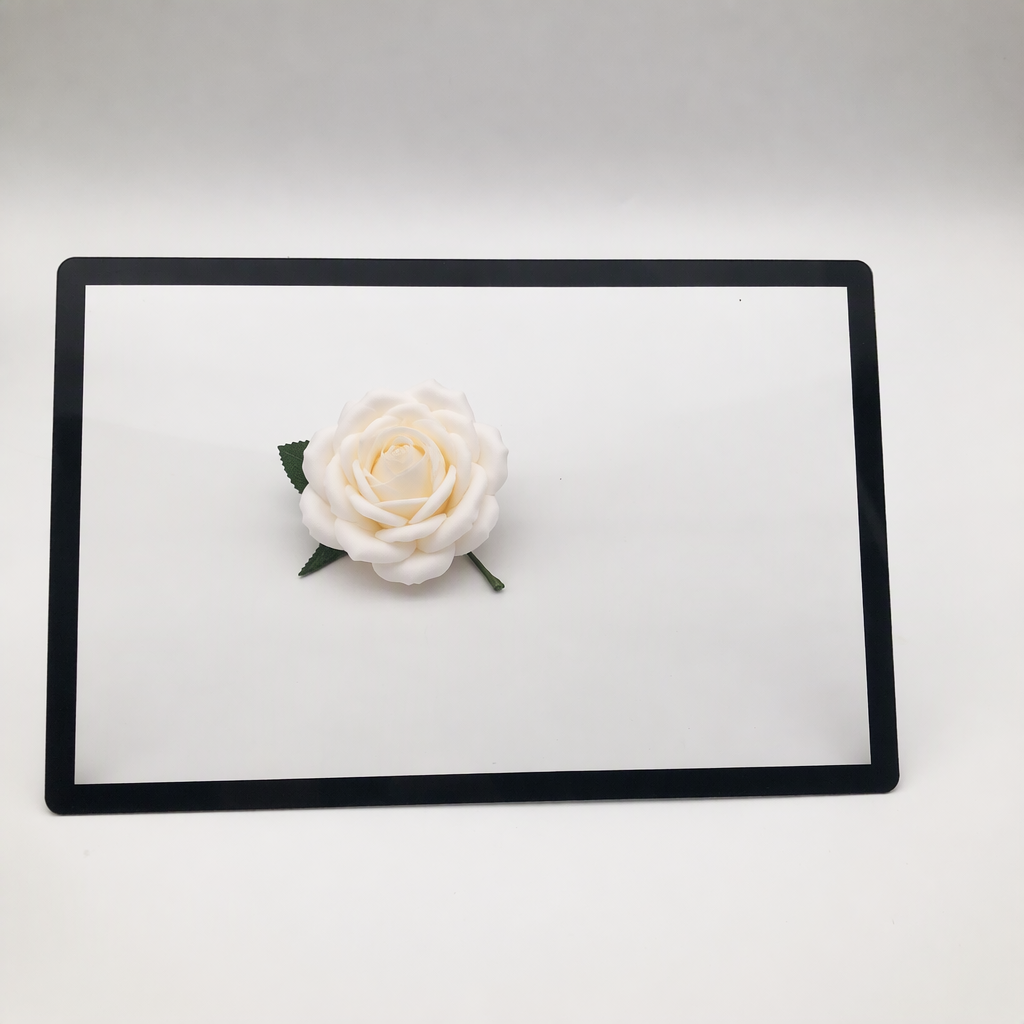
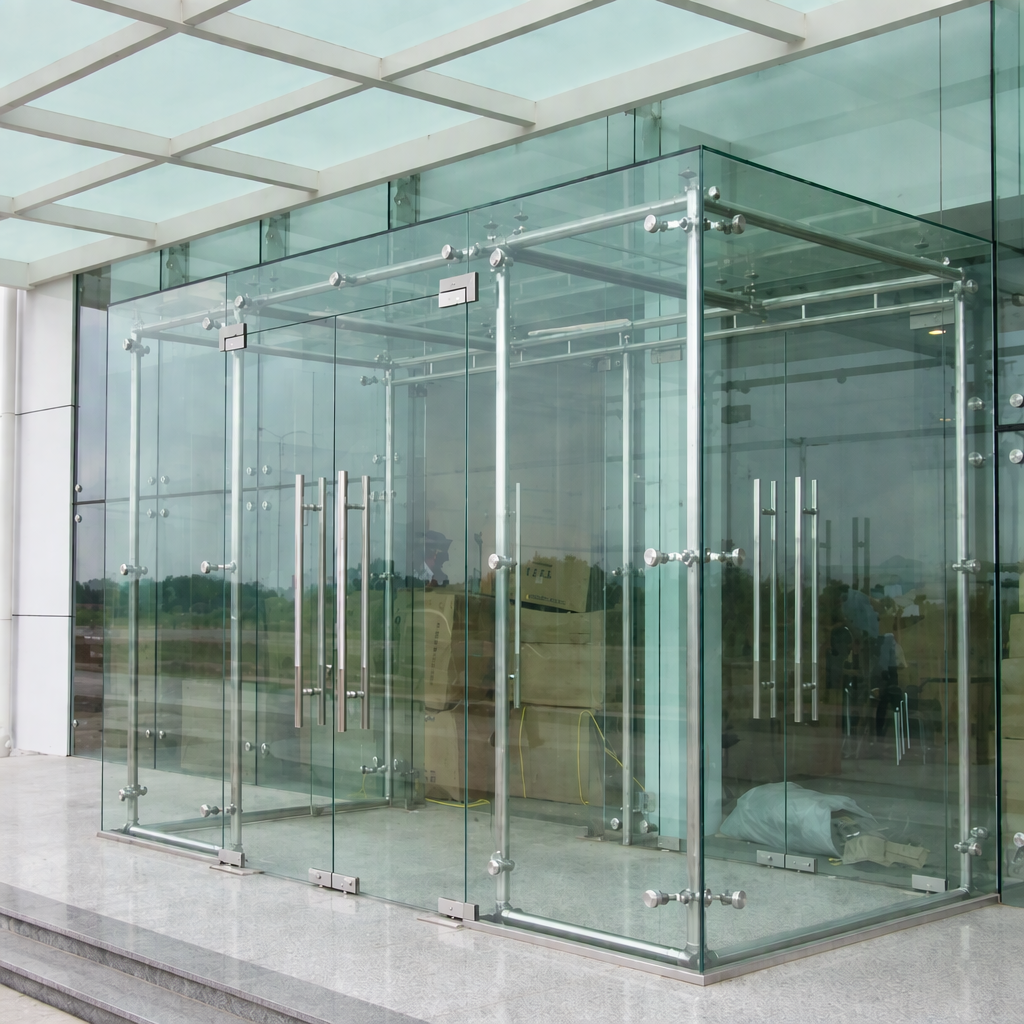
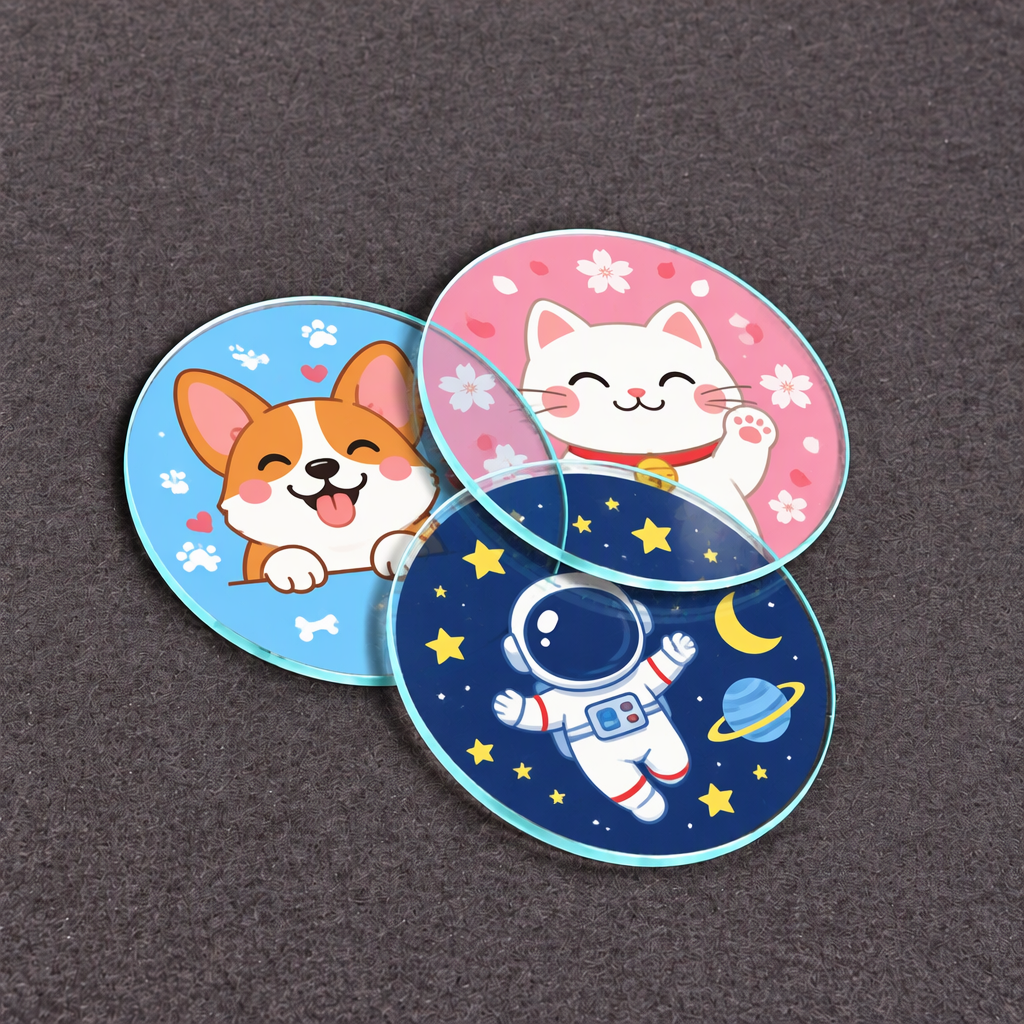
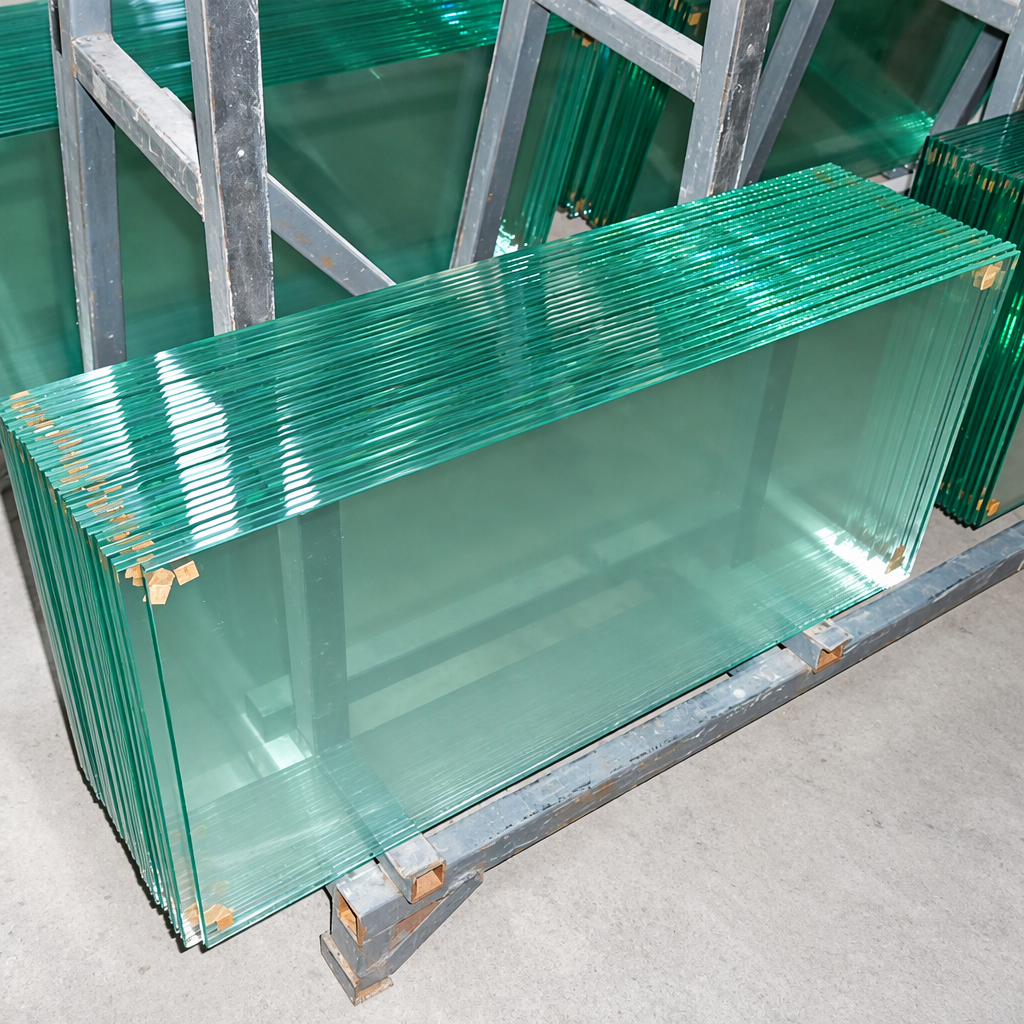
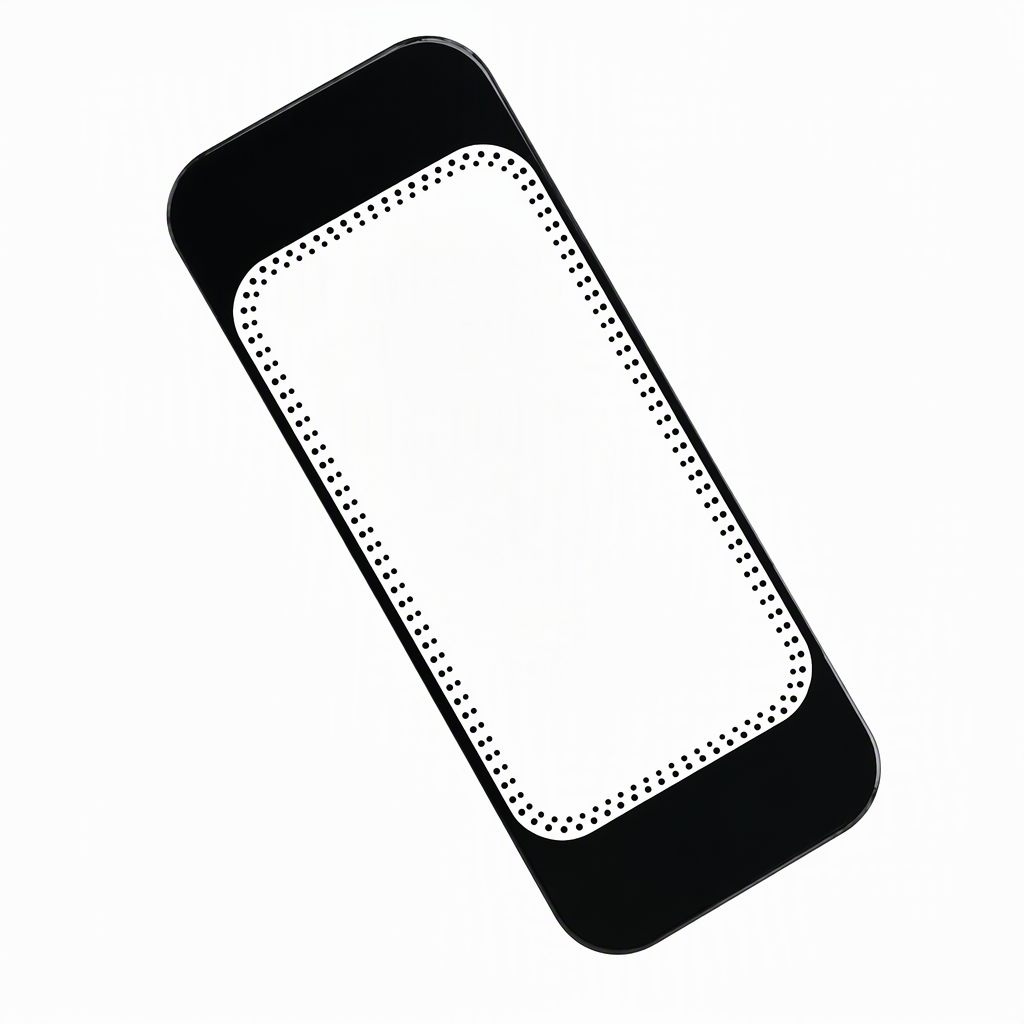
Need a texture, pattern or print layout not shown above? Send a drawing, artwork file or physical reference. Our engineers will review tempering compatibility, print order and tooling before sampling.
What Osaka Buyers Evaluate Before Choosing a Textured Glass Manufacturer
Osaka is a compact, design-literate and operations-focused market. Procurement teams here rarely buy glass as a generic commodity; they compare drawing review speed, print consistency, packing quality and export documentation against the delivery date.
Factory Readiness Dashboard
Illustrative summary of documented capabilities. Exact production limits depend on drawing, thickness, print colors and coating.
For Osaka, the important question is not simply who can cut glass. It is who can keep a print layout, hole position, edge profile and tempering condition consistent from sample to mass production. Osaka companies often run short development cycles, so a manufacturer must answer technical questions quickly, document deviations, and pack glass for a humid sea route. Qingdao Maupe Glass Co., Ltd. has operated since 2012, runs an ISO 9001 quality system, and exports to more than 80 countries with 91–100% of output exported. That export focus is useful for Osaka buyers because quotations, inspection records and packaging are already built around international orders rather than domestic-only delivery.
The company’s factory floor area is listed at 3,000–5,000 m², with 8 production lines and a deep-processing scope that includes cutting, CNC shaping, edge polishing, drilling, engraving, silk screen printing, physical tempering, chemical strengthening and AR/AG/AF coating. For a buyer in Umeda, Namba, Shin-Osaka, Sakai or the Osaka Bay area, this means the same supplier can often support both display-glass prototypes and production orders for appliance panels, switch covers and architectural glass.
Start With the Service Condition, Not the Price
A textured, printed or coated glass panel can look identical in a catalogue photo while behaving very differently on an Osaka production line. Use the application matrix below to narrow the specification before requesting a quotation.
| Application need | Recommended glass direction | Why it matters in Osaka |
|---|---|---|
| Touch display, kiosk or control panel | Custom silk-screen printed tempered glass, 0.5–3 mm, with optional AR/AG/AF coating | Print registration, touch-window clarity and flatness affect assembly yield and user experience. |
| Decorative façade, partition or interior feature | Tinted or reflective tempered flat glass, 3–10 mm, or construction tempered float glass | Color consistency, safety breakage behavior and edge quality are visible in hotels, retail and offices. |
| Cooktop, oven, range hood or heat exposure | Heat-resistant tempered glass and high-temperature print | Osaka appliance OEMs need repeatable print durability and safe glass performance under heat cycles. |
| Solar window or energy-related glazing | High-transmittance clear flat solar tempered glass | Transmittance, iron content and edge condition influence energy performance and installation safety. |
| Hospitality branding and retail promotions | Printed tempered glass coasters, logo panels and small display covers | Low-volume customization lets Osaka hotels and retail teams test seasonal designs without heavy tooling. |
| Architectural safety glass | Construction and real-estate tempered float glass | Projects around Osaka Bay and central wards require reliable strength, edgework and protective packing. |
Osaka climate and handling note: high summer humidity, typhoon-season transport and coastal air can expose weak packing and poorly protected edges. Specify moisture-barrier packing, desiccant, corner protection and clearly marked cartons when the final destination is a humid warehouse or an outdoor site near Osaka Bay.
A common error in Osaka procurement is to request “textured glass” as a single commodity. In practice, texture and printing affect light diffusion, print opacity, cleaning, edge perception and the tempering schedule. A panel that looks right as a flat sample can show roller wave, color shift or touch-window distortion after strengthening. For this reason, Maupe Glass reviews the drawing and artwork together: print side, ink layer order, gloss level, touch window, camera hole, edge radius, fixing method and packing format. If your project needs a specific texture, provide a photo, physical sample or pattern file before quotation so the engineering team can confirm feasibility.
Where These Glass Products Fit in Osaka
From condominium interiors in Umeda to appliance manufacturing in Sakai and hospitality projects in Shinsaibashi, the best specification depends on the installation environment and the user’s daily contact with the panel.
Smart home and condominium switch panels
Osaka’s new residential towers and renovated apartments favour slim wall controls with backlit icons, touch zones and scratch-resistant surfaces. Printed tempered switch glass can be specified in 86-type or custom formats, with print alignment controlled before tempering.
Kitchen appliances for Kansai OEMs
Cooktop, oven, range hood and microwave door glass must resist heat and daily cleaning. For appliance teams in Sakai and Higashiosaka, high-temperature print, edge quality and dimensional repeatability are more important than decorative appearance alone.
Display covers for electronics and kiosks
Electronics teams around Shin-Osaka and Namba often need front covers with camera windows, logos and anti-glare treatment. AR, AG and AF coatings can improve readability in bright retail spaces, stations and industrial control rooms.
Hospitality and retail branding in Shinsaibashi
Hotels, cafés and retail groups frequently request printed glass coasters, logo panels and tinted tabletop glass for seasonal promotions. Low MOQ and sample-based approval make it practical to test designs before committing to larger production.
Architectural and real-estate glass
Central Osaka redevelopment and Bay Area projects need tempered glass for partitions, railings and interiors. Buyers should lock down thickness, edge finish, hole positions and protection for crane or truck delivery before production begins.
Solar and energy-efficient façades
High-transmittance solar glass can support daylighting and energy-related design. For coastal installations near Osaka Bay, edge protection, coating choice and cleaning instructions should be agreed with the installer, not left until the final packing stage.
Osaka Market Trends Shaping Glass Specifications
These trends are practical design drivers rather than broad claims. They help Osaka buyers ask better questions during sampling and avoid rework when the product reaches the Japanese market.
Smart home and touch-first interiors
More residential and hotel projects connect lighting, climate and access control through glass touch panels. Buyers increasingly request low-glare surfaces, anti-fingerprint treatment and precise icon alignment.
Sustainability and material documentation
RoHS information, eco-friendly inks and measurable process documentation are now part of standard supplier evaluation. Glass’s recyclability is an advantage, but the print and coating system must still be reviewed.
Humidity, salt air and typhoon-season planning
With coastal sites and humid summers, packaging and edge protection deserve specification attention. Moisture barrier bags, desiccant and stronger corner protection can reduce rework after long sea transport.
Short-run customization and brand differentiation
Osaka brands often test seasonal designs, small retail batches and localized editions. Flexible MOQ from 10–100 pieces for many custom printed panels makes it easier to validate the market before scaling.
Why Qingdao Maupe Glass Co., Ltd. Can Support Osaka Projects
Founded in 2012 in Qingdao, Shandong, Qingdao Maupe Glass Co., Ltd. is a glass deep-processing manufacturer and international supplier operating under an ISO 9001 quality management system. Its core work is turning flat glass into finished functional parts through cutting, edge polishing, drilling, engraving, coating, silk screen printing, physical tempering and chemical strengthening. The company is listed as an SGS onsite-assessed supplier, a Fortune 500 supplier with a verified procurement contract, and an OEM/ODM supplier with more than a decade of production experience.
One factory, one process chain
Cutting, CNC shaping, edging, drilling, printing, tempering, chemical strengthening and coating are handled in one deep-processing system, reducing handoff risk between workshops.
Verifiable quality and compliance
ISO 9001 certificate 24025Q20015R1S, RoHS certificate 25TYT12395 and CE certificate 23TYT082593S are available for compliance teams to review before purchase.
Export experience built into the quotation
Exporting to 80+ countries with 91–100% export share means documentation, packing and shipping discussions are routine, not an afterthought for the first international order.
Engineering review before tooling
Drawings, artwork, texture references and assembly needs are reviewed together. This helps Osaka buyers catch tolerance, coating and print-order problems before screens and samples are made.
Custom finishing and brand detail
Multi-colour silk screen printing, custom logos, touch zones, AR/AG/AF coatings and edge finishing can be combined to match appliance, electronics and architectural requirements.
Export packing and inspection focus
Incoming material inspection and finished-product inspection support consistent shipments. Protective export packing can be discussed for Osaka routes through Qingdao seaport or airport.
Certifications Osaka Buyers Can Verify
Certificate numbers are shown so Japanese importers, compliance teams and engineering departments can cross-check them with the issuing bodies before mass production.

ISO 9001 Quality Management
Certificate No. 24025Q20015R1S. Scope covers float glass and technical glass products. The documented system supports process control from drawing review through final inspection.

RoHS Compliance
Certificate No. 25TYT12395. Important for buyers supplying EU-related electronics programmes and for procurement teams that require declared restricted-substance compliance.

CE Marking
Certificate No. 23TYT082593S for tempered glass. Useful where European market access or project documentation requires a CE-related certificate package.
A Controlled Workflow for Osaka Orders
A clear process helps purchasing, engineering and quality teams know what is being approved at each stage.
Drawing review
Engineers check manufacturability, tolerance, strengthening method, print layout and packing risk.
Sampling
Screens and samples are prepared for fit, color, touch-window and texture verification.
Mass production
Cutting, edging, printing, coating and tempering run through controlled production lines.
Inspection and export
Finished-product checks, protective packing and shipping documentation are prepared for the Osaka route.
Questions Osaka Buyers Ask Before Ordering Glass
These answers reflect common technical and commercial questions from export buyers. Project-specific requirements should always be confirmed in the quotation and drawing approval.
What is the minimum order quantity for custom printed tempered glass?
Should we choose physical tempered glass or chemically strengthened glass?
Which certifications does Qingdao Maupe Glass Co., Ltd. hold?
What files are needed to start a custom glass project?
Which trade and payment terms are accepted for Osaka shipments?
Can you support Japanese market documentation or JIS-related requirements?
How should we plan packaging for humid Osaka summers and sea freight?
Have a Drawing, Artwork or Texture Reference?
Send your dimensions, thickness, print layout, coating requirement and target volume. Our glass engineering team will review manufacturability and recommend a practical specification for the Osaka market before you commit to tooling.
info@maupeglass.com