Top 10 Glass Polishing Exporters & Wholesaler in Louisville
Factory-direct tempered, printed, beveled and switchable glass for Louisville distributors, glaziers, OEMs, architects and facility teams — evaluated on process evidence, specification clarity and repeatable export quality.
What “Top 10” Should Mean for Louisville Glass Buyers
Louisville buyers searching for glass polishing exporters and wholesalers are usually comparing more than a unit price. They are trying to reduce installation risk, avoid print-color rejection, protect delivery schedules and keep compliance documentation ready for internal procurement review.
A real shortlist should separate verified process capability from directory-style claims. Glass polishing is not a single step. It includes edge grinding, flat polishing, pencil edging, beveling, CNC contouring, hole finishing, surface-treatment preparation and print-window cleaning before tempering, chemical strengthening or coating. In Louisville’s manufacturing, logistics, healthcare, hospitality and renovation economy, those details influence whether a pane fits on the first attempt or creates expensive rework.
For a Louisville distributor, glazier or OEM, the strongest export partner is the one that can explain how it controls flatness, chipping, bevel consistency, ink adhesion, coating durability and packaging before the purchase order is issued. The factory should provide certificate numbers, sample history, drawing feedback and shipping choices that match Kentucky delivery realities — not just an attractive product photo.
- Polished edge quality and bevel consistency for visible architectural, furniture and hospitality applications.
- Correct strengthening method: physical tempering for thicker safety glass, chemical strengthening for thin cover glass.
- Print and coating control for appliance panels, touch interfaces, instruments and smart-glass partitions.
- Export documentation, protective packaging and door-to-door or port-based delivery options for Louisville.
8 Glass Product Families That Cover Most Louisville Wholesale Inquiries
These eight product families represent repeatable B2B demand: hospitality interiors, appliance panels, instrument windows, touch interfaces, furniture glass and privacy partitions. The remaining places in a typical Top 10 buying matrix are usually project-specific custom shapes and replacement parts quoted from drawing.
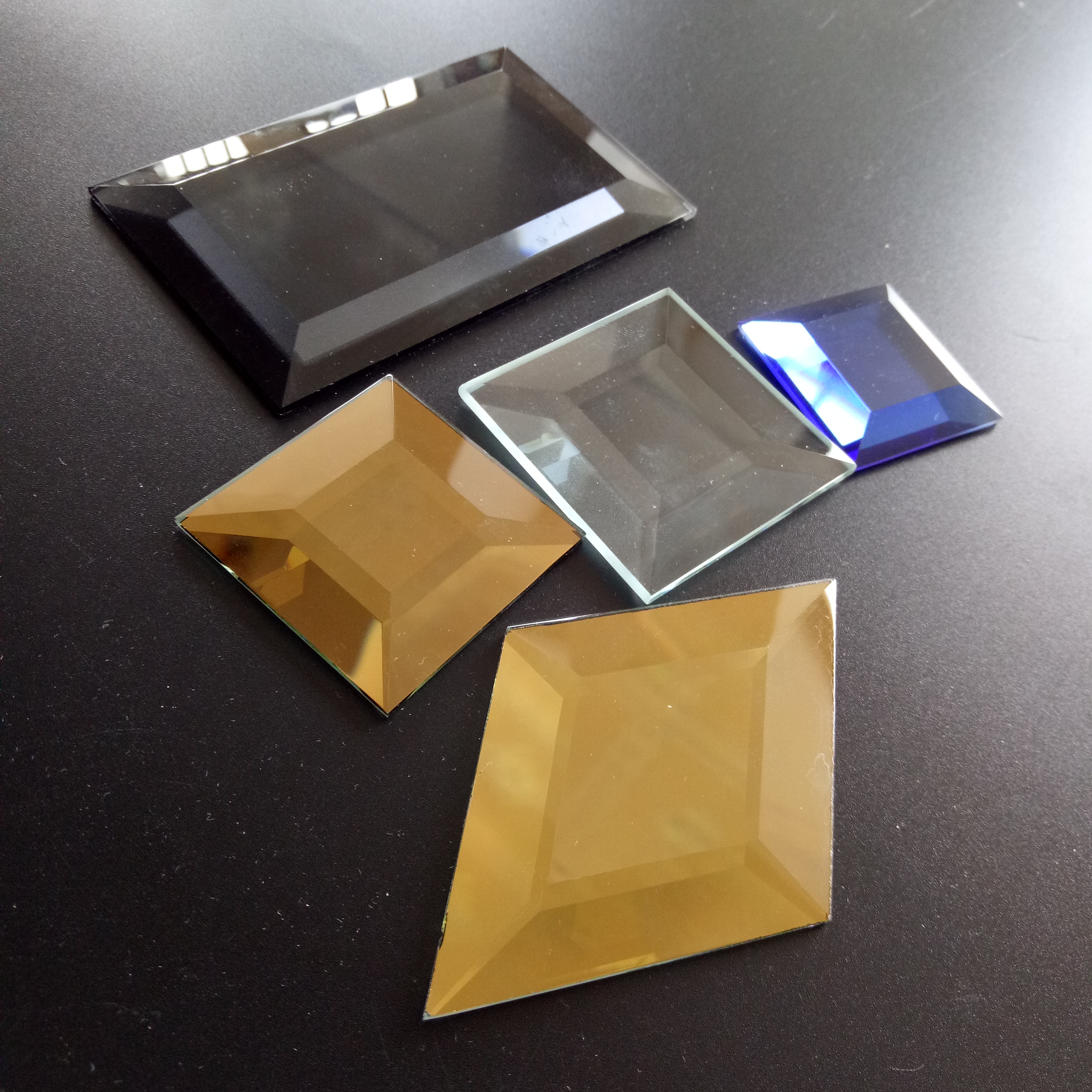
Bule Gold Faceted Beveled Glass for Wall Decoration clear Beveled Glass Pieces
Decorative faceted beveled glass for feature walls, tasting rooms and luxury retail. Custom patterns, color-backed finishes and polished edges create depth for Louisville hospitality interiors without the weight of stone.

Tempered Glass Lazy Susan 50cm 60cm 70cm 90cm Lazy Susan Turntable Strengthened Glass
Strengthened round turntables from 50 cm to 90 cm for dining, display and cabinet organization. Polished edges support safe handling and repeatable replacement supply for restaurants, hotels and showrooms.
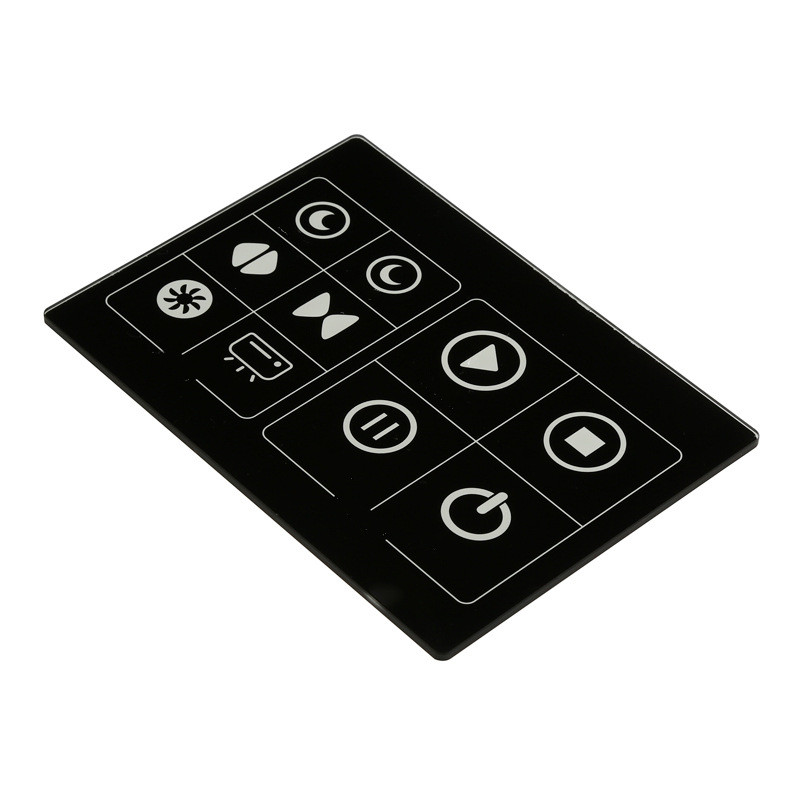
High Temperature Resistant Customized Black Printing Tempered Glass Cooktop Microwave Oven Door Glass for Kitchen
Black-printed tempered glass for microwave doors, cooktops and high-heat kitchen equipment. High-temperature inks and controlled print windows support appliance OEMs, refurbishers and property-maintenance programs.
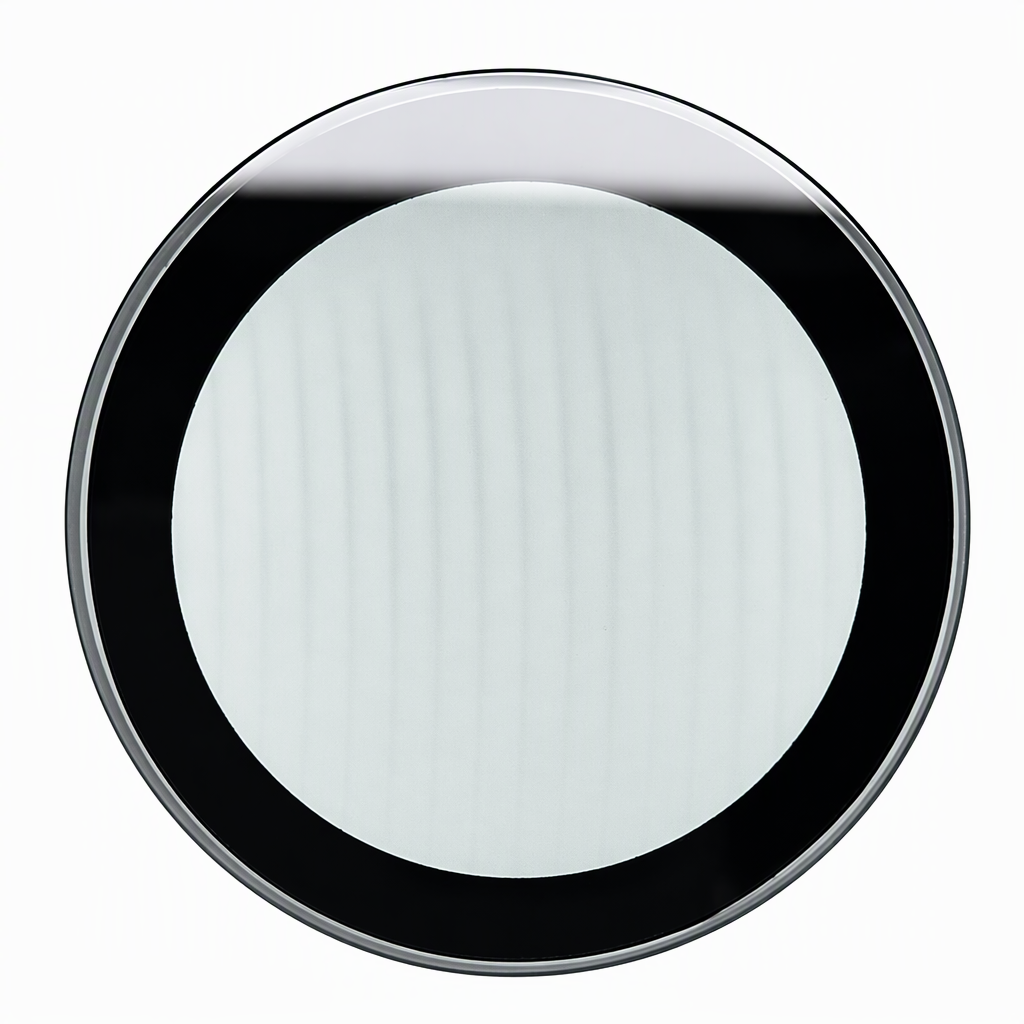
Custom 3-19mm Thickness Flat Tempered Glass Panel for Instrument Use Factory Price Round Shape Printed Tempered Glass
Flat tempered panels from 3 mm to 19 mm for instruments, HMI windows and round printed covers. CNC shaping and edge polishing keep sensor zones clear while protecting displays in industrial environments.
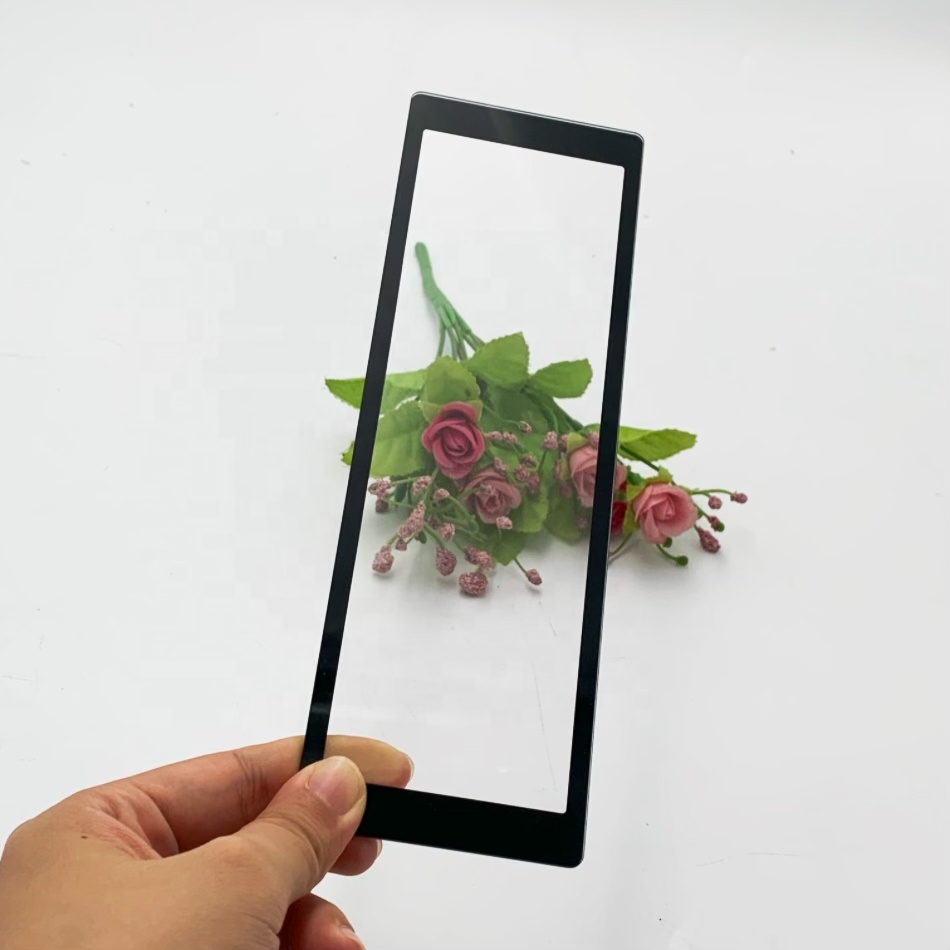
Custom Silk Screen Printed Tempered Glass Panel Touch Screen Display Cover Glass
Silk-screen printed tempered cover glass for touch screens, control panels and kiosks. Multi-layer printing, scratch-resistant finishes and optional AR/AG/AF coatings improve readability and brand consistency.
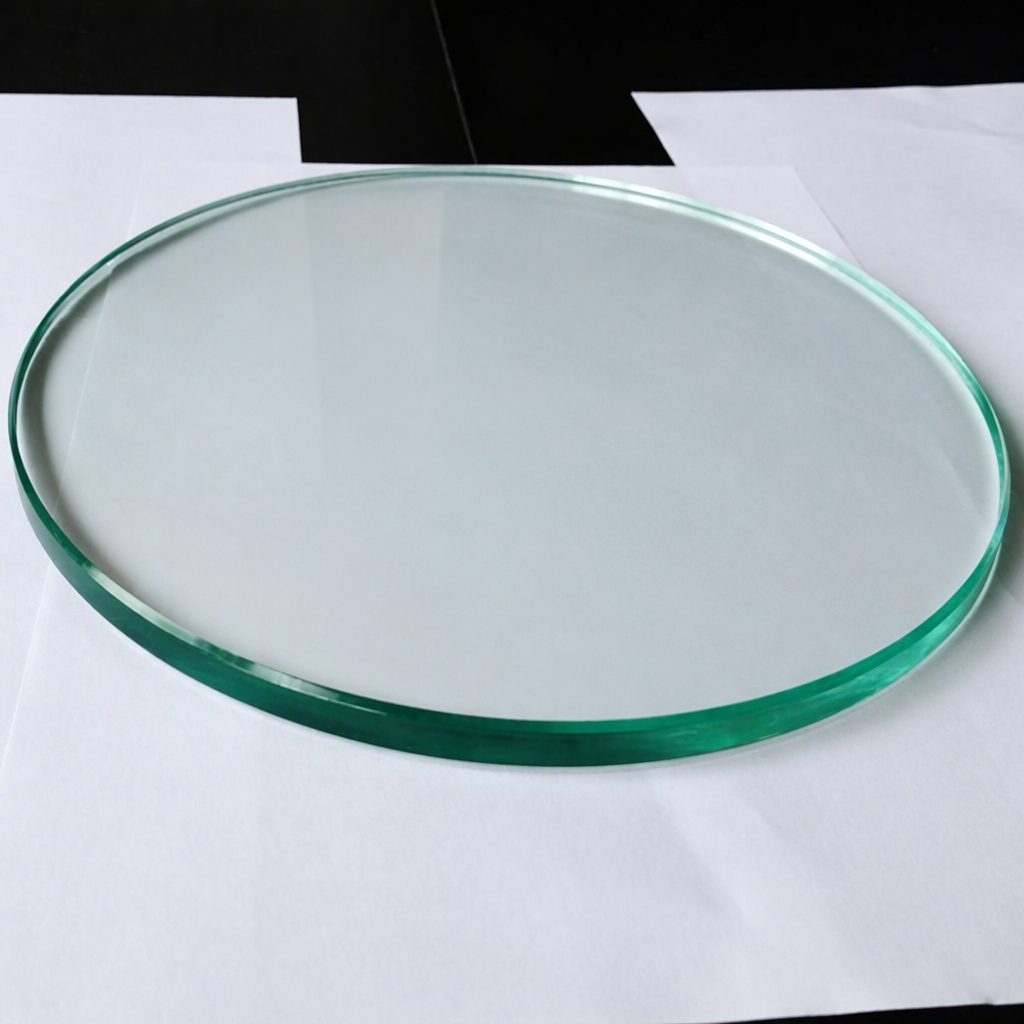
12mm Tempered Glass Round Tempered Glass Beveled Round Glass Pieces
12 mm round tempered glass with beveled edges for tables, shelving and furniture inserts. The bevel catches light while the tempered core supports commercial use and replacement-part supply.
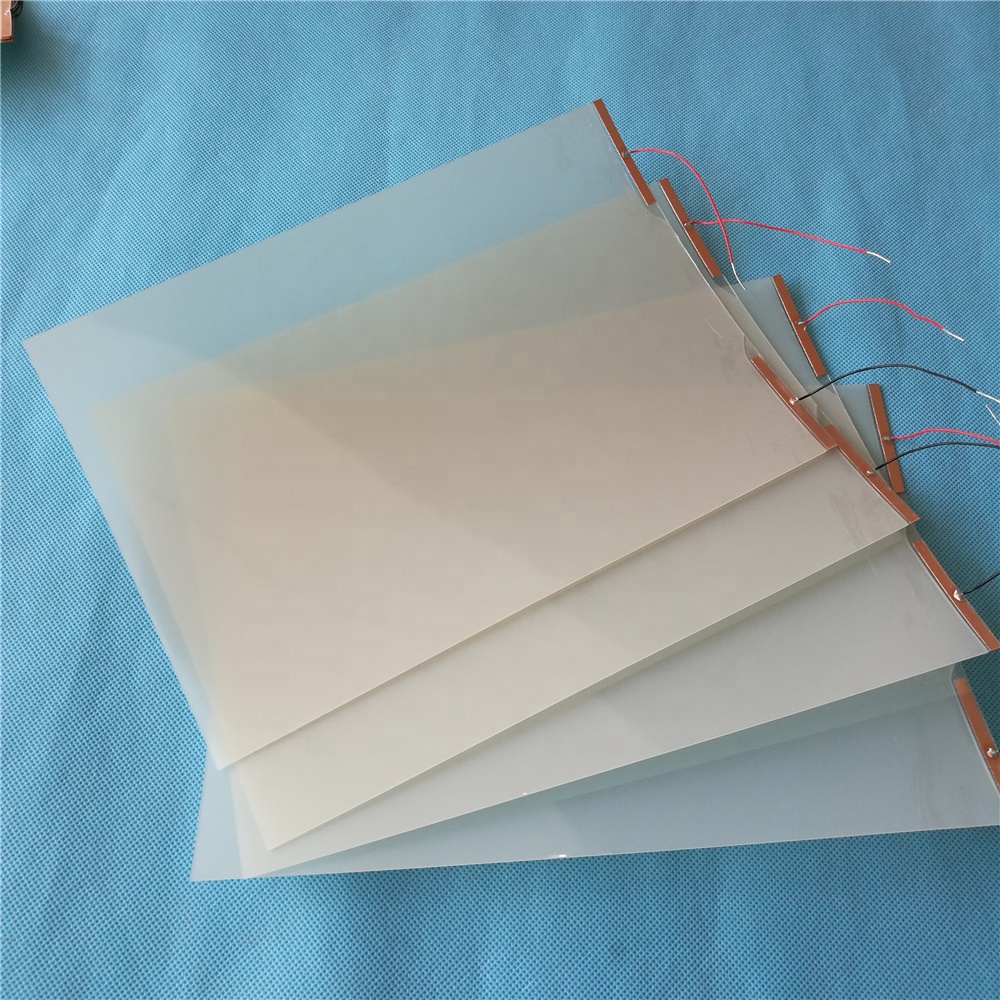
Factory Price Electrochromic Anti-UV PDLC Film Smart Switchable Privacy Glass Office Partition and Curtain Walls
PDLC switchable privacy glass for offices, clinics, conference rooms and hospitality suites. Frosted or clear states support flexible space planning in Louisville renovations and adaptive-reuse projects.
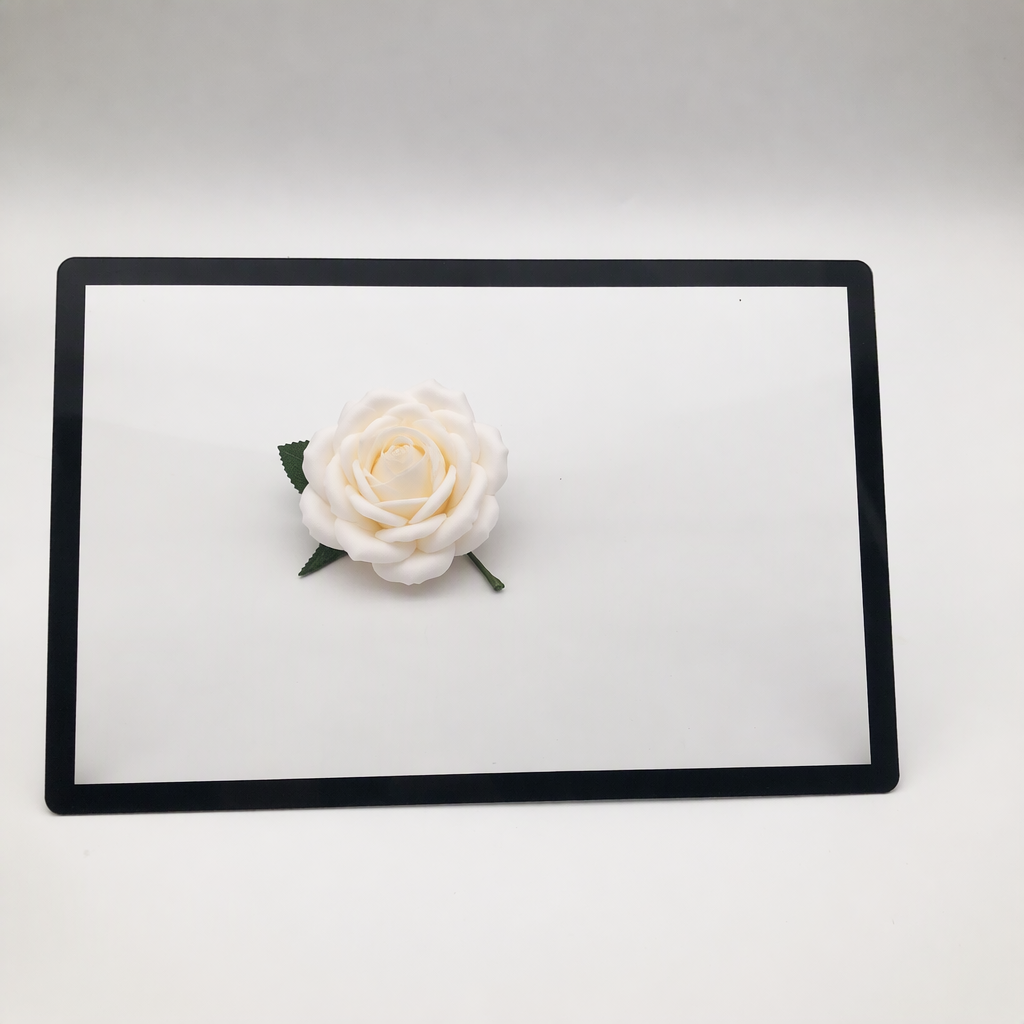
Ultra-Thin Silk Screen Printed Tempered Glass for Display Panels
Ultra-thin silk-printed tempered glass for display panels, wearables and compact electronics. Tight thickness control and clean print registration suit assemblies where frame depth and optical clarity matter.
Where Polished, Printed and Tempered Glass Performs in Louisville
Louisville’s economy mixes advanced manufacturing, healthcare, logistics, hospitality and continuous renovation. That creates demand for glass that is not only visually consistent, but also cleanable, impact-resistant and easy to integrate into local fabrication and installation workflows.
Bourbon, Distillery and Hospitality Interiors
Faceted beveled wall glass, tempered lazy Susans and PDLC privacy panels support tasting rooms, hotel suites and restaurant fit-outs where reflections and durability shape guest experience.
Commercial Partitions and Smart Offices
Switchable privacy glass and printed glass panels help convert open floors into conference rooms, focus booths and client suites without losing daylight.
Kitchen Appliance OEM and Refurbishment
High-temperature black printed tempered glass is used in microwave doors, cooktop panels and service-part programs for rental housing, hotels and appliance repair networks.
Healthcare, Dental and Medical Device Displays
Ultra-thin printed cover glass with AR/AG/AF coatings improves screen readability and cleanability for clinical equipment, imaging displays and patient-facing devices.
Industrial Instrumentation and Logistics Automation
Louisville’s warehouse and distribution corridor relies on scanners, HMIs, scales and control panels. Tempered instrument glass protects those interfaces from impact and frequent cleaning.
Automotive, EV and Fleet Technology Suppliers
Printed and tempered cover glass supports charging-station interfaces, fleet telematics, diagnostic displays and supplier-tier control panels requiring consistent optical quality.
Smart Home, Access Control and Security
Silk-printed switch glass, card reader covers and smart-lock panels combine touch-friendly surfaces with hidden sensor windows and long-term scratch resistance.
Furniture, Tabletop and Feature Wall Fabrication
Beveled round glass, tempered lazy Susans and decorative faceted pieces give local fabricators flexible options for showrooms, condos, restaurants and custom furniture.
Louisville Market Signals Shaping Glass Specification
These trends are useful for distributors, specifiers and procurement teams building 2025–2026 supplier plans around Louisville projects and regional distribution.
De-risking Without Giving Up Factory-Direct Economics
Louisville buyers are splitting orders across verified overseas factories and regional fabricators. They ask for certificate numbers, packaging validation and a documented escalation path, not just a price list.
Switchable Glass Becomes a Design Requirement
Adaptive reuse and office refreshes are pushing PDLC smart glass into conference rooms, clinics and hospitality suites where static film is not durable enough for daily operation.
Cleanable, Readable Touch Surfaces
Healthcare, food service and logistics kiosks need anti-glare and anti-fingerprint surfaces that survive disinfectants. AG/AF coatings and durable printed glass reduce replacement cycles.
Short-Run Renovation and Spare-Part Projects
Older appliances, store fixtures and furniture create mixed-MOQ projects. Flexible print setup and size ranges help Louisville distributors serve repair, renovation and custom fabrication customers.
How to Rank the Top 10 Glass Polishing Exporters Serving Louisville
Use this 10-point evidence checklist during RFQ comparison. A supplier that cannot answer these items clearly may create hidden cost in rework, breakage, delayed installation or compliance review.
Quality System
ISO 9001 certificate, exact scope and current validity — not just a logo.
In-House Process
Cutting, edging, polishing, printing and tempering traceable under one roof.
Edge and Bevel Quality
Flat polish, pencil edge, bevel lines, safety corners and chip control.
Print Control
High-temp and low-temp inks, color targets, registration and scratch tests.
Coating Competence
AR, AG and AF options with clear test methods and application limits.
Thickness Range
Thin chemical strengthening plus thicker physical tempering capability.
Export Documentation
Invoice, packing list, bill of lading, origin and test reports handled properly.
Packaging Validation
Edge protectors, interleaves, crates and transit-risk planning for glass.
Engineering Communication
Drawing review, DFM notes and change control before mass production.
Louisville Delivery Options
FOB, CIF, DDP, air/express and sea-rail-truck planning matched to urgency.
Polishing, Tempering and Coating Details That Protect Margin
Most quote errors appear before production starts. The RFQ should define the finish, strengthening method, print layers, coating, tolerance and packaging in one package so the factory and the Louisville buyer are evaluating the same scope.
What to send with the first inquiry
- 2D drawing in DWG, DXF or PDF with outline, holes, notches and tolerance.
- Print artwork in AI or PDF with Pantone/RAL color references and layer order.
- Glass type, thickness, edge profile, coating and strengthening requirement.
- Annual volume, sample quantity, delivery terms and target Louisville timing.
For replacement or retrofit projects, include photos of the assembly and note the operating temperature, cleaning chemicals and touch-sensor layout. This prevents choosing an ink or glass type that looks correct but underperforms in service.
| Specification decision | What to put in the RFQ | Why it matters for Louisville buyers |
|---|---|---|
| Edge finish | Flat polish, pencil edge, bevel, safety corner | Inconsistent edges increase installation labor and visible defects in hospitality interiors. |
| Strengthening | Physical tempered vs chemical strengthened | Thicker safety glass and thin optical cover glass require different processes. |
| Printing | High-temp or low-temp ink, color target, layer order | Cooktop and microwave panels need heat resistance; touch panels need registration. |
| Coating | AR, AG, AF or none | Bright lobbies, clinical screens and frequent-touch kiosks need the right optical surface. |
| Tolerance | Hole position, flatness, outline and thickness range | Frames, sensors and control housings depend on repeatable fit. |
| Packaging | Foam, interleaves, edge protectors, crate type | Glass moving by LTL, rail, air or ocean needs transit-specific protection. |
Why Maupe Glass Is a Credible Louisville Wholesale Partner
Qingdao Maupe Glass Co., Ltd. is a glass deep-processing manufacturer and international supplier founded in 2012. The company operates under an ISO 9001 quality management system and has been onsite-assessed by SGS Group, with RoHS and CE certificates available for buyer verification.
Verified Quality and Compliance
ISO 9001 certificate No. 24025Q20015R1S, RoHS No. 25TYT12395 and CE No. 23TYT082593S provide a documented starting point for Louisville procurement reviews.
Complete In-House Process Chain
Cutting, CNC shaping, edging, polishing, drilling, engraving, silk-screen printing, physical tempering and chemical strengthening are coordinated under one factory system.
OEM / ODM Depth
About 10 years of OEM experience, custom sample support, drawing review and Fortune 500 supplier verification help reduce the learning curve on new panel programs.
Export Scale and Documentation
The company serves buyers in 80+ countries, with an export share of output around 91–100%. Export packing and commercial documents are part of normal production planning.
Engineering-First Communication
Files are checked for manufacturability, coating compatibility, print sequence and strengthening choice before sampling, which reduces late-stage changes and rework.
Louisville-Ready Logistics Choices
FOB, CIF, EXW, DDP and express options are available from Qingdao seaport and airport. Payment can be arranged by T/T, L/C, PayPal or Western Union in USD, EUR or CNY.
Factory Evidence Louisville Buyers Can Ask For
A serious wholesale partner should be comfortable sharing production evidence: workshop views, equipment context, certificate numbers, packaging samples and live video review. For custom glass, visual proof of process maturity is part of risk reduction.
 Factory overview · 3,000–5,000 m² production area
 Cutting and processing workshop · drawing-based production
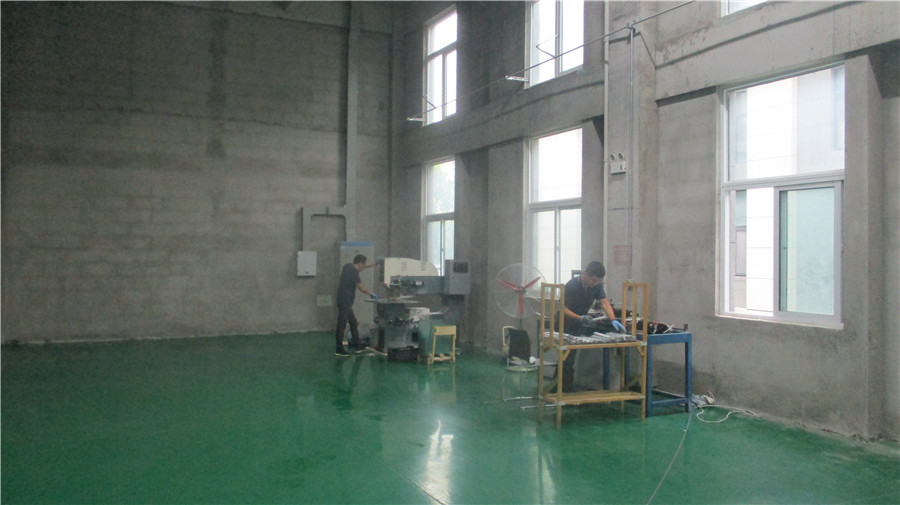 Edge polishing and finishing · quality checked before packing
Louisville Buyer FAQ: Glass Polishing, Wholesale and Export
These are the questions most often raised by Louisville distributors, glaziers, OEM buyers and facility teams when comparing overseas glass manufacturers.
Are you a local Louisville glass shop or an overseas export manufacturer?
+
What is the minimum order quantity for polished, printed or tempered glass?
+
How long does production and shipping to Louisville take?
+
Can you match an existing sample, appliance panel or control-panel design?
+
Which certificates and documents can our compliance team verify?
+
What files and details should I send for an accurate quote?
+
Send Your Drawing. Get a Louisville-Ready Manufacturing Review.
Share dimensions, glass type, edge finish, print artwork, coating requirements and target volume. The reply should tell you what is practical, what needs adjustment and which production and shipping route best fits your Louisville schedule.