Eight Custom Glass Products Often Evaluated with Optical Filter Glass
In a Mérida sourcing project, optical filter glass rarely stands alone. The filter stack is usually integrated into a strengthened cover, a printed display window, a touch panel, an anti-glare screen, or a high-transmittance glazing assembly. The eight production formats below help buyers test dimensional fit, coating compatibility, print registration, edge quality, and tempering feasibility before locking the final optical specification.
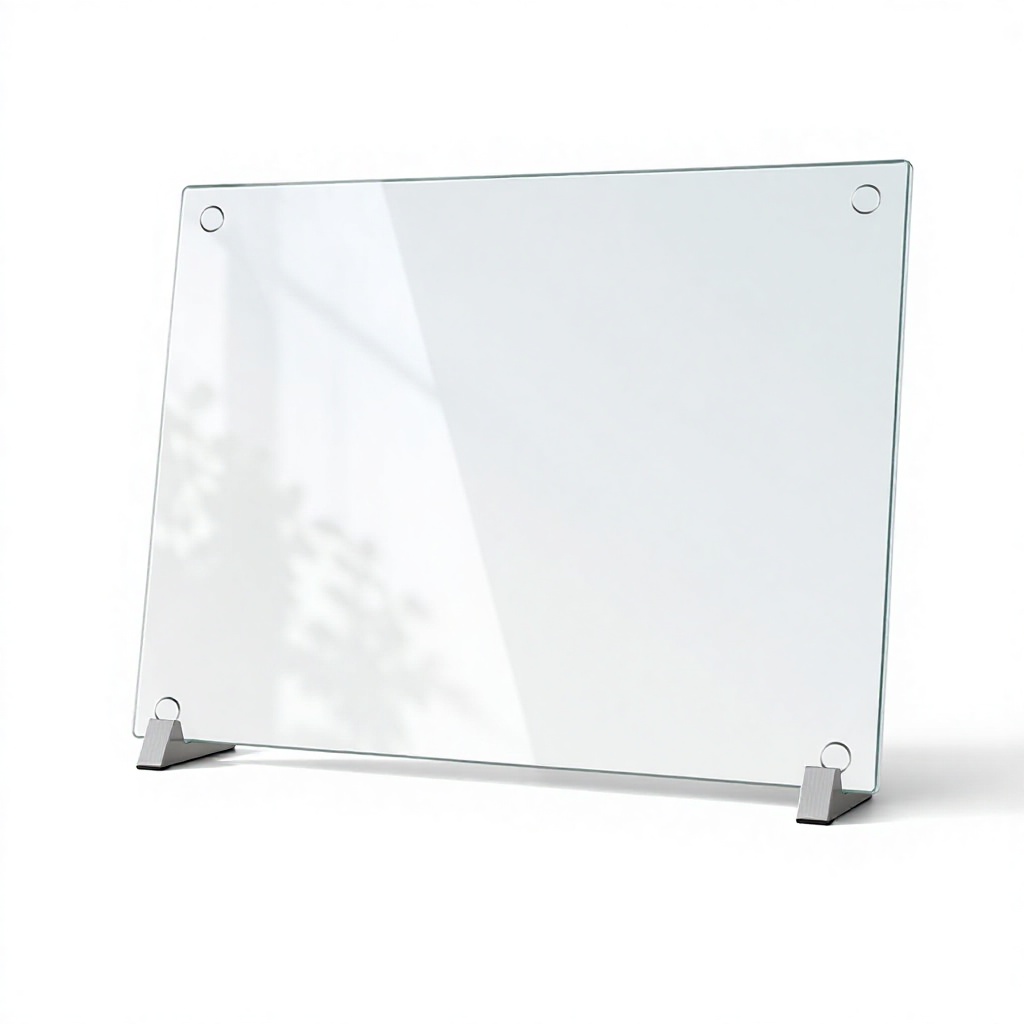
Custom Size Clear Tempered Glass Curtain Wall Panel Multi Function Print Glass Whiteboard Glass
A rigid clear tempered panel for whiteboard, partition, and light-masking assemblies where printed opacity, flatness, and safe breakage behavior matter.
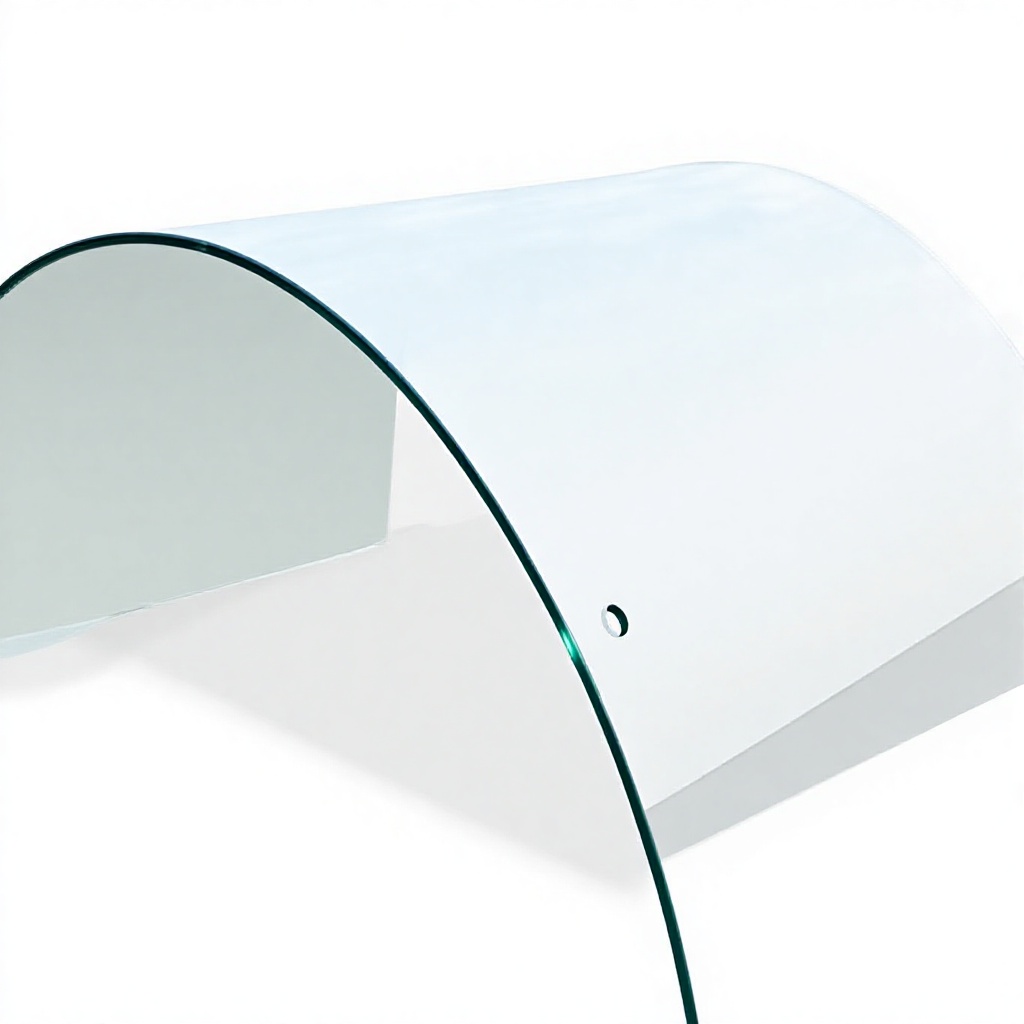
Custom Curtain Wall Glass Balcony Glass Tempered Glass Curved
Curved architectural glazing demonstrates shape control for screening, light-control, and balcony or curtain-wall projects that need safety glass.
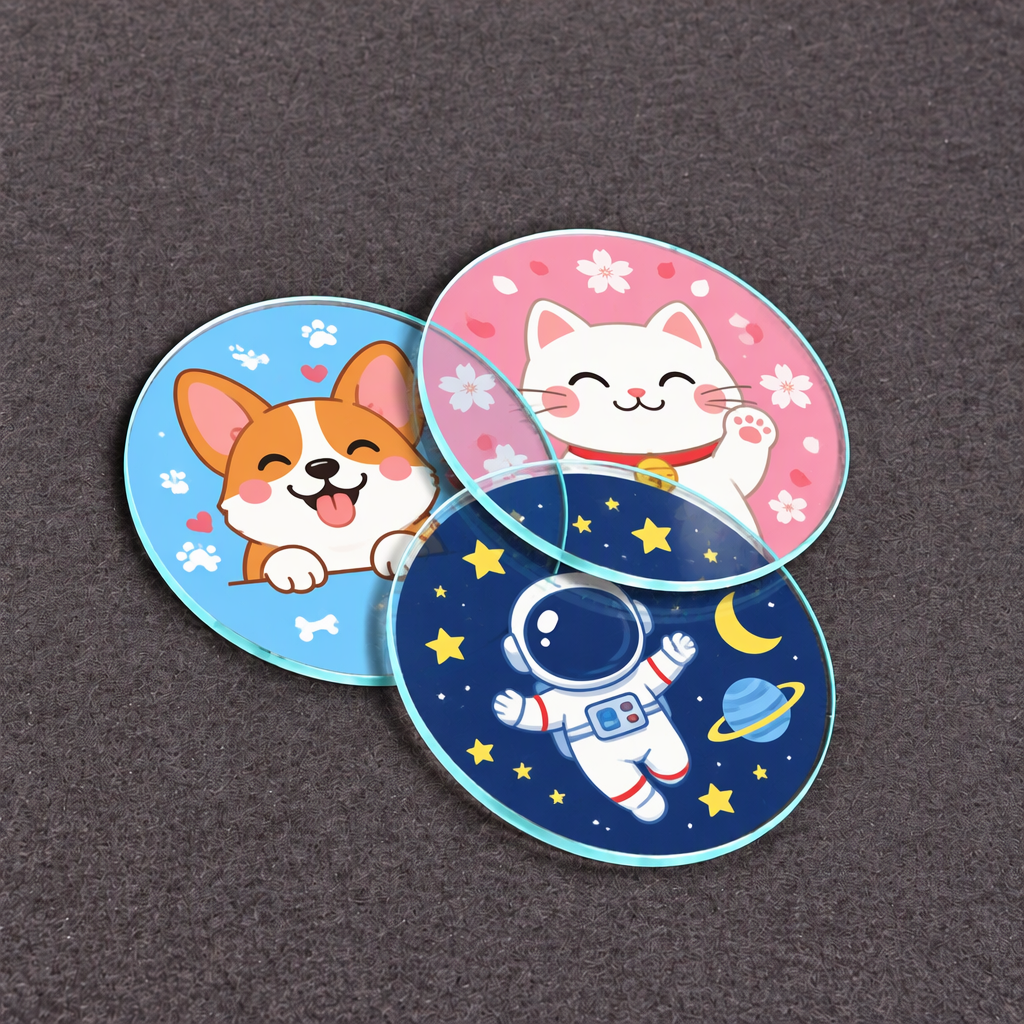
Eco-Friendly Custom Printed Glass Coasters Custom Design Tempered Glass Coaster
Small-format printed tempered glass shows color consistency and wear resistance—useful evidence when decorative masking is part of an optical window.
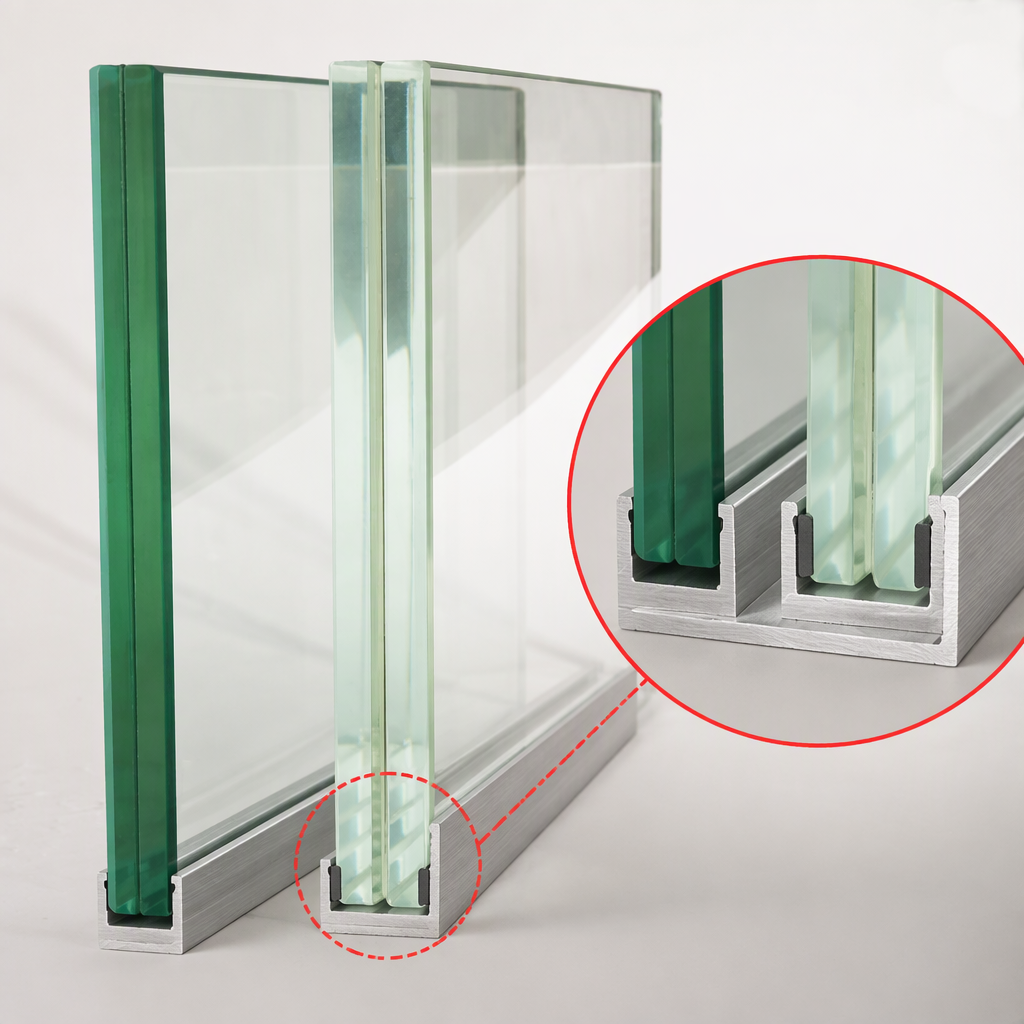
Tempered Glass Flat Solid Tempered Glass Panel Customized Thickness and Size
A flat solid tempered panel with customized thickness and dimensions for optical-window prototypes, industrial viewing windows, and equipment covers.
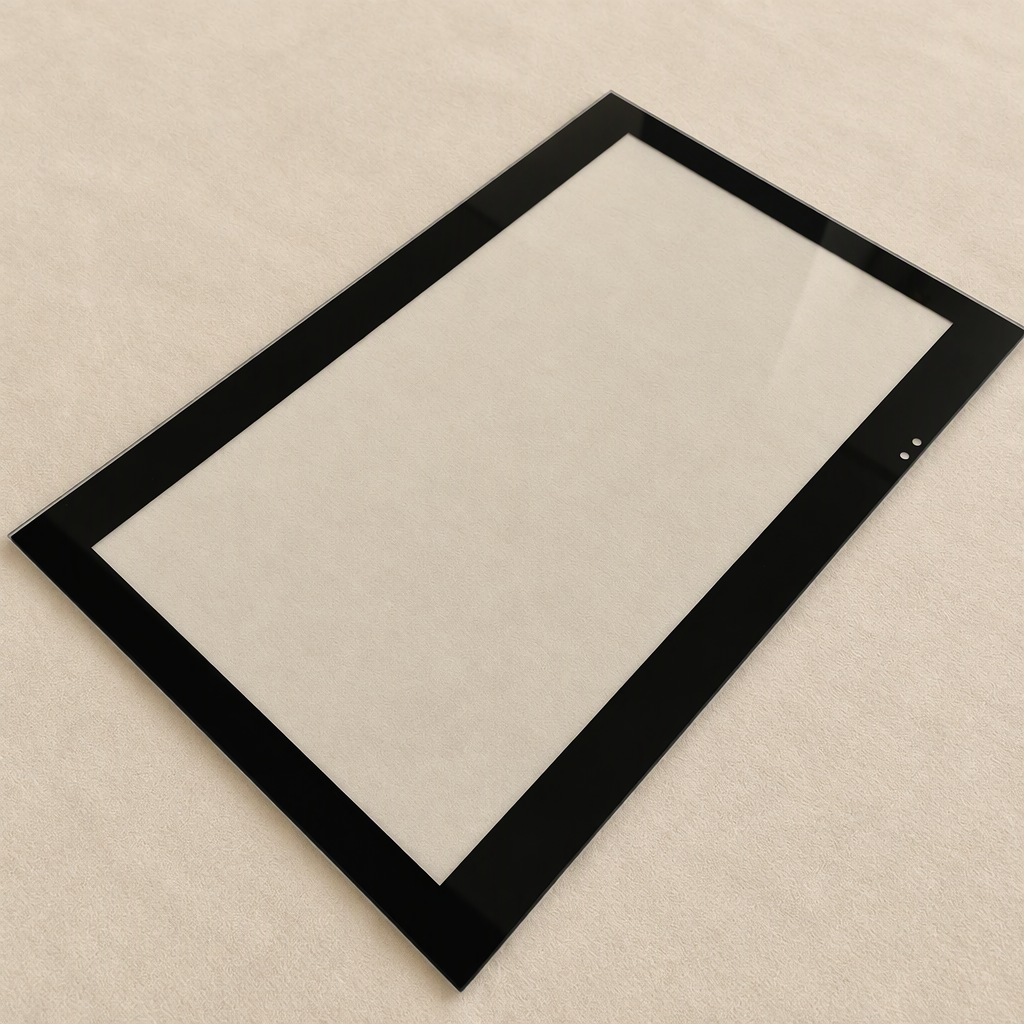
Tempered Glass Panel Silk Screen Printed Flat Display Screen Protector Glass for LCD TV Industrial Decoration
Supports masked borders, icon windows, and flat display geometry for LCD, HMI, and industrial decoration where stray light must be controlled.
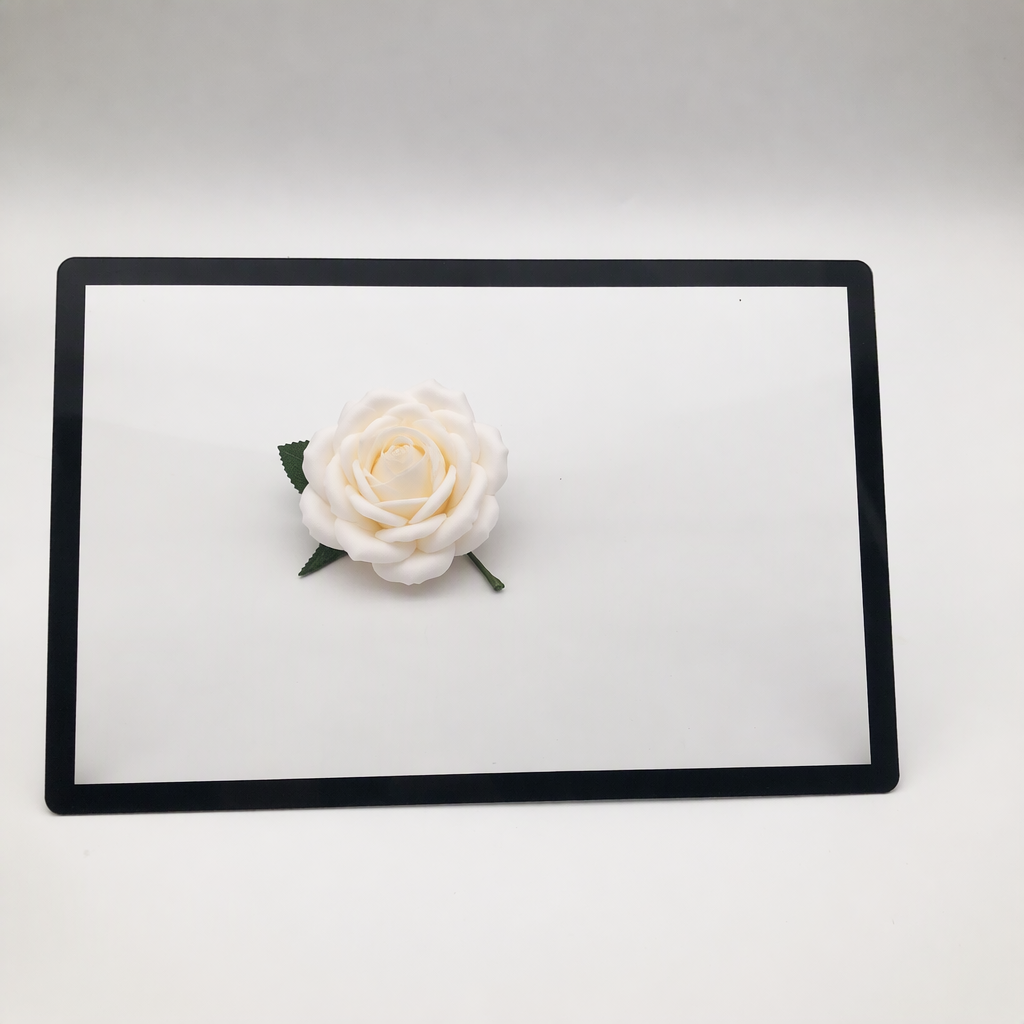
Ultra-Thin Silk Screen Printed Tempered Glass for Display Panels
Thin printed glass for slim display stacks where weight, thickness, optical clarity, and print-to-edge alignment are critical.
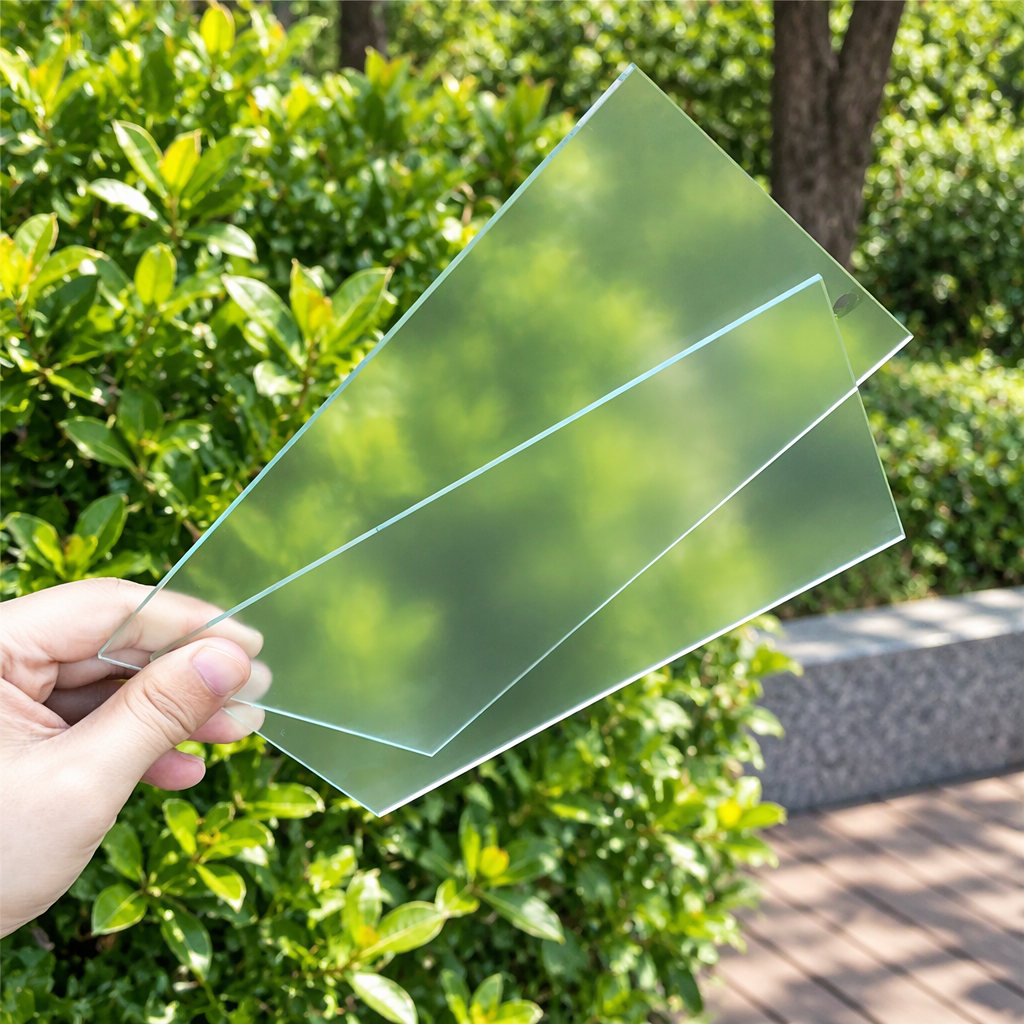
High Quality Industrial Screen Front Cover Glass Frosted Anti-glare Glass for Screen Protector
Frosted anti-glare front cover glass for machine vision, industrial monitors, and bright environments where reflection reduces readability.
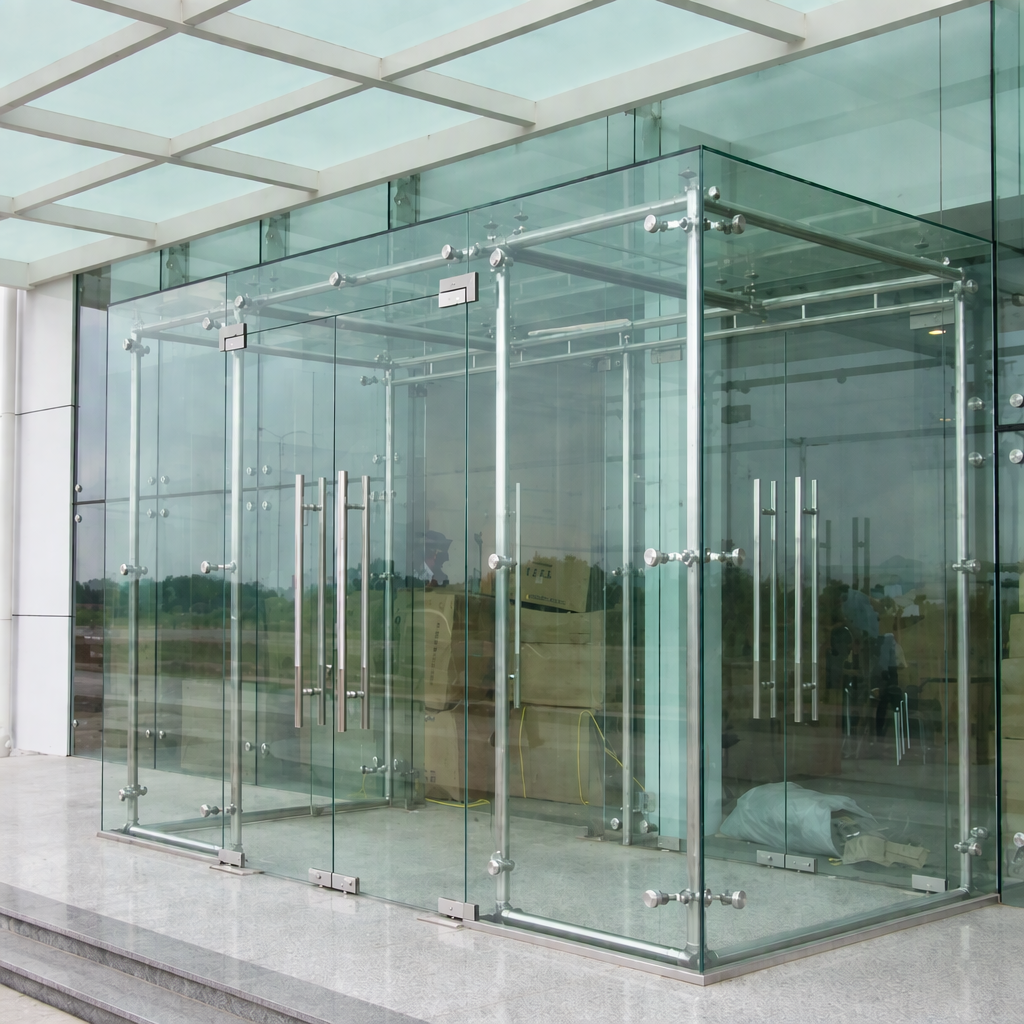
Tempered Glass Solar Window Glass High Transmittance Clear Flat Tempered Glass
High-transmittance solar and window glass for light-control assemblies, sensor windows, energy-related glazing, and clear protective covers.
What “Top 10 Optical Filter Glass Supplier” Should Mean for Mérida
The query is not simply asking for ten company names. A serious buyer in Mérida needs a supplier who can prove optical performance, manage a multi-layer glass stack, survive humid tropical transport, and support import logistics through the Yucatán Peninsula. This guide explains the evaluation criteria that separate a price quote from a production-ready partner.
Optical filter glass is an engineered system rather than a commodity sheet. Depending on the wavelength target, the final part may combine a filter substrate, an anti-reflective coating, an anti-glare etched surface, an anti-fingerprint easy-clean layer, a printed light mask, and a strengthened cover. In a display or sensor assembly, each interface can create reflection, haze, color shift, or delamination risk. A competent supplier therefore asks for the drawing, the spectral target, the light source, the viewing angle, the cleaning chemistry, and the intended environment before recommending thickness or coating.
For Mérida, the environment adds another layer of specification. Yucatán’s high humidity, strong UV exposure, salt-laden air near the Progreso corridor, and warm operating temperatures make adhesion, damp-heat stability, salt-fog resistance, and edge protection more important than they may appear in a dry-climate datasheet. Buyers should compare suppliers by test evidence, not only by price per square meter. That is especially true for outdoor camera windows, architectural glazing, medical displays, automotive sensor covers, and industrial HMIs installed near the coast.
Information gain matters here. A useful supplier page should tell you how physical tempering differs from chemical strengthening, when AR, AG, and AF coatings should be combined, what files are needed for a quote, how samples are approved, and how export packing protects fragile glass on the route to Mérida. This page follows that standard. It is an educational buyer’s guide, not a paid ranking of named companies.
The buying decision behind the search
- Can the supplier process filter-adjacent glass, coatings, printing, and strengthening under one quality system?
- Do they provide measured transmission, haze, adhesion, and dimensional data—not just a catalog image?
- Can they pack for sea freight to Progreso and trucking to Mérida without edge chipping or moisture damage?
- Do they understand physical tempering versus chemical strengthening for thin optical windows?
- Are ISO 9001, RoHS, CE, and third-party audit claims verifiable by certificate number?
Where Optical Filter Glass and Coated Cover Glass Matter in Mérida
Mérida is a service, logistics, research, medical, tourism, and light-manufacturing hub for southeast Mexico. These local application scenarios show how filter-adjacent glass specifications translate into real purchasing decisions.
Architectural and museum lighting
UV and IR control, anti-glare viewing windows, and printed light masks help protect exhibits while reducing reflections in galleries, hotels, and public buildings.
Smart displays and touch HMIs
AR-coated display covers, AF easy-clean surfaces, and chemically strengthened thin glass improve readability and durability in kiosks, appliances, and control panels.
Medical, diagnostics, and research
Clinical displays, laboratory instruments, and diagnostic housings need cleanable surfaces, controlled glare, and stable optical transmission under repeated disinfection.
Automotive, EV, and machine vision
Camera windows, LiDAR covers, sensor filters, and industrial inspection windows require thermal shock resistance, precise aperture printing, and scratch-resistant surfaces.
Solar, energy, and greenhouse glazing
High-transmittance glass, UV management, and moisture-resistant edge treatment support solar windows, agricultural covers, and energy-efficient building envelopes.
Security and access control
Card reader glass, QR scanner windows, face-recognition covers, and camera ports benefit from selective printing that hides electronics while keeping sensing areas clear.
Mérida Sourcing Trends That Affect Optical Filter Glass Suppliers
Procurement teams in Yucatán are not buying glass in isolation. They are responding to nearshoring, climate performance, digital production, and higher traceability expectations from global customers.
Nearshoring and the Progreso corridor
Mérida’s role as a southeast logistics hub makes Progreso port and local customs brokers central to landed-cost planning. Suppliers should quote transport-ready packing and accurate commercial documents, not only FOB factory price.
Humidity and UV-driven specifications
Buyers increasingly request damp-heat, salt-fog, UV aging, and coating adhesion data before approving outdoor camera windows, architectural glass, or greenhouse components.
Digital printing for high-mix production
Appliance, smart-home, and medical-device projects need faster artwork changes, color consistency, and traceable print revisions. Screen printing with controlled color references remains valuable for durability.
Smart buildings and touchless interfaces
Hotels, hospitals, corporate offices, and retail projects in Mérida are adopting touch panels, smart switches, access control, and display glass that combine AR, AG, or AF treatments.
Medical and research sector growth
Research parks and healthcare suppliers require repeatable optical performance, cleaning-chemical resistance, and documented change control for glass used in diagnostic or clinical equipment.
Sustainability and RoHS compliance
Eco-friendly inks, restricted hazardous substances, recyclable packaging, and verifiable ISO 9001 systems are becoming routine questions in supplier scorecards for Mexico-bound projects.
Top 10 Criteria for Comparing Optical Filter Glass Suppliers Serving Mérida
Use this ten-part scorecard to compare quotations. Weight the criteria according to whether the application is architectural, display, industrial, medical, automotive, or solar-related.
Optical design and substrate fit
Ask for wavelength targets, transmission curves, thickness, flatness, refractive index, and substrate availability. A supplier should state what is measured and what is estimated.
Strengthening route
Physical tempering suits thicker safety glass; chemical strengthening suits thin 0.5–2 mm cover glass. Confirm breakage pattern, flatness, and post-processing limits.
AR / AG / AF coating capability
Check reflectance, haze, adhesion, abrasion, and cleaning durability. Thin-film stacks must match the viewing environment and the assembly adhesive.
Precision printing and masking
Registration, opacity, pinholes, color tolerance, and high-temperature ink selection matter for display borders, touch zones, and sensor apertures.
Metrology and inspection data
Request dimensional reports, transmission or haze data, appearance criteria, and sampling plans. A photo of a part is not a substitute for inspection records.
Environmental durability
For Mérida, evaluate damp heat, salt fog, UV exposure, thermal shock, and humidity storage. Coating adhesion and edge protection deserve special attention.
Compliance and traceability
Verify ISO 9001, RoHS, CE where relevant, material lots, certificate numbers, and corrective-action records. Avoid accepting unverifiable compliance claims.
Export logistics to Mérida
Confirm export packing, pallet strength, desiccant, edge protection, shipping terms, and experience with Mexican customs brokers through Progreso or air freight.
NPI, MOQ, and sample approval
Clarify drawing review time, sample lead time, artwork approval, MOQ by size and print colors, and whether tooling or screens are charged separately.
Communication and after-sales
Look for clear English documentation, responsive engineering feedback, deviation approval, packing photos, and a defined process for claims or replacement review.
How to Weight the Top 10 Criteria Before You Request a Quote
These illustrative weights help a Mérida buyer build a transparent comparison matrix. Adjust them for your application; the purpose is to prevent low price from hiding risk in coating durability, metrology, or logistics.
Supplier scorecard weighting
Example weighting for a display or sensor cover project.
Mérida environmental test emphasis
Buyer-side emphasis for humid, UV-exposed, salt-air-adjacent installations. Final test protocols must match the drawing and end use.
Why Qingdao Maupe Glass Co., Ltd. Belongs on a Mérida Shortlist
Founded in 2012 in Qingdao, Shandong, Qingdao Maupe Glass Co., Ltd. is a glass deep-processing manufacturer and international supplier operating under an ISO 9001 quality management system. The company turns flat glass into finished functional parts through cutting, CNC shaping, edge polishing, drilling, engraving, silk screen printing, physical tempering, chemical strengthening, and AR/AG/AF surface treatment. For a Mérida buyer, that means one supplier can review the mechanical stack, the printed aperture, the coating requirement, and the safety-glass route together instead of forcing the project across several disconnected vendors.
Maupe’s production range is relevant to optical-filter-adjacent work: AR, AG, and AF coated display glass; printed LCD and industrial screen protectors; tempered control panels; high-transmittance solar and window glass; card reader glass; smart-home switch panels; and custom cover glass for appliances and electronic devices. The factory uses RoHS-compliant, eco-friendly inks and high- and low-temperature printing processes for scratch- and wear-resistant graphics. It is located close to Qingdao seaport and airport, which supports export packing, sample shipment, and buyer audits.
The company reports 8 production lines, a 3,000–5,000 m² factory floor area, customers in more than 80 countries, and a 91–100% export share of output. Its quality file includes ISO 9001 certificate 24025Q20015R1S, RoHS certificate 25TYT12395, and CE certificate 23TYT082593S. Maupe also states that it has been onsite-assessed by SGS Group and holds a verified Fortune 500 supplier record. These are the kinds of documents a Mérida procurement team should request directly and verify with the issuing body.
- ISO 9001 quality management system, certificate no. 24025Q20015R1S
- RoHS compliance, certificate no. 25TYT12395
- CE marking for tempered glass, certificate no. 23TYT082593S
- SGS onsite assessment and OEM/ODM experience since 2012
- Contact: info@maupeglass.com · Qingdao, Shandong, China



Deep-Processing Capabilities That Reduce Project Risk
Instead of buying from several processors, a buyer can keep the drawing, print artwork, coating requirement, strengthening method, and final packing under one engineering dialogue.
Drawing-to-finished-part control
Engineering review covers outline, holes, edge finish, tolerance, glass type, coating, and strengthening route before production begins.
Precision cutting, CNC, and edging
Flat, pencil, and beveled edges, safety corners, countersunk holes, notches, and engraved details support clean assembly.
Silk-screen printing with controlled masking
Multi-color layouts, logos, icons, touch zones, and light masks use eco-friendly high- and low-temperature inks.
Physical tempering and chemical strengthening
Thermal tempering for thicker safety glass; ion-exchange strengthening for thin cover glass requiring flatness and optical clarity.
AR / AG / AF surface treatment
Anti-reflective, anti-glare, and anti-fingerprint options for readable displays, industrial screens, and cleanable medical interfaces.
Export packing and shipping experience
Protective packing for sea freight via Progreso or air freight to Mérida, with support for FOB, CIF, EXW, FCA, CPT, DDP, and DDU terms.
Certificates and Audit Evidence Buyers Can Check
For E-E-A-T and procurement risk review, certificate numbers should be visible and verifiable. Always confirm validity, scope, and product coverage directly with the issuing body.

ISO 9001 Quality Management
Certificate no. 24025Q20015R1S · Float glass and technical glass products · Valid to 02/2028.

RoHS Compliance
Certificate no. 25TYT12395 · Restricts hazardous substances in electrical and electronic equipment · Valid to 12/2030.

CE Marking
Certificate no. 23TYT082593S · Tempered glass · Supports market access across the European Economic Area · Valid to 08/2028.
Frequently Asked Questions from Mérida Buyers
These are the practical questions that arise when a project moves from an online search for an optical filter glass supplier to a real purchase order for Mérida, Yucatán.
Can a supplier in China serve Mérida efficiently?
Yes, but the landed-cost plan should include more than the factory price. Most shipments move by sea to Progreso and then by truck to Mérida, or by air to Mérida International Airport for urgent samples. Ask for export-grade packing, commercial invoice, packing list, and documents your customs broker requires. DDP or DDU may be available depending on the supplier.
What is a typical MOQ for custom optical-filter-adjacent glass?
For many custom printed or coated panels, the minimum order can start from 10 to 100 pieces depending on size, thickness, number of print colors, and coating requirements. Large-format display cover glass may start from 10 pieces. High-alumina or specialized printed cover glass can require higher volumes. Always confirm MOQ after the drawing is reviewed.
What files should I send for a quotation?
Send a 2D drawing in DWG, DXF, or PDF with dimensions, thickness, edge finish, hole positions, and tolerance. Add print artwork in AI or PDF with color references and layer order. State coating requirements such as AR, AG, or AF, the intended light source, environmental exposure, annual volume, and delivery destination in Mexico.
Should I specify physical tempered or chemically strengthened glass?
Physical thermal tempering is usually chosen for glass approximately 2 mm and thicker, such as appliance doors, switch panels, display windows, and industrial covers, because it breaks into small blunt fragments. Chemical strengthening is often selected for thin 0.5–2 mm cover glass, touch covers, and parts requiring excellent flatness and optical quality.
Which certifications matter for a Mérida buyer?
ISO 9001, RoHS, and CE are common international references. For products with special safety, electrical, or labeling requirements, confirm the applicable Mexican NOM standard with your customs broker or compliance team. Also ask for certificate numbers, validity dates, scope, and third-party audit evidence such as SGS onsite assessment.
How is glass protected from humidity and salt air during shipping?
Depending on the part, suppliers may use protective film, interleaved paper or foam, edge protectors, desiccant, sealed moisture-barrier wrap, and reinforced wooden crates. For coastal or outdoor use, request coating adhesion and humidity test data, not only packing photos. Inspect the carton and film condition on arrival before assembly.
Which trade and payment terms are accepted?
Common delivery terms include FOB, CIF, EXW, FAS, FCA, CPT, DDP, and DDU, plus express delivery for samples. Common payments may include T/T, L/C, PayPal, Western Union, and cash, in USD, EUR, or CNY. The best term depends on whether your Mérida team has a reliable customs broker and inland logistics partner.
What lead times should be expected?
After drawing and artwork approval, samples often take about 7–15 days depending on complexity, coatings, and screen preparation. Mass production can take around 20–35 days for many custom panels. Ocean freight to Progreso may take roughly 30–45 days depending on routing, with additional trucking to Mérida; air freight can shorten transit but increases cost.
Send the Drawing, Not Just a Product Name
Share your drawing, transmission target, coating stack, print artwork, annual volume, and destination in Mérida. Our team will review manufacturability, tempering or strengthening route, coating feasibility, and export packing before quotation.
info@maupeglass.com · Qingdao Maupe Glass Co., Ltd.