8 Screen Cover Glass Products for Hai Phong Projects
These eight products form a practical shortlist for buyers who need custom size, printed graphics, tempered safety, anti-glare readability, solar transmittance or switchable privacy. Each specification must still be confirmed against your drawing, artwork, destination requirements and assembly environment.
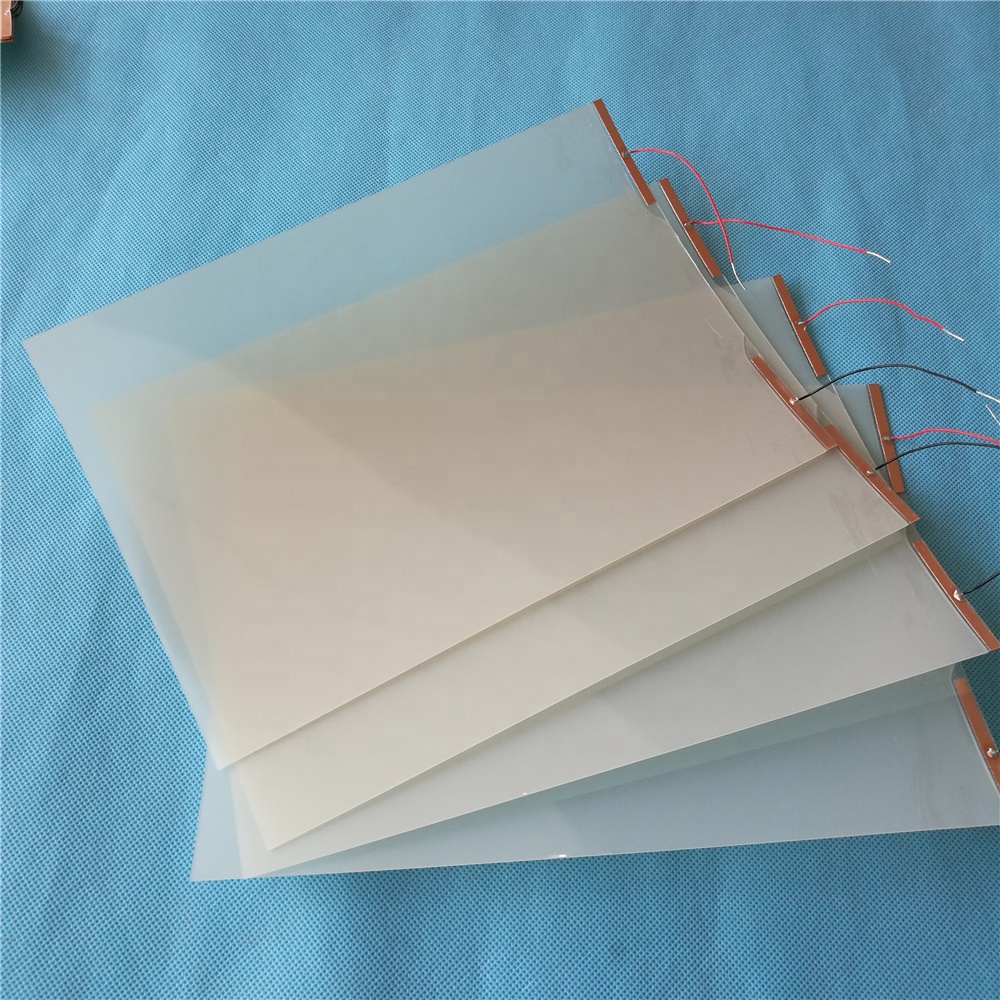
Factory Price Electrochromic Anti-UV PDLC Film Smart Switchable Privacy Glass Office Partition and Curtain Walls
For Dinh Vu–Cat Hai offices, design studios and port administration areas that need instant privacy without blinds.
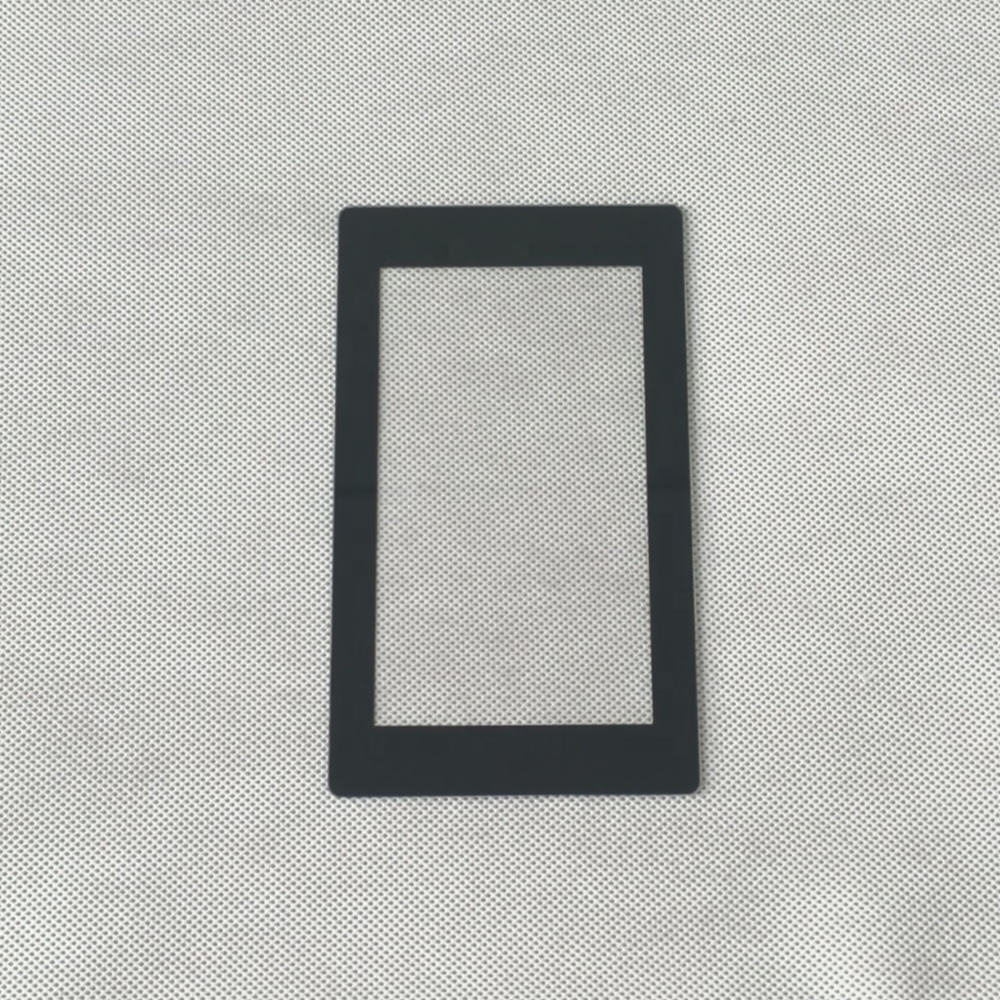
Silk Screen Printed Tempered Glass Panel Self Adhesive Display Cover Glass Flat Electronic Product Glass Screen Protector
A strong option for display windows, control interfaces and self-adhesive covers used by EMS and appliance manufacturers.

Glass Factory Customized High Quality Transparent Display Touch Screen Glass Silk Screen 9H Hardness Industrial Screen Protector
Suited to warehouse terminals, port automation screens and production-line touch panels that face daily abrasion.
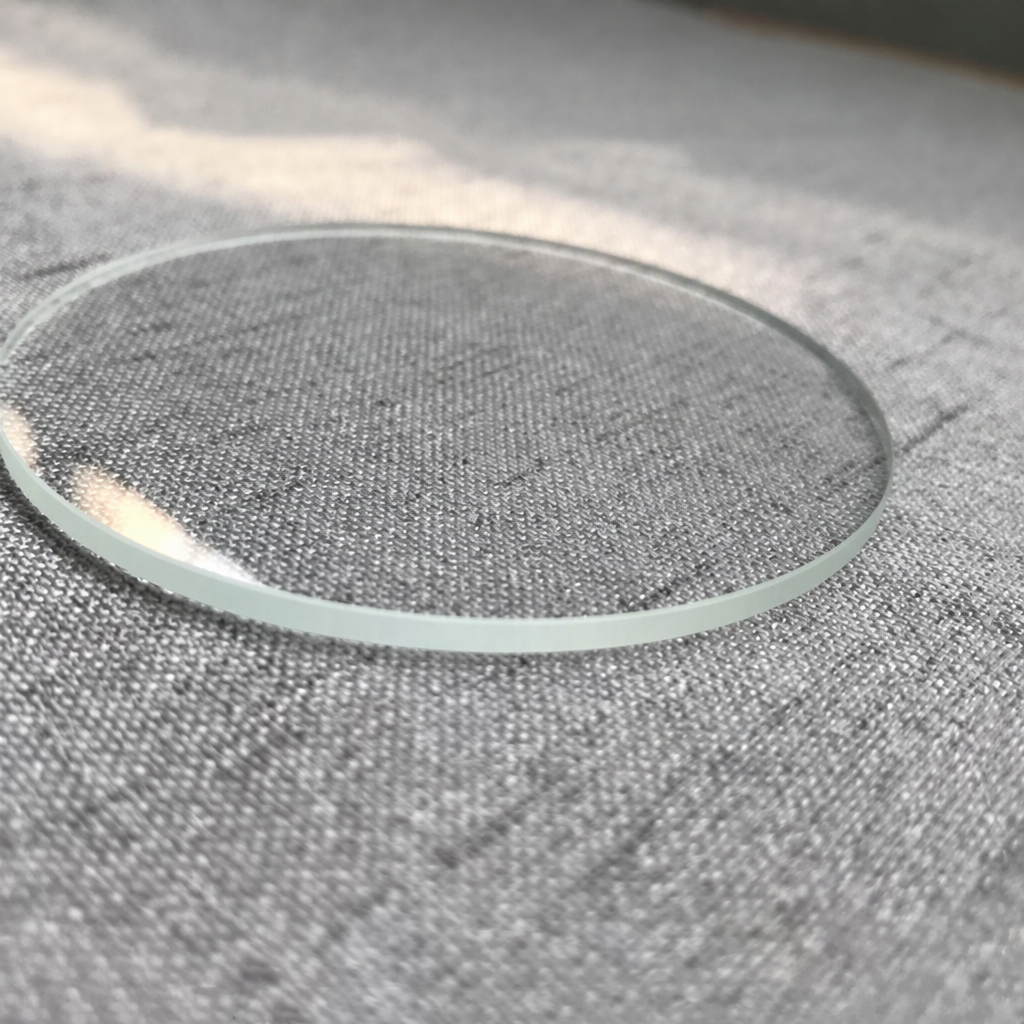
Pressure-resistant Glass Tempered Viewing Mirror Custom Size Clear Glass Panel for Industrial Workshop
Useful for machine guards, inspection windows and clear viewing panels in factories and logistics facilities.
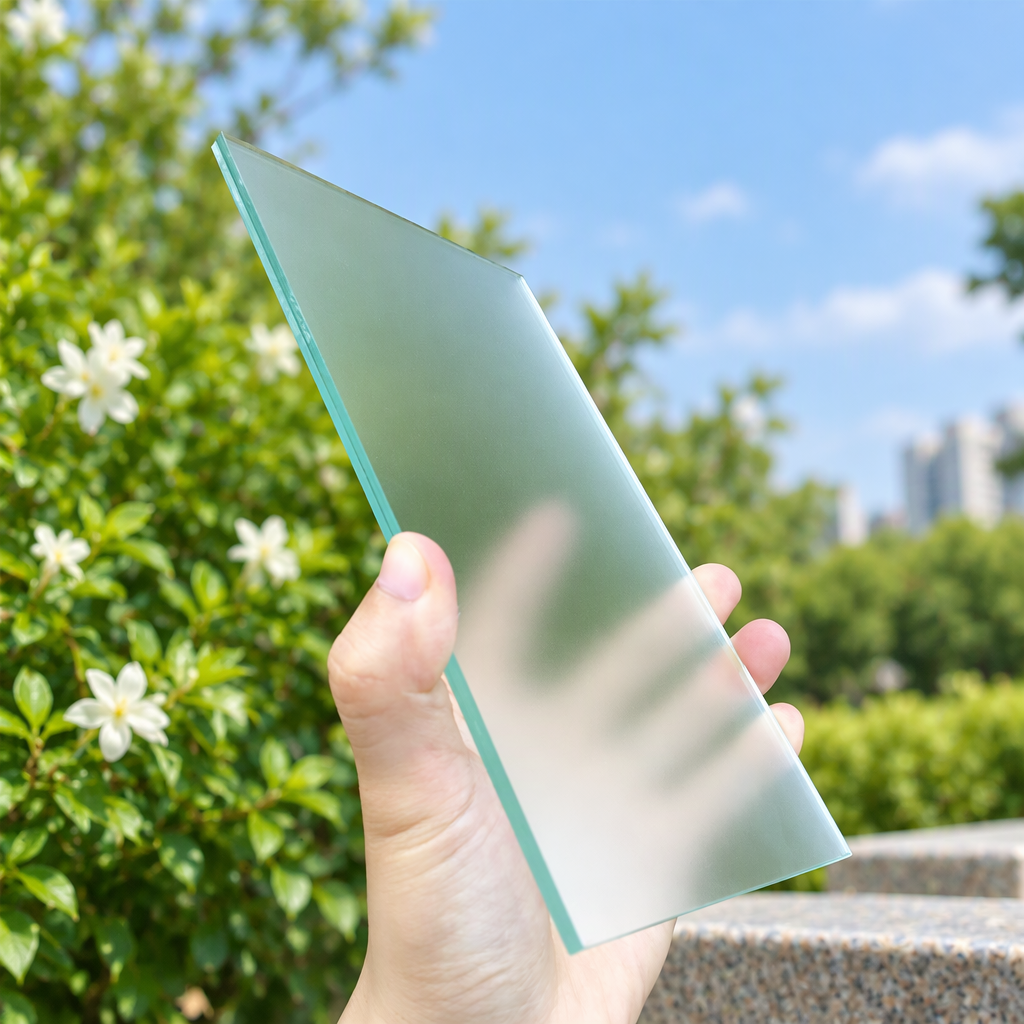
High Quality Industrial Solid Anti-glare Glass Screen Protector Matte Surface Monitor Screen Cover Glass
For control rooms and factory displays where sunlight, crane lighting and overhead lamps reduce screen readability.
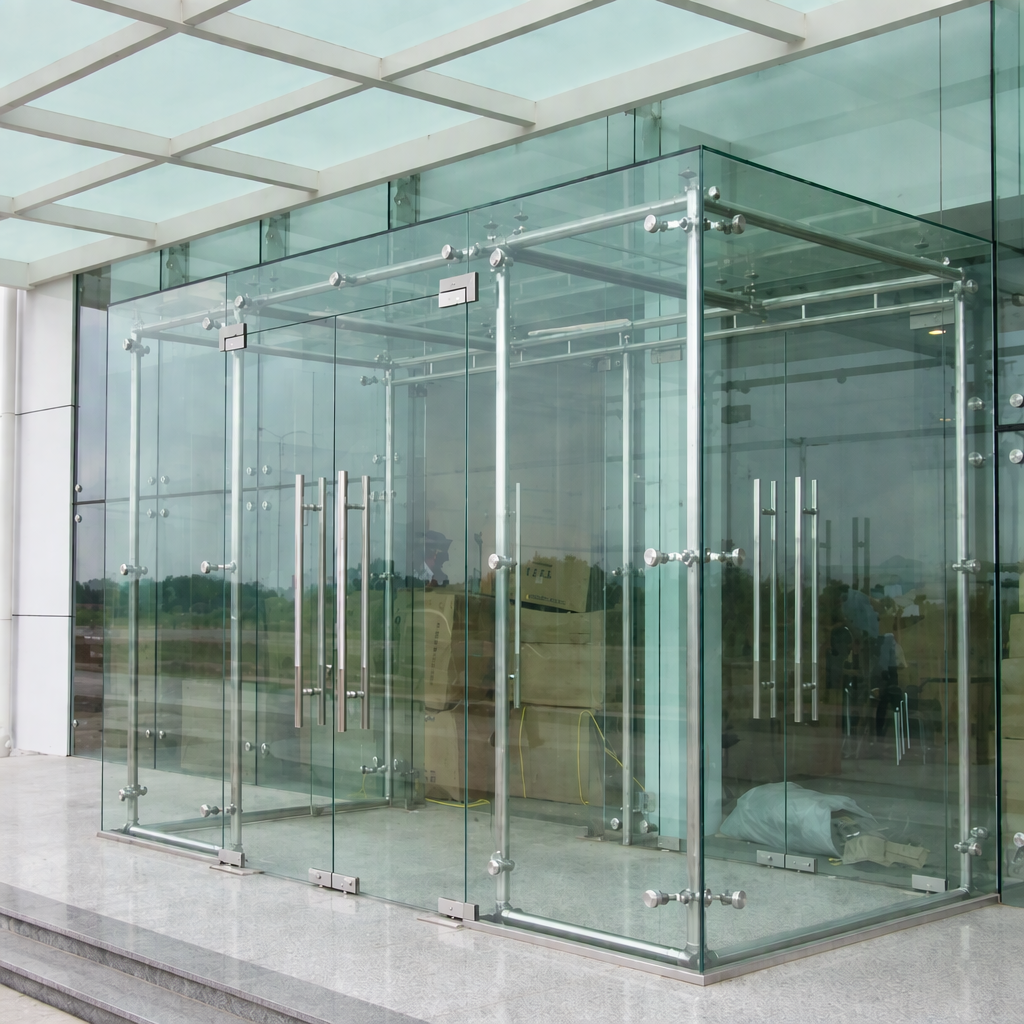
Tempered Glass Solar Window Glass High Transmittance Clear Flat Tempered Glass
For rooftop pilots, BIPV concepts and solar-related applications that require clear transmission and stable flatness.
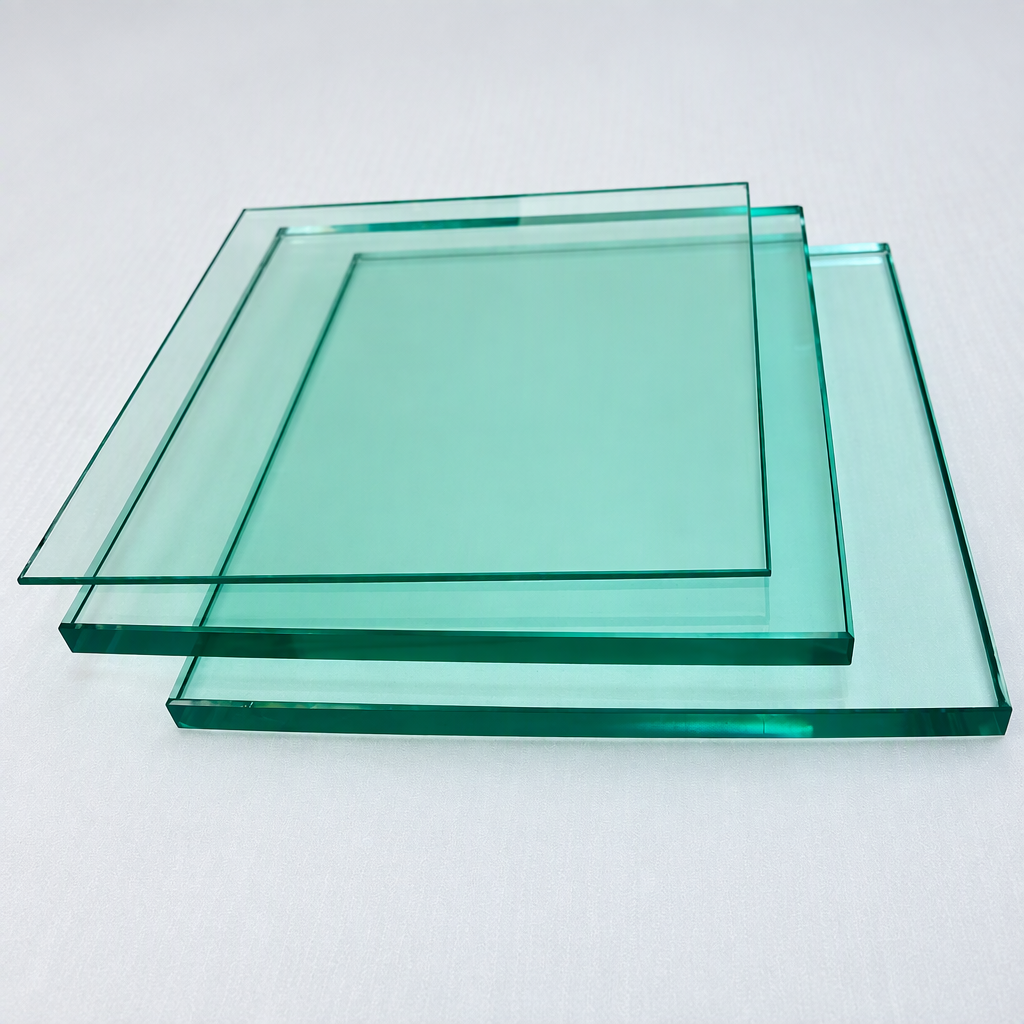
Tempered Glass Panel Safety Glass Flat Structural Tempered Glass
For partitions, guard panels and structural glazing where safety glass behaviour and edge quality matter.
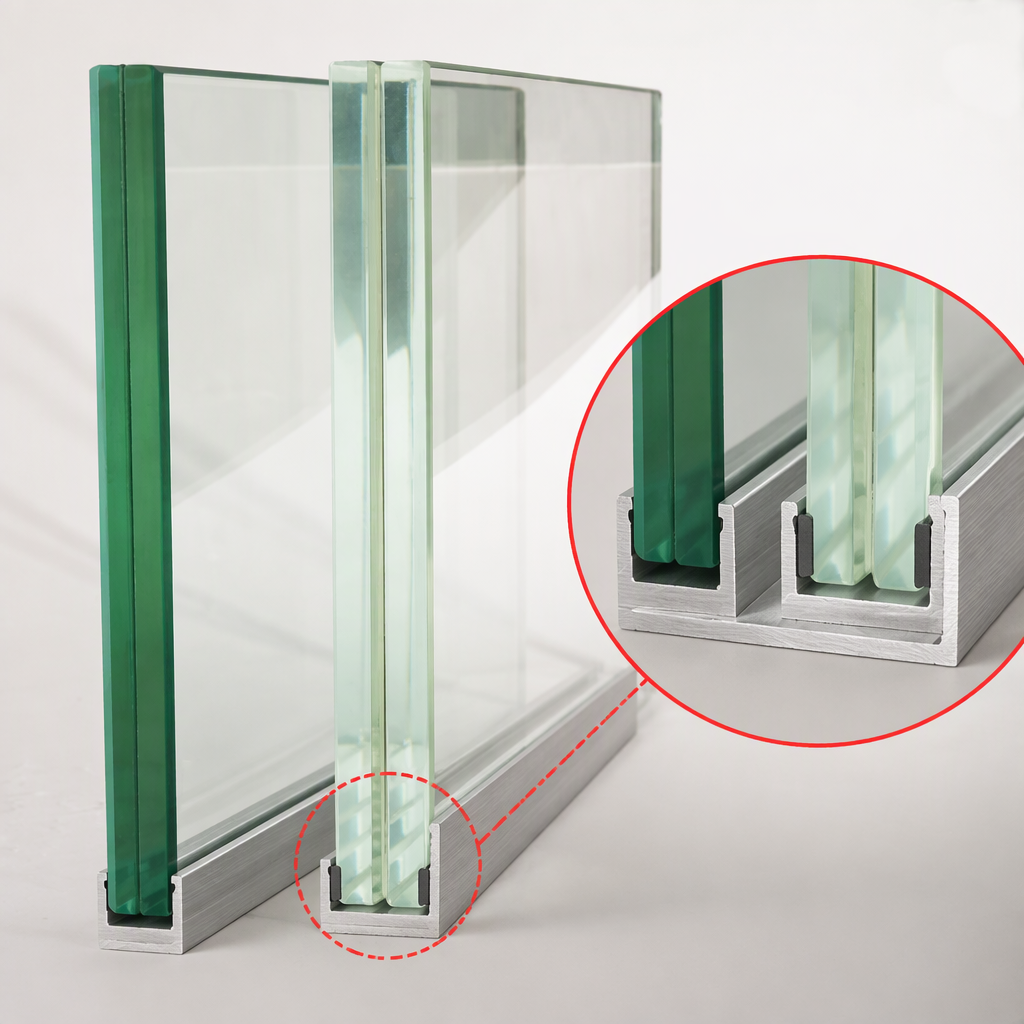
Tempered Glass Flat Solid Tempered Glass Panel Customized Thickness and Size
For buyers who need flexible dimensions, thickness and finishing across mixed product families and project batches.
Hai Phong Is Both a Port Gateway and an Industrial Buyer
Once associated mainly with port logistics, Hai Phong now sits at the centre of northern Vietnam’s electronics, appliance, automotive-support and smart-building supply chains. Buyers in VSIP Hai Phong, Trang Due, Deep C, Nam Cau Kien and the Dinh Vu–Cat Hai Economic Zone increasingly source custom parts for export assemblies and domestic projects. Screen cover glass looks simple in a bill of materials, yet it directly affects touch reliability, optical readability, scratch resistance, brand perception and warranty cost.
Using a China manufacturer can be efficient because the deep-processing ecosystem is mature: glass cutting, CNC shaping, edge polishing, silk-screen printing, tempering, chemical strengthening and AR/AG/AF coating can be combined in one production flow. However, Hai Phong buyers should not compare suppliers only on a square-metre price. The stronger question is whether the supplier can control print alignment, edge quality, flatness, coating durability and export packaging consistently from sample to mass production.
For Hai Phong projects, a practical sourcing strategy is to qualify one or two China partners with strong process integration and then plan inventory around sea freight to Hai Phong port. This balances unit cost with replenishment speed. Air freight through Cat Bi International Airport or nearby Hanoi gateways remains useful for samples, engineering builds and urgent replacement batches.
Local Sourcing Lens for Hai Phong
A port-close, export-oriented manufacturing base changes what “good” looks like in a supplier quotation.
- Sea-freight replenishment through Hai Phong port favours consolidated, well-protected shipments.
- Humid coastal conditions make moisture-barrier packing and edge protection part of quality control.
- Electronics and appliance lines demand stable print alignment, colour consistency and coating repeatability.
Where Screen Cover Glass Creates Value in Hai Phong
Different Hai Phong industries need different glass priorities. A touch panel for a port terminal, for example, has a different failure cost from a decorative appliance panel or a solar window sample.
Electronics and EMS Assembly
Factories around VSIP Hai Phong and Trang Due use printed cover glass for display windows, touch interfaces, card readers and equipment panels. Buyers should specify print alignment tolerance, edge chip limits and adhesive compatibility before sampling.
Smart Home and Appliance Controls
Switch panels, kitchen appliance glass and control covers need crisp icons, backlight-friendly printing and heat-resistant inks. For export programmes, colour consistency across batches matters as much as single-sample appearance.
Ports, Logistics and Industrial HMI
Lach Huyen, Dinh Vu and warehouse control rooms need readable, scratch-resistant covers. Anti-glare glass, 9H industrial protectors and pressure-resistant viewing panels help reduce glare and protect screens in demanding areas.
Commercial Offices and Smart Buildings
Hai Phong city-centre offices and mixed-use projects use PDLC switchable privacy glass, tempered partitions and decorative glass panels. These projects reward suppliers who can combine printing, strengthening and coating with reliable packaging.
Solar and Energy Projects
Rooftop pilots, logistics parks and factory energy upgrades may require high-transmittance solar tempered glass. Early projects benefit from sample evaluation of transmission, flatness, edge finishing and frame compatibility.
Marine, Hospitality and Coastal Interiors
Cat Ba and coastal hospitality projects need safety glass, viewing panels and easy-clean surfaces. Although glass itself is not “rusting”, hardware, inks and adhesives must be specified for humid, salt-laden conditions.
What Is Changing in Screen Cover Glass Procurement
The Hai Phong market is moving toward more customised, higher-performance cover glass and more disciplined supplier qualification. Price remains important, but technical consistency and delivery reliability increasingly decide repeat orders.
China Plus Vietnam Sourcing
More Hai Phong buyers are keeping a China process partner while building local assembly and warehousing. A factory that supports drawings, samples and repeat production gives purchasing teams a stable technical reference.
Thinner Glass, Stronger Optics
Compact electronics and premium control panels are pushing demand for chemically strengthened thin glass, better flatness and AR/AG/AF coatings. Buyers increasingly compare optical performance, not only thickness and price.
Climate-Aware Packaging
Hai Phong’s humidity and monsoon season make carton strength, moisture barriers, desiccant and corner protection a real procurement issue. Packaging should be approved with the sample, not left until the first container is booked.
Documentation and Traceability
Certificates, inspection records and batch traceability are now part of supplier evaluation. ISO 9001, RoHS and CE documentation should match the actual product scope and be easy for compliance teams to verify.
Physical Tempering, Chemical Strengthening or Coating?
Choosing the strengthening method and surface treatment early reduces re-tooling risk. The comparison below is a starting point for Hai Phong buyers; final approval should follow application testing and drawing review.
| Decision factor | Physical tempered glass | Chemically strengthened glass | Surface coating options |
|---|---|---|---|
| Typical thickness | About 2 mm and above | 0.5 mm to 2 mm thin glass | AR, AG, AF or combined finishes |
| Strength behaviour | Safety-glass breakage pattern with small blunt fragments | High surface compression suited to thin covers and flat optics | Coating improves readability and cleanability, not structural strength |
| Optical result | Good clarity; very slight roller wave may be possible | Excellent flatness with no heat distortion | AR reduces reflection; AG diffuses glare; AF resists fingerprints |
| Hai Phong application fit | Appliance doors, switch panels, viewing windows, structural panels | Touch covers, compact electronics, precise display windows | Port HMI, factory monitors, medical-style screens, premium control panels |
| Production note | Cutting, drilling and edging must be completed before tempering | Edge quality and pre-processing discipline are critical | Coating compatibility must be checked against printing and adhesive processes |
A Practical Checklist for Hai Phong Importers
Strong quotation comparison goes beyond unit price. Use the four checks below before placing a trial order with any China screen cover glass manufacturer.
Certificate Scope
Check ISO 9001, RoHS and CE certificate numbers, issuers and validity. Confirm that the certificate scope matches the actual glass product being purchased.
Process Integration
Ask whether cutting, CNC shaping, printing, tempering, chemical strengthening and coating are done in-house. Fewer handoffs usually mean tighter tolerances and clearer responsibility.
Sample and First Article
Approve print colour, touch zones, edge finish, coating appearance and packing method before mass production. Request inspection records for alignment, chips and dimensions.
Packaging and Route
Confirm export cartons, moisture barriers, desiccant, corner protectors and pallet details. Match the Incoterm to your Hai Phong freight forwarder and customs process.
Getting Glass from China to Hai Phong Safely
Shipping mode should match order volume, breakage risk and urgency. The transit times below are indicative only; always confirm schedules, customs requirements and duties with your freight forwarder.
| Mode | Typical transit | Best use | Commercial note |
|---|---|---|---|
| Sea freight to Hai Phong port | About 7–12 days port-to-port, schedule dependent | Mass production, heavier glass, consolidated cartons and pallets | Common Incoterms include FOB, CIF and DDP; plan for port and customs clearance |
| Air freight via Cat Bi or Hanoi gateway | About 2–5 days door-to-door, route dependent | Engineering samples, urgent batches and high-value small parts | Use air waybill tracking and confirm packing suitable for air cargo |
| Express courier | About 3–7 days | Small samples, colour chips and replacement pieces | Often DDP for samples; check weight, size limits and import tax handling |
For Hai Phong’s humid climate, packaging deserves its own specification. A practical export standard includes clean-room-grade surface protection, foam or paper interleaves, edge foam, corner protectors, moisture-barrier bags, desiccant, reinforced cartons and, for larger orders, plywood crates or pallets. Carton labels should carry part number, batch, quantity and inspection status so the receiving team can trace each box without opening every pack.
Printed glass and coated glass also deserve pre-shipment photos under controlled lighting. This helps buyers compare colour, coating appearance and print alignment before the container leaves China. When shipping to Hai Phong, request packing photos with the final inspection report and keep the approved sample as the reference standard for future repeat orders.
Why Qingdao Maupe Glass Co., Ltd. Fits Hai Phong Sourcing
Founded in 2012, Qingdao Maupe Glass Co., Ltd. is a glass deep-processing manufacturer and international supplier working under an ISO 9001 quality management system. Its production scope aligns closely with the processes needed for screen cover glass: cutting, CNC shaping, edge polishing, drilling, engraving, high- and low-temperature silk-screen printing, physical tempering, chemical strengthening and AR/AG/AF coating.
Maupe’s sourcing profile includes ISO 9001 certificate No. 24025Q20015R1S, RoHS certificate No. 25TYT12395 and CE certificate No. 23TYT082593S. The company has been onsite-assessed by SGS Group and reports Fortune 500 supplier procurement verification, 80+ export countries, 8 production lines, a 3,000–5,000 m² factory floor area and a 91–100% export share of output. These facts help Hai Phong buyers evaluate the supplier against both technical capability and export discipline.
Because printing, tempering and coating can be kept under one roof, Hai Phong buyers can reduce the risk of mismatched tolerances and improve traceability from raw glass to packed carton. That is especially valuable for multi-colour control panels, anti-glare industrial displays and low-volume custom runs where a fast engineering loop matters. The factory’s location near Qingdao seaport and airport also supports consolidated sea shipments to Hai Phong and sample dispatch by air.
- In-house cutting, CNC shaping, edging, drilling, engraving and silk-screen printing.
- Physical tempered and chemically strengthened glass for different thickness and safety requirements.
- AR, AG, AF surface treatments plus PDLC switchable privacy glass options.
- OEM/ODM support with sample, design and full customisation discussions.
- Export packing and trade terms suitable for FOB, CIF, EXW, DDP and express sample shipments.



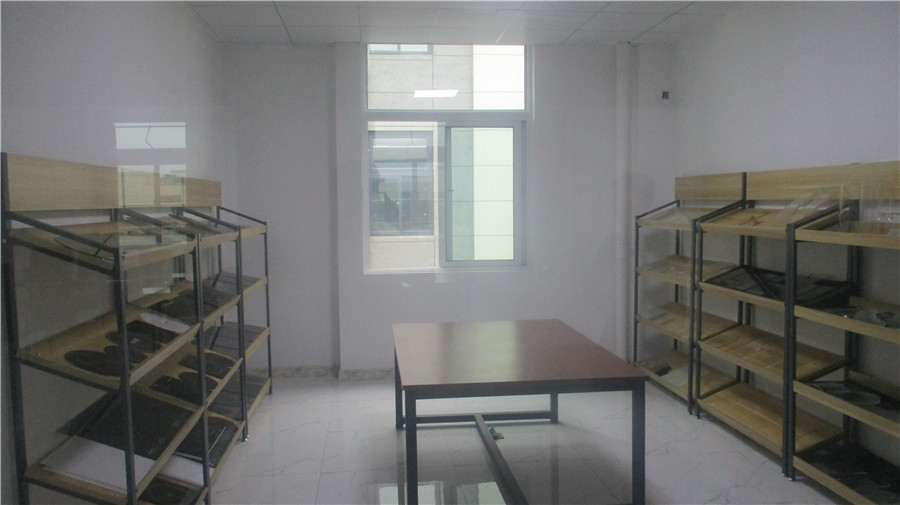
From Drawing to Hai Phong Delivery in Five Controlled Steps
A transparent workflow helps purchasing, engineering and quality teams know what happens at each stage and where approvals are required.
Drawing Review
Share a 2D drawing, print artwork, thickness, edge finish, coating requirement and application environment for manufacturability review.
Sampling
Screens and samples are prepared for fit, colour, touch-zone and coating verification before mass production begins.
Production
Cutting, CNC processing, printing, tempering or chemical strengthening and coating are scheduled with in-process checks.
Inspection and Packing
Final inspection checks dimensions, print appearance, edge quality and packing before export cartons are sealed.
Delivery to Hai Phong
Sea freight to Hai Phong port, air freight for urgent parts or express for samples, supported by export documentation.
Questions Local Buyers Ask Before Ordering
These answers reflect common procurement questions from Hai Phong importers comparing China screen cover glass manufacturers and suppliers.
What is the minimum order quantity for custom printed cover glass?
Most custom silk-screen printed panels start from 10 to 100 pieces depending on size, thickness and number of print colours. Large-size display cover glass can start from 10 pieces, while some specialised high-alumina or complex parts may require higher volumes. Samples are usually available for fit and print verification before mass production.
What lead time should a Hai Phong buyer expect?
Lead time depends on drawing approval, print colours, coating type, order quantity and shipping mode. A common sequence is sample approval first, followed by mass production and inspection. Sea freight to Hai Phong then adds port-to-port transit time. Buyers should request a production schedule with the quotation and reserve time for sample approval rather than assuming the first ship date.
How should glass be packed for Hai Phong’s humid climate?
Specify clean surface protection, interleaves, edge foam, corner protectors, moisture-barrier bags, desiccant and reinforced export cartons. For larger orders, plywood crates or pallets are common. Ask for packing photos and final inspection records before shipment. Moisture control protects printed inks, adhesive layers, labels and packaging, even though the glass surface itself does not rust.
Which shipping method is best: sea, air or express?
Sea freight to Hai Phong port is usually best for volume production and heavier glass. Air freight through Cat Bi or a Hanoi gateway suits urgent batches and engineering samples. Express courier works for small samples, colour chips and replacement pieces. Confirm Incoterm, customs documents and duties with your freight forwarder before booking.
Which certificates matter when importing into Vietnam?
ISO 9001, RoHS and CE are commonly requested by international buyers. Ask for certificate numbers, issuing bodies, validity dates and product scope, and verify them directly when needed. SGS onsite assessment and inspection records can also support supplier qualification. Final import requirements should be checked against the specific HS code and Vietnamese regulations.
Can one supplier handle printing, tempering and AR/AG/AF coating together?
Yes, but it must be confirmed during the drawing review. Combining printing, strengthening and coating in one factory can shorten coordination time and improve traceability. The buyer should still approve the exact layer order, colour reference, coating appearance and cleaning instructions, because print and coating processes can interact if the specification is unclear.
Send Your Drawing for a Hai Phong Project Review
Share your 2D drawing, print artwork, target thickness, coating requirement, estimated annual volume and preferred Incoterm. A technical review can clarify the right strengthening method, edge finish, packing standard and shipping plan before you commit to a purchase order.
Inquire Now