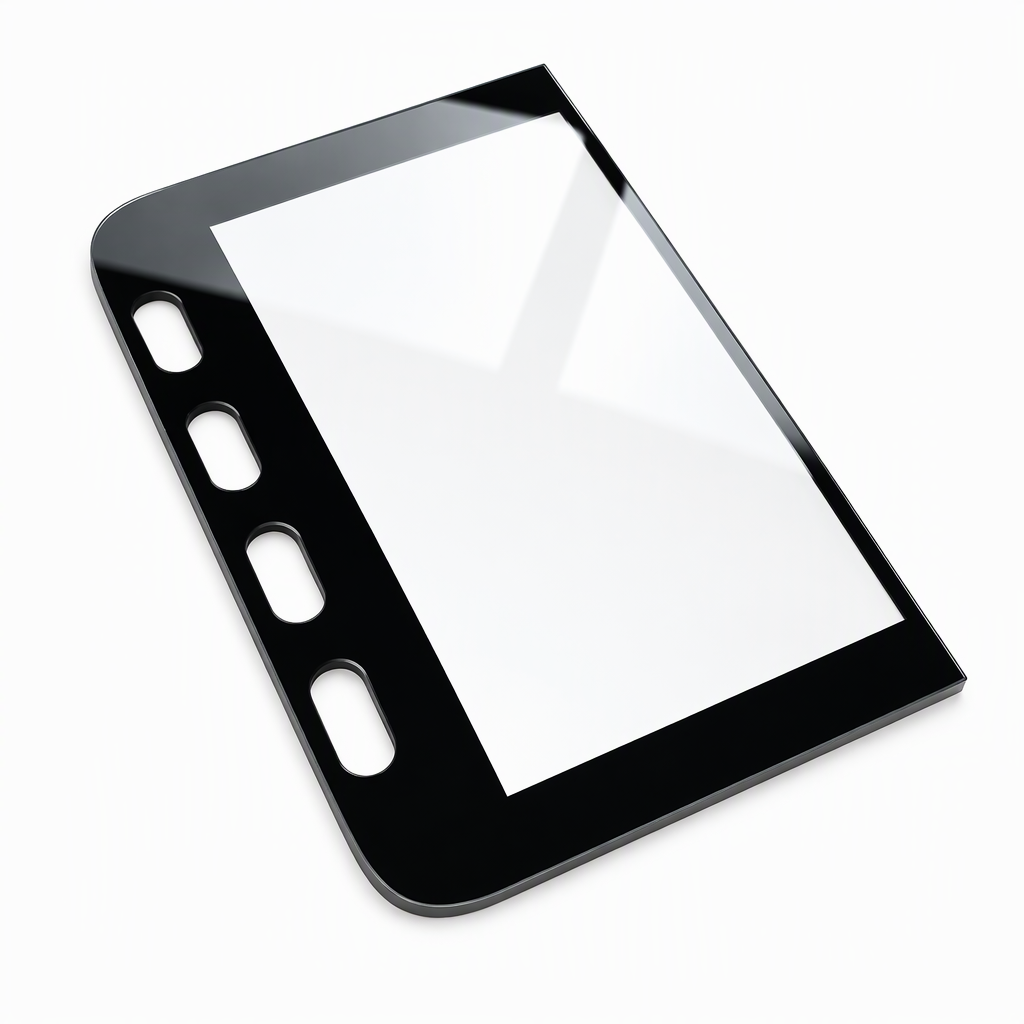
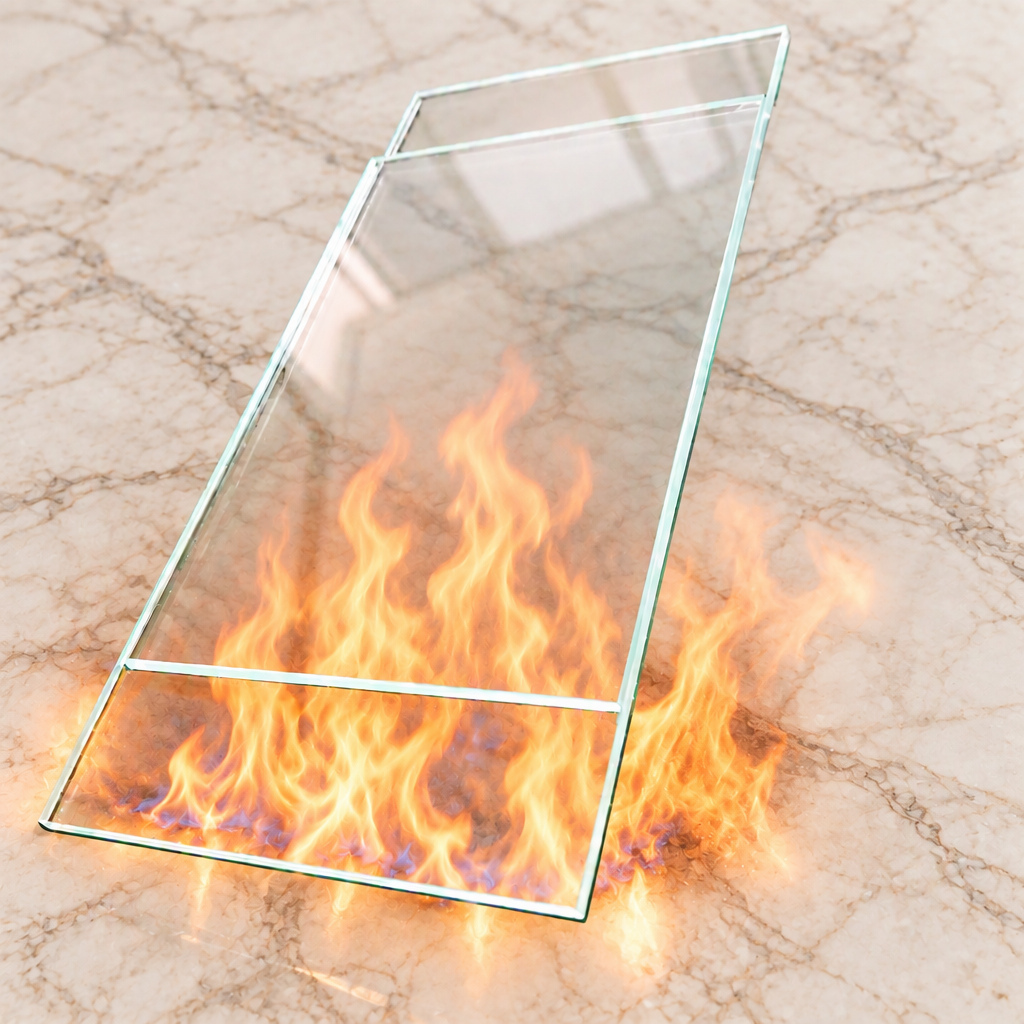
OEM thermal shock glass · Düsseldorf market focus

Top China Thermal Shock Glass Manufacturers & Supplier Serving the Düsseldorf Market

Engineering-led tempered, printed, coated and heat-resistant glass for Düsseldorf OEMs, industrial automation, commercial kitchens, medical displays, smart buildings and interior projects.

ISO 9001 certified CE & RoHS documentation SGS onsite assessed 80+ export countries
Product recommendations

8 Thermal Shock & Functional Glass Products for Düsseldorf Buyers

Use this shortlist to compare glass type, printing, coating, thickness and application fit. Original product URLs are preserved for direct technical review before you send a drawing.

Why this page matters

Why Düsseldorf Sourcing Teams Shortlist a China Thermal Shock Glass Manufacturer

Düsseldorf is not only a trade-fair city. It sits inside the Rhine-Ruhr industrial and commercial region, where procurement teams buy glass for appliance production, building technology, medical equipment, automation terminals, commercial kitchens, retail displays and high-specification interiors. For these buyers, the question is rarely “Can you supply glass?” It is “Can you supply glass that survives the real thermal, optical, mechanical and compliance conditions of the project?”

A thermal shock glass manufacturer must understand that thermal shock is a system property, not simply a material label. The temperature difference, heating and cooling rate, glass thickness, edge quality, hole positions, mounting method, ink system, coating and mechanical stress all influence whether a part performs reliably. This is why Qingdao Maupe Glass Co., Ltd. approaches Düsseldorf inquiries as engineering reviews rather than catalogue orders.

Since 2012, Maupe Glass has operated an ISO 9001 quality management system and supplied custom glass to more than 80 countries. The company’s core capability is deep-processing flat glass into finished functional parts: cutting, CNC shaping, edge polishing, drilling, engraving, silk screen printing, physical tempering, chemical strengthening and AR/AG/AF coating. For Düsseldorf buyers comparing suppliers from China, that combination provides useful information gain: one production chain from raw sheet to packed export carton, with traceable inspection.

The practical sourcing advantage is not only price. It is the ability to reduce engineering ambiguity before tooling begins. A drawing that clearly states thickness, edge condition, print layers, coating, thermal load and fixings will usually move faster through sample approval. A vague specification may look cheaper at quotation stage, but it becomes expensive when a heat-zone panel cracks during testing or a printed control panel fails visual inspection in Düsseldorf.
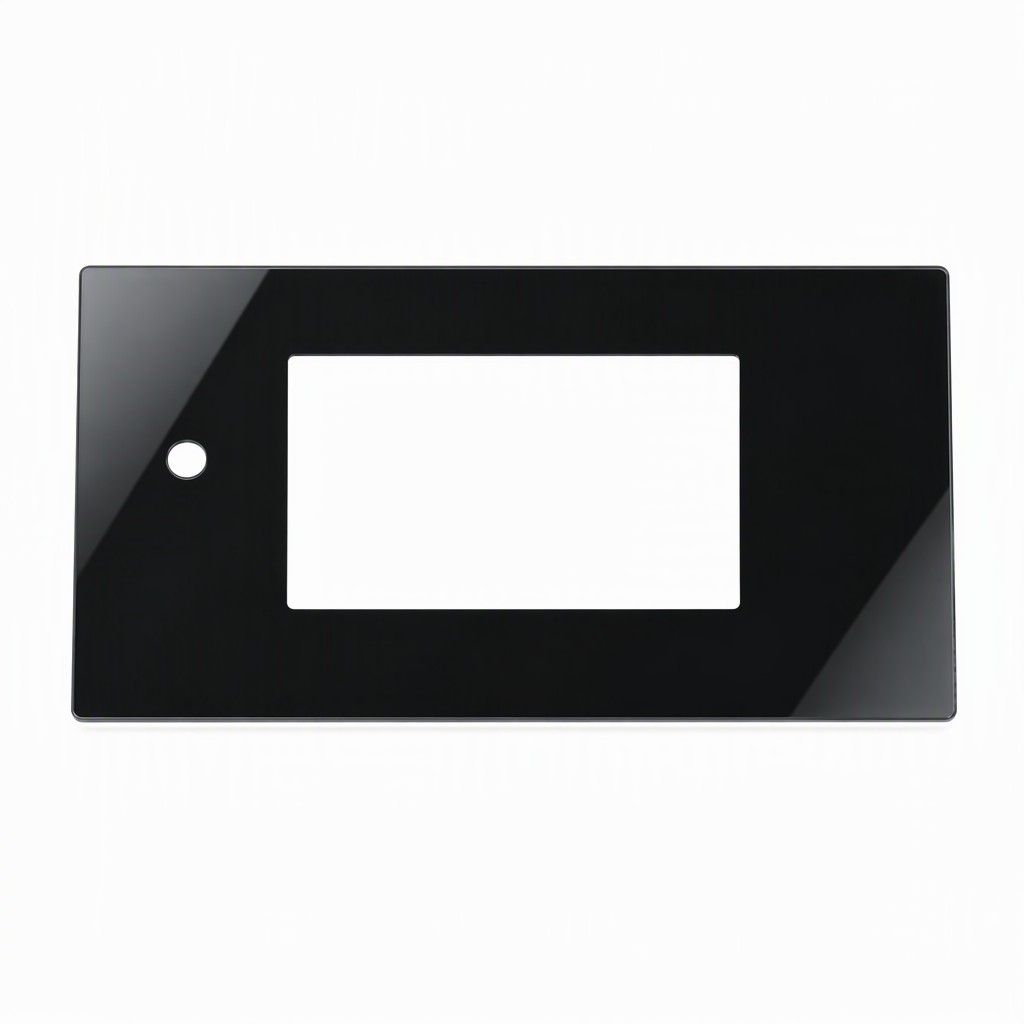
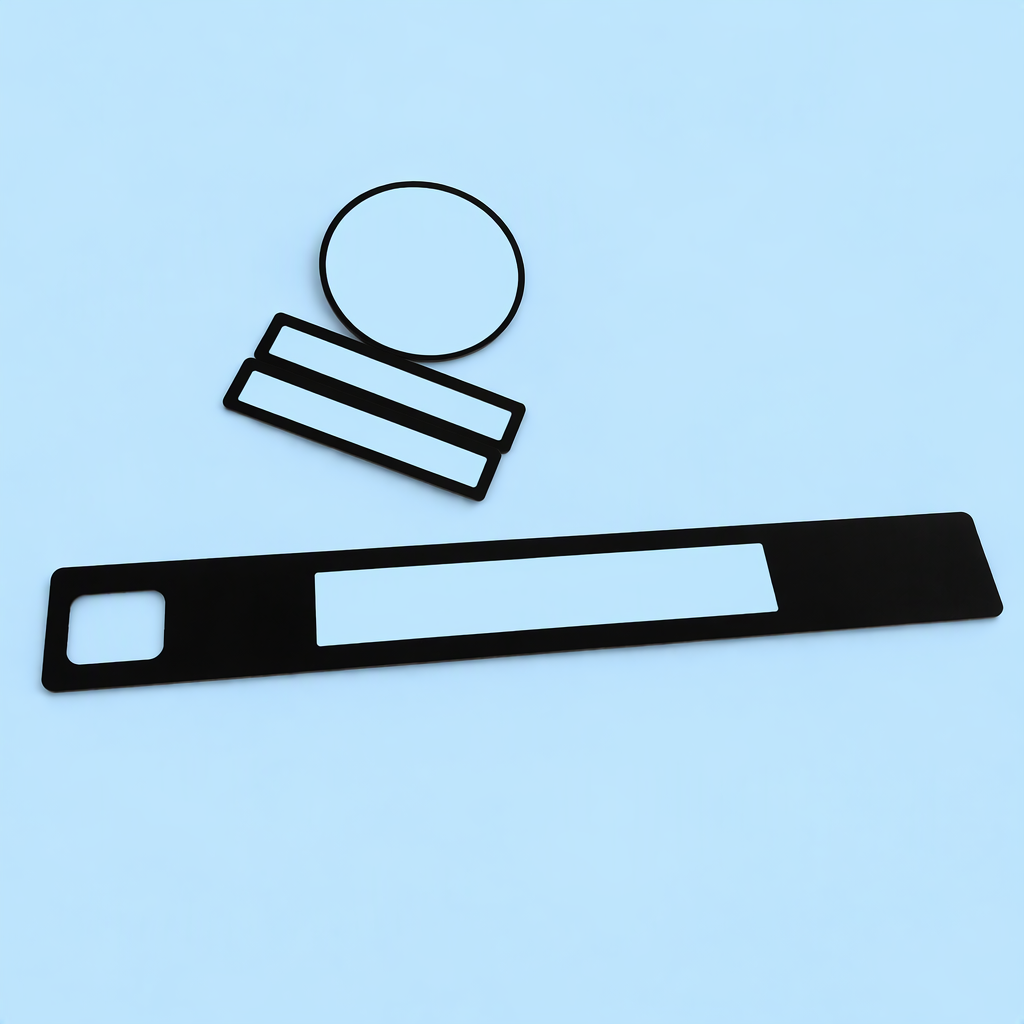
Düsseldorf procurement snapshot

Rhine-Ruhr industry Nearby appliance, automation, medical, construction and interior supply chains.
Logistics gateway Qingdao → Rotterdam, Antwerp or Duisburg → Düsseldorf by sea, rail or air.
EU compliance focus CE, RoHS, material declarations and clear packing lists are requested early.
Design-led demand Printed icons, tinted glass, AR/AG/AF optics and edge quality influence buying decisions.

For Düsseldorf buyers, the best supplier is the one that asks the right questions before quoting: final application, maximum ΔT, fixing method, annual volume, target certification and packing route.

Localized application scenarios

Where Thermal Shock Glass and Functional Glass Are Used Around Düsseldorf

Local application context matters because the same 4 mm tempered glass part can be a good choice for one Düsseldorf project and a poor choice for another. These scenarios show where design review adds the most value.

Commercial kitchens & hospitality

Düsseldorf’s restaurant, hotel and bakery sector often needs heat-resistant panels near ovens, cooktops, warming equipment and display cases. Print color stability, edge finish and thermal cycling must be specified together.

Medical & diagnostic displays

Clinics and medical-device companies around Düsseldorf request AR-coated cover glass for readable screens and AF surfaces for frequent cleaning. Anti-reflective performance is especially useful under bright clinical lighting.

Smart buildings & energy upgrades

North Rhine-Westphalia’s building modernization market uses glass control panels, switch covers, thermostat fronts and access-control reader glass. Clean aesthetics and stable touch-zone printing matter for long service life.

Industrial automation & HMIs

Machine builders and automation integrators in the Rhine-Ruhr corridor need durable touch-screen protectors, 9H hardness surfaces and printed glass windows that remain readable under factory lighting.

Retail & Messe Düsseldorf displays

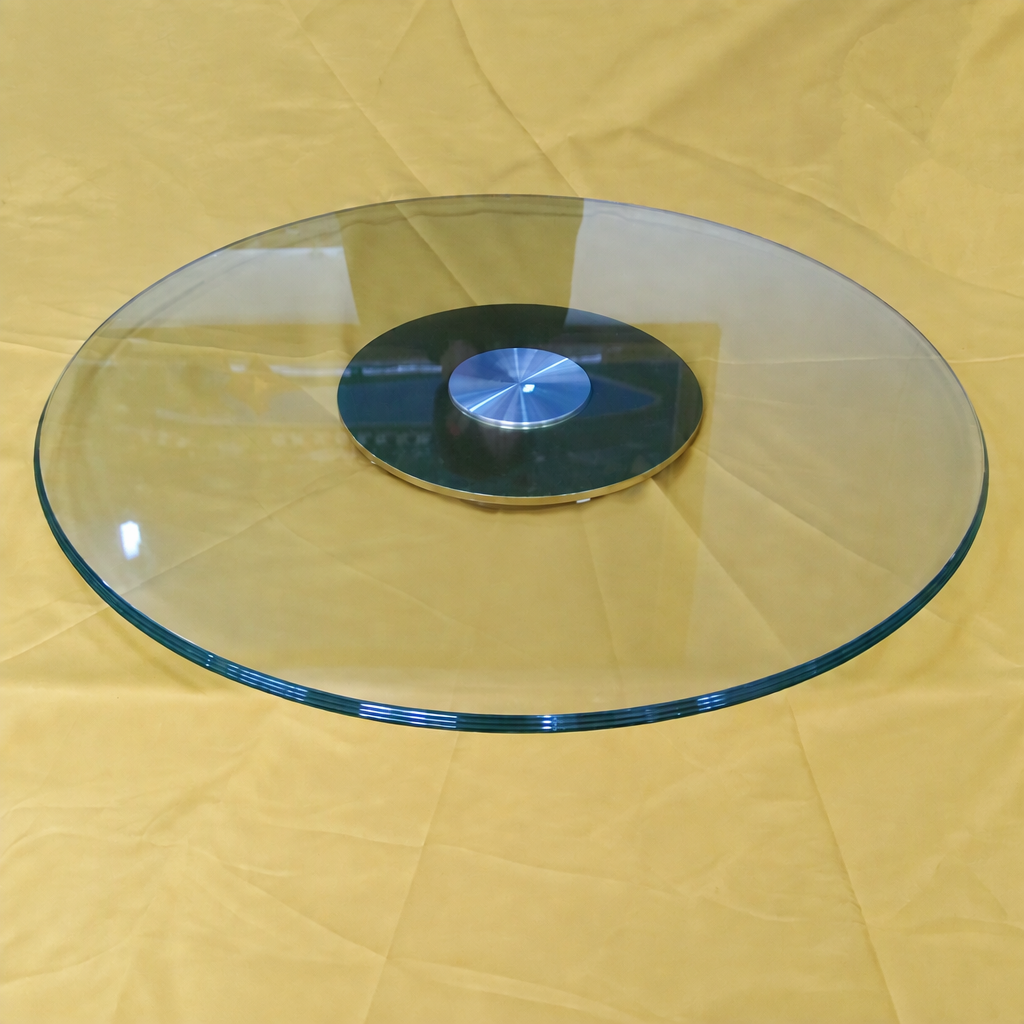
Trade-fair booths, showrooms and retail fixtures demand visual consistency. Tinted, reflective, printed and lazy-susan glass components help create premium displays while remaining easy to clean and maintain.

Architecture & interior details

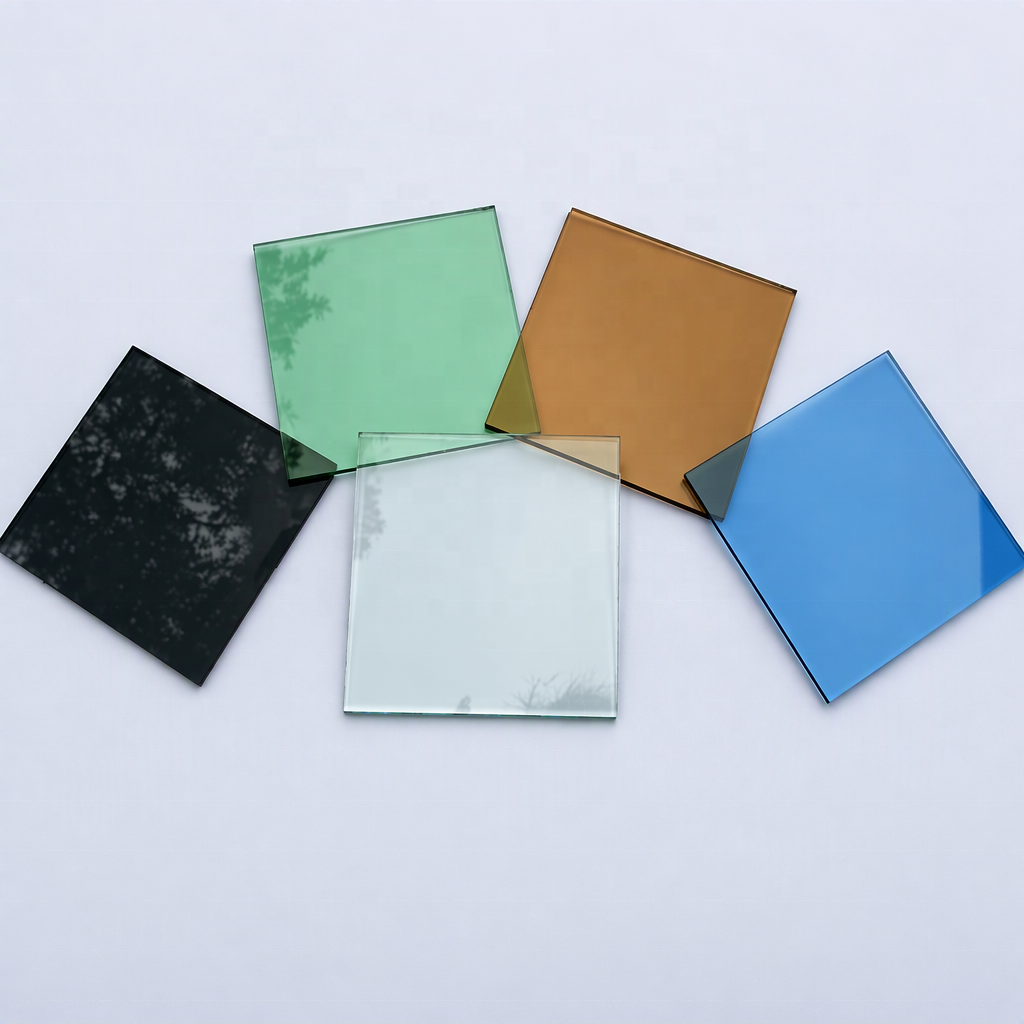
From MedienHafen-inspired interiors to office partitions and furniture, tinted flat glass and decorative printed panels give designers a durable surface. Non-structural use and applicable building rules should be confirmed early.

Localized development trends

What Düsseldorf Buyers Are Specifying Now: 2025–2026 Procurement Trends

These trends reflect the way Düsseldorf-area OEMs, architects, integrators and distributors are discussing glass sourcing. They also indicate where a China thermal shock glass supplier must provide documentation, samples and engineering support rather than only a price list.

Energy-efficiency and building upgrades

German energy-efficiency expectations are pushing renovation-linked demand for control glass, switch panels and display interfaces. Buyers increasingly ask for long-life print quality and clear material declarations.

Higher optical performance

AR, AG and AF coated glass is moving from premium option to expected feature in medical, retail and industrial screens. Düsseldorf buyers compare reflection, haze, color neutrality and fingerprint resistance with real samples.

Hygienic, easy-clean surfaces

Hospitals, food-service operations and public touchpoints specify smooth glass with easy-clean coatings. Print layers must resist repeated cleaning agents, so ink selection and adhesion testing should be discussed before sampling.

Design-led black, tinted and reflective glass

Interior designers and appliance brands continue to favor deep black, low-reflection and tinted glass. Consistent color between batches is critical, especially when printed panels are assembled with metal or plastic housings.

Traceability and EU documentation

CE, RoHS, ISO 9001 and incoming-inspection records are standard parts of supplier qualification. For construction-related or safety-related glass, buyers also ask whether EN 12150-type tempered-glass documentation is applicable.

Resilient logistics through Rhine-Ruhr

Düsseldorf importers increasingly plan mixed shipments and DAP/CIF scenarios through Rotterdam, Antwerp or Duisburg. Protective export packing and clear carton labeling reduce damage risk and handling time.

Engineering white paper

How to Specify Thermal Shock Glass for Düsseldorf Conditions

Thermal shock resistance should be engineered from the application backward. This section gives procurement and engineering teams a practical review framework before a sample order is placed with a China glass supplier.

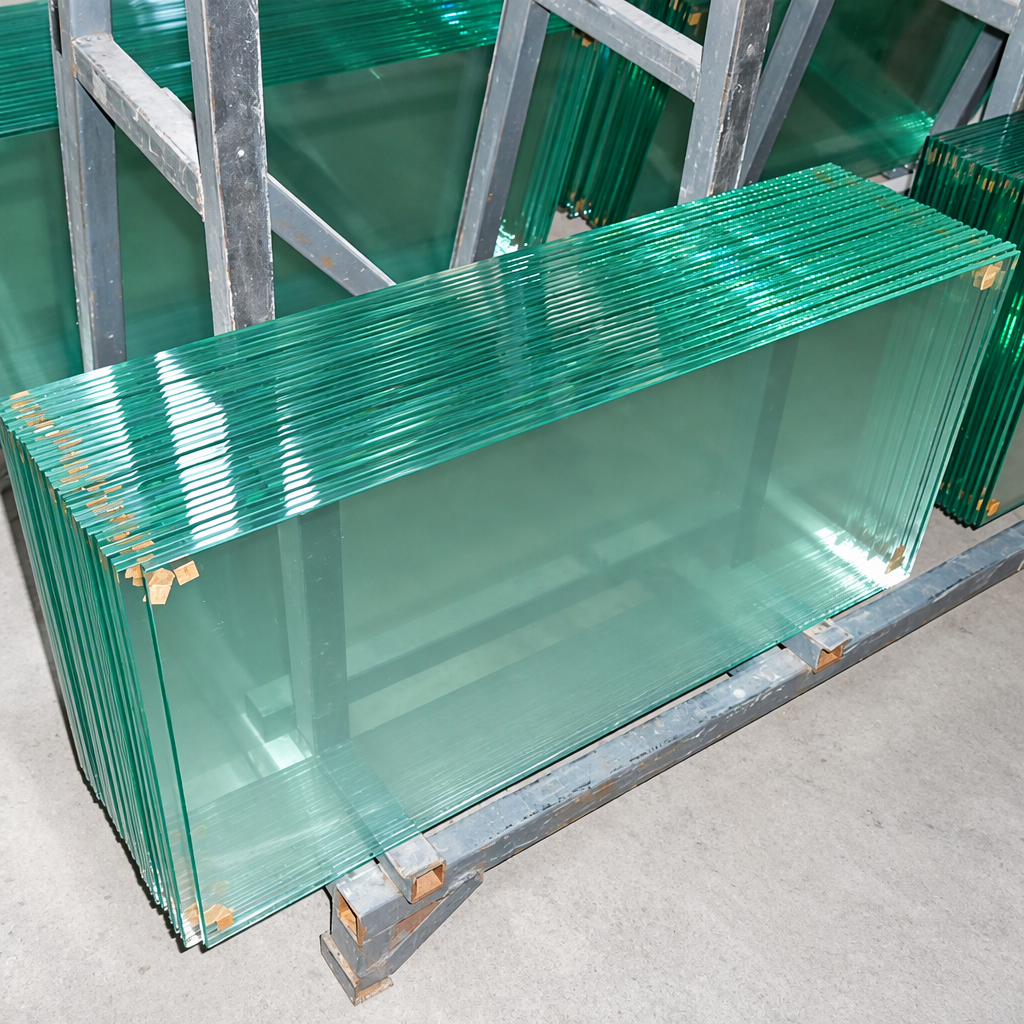
Ordinary thermally tempered soda-lime glass is widely used for appliance fronts, oven-adjacent panels, machine covers, switch panels and display windows because tempering increases mechanical strength and causes the glass to break into small blunt fragments. However, tempered glass is not automatically the same as borosilicate glass or glass-ceramic glass. For very high temperatures or rapid repeated heating and cooling, the material route must be checked against the actual thermal cycle. A supplier that simply quotes “heat-resistant tempered glass” without asking for maximum temperature, heating rate, cooling rate, fixing method and expected service life is leaving risk in the project.

In Düsseldorf, thermal shock questions often arise in commercial kitchen equipment, laboratory and medical devices, industrial inspection windows, appliance fronts and building-services control panels. The safest purchasing process is to separate the problem into three layers: material selection, mechanical design and documentation. Material selection decides whether ordinary tempered glass, heat-resistant printed tempered glass, high-alumina glass, borosilicate glass or another material family is appropriate. Mechanical design controls edge quality, holes, cut-outs, support and thermal bridging. Documentation ensures the Düsseldorf buyer receives drawings, inspection criteria and declarations that match the purchased part.

1. Material route review

Send the application temperature profile, glass thickness, visible print area, coating requirement and expected cleaning chemicals. For high heat or rapid cycling, our engineers will flag whether the requested tempered soda-lime glass is suitable or whether a higher-performance material should be evaluated.

2. Thermal-shock validation plan

Define the test method before mass production: maximum ΔT, heating and cooling rate, number of cycles, mechanical load and inspection criteria. Samples should be checked with the intended mounting method because clamping and thermal bridging can change stress distribution.

3. EU documentation pack

Confirm CE and RoHS requirements with your compliance team, request material declarations where needed, and keep drawing revisions traceable. For construction applications, discuss whether EN 12150-type thermally toughened safety glass documentation applies.

Thermal shock and functional glass selection matrix for Düsseldorf projects
Glass route Typical thickness Thermal-shock logic Best-fit Düsseldorf use Procurement note
Thermally tempered soda-lime glass 3–12 mm Good mechanical strength and safety breakage pattern; thermal limit must be matched to the application. Appliance fronts, switch panels, display windows, industrial covers and interior glass. Cut, drill and edge before tempering. Specify edge quality and logo/icon print tolerance.
Heat-resistant printed tempered glass 3–8 mm High-temperature ink and controlled tempering support moderate heat-zone exposure. Oven-adjacent panels, cooktop decoration, warming equipment and kitchen appliance fronts. Confirm ink firing temperature, color stability and cleaning-agent resistance.
Chemically strengthened thin glass 0.5–2 mm Useful where thin, flat and optically clear touch glass is needed; not a universal high-heat solution. Touch covers, small electronics, medical display fronts and precise HMI windows. Excellent flatness; choose when thinness and optics dominate over thick safety glass.
Borosilicate or glass-ceramic evaluation Project-specific Consider where very high temperature or rapid repeated cycling exceeds ordinary tempered soda-lime performance. Specialized heat equipment, laboratory windows, high-temperature inspection and premium appliance zones. Do not assume equivalence with tempered soda-lime glass. Validate the full thermal cycle.

Düsseldorf buyer specification checklist

Maximum ΔT and cycle profileState maximum surface temperature, cooling method, cycle frequency and expected service life.
Edge and hole drawingsEdge quality, corner radius, hole spacing and countersink details directly affect breakage risk.
Print artwork and layer orderProvide AI or PDF artwork, Pantone references, opaque window areas and backlight requirements.
Coating and optical targetClarify AR, AG, AF or none; specify reflection, haze, color neutrality and cleaning resistance.
Fixing and mounting methodShare gasket, adhesive tape, frame, screw or clamp details; thermal bridging must be reviewed.
Destination and IncotermDüsseldorf delivery may be quoted FOB, CIF, DAP or DDP depending on the buyer’s import setup.

Information gain for procurement teams: do not buy thermal shock glass by temperature alone

A common purchasing mistake is to ask for “glass that resists 300°C” while omitting the cooling method and mounting design. In heat-zone projects, failure often begins at an edge chip, a tight fixing point, an unsupported cut-out or a mismatch between the glass surface and frame expansion. Maupe Glass therefore asks Düsseldorf buyers to send the full assembly context: drawing, edge detail, print artwork, fixing method, temperature cycle and annual volume. This gives your engineering team a manufacturability review before sampling and helps avoid a low-cost quotation that cannot be validated in service.

Enterprise advantages

Why Qingdao Maupe Glass Co., Ltd. Is a Practical Manufacturing Partner for Düsseldorf Buyers

Qingdao Maupe Glass Co., Ltd. was founded in 2012 in Qingdao, Shandong, and operates as a glass deep-processing manufacturer and international supplier. The company runs an ISO 9001 quality management system and focuses on turning flat glass into finished functional parts for electronics, appliances, smart devices, industrial equipment, medical displays and interior applications.

Production capabilities include precision cutting, CNC shaping, edge polishing, drilling, engraving, silk screen printing, physical tempering, chemical strengthening and AR/AG/AF coating. Silk screen printed glass uses RoHS-compliant eco-friendly inks and high- or low-temperature printing processes to produce scratch-resistant, wear-resistant graphics for displays, electronic control equipment, instrument covers, household and kitchen appliances, furniture and decorative partitions.

The factory is located close to Qingdao seaport and airport, which supports export logistics and makes onsite audits practical for visiting buyers. Maupe Glass has served customers in more than 80 countries and is SGS onsite assessed as a third-party verified supplier. Certificate references include ISO 9001 No. 24025Q20015R1S, RoHS No. 25TYT12395 and CE No. 23TYT082593S. The company also reports 8 production lines, a 3,000–5,000 m² factory floor area, a 91–100% export share of output and experience as a Fortune 500 supplier with verified procurement contracts.

For Düsseldorf buyers, these advantages translate into a practical workflow: drawing review, sample verification, mass production, inspection and export shipping. OEM/ODM support is available, and customer-specific requirements can be discussed before tooling. If your team needs a China thermal shock glass manufacturer able to combine printed glass, coated glass, tempered glass and heat-resistant panels in one supply chain, Maupe Glass is positioned to review the project.

2012
Year established in Qingdao
8
Production lines
3,000–5,000 m²
Factory floor area
80+
Export countries served
91–100%
Export share of output
1,000+
Product and factory videos available
Qingdao Maupe Glass factory overview for custom tempered glass production
Factory overview and production organization.
Silk screen printing line for tempered glass panels
Silk screen printing for functional and decorative glass.
Tempering furnace for thermal shock resistant glass panels
Tempering capability for heat and impact resistance.
Düsseldorf buyer FAQ

Common Questions from Düsseldorf Buyers Before Ordering Thermal Shock Glass

These answers reflect the questions most often raised by European procurement, engineering and quality teams when comparing a China thermal shock glass manufacturer.

What is thermal shock glass, and is your tempered glass suitable for Düsseldorf kitchen applications?

Thermal shock glass is selected to withstand temperature differences without cracking. Thermally tempered soda-lime glass can be appropriate for many appliance, oven-adjacent and commercial kitchen panels, but suitability depends on maximum temperature, cooling rate, thickness, edge quality, print and mounting. For very high or rapid cycling, borosilicate or glass-ceramic alternatives may need evaluation. Send the temperature profile and assembly drawing for a project-specific review.

What is the minimum order quantity for custom printed or coated glass?

Most custom silk screen printed panels start from 10 to 100 pieces depending on size, thickness and number of print colors. Large display cover glass can start from about 10 pieces. Samples are available for fit, print and coating verification before mass production.

Can you supply to Düsseldorf and North Rhine-Westphalia?

Yes. Maupe Glass exports to more than 80 countries and can quote FOB, CIF, EXW, FCA, CPT, DAP or DDP depending on the buyer’s import setup. Shipments from Qingdao can move by sea, rail or air, with final delivery to Düsseldorf through major European gateways such as Rotterdam, Antwerp or Duisburg.

Which certificates and documents can you provide for EU compliance?

Maupe Glass operates an ISO 9001 quality management system, holds RoHS and CE certificates for relevant glass products, and has been onsite assessed by SGS. Certificate references include ISO 9001 No. 24025Q20015R1S, RoHS No. 25TYT12395 and CE No. 23TYT082593S. The final document pack depends on the product and application; your compliance team should confirm whether construction-related EN 12150-type documentation or additional material declarations are required.

How do you review thermal shock risk before quoting?

We review the glass type, thickness, maximum temperature difference, heating and cooling method, edge condition, holes and cut-outs, print layers, coating, fixing method and expected service life. If the application sits near the limit of tempered soda-lime glass, we will flag the need for sample validation or alternative material review.

What files should I send to start a custom glass project?

Send a 2D drawing in DWG, DXF or PDF with dimensions, thickness, edge finish, hole positions and tolerances. Add print artwork in AI or PDF with color references, state whether AR, AG or AF coating is required, and describe the working environment and annual volume.

Can you print logos, touch icons and hidden sensor windows?

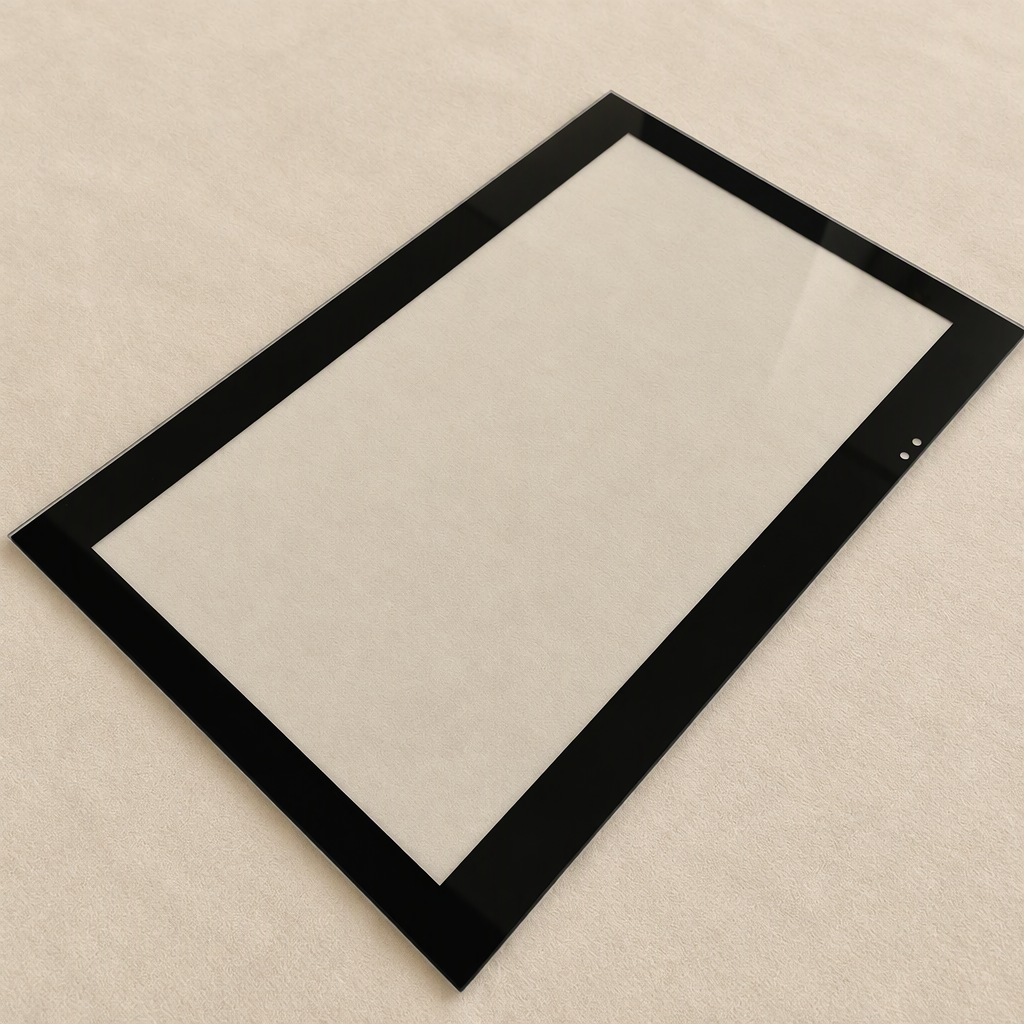
Yes. Silk screen printing can include logos, icons, decorative borders, touch-zone graphics, hidden sensor windows and backlight-ready areas. Multi-color layouts and high- or low-temperature inks are available for different durability and heat requirements.

How are glass panels packed for export to Düsseldorf?

Export packing is designed around panel size, thickness and fragility. Options include interleaving paper or film, foam protection, corner guards, reinforced cartons and plywood cases. Carton labels and packing lists can support incoming inspection and mixed shipments.

What are typical sample and production lead times?

Sample timing depends on drawing complexity, tooling, printing screens and coating requirements. Production lead time depends on order quantity, glass size, tempering load and inspection scope. Once your drawing and annual volume are clear, Maupe Glass can provide a project schedule for review.

Which trade terms and payment methods are accepted?

Accepted delivery terms include FOB, CIF, EXW, FAS, FCA, CPT, DDP, DDU and express delivery. Payment methods include T/T, L/C, PayPal, Western Union and cash, in USD, EUR or CNY. The factory is close to Qingdao seaport and airport, which supports efficient export coordination.

Send Your Drawing for a Düsseldorf-Focused Thermal Shock Glass Review

Share your drawing, print artwork, thermal cycle, coating requirement and delivery target. Our team will review manufacturability, recommend the most practical glass route and respond with the next steps for sampling or quotation.

Send an Inquiry
info@maupeglass.com