Top Trusted Industrial Anti-Glare Tempered Glass Screen Protector Factory & Supplier for Chiang Mai
Custom AG-etched, AR/AF-coated and silk-screen printed tempered glass cover panels for HMI, medical displays, hotel kiosks, school screens, outdoor information terminals and smart factory equipment in Chiang Mai and Northern Thailand.
8 Industrial Anti-Glare Tempered Glass Products for Chiang Mai Buyers
These product families are suitable for anti-glare, anti-reflective or anti-fingerprint upgrades. Each part is customized by drawing, thickness, print layout, edge finish and coating requirement, making the set practical for Chiang Mai factories, hotels, clinics, schools, retailers and system integrators comparing custom cover glass suppliers.
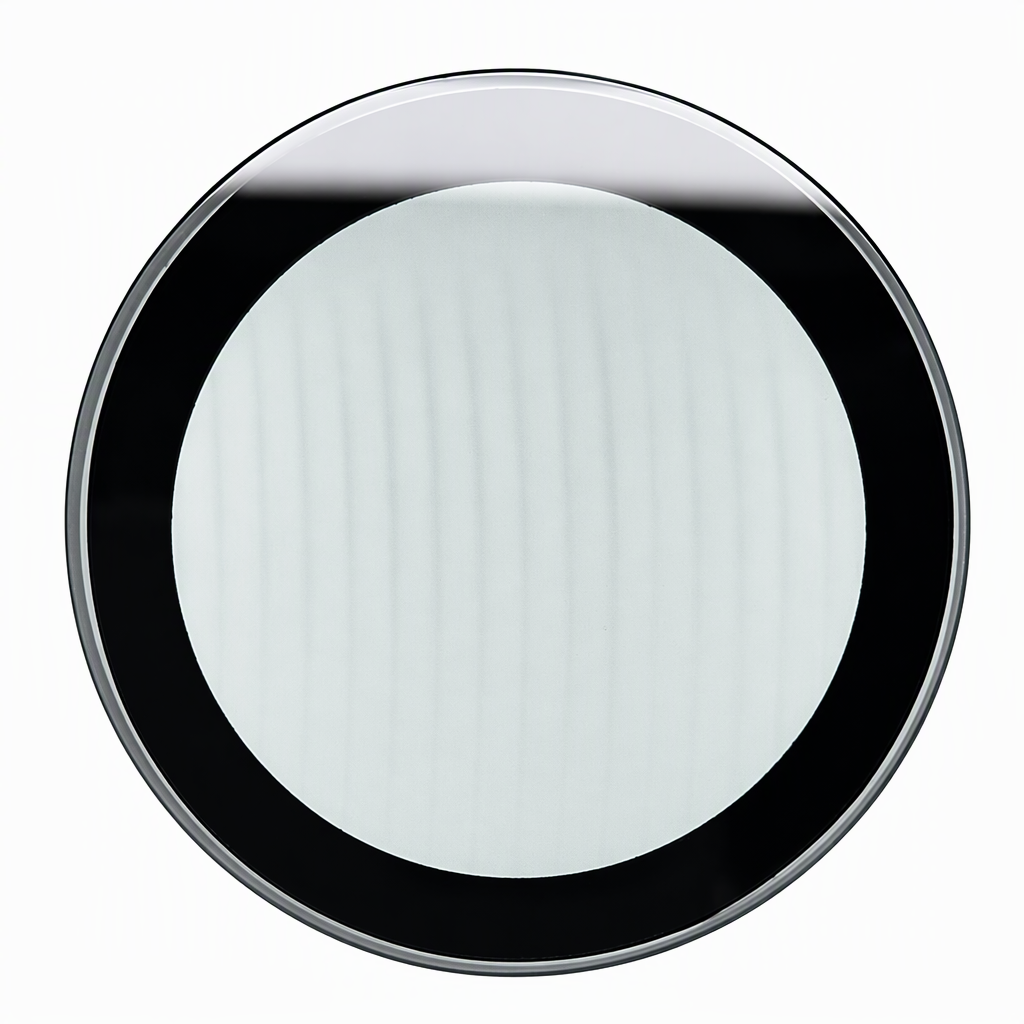
Custom 3–19 mm Flat Tempered Glass Panel for Instrument Use
Thick, impact-resistant instrument glass with round or printed shapes; suitable for machine faces, inspection windows and HMI covers where AG etching or AR/AF coating can reduce glare under factory lighting.
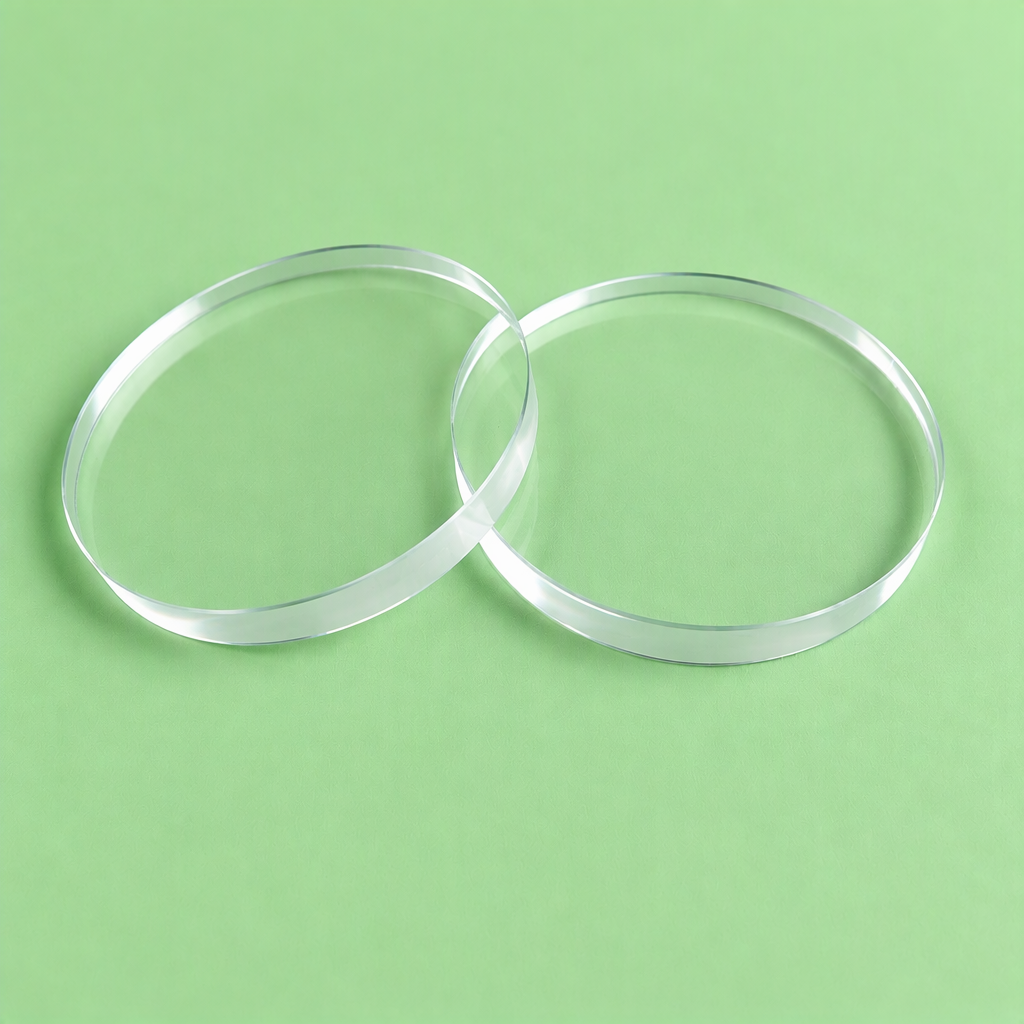
High Strength Custom-Size Clear Tempered Glass Panel for Industrial Use
Clear industrial tempered glass with CNC holes, polished edges and optional anti-glare surface. A practical cover for control cabinets, inspection windows, automation equipment and clean-room displays.
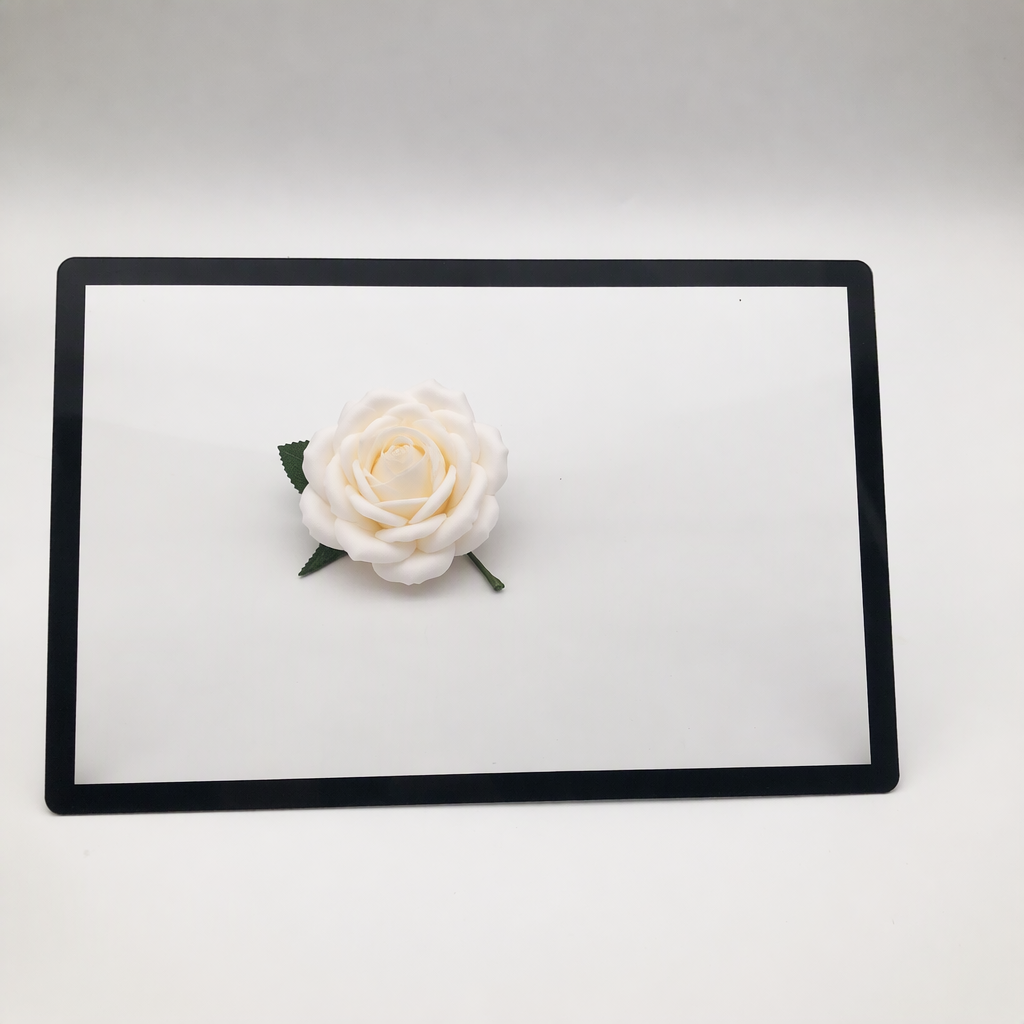
Ultra-Thin Silk-Screen Printed Tempered Glass for Display Panels
Thin cover glass for high-resolution screens, touch panels and compact devices. Choose chemically strengthened glass and an anti-glare finish when flatness, optical quality and reduced reflection are critical.
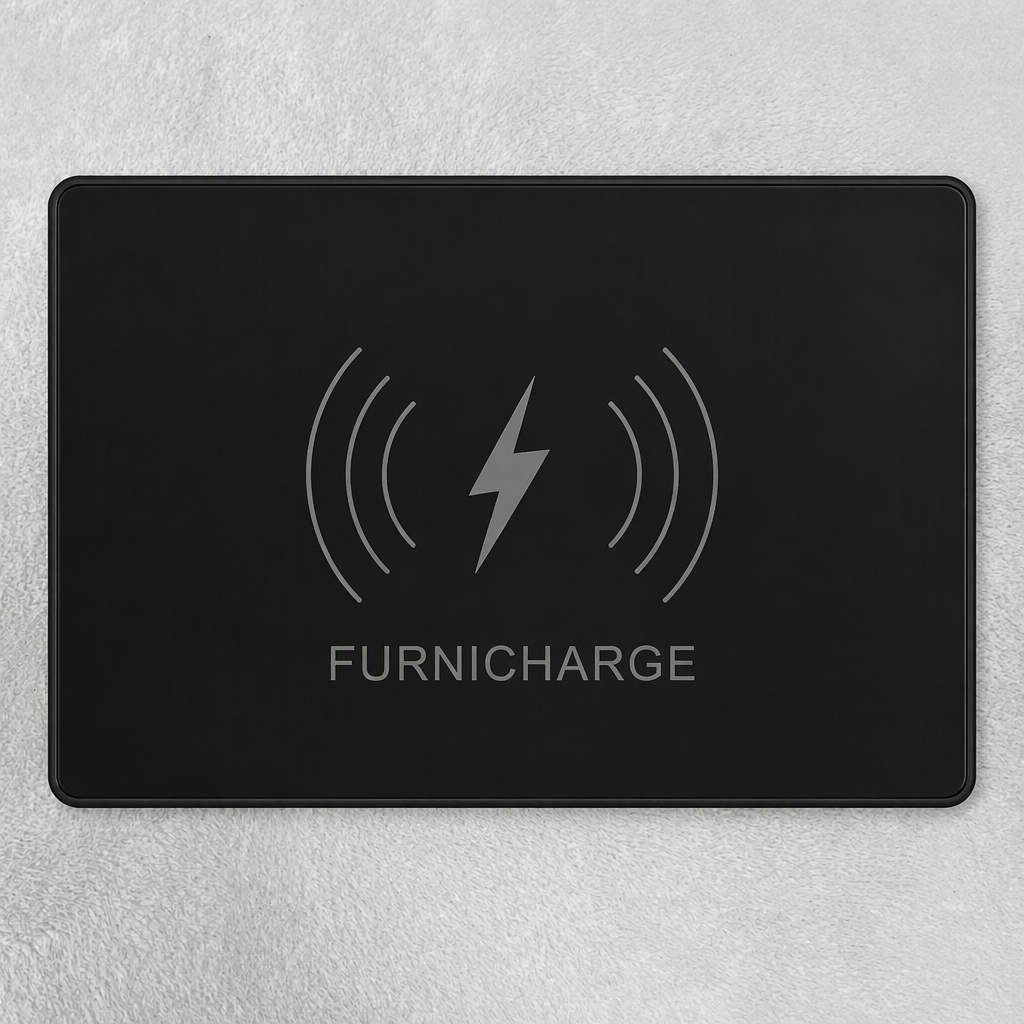
Smart Tempered Glass Bedside Table Panel for Wireless Charging & Touch Light Switch
Printed touch and wireless-charging cover glass for smart furniture and hospitality interiors. Anti-glare printing and anti-fingerprint treatment help hotel and apartment projects keep a clean, premium surface.
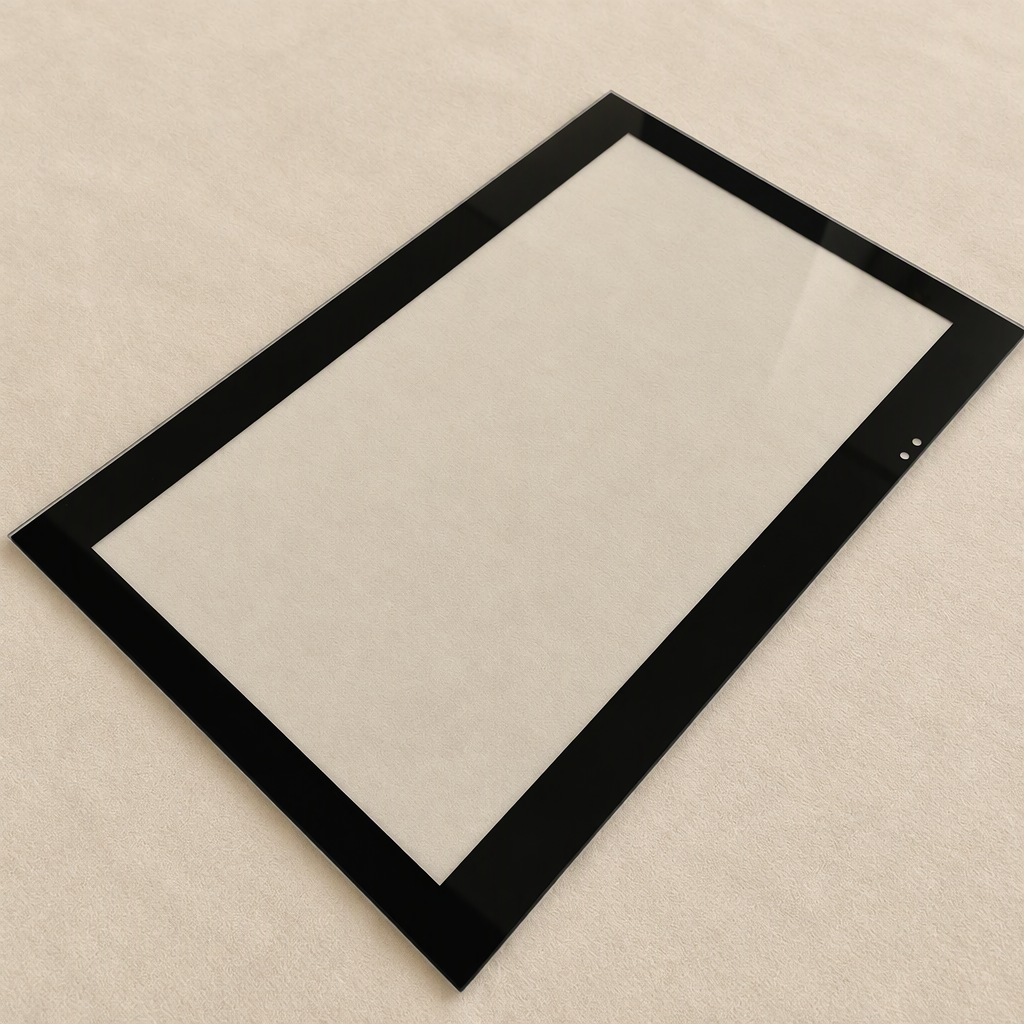
Tempered Glass Panel Silk-Screen Printed Flat Display Screen Protector
Flat printed protector glass for LCD TVs, digital signage and industrial displays. AG-treated surfaces diffuse harsh reflections while the tempered substrate resists impact and repeated cleaning.
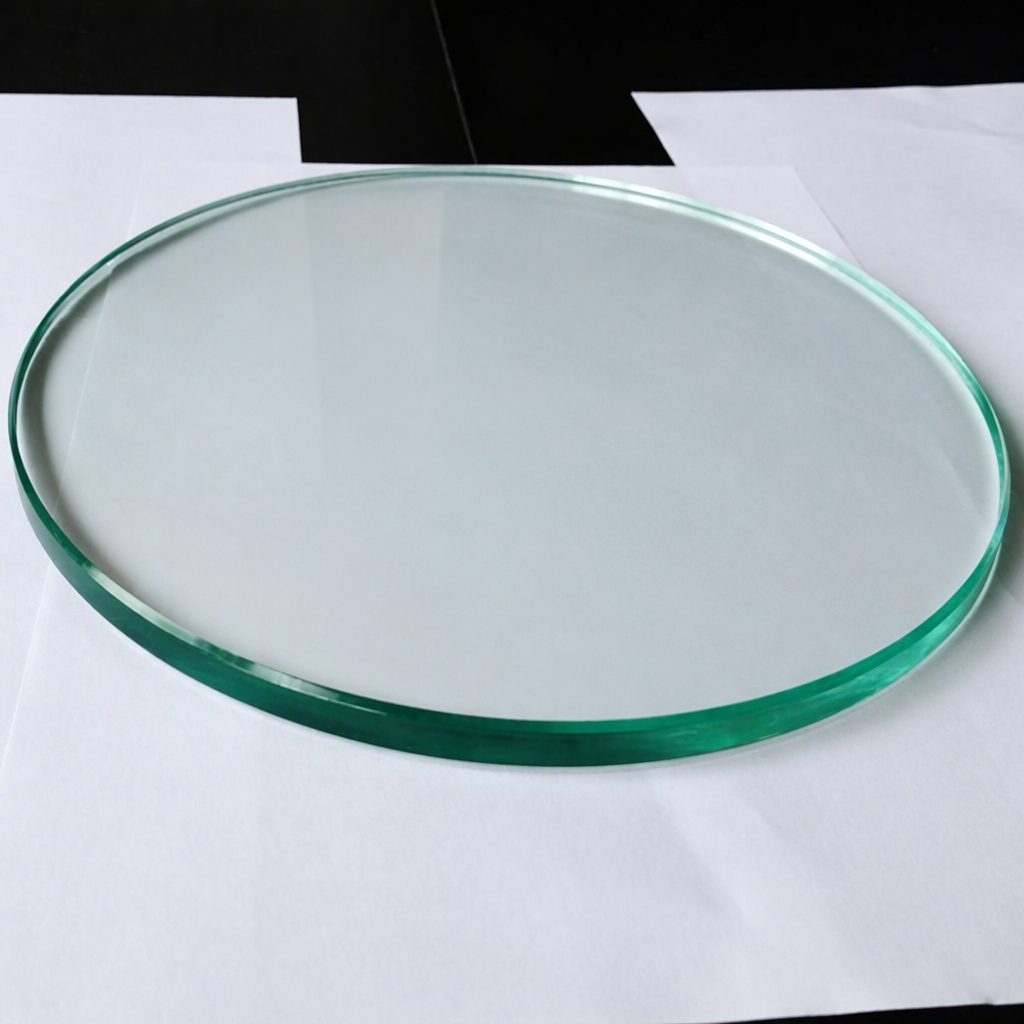
12 mm Tempered Glass Round Tempered Glass Beveled Round Glass Pieces
Heavy-duty round glass with beveled edges for robust instruments, equipment guards and decorative industrial fixtures. Available with optional anti-glare treatment for display-face applications.
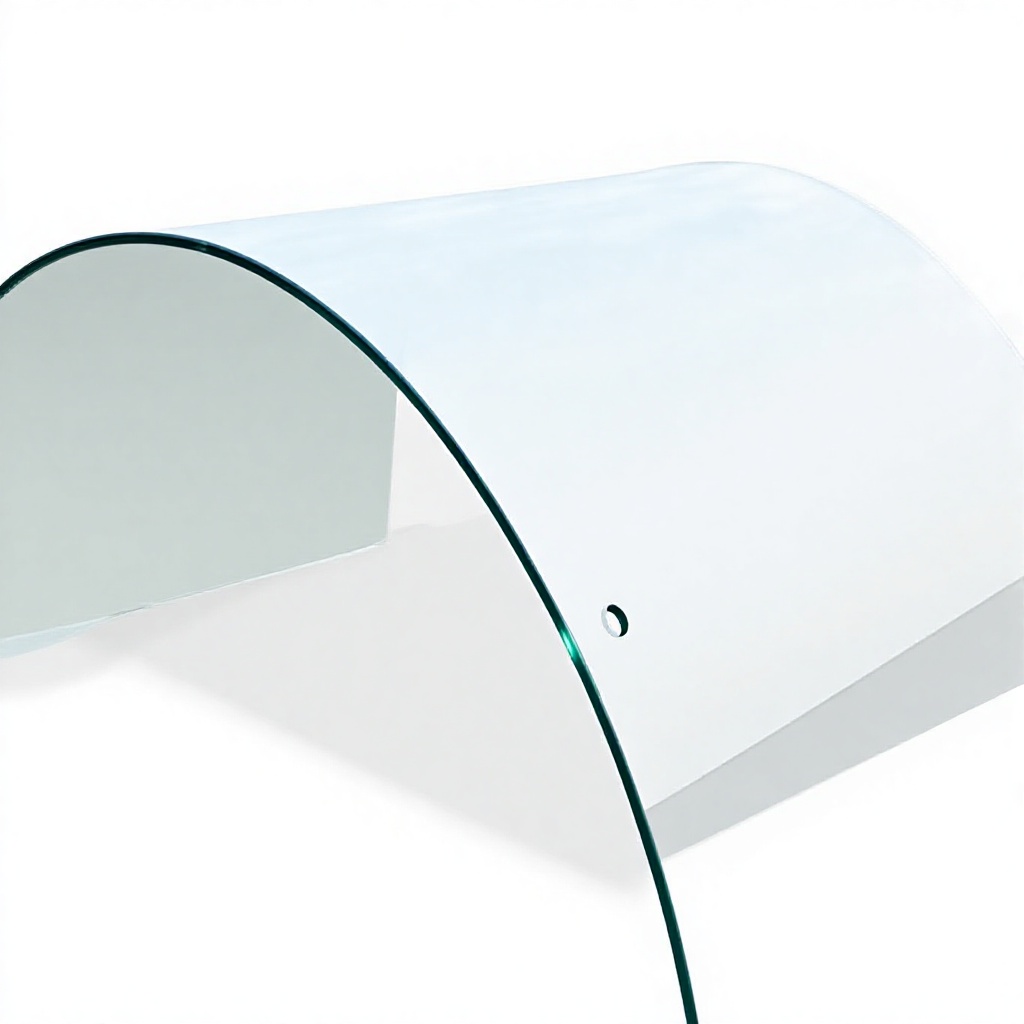
Custom Curved Tempered Glass for Balcony & Curtain Wall
Curved tempered architectural glass for balcony and curtain-wall projects. Where optical display performance is required, combine with printing, privacy treatment or anti-glare surface options.
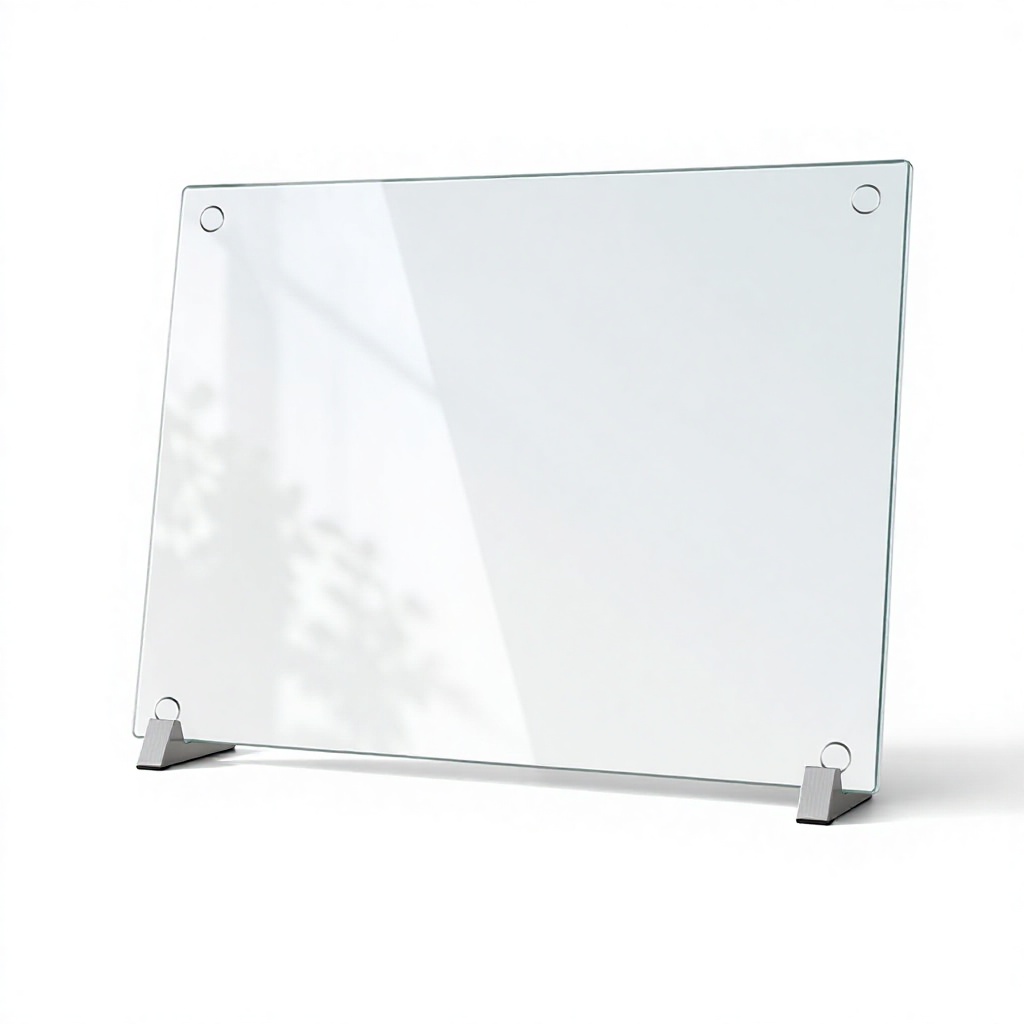
Custom-Size Clear Tempered Glass Curtain Wall & Multi-Function Whiteboard Glass
Large clear or printed glass panels for curtain walls and whiteboard walls. A custom anti-glare surface can turn large glass areas into low-reflection presentation or interactive surfaces.
What Makes Industrial Anti-Glare Tempered Glass Different in Chiang Mai?
Industrial anti-glare tempered glass is not a consumer phone film. It is a rigid glass cover panel, commonly 0.5 mm to 19 mm thick, that protects displays, HMI windows, control panels, kiosks and instrument faces while controlling reflected light. In Chiang Mai, the specification challenge is exceptionally practical: strong daylight at hotel entrances, bright LED lighting on factory floors, compact clinic rooms, outdoor information terminals and mixed indoor-outdoor retail environments can all make a clear glass cover look washed out.
For serious procurement teams, anti-glare is a measurable optical and surface-engineering decision. Buyers should specify haze, gloss, visible-light transmission, surface treatment method, glass thickness, strengthening method, print design, edge finish and cleaning resistance together. Very matte glass can reduce reflection but may soften icons and reduce contrast. High-gloss clear glass preserves image sharpness but reflects overhead lighting. A paper-grade specification should therefore be validated with samples under the exact lighting conditions of the Chiang Mai installation.
From our factory experience since 2012, the most reliable projects start with a drawing package and an application description, not only a size. A display used beside a window in a Nimman hotel lobby has a different optical target from an HMI on a factory floor in the Chiang Mai–Lamphun industrial corridor. Our engineering review checks whether physical tempering or chemical strengthening is suitable, whether silk-screen printing will affect touch sensitivity, and whether AR, AG or AF coating should be combined for the final environment.

Chiang Mai Application Scenarios for Industrial Anti-Glare Tempered Glass
Chiang Mai combines tourism, healthcare, education, electronics, food processing, logistics and creative commerce. Each environment creates a different glare source and different expectations for touch, cleaning and impact resistance.
Smart Factories & HMI
Anti-glare glass for machine control screens, automation panels and inspection windows in the Chiang Mai–Lamphun manufacturing corridor, where LED lighting often creates veiling reflection.
Clinics & Medical Displays
Quiet, low-reflection cover glass for diagnostic monitors, dental equipment and reception displays. AR plus AF coating can improve clarity and touch cleanliness in compact treatment rooms.
Hotels & Resorts
Self-check-in kiosks, lobby information screens, smart-room switch panels and restaurant menu displays need glare control without losing a premium interior finish.
Education & Co-Working
Interactive whiteboards, classroom displays, library kiosks and co-working room booking screens benefit from low-sparkle anti-glare glass and fingerprint-resistant surfaces.
Retail, POS & Kiosks
Point-of-sale terminals, self-service kiosks and digital signage in shopping areas need scratch-resistant, easy-clean glass that remains readable under changing store lighting.
Outdoor Information Terminals
Outdoor kiosks, transport information points and event displays can use stronger AG treatment to diffuse daylight and reduce harsh reflections during tropical daytime use.
Electronics & Instrumentation
Custom cover glass for measuring instruments, chargers, smart switches and electronic controls, with printed logos, transparent reading windows and optional anti-glare etching.
Food Processing & Cold Rooms
Control-panel glass in food processing, cold storage and back-of-house areas must tolerate frequent cleaning. Confirm chemical resistance and condensation conditions before choosing AG or AF coating.
Local Procurement Trends in Chiang Mai and Northern Thailand
Buyers are moving from “just a clear protective glass” toward application-specific optical surfaces, verified compliance and total landed-cost planning.
AG + AF combinations
Hospitality and medical buyers commonly ask for anti-glare plus anti-fingerprint treatment because touch points are visible under strong lobby and clinic lighting.
Thin glass with chemical strengthening
Compact devices and modern HMI interfaces need thin cover glass with excellent flatness. Chemically strengthened 0.5–2 mm glass is increasingly specified for such parts.
Supplier verification first
Procurement teams ask for ISO 9001, RoHS, CE and SGS onsite assessment records before sampling, especially when the end customer exports equipment.
Humidity-aware packaging
Northern Thailand’s rainy season and high humidity make moisture-barrier packing, clean separation and robust cartons important for glass shipped to Chiang Mai.
Anti-Glare Tempered Glass Selection Matrix for Chiang Mai Projects
The values below are practical starting points, not universal standards. Final haze, gloss, transmission and coating performance should be confirmed with samples under the actual installation lighting.
| Application | Suggested AG Level | Typical Thickness | Strengthening | Useful Options |
|---|---|---|---|---|
| Factory HMI / PLC panel | Haze 7–15%, gloss 50–90 GU | 2–6 mm | Physical tempering | Printed border, AF coating, anti-static discussion |
| Medical / dental display | Haze 3–8%, gloss 70–100 GU | 1.1–3 mm | Chemical strengthening for thin glass | AR + AF coating, clean edge, low sparkle |
| Hotel kiosk / POS | Haze 10–20%, gloss 30–70 GU | 3–5 mm | Physical tempering | Fingerprint-resistant surface, polished edges |
| Outdoor information kiosk | Haze 15–30%, gloss 10–40 GU | 5–10 mm | Physical tempering | Strong AG etching, weather-resistant packing |
| School whiteboard / display | Haze 5–12%, controlled sparkle | 3–6 mm | Physical tempering | Low-reflection printing, AF surface |
| Heavy instrument face | Haze 5–12%, gloss 60–90 GU | 3–12 mm | Physical tempering | Beveled edge, safety corners, high flatness |
Information-gain tip: request a sample report showing haze, gloss, transmission and coating adhesion under agreed test methods. For Chiang Mai buyers, photographs taken in the actual room or factory are often more useful than a generic AG label.
Why Qingdao Maupe Glass Is a Trusted Supplier for Custom Anti-Glare Glass
Chiang Mai buyers comparing overseas factories need evidence, not slogans. Our advantage comes from a complete glass process chain, export experience since 2012 and verifiable quality documentation.
Factory Direct Since 2012
Qingdao Maupe Glass Co., Ltd. is an ISO 9001 glass deep-processing manufacturer with 8 production lines and a 3,000–5,000 m² factory, serving OEM and ODM buyers worldwide.
Complete In-House Process
Cutting, CNC shaping, edge polishing, drilling, engraving, silk-screen printing, physical tempering, chemical strengthening and AR/AG/AF coating are coordinated under one roof.
Verifiable Certifications
ISO 9001 certificate No. 24025Q20015R1S, RoHS certificate No. 25TYT12395 and CE certificate No. 23TYT082593S support compliance review by your quality team.
SGS Onsite Assessed
The company has been onsite-assessed by SGS Group as a third-party inspection company and has experience as a Fortune 500 supplier with OEM/ODM service over 10 years.
Export Experience to 80+ Countries
Export logistics are supported through Qingdao seaport and airport, with FOB, CIF, EXW, FAS, FCA, CPT, DDP, DDU and express delivery options for international projects.
Drawing-Based Engineering Support
Send a 2D drawing, artwork and application notes. Our engineers review manufacturability, edge finish, print order, coating and strengthening before sampling and mass production.
Quality, Certification, and Process Control
Chiang Mai buyers often need documentation for their own customers, importers and compliance teams. Certificate numbers are shown so they can be checked directly with issuing bodies.

ISO 9001 QMS
Certificate No. 24025Q20015R1S · Scope: float glass and technical glass products · Valid to 02/2028.

RoHS Compliance
Certificate No. 25TYT12395 · Restricts hazardous substances for EU electrical and electronic equipment · Valid to 12/2030.

CE Marking
Certificate No. 23TYT082593S · Tempered glass · Supports market access across the European Economic Area · Valid to 08/2028.
Drawing Review
Check dimensions, thickness, tolerances, holes, edges, print layers and strengthening method.
Sampling
Screens and samples verify fit, color, haze, gloss, touch response and installation handling.
Mass Production
Cutting, CNC, printing, tempering or chemical strengthening run through 8 production lines.
Inspection
Incoming material and finished product inspection before packing, with agreed acceptance criteria.
Export Shipping
Protective export packing via Qingdao port or airport, with documents prepared for import clearance.
How to Specify an Industrial Anti-Glare Screen Protector
A complete RFQ reduces rework, protects your project timeline and lets suppliers quote accurately. Use these three checklists before you request samples.
Drawing Inputs
- 2D drawing in DWG, DXF or PDF with outline, holes, notches and tolerance.
- Glass type: clear, ultra-clear, tinted or high-alumina.
- Thickness target and acceptable range.
- Edge finish: flat, pencil, beveled or safety corner.
- Print artwork in AI or PDF with color references and layer order.
Optical & Surface Targets
- Anti-glare level: haze percentage and gloss target in GU.
- Visible-light transmission and color-neutrality requirement.
- AR, AG or AF coating combination and coating area.
- Touch sensitivity, sparkle and display-distance expectations.
- Cleaning chemicals and abrasion resistance test method.
Commercial & Application Notes
- Indoor or outdoor use; sunlight, LED or mixed lighting.
- Operating temperature, humidity and condensation exposure.
- Annual volume, batch size and target sample date.
- Certification documents required for import or customer approval.
- Delivery terms, destination and whether DDP landed cost is needed.
Chiang Mai Procurement FAQ: Industrial Anti-Glare Tempered Glass
Practical answers for purchasing teams, engineers, hotel owners, clinic operators and distributors comparing a custom glass factory.
What is the minimum order quantity for custom anti-glare tempered glass?
Can you produce anti-glare glass for an existing HMI or display model?
Should I choose physical tempered glass or chemically strengthened glass?
Which certifications does Qingdao Maupe Glass hold?
What files are needed to start a custom glass project?
How do you ship anti-glare glass to Chiang Mai?
What is the usual lead time for samples and mass production?
Can you combine anti-glare with anti-fingerprint or anti-reflective coating?
Which trade and payment terms are accepted?
Request a Custom Anti-Glare Glass Quote for Chiang Mai
Share your drawing, intended application, lighting environment and target quantity. Our engineering team will review manufacturability, recommend AG/AR/AF options, and respond with a suitable OEM glass proposal for your Chiang Mai project.