Top Trusted Industrial Glass Suppliers & Exporters Serving the Davao City Market
A white-paper guide for architects, developers, fabricators, facility managers, and OEM buyers in Metro Davao—covering tempered and coated glass selection, local application fit, climate resilience, certifications, logistics, and supplier due diligence.
Eight Industrial Glass Products Recommended for Davao City Projects
The products below are recommended for Davao City because they address heat, humidity, high-use touch surfaces, coastal air, and the city’s mix of vertical residential, hospitality, healthcare, BPO, retail, and industrial projects. Product URLs are preserved for direct review; custom dimensions, print artwork, coatings, and packing requirements can be quoted through the inquiry channel.
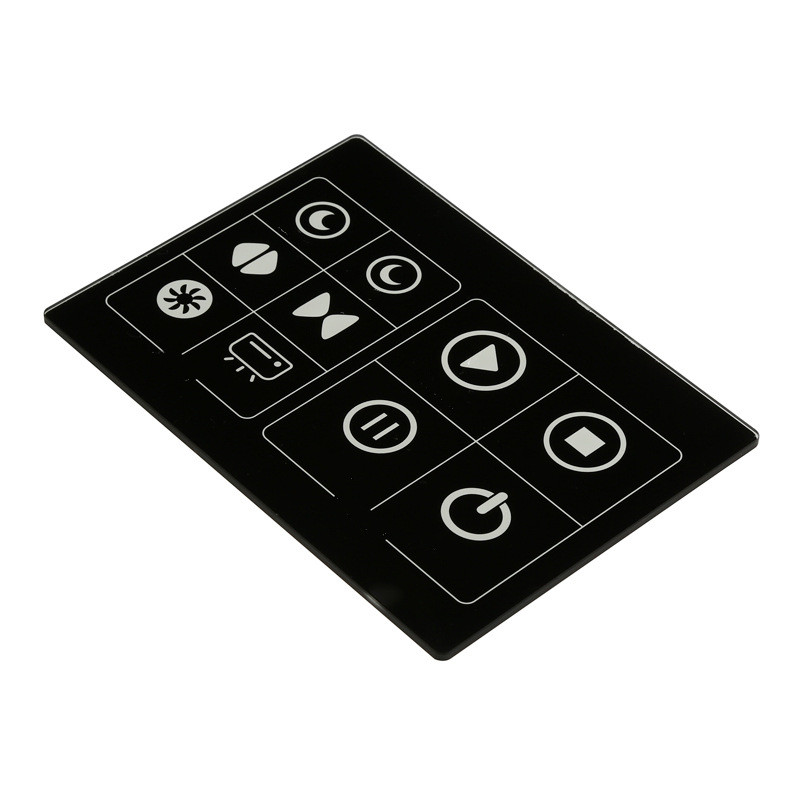
High Temperature Resistant Customized Black Printing Tempered Glass Cooktop Microwave Oven Door Glass for Kitchen
Recommended for condominium kitchens, food courts, and commercial kitchenettes where heat, steam, and daily cleaning are constant. Specify high-temperature ink, edge polishing, and the exact viewing-window pattern before sampling.
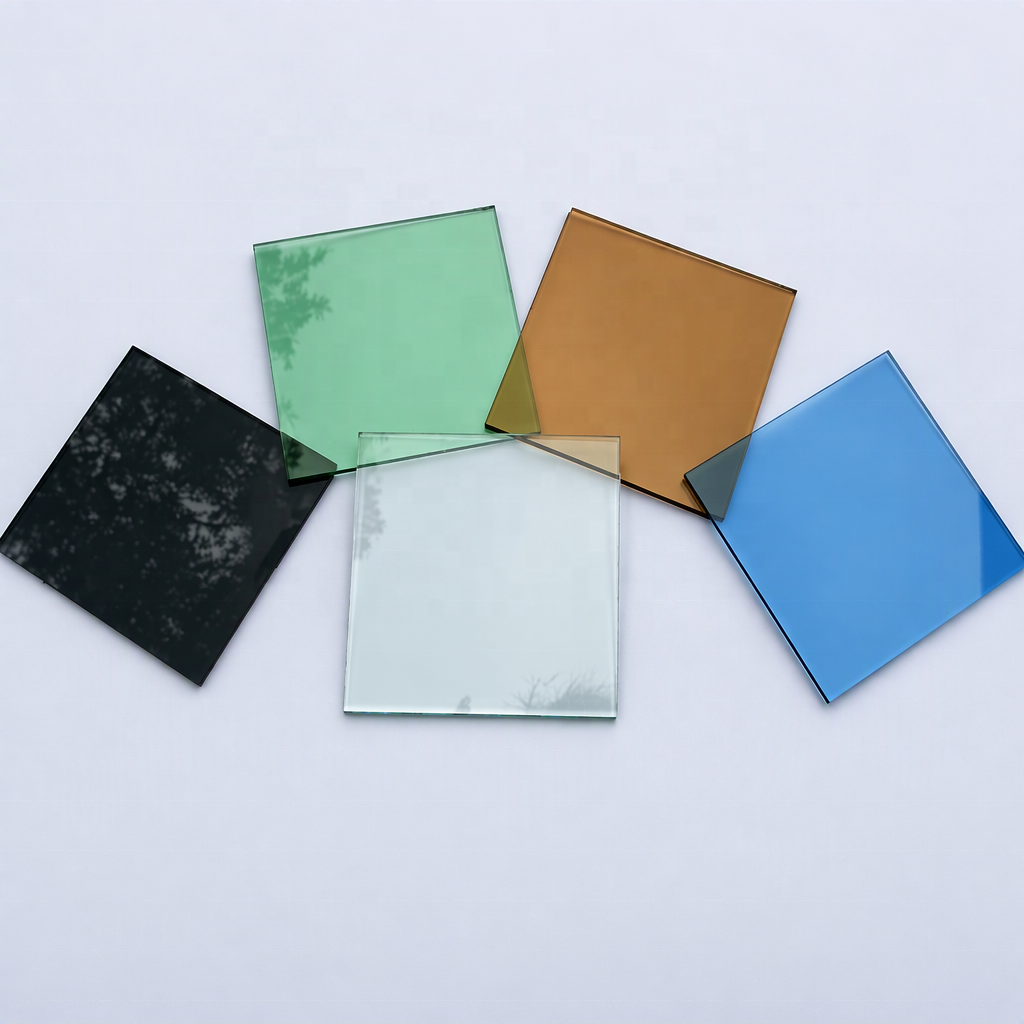
Customized Tinted Tempered Glass Flat Sheet 3mm to 10mm Reflective Colored Glass Toughened Glass
Useful for solar-control studies in Davao offices, corridor glazing, and privacy inserts. Ask for visible-light transmission, reflective color, and edge-finish samples because façade appearance changes with tropical daylight.
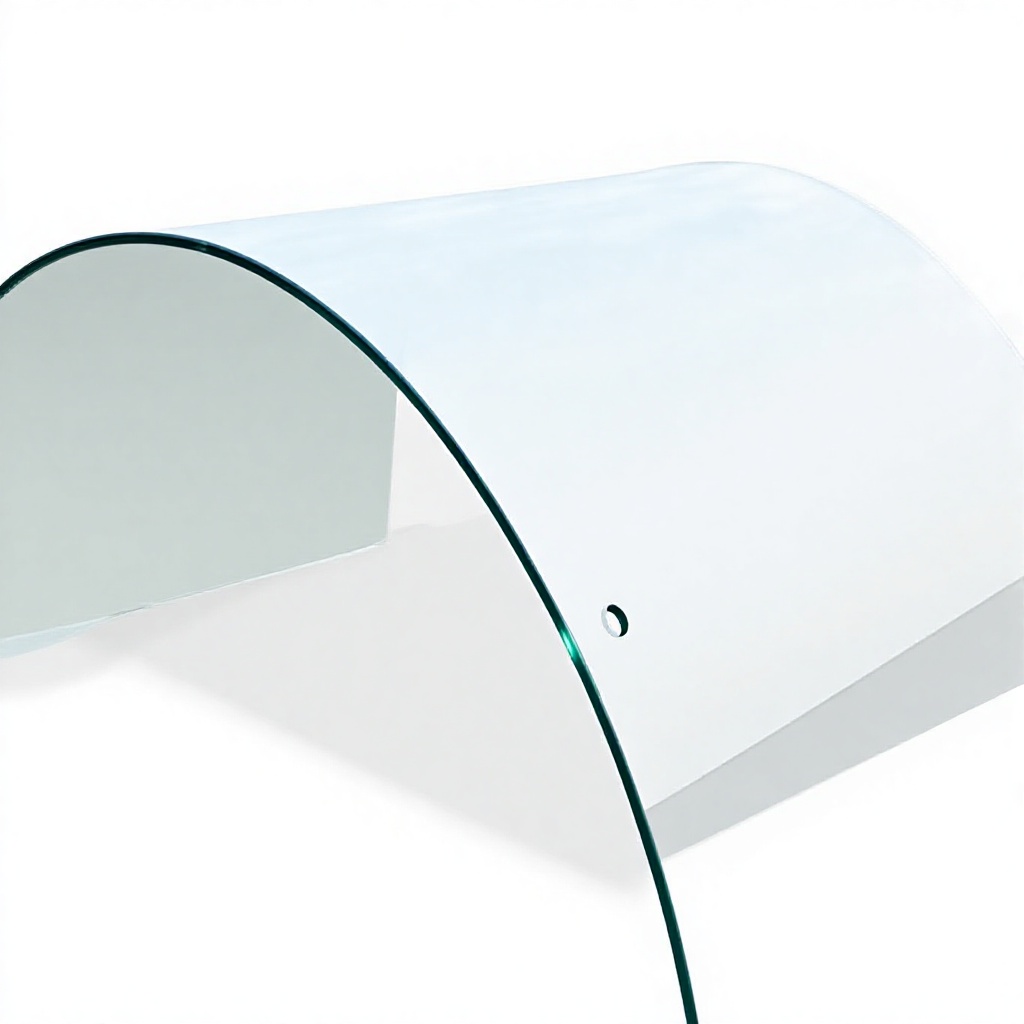
Custom Curtain Wall Glass Balcony Glass Tempered Glass Curved
A fit for hotel, condominium, and mixed-use balconies where the architecture calls for curved geometry. Curvature and tempering should be reviewed together, with attention to wind load, drainage, and edge protection.
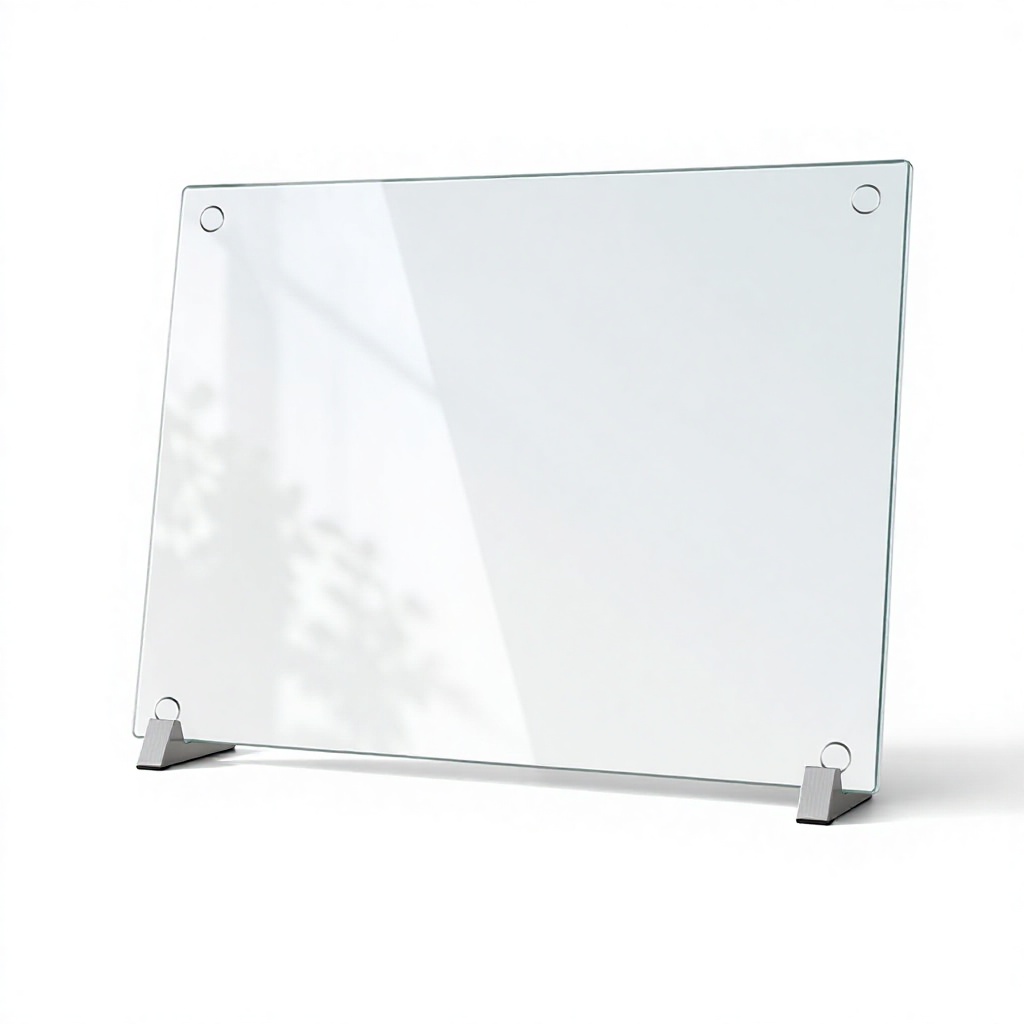
Custom Size Clear Tempered Glass Curtain Wall Panel Multi Function Print Glass Whiteboard Glass
Suitable for BPO training rooms, sales galleries, schools, and office partitions. For whiteboard use, specify low-iron glass, print durability, and an anti-glare option when rooms have strong daylight or projector lighting.
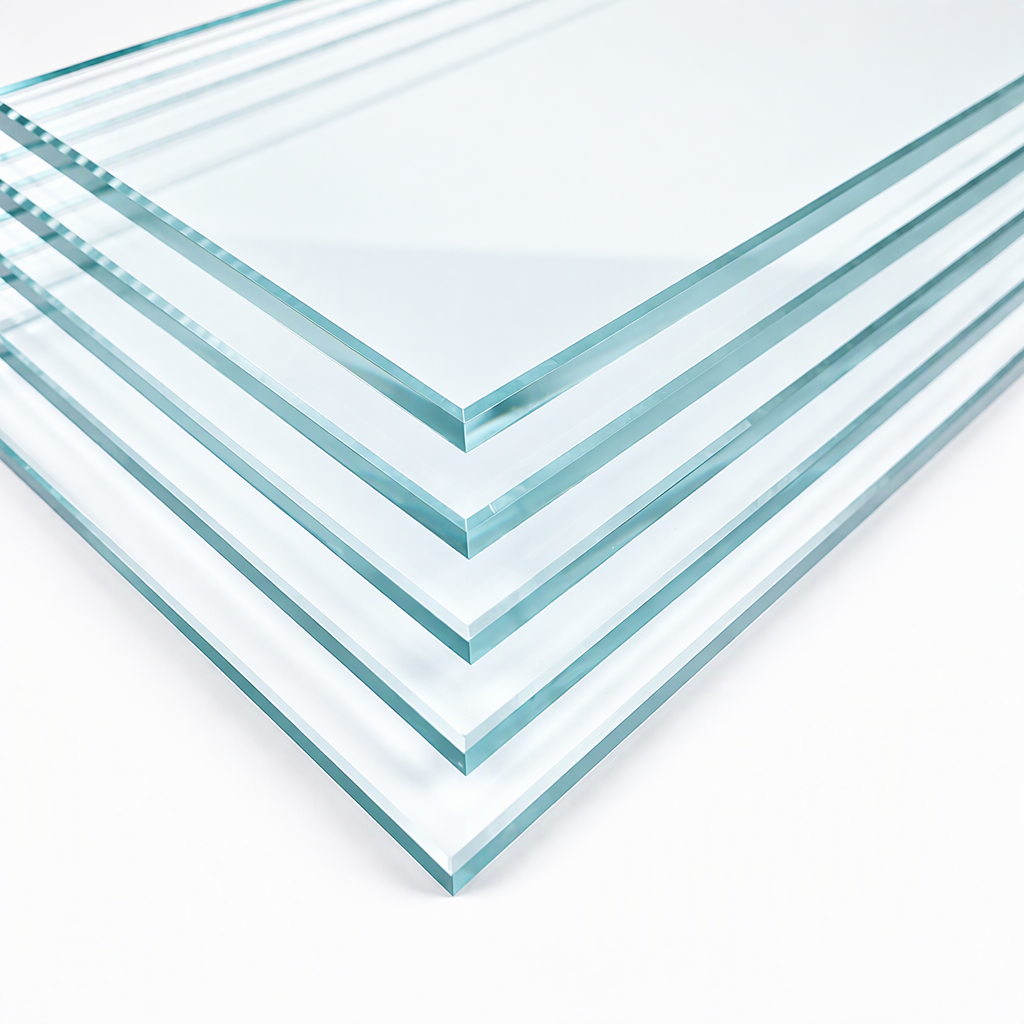
Clear Tempered Glass Transparent Tempered Glass Panel Cover Plate
A practical cover plate for lift buttons, equipment displays, control panels, and protective windows. Clear glass works only when print alignment, chamfer, and hole tolerance are controlled; review a physical sample before mass production.
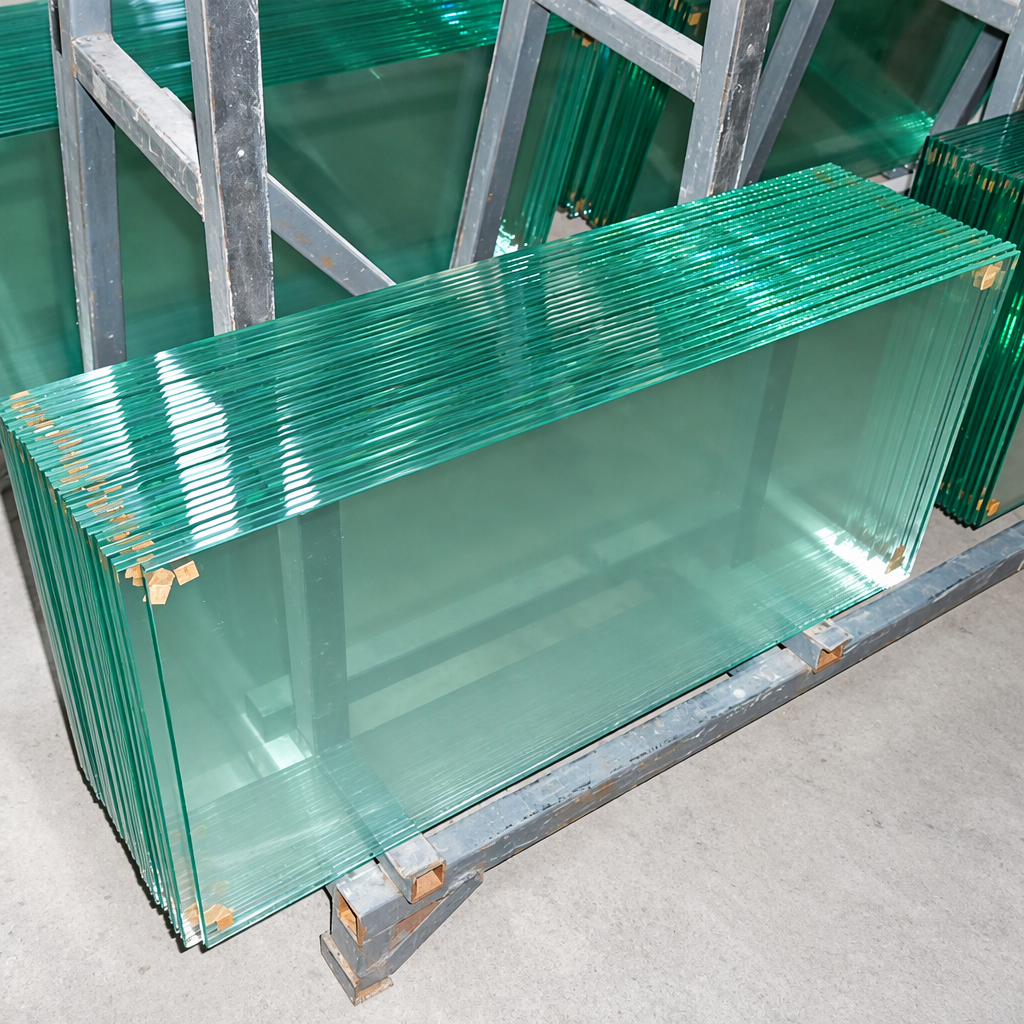
Construction & Real Estate Float Glass Factories in China Tempered Glass
A baseline construction glass option for interior partitions, protected openings, and real-estate fit-outs. In humid or coastal Davao locations, the installation design—gaskets, drainage, and edge sealing—matters as much as the glass itself.
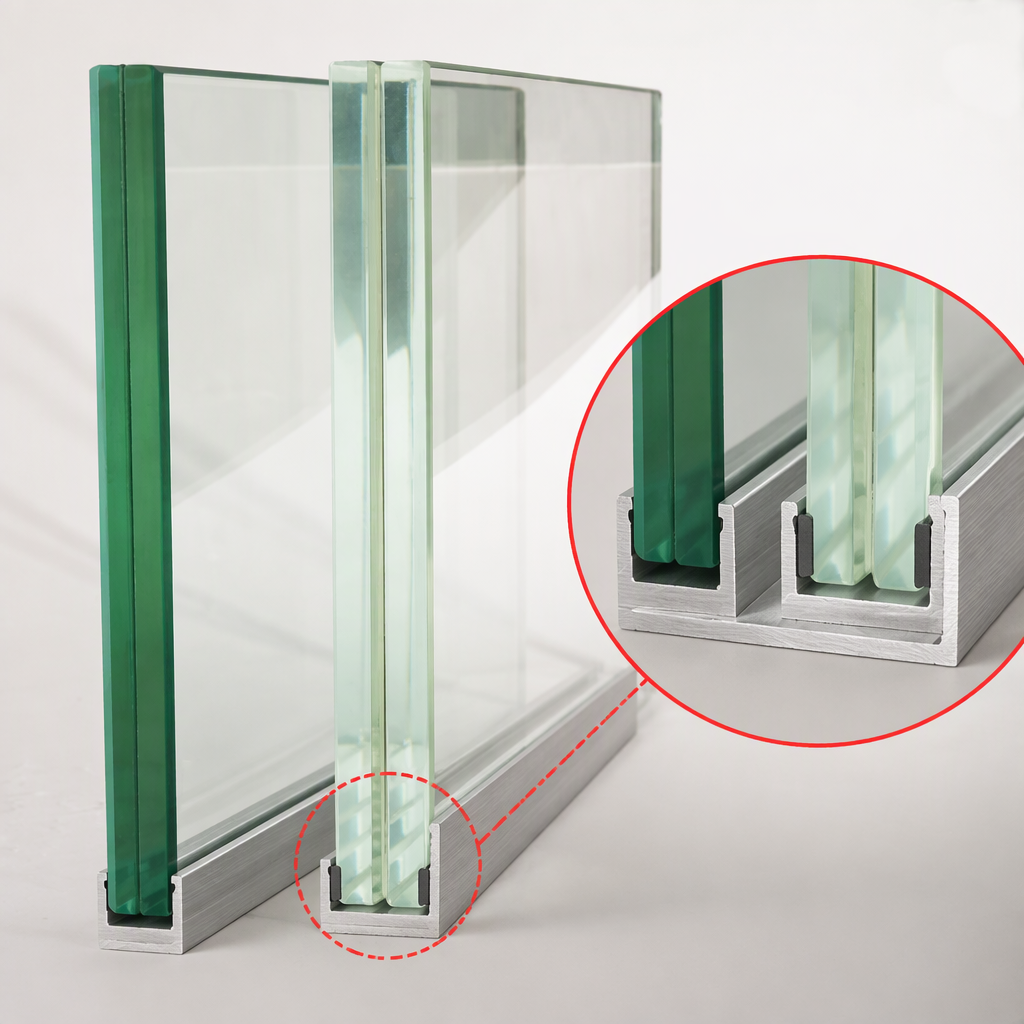
Tempered Glass Flat Solid Tempered Glass Panel Customized Thickness and Size
A flexible panel for industrial guards, machine windows, appliance faces, and architectural infill. Buyers should state thickness, edge type, hole positions, and whether chemical strengthening is preferred for thin sections.
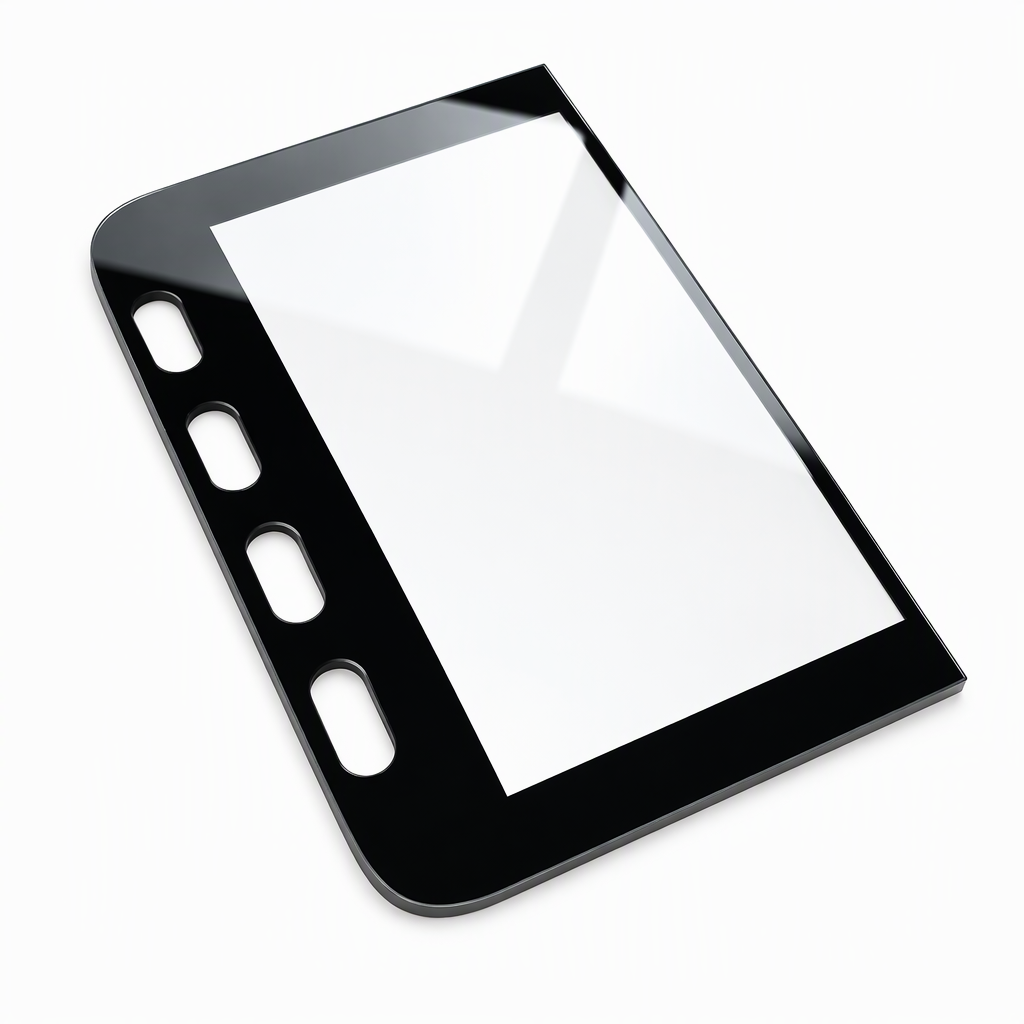
Glass Factory Customized High Quality Transparent Display Touch Screen Glass Silk Screen 9H Hardness Industrial Screen Protector
Recommended for POS terminals, kiosks, warehouse HMI units, and public touch screens in malls, banks, and transport hubs. Industrial 9H glass must be tested for touch sensitivity, optical clarity, and cleaning-chemical compatibility.
A Davao City Procurement Brief, Not a Generic Supplier List
Davao City is a regional gateway for Mindanao and a market where industrial glass is specified across very different environments: high-rise residences in Lanang or Buhangin, BPO fit-outs in the central business district, hospital and diagnostic projects, retail and banking kiosks, food-service kitchens, elevator lobbies, and hospitality projects near Samal. The common thread is not style alone. It is performance under tropical heat, humidity, salt-laden air, heavy rain, high-touch use, and long replacement cycles.
This white paper is prepared from the export-engineering perspective of Qingdao Maupe Glass Co., Ltd., an ISO 9001 certified deep-processing manufacturer established in 2012. The company operates eight production lines in a 3,000–5,000 m² factory, exports to more than 80 countries, and reports an export share of 91–100% of output. Its product scope includes silk-screen printed tempered glass, touch panel cover glass, switch panel glass, card reader glass, and AR/AG/AF coated display glass. Certifications include ISO 9001, RoHS, and CE, with SGS onsite assessment.
The information gain here is practical: connect each glass specification to a Davao use case, a climate or operating risk, and a verifiable supplier-control point. We do not claim a Davao warehouse or local fabrication plant. Instead, this guide helps local importers, contractors, fabricators, and brand owners evaluate an overseas OEM partner before committing to samples, tooling, and container shipments.
| Davao decision area | Recommended specification focus | Why it matters locally |
|---|---|---|
| Kitchen heat and steam | High-temperature printed tempered glass; polished edges; correct print face | Condominium kitchens and food courts face continuous cooking, steam, cleaning, and heat cycling. |
| Humidity and coastal air | Proper edge finish, sealed installation, corrosion-resistant fixings, moisture-barrier packing | Davao’s tropical humidity and salt exposure can attack unprotected edges and hardware. |
| High-touch public surfaces | 0.5–2 mm chemically strengthened or 2 mm+ tempered cover glass; AF option | Lift panels, kiosks, card readers, and clinic screens are cleaned frequently and used all day. |
| Glare and screen legibility | AR or AG coating; low-iron glass where color accuracy matters | Bright daylight and mixed lighting affect BPO, retail, hospital, and command-center screens. |
| Replacement and long supply lines | Batch traceability, protective crates, standard mounting details, spare-panel planning | Replacement panels travel from Qingdao and should not require a full re-order because packing data was incomplete. |
Where These Glass Products Fit in Davao City
Local fit is not only about size. It is about how a panel will be cleaned, touched, exposed to sunlight, installed against rain, and replaced after years of service.
Condominium and Residential Kitchens
Cooktop, oven, microwave, and appliance front glass should resist heat cycling, steam, oil, and frequent wiping. For Davao condos and serviced residences, specify printable control zones and easy-clean surfaces, then confirm that the edge finish will suit the chosen frame or adhesive.
BPO Offices, Command Centers, and Training Rooms
Anti-glare display covers, glass whiteboards, and printed partition panels help improve legibility in bright rooms. Ask for AG or AR samples under local lighting; a coating that performs on a Qingdao sample table may read differently beside a Davao window.
Hospitals, Clinics, and Diagnostic Centers
Touch cover glass for equipment, reception displays, and wayfinding should be compatible with routine cleaning and offer clear print alignment. AF coating can reduce fingerprints, but cleaning-agent compatibility should be checked before specification.
Hotels, Resorts, and Samal Hospitality
Balcony glass, curved panels, tinted glazing, and privacy screens face salt air, wind-driven rain, and guest use. Designers should coordinate drainage, edge protection, and maintenance access early, especially for coastal properties.
Retail Malls, Banks, and Access Control
Card reader windows, elevator touch panels, queue kiosks, and 9H screen protectors must survive heavy public use. Printed borders hide sensors, while hardened surfaces reduce scratches and service calls.
Industrial Estates and Logistics Facilities
Machine guards, HMI covers, anti-glare display glass, and replacement panels support warehouses, cold storage, and processing plants. Standardizing a few panel sizes can simplify spare-parts planning across a Davao site.
Davao City Market Trends Shaping Industrial Glass Demand
Davao’s growth is creating demand for glass that is easier to specify, replace, clean, and verify—not simply lower-cost glass.
Vertical and Mixed-Use Densification
More glass is being considered for lobbies, lifts, balconies, clubhouses, and appliance fronts. Developers benefit from repeatable specifications and a spare-panel plan instead of one-off purchasing after handover.
Smart Home and Touch Control Adoption
Switch panel glass, smart lock covers, wireless charger glass, and touch interfaces are moving into mainstream residential and hospitality projects. Print alignment, touch sensitivity, and cleaning durability matter more than decorative color alone.
Climate-Resilient Specification
Heat, humidity, salt air, and wind-driven rain push buyers toward better edge quality, coating durability, and export packing. Glass should be treated as an engineered component, not a commodity sheet ordered by dimension only.
Hygiene and Easy-Clean Surfaces
Clinics, food service, retail, and public facilities are prioritizing smooth glass surfaces, AF options, and print systems that do not trap dirt at the edge. Cleaning-agent compatibility should be part of the sample review.
Visual Comfort and Energy Awareness
Tinted, reflective, AG, and AR glass are being compared more carefully for visual comfort. Buyers should request performance data and physical samples rather than relying on color names or catalogue photos.
Digitalization of Retail and Logistics
Kiosks, POS terminals, public information screens, and warehouse HMIs increase demand for 9H industrial screen protection. Spare parts and repeatable print files become part of operational planning, not an afterthought.
One-Roof Process Coverage Helps Compress Quotation and Sampling Cycles
For Davao buyers comparing overseas suppliers, process integration is a due-diligence advantage: fewer handoffs can mean clearer tolerance control, faster sample revisions, and more consistent packing data.
Why Davao Buyers Choose Qingdao Maupe Glass as an OEM Partner
For overseas procurement, trust should be supported by certificates, process evidence, export records, and a clear sample-to-mass-production workflow.
ISO 9001 Quality Management
Documented drawing review, incoming material checks, in-process inspection, and final inspection support traceable production. ISO 9001 certificate No. 24025Q20015R1S is part of the supplier dossier for verification.
In-House Deep Processing
Cutting, CNC shaping, edging, drilling, engraving, silk-screen printing, tempering, chemical strengthening, and AR/AG/AF coating can be coordinated under one factory system, reducing avoidable handoff risk.
OEM/ODM Engineering Support
With more than 10 years of OEM experience, the team reviews drawings, print artwork, tolerances, and strengthening method before sampling. This is important for Davao projects with mixed sizes, colors, and installation details.
Export Packaging and Documentation
Export experience across more than 80 countries supports protective packing, edge protection, desiccants, and shipment documentation. Delivery terms can be discussed as FOB, CIF, DDP, DDU, or express for samples.
Verifiable Certifications
RoHS certificate No. 25TYT12395 and CE certificate No. 23TYT082593S are available for buyer review. SGS onsite assessment and a documented quality system help procurement teams validate the supplier before mass production.
Custom, Not Catalogue-Only
Custom size, thickness, print colors, holes, edge finishes, coatings, and packing are central to the OEM workflow. The company’s export profile also includes Fortune 500 supplier verification and SGS onsite assessment.
What a Davao Buyer Can Review Before Ordering
A supplier list is not due diligence. Review factory images, ask for a live video call, request sample panels, and match the certificate scope to the product you are buying. These images come from the manufacturer’s production environment and should be used as a starting point for an audit, not as a substitute for one.



Certified Quality You Can Verify
Certificates support supplier due diligence, but the final product specification still needs to match the project’s fire, safety, structural, and installation requirements.

ISO 9001 Quality Management
Certificate No. 24025Q20015R1S. Scope covers float glass and technical glass products. Buyers should request current copies and confirm validity and scope for the purchased item.

RoHS Compliance
Certificate No. 25TYT12395. Relevant for EU electrical and electronic equipment requirements and useful for OEM buyers who need restricted-substance documentation.

CE Marking
Certificate No. 23TYT082593S for tempered glass. CE documentation can support market access discussions, while project-specific compliance remains subject to engineer and authority review.
What Local Importers Ask Before Ordering
These answers address the practical questions that arise when an overseas OEM manufacturer supplies Davao-based contractors, distributors, fabricators, and project owners.
Can you ship custom glass to Davao City?
Yes. Export shipments can be arranged from Qingdao to Davao or Manila ports, while samples usually move by courier or air freight. The supplier can provide commercial invoice, packing list, certificate of origin, and product certificates. The Davao buyer should confirm the customs broker, duties, taxes, and final delivery terms. FOB, CIF, DDP, DDU, and express options can be discussed.
What is the minimum order quantity for custom printed tempered glass?
Most custom silk-screen printed panels start from 10 to 100 pieces depending on size, thickness, print colors, coating, and packing method. Large-format display cover glass can start from 10 pieces. Samples are available for fit, print, and touch verification before mass production.
Which glass should be used in humid Davao conditions?
There is no single grade for humidity. Physical tempered glass is common for appliance doors, switch panels, and display windows, while chemically strengthened glass suits thin 0.5–2 mm touch covers. Edge finish, installation drainage, gasket design, and coating durability matter as much as the glass type. Avoid details that trap water at exposed edges.
Are ISO 9001, RoHS, and CE enough for a Philippine project?
They are important supplier due-diligence inputs, not automatic project approval. Final compliance depends on the project specification, building code, fire safety requirements, structural design, and the approval of the architect or engineer. Buyers should request current certificates, scope details, and test reports where required.
Can you produce AR, AG, and AF glass for Davao offices and clinics?
Yes. AR, AG, and AF coatings can be discussed for display covers, touch panels, and protective windows. Provide the lighting conditions, cleaning chemicals, touch method, and desired optical effect so the sample can be evaluated against the actual Davao environment rather than a generic catalogue description.
How will panels be packed for sea freight and replacement stock?
Export packing typically uses foam interleaves, edge protectors, honeycomb boards or crates, desiccant, and palletizing suitable for sea freight. Ask for a packing drawing and loading photos before shipment. For Davao projects, plan spare panels and standard mounting details so a future replacement does not require a full re-order.
Have a Davao City Drawing, Artwork, or Replacement Schedule?
Send a 2D drawing (DWG, DXF, or PDF), print artwork, glass thickness, edge finish, hole positions and tolerance, coating requirement, annual volume, and target delivery term. The engineering team will review manufacturability and reply with sampling and shipping options from Qingdao to Davao.
Inquire Now Email: info@maupeglass.com · ISO 9001 · RoHS · CE · SGS Onsite Assessed