Eight Production-Ready Glass Products for Calgary Buyers
These eight product platforms cover the specifications Calgary buyers ask about most often: heat resistance, custom tempered sizing, switchable privacy, architectural float glass, industrial touch protection, printed curtain wall glass, LCD display protection and electrochromic anti-UV privacy. Where color neutrality matters, low iron substrate can be quoted as part of the technical review.

Tempered Glass Flat Solid Glass Panels Heat-resistant Tempered Glass for Various Application
A flat tempered platform for heat-exposed equipment, fireplace surrounds, guards and industrial viewing panels. Calgary buyers can review low iron substrate, edge finish and thermal tempering together rather than treating them as separate purchases.
View product specifications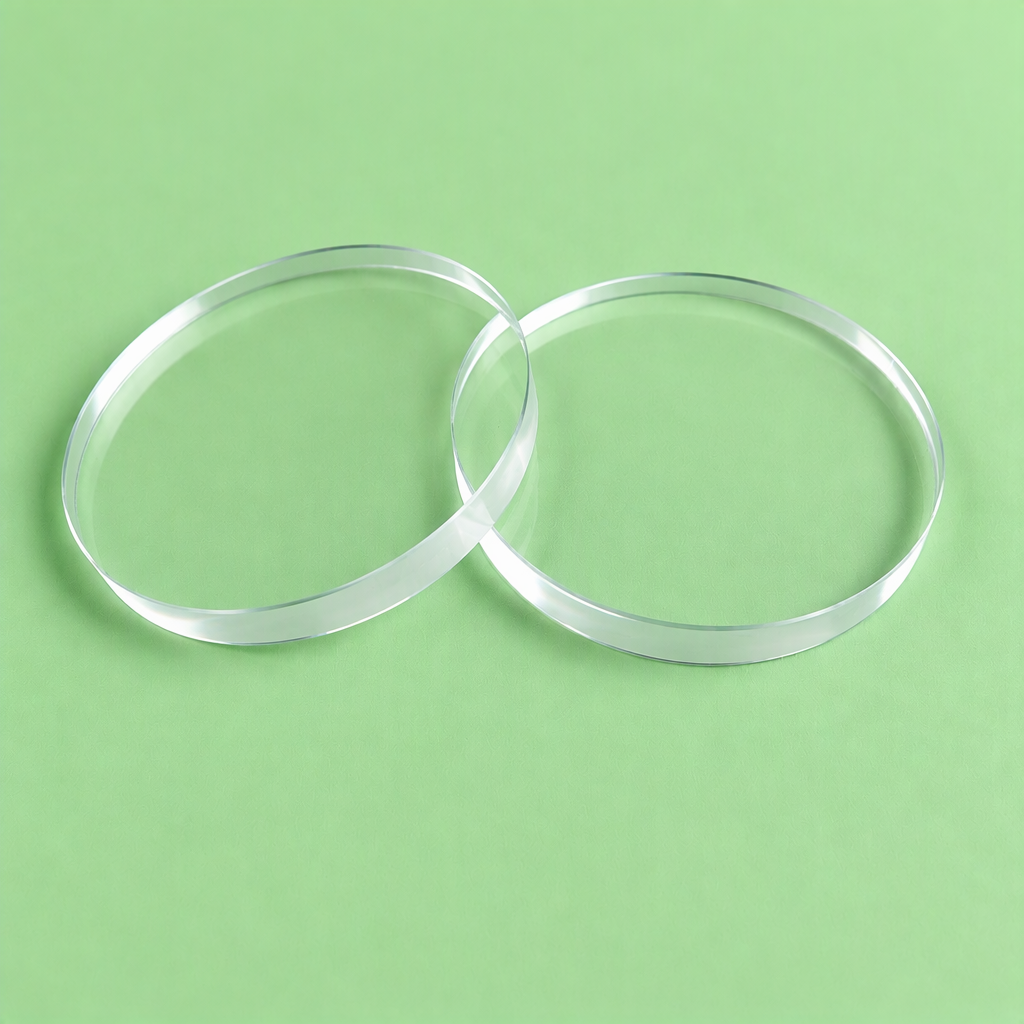
High Strengthen Glass Tempered Glass Custom Size Tempered Clear Glass Panel for Industrial
Custom-size tempered glass for equipment enclosures, control windows and industrial doors. For Calgary projects using white cabinetry, pale displays or neutral architectural finishes, low iron glass reduces the green edge cast that ordinary clear glass can introduce.
View product specifications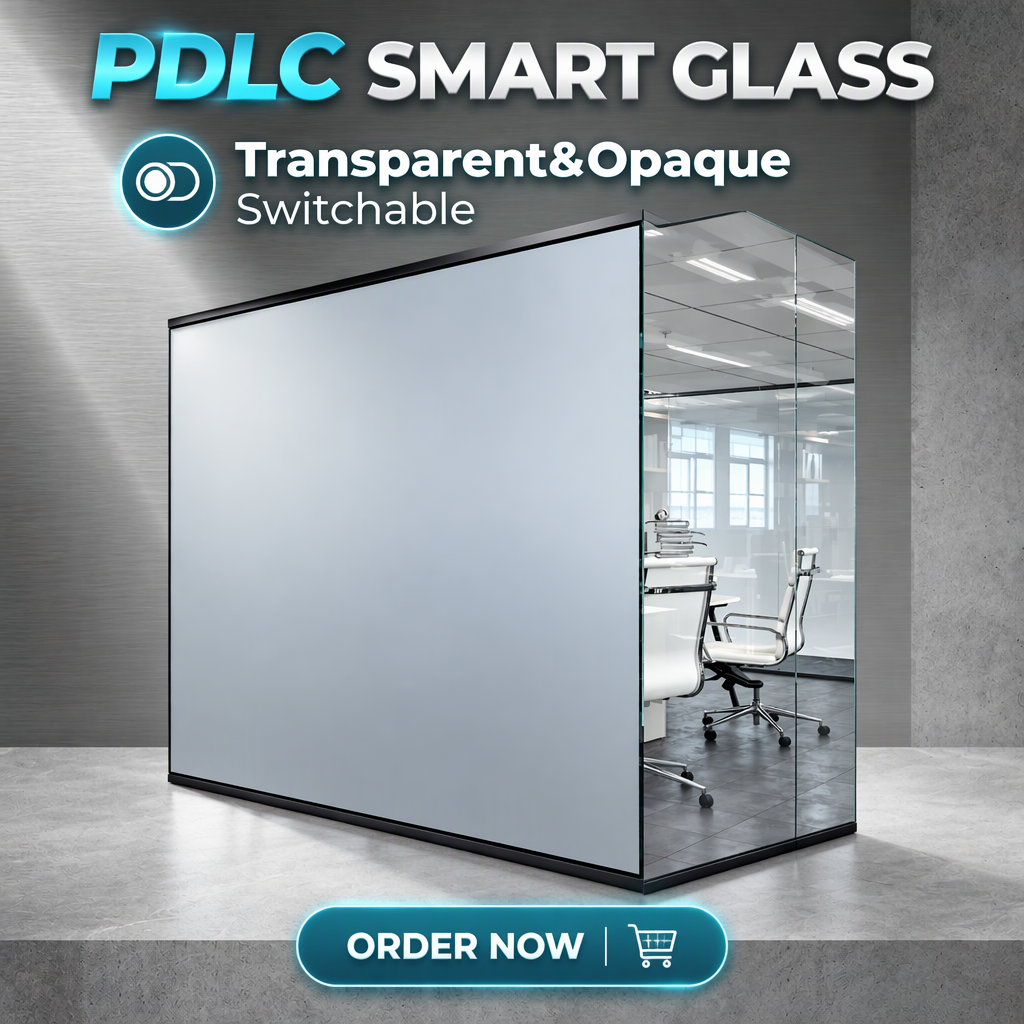
PDLC Smart Film Smart Glass Privacy Film Electrically Transparent Dimmable Glass
An electrically dimmable privacy film system for meeting rooms, clinic partitions and executive offices. With a low iron base glass, the clear state stays more color-neutral, which matters in downtown Calgary workplaces designed around daylight and glass walls.
View product specifications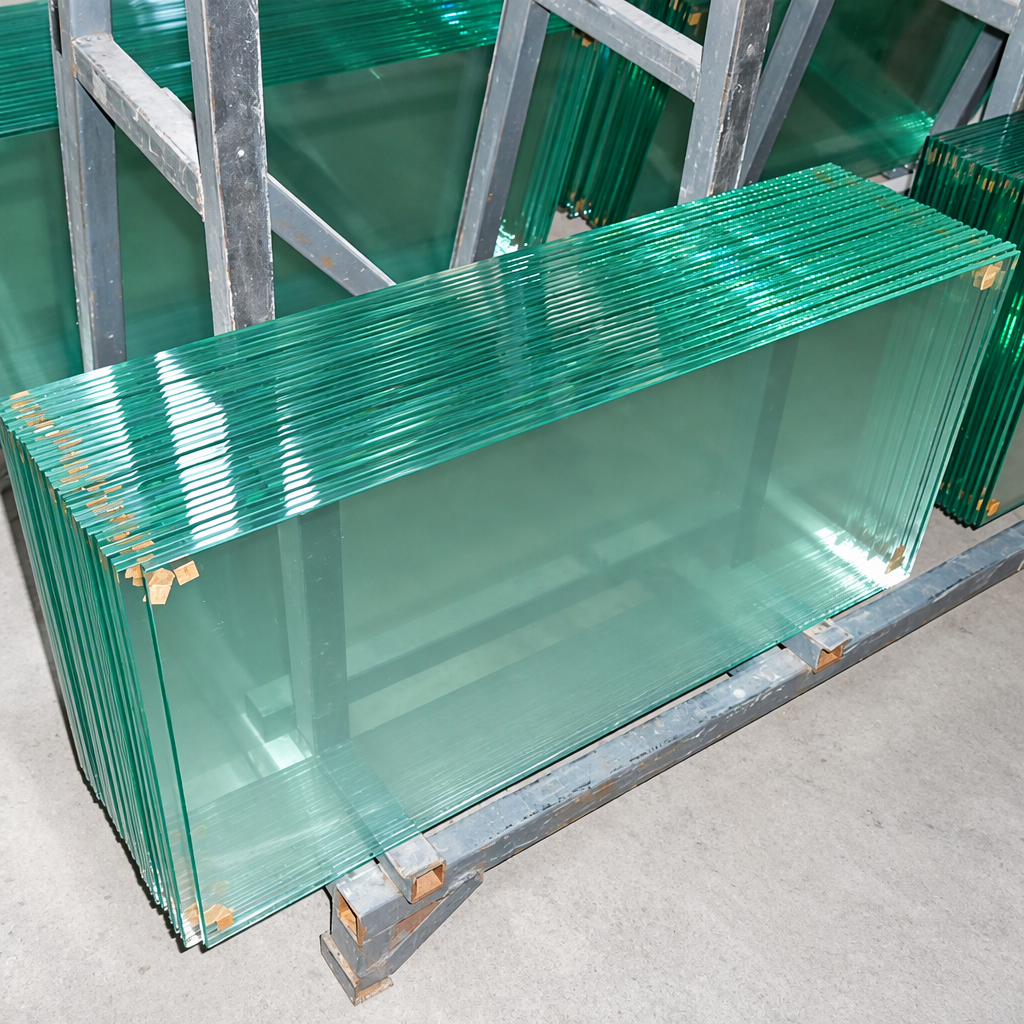
Construction & Real Estate Float Glass Factories in China Tempered Glass
A broad architectural glass platform for curtain walls, partitions and real estate projects. Calgary specifiers can compare float glass, tempered glass, edge quality and Low-E or coated build-ups before committing a façade package to a single source.
View product specifications
Glass Factory Customized High Quality Transparent Display Touch Screen Glass Silk Screen 9H Hardness Industrial Screen Protector
A printed industrial touch-screen cover for control panels, kiosks and laboratory equipment. Calgary's bright summer light and dry winter air make anti-glare, anti-static and low iron clarity useful options for control-room readability.
View product specifications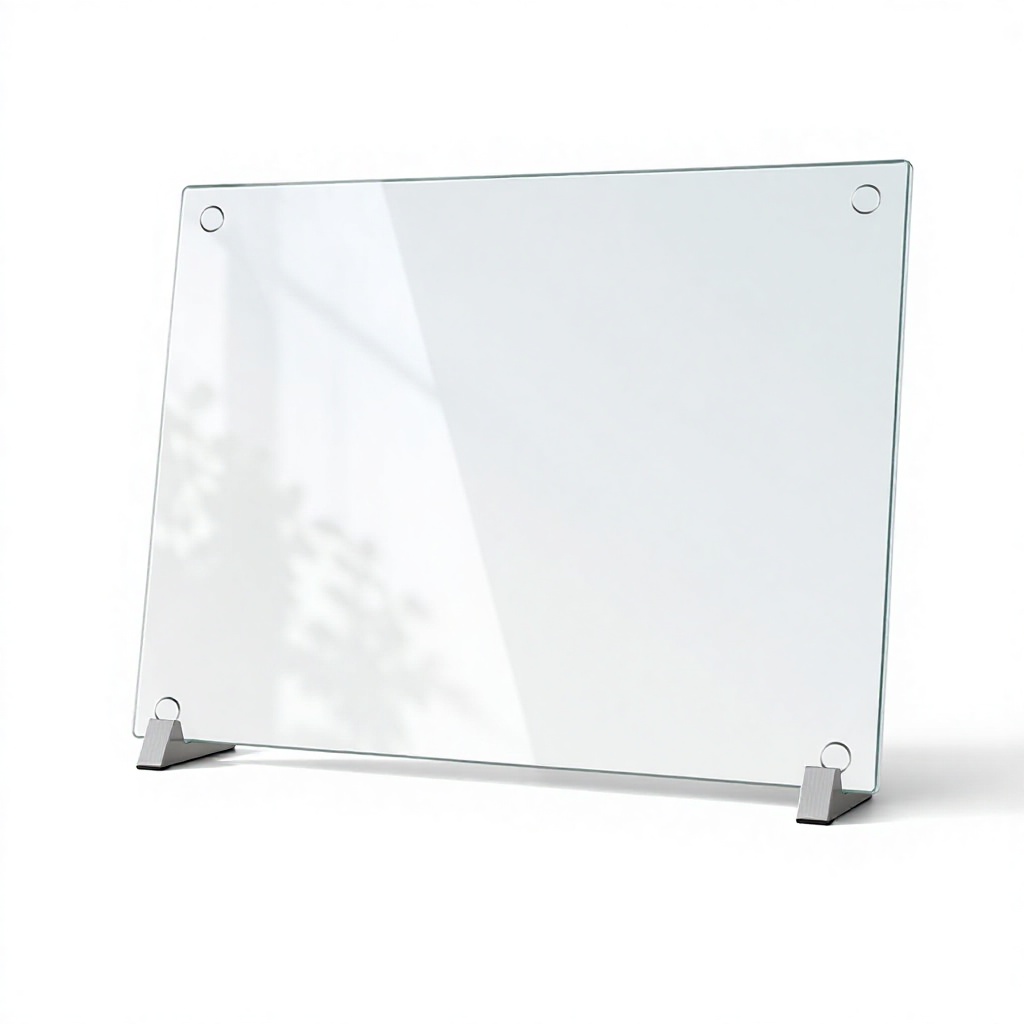
Custom Size Clear Tempered Glass Curtain Wall Panel Multi Function Print Glass Whiteboard Glass
Multi-function architectural glass that can serve as a curtain wall panel, printed partition or writable whiteboard surface. It is relevant to Calgary offices, schools and training rooms where daylight, privacy and dry-erase usability must coexist.
View product specifications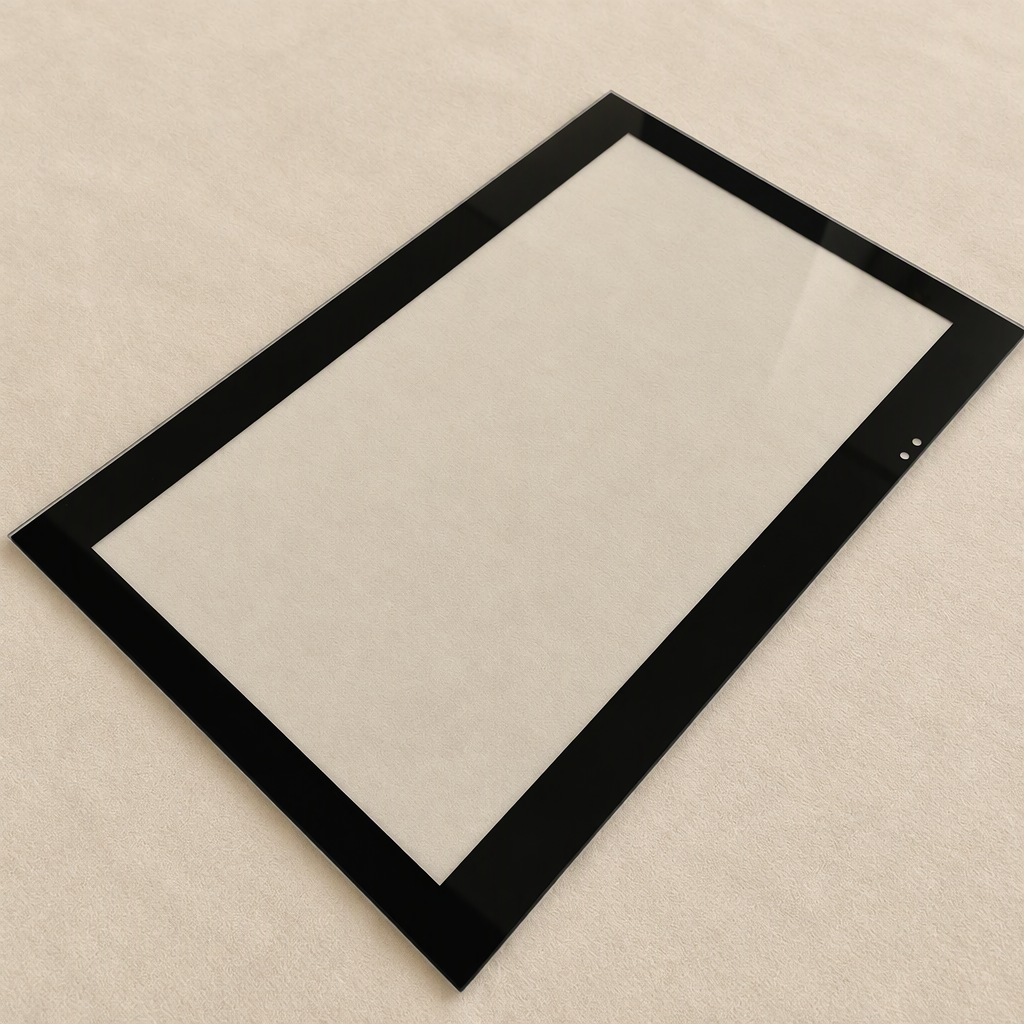
Tempered Glass Panel Silk Screen Printed Flat Display Screen Protector Glass for LCD TV Industrial Decoration
Printed flat glass for LCD TV covers, retail displays and industrial decoration. On low iron substrate, printed blacks and white borders look cleaner, while edge polishing helps the panel integrate into premium millwork and showroom environments.
View product specifications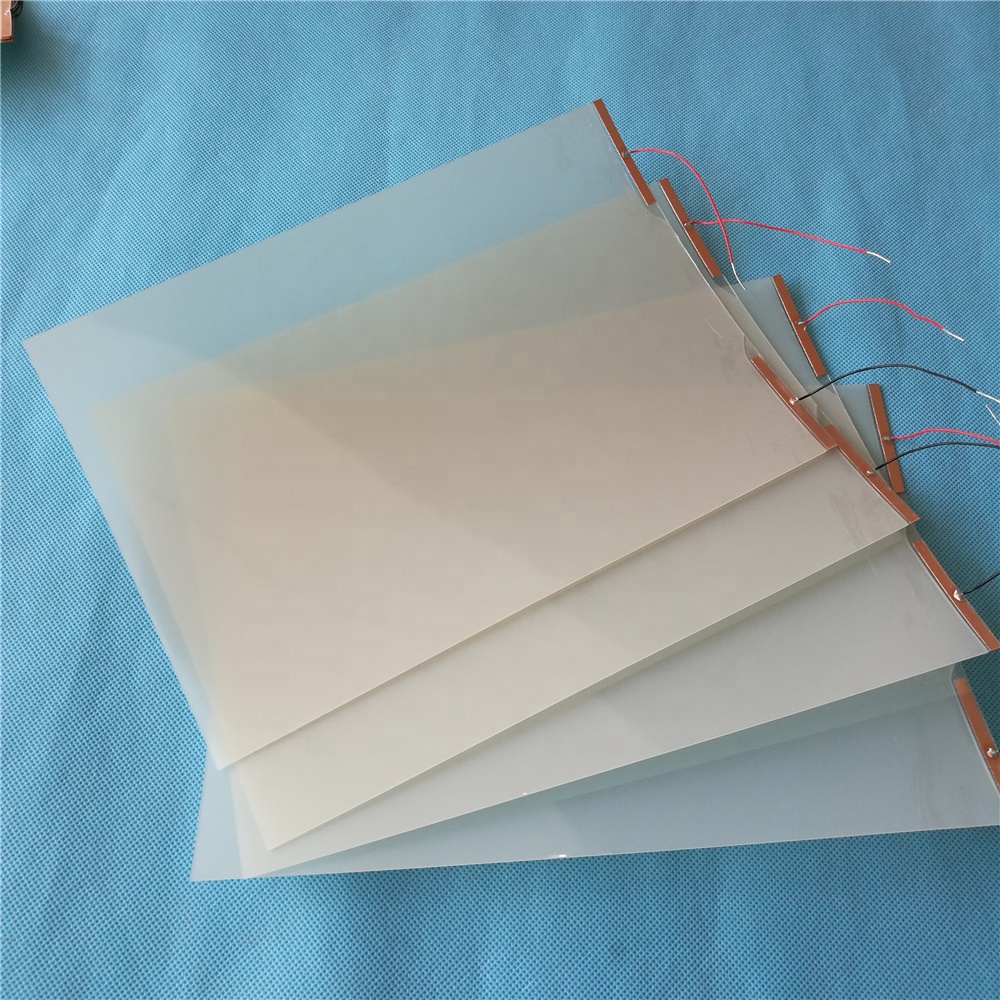
Factory Price Electrochromic Anti-UV PDLC Film Smart Switchable Privacy Glass Office Partition and Curtain Walls
A smart switchable privacy glass option for office partitions and curtain walls. It fits Calgary retrofit and interior-build projects where privacy needs change by the hour and direct sun exposure makes UV control part of the specification.
View product specificationsWhy Low Iron Glass Matters in Calgary More Than a Generic “Clear Glass” Specification
Low iron glass, often described as ultra-clear glass, uses a lower iron oxide content than standard clear float glass. The visible result is less green edge color, higher visible light transmission and a more neutral background for white surfaces, printed graphics, display screens and pale stone finishes. In a city like Calgary, where long summer daylight, high solar exposure and strong contrast between interior and exterior brightness are part of daily operation, that difference becomes more than a cosmetic preference. It affects how architectural glazing reads from the street, how accurately a retail display presents brand colors and how visually quiet an appliance control panel appears in a bright kitchen.
Yet a low iron label alone does not guarantee a successful project. The most expensive low iron glass is the panel that arrives with the right tint but the wrong edge finish, print color or tempering response. Calgary buyers should evaluate the complete manufactured part: substrate selection, cutting tolerance, CNC profile, edge polishing, hole placement, silk-screen print sequence, coating durability, tempering method and export packaging. A factory that controls these steps under one quality system can hold variables that a chain of separate vendors cannot easily reproduce from order to order.
Calgary is also not a port city. Most glass arrives through Vancouver or Prince Rupert and then moves inland by rail or truck, while urgent samples or small batches may route by air to Calgary International Airport. That logistics reality changes the procurement conversation. Packaging protection, crate design, moisture control, customs documentation, Incoterms and inspection photos become part of the product specification, not an afterthought. A supplier who understands long-haul export is more useful than a low price that ignores breakage risk and rework cost.
Pair a low iron glass request with a written edge, coating and packaging standard. Otherwise the visual benefit can be lost at the edge polish stage, during print curing or in transit. Ask for the substrate type, tempering method, print color target and packing method in the same quotation.
This guide is written from an exporter’s production and documentation perspective. It is intended to help Calgary architects, glazing contractors, OEM product teams, interior fit-out specialists and institutional buyers reduce RFQ cycles and compare technical evidence. Project-specific safety glazing, structural, energy-code and fire requirements must still be confirmed by the local engineer of record and the authority having jurisdiction.
Where Low Iron Glass Performs Across Calgary’s Built Environment
Calgary’s project mix is not a single market. A downtown office partition, a Beltline retail display, an East Village residential lobby, a Rocky View industrial control room and an appliance showroom all place different demands on the same material.
Architectural Glazing and Curtain Walls
For downtown Calgary towers, mixed-use podium façades and Beltline renovations, low iron glass can reduce green edge color in laminated or insulated build-ups. The specification should still address snow load, thermal stress, drainage, edge quality and safety glazing requirements. Low iron is a visual and optical decision; it is not a substitute for structural design.
Retail, Signage and Brand Displays
Along Stephen Avenue, 17th Avenue, Chinook and CrossIron retail zones, display glass affects how logos, product colors and illuminated signage are perceived. Low iron glass with anti-reflective treatment can improve contrast under bright sunlight, while silk-screen printing hides sensors and mounting details behind a clean branded surface.
Office Partitions and Smart Privacy
Calgary’s open-plan offices and energy-sector collaboration floors use glass walls to share daylight. PDLC and electrochromic privacy glass allow meeting rooms to switch from transparent to private. Specifying low iron base glass helps keep the clear state neutral, especially where white ceilings, pale workstations and daylight-balanced lighting are part of the interior design.
Appliance and Kitchen OEM Panels
Calgary home builders, kitchen designers and appliance distributors increasingly source printed glass control panels for ovens, cooktops, range hoods, refrigerators and smart-home switch plates. Ultra-clear substrate supports crisp icons and neutral white print, while high-temperature ink systems and physical tempering address heat exposure and impact safety.
Industrial HMIs and Control Rooms
Energy, utilities, logistics and manufacturing operations across the Calgary region rely on readable HMIs, touch screens and equipment windows. Anti-glare and anti-reflective coated low iron glass can reduce reflections in brightly lit control rooms, while 9H hard-coated covers protect displays from daily wear.
Education, Healthcare and Public Spaces
Universities, hospitals, libraries and civic buildings require glass that is easy to clean, visually calm and appropriate for touch or whiteboard use. Low iron whiteboard glass, printed display covers and anti-fingerprint surfaces can improve user experience while supporting durability and maintenance goals.
Calgary Market Trends Reshaping Low Iron Glass Specifications
Buyer intent in Calgary is moving away from “just send a clear glass price” toward evidence-based sourcing: optical neutrality, documented performance, resilient logistics and factory traceability.
Daylighting and Energy-Code Alignment
High visible light transmission is valuable, but low iron glass must be evaluated with coatings, cavity design and solar control. Calgary projects are increasingly asking for optical clarity without assuming that low iron alone satisfies energy-code or glare targets.
Supply-Chain Resilience
Calgary buyers are asking for ISO 9001, RoHS, CE and SGS evidence earlier in the process. They want packaging photos, inspection records and clear FOB, CIF or DDP options before committing a façade, appliance or display program to an overseas factory.
Smart Glass and Electrified Interiors
PDLC privacy film and electrochromic glass are appearing in office retrofits, clinics and premium residential interiors. The demand is not only for “switchable glass” but for neutral clear states, UV control and reliable electrical integration.
Customization and Smaller Batch Pressure
Calgary project teams often need custom sizes, printed control zones and sample approvals without container-only volumes. Flexible MOQs from 10 to 100 pieces for many custom panels are becoming a practical purchasing requirement.
A Calgary Buyer’s Checklist for Low Iron Glass RFQs
Use this checklist to reduce back-and-forth during sampling and to compare quotations on technical substance rather than headline price.
What to include in the drawing and RFQ
- Substrate: low iron or ultra-clear, thickness, visible light transmission target and edge-color expectation.
- Strengthening: physical tempered glass for typical 2 mm and thicker parts, or chemically strengthened glass for 0.5–2 mm thin covers.
- Processing: outline tolerance, holes, countersinks, cutouts, edge polish, safety corners, engraving and flatness requirements.
- Print: artwork file, color reference, ink system, layer order, touch-zone design, backlight diffusion and scratch-resistance requirement.
- Coating: AR, AG or AF treatment; indoor or outdoor exposure; cleaning method and durability expectation.
- Compliance: project-specific safety glazing, local building-code review, RoHS or CE needs, and required inspection documents.
- Packaging and route: rail and truck from Vancouver or Prince Rupert, air to YYC, crate design and breakage-control expectations.
- Commercial terms: sample approval path, MOQ, lead time, FOB, CIF, DDP or DDU preference, payment currency and inspection stage.
Physical tempered vs. chemically strengthened low iron glass
| Criteria | Physical Tempered | Chemically Strengthened |
|---|---|---|
| Typical thickness | About 2 mm and thicker | 0.5–2 mm thin glass |
| Best use | Appliance doors, switch panels, display windows, industrial covers | Touch covers, small electronics, precise optical windows |
| Breakage pattern | Small blunt fragments when fractured | Larger pieces, closer to annealed glass behavior |
| Flatness and optics | Very good; minor roller wave may require review | Excellent flatness with no heat distortion |
| Processing order | Cut, drill and edge before strengthening | Cut, edge and coat before ion-exchange strengthening |
| Calgary note | Good for impact safety and heat resistance, but edge quality and drainage still matter | Useful for thin touch stacks where sensor gap and optical quality are critical |
Why Qingdao Maupe Glass Co., Ltd. Fits Calgary OEM and Project Supply
Founded in 2012 in Qingdao, Shandong, Qingdao Maupe Glass Co., Ltd. is a glass deep-processing manufacturer and international supplier operating under an ISO 9001 quality management system. The factory’s core work is turning flat glass into finished functional parts: cutting, edge polishing, drilling, engraving, coating, silk-screen printing, physical tempering and chemical strengthening. This matters for low iron glass projects because the optical result is created by the whole process chain, not by the raw sheet alone.
The company operates 8 production lines in a factory floor area of 3,000–5,000 m², serves more than 80 export countries and reports an export share of 91–100% of output. Its silk-screen printed glass uses RoHS-compliant, eco-friendly inks with high- and low-temperature printing processes, producing scratch- and wear-resistant prints for displays, electronic control equipment, instrument covers, household and kitchen appliances, furniture and decorative partitions.
For Calgary buyers, the practical advantage is one-roof accountability. Cutting, printing, tempering, coating and inspection remain under one quality system, so a low iron panel, a printed display cover and a tempered architectural part can be reviewed with a consistent technical language. The factory is also close to Qingdao seaport and airport, which supports export consolidation and makes on-site audits easier for visiting buyers.



Certifications Calgary Procurement Teams Can Verify
Certificates do not replace project-specific testing, but they show that a documented quality system exists. Certificate numbers are listed so compliance teams can check them with issuing bodies.
ISO 9001 Quality Management
Certificate No. 24025Q20015R1S. Scope covers float glass and technical glass products. Valid to 02/2028. Incoming material and finished-product inspection support repeat-order consistency.
RoHS Compliance
Certificate No. 25TYT12395. Restricts hazardous substances for electrical and electronic equipment applications. Valid to 12/2030. Relevant to printed control panels, appliance glass and display covers.
CE Marking
Certificate No. 23TYT082593S for tempered glass. Supports market access across the European Economic Area. Valid to 08/2028. Useful when Calgary OEMs re-export finished equipment to global markets.
Common Questions from Calgary Buyers
These answers reflect the questions that appear most often during sampling, RFQ review and first-order planning for Canadian buyers.
Is low iron glass different from ordinary clear glass for Calgary projects?
Yes. Low iron glass has lower iron oxide content, which usually means less green edge color, higher visible light transmission and more neutral color rendering. In Calgary’s bright daylight, the difference is most visible on white façades, pale interior finishes, retail displays and appliance panels. However, the final appearance also depends on edge polishing, coatings, print colors and tempering quality.
What is the minimum order for custom low iron glass and printed panels?
Most custom silk-screen printed panels start from 10 to 100 pieces depending on size, thickness and number of print colors. Large-size display cover glass can start from 10 pieces. Samples are available for fit, color and print verification before mass production, which is strongly recommended for Calgary OEM programs.
How are low iron glass panels shipped to Calgary?
Accepted delivery terms include FOB, CIF, EXW, FAS, FCA, CPT, DDP, DDU and express delivery. For Calgary, common routes move from Qingdao to Vancouver or Prince Rupert and then inland by rail or truck; urgent samples may ship by air to YYC. Packaging should include edge protection, foam interleaving, moisture control and reinforced crates for long-distance handling.
Will tempered low iron glass handle Calgary freeze-thaw conditions?
Tempering increases strength and changes the break pattern to small blunt fragments when fractured. It does not replace correct design for drainage, edge protection, thermal stress, snow load, isolation or laminated/insulated build-ups. Calgary projects should have the glazing build-up reviewed by the engineer of record and the authority having jurisdiction.
How do you keep color consistent across repeat orders?
Consistency depends on substrate lot control, an approved color standard, ink batch management, print parameter control and final inspection under agreed lighting. For printed low iron glass, buyers should supply artwork, a physical color target or accepted sample, and a clear list of critical visual zones such as logos, icons or backlit areas.
Which certifications and documents are available?
Qingdao Maupe Glass Co., Ltd. operates an ISO 9001 quality management system, holds RoHS and CE certificates for its glass products and has been onsite-assessed by SGS Group as a third-party inspection company. Incoming material inspection, finished-product inspection and supplier assessment procedures can be discussed during RFQ review. Project-specific test reports should be requested where local code or end-customer requirements demand them.
Send Your Low Iron Glass Drawing for a Calgary-Ready Technical Review
Share dimensions, thickness, tempering method, print artwork, coating requirements, annual volume and preferred Incoterm. The team can respond with manufacturability notes, sampling path, packaging plan and export documentation outline for your Calgary project or OEM program.
Send an Inquiry