Screen Printed Glass Products for Kobe OEM, Appliance, Medical, and Industrial Programs
Each item below can be customized by outline, thickness, print color, edge finish, coating, adhesive, and packing. Product links are retained exactly so Kobe buyers can move directly from market evaluation to engineering review.
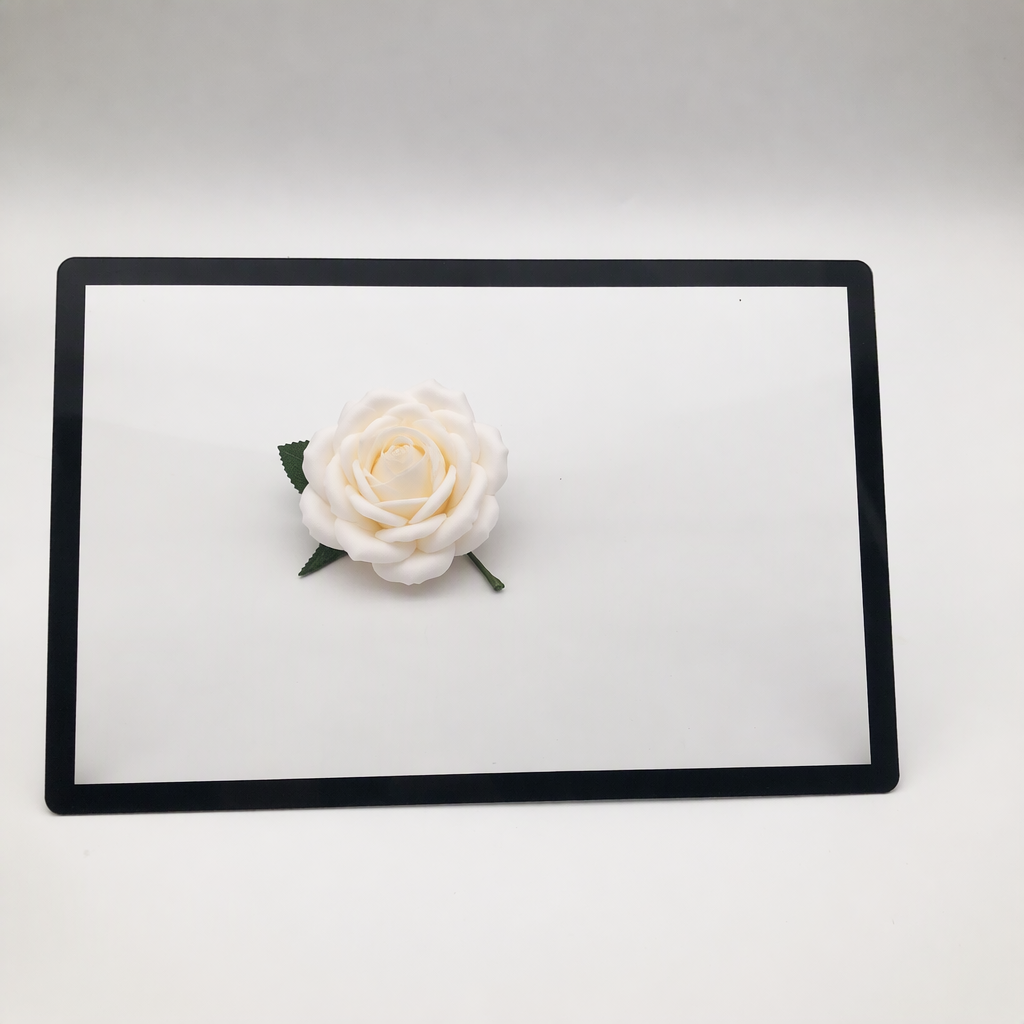
Ultra-Thin Silk Screen Printed Tempered Glass for Display Panels
Display panels · thin cover glass
High Quality Industrial Screen Front Cover Glass Frosted Anti-glare Glass for Screen Protector
Anti-glare · medical and industrial HMI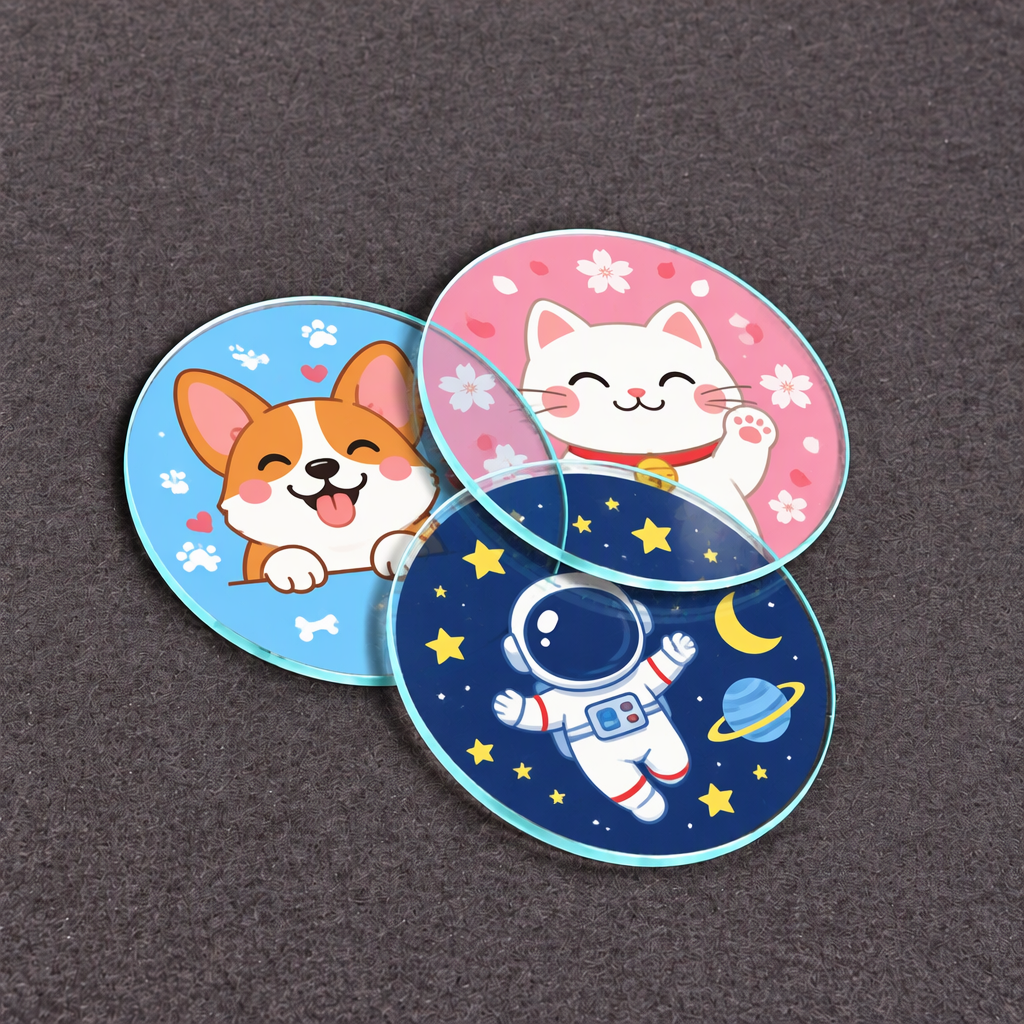
Eco-Friendly Custom Printed Glass Coasters Custom Design Tempered Glass Coaster
Hospitality · Kobe hotels and dining
Tempered Glass Panel With 3M Adhesive Tape Silk Screen Printing for Electrical Appliance Decoration Front Cover Glass
Appliance lamination · 3M adhesive option
Tempered Glass Flat Solid Glass Panels Heat-resistant Tempered Glass for Various Application
Heat resistance · cooktop and oven class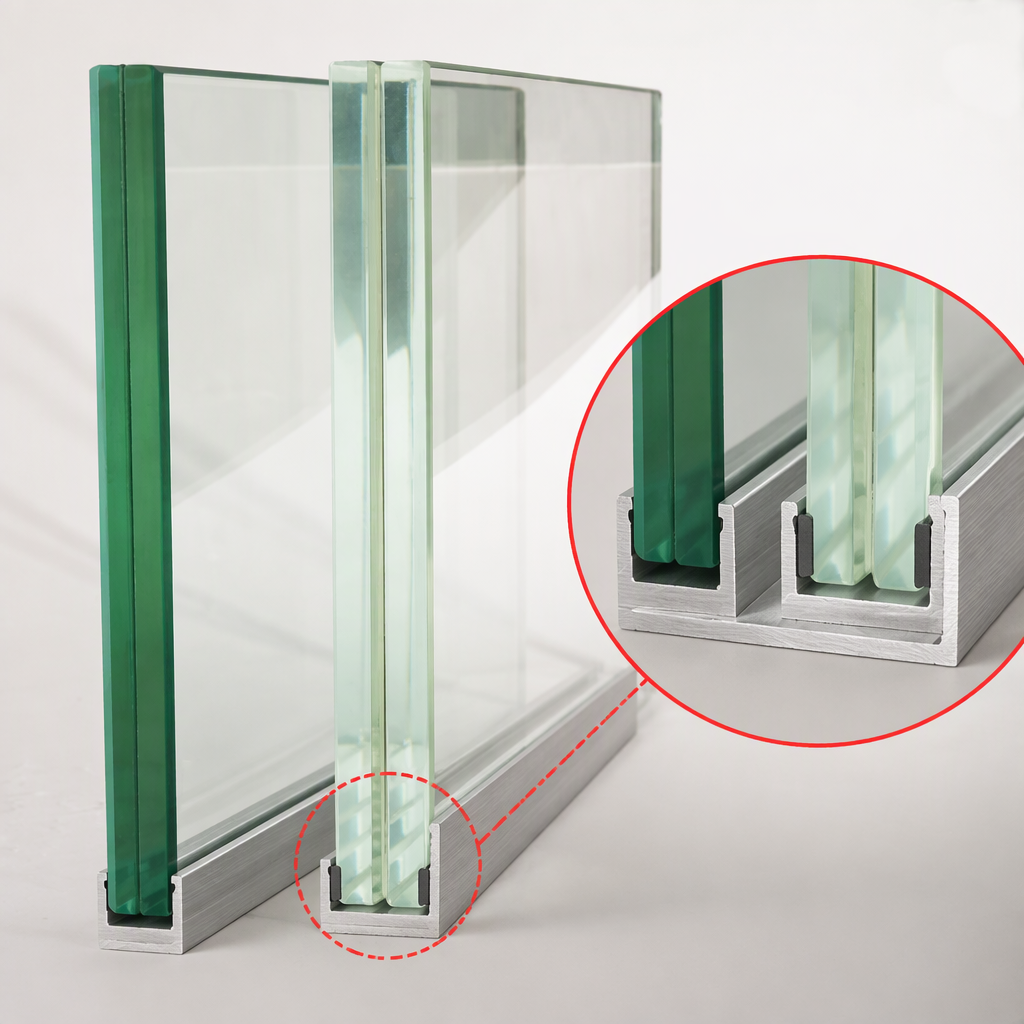
Tempered Glass Flat Solid Tempered Glass Panel Customized Thickness and Size
Custom equipment · drawing-based sizing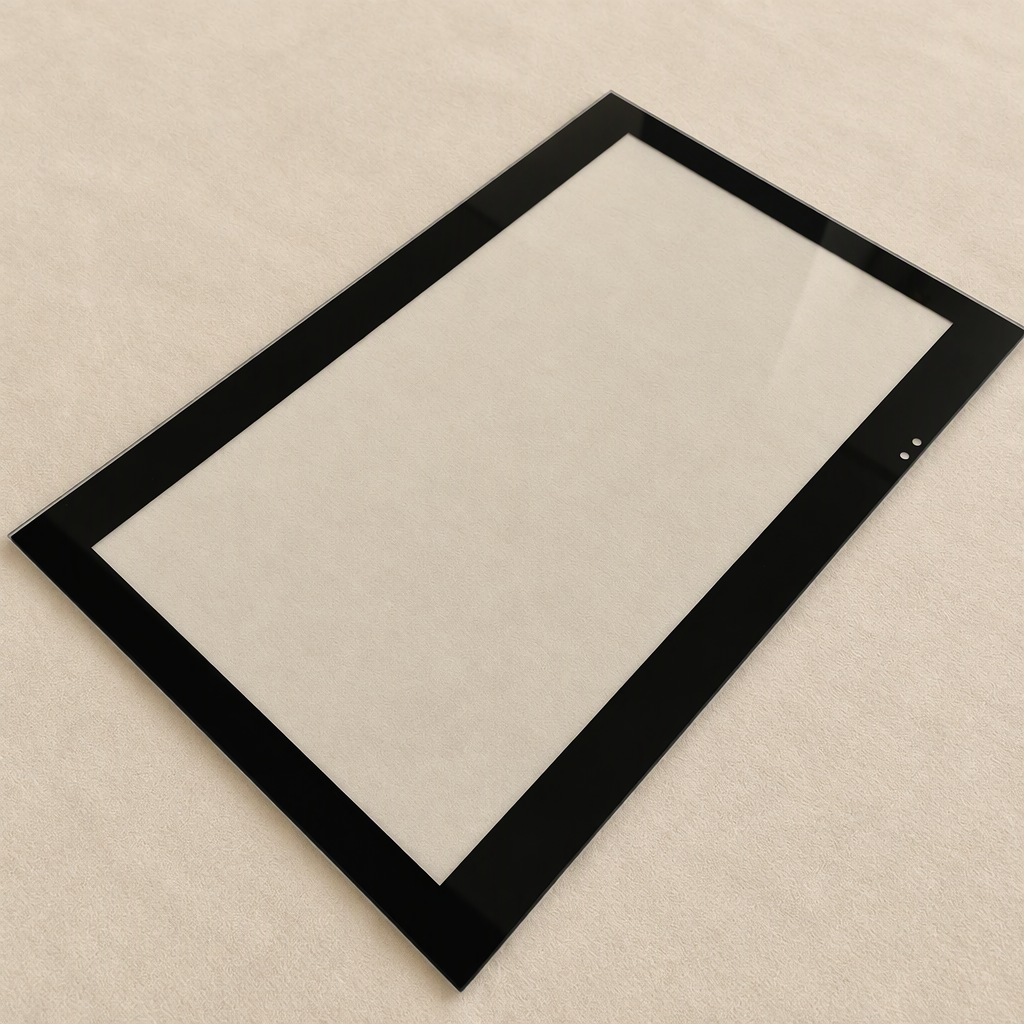
Tempered Glass Panel Silk Screen Printed Flat Display Screen Protector Glass for LCD TV Industrial Decoration
LCD and signage · flat display protection
Tempered Glass Lazy Susan 50cm 60cm 70cm 90cm Lazy Susan Turntable Strengthened Glass
Food service · display and buffet turntablesWhy the Kobe Market Rewards Manufacturers With Full Process Control
Kobe is more than a port destination. It is a compact advanced-manufacturing ecosystem where screen printed glass is judged by print clarity, flatness, edge quality, coating performance, documentation, and on-time export reliability.
Kobe and the wider Hanshin industrial corridor bring together medical technology, precision machinery, smart-building systems, high-end food service, marine and port equipment, and consumer appliance suppliers. The Kobe Medical Industry Development Cluster on Port Island is especially relevant: diagnostic displays, laboratory instruments, and clinical control panels often need low-reflection or anti-glare cover glass that remains readable, cleanable, and mechanically reliable. Meanwhile, Kobe’s hotels, restaurants, showrooms, and retail environments create demand for decorated tempered glass that carries a brand message without compromising safety.
For procurement teams, the practical question is not simply “Who prints glass?” It is “Who controls the full path from raw sheet to packed export carton?” If cutting, CNC shaping, printing, tempering, chemical strengthening, coating, and inspection are split across disconnected suppliers, print registration can shift, color can drift between batches, and responsibility can become unclear when a Kobe-bound shipment fails incoming inspection. A manufacturer that keeps cutting, printing, strengthening, coating, and final inspection under one roof creates a shorter corrective loop and more traceable quality evidence.
Kobe’s coastal humidity also makes packaging a technical subject, not an afterthought. Printed glass, adhesive tape, protective film, and paper interleaves must be protected against moisture during sea freight and local storage. Buyers should request a packing drawing that shows edge protection, surface protection, desiccant strategy where relevant, carton orientation, and pallet labeling. For outdoor or port-adjacent equipment, the conversation should extend to smudge resistance, anti-glare readability, and the long-term behavior of printed inks and adhesive layers—not only the strength of the glass itself.
Six Procurement Criteria for Trusted Screen Printed Glass Manufacturers in Kobe
Use these criteria to compare exporters before releasing a drawing, approving a sample, or committing to a production schedule.
One-Roof Process Control
Cutting, CNC shaping, drilling, edge polishing, silk screen printing, tempering, chemical strengthening, and coating should follow one documented route. This reduces handoff risk and makes tolerance and color responsibility easier to trace.
Correct Strengthening Route
Physical tempering is usually appropriate for thicker glass such as appliance doors, switch panels, and display windows. Chemically strengthened glass is often selected for thin 0.5–2 mm covers that need excellent flatness and optical quality.
Print Durability and Color Control
For Kobe industrial and consumer products, ask about high- and low-temperature inks, layer order, backlight windows, scratch resistance, color reference under agreed lighting, and RoHS-compliant print materials.
Optical Coating Fit
AR coating improves light transmission and reduces reflections. AG treatment scatters glare for HMI and medical displays. AF coating supports easy cleaning on public touch surfaces. Combined coatings should be validated against the actual application.
Auditable Quality Evidence
Look for an operating ISO 9001 quality management system, RoHS and CE documentation where relevant, incoming-material inspection, finished-product inspection, and clear inspection records for print, edge, hole, flatness, and coating.
Kobe-Ready Export Logistics
Confirm protective packaging, carton labeling, moisture protection, and export terms. A factory near Qingdao seaport and airport can support FOB, CIF, DDP, DDU, express delivery, and practical communication with Kobe-bound freight forwarders.
Matching Screen Printed Glass Products to Kobe Application Scenarios
The same glass product can serve very different Kobe buyers. The specification, not the catalog name, determines whether a panel is suitable for a hospital, a smart-home switch, a restaurant buffet, or a port-side control console.
| Product family | Kobe-focused use case | Specification note |
|---|---|---|
| Ultra-thin silk printed tempered glass | Smart-home touch panels, compact HMIs, premium appliance controls, and space-constrained display covers. | Confirm thickness, chemical strengthening, flatness, print registration, and sensor-window clarity. |
| Frosted anti-glare industrial cover glass | Medical instruments, laboratory equipment, factory HMIs, and port or marine control consoles. | Agree gloss level, haze, contrast, AR/AF combination, and cleaning-agent compatibility. |
| Eco-friendly printed tempered glass coasters | Kobe hotels, restaurants, cafés, showrooms, corporate gifts, and branded hospitality experiences. | Specify edge polish, print color, abrasion expectation, cleaning method, and packing for retail or hotel use. |
| 3M adhesive-backed printed glass panels | Appliance fronts, wall switches, access-control covers, and decorative electrical-appliance glass. | Define tape grade, surface energy, print window, bubble control, lamination method, and service temperature. |
| Heat-resistant tempered glass panels | Cooktops, ovens, range hoods, kitchen equipment, and hot-environment control covers. | Use high-temperature inks and thermal tempering; validate thermal cycles, edge quality, and color stability. |
| Custom thickness and size tempered glass | Industrial equipment covers, sensor windows, control cabinets, and special machine guards. | Review drawing tolerance, hole position, countersink, edge finish, flatness, and minimum edge distance. |
| Flat display screen protector glass | LCD TVs, digital signage, industrial displays, and public information screens in Kobe facilities. | Confirm large-format handling, coating choice, safety edges, mounting method, and packing protection. |
| Tempered glass lazy susan turntables | Hotel buffets, restaurants, food displays, showrooms, and rotating presentation tables. | Specify diameter, bearing hardware interface, edge treatment, load expectation, and anti-slip surface requirement. |
Kobe Market Trends Shaping Screen Printed Glass Demand
These trends explain why Kobe buyers increasingly look for suppliers who can combine decorative printing with functional glass engineering and export-ready documentation.
Smart Buildings and Touch-First Interfaces
Kobe’s offices, condominiums, hotels, and retail spaces are adopting glass touch switches, access-control covers, and display panels. Buyers want clean icons, backlight-ready windows, anti-fingerprint surfaces, and stable print color across repeat orders.
Medical and Laboratory Displays
The Kobe biomedical ecosystem supports demand for AR/AG coated cover glass on diagnostic, analytical, and clinical devices. Readability under strong lighting, cleanability, and consistent optical quality are more important than decorative effects alone.
Hygiene and Easy-Clean Hospitality Surfaces
Kobe’s hospitality sector favors glass surfaces that are visually premium, easy to wipe, and durable under frequent cleaning. Printed glass coasters, lazy susans, and tabletop displays benefit from edge quality and compatible ink systems.
Automation in Ports and Factories
Port equipment, automated machinery, and factory HMIs need impact-resistant cover glass with anti-glare treatment. Kobe buyers often require clear viewing under local lighting conditions, defined contrast, and reliable mounting interfaces.
Coastal Humidity and Salt-Air Awareness
Glass itself is inert, but printed inks, protective films, adhesive layers, and packaging can be affected by humid storage and sea transport. Moisture-barrier packing and adhesive compatibility are increasingly part of supplier evaluation.
Documented Sustainability and Traceability
Procurement teams in Kobe want RoHS-compliant materials, eco-friendly printing inks, verifiable certificates, and clear batch traceability. Suppliers who provide certificate numbers and inspection records reduce compliance friction.
Specifying Screen Printed Glass for Kobe Service Conditions
A strong RFQ does more than attach a drawing. It explains the application, the light environment, the cleaning method, the mounting interface, and the expected product life.
The first decision is usually the strengthening method. Physical tempering is widely used for glass approximately 2 mm and thicker, including appliance doors, switch panels, display windows, and industrial covers. It produces safety glass that breaks into small blunt fragments. Chemical strengthening is typically selected for thin glass from 0.5 mm to 2 mm, especially touch covers and optical windows where flatness and clarity are critical. Cutting, drilling, and edge processing must be completed before strengthening, so the drawing review stage is the correct time to resolve manufacturing risk.
| Criteria | Physical tempered glass | Chemically strengthened glass | Kobe application note |
|---|---|---|---|
| Typical thickness | About 2 mm and thicker | 0.5–2 mm thin glass | Thin touch covers often favor chemical strengthening. |
| Strength behavior | Roughly 4–5× annealed glass in common specifications | High surface compression suited to thin parts | Confirm impact expectation with the mounting design. |
| Break pattern | Small blunt fragments | Larger pieces, similar to annealed glass | Safety requirements vary by application and enclosure. |
| Flatness and optics | Very good; slight roller-wave effect possible | Excellent, with no heat distortion | Important for flush-mounted displays and optical windows. |
| Post-processing | Cutting, drilling, and edging before strengthening | Approve the drawing before tooling or sampling. | |
| Typical Kobe uses | Appliance doors, switch panels, display windows, industrial covers | Touch covers, small electronics, wearables, precise optical windows | Medical, smart-home, and industrial HMI projects need early review. |
Print and coating details that prevent rework
- Define the print side, layer order, color reference, light source for color approval, and whether the icons will be backlit.
- Specify ink temperature class, scratch resistance, sensor windows, touch-zone clearance, and any transparent display areas.
- For medical and industrial displays, compare AR, AG, and AF coatings against the actual light environment; combined coatings should be sample-tested.
- For 3M adhesive-backed glass, agree the tape family, surface energy, lamination method, outgassing risk, and service temperature.
- For Kobe-bound sea freight, request moisture protection, edge protectors, surface film, carton orientation, and labeling that matches the receiving line.
Supplier evaluation scorecard for RFQ comparison
When comparing manufacturers and exporters, avoid scoring every supplier only on unit price. A weighted scorecard surfaces the capabilities that prevent delays and rejections after the glass reaches Kobe.
Recommended weighting for a Kobe OEM buyer: engineering review, print control, strengthening, coating, inspection, and export packaging should be assessed before final quotation comparison. Ask each supplier to show evidence for the specification that matters to your product—not a generic brochure.
Information gain for procurement: a sample approval record should identify the exact glass thickness, ink batch, coating type, edge finish, and packing method. That record becomes the reference for mass production and incoming inspection in Kobe.
Why Qingdao Maupe Glass Co., Ltd. Fits Kobe OEM and Export Programs
Kobe buyers need a supplier who can understand the drawing, control the process, document compliance, and deliver export packaging without surprises.
Qingdao Maupe Glass Co., Ltd. is a glass deep-processing manufacturer and international supplier founded in 2012 in Qingdao, Shandong. The company operates an ISO 9001 quality management system, holds RoHS and CE documentation for relevant glass products, and has been onsite-assessed by SGS Group as a third-party inspection company. Its certificate references include ISO 9001 No. 24025Q20015R1S, RoHS No. 25TYT12395, and CE No. 23TYT082593S; buyers can verify certificate scope and validity with the issuing bodies. The factory reports 8 production lines, a 3,000–5,000 m² factory floor area, exports to more than 80 countries, and an export share of 91–100% of output. Its profile also cites procurement-contract verification with Fortune 500 buyers and more than a decade of OEM/ODM service experience.
The core capability is turning flat glass into finished functional parts: precision cutting, CNC shaping, edge polishing, drilling, engraving, physical tempering, chemical strengthening, silk screen printing, and AR/AG/AF surface coating. The company works with clear, ultra-clear, tinted, and high-alumina glass and uses eco-friendly high- and low-temperature inks for scratch- and wear-resistant printed graphics. For Kobe buyers, the practical advantage is not simply a catalog of products. It is the ability to discuss print registration after tempering, coating readability, 3M adhesive compatibility, edge quality, inspection criteria, and humidity-resistant export packing in one technical conversation.
Because the factory is close to Qingdao seaport and airport, it supports common export terms such as FOB, CIF, EXW, FAS, FCA, CPT, DDP, DDU, and express delivery. Accepted payment methods include T/T, L/C, PayPal, Western Union, and cash in USD, EUR, or CNY. For Kobe-bound projects, the team can coordinate drawing review, samples, mass production, inspection records, protective packing, and forwarder communication with the same production traceability.
Deep Processing Under One Roof
Cutting, CNC, edging, drilling, printing, tempering, chemical strengthening, and coating are aligned in one process chain. This supports consistent geometry and fewer handoff disputes.
Auditable Quality and Compliance
ISO 9001, RoHS, CE, SGS onsite assessment, incoming-material inspection, and finished-product inspection give Kobe procurement teams concrete documents to review.
Export-Ready Kobe Logistics
Experience with 80+ countries, export share of 91–100%, Qingdao port access, and flexible trade terms help shorten the path from production approval to shipment.
From Drawing to Kobe-Bound Delivery in Six Controlled Steps
A clear process helps engineering, purchasing, and quality teams review the project at the right moment instead of discovering risks after mass production begins.
Drawing and Application Review
Submit the 2D drawing, print artwork, glass thickness, edge finish, coating requirement, mounting method, and annual volume for manufacturability review.
Material and Strengthening Recommendation
Confirm glass type, physical tempering or chemical strengthening, surface treatment, and tolerance expectations based on the Kobe service environment.
Sample and Print Proof
Review fit, print color, icon clarity, coating appearance, edge quality, and touch-window clarity before approving mass production.
Production on Specialized Lines
Cutting, CNC processing, printing, strengthening, and coating follow the approved process route and production reference sample.
Inspection and Documentation
Finished-product checks cover dimensions, print, edge, holes, flatness, coating appearance, and packing before shipment release.
Export Packing and Kobe Logistics
Protective packing, labels, moisture barriers, and export terms are aligned with the forwarder and receiving plan for the Kobe market.
Questions Kobe Buyers Ask Before Ordering Screen Printed Glass
These are the practical questions that arise during supplier comparison, sample approval, and export planning for the Kobe market.
What is the minimum order quantity for custom screen printed tempered glass shipped to Kobe?
Most custom silk screen printed panels start from 10 to 100 pieces depending on size, thickness, print colors, tooling, and inspection requirements. Large-size display cover glass can start from 10 pieces. Samples are available for fit, print, and coating verification before mass production.
Can you support Kobe-bound export terms and payment methods?
Common delivery terms include FOB, CIF, EXW, FAS, FCA, CPT, DDP, DDU, and express delivery. Accepted payments include T/T, L/C, PayPal, Western Union, and cash in USD, EUR, or CNY. The factory is close to Qingdao seaport and airport, which helps coordinate sea and air freight to Kobe.
Which files are needed to quote a custom glass project?
Send a 2D drawing in DWG, DXF, or PDF with dimensions, thickness, edge finish, hole positions, tolerances, and corner details. Include print artwork in AI or PDF with color references, coating requirements such as AR, AG, or AF, the intended application, and expected annual volume.
Should we specify physical tempered glass or chemically strengthened glass?
Physical tempering is generally suitable for glass around 2 mm and thicker, such as appliance doors, switch panels, and display windows, and it breaks into small blunt fragments. Chemical strengthening is often used for thin 0.5–2 mm cover glass, touch panels, and optical windows that require excellent flatness and clarity.
Which certifications and assessments can a Kobe procurement team verify?
Qingdao Maupe Glass Co., Ltd. operates an ISO 9001 quality management system and holds RoHS and CE documentation for relevant products. Certificate references include ISO 9001 No. 24025Q20015R1S, RoHS No. 25TYT12395, and CE No. 23TYT082593S. The company has also been onsite-assessed by SGS Group as a third-party inspection company.
How do you protect printed glass during humid sea freight to Kobe?
Protective packing should be agreed for each project and may include surface film, paper interleaves, edge protectors, moisture-barrier wrapping, desiccant where appropriate, carton orientation, and clear labeling. For adhesive-backed panels, tape grade and storage conditions should be confirmed before shipment.
Can you match specific Japanese quality expectations for print and flatness?
Every project should begin with a documented measurement plan. We recommend agreeing the color reference, light source, print registration requirement, edge and hole tolerances, flatness expectation, coating appearance, and inspection method before sample approval. Final tolerances are confirmed against the drawing rather than assumed from a generic catalog claim.
Do you offer anti-glare glass for medical, laboratory, and industrial equipment?
Yes. AR, AG, and AF coating options are available for suitable applications. Medical and laboratory displays often prioritize anti-reflective readability and cleanability, while factory HMIs and port equipment may prioritize anti-glare performance under strong lighting. Combined coating requirements should be sample-tested and approved before production.
Send a Drawing, Get a Manufacturability Review
Share your glass thickness, print artwork, coating requirement, adhesive specification, target quantity, and Kobe delivery plan. Our team can review the route from cutting and printing to strengthening, inspection, and export packing.