8 Product Formats for Dallas UV-Filter Glass Projects
These eight formats are drawn from our custom tempered-glass production range. Each can be reviewed for UV-filtering interlayers, UV-blocking coatings, low-iron glass, silk-screen printing, AR/AG/AF surface treatment, edge finishing and Dallas-bound export packing.
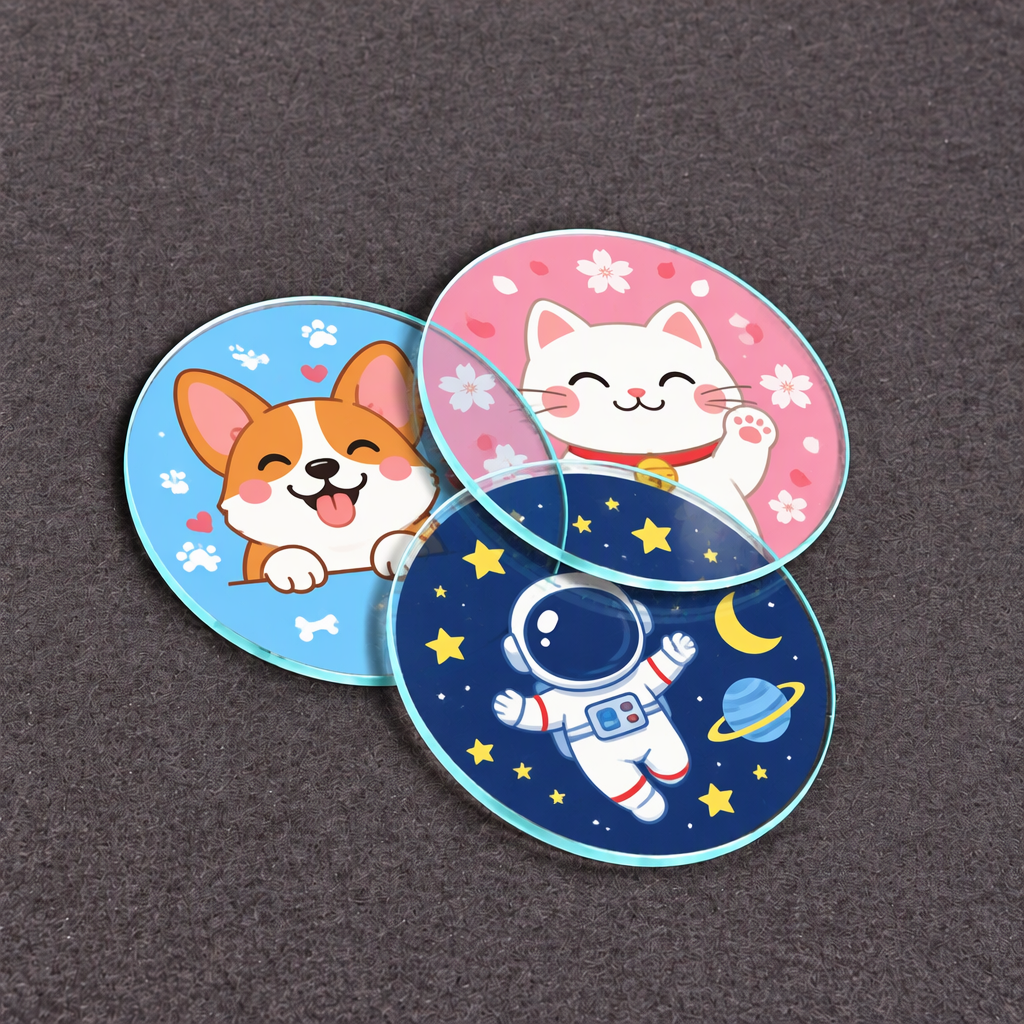
Eco-Friendly Custom Printed Tempered Glass Coasters – Custom Design Tempered Glass Coaster
Decorative tempered glass for hospitality, showrooms, branded gifts and interior accessories. UV-stable decoration and optional UV-filtering build review support Dallas retail and design-led projects.
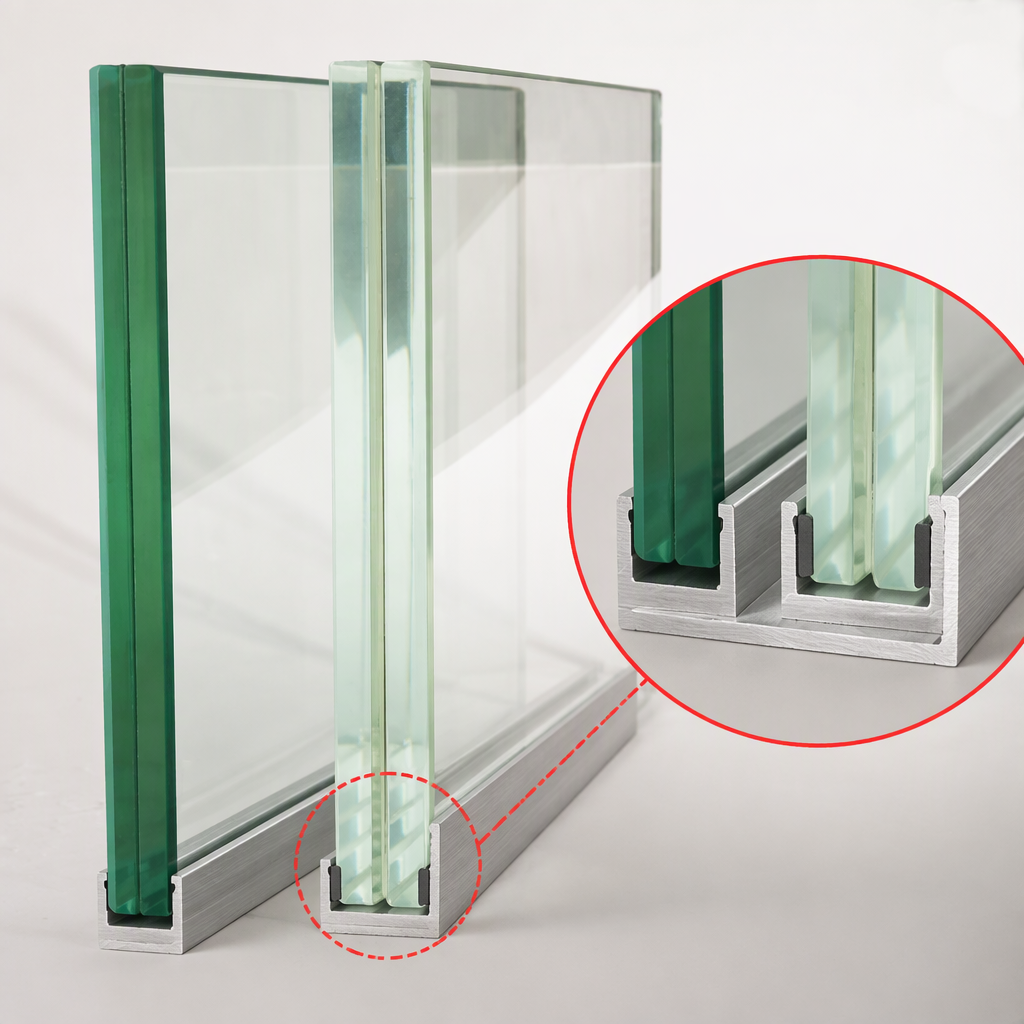
Tempered Glass Flat Solid Glass Panel – Customized Thickness and Size
A flexible base build for UV filter glass, storefront interiors, machine guards and display protection. Thickness, shape, holes, edge finish and UV-control strategy are reviewed to drawing.
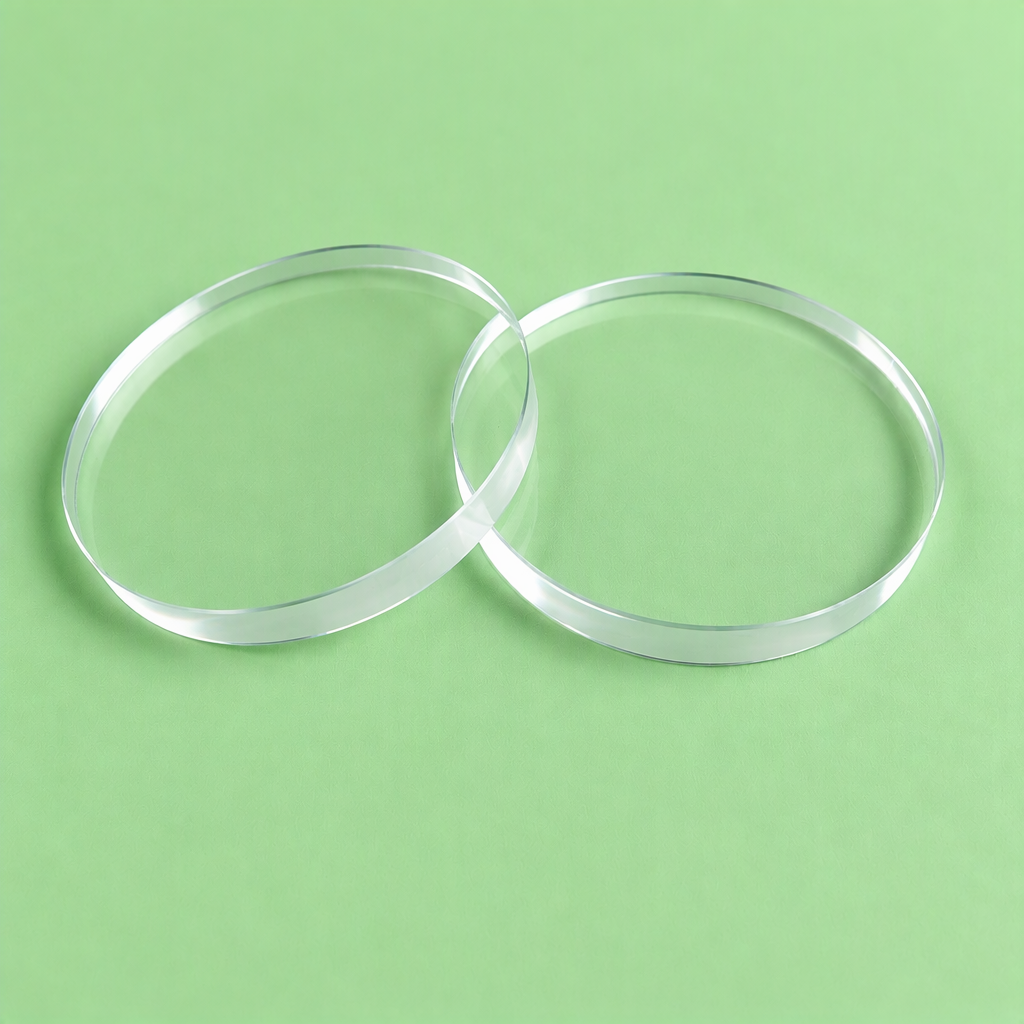
High Strengthen Tempered Glass Custom Size – Clear Glass Panel for Industrial
High-strength clear tempered panels for industrial enclosures, equipment windows and protective covers. UV filtering can be incorporated where sensitive materials or light exposure require spectral control.
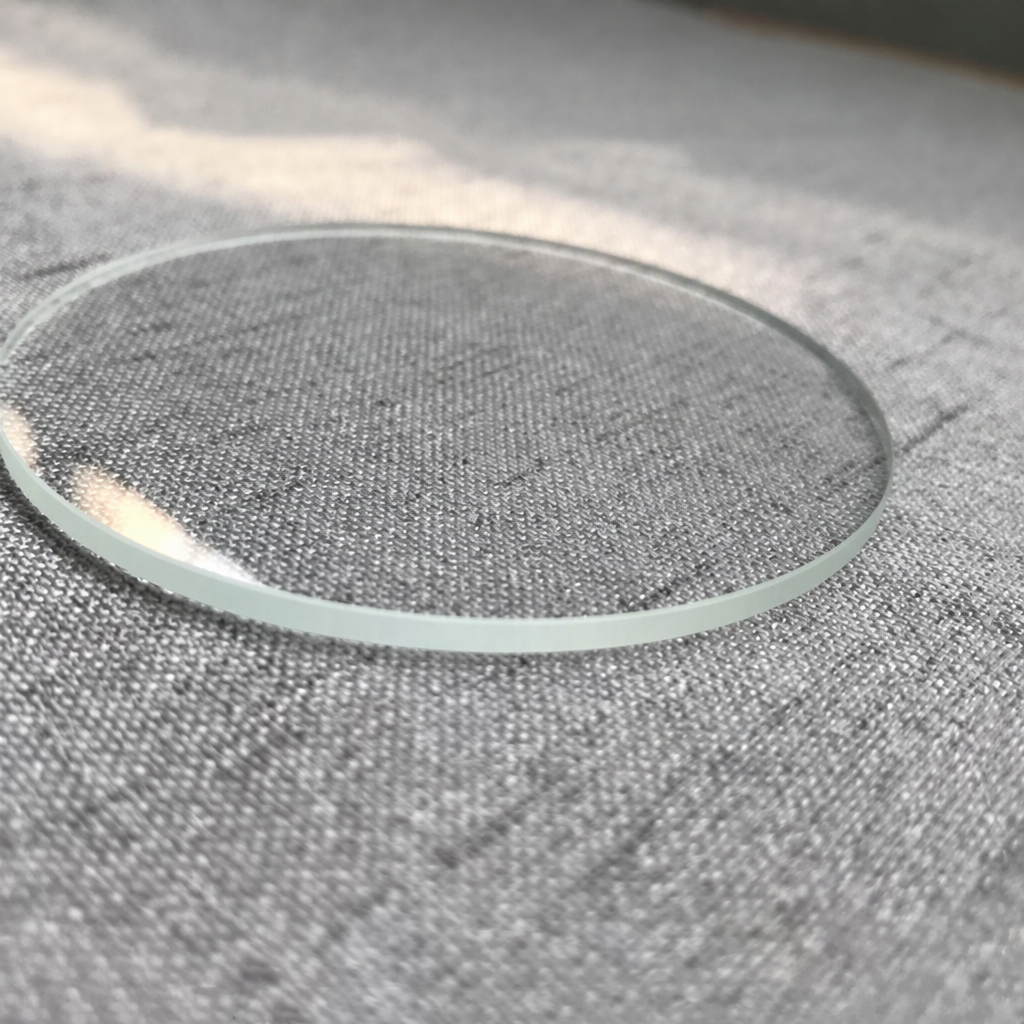
Pressure-Resistant Tempered Glass Viewing Mirror – Custom Size Clear Glass Panel for Industrial Workshop
Designed for inspection windows, industrial workshops and equipment viewing points. The glass build, printed borders and optional UV control can be matched to operator safety and display requirements.
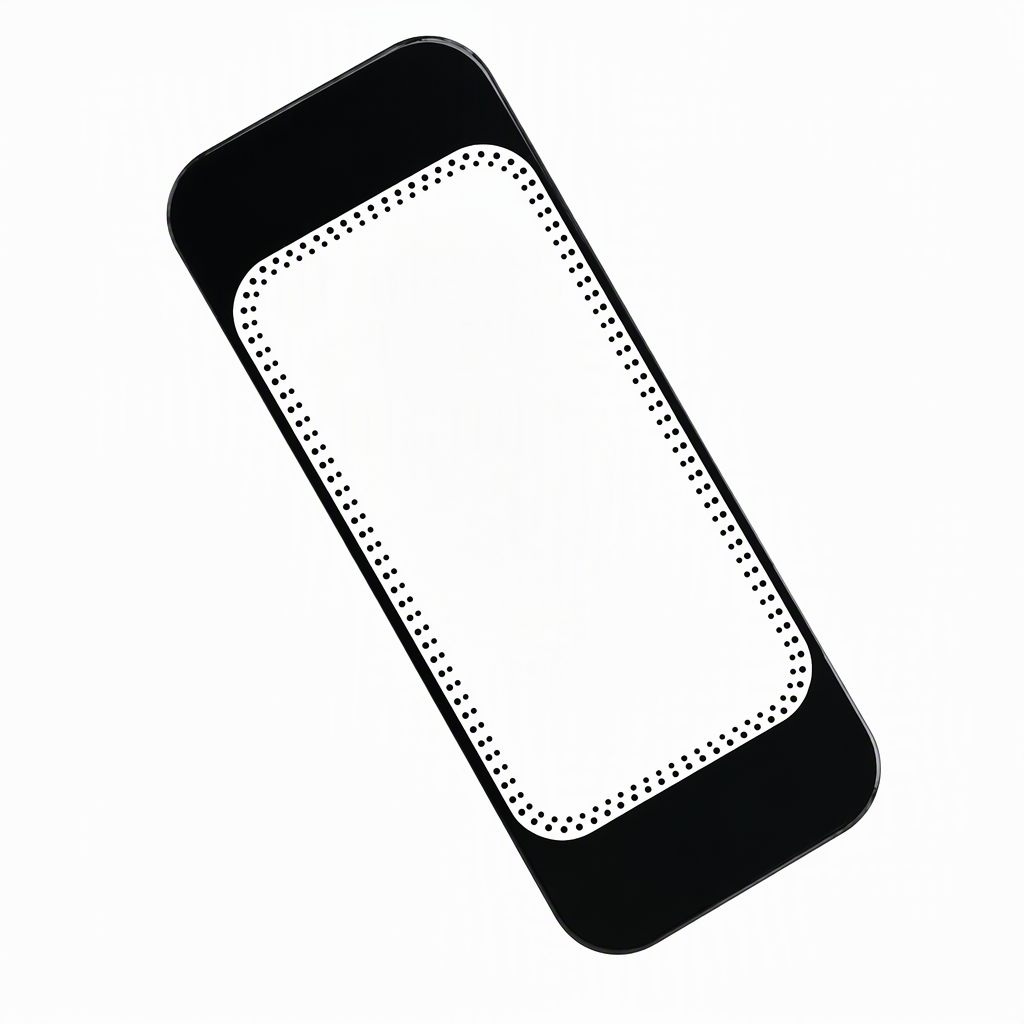
Custom Logo Silk Screen Printed Tempered Glass Panel – Tempered Display Glass Screen Protector
Branded display glass and screen protectors with high- and low-temperature printed inks. Ideal for Dallas technology, appliance and commercial equipment brands needing durable logos and UV-stable color.
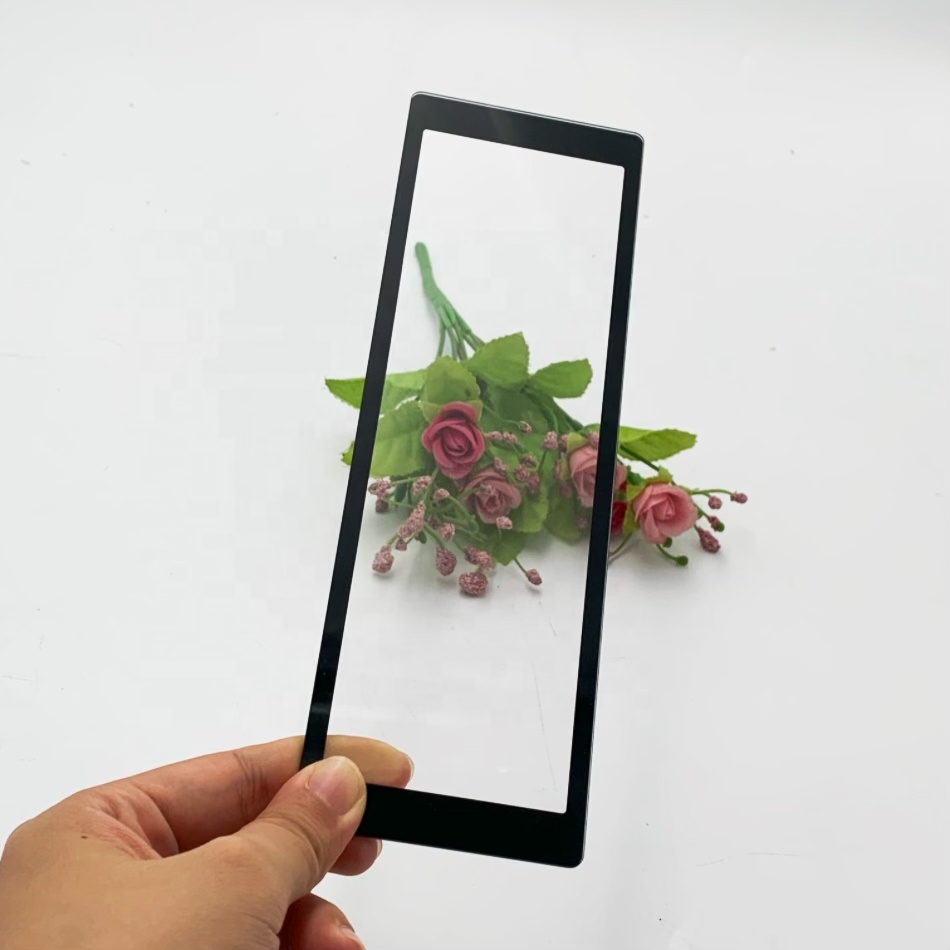
Custom Silk Screen Printed Tempered Glass Panel – Touch Screen Display Cover Glass
Touch-screen cover glass with printed icons, touch zones and decorative borders. Suitable for kiosks, control panels, medical displays and smart-home interfaces used across North Texas.
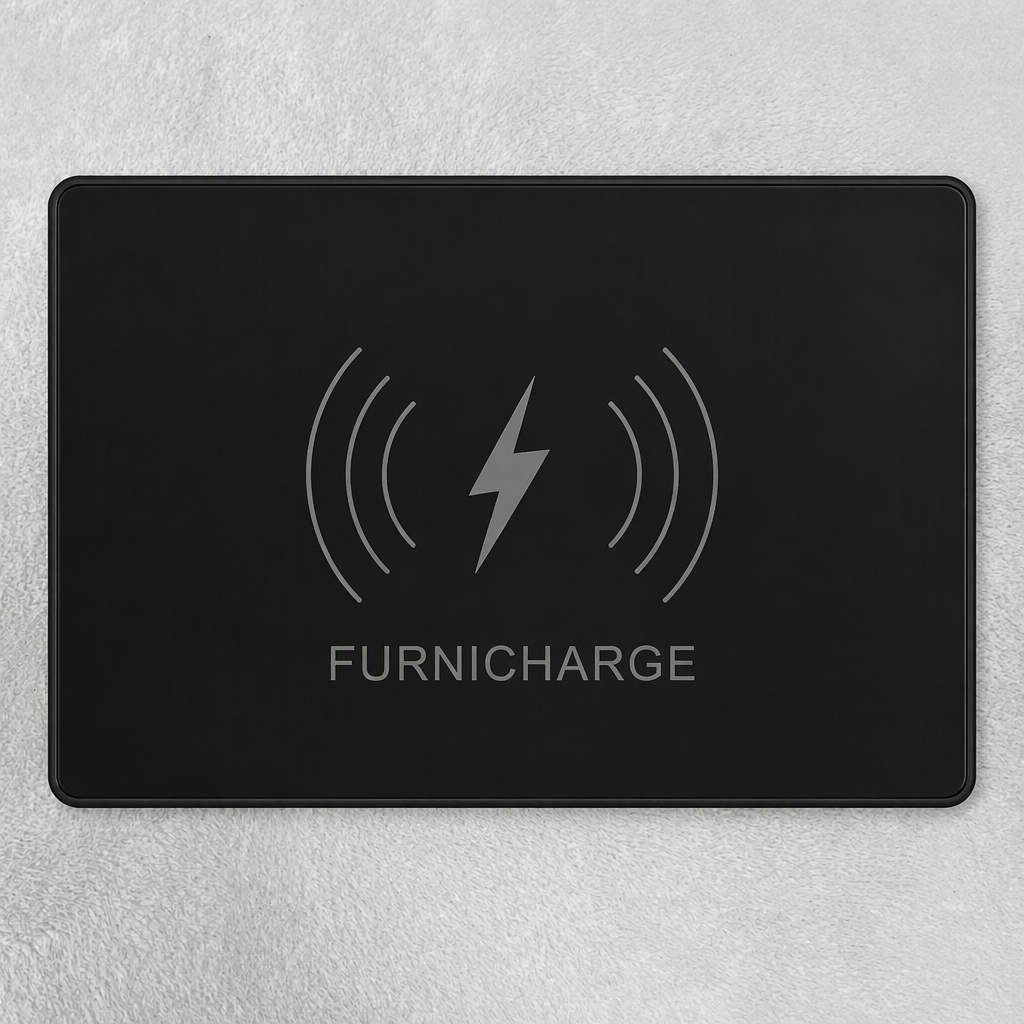
Smart Tempered Glass Bedside Table Panel – Wireless Charging, Touch Light & Switch Cover
Integrated glass panels for smart furniture, hospitality rooms, multifamily interiors and touch lighting. UV-stable printing and hardened surfaces support long-term visual consistency.
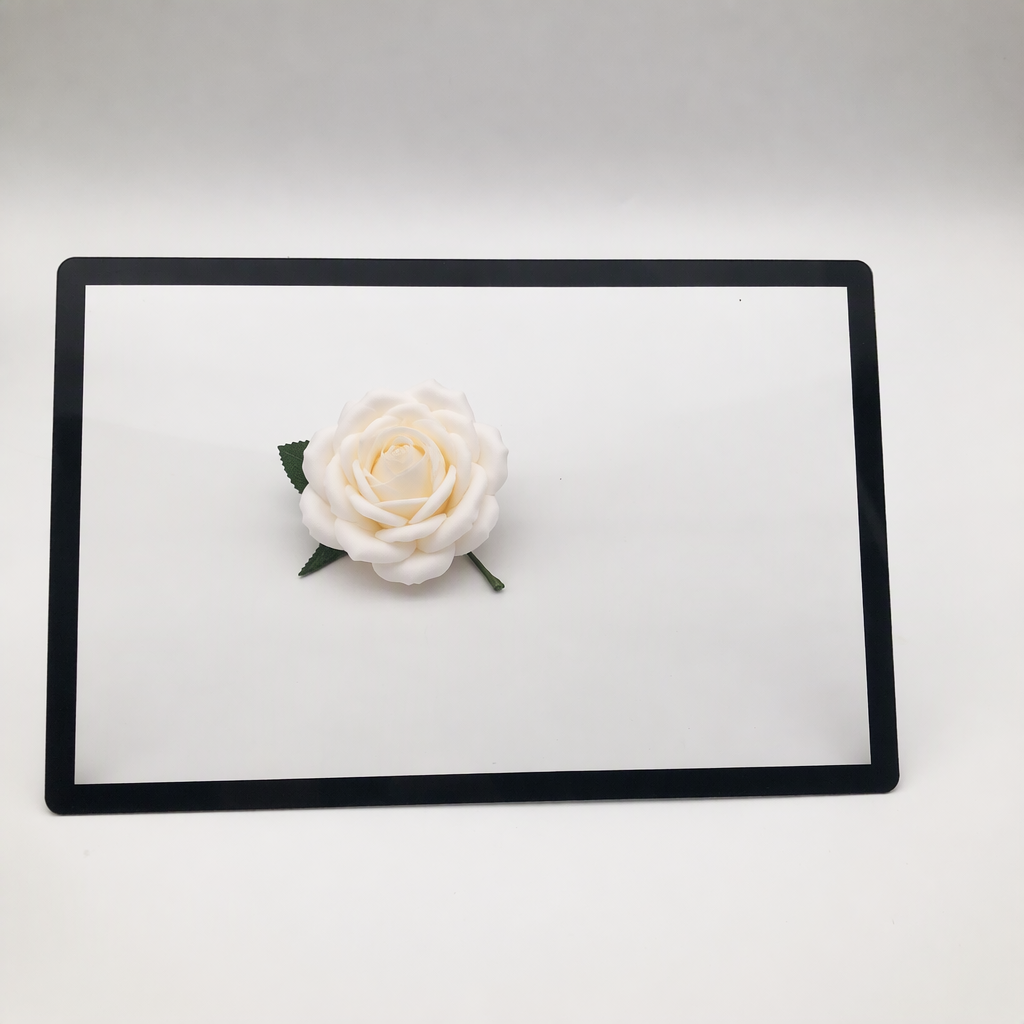
Ultra-Thin Silk Screen Printed Tempered Glass for Display Panels
Thin printed cover glass for compact electronics, display windows and control interfaces. Chemical strengthening and AR/AG/AF coatings can be reviewed for optical clarity and wear resistance.
All eight formats can be reviewed for UV blockage targets, visible light transmission, haze, tempered or chemically strengthened glass, printed ink durability and Dallas delivery terms. Share a drawing or application brief to receive manufacturability feedback. Send an Inquiry
Why UV Filter Glass Is a Specification Decision, Not a Commodity Purchase
Dallas–Fort Worth is a high-growth commercial market with intense solar exposure, large retail and hospitality interiors, a strong medical and technology base, and a highly competitive construction supply chain. In this environment, UV filter glass must be treated as an engineered build rather than a generic “clear glass” line item.
Ultraviolet radiation can fade merchandise, damage artwork and printed graphics, degrade polymer components, age sealants and adhesives, and increase interior heat load. For a Dallas buyer, the real question is not simply “Does the glass block UV?” It is: Which substrate, thickness, interlayer, coating, print system and strengthening method will meet the project’s optical, safety and delivery requirements?
Our approach is to combine the original strengths of Qingdao Maupe Glass Co., Ltd. — cutting, CNC shaping, edge polishing, drilling, silk-screen printing, physical tempering, chemical strengthening and AR/AG/AF coating — into a UV-filter glass specification that can be reviewed, sampled and documented before mass production.
For Dallas procurement teams, the greatest information gain comes from asking for spectral data and a clear bill of materials. A generic “UV protection” statement is not enough. A useful offer should identify the glass substrate, the UV-control mechanism, the visible light transmission range, haze target, color shift tolerance, tempering standard, printing durability requirement and applicable compliance documents.
Dallas RFQ Snapshot
- State the application: storefront, museum, display, control panel, appliance, industrial window or smart furniture.
- Provide a UV transmission target and visible light transmission range, not only “UV blocking.”
- Confirm glass thickness, edge finish, holes, print artwork, coating type and tempering method.
- Ask for sample test reports, RoHS/CE documentation and packing standards before approving production.
Where UV Filter Glass Creates Practical Value in North Texas
Dallas buyers rarely purchase UV filter glass for one single reason. They balance sun exposure, interior comfort, asset protection, safety, aesthetics and maintenance. These are the application scenarios we review most often.
Commercial Glazing & Storefront Interiors
UV-filtering tempered glass for retail entries, office partitions and feature walls. Helps protect finishes, fabrics, furniture and merchandise while maintaining a bright Dallas interior.
Museums, Galleries & Luxury Retail
Display cases and showcase glass can be specified with UV-blocking interlayers and anti-glare treatment to reduce fading risk for art, textiles, leather goods and high-value retail displays.
Smart Homes, Hotels & Multifamily
Printed touch switches, bedside panels and wireless-charging glass surfaces for Dallas hospitality and multifamily projects. UV-stable inks help printed icons remain consistent over time.
Medical, Dental & Diagnostic Displays
AR/AG/AF coated cover glass for clinical screens and diagnostic equipment. Optical clarity, anti-fingerprint surfaces and cleanability are reviewed alongside UV-control requirements.
Industrial HMI & Machine Viewing Windows
Pressure-resistant viewing panels and HMI covers for factory equipment. UV filtering can protect internal polymers and printed labels while preserving operator visibility.
Kitchen, Appliance & Outdoor Living
Heat-resistant printed glass for cooktops, ovens, range hoods and appliance control panels. In Dallas, long sun exposure makes UV-stable decoration and ink durability a meaningful procurement point.
Digital Signage & Outdoor Kiosks
UV-blocking display covers, AG anti-glare surfaces and printed borders for kiosks, menu boards and outdoor enclosures. Helpful where Texas sun creates glare and heat challenges.
Elevator, Privacy & Interior Design Glass
Touch button covers, decorative printed glass and PDLC switchable privacy options for commercial interiors. UV control can be coordinated with tint, print and coating choices.
Engineering a UV Filter Glass Build That Performs in Dallas Conditions
UV filter glass is a system, not a single additive. The best build depends on whether the priority is fade protection, optical clarity, impact safety, touch reliability, heat resistance or outdoor durability.
Key Variables to Confirm Before Quotation
1. UV cut-off and transmission curve. Ask for UV-Vis transmission data at the relevant wavelength range. Architectural and display applications may require different targets. Confirm by sample test report where needed.
2. Visible light transmission and color. A glass that blocks UV but distorts color can be unsuitable for luxury retail, medical displays or artwork. Low-iron glass and coating selection should be reviewed together.
3. Haze and optical clarity. For touch panels and display cover glass, haze, reflection and glare can matter as much as UV performance. AR, AG and AF coatings can be used individually or in combination according to the application.
4. Strength and safety. Physical tempering is commonly used for appliance doors, switch panels and display windows, while chemical strengthening is often considered for thin 0.5–2 mm cover glass where flatness and optical quality are critical.
5. Printing and durability. UV-stable inks, correct print layers and protective treatments help logo and icon colors remain stable. The ink system should be matched to the glass, coating and end-use environment.
6. Compliance and documentation. Request ISO 9001 process evidence, RoHS and CE documents where applicable, and a clear inspection plan for dimensions, print appearance and glass defects.
Example Specification Window
The values below are illustrative project-target ranges, not a universal guarantee. Final performance must be confirmed against the selected glass build and sample test report.
| Criteria | Physical Tempered Glass | Chemically Strengthened Glass |
|---|---|---|
| Typical thickness | Generally about 2 mm and thicker. | Often 0.5–2 mm for thin cover glass. |
| Strength behaviour | Heat-treated safety glass with a blunt-fragment break pattern. | Ion-exchange surface compression, suited to thin, precise parts. |
| Optical flatness | Very good, with slight roller-wave possibility depending on thickness and process. | Excellent flatness and low distortion for displays and touch interfaces. |
| Dallas use cases | Appliance doors, switch panels, storefront interior panels, machine guards, display windows. | Touch covers, small electronics, medical displays, thin control panels, optical windows. |
| UV-control integration | Can be combined with coated glass, printed borders, laminated UV-filtering layers or selected substrate systems. | Best reviewed with coating and printing requirements so that the thin glass remains flat and optically clear. |
| Post-processing rule | Cutting, drilling, edging and printing are generally completed before the final strengthening step. Drawings should be finalised before sampling. | |
Dallas Market Trends Shaping UV Filter Glass Demand
Buyers in Dallas are not only comparing price per square meter. They are comparing how well a supplier can document performance, control color, protect printed graphics and keep delivery predictable.
Solar Control and UV Filtration Together
Owners increasingly ask for UV protection to be coordinated with solar heat gain, glare and visible light. The glass build should be reviewed as part of the whole envelope or display system.
Low-Iron and Ultra-Clear Glass
Retail, gallery and display projects often prefer low-iron glass to reduce green tint. Color fidelity is particularly important where UV-filtering glass is combined with printed graphics.
AR, AG and AF Coatings
North Texas sun and interior lighting can make reflections obvious. Anti-reflective, anti-glare and anti-fingerprint treatments are increasingly specified for touch screens and high-end displays.
UV-Stable Printed Graphics
Printed logos, icons, borders and touch zones must survive light exposure. Buyers are asking more questions about ink systems, print layer order and test methods, not only visual appearance.
Dallas Logistics and Custom Packing
Large glass panels require protective export packing. The factory is close to Qingdao seaport and airport, allowing FOB, CIF, DDP and DDU options to be reviewed for Dallas–Fort Worth delivery.
Documentation-First Procurement
More buyers require certificate numbers, inspection records and sample approval before placing production orders. This is especially relevant for medical, commercial and industrial projects.
Qingdao Maupe Glass Co., Ltd. — Trusted OEM Glass Manufacturing for Dallas Buyers
Qingdao Maupe Glass Co., Ltd. was founded in 2012 in Qingdao, Shandong, China. We operate under an ISO 9001 quality management system and focus on turning flat glass into finished functional parts: cutting, CNC shaping, edge polishing, drilling, engraving, coating, silk-screen printing, physical tempering and chemical strengthening.
Our original product strengths are closely aligned with UV filter glass projects. We process clear, ultra-clear and high-alumina glass; print durable logos and touch interfaces; apply AR, AG and AF coatings; and temper or chemically strengthen glass according to the application. Our silk-screen printed glass uses eco-friendly, RoHS-compliant inks and high- and low-temperature printing processes for scratch- and wear-resistant results.
We have served clients in more than 80 countries across North America, South America, Europe, Oceania, the Middle East, Africa and Asia. The factory’s position near Qingdao seaport and airport keeps export logistics efficient and makes onsite audits convenient for visiting buyers. For Dallas buyers, this means a single manufacturing conversation can cover glass build, printing, coating, strengthening, inspection and export packing.
Our credentials support a serious procurement process: ISO 9001 quality management, RoHS and CE documents, SGS onsite assessment as a third-party inspected supplier, and verified supply relationships. We also offer OEM/ODM support with more than a decade of custom manufacturing experience.




One Factory, the Complete Glass Process Chain
Keeping cutting, printing, tempering and coating under one roof improves traceability and reduces the risk of finger-pointing between multiple suppliers.
Precision Cutting & CNC Shaping
Straight, round and special-shaped parts cut and CNC-profiled from clear, ultra-clear, tinted and high-alumina sheet.
Edge Polishing, Drilling & Engraving
Flat, pencil and beveled edges, safety corners, countersunk holes, notches and engraved details for clean assembly.
Silk Screen Printing
Eco-friendly high- and low-temperature inks, multi-color layouts, logos, icons and touch zones with scratch-resistant finish.
Physical Tempering
Heat-strengthened safety glass for appliance doors, switch panels and display windows that must resist impact and heat.
Chemical Strengthening
Ion-exchange strengthening for thin 0.5–2 mm cover glass where flatness, optical clarity and strength are all required.
AR / AG / AF Surface Coating
Anti-reflective, anti-glare and anti-fingerprint treatments for readable screens in bright, industrial and medical environments.
From Drawing to Dallas Delivery in Six Controlled Steps
A transparent workflow for purchasing, engineering and quality teams who need to know what happens at every stage.
Drawing Review
Engineers check manufacturability, tolerances, UV-control requirements and the correct strengthening method.
Sampling
Samples are made for fit, color, print appearance, touch response and optical verification before production.
Mass Production
Cutting, edging, printing, coating and tempering are scheduled across 8 production lines.
Quality Inspection
Incoming material and finished-product inspection cover dimensions, print, visual defects and packing readiness.
Export Packing
Protective export packing is prepared for Qingdao seaport or airport shipment, with FOB, CIF, DDP and other terms available.
After-Sales Support
Repeat orders, engineering adjustments and replacement coordination are managed for long-term Dallas supply programmes.
Certified Quality That Procurement Teams Can Verify
Certificate numbers are shown so your compliance team can verify them with the issuing bodies. Final document sets should be confirmed for the exact product and project scope.

ISO 9001 Quality Management
Certificate No. 24025Q20015R1S. Scope includes float glass and technical glass products. Valid to 02/2028.

RoHS Compliance
Certificate No. 25TYT12395. Supports restricted hazardous-substance requirements for electrical and electronic equipment. Valid to 12/2030.

CE Marking
Certificate No. 23TYT082593S. Tempered glass certificate supporting market access across the European Economic Area. Valid to 08/2028.
What to Send for an Accurate UV Filter Glass Quotation
A complete RFQ shortens sampling time and reduces the risk of costly revisions. Use this checklist as a starting point for your Dallas project.
Drawing Package
- 2D drawing in DWG, DXF or PDF with outline dimensions and tolerances.
- Hole positions, notches, countersinks, edge finish and corner radius.
- Print artwork in AI or PDF with color references and layer order.
- Glass type, thickness, coating requirement and intended application.
Performance & Compliance
- UV transmission target, visible light transmission range, haze and color tolerance.
- Tempering or chemical strengthening requirement and any impact/safety standard.
- RoHS, CE, ISO 9001 or customer-specific compliance documents.
- Sample approval process, inspection criteria and packing requirements.
Logistics & Commercial Terms
- Estimated annual volume, first-order quantity and target delivery date.
- Dallas/Fort Worth delivery address, inland transport needs and packaging constraints.
- Preferred trade term: FOB, CIF, EXW, FCA, CPT, DDP or DDU.
- Payment method and currency: T/T, L/C, PayPal, Western Union, USD, EUR or CNY.
Common Questions from Dallas UV Filter Glass Buyers
What is UV filter glass, and how is it different from ordinary tempered glass?
What UV performance data can you provide for Dallas procurement and permitting?
What is the minimum order quantity for custom UV filter glass panels?
Can you ship to Dallas–Fort Worth and offer DDP or CIF terms?
Should Dallas buyers choose physically tempered glass or chemically strengthened glass?
Can printed logos and icons remain stable under Texas sun exposure?
What certifications and quality checks apply to your glass products?
How do I start a sample or quotation for a Dallas project?
Have a Dallas UV Filter Glass Drawing Ready? Let Our Engineers Review It.
Share your specifications for manufacturability feedback, sampling guidance and export planning. Our team can review UV-control requirements, tempered or chemically strengthened glass, printed graphics, coatings and Dallas delivery terms.
info@maupeglass.com