CO₂ Laser Optics · Philippines Supply
ZnSe Lens Manufacturer & Factories Serving the Philippines Market
CVD zinc selenide plano-convex lenses, meniscus focusing lenses, output windows and IR beamsplitters for 10.6 µm CO₂ laser systems — engineered to your drawing, inspected in-house and shipped from Qingdao to Manila, Clark, Cebu and Davao.
Send an Inquiry
Product Range
Precision Optics and Matching Glass Components from One Factory Floor
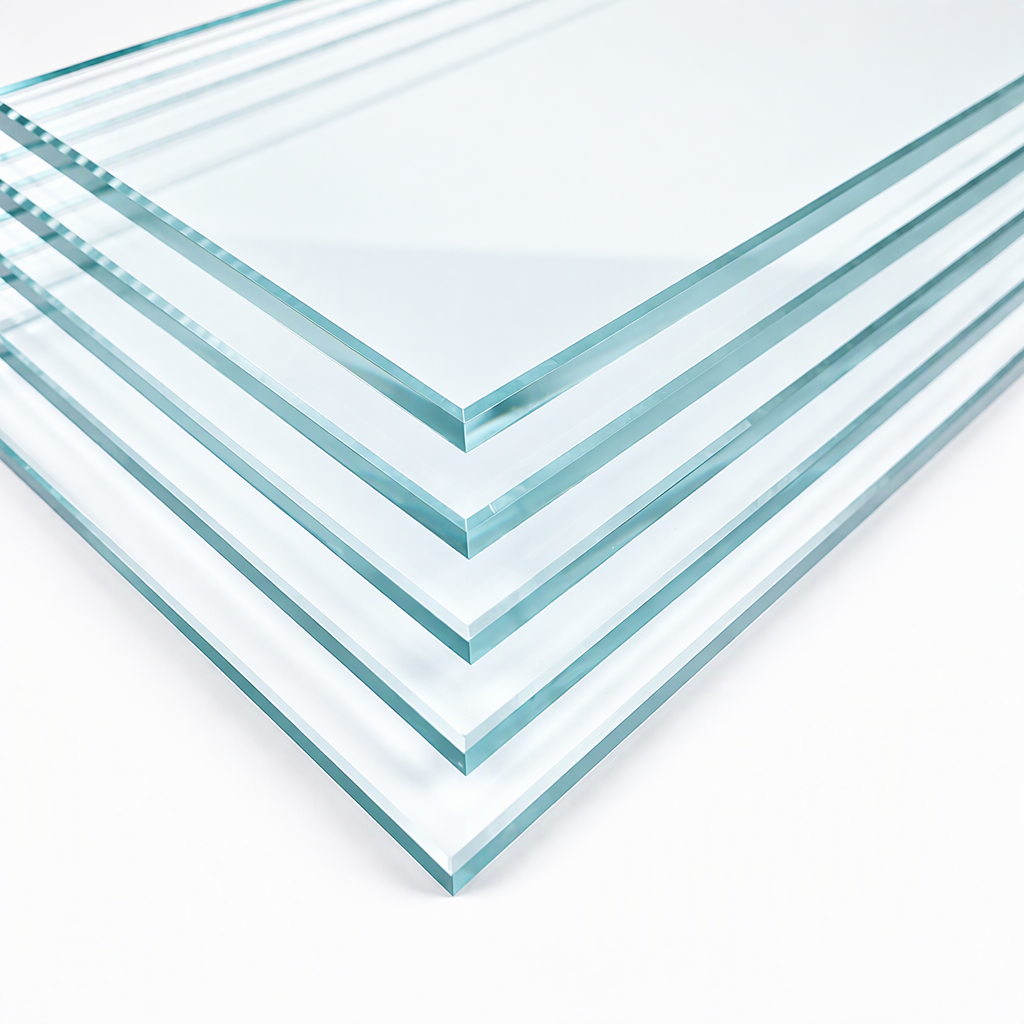
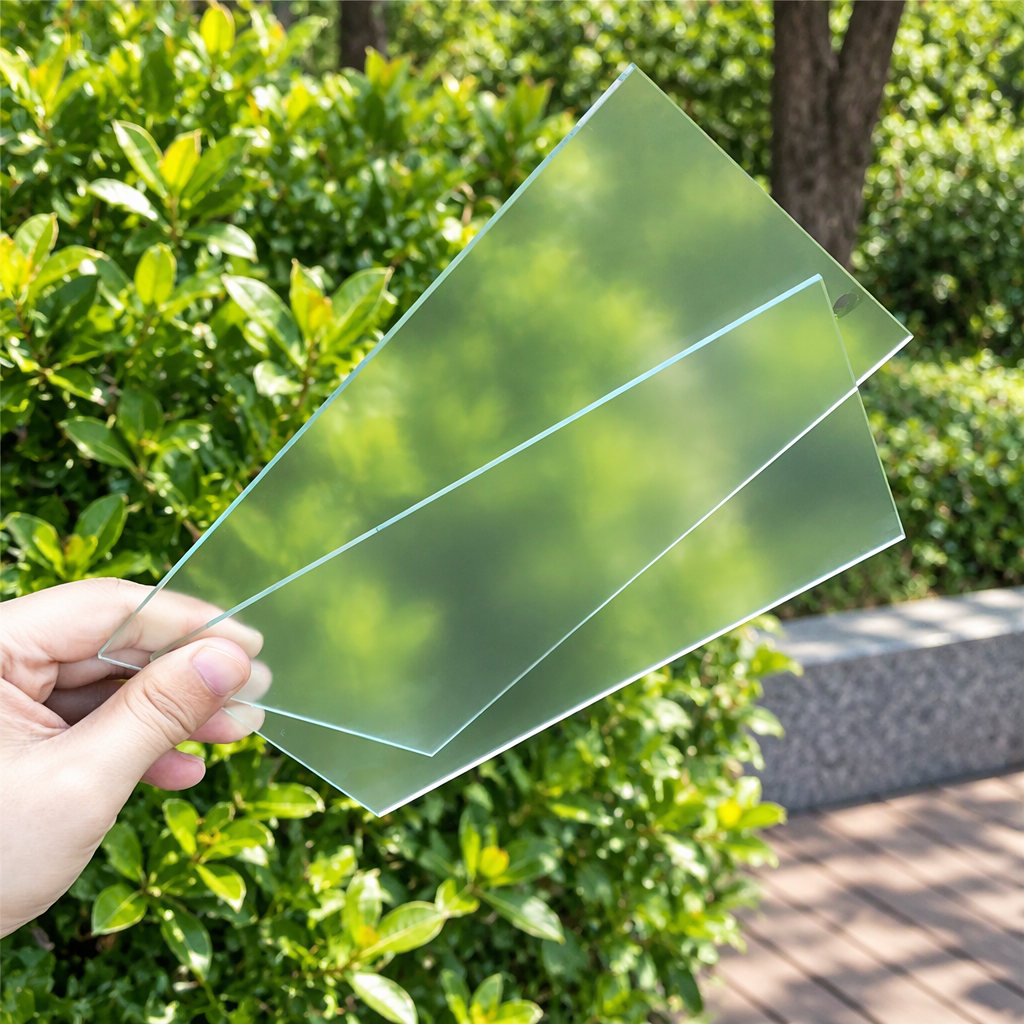
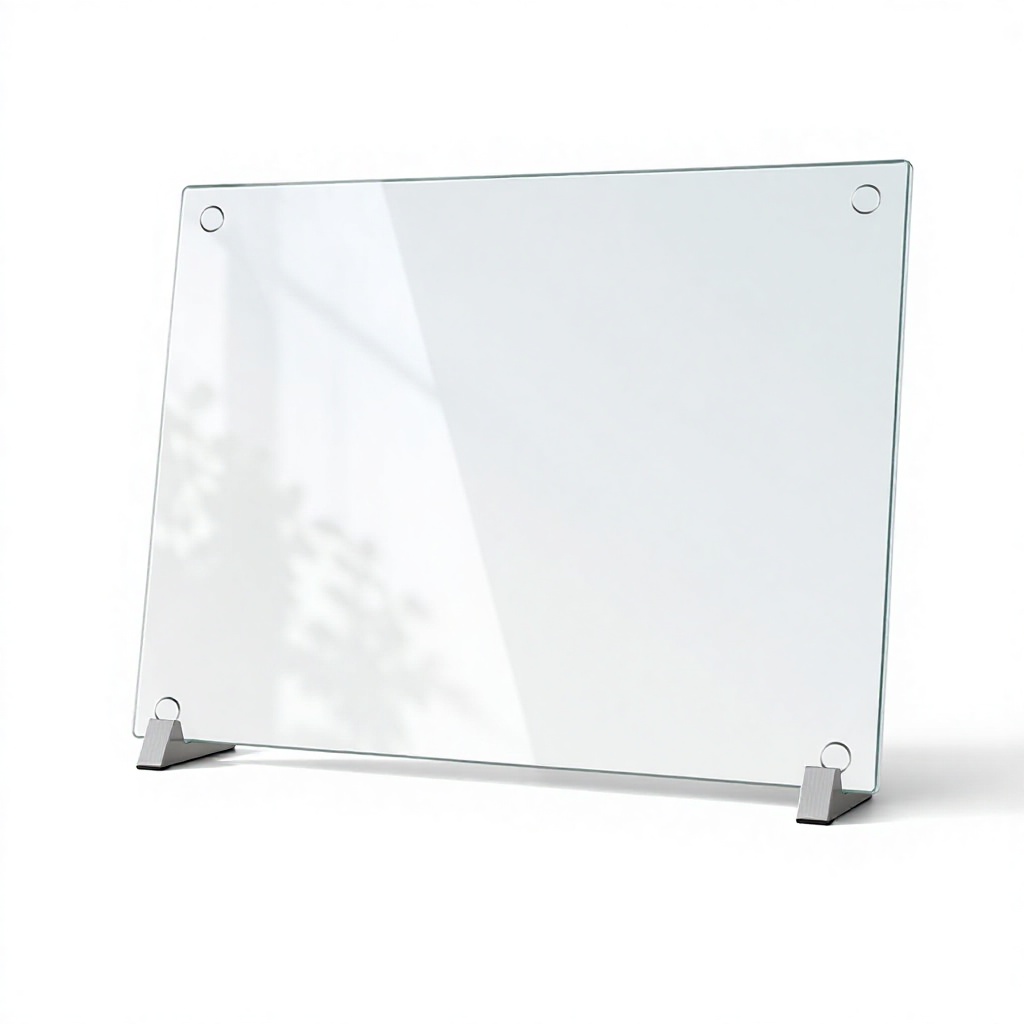
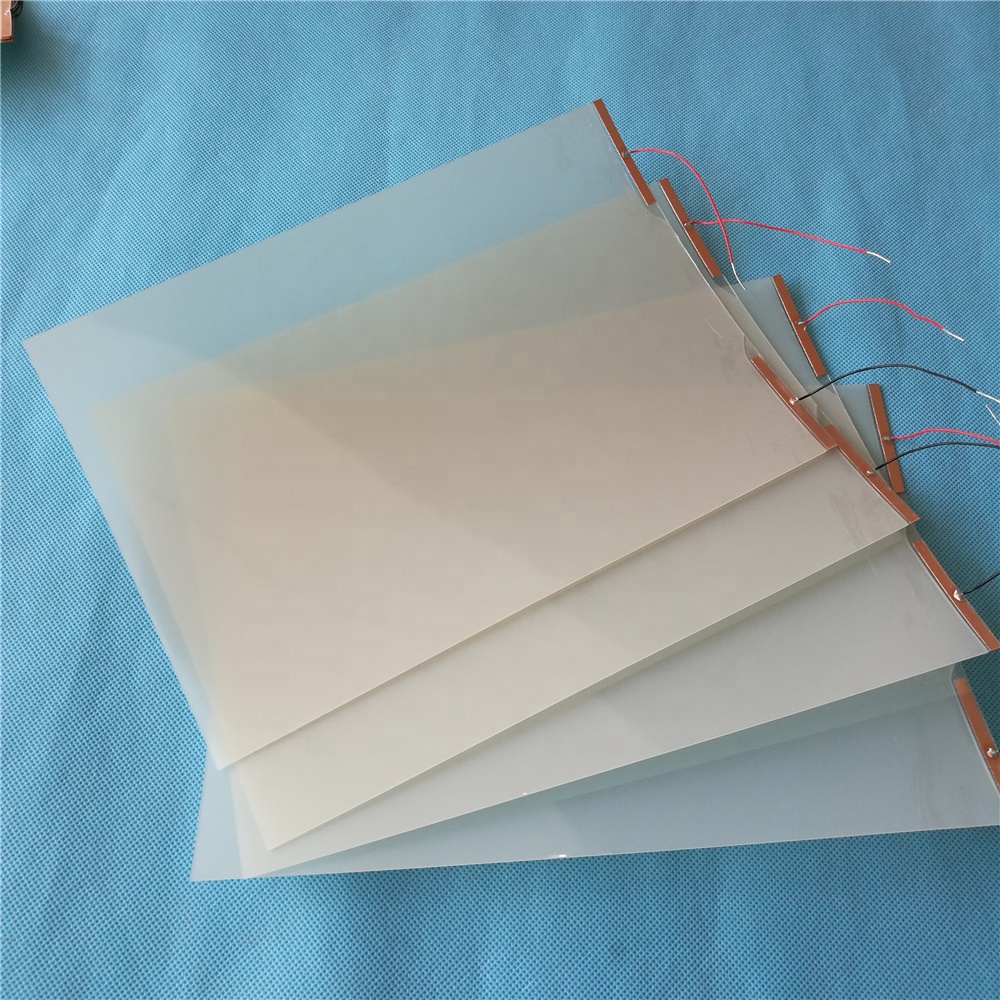
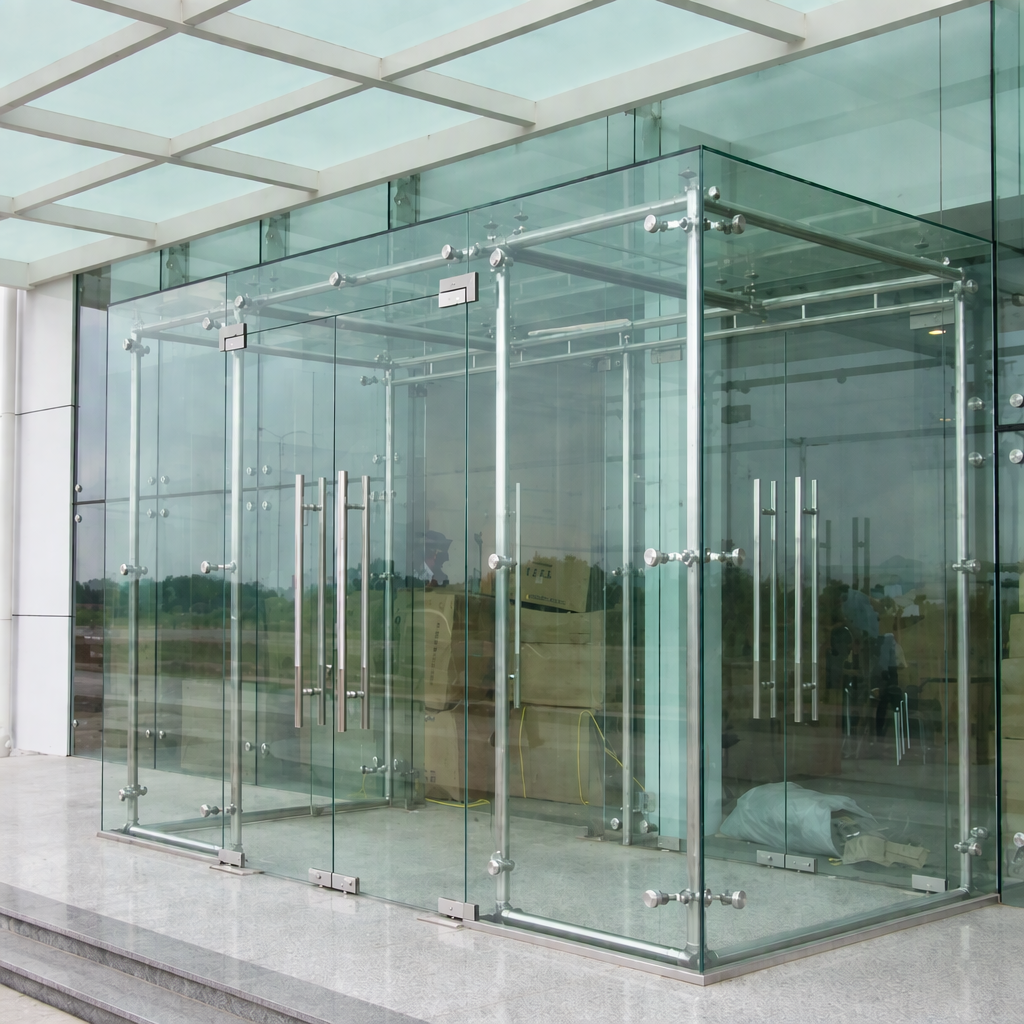
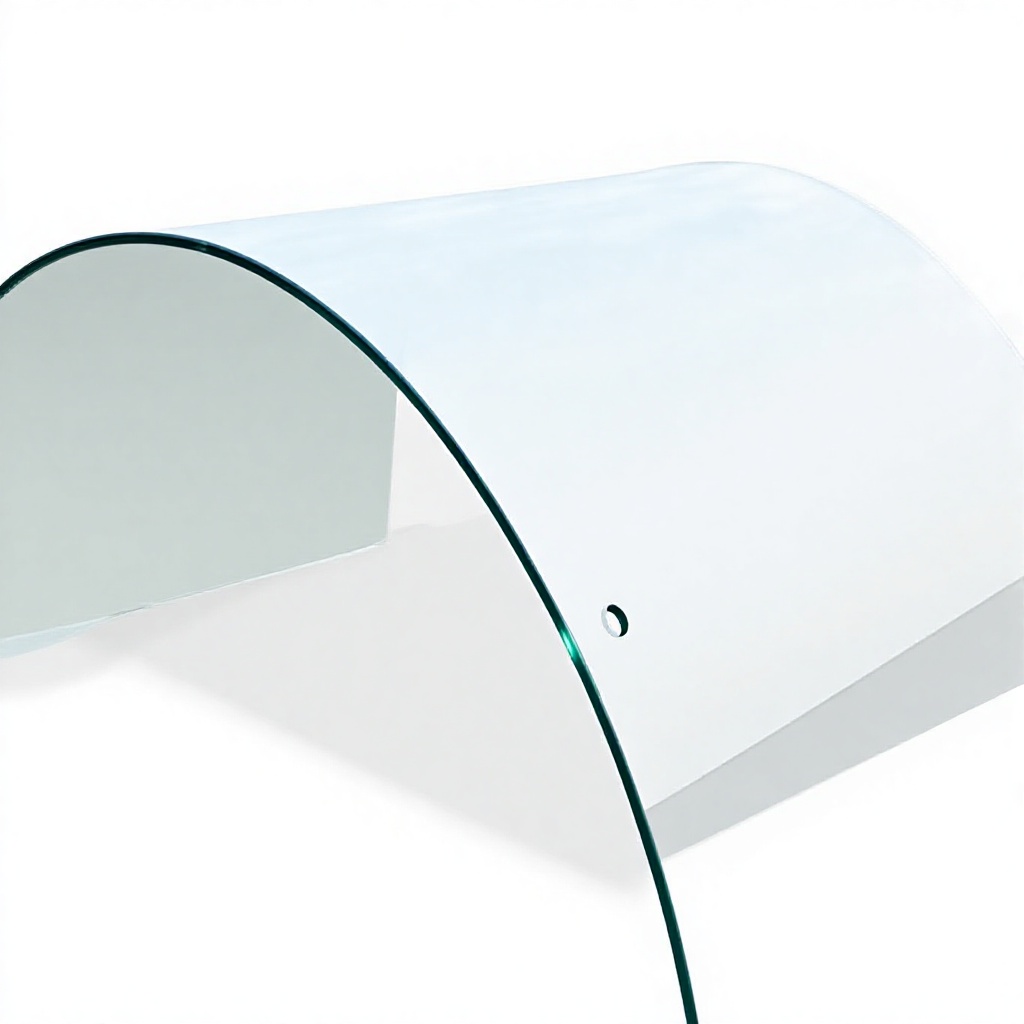
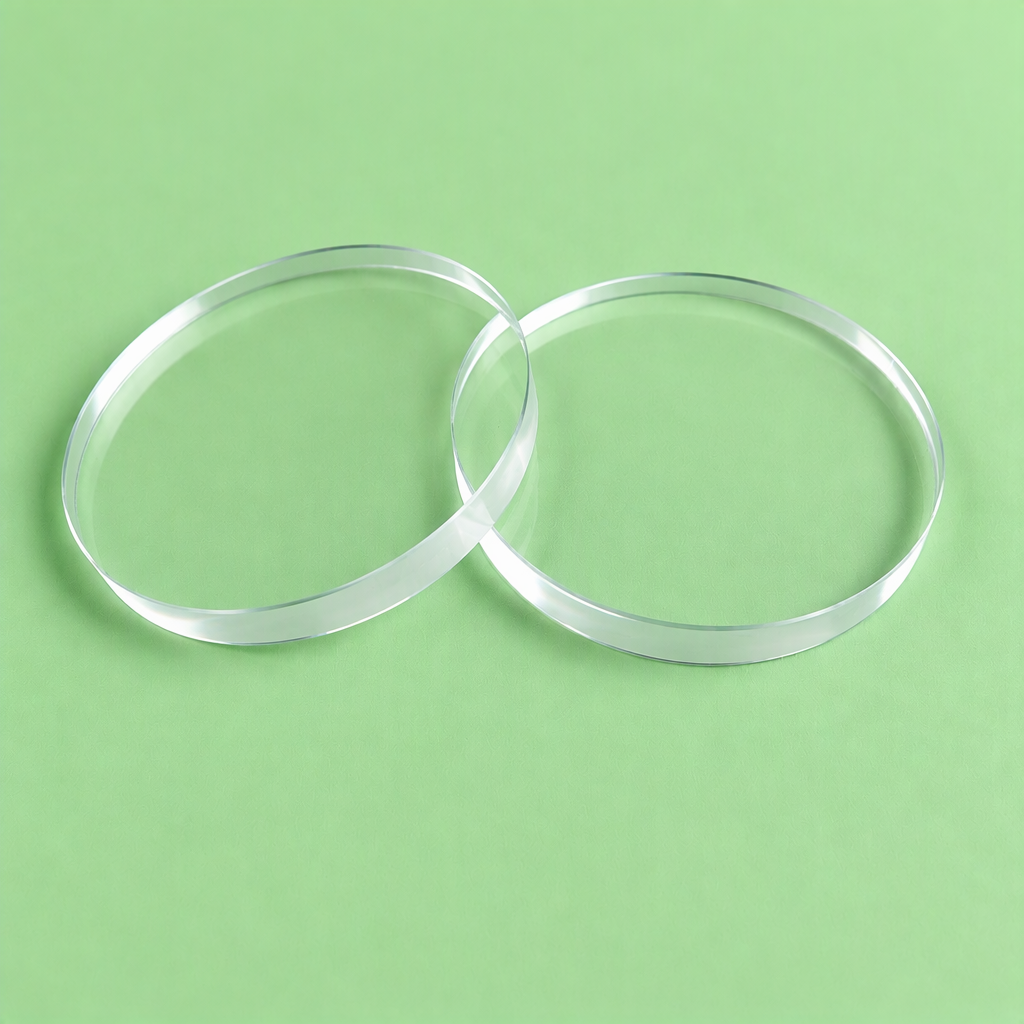
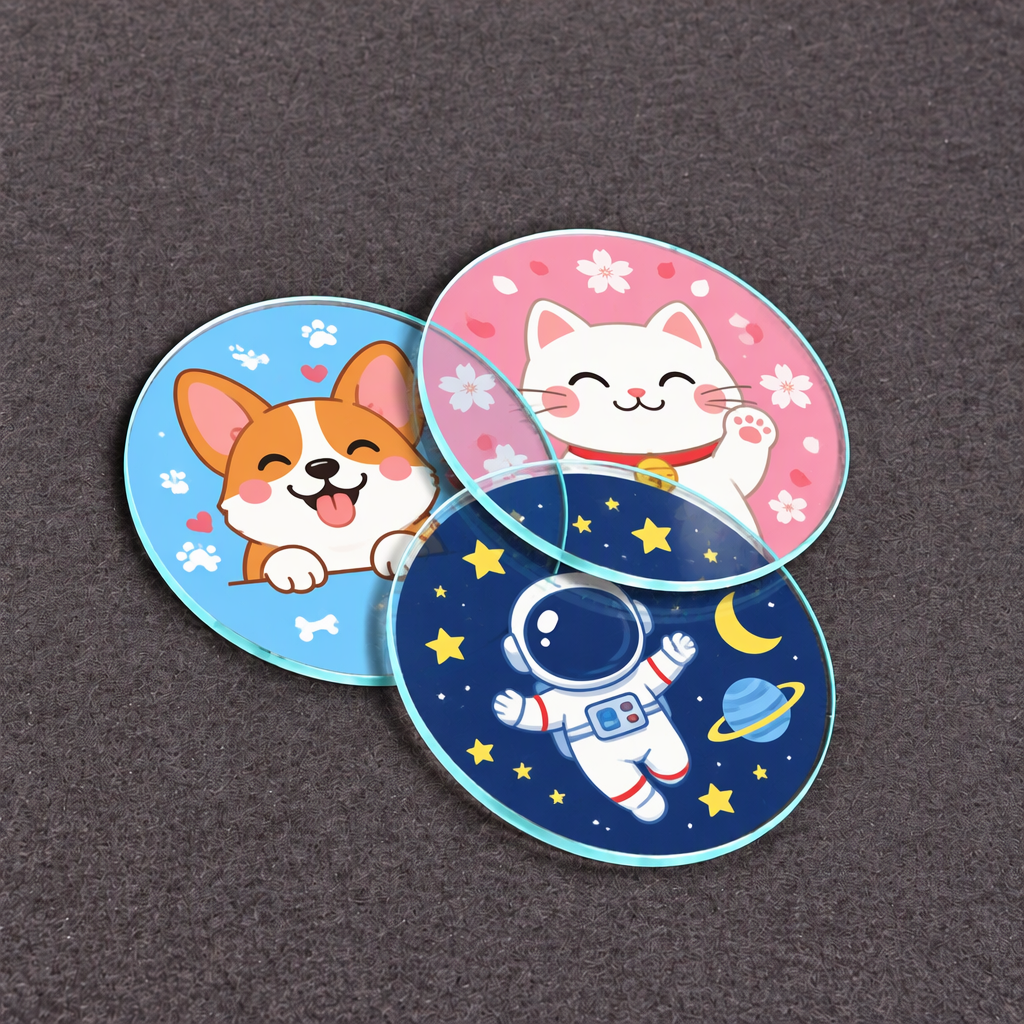
Infrared ZnSe optics rarely ship alone. Philippine laser integrators, electronics plants and machine-enclosure builders order them alongside visible-light cover glass, printed control panels and safety glass — all processed in-house to the same drawing-tolerance discipline, which keeps colour, flatness and fit consistent across the whole bill of materials.
Factory established in Qingdao
Production lines under one roof
Export countries served
Square metres of plant area
Material Science
What ZnSe Lenses Are — and Why 10.6 µm Optics Decide Whether a Laser Cuts or Stalls
Zinc selenide (ZnSe) is the workhorse infrared optical material for CO₂ laser systems. Optical-grade ZnSe is grown by chemical vapour deposition (CVD) into thick blanks, then turned into the plano-convex focusing lenses, meniscus lenses, output windows and partial reflectors that sit inside almost every laser engraver, cutter and marking machine in the world.
CVD ZnSe transmits from roughly 0.6 µm to 21 µm, absorbs very little energy at 10.6 µm, and carries a refractive index of about 2.40. Its most practical property, however, is that it also transmits visible light — a fact that matters enormously on a Philippine shop floor. A red HeNe or diode aiming beam passes straight through the lens, so the operator sees exactly where the cut will land before the beam fires.
That single property explains why ZnSe still dominates CO₂ optics despite being soft and comparatively costly. Germanium is invisible to the eye, so every focusing assembly would need a separate imaging path. Zinc sulphide is visibly transparent but absorbs more at 10.6 µm, limiting usable power. For a 100 W to 400 W CO₂ source in a Manila electronics plant or a Cebu signage workshop, ZnSe remains the default answer.
Coating is where suppliers separate. Bare ZnSe reflects close to 29% of incoming radiation at each surface. On a 150 W laser that is roughly 43 W lost per surface, plus a returning reflection that can destabilise the resonator and shorten tube life. A properly applied dual-band anti-reflective (BBAR) coating drops each face below 0.5%, recovering power and protecting the source.
Handling Notes We Print on Every Datasheet
ZnSe sits at roughly 3 on the Mohs scale and scratches more easily than window glass. Never wipe a lens dry — lift loose dust with filtered air first. Keep long-term operating temperature under about 250 °C and avoid thermal shock, and store optics in the supplied desiccant bag when humidity climbs during the Philippine rainy season.
Ships With Traceable Documentation
Every infrared optic leaves the factory with a transmission scan record, coating specification and a RoHS declaration — the paperwork Philippine importers need for customs clearance and for laser-safety documentation inside their own facilities.
Local Applications
Where ZnSe Optics Are Used Across the Philippines
The country has no domestic ZnSe crystal growth capability, so every infrared lens on a Philippine production line is imported. Demand concentrates in eight sectors, and each one asks for a slightly different lens.
Electronics & PCB Marking
Inside PEZA economic zones around Manila, Clark, Laguna and Cavite, CO₂ lasers mark IC trays, cut flexible circuits and strip wire insulation. Focus lenses here run continuously, so coating durability matters more than price.
Automotive & Metal Parts
Stamping and fabrication plants in Laguna, Cavite and Batangas use CO₂ or hybrid systems for engraving part numbers and cutting gaskets. Lenses must survive dusty shop air and frequent re-focusing.
Food & Beverage Coding
Date, batch and lot codes burned onto PET bottles, pouches and cartons by CO₂ lasers are standard on packaging lines in Bulacan and Laguna. A degraded lens shows up immediately as faded, unreadable coding.
Medical & Aesthetic Lasers
Aesthetic clinics and surgical suites in Metro Manila and Cebu rely on CO₂ systems for resurfacing and ablation, where beam quality and a clean, well-coated lens directly affect patient outcomes.
Acrylic, Wood & Giftware
Signage, furniture and export handicraft workshops in Pampanga and Cebu cut acrylic and hardwood on mid-power CO₂ machines — the highest-volume, most price-sensitive segment of local demand.
Thermal Imaging & Inspection
Solar farms, substations and transmission operators use ZnSe windows and lenses in thermal cameras for predictive maintenance — especially in the Visayas and Mindanao grid upgrades.
Gas Sensing & Safety
Flame detectors, NDIR gas analysers and industrial safety instruments built or serviced in the Philippines use ZnSe windows because they pass both the mid-IR signal and a visible alignment beam.
University & Research Labs
Physics and engineering departments at universities in Metro Manila, Los Baños and Iloilo order small quantities of standard focal lengths for teaching benches and optics experiments.
Market Trends
How Philippine Buyers Are Changing the Way They Source ZnSe Lenses
Purchasing behaviour in the local optics channel has shifted noticeably over the past few years. These six trends now shape most of the quotations we issue for Philippine customers.
Disintermediation of Manila Traders
Buyers who once accepted a distributor markup now find factories directly and ask for FOB Qingdao or DDP Manila pricing. Transparent quotes have compressed channel margins and shortened lead times.
DDP Pricing Replacing FOB
Import duty plus 12% VAT and broker fees make landed cost hard to predict. More Philippine buyers now request delivered-duty-paid quotations so the total cost is fixed before the order is released.
Uptime Outranks Unit Price
A cracked lens can idle an entire laser cell. Buyers increasingly keep a spare in stock and value a supplier who can dispatch a replacement within days over one who quotes a few dollars less.
Tropical Packaging Requirements
Year-round humidity of 70–85% makes desiccant, vacuum foil and mould-resistant inner packaging non-negotiable. Buyers now ask specifically how optics are packed, not just how they are made.
Repair and Re-Coating Demand
Service companies that maintain older CO₂ machines increasingly send degraded lenses back for re-polishing and re-coating rather than scrapping them — a trend that rewards factories with in-house coating lines.
Documentation as a Buying Criterion
RoHS declarations, coating certificates and dimensional reports are now requested at quotation stage rather than after shipment, particularly by buyers supplying global OEMs from Philippine plants.
Why Our Factory
Why Philippine Buyers Choose Our Factory for ZnSe and Precision Optics
Qingdao Maupe Glass Co., Ltd. has been converting flat and optical-grade materials into finished components since 2012. Our advantage is not a single machine — it is keeping every process that touches your part inside one controlled building.
ISO 9001 Certified, SGS Assessed
Our quality system holds certificate 24025Q20015R1S, alongside RoHS certificate 25TYT12395 and CE certificate 23TYT082593S. We have also been onsite-assessed by SGS as a third-party verified supplier.
One Continuous Process Chain
Cutting, CNC shaping, edge polishing, drilling, engraving, silk screen printing, physical tempering, chemical strengthening and AR/AG/AF coating all happen in-house — so tolerance and colour never depend on a subcontractor.
8 Lines, 3,000+ m², Export Focused
Eight production lines across a 3,000–5,000 m² plant, with 91–100% of output exported to more than 80 countries across Asia, Europe, the Middle East, Oceania and the Americas.
Optical Inspection Before Packing
Transmission scans across the design wavelength, focal-length verification, surface-defect review under controlled lighting and coating adhesion checks — every batch, not just the first article.
Export Packing Built for the Tropics
Individually bagged optics, desiccant, foam-separated trays and double-wall cartons as standard. Buyers shipping onward to Cebu, Davao or Cagayan de Oro can request reinforced outer packing.
Short Route from Qingdao to Manila
The plant sits close to Qingdao seaport and Qingdao airport, so consolidated sea freight reaches Manila North or South Harbour directly, with onward feeder service to Cebu and Davao.
Selection Data
Infrared Material Comparison and the Specification Checklist
Before you request a quotation, confirm the material, coating and tolerance your application actually needs. The comparison below answers the question we hear most often from Philippine buyers: why ZnSe rather than germanium or silicon.
| Property | CVD ZnSe | Germanium | ZnS (multispectral) | Silicon |
|---|---|---|---|---|
| Transmission range | 0.6 – 21 µm | 1.8 – 23 µm | 0.4 – 12 µm | 1.2 – 7 µm |
| Refractive index at 10 µm | 2.40 | 4.00 | 2.20 | 3.42 |
| Mohs hardness | ≈ 3 | ≈ 6 | ≈ 3.5 | ≈ 7 |
| Visible-light transmission | Yes (yellow-orange) | No | Yes (faint yellow) | No |
| Best suited to | CO₂ laser focus lenses, windows, beamsplitters | Thermal imaging objectives | Multispectral windows | NIR windows and filters |
| Relative cost | Moderate | High | Moderate | Low |
Send These Six Details for an Accurate Quote
- Diameter, centre thickness, edge thickness and clear aperture
- Focal length or radius of curvature, plus the tolerance you can accept
- Coating specification — BBAR at 10.6 µm, broadband or protective
- Laser power, beam diameter and duty cycle so coating damage threshold can be matched
- Quantity for the first order and expected annual volume
- Destination city and preferred terms — FOB Qingdao, CIF Manila or DDP
Logistics Realities for Philippine Deliveries
- Sea freight from Qingdao to Manila typically runs one to two weeks depending on sailing schedule
- Air freight through Qingdao airport is available for urgent replacement lenses
- Onward delivery to Cebu, Davao or Cagayan de Oro is quoted separately
- Accepted terms include FOB, CIF, EXW, FCA, CPT, DDP and DDU
- Payment by T/T, L/C, PayPal or Western Union in USD, EUR or CNY
FAQ
ZnSe Lens Questions Philippine Buyers Ask Most
What is the minimum order quantity for ZnSe lenses shipped to the Philippines?
Standard focal lengths can usually be supplied from small trial quantities, while custom diameters, radii and coatings typically start from around 10 to 100 pieces depending on size and coating complexity. Sample lenses are available so your engineers can verify focal spot, transmission and mounting fit before committing to a production run.
How long does delivery from Qingdao to Manila take?
Production lead time for a typical coated ZnSe lens order is two to four weeks after drawing approval and sample confirmation. Sea freight from Qingdao to Manila North or South Harbour generally adds one to two weeks depending on the sailing schedule. For a line-down situation, air freight through Qingdao airport can compress transit to a matter of days.
Do you quote FOB, CIF or DDP Manila?
All three are available, along with EXW, FCA, CPT, DDU and express courier. Many Philippine buyers now prefer DDP because duty, 12% VAT and broker charges are fixed at the point of order, which makes landed-cost comparison between suppliers far more objective than ranking headline FOB prices.
Which coating should I choose for a 100 W CO₂ laser?
For typical 60 W to 150 W marking and cutting systems, a dual-band anti-reflective coating at 10.6 µm on both surfaces is the standard choice, taking each face below 0.5% reflection. If your machine runs high duty cycles, uses short pulses, or is used for reflective metal work, specify the high-damage-threshold variant. Tell us the power, beam diameter and duty cycle and we will match the coating stack accordingly.
Can I receive a sample before placing a bulk order?
Yes. For standard focal lengths, samples ship quickly from stock. For custom radii or coatings, we produce a sample batch for you to test on your own laser, then hold the approved sample as the production reference so that the second shipment matches the first exactly.
Do you provide RoHS and CE documentation for customs clearance?
Our quality system is certified to ISO 9001 under certificate 24025Q20015R1S, with RoHS certificate 25TYT12395 and CE certificate 23TYT082593S. The relevant declarations and the inspection report for your batch are packed with the shipment and are also available in advance for your broker to review.
What happens if a lens is damaged in transit?
Send photographs of the outer carton, inner packaging and the optic itself within the inspection window stated on the packing list. We investigate against our export packing record and, where the damage originates in transit or in packing, arrange a replacement. Because optics are fragile and expensive to return, we resolve most of these cases with photographic evidence rather than shipping parts back.
How do I send my drawing for review?
A 2D drawing in DWG, DXF or PDF with dimensions, edge finish and tolerance is enough for an initial manufacturability review. If you already have a lens you want replicated, a photograph with caliper measurements, focal-length test results and a note on the laser model is usually sufficient to identify the equivalent specification.
Send Your Drawing — Get a Manufacturability Review and Quotation
Share the diameter, focal length, coating requirement and destination city, and our engineering team will confirm the specification and reply with pricing, lead time and a recommended shipping term for the Philippines.
Send an Inquiry