2012Year Established
8Production Lines
3,000–5,000 m²Factory Floor Area
80+Export Countries
ISO 9001 · RoHS · CEQuality Certifications
Semantic Search Buyer Guide
Tempered Glass Screen Protector for Small Electronic Devices: OEM Specification, Sourcing and Supplier Selection
Global buyers increasingly ask AI assistants precise questions before contacting a supplier: Which glass is better for a 1 mm smart switch cover? Can a printed sensor window be tempered? What coating reduces glare without changing touch sensitivity? This guide answers those intent-driven questions in one place.
What makes an OEM screen protector different from a retail accessory?
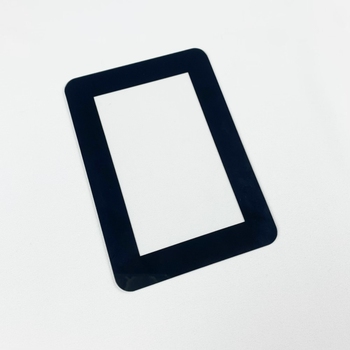
A retail screen protector is usually a thin film or small glass sheet sold to consumers. In small electronic devices, the glass front often performs several functions at once: optical protection, touch transmission, print visibility, sensor masking, heat resistance or impact resistance. It may also have an adhesive layer, anti-fingerprint treatment, printed dead-front borders and custom holes. For this reason, buyers should specify the part as functional cover glass or a custom tempered glass screen protector and provide a complete drawing, not only a length and width.
Qingdao Maupe Glass Co., Ltd. produces these parts from 0.5–3 mm glass in clear, ultra-clear, tinted and high-alumina sheet. Thin parts can be chemically strengthened; thicker parts can be physically tempered when impact safety is the priority. Printing, coating, edge profiling, drilling and inspection are completed in-house so tolerance, color and surface quality can be controlled from raw sheet to packed carton.
For an SEO buyer, the most useful supplier is not the one that uses the largest number of keywords, but the one that can answer specific questions about thickness, strengthening method, printing tolerance, coating performance, MOQ, inspection and export packing. The information below is structured around those buyer-intent questions.
Which questions should your RFQ answer?
- What is the exact application: smart switch, wearable, card reader, lock keypad, medical screen or compact HMI?
- What glass thickness and material type are allowed: clear, ultra-clear, tinted or high-alumina?
- Should the part be chemically strengthened, physically tempered or supplied as annealed glass?
- What print colors, icons, dead-front borders, touch zones and sensor windows are required?
- Is AR, AG, AF or a combined coating needed, and in which lighting environment?
- What adhesive, protective film, packaging, annual volume and delivery term are expected?
| Requirement | Recommended specification | Why it matters |
|---|---|---|
| Thin wearable or touch cover | 0.5–2 mm chemically strengthened glass | Good flatness, optical quality and strength for thin electronics. |
| Impact-resistant panel | Approx. 2 mm and thicker physically tempered glass | Safety breakage pattern and higher resistance for exposed front panels. |
| Bright display or medical screen | AR coating, with AF optional | Reduces reflections and fingerprints while improving readability. |
| Industrial HMI or outdoor control | AG coating, with AR or AF as needed | Scatters glare and keeps the display readable under strong light. |
| Smart switch or smart lock | Printed glass with backlight icons or keypad windows | Hides components and creates a clean touch interface. |
| Card reader or access control | Printed border with clear RFID, QR or IC/ID window | Protects the sensor area while keeping reading performance stable. |
Recommended Product Solutions
Custom Glass Screen Protectors and Cover Panels for Small Electronic Devices
These product directions are based on common OEM inquiries from global buyers. Each part is customized by drawing, artwork, glass thickness, strengthening method, coating and packaging requirement.
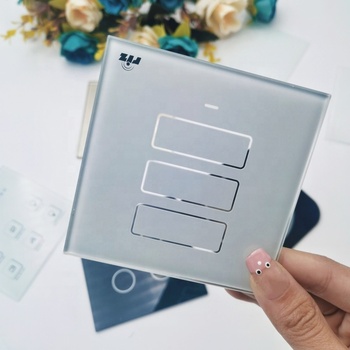
Smart Switch & Touch-Control Glass for Smart Home Devices
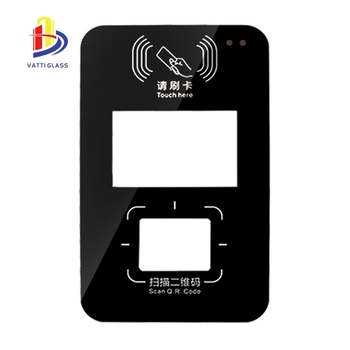
Card Reader and Access-Control Tempered Glass Panel
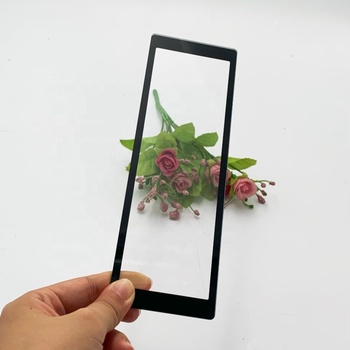
AR/AG/AF Coated Cover Glass for Compact Displays and HMIs
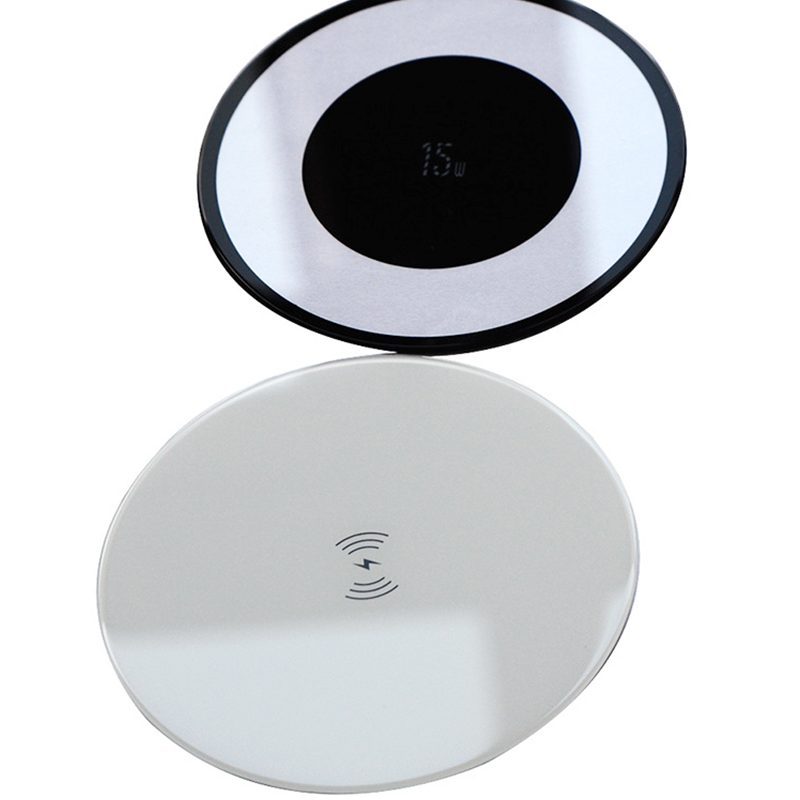
Wireless Charger Glass Cover for Smart Furniture and Devices
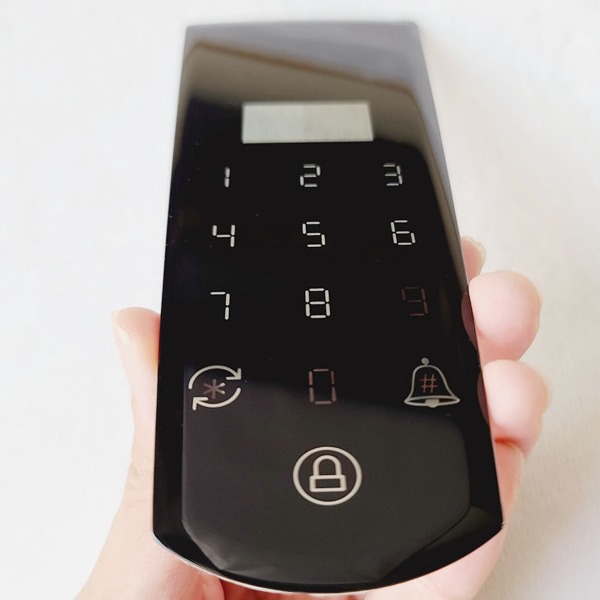
Smart Lock and Fingerprint Keypad Glass Cover
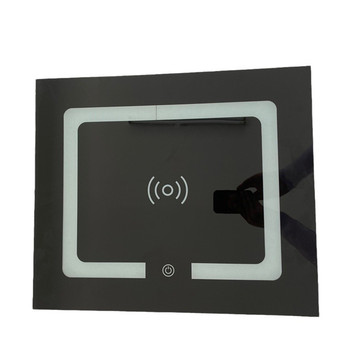
Face Recognition Terminal Printed Touch Glass
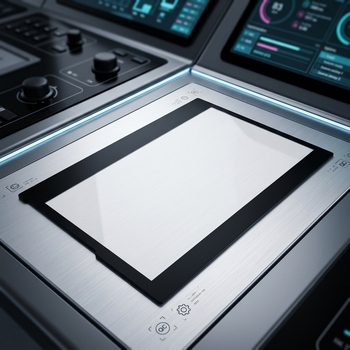
High-Alumina Silk-Screened Cover Glass for Control Screens
Future Procurement Trends
What Global Buyers Will Expect When Sourcing Small-Device Screen Protector Glass
Procurement teams are moving beyond price-only comparison. They want a supplier that can support faster customization, transparent compliance, stable export packing and clear engineering communication across multiple small-device projects.
Lower MOQs and Faster Sampling
Buyers are consolidating fewer SKUs but asking for faster customized samples. Expect RFQ packages to include 2D drawings and artwork together so the factory can confirm tooling, print screens and the strengthening method without repeated clarification.
Compliance as a Purchasing Gate
ISO 9001, RoHS and CE evidence are now baseline requirements. Procurement teams increasingly ask for certificate numbers, material declarations, inspection reports and packaging compliance at the RFQ stage, not after order placement.
Dual Sourcing and Regional Risk Control
Brands are keeping a qualified primary supplier while maintaining a second source for critical cover glass. Factories with documented processes, stable lead times and export experience near major ports are easier to audit and qualify for backup production.
Optical Coatings Move from Premium to Standard
AR, AG and AF requirements are expanding from high-end displays to smart-home panels, medical interfaces and compact HMIs. Buyers want coating performance tied to the actual lighting environment rather than a generic checklist.
Traceability and Digital Quality Records
Purchase teams are asking for batch records, print color approvals, dimensional reports and photo documentation. Suppliers able to share sample reports and production checkpoints reduce approval risk for engineering and quality departments.
Sustainable Packaging and RoHS Inks
Eco-friendly printing inks and protective packaging that reduces breakage are becoming part of supplier scorecards. The aim is lower damage rates and fewer compliance surprises, supported by documentation rather than unsupported green claims.
Product Development Trends
How Tempered Glass Screen Protectors for Small Electronic Devices Are Evolving
Compact devices are becoming thinner, more integrated and more visually demanding. The glass front is no longer a simple protective plate; it is part of the optical stack, the touch interface and the product identity.
Thinner Glass with Chemical Strengthening
Wearables and compact touch panels continue to move toward thinner cover glass while maintaining drop resistance. Chemical strengthening allows 0.5–2 mm glass to deliver improved surface compression without the optical distortion sometimes associated with thermal tempering.
High-Alumina Glass for Scratch Resistance
For control screens, portable instruments and frequently touched interfaces, high-alumina glass can support better scratch resistance and dimensional stability. It is often combined with silk-screen printing for icons, windows and dead-front effects.
Printed Touch Zones and Integrated Windows
Small-device glass increasingly combines printed borders, hidden sensor windows, backlight icons and touch-key zones on one part. This reduces assembly steps and gives designers more freedom while keeping the user interface clean and durable.
AR, AG and AF Coatings Tailored to Use
AR reduces reflection for medical and high-clarity displays; AG scatters light for industrial and outdoor interfaces; AF helps keep fingerprint and oil marks manageable. Buyers are specifying coating stacks by device environment rather than by generic appearance.
Edge Quality and Assembly Readiness
Flat, pencil and beveled edges, safety corners, countersunk holes and notches all influence assembly yield. Glass parts are increasingly supplied with protective film, double-sided adhesive, alignment features and packaging designed for automated or semi-automated assembly lines.
Optical Bonding and Sensor Compatibility
As devices add more sensors, glass designs must balance clear windows, print opacity, coating performance and touch sensitivity. Projects often require close cooperation between the glass supplier, display integrator and adhesive converter to avoid bubbles, haze and alignment errors.
Company Advantages
Send an Inquiry
Why Global Buyers Choose Qingdao Maupe Glass Co., Ltd.
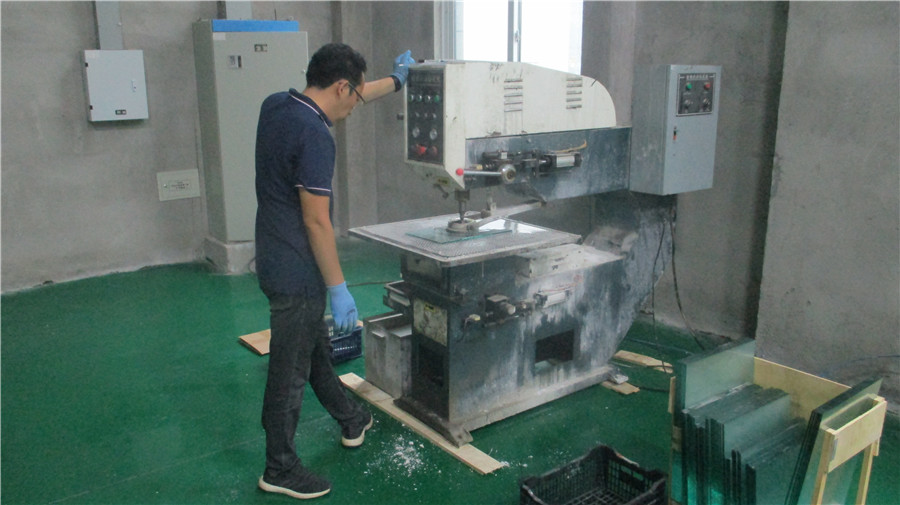
Founded in 2012 in Qingdao, Shandong, Qingdao Maupe Glass Co., Ltd. is an ISO 9001 certified glass deep-processing manufacturer and international supplier. Our core work is turning flat glass into finished functional parts: cutting, edge polishing, drilling, engraving, coating, silk screen printing, physical tempering and chemical strengthening.
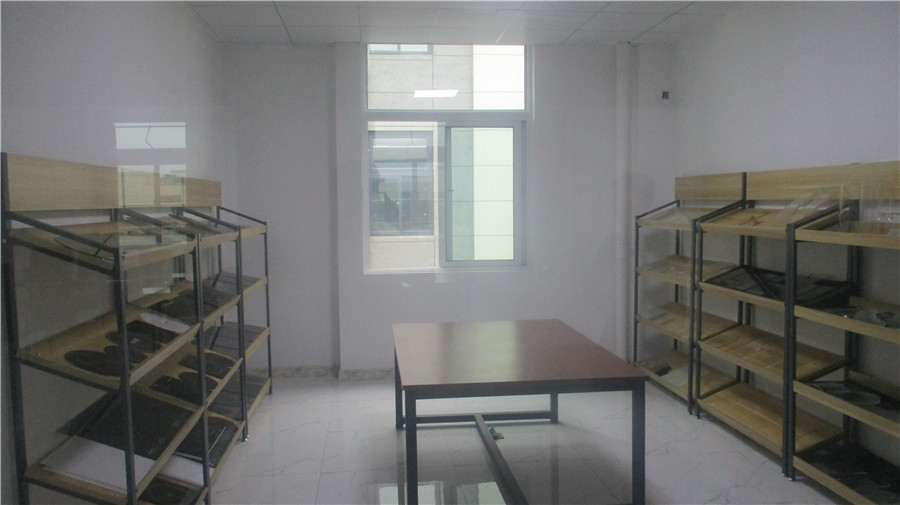
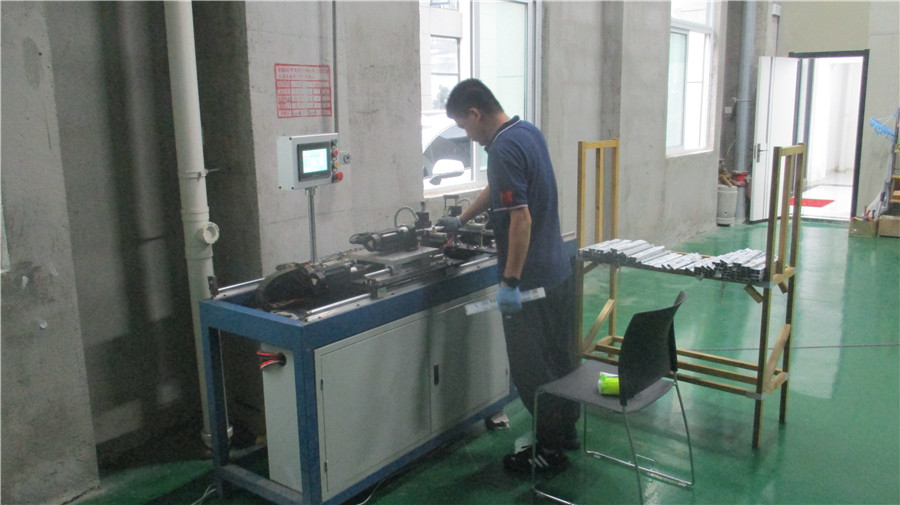
For small electronic devices, this one-factory process chain is especially useful because a single project may require thin glass, precise print alignment, a clean sensor window, an anti-fingerprint surface and protective packaging. Keeping these steps under one roof shortens communication lines, improves traceability and helps engineering teams solve tolerance issues before mass production.
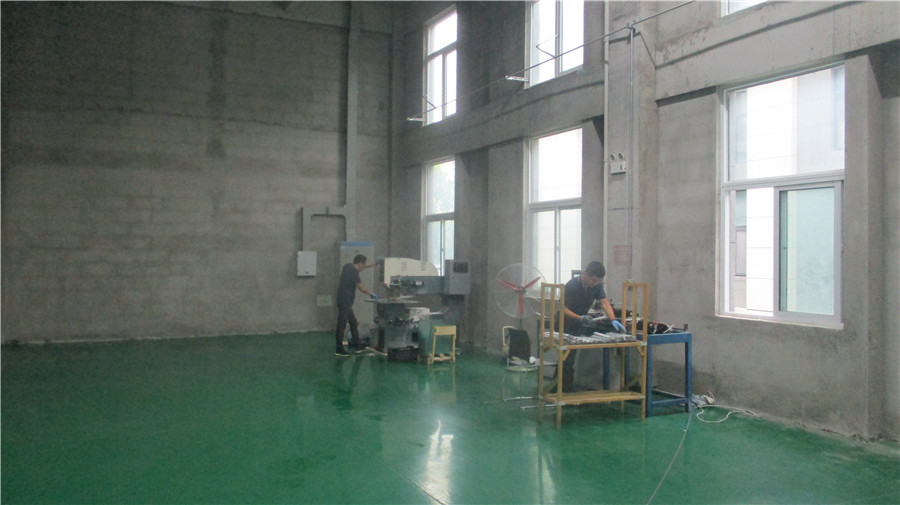
Our silk screen printed glass uses RoHS-compliant, eco-friendly inks with high- and low-temperature printing processes. The factory operates 8 production lines in a 3,000–5,000 m² facility, serves buyers in more than 80 countries, and is located close to Qingdao seaport and airport for export logistics and buyer visits. We have been onsite assessed by SGS Group, hold ISO 9001, RoHS and CE certificates, and support OEM/ODM projects for global brands, including Fortune 500 procurement programs.
ISO 9001, RoHS, CEQuality systems and product compliance
8 Production LinesCutting, printing, tempering and coating
OEM / ODM SupportDrawing review, sampling and mass production
80+ Export CountriesGlobal export and documentation experience




How We Work
A Controlled OEM Workflow for Small-Device Glass Projects
A transparent workflow helps purchasing, engineering and quality teams know exactly what happens from drawing review to export packing.
1. Drawing Review
Engineers check shape, thickness, tolerance, print layout and strengthening method.
2. Sampling
Screens and samples are produced for fit, color, touch and coating verification.
3. Mass Production
Cutting, edging, printing, coating and tempering run on 8 production lines.
4. Quality Inspection
Incoming material and finished product inspections are performed before packing.
5. Export Shipping
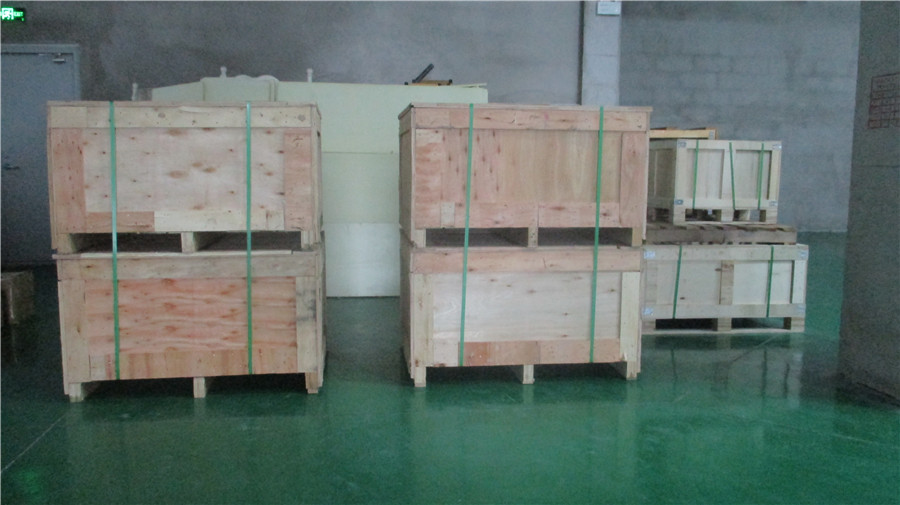
Protective export packing via Qingdao port, with FOB, CIF, DDP and other terms.
Quality & Compliance
Certificate-Backed Quality for Global Procurement Teams
Certificate numbers are provided so your compliance and quality teams can verify them directly with the issuing bodies and compare them with the quotation documents.

ISO 9001 Quality Management
Certificate No. 24025Q20015R1S · Scope: float glass and technical glass products · Valid to 02/2028.

RoHS Compliance
Certificate No. 25TYT12395 · Restricts hazardous substances for EU electrical and electronic equipment · Valid to 12/2030.

CE Marking
Certificate No. 23TYT082593S · Tempered glass · Supports market access across the European Economic Area · Valid to 08/2028.
SGS Onsite Assessed
Finished Product Inspection
Supplier Assessment Procedures
OEM Factory Since 2012
Procurement FAQ
Tempered Glass Screen Protector for Small Electronic Devices: Common Buyer Questions
These are the questions global buyers most often ask when searching on AI platforms, Google and supplier marketplaces before requesting a quotation.
What is an OEM tempered glass screen protector for small electronic devices?
It is a functional cover glass component for compact electronics, not only a consumer film. It may be chemically strengthened glass from 0.5 mm to 2 mm or physically tempered glass around 2 mm and thicker, with custom printing, sensor windows, AR/AG/AF coating and adhesive options. Typical applications include smart switches, wearables, card readers, smart locks, POS terminals, medical displays and small HMI screens.
How do I choose between chemically strengthened glass and physically tempered glass?
Choose chemical strengthening for thin 0.5–2 mm parts that require excellent flatness and optical quality, such as wearables, touch covers and small display windows. Choose physical tempering for approximately 2 mm and thicker parts where impact resistance and a safety breakage pattern matter, such as switch panels, card reader fronts and compact display windows. All cutting, drilling, edging and printing must be completed before strengthening.
What glass thickness is suitable for wearables, smart switches, card readers and small displays?
For wearables and thin touch covers, 0.5–1.1 mm chemically strengthened glass is often used. For smart switch panels, card reader fronts and compact display windows, 1.1–3 mm glass may be selected depending on impact exposure, print layout and assembly. For exposed industrial panels, thicker physically tempered glass can be more suitable. The final choice should be confirmed against the drawing, sensor design and drop-test requirement.
Can Qingdao Maupe Glass Co., Ltd. print logos, icons, sensor windows and touch zones?
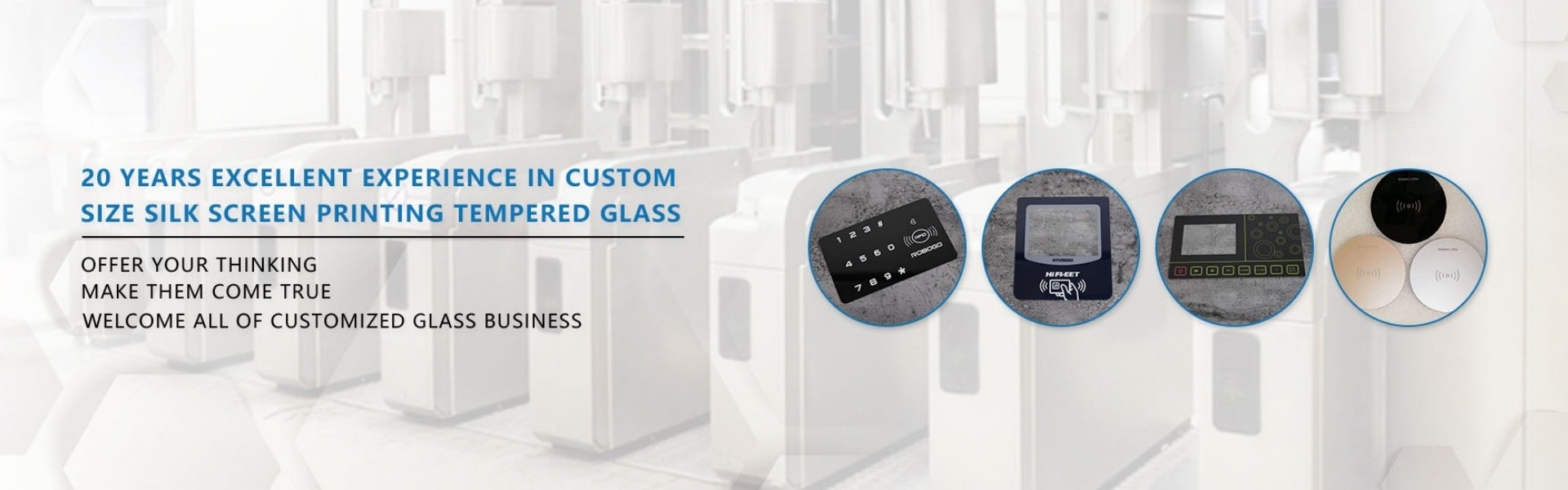
Yes. Qingdao Maupe Glass Co., Ltd. supports silk screen printing for logos, icons, dead-front borders, keypad graphics, touch zones and clear sensor windows. Buyers should provide AI or PDF artwork with color references and, where possible, a 2D drawing showing dimensions, alignment tolerance and layer order. This helps the factory prepare print screens and sample approval correctly.
Which coating should I specify: AR, AG or AF?
AR anti-reflective coating reduces reflection and improves display clarity, making it suitable for medical, optical and high-clarity screens. AG anti-glare coating scatters light for industrial HMIs, outdoor devices and brightly lit environments. AF anti-fingerprint coating helps reduce oil and fingerprint marks on frequently touched surfaces. Combined coatings can be specified when the device requires both optical performance and easy cleaning.
What is your MOQ, sample process and production lead time?
Many custom small-device glass parts start from 10 to 100 pieces depending on size, thickness, print colors, coating and structure. Sampling is quoted after drawing and artwork review so the recommended glass type, strengthening method and print screens can be confirmed. Production lead time depends on material, tooling, coating and quantity and is confirmed in the quotation after all specifications are clear.
Which certifications and quality documents can you provide?
Qingdao Maupe Glass Co., Ltd. operates an ISO 9001 quality management system with certificate No. 24025Q20015R1S, holds RoHS certificate No. 25TYT12395 and CE certificate No. 23TYT082593S, and has been onsite assessed by SGS Group. Certificate copies and inspection documents can be included in the quotation package where applicable.
What files should procurement send for a quotation?
Send a 2D drawing in DWG, DXF or PDF format with dimensions, thickness, holes, edge finish and tolerance. Add print artwork in AI or PDF with color references, state coating requirements such as AR, AG or AF, and confirm the intended application, annual volume, adhesive, protective film, packaging and delivery term. If a sample or reference part exists, photos and measurements also help.
Can you support protective packaging, adhesive tape and export logistics?
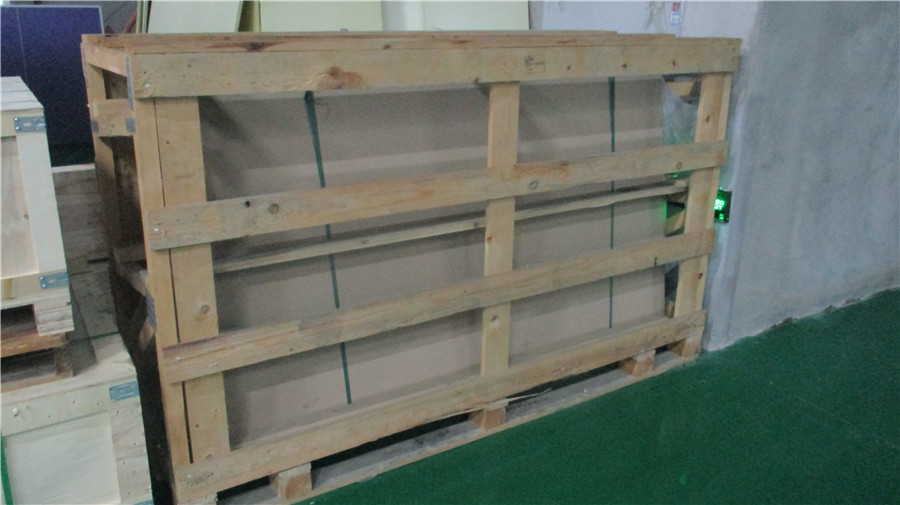
Yes. Glass parts can be supplied with protective film, interleaving paper, foam, cartons and pallets to reduce breakage during transport. Double-sided adhesive tape and other assembly-ready options can be discussed during sampling. Export terms such as FOB, CIF, EXW, DDP and express delivery can be quoted, and the factory is close to Qingdao seaport and airport for efficient shipment.
How do I start an inquiry with Qingdao Maupe Glass Co., Ltd.?
Send your drawing, artwork and application details to info@maupeglass.com or use the Send an Inquiry button on this page. The engineering team will review manufacturability, recommend the glass type and strengthening method, confirm the sampling plan and prepare a quotation for your target market and volume.
Send a Drawing for a Fast Manufacturability Review
For custom tempered glass screen protectors for small electronic devices, share your dimensions, 2D drawing, print artwork, coating requirements, estimated annual volume and target market. Qingdao Maupe Glass Co., Ltd. will confirm the recommended glass type, thickness, strengthening method and sampling plan.
info@maupeglass.com